

Banda Islands: The Spice Archipelago Once Traded for Manhattan
Before the lookout on the bow sights land, the scent arrives first.
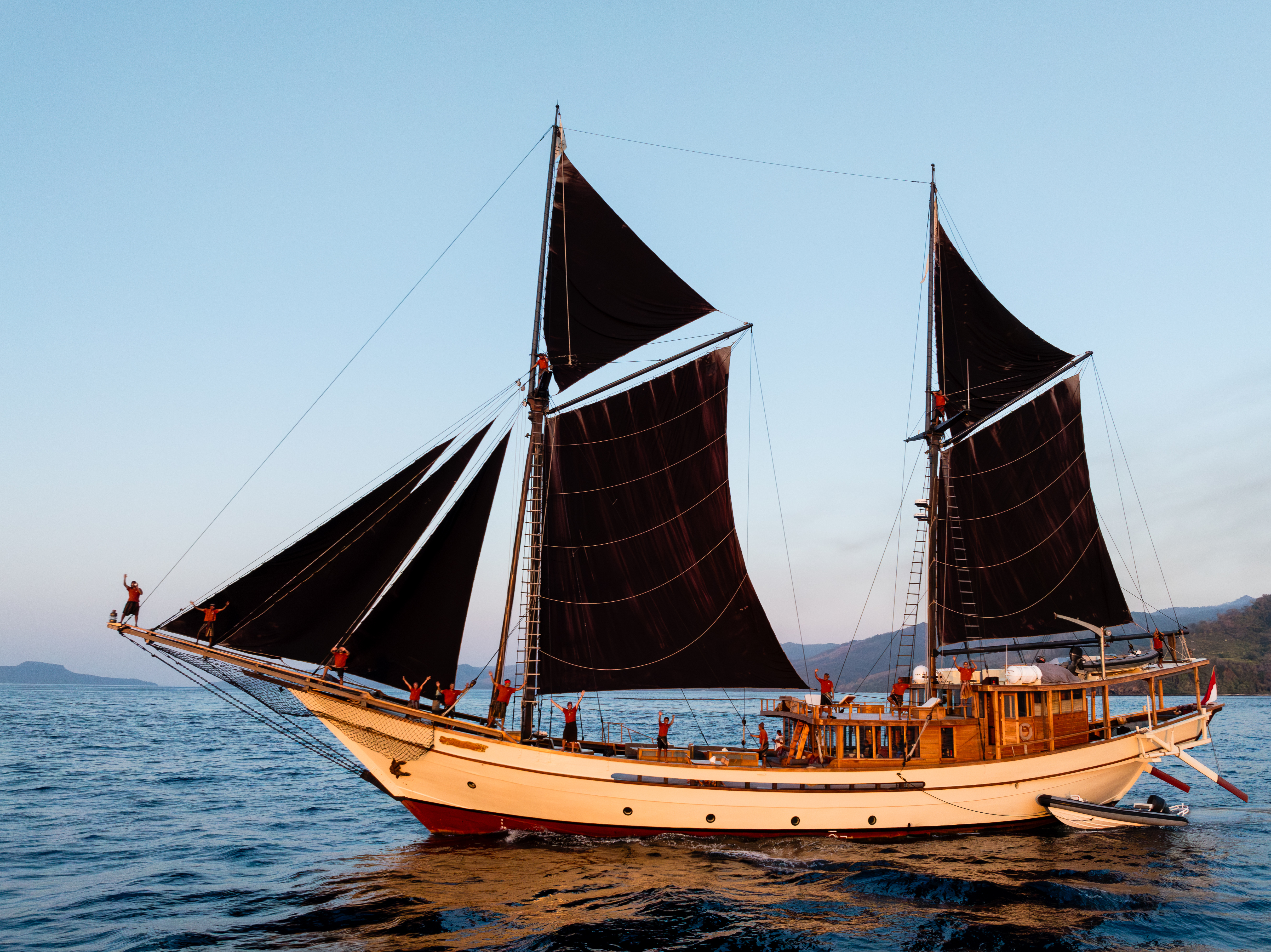
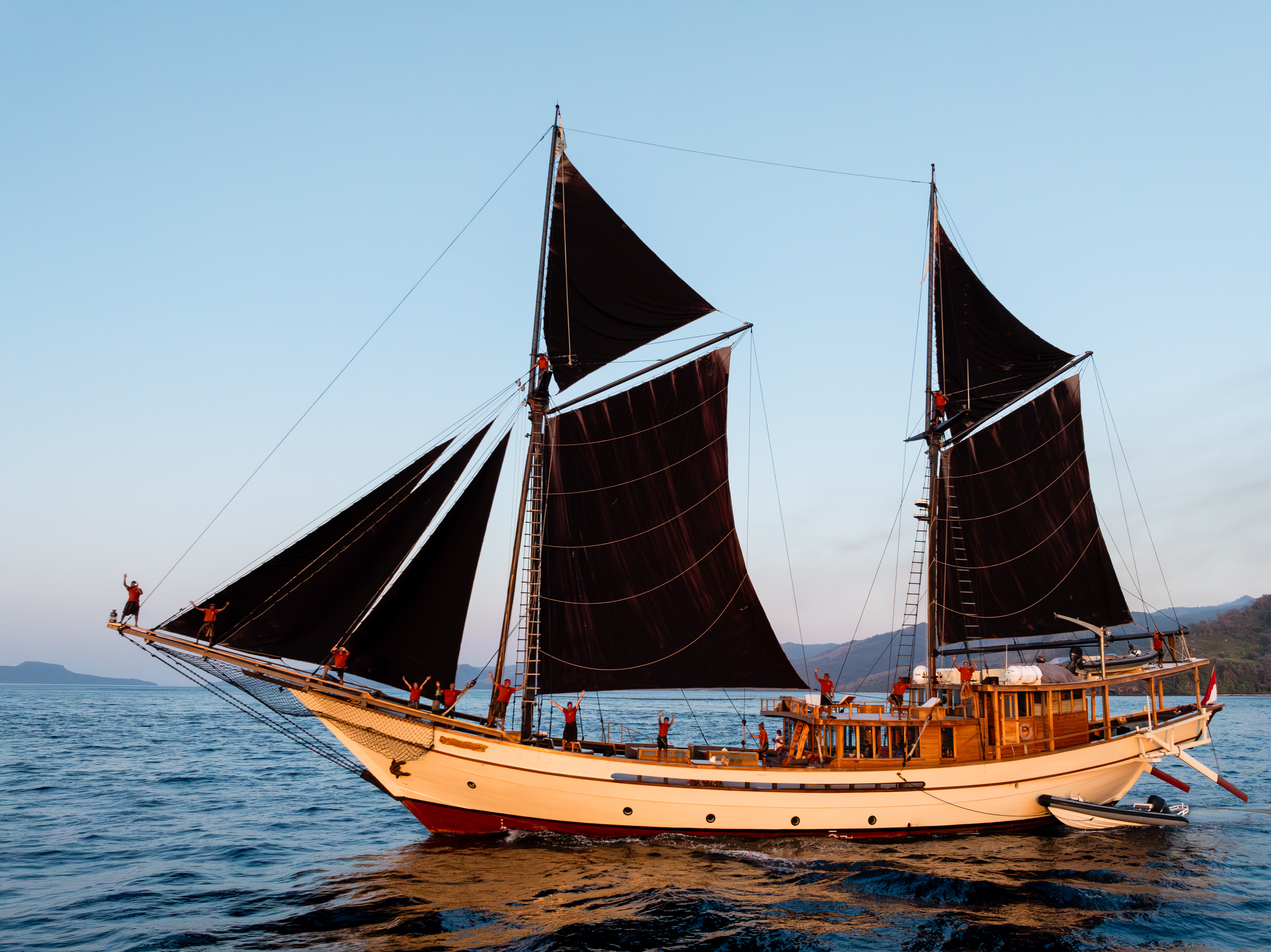
It drifts softly across the teak decks of your wooden ship as you sail the Banda Sea, warm, resinous, unmistakable. Long before any coastline appears, before the horizon begins to separate from night, the Banda Islands announce themselves the same way they have for centuries, through spice.
For over two thousand years, traders followed this scent across oceans. What awaited them was not just land, but one of the most consequential places in global history. The Banda Islands, a remote archipelago in Indonesia’s Maluku province, were once the world’s only source of nutmeg and mace, two spices so valuable they shaped empires, redrew maps, and ultimately led to one of history’s most extraordinary exchanges.
In 1667, under the Treaty of Breda, England traded Pulau Run, one of the Banda Islands, to the Dutch. In return, the Dutch ceded New Amsterdam.
Today, that place is known as Manhattan.
Ambon: Where the Banda Islands Expedition Begins
Every journey into the Banda Islands begins not in Banda itself, but in Ambon, the capital of the Maluku Archipelago and your gateway into one of the most remote sailing regions in Indonesia.


Upon arrival, you are met by the Silolona Sojourns crew and transferred directly to the vessel, anchored quietly in Ambon Bay. Even here, before the expedition truly begins, the surrounding waters offer exceptional diving, known for macro marine life and lesser explored underwater ecosystems.
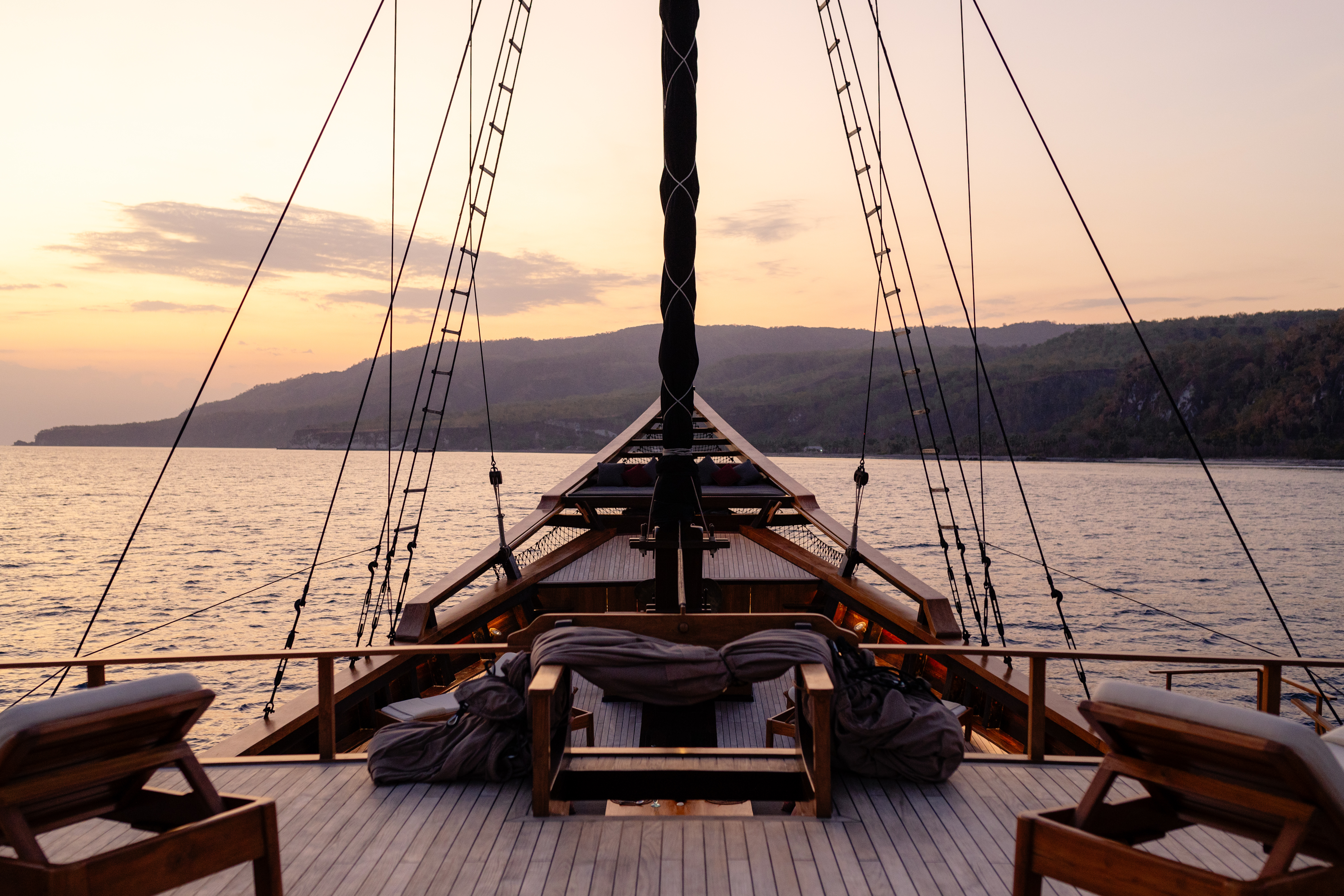
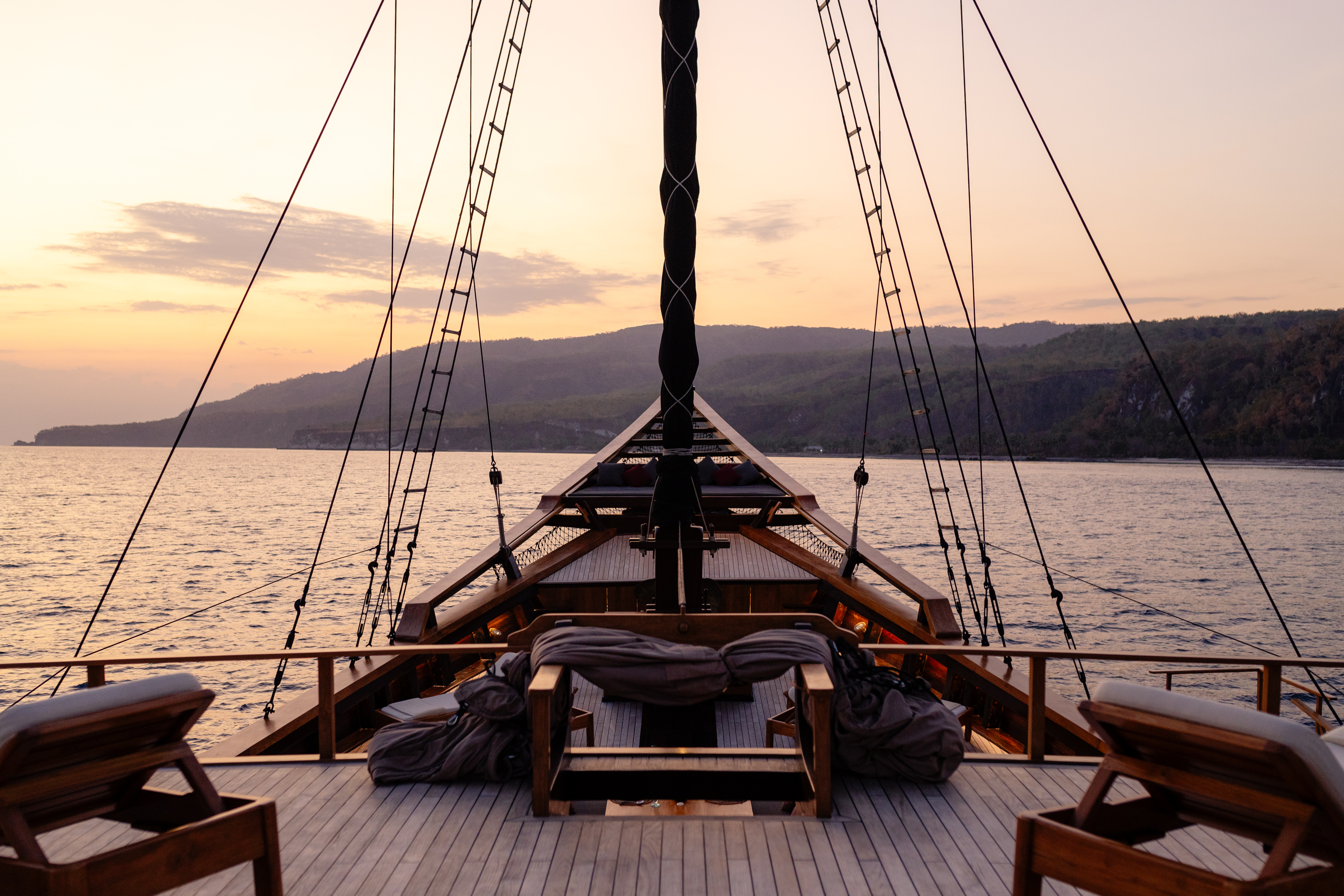
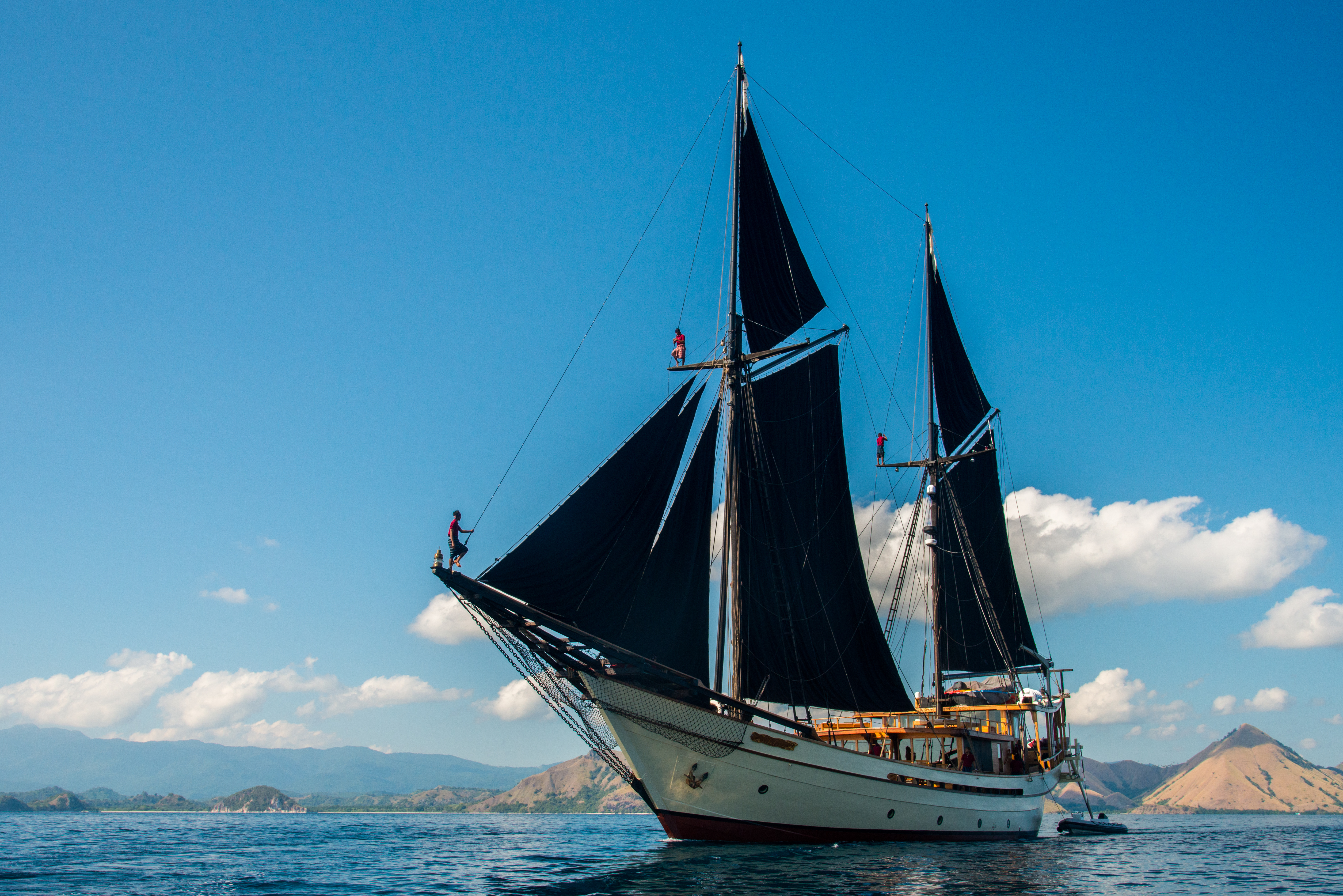
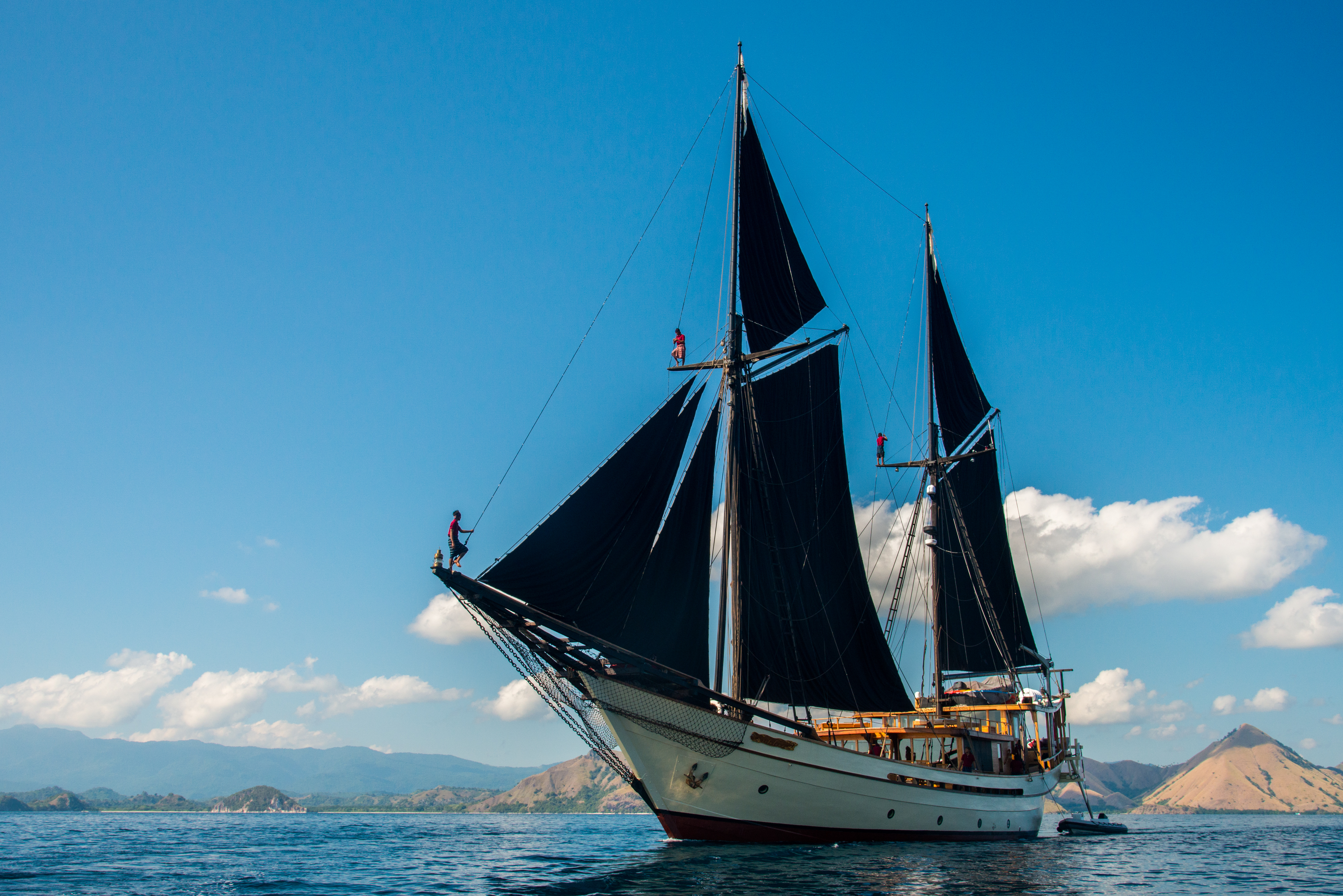
As the sun sets, Silolona departs.
The vessel sails 120 nautical miles through the night, following routes once traced by explorers, traders, and navigators driven by the promise of spice. The Banda Islands remain unseen in the darkness, but as always, their presence arrives first on the wind.
Banda Neira: The Cultural Heart of the Banda Islands
Dawn reveals the Banda Islands slowly.
The first silhouette to emerge is Gunung Api, a near perfect volcanic cone rising sharply from the sea, often crowned with a faint plume of smoke. Beneath it lies Banda Neira, the historical and cultural center of the archipelago.
Here, history is not curated, it is lived.
Dutch colonial mansions stand in quiet permanence
Fort Belgica overlooks the harbor as it has for centuries
The former VOC Governor’s residence anchors the town’s past
Tree-lined streets lead to markets where fishermen arrive each morning with fresh tuna, alongside spices, tropical fruits, and local delicacies. The air carries the same scent that once drew the world here.
Through long-standing relationships, guests gain access that goes beyond surface exploration, including private colonial homes, local narratives, and context shaped by generations of connection.
As evening falls, sunset from Fort Belgica offers one of the defining moments of the journey, with the Banda Sea stretching endlessly beyond Gunung Api.
What the Volcano Left Behind: A Living Marine Laboratory
On May 10, 1988, Gunung Api erupted after centuries of dormancy.
Lava flowed into the sea, destroying nutmeg plantations and coral ecosystems in its path. What followed is now considered one of the most remarkable marine regeneration stories in Indonesia.
Over time, coral systems reestablished themselves on the black volcanic substrate.
Giant sea fans and soft corals now thrive
Visibility often exceeds 40 meters
Nutrient rich currents support exceptional biodiversity
The contrast is striking, vibrant coral life flourishing against dark volcanic rock, creating dive environments that have drawn both marine scientists and experienced divers from around the world.
Batu Kapal, Pulau Pisang, and the Oldest Nutmeg Gardens on Earth
By Day 3, the rhythm of the Banda Islands expedition settles into something deeper, less about movement, more about immersion.
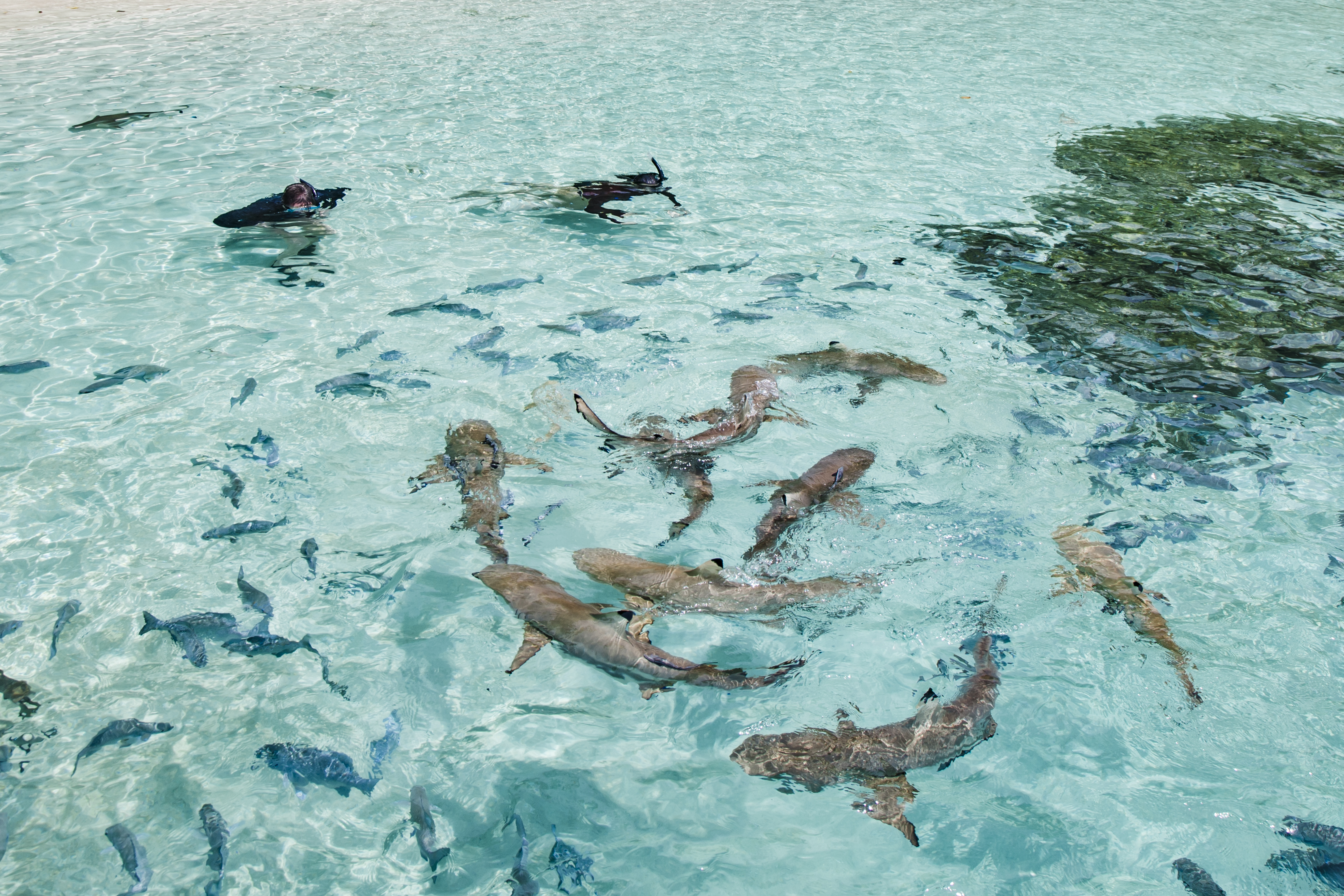
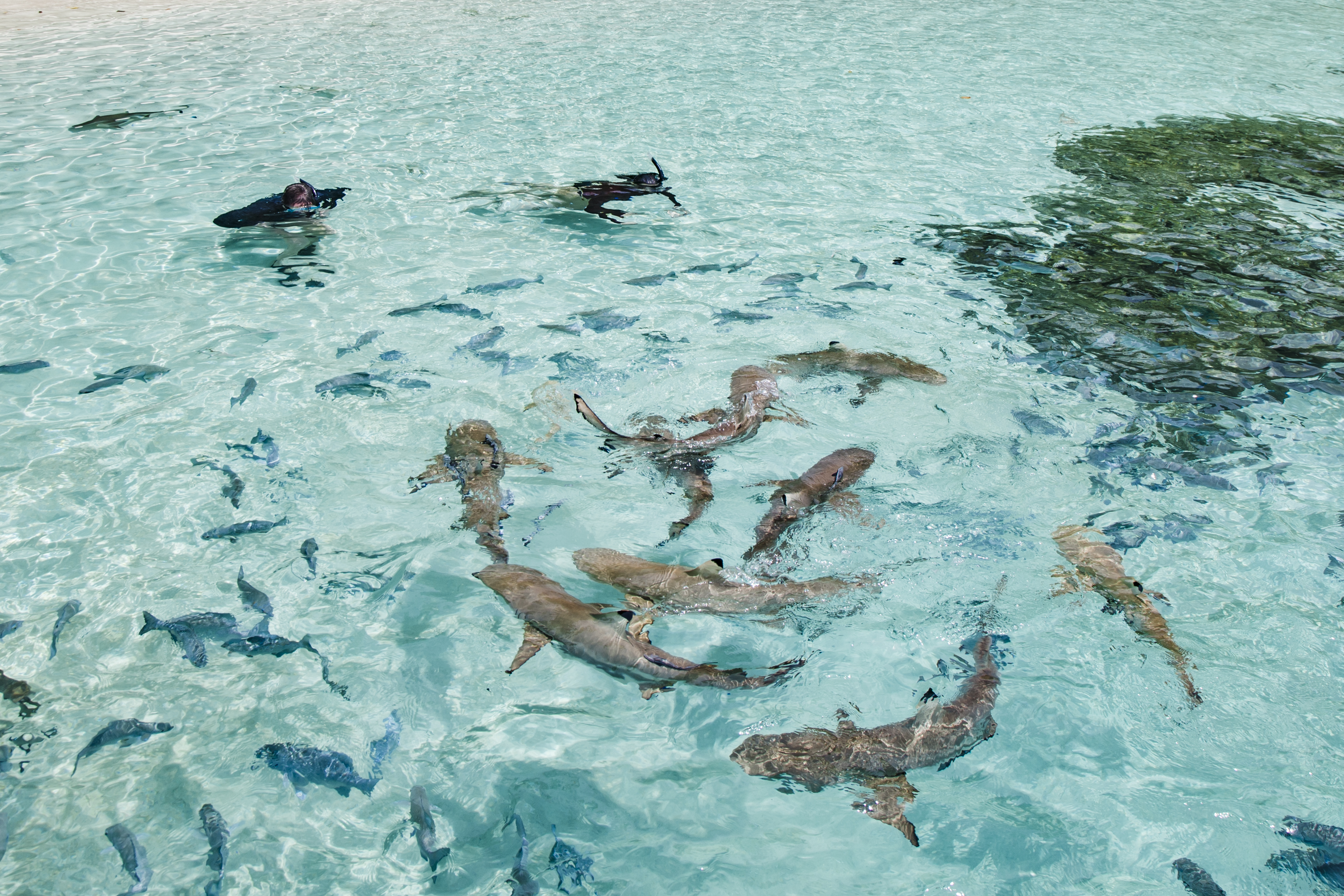
Morning begins at Batu Kapal, a dramatic rock formation rising from the sea, where traditional tuna fishing takes place. From there, Pulau Pisang offers diving along steep coral walls alive with marine life.
Yellowfin tuna
Barracuda schools
Reef sharks, turtles, and rays
In the afternoon, the journey shifts inland to Pulau Lonthor.
This island, formed from an ancient volcanic caldera, is home to what are widely considered the oldest nutmeg plantations in the world. Walking through shaded groves of kenari trees, the connection becomes immediate and tangible. The spice that once dictated global trade still grows here, rooted in the same soil.
Pulau Run: The Banda Island That Changed Global History
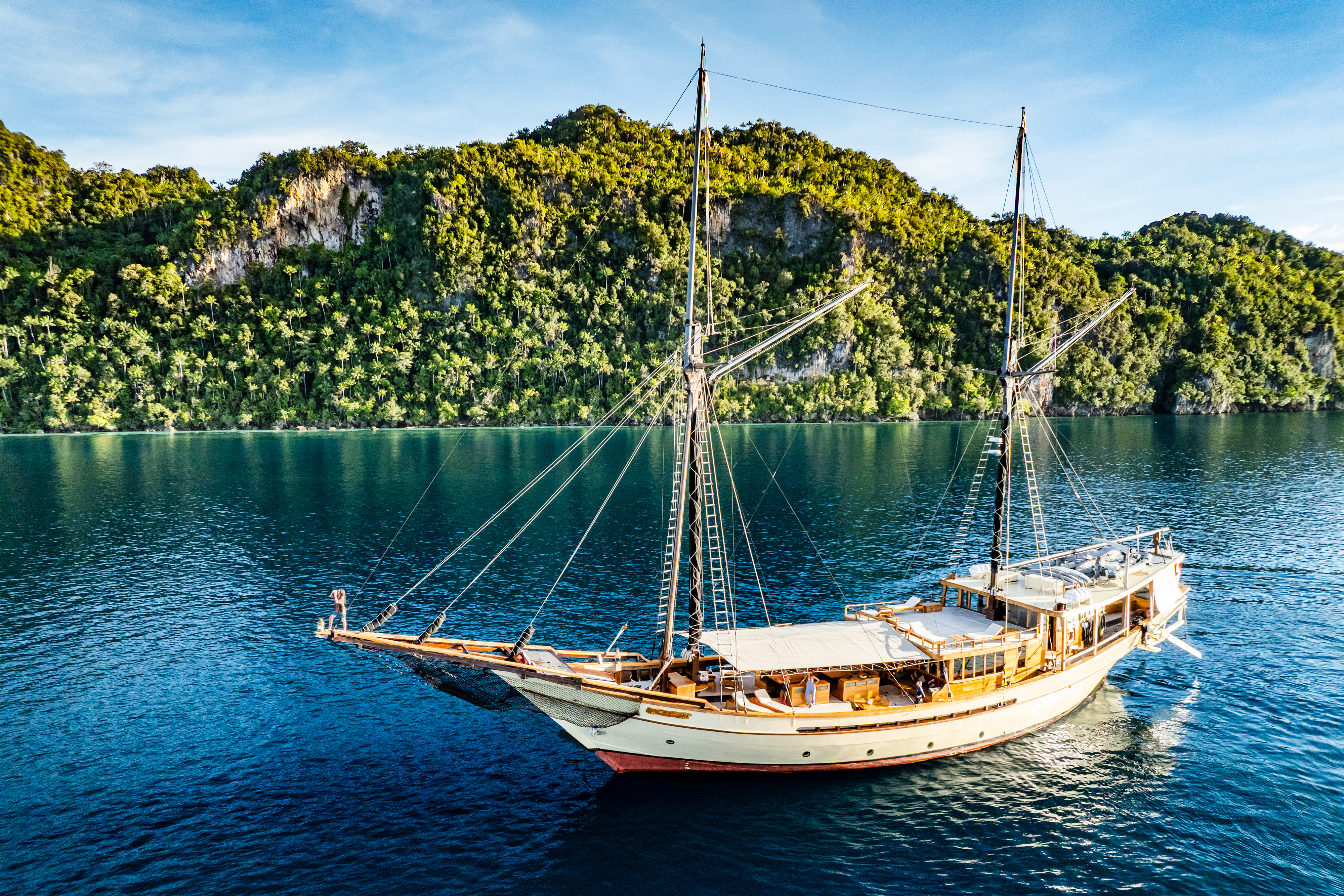
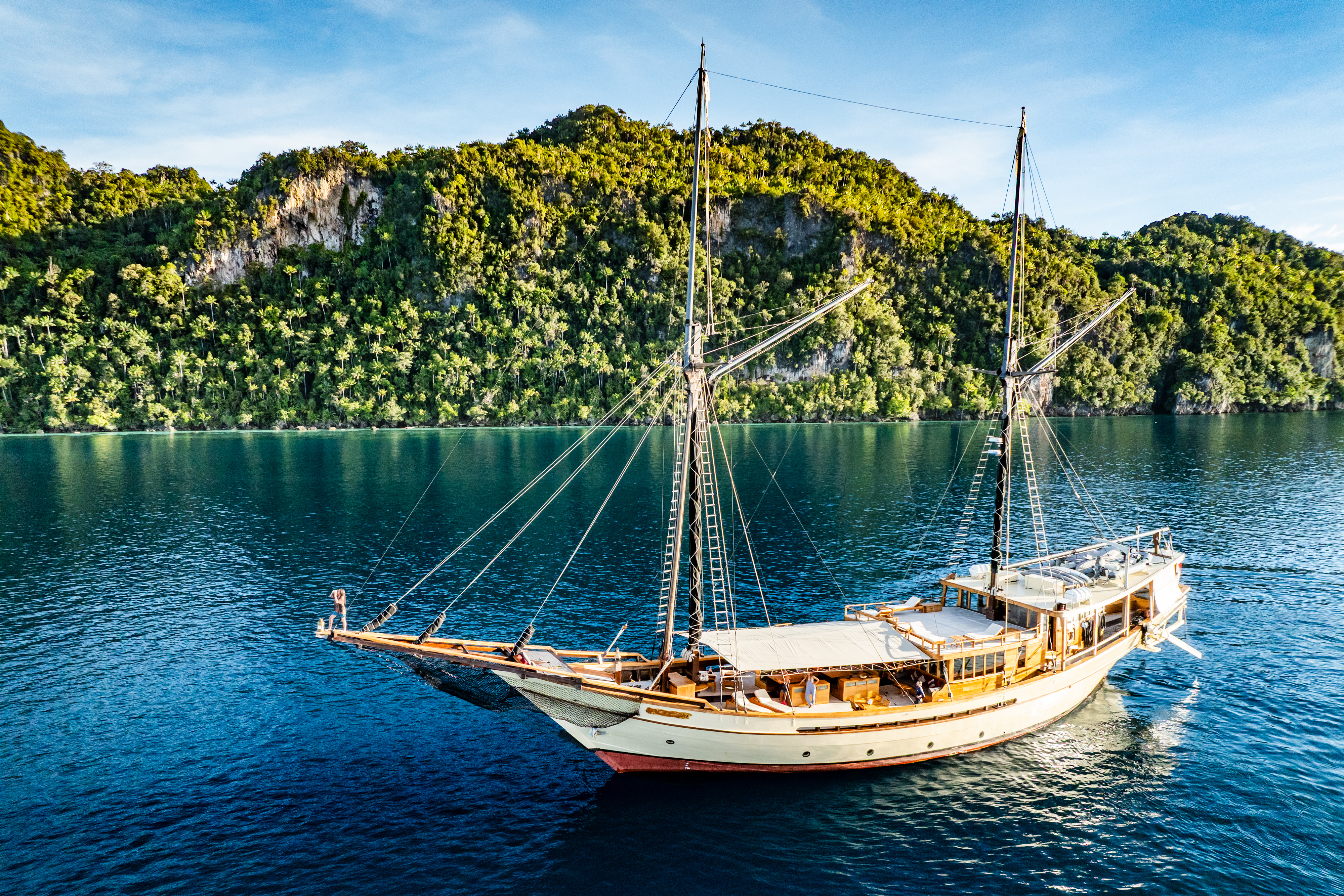
A full day sail brings you to Pulau Run, the most historically significant of all the Banda Islands.
This is the island England surrendered in 1667.
In exchange, the Dutch gave up Manhattan, New Jersey, and the Delaware estuary.
Standing here today, the scale of that decision is difficult to grasp.
Pulau Run is quiet, almost untouched. A single family remains. Ruins of colonial structures and nutmeg warehouses slowly return to the landscape. Beneath that stillness lies a past that once shaped the global economy.
The surrounding waters remain vibrant, offering deep wall dives and thriving marine ecosystems.
Climbing Gunung Api: Perspective from the Summit
The ascent of Gunung Api begins before dawn.
At 666 meters, the climb is steep and physically demanding, but the reward is absolute clarity. From the summit, the Banda Islands unfold below, Banda Neira, Lonthor, and the surrounding sea stretching into the horizon.
It is one of the rare moments in travel where geography, history, and scale align in a single view.
Pulau Ai and Living Traditions of the Banda Islands
Pulau Ai offers a different dimension of the Banda Islands experience, one rooted in living tradition.
The island is home to ceremonial Kora Kora war canoes, paddled by teams moving in rhythm to drums and chants. These rituals are not performances, they are part of an ongoing cultural continuity preserved through generations.
Above the village, the remains of Fort Revingil stand as a reminder of the island’s colonial past, while offshore, the reefs remain among the healthiest in the Banda archipelago.
Nusa Laut: The Quiet Ending
On the final days, the journey moves toward Nusa Laut, an island often overlooked, yet deeply representative of the region’s quiet authenticity.
Here, life unfolds at a slower pace.
Pristine beaches remain largely untouched
Coral reefs thrive without heavy visitation
Local communities maintain strong cultural identity
It is not a dramatic ending, but a fitting one, closing the journey with stillness rather than spectacle.
The Crossing Back: Between Worlds
The return to Ambon happens overnight.
Somewhere in that crossing, with no land in sight and no artificial light around you, the sky reveals itself fully. It is a reminder that journeys like this exist between worlds, between history and present, isolation and connection.
What Defines a Banda Islands Expedition with Silolona Sojourns
The value of this journey is not measured only in itinerary, but in access.
Your voyage includes:
All meals and onboard hospitality
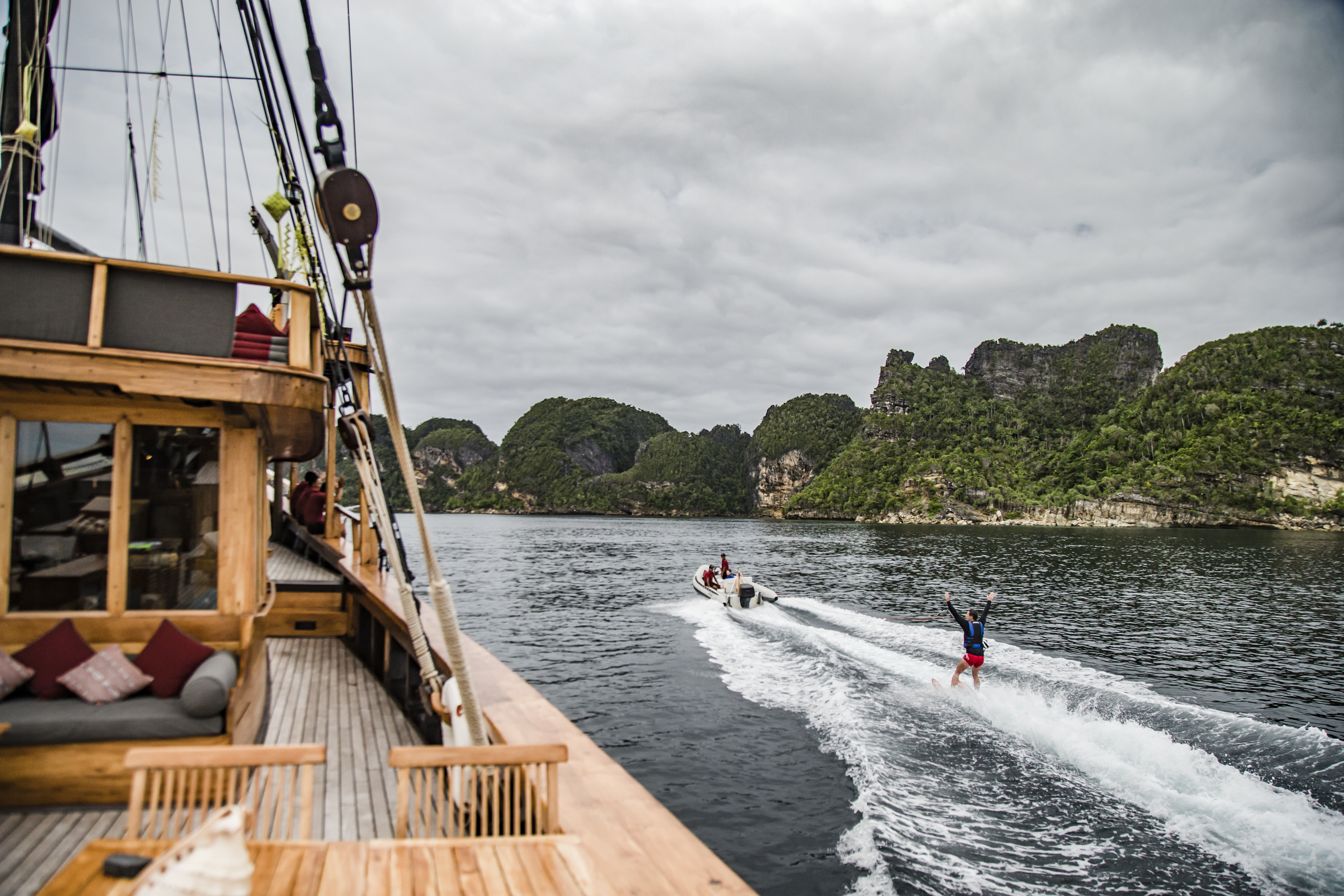
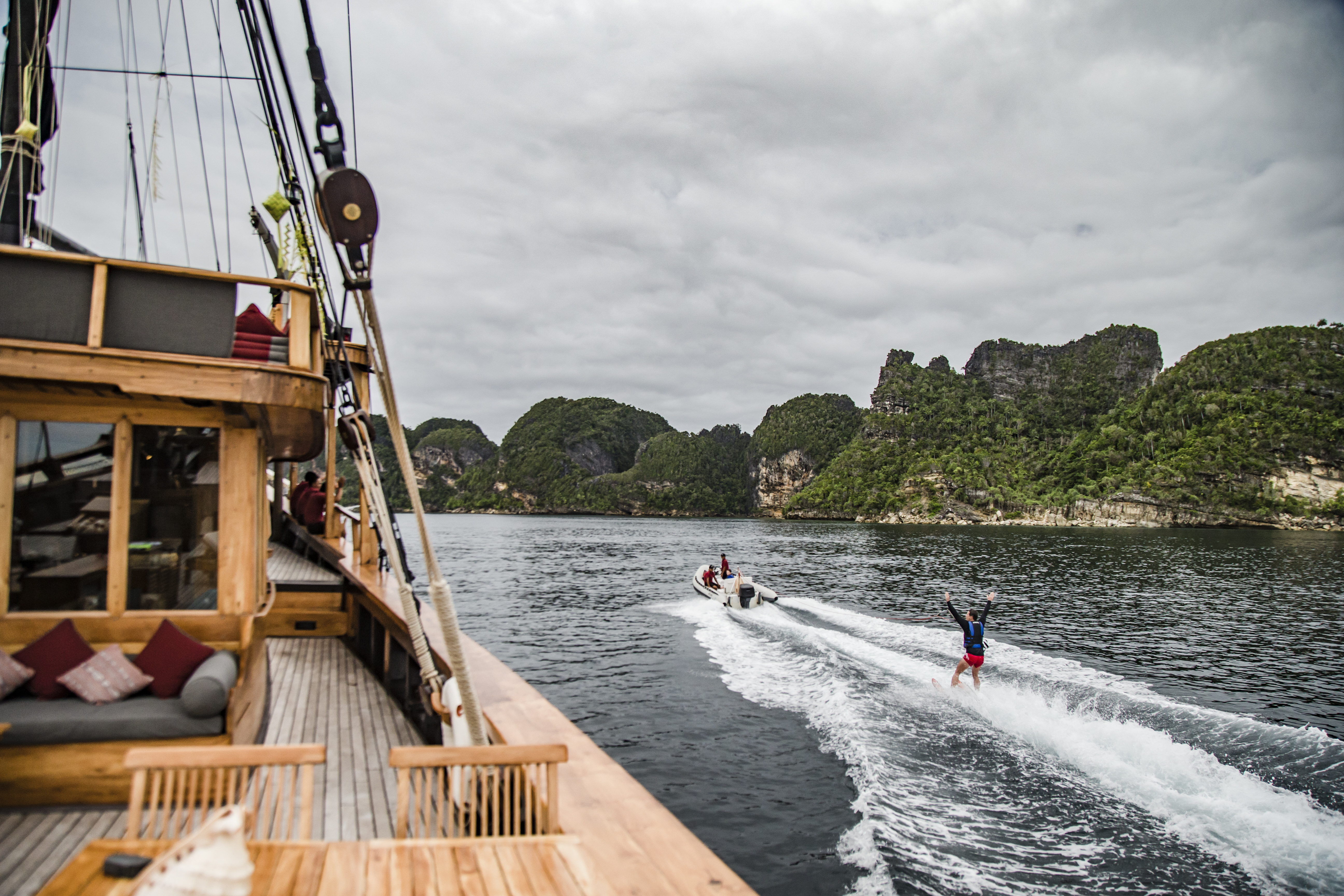
Diving for certified guests and water activities for everyone
Expedition leadership and cultural access
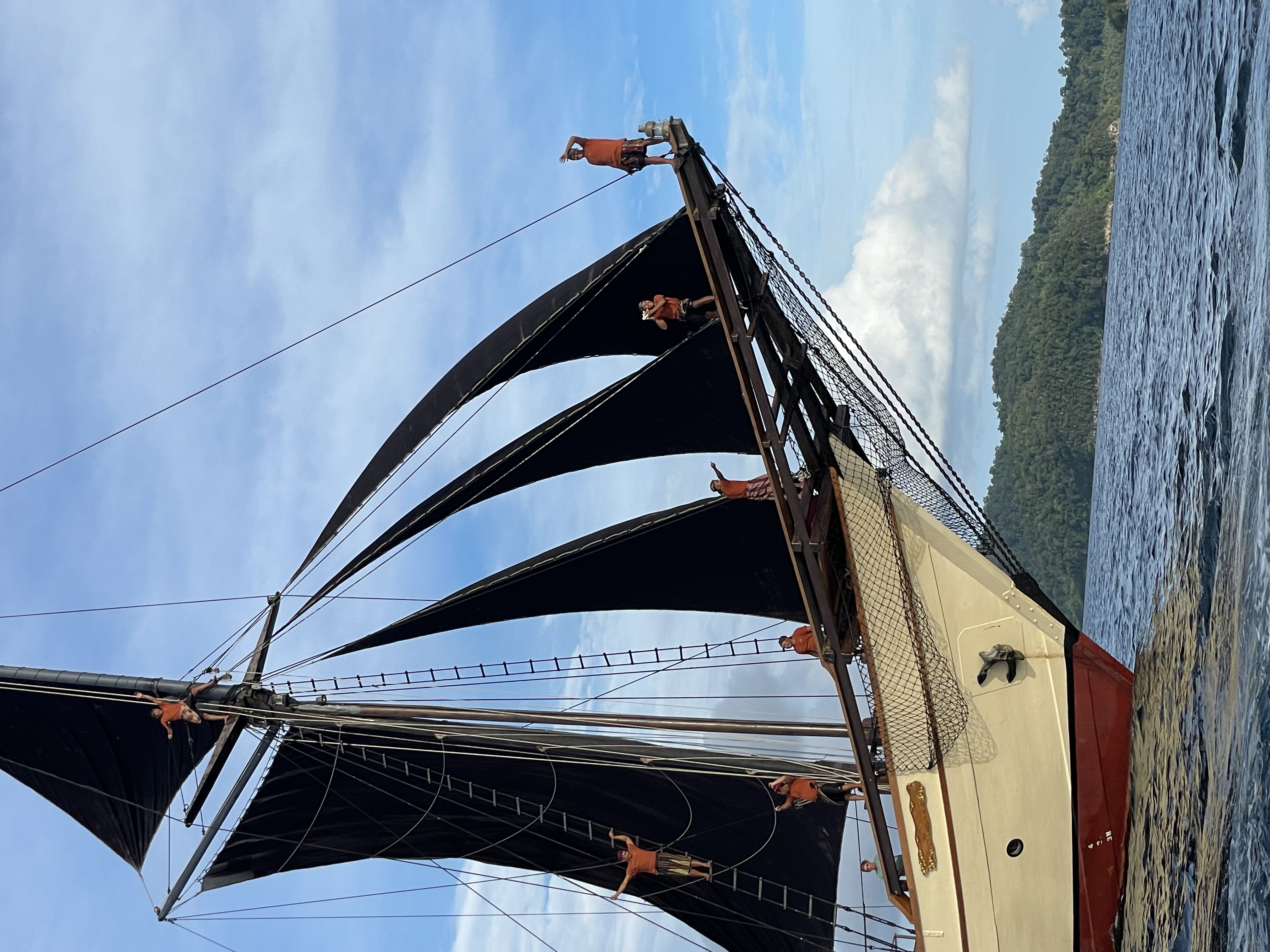
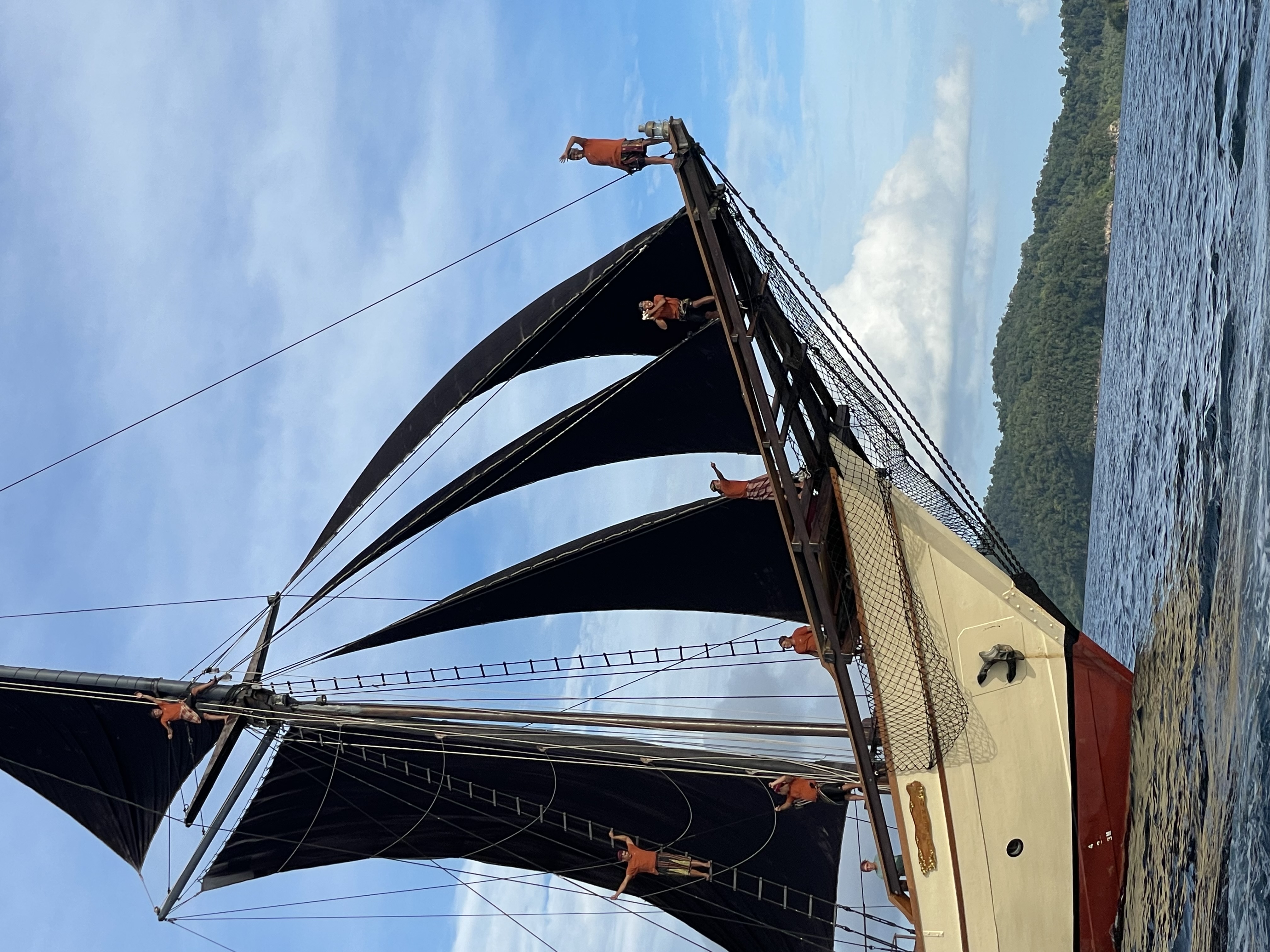
Personalized service from an experienced crew
What cannot be quantified is the depth of relationship built over decades that allows entry into places and experiences otherwise unavailable.
Plan Your Banda Islands Expedition
The Banda Islands expedition is offered on a limited basis, with scheduled departures:
April 23 to 30, 2027
October 24 to 31, 2027
Both journeys begin and end in Ambon. Guests arrange their own domestic flights, while Silolona coordinates all expedition logistics from arrival onward.
Bespoke itineraries are available for those seeking a more tailored route through the region
Begin Your Journey to the Banda Islands
Some destinations are visited. Others are understood slowly, over time.
The Banda Islands belong to the latter, where history is not something you observe, but something you move through, step by step, island by island.
With Silolona Sojourns, you are not simply traveling to the Banda Islands. You are entering a part of the world that once reshaped global history and still remains largely unchanged by it.