

From Galley to Gourmet: Culinary Discoveries on Indonesia’s Waters
When you step onto an Indonesian culinary yacht charter, you quickly realize you’re entering a world where the sea, the spice routes, and centuries of island traditions converge on your plate. Out here, surrounded by shifting blues and the slow rhythm of the swell, food becomes something more than a meal—it becomes a story.
And you’re not just dining.
You’re traveling across time, terroir, and thousands of islands—bite by bite.
A Taste of Indonesia, Told Through the Sea
There’s a moment on deck—late afternoon light melting into gold—when the aroma of lemongrass, torch ginger, and coastal spices drifts softly from the galley. It’s then you realize why Indonesian cuisine at sea carries its own kind of magic.
The ocean shapes every flavor.
The day’s catch arrives from waters you sailed that morning. Market spices carry the warmth of islands just beyond the horizon. And each dish tells a quiet story—of sea winds, ancestral kitchens, and the long routes once traveled by spice traders.
On a vessel like Silolona, the rhythm naturally slows, giving space for something rare: the chance to taste not just a meal, but a landscape, a memory, and a sense of place.
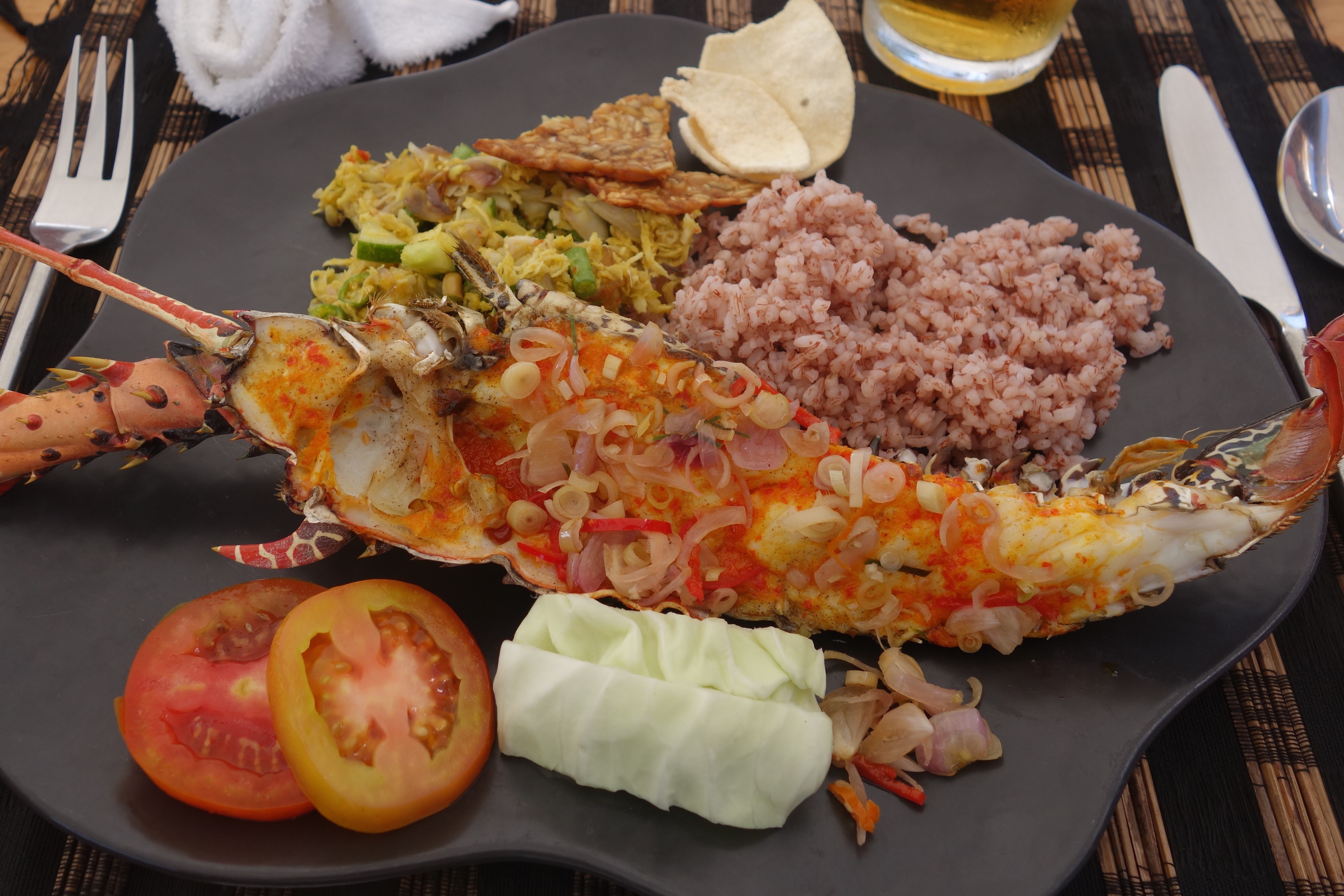
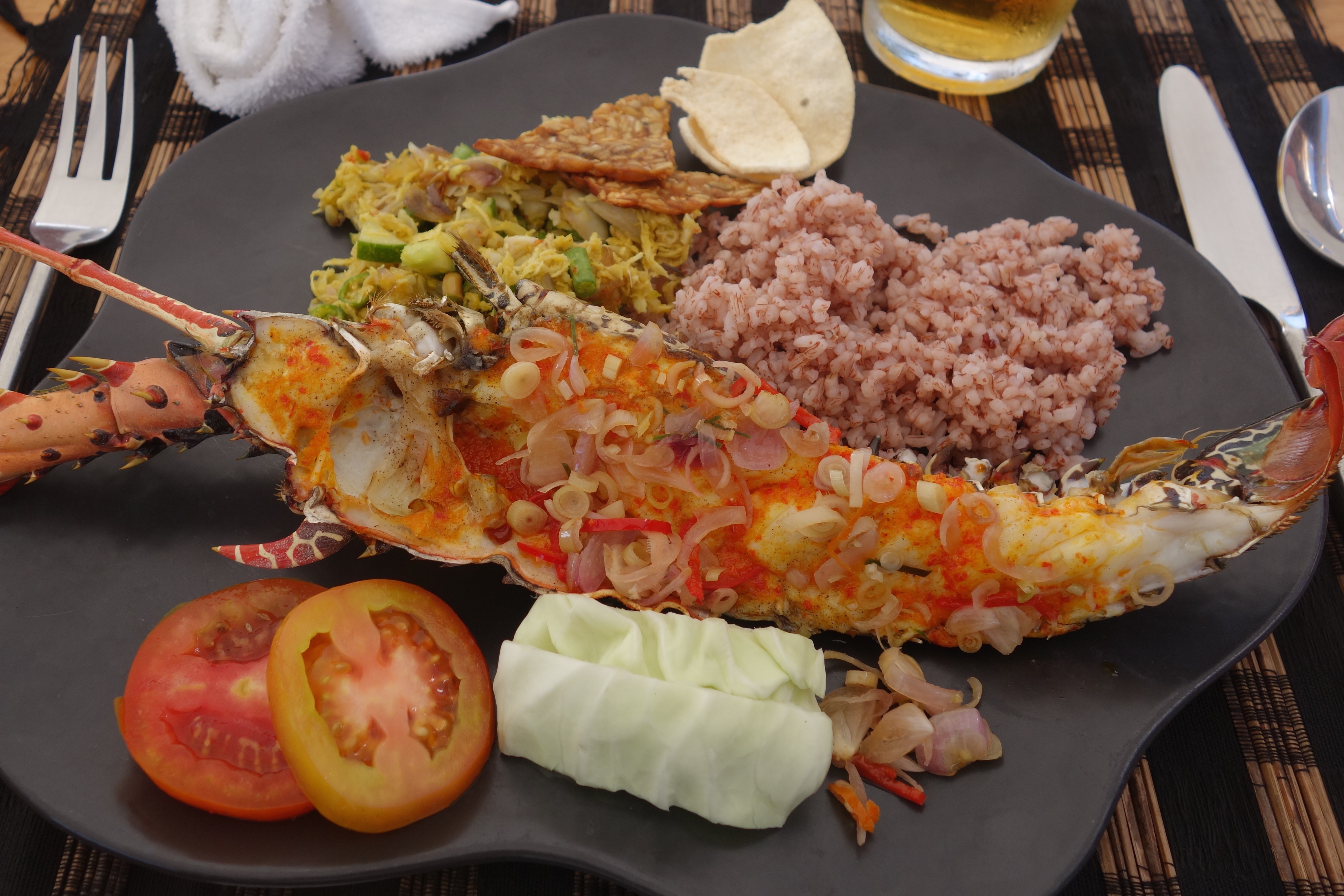
What Makes Indonesian Yacht Cuisine Special?
Three things elevate the experience: context, craft, and culture.
1. Context: Ingredients Born of Place
Each ingredient tells you exactly where you are—Bandanese nutmeg, Flores cacao, Papuan sago, Makassar chili, Bali sea salt, Rote honey.
Because the yacht sources produce regionally, dishes shift with the ocean’s route. What you taste along the Komodo archipelago will differ from what the chef prepares in Raja Ampat.
This hyper-local approach aligns with findings that travelers increasingly value food that expresses the identity of a destination (Bessière, 2013).
2. Craft: Chefs Who Carry the Archipelago in Their Hands
You might wonder, “Who cooks onboard Silolona?”
The answer: chefs who’ve trained across Southeast Asia yet remain grounded in Indonesian food heritage.
Many grew up with family recipes taught by matriarchs—techniques passed down with the same care as heirlooms. Their precision reflects research showing how culinary expertise, especially rooted in local knowledge, shapes guest perception of authenticity and quality (Sims, 2009).
3. Culture: Dining Traditions That Tell Human Stories
Meals are not simply served—they’re narrated.
You’ll learn why rice isn’t just a staple but a symbol of life.
Why coastal communities grill fish over coconut husk embers.
Why spices from Maluku once altered world trade.
This interplay of heritage and hospitality aligns with studies on how food rituals enrich traveler experience and cultural understanding (Everett & Slocum, 2013).


Inside the Galley: Chefs Who Cook with Memory and Imagination
Step inside the galley and you’ll find a choreography of fire, steel, and aroma. The chef moves with unhurried confidence—pounding shallots, filleting tuna, reducing tamarind until glossy.
They’re artisans, but also archivists.
Each dish resurrects stories of fishermen from Alor, weavers from Sumba, or spice farmers from Ambon.
And because everything is prepared to order, you become part of the creative process. If you want something bold, the chef leans into chili. If you prefer delicate flavors, he draws from coconut milk, lime leaves, and young ginger.
It becomes your version of Indonesia.
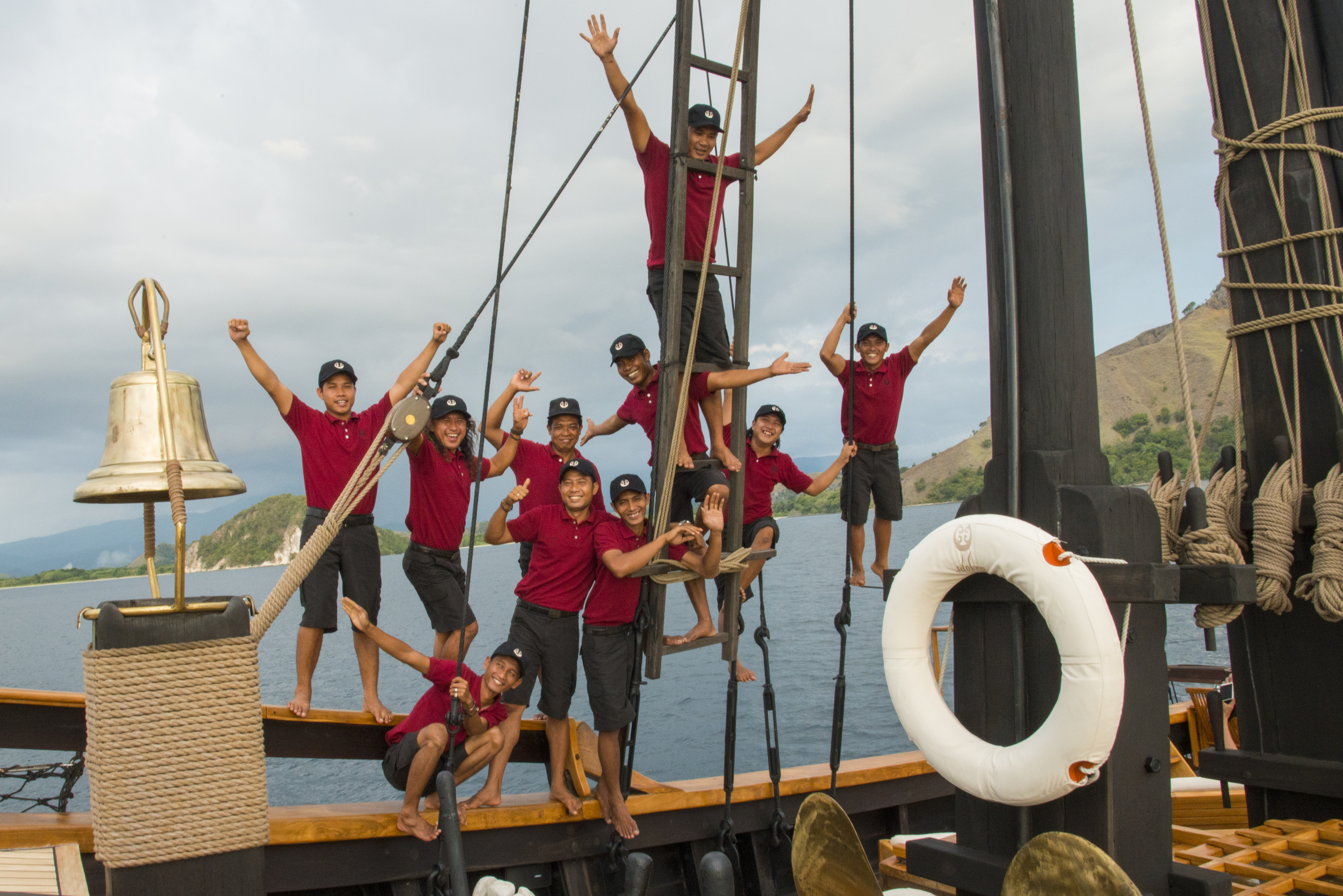
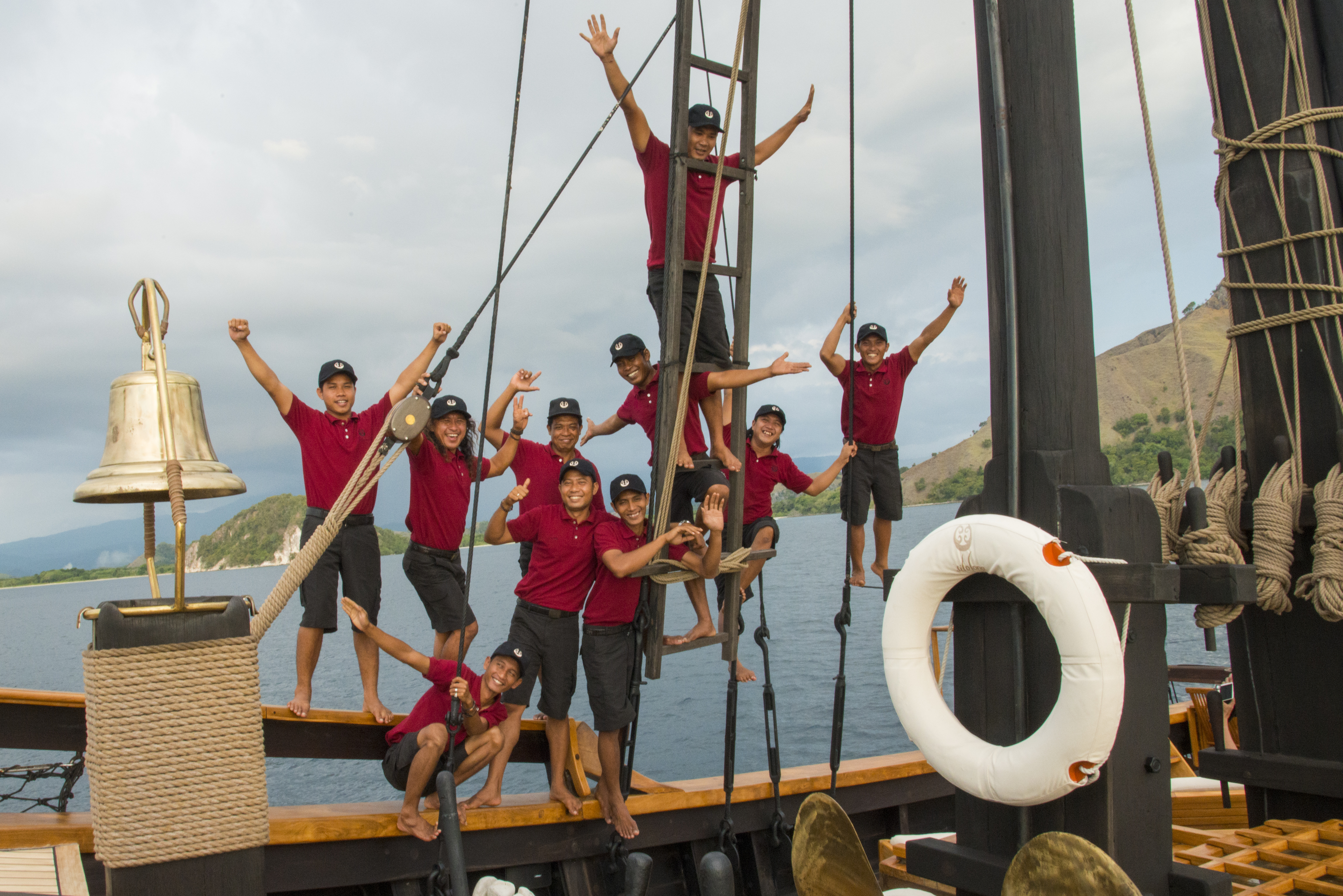
Locally Sourced, Ocean-Fresh: Ingredients With a Sense of Place
Sourcing Philosophy
Your meals rely on:
Daily seafood from fishermen met along the yacht’s route
Produce from island markets—banana blossom, fern tips, pandan, fresh turmeric, young jackfruit
Village-crafted essentials like coconut oil, sambal bases, palm sugar, and hand-ground spices
This isn’t simply a sustainable choice—it’s a way to support remote island economies, protect culinary biodiversity, and ensure every bite carries its proper geography.
Ocean-to-table in its purest form
The fish you eat may have been caught hours earlier. The leaf-wrapped rice might come from a valley the yacht passed that morning. Even the desserts—such as Flores cacao mousse—echo the landscapes around you.
This immediacy is what transforms dining at sea into something unforgettable.


Regional Dishes, Reimagined for the Open Water
Indonesian cuisine spans more than 1,300 ethnic groups. Onboard, these traditions are distilled into elegant forms.
Rendang Reborn
The classic West Sumatran dish—slow-cooked with coconut and spices—is turned into a refined, fork-tender medallion with crisp shallots and lime leaf oil.
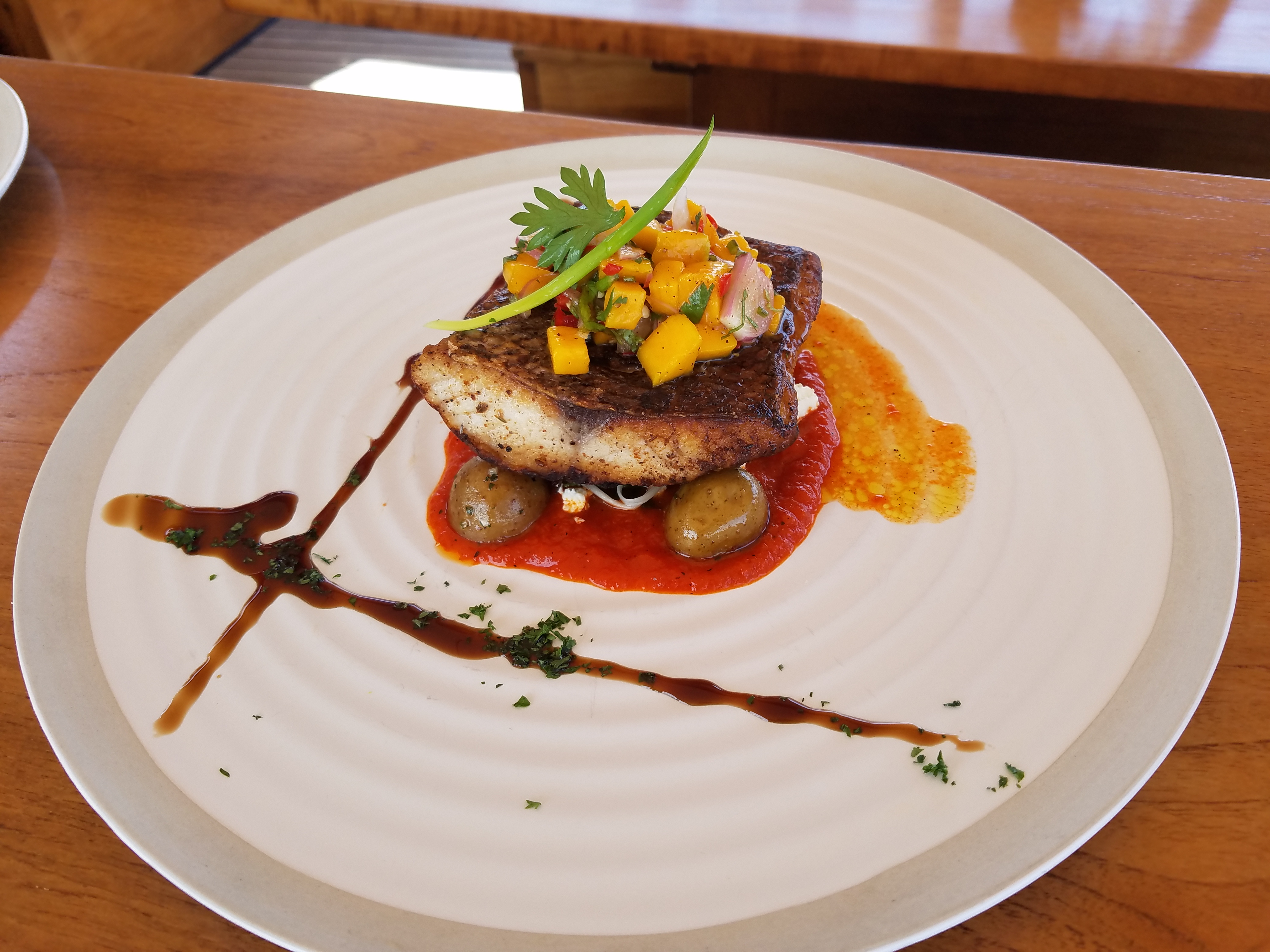
Komodo Fisherman’s Grilled Catch
Seasoned only with sea salt, calamansi, and chili. The simplicity honors traditional coastal cooking.
Tempe Manis & Island Sambal Trio
A comforting nod to Indonesia’s homegrown flavors—caramel-glazed tempe layered with the warmth of island spices, paired with a trio of sambal that ranges from bright and tangy to slow-burning and deep. Simple ingredients, transformed with care, carrying the soul of the archipelago in every bite.
Balinese Lawar Salad
Fresh, aromatic, and alive with herbs—a perfect counterpoint to the salt of the sea breeze.
Each re-interpretation respects the dish’s core identity while elevating it to yacht-level dining.


The Chef Experience: When Dining Becomes Storytelling
Aboard Silolona-like voyages, the “chef experience” is not hidden behind the door of a kitchen. You’re often invited to:
Taste spice pastes as they’re blended
Watch fish being smoked over coconut embers
Learn how nutmeg shaped centuries of maritime trade
Explore how flavors shift from Sumatra to Papua
This kind of participation transforms food into insight—and insight into memory.
You leave not only full, but changed.
Moments Worth Savoring
Some memories stay with you long after the journey ends:
Sunset curry served under lantern glow as the water turns copper.
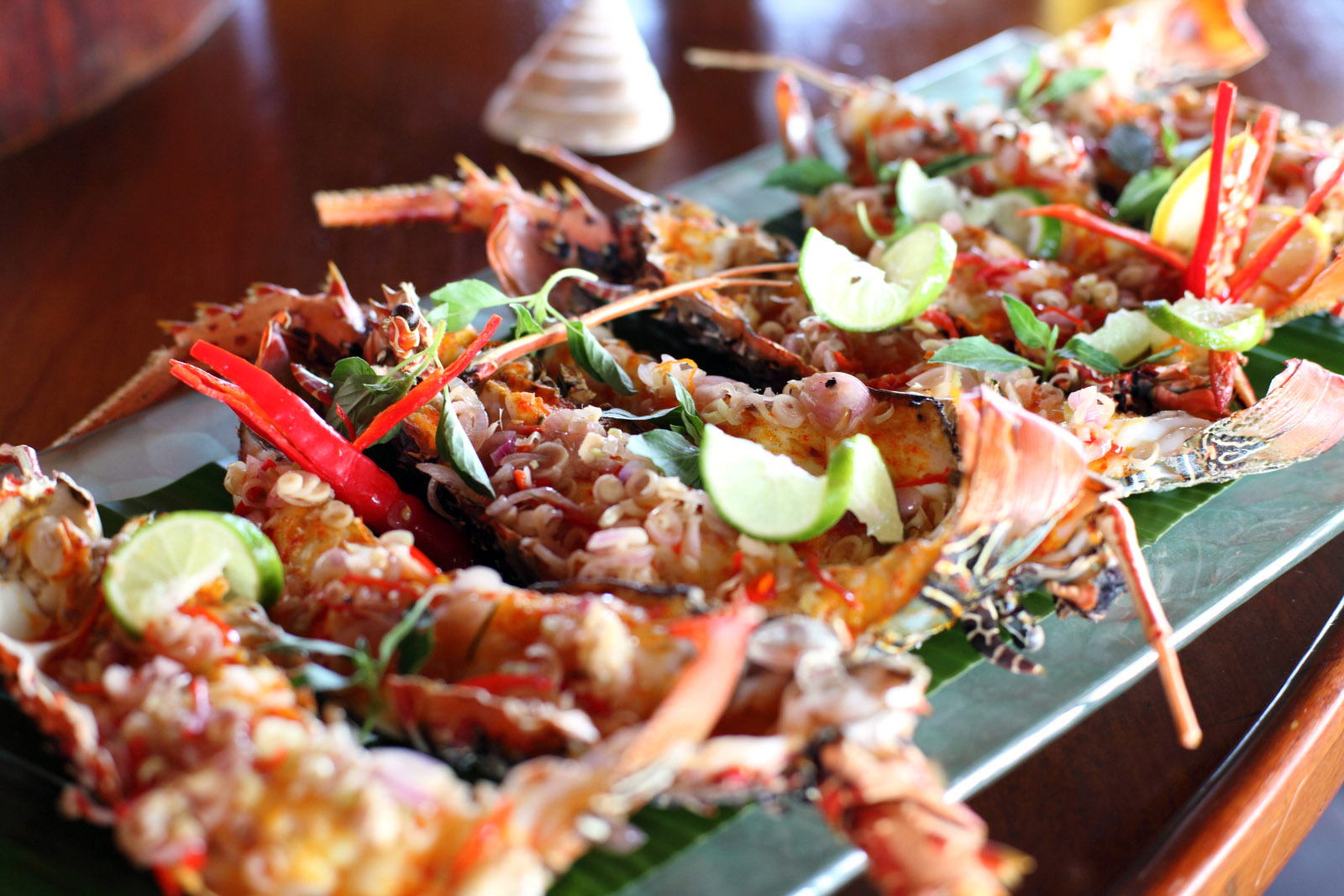
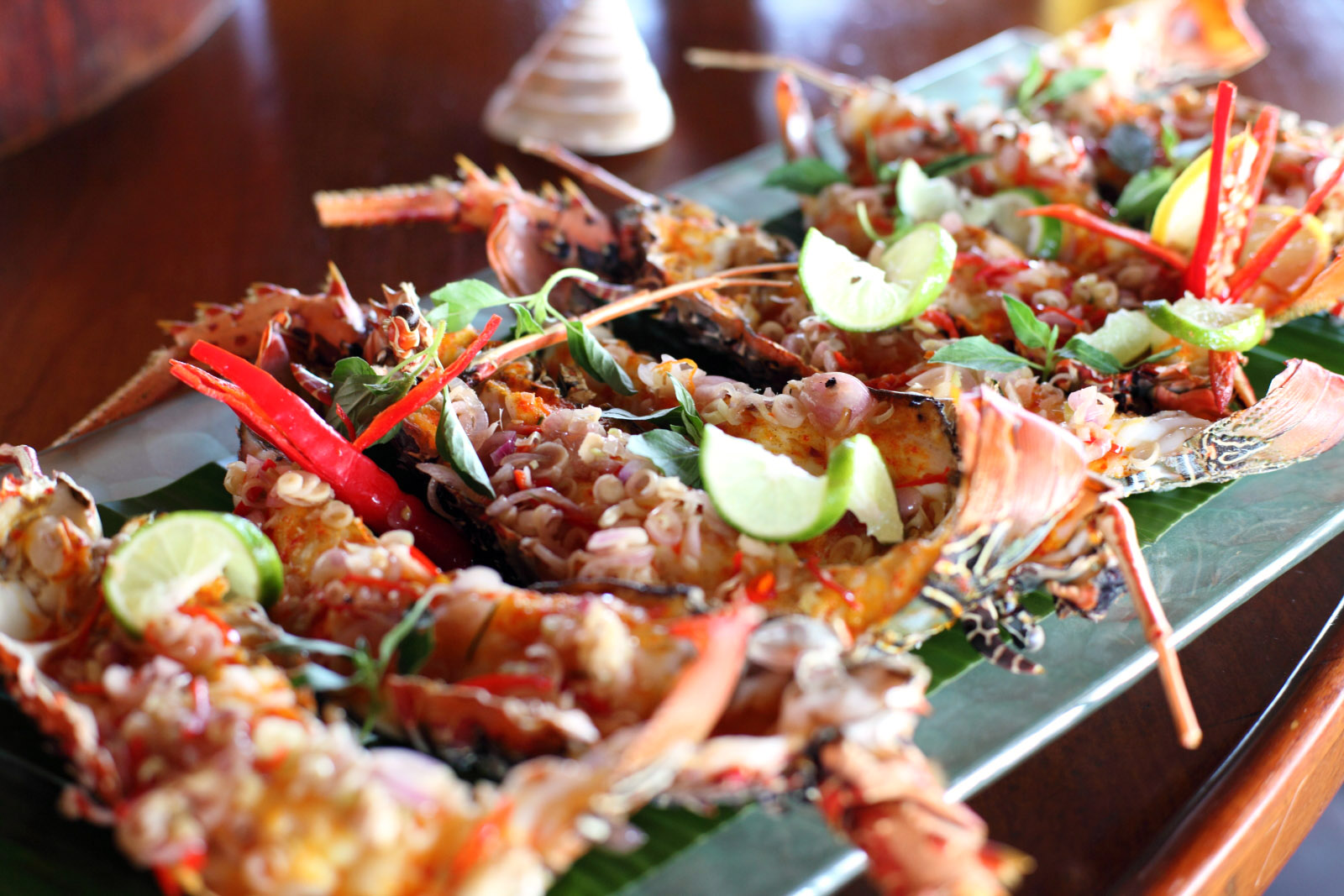
Freshly grilled lobster eaten with your feet dangling above the tide.
Warm coconut pudding as the night wind cools.
Breakfast sambal pounded the way it has been for generations.
These moments remind you that travel is as much about taste as it is about landscapes.
Indonesia’s Waters Are a Culinary Classroom
A culinary yacht charter in Indonesia gives you something rare—a dining experience shaped by geography, culture, and living tradition.
You’re not just eating Indonesian cuisine.
You’re learning its lineage, tasting its islands, and carrying home stories that began centuries before you stepped aboard.
That’s the magic of going from galley to gourmet on Indonesia’s waters.
Ready to Taste Indonesia at Sea?
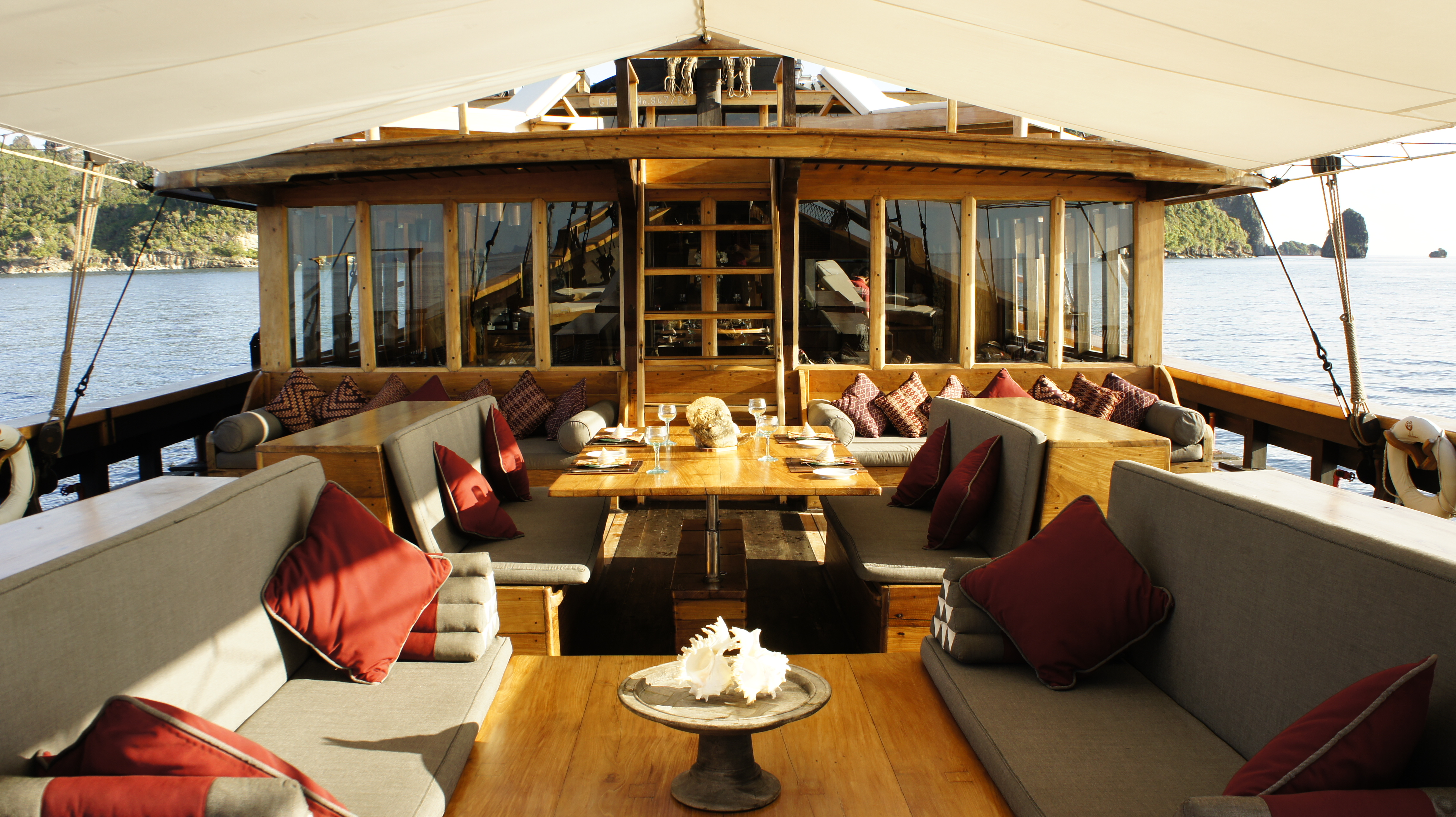
If you want to design a journey where every meal becomes a story—crafted with local ingredients, cooked by chefs who understand the soul of the archipelago—this is where your voyage begins.
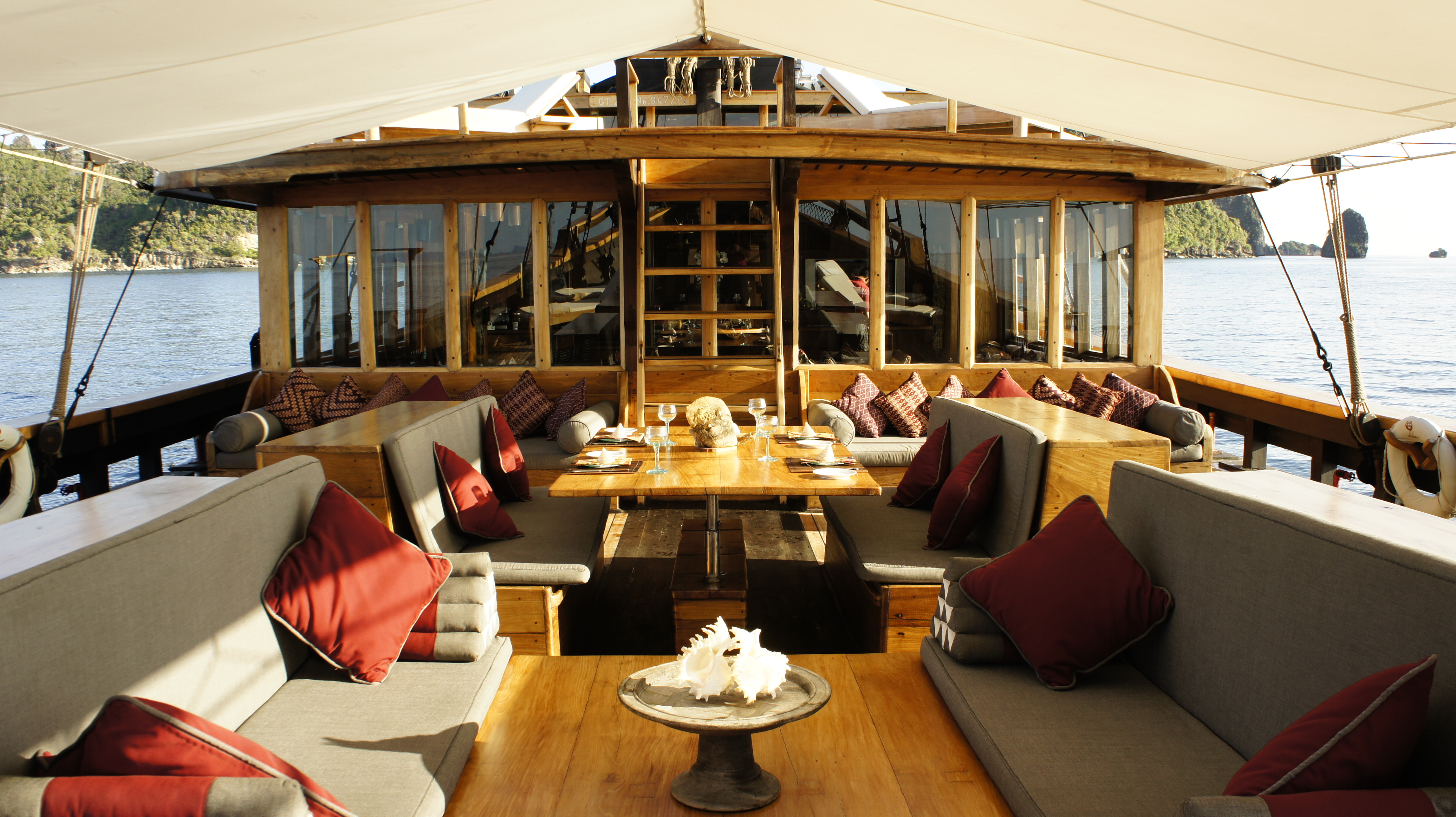
Your table is waiting on deck.
References
Bessière, J. (2013). ‘Heritagisation’, a challenge for tourism promotion and regional development: An example of food heritage. Journal of Heritage Tourism, 8(4), 275–291.
Sims, R. (2009). Food, place and authenticity: Local food and the sustainable tourism experience. Journal of Sustainable Tourism, 17(3), 321–336.
Everett, S., & Slocum, S. L. (2013). Food and tourism: An effective partnership? Annals of Tourism Research, 43, 335–357.