

Indonesia vs the Mediterranean and Caribbean: What Sets It Apart for Yacht Travel
You know the feeling of a Mediterranean morning. The way the light falls on white stone, the smell of salt and diesel and coffee from a harbour cafe, the anchor chain rattling down in a bay you have already seen in a thousand photographs. You have done Dubrovnik and Santorini. You have done the BVI and the Grenadines. You know exactly what the charter experience looks like, because it has looked more or less the same for twenty years.
Now imagine dropping anchor in a bay that appears on no charter circuit. A bay in the eastern Indonesian archipelago where the coral begins two metres from the hull, where the only sound at dawn is something you cannot name, and where the community on the hillside above the beach has a generational relationship with the vessel you arrived on. Where the map, if you had one, would simply say: here.
This is not a comparison between good and better. It is a comparison between familiar and genuinely undiscovered. And for a certain kind of traveler, the distinction matters enormously.
The Geography Argument: 17,500 Islands vs 3,000
The Mediterranean has approximately 3,000 islands. The Caribbean has roughly 7,000. Indonesia has 17,504 verified islands, of which only a fraction have ever been visited by a charter yacht. The eastern archipelago alone, the islands stretching from Sumbawa through Flores, the Banda Sea, the Spice Islands, Maluku, Raja Ampat and on toward Papua, contains more coastline, more anchorage variety, and more genuinely unexplored water than the Mediterranean and Caribbean combined.
This is not a boast. It is a practical reality that changes what sailing actually means. In the Mediterranean and Caribbean, the charter circuit has been defined and refined over decades. The same anchorages appear in the same guidebooks. The same bays host the same flotillas every August. The experience is exceptional, but it is a known experience shared with a very large number of people.



In eastern Indonesia, the concept of a charter circuit barely exists. Silolona Sojourns has been operating these waters for over thirty years, and the team still finds anchorages that have never seen a foreign vessel. The geography is simply too large and too complex to have been exhausted. For a traveler who has reached the point where the standard circuit feels charted in advance, this is not a minor distinction. It is the entire argument.
The Biodiversity Argument: The Coral Triangle
The Mediterranean is a beautiful sea with modest marine biodiversity by global standards. The Caribbean is significantly richer, and at its best, extraordinary. Indonesia sits at the centre of the Coral Triangle, the globally recognised epicentre of marine life on the planet, and the comparison is not particularly close.
What the Numbers Actually Mean
The Coral Triangle encompasses Indonesia, Malaysia, the Philippines, Papua New Guinea, the Solomon Islands and Timor-Leste, and contains 76 percent of all known coral species on Earth, more than 3,000 species of reef fish, and six of the world's seven marine turtle species.1 Raja Ampat alone, one of Silolona's primary cruising grounds in the October-to-April season, has been documented as containing more fish species per unit area than any other marine environment on record.
To put this in terms that a Mediterranean or Caribbean sailor would recognise: a single dive at a healthy Raja Ampat reef routinely produces encounters with species that a diver in the Mediterranean might not see across an entire lifetime of diving. Pygmy seahorses resting on fan corals. Wobbegong sharks in the shallows. Manta rays in numbers that feel implausible until you are in the water with them. Whale sharks, occasionally, appearing without warning from the blue.

Komodo: Where the Water Meets the Prehistoric
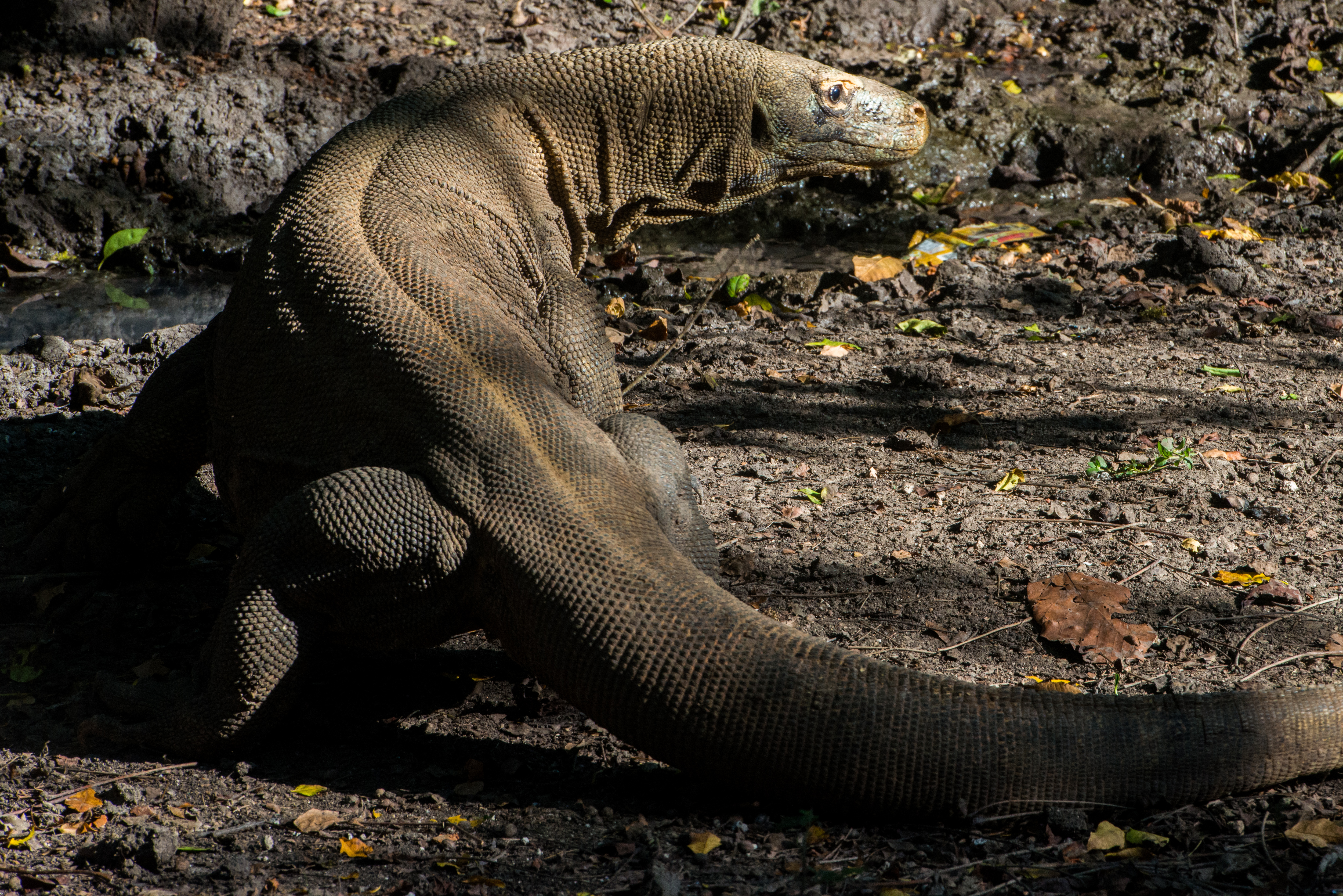
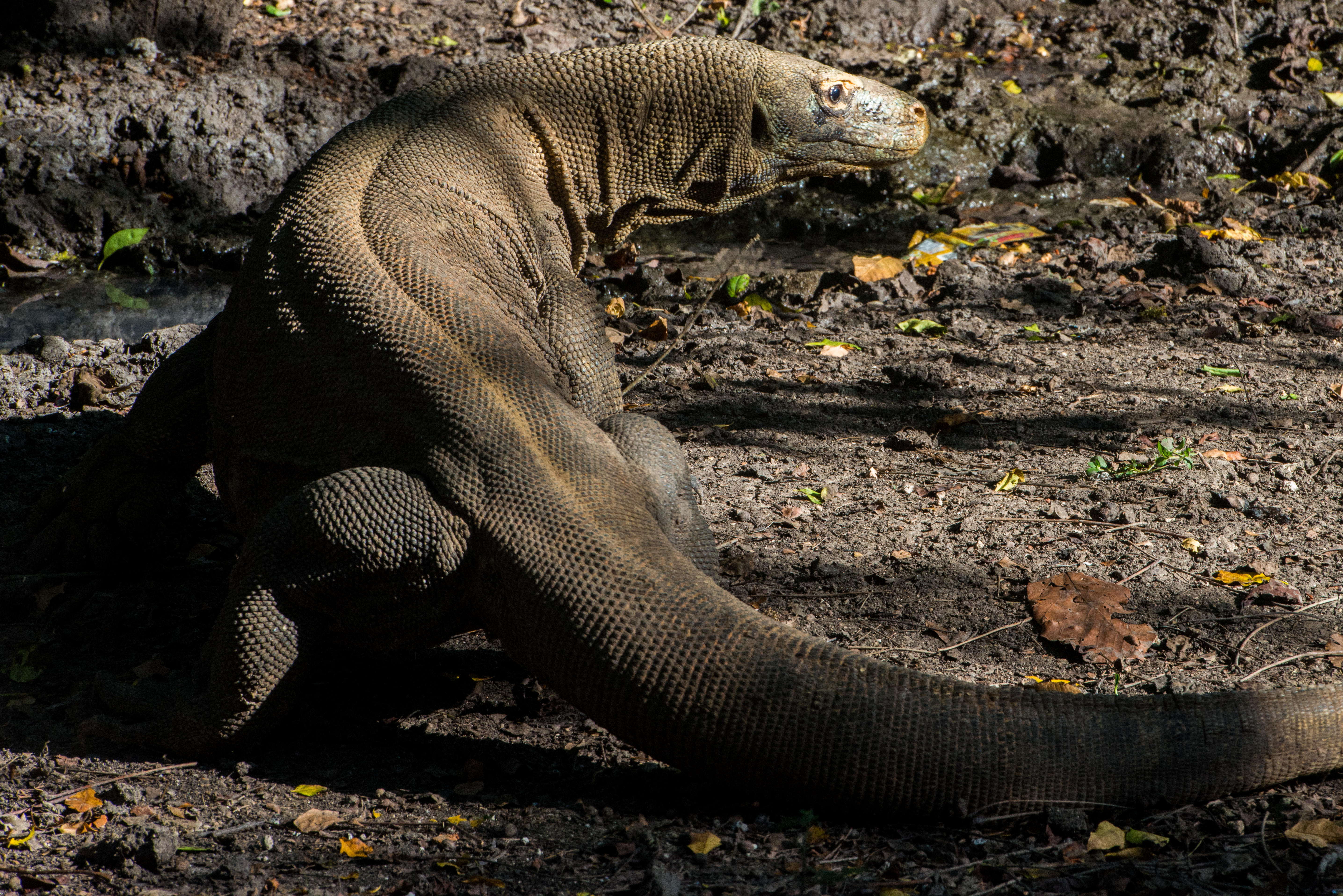
Komodo National Park, a UNESCO World Heritage Site and one of Silolona's May-to-September routes, offers a combination that exists nowhere else in the charter world: above the water, Komodo dragons, the world's largest living lizard, moving through a landscape that looks and feels genuinely prehistoric. Below it, water temperatures and current dynamics that produce some of the most nutrient-rich diving on the planet, with mola mola, hammerhead sharks, and coral walls that drop hundreds of metres into cold blue nothing.
The Caribbean has its reefs. Komodo has dragons and mantas in the same afternoon, and that particular combination is available precisely nowhere else.
The Privacy Argument: What Remoteness Actually Feels Like
Privacy is a word that the luxury travel industry uses so liberally that it has become almost meaningless. Every resort claims it. Every charter brochure promises it. The Mediterranean and Caribbean deliver a version of it: the right anchorage, the right season, and you can find a bay with five other yachts instead of fifteen. That is a real thing, and it has value.
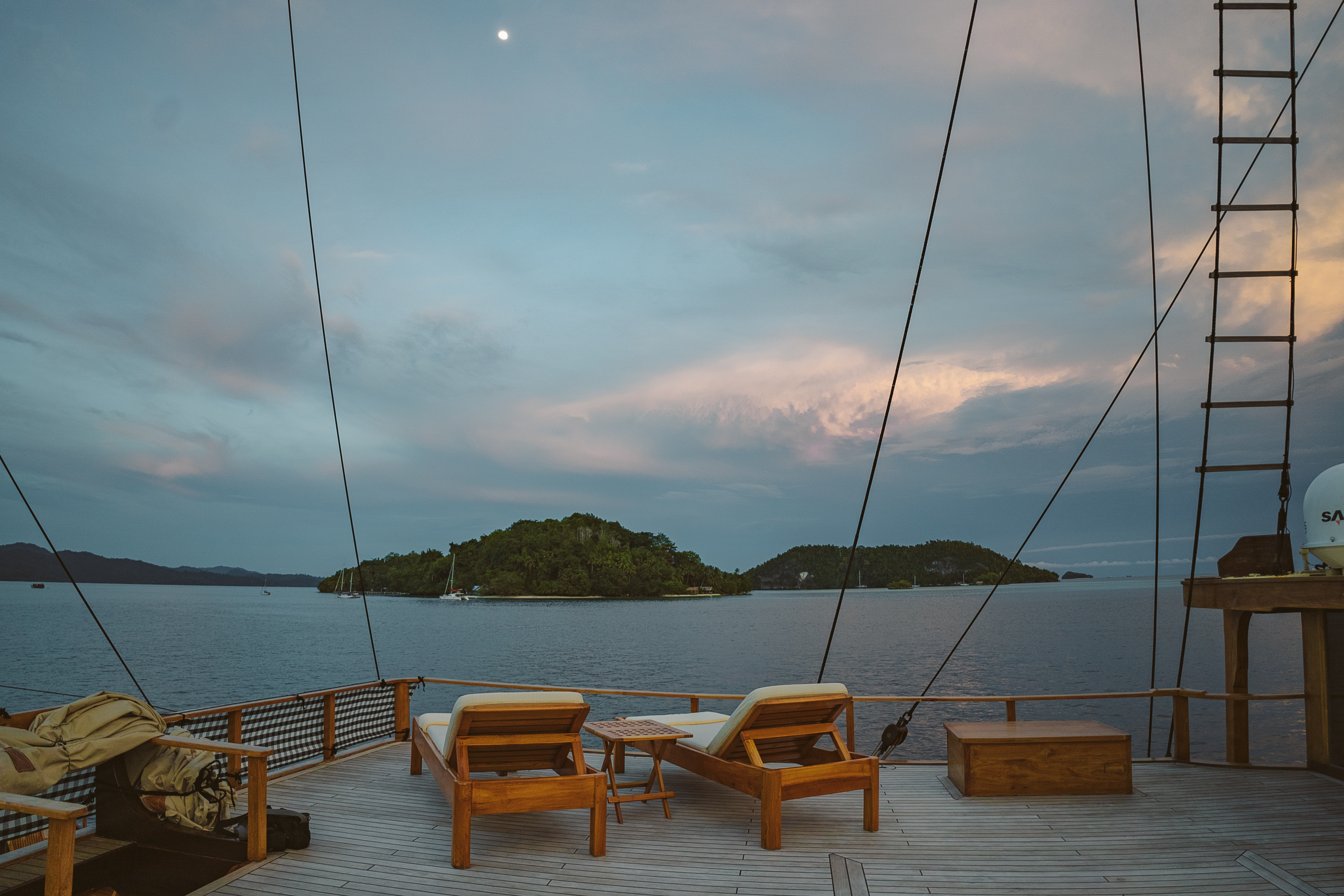
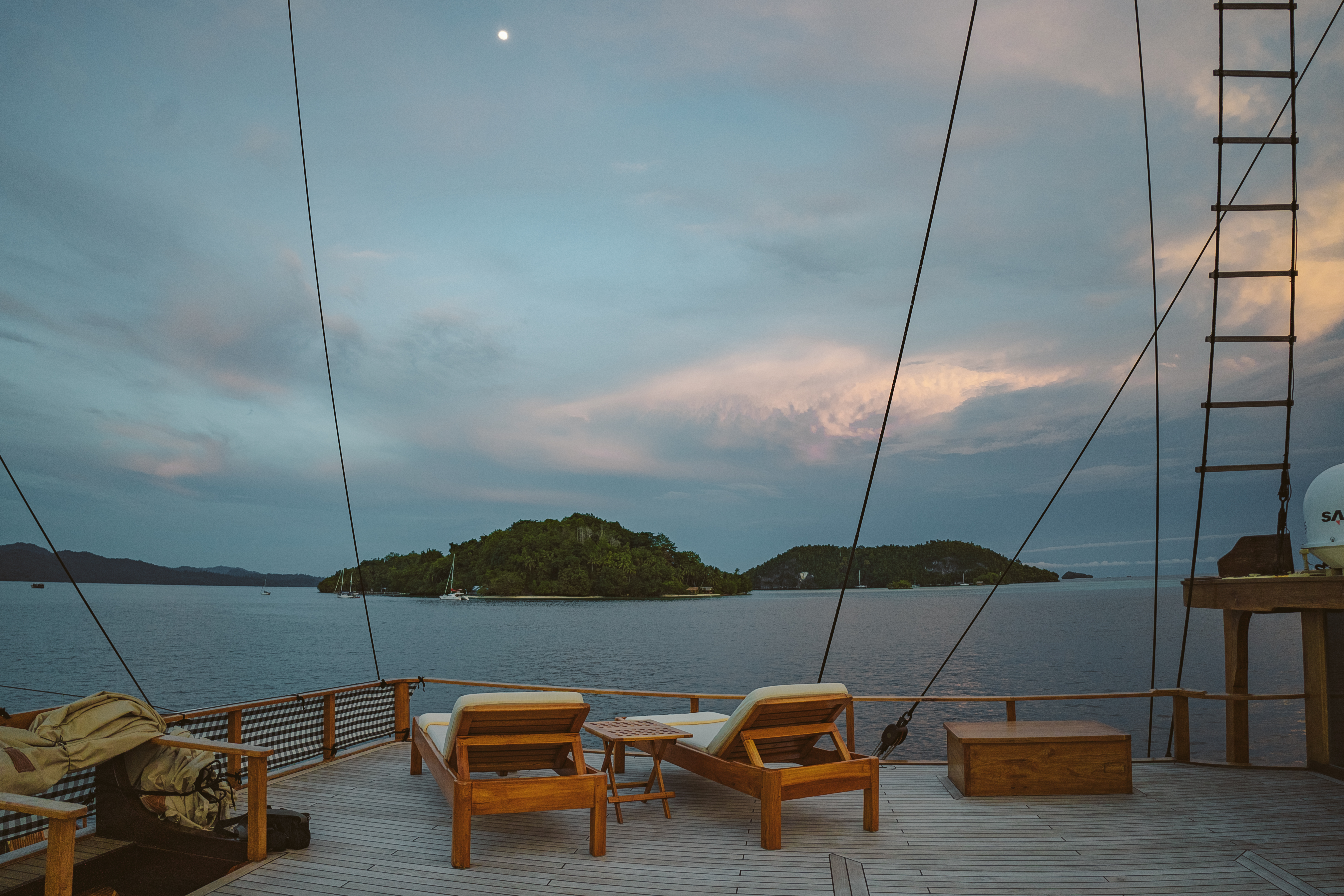
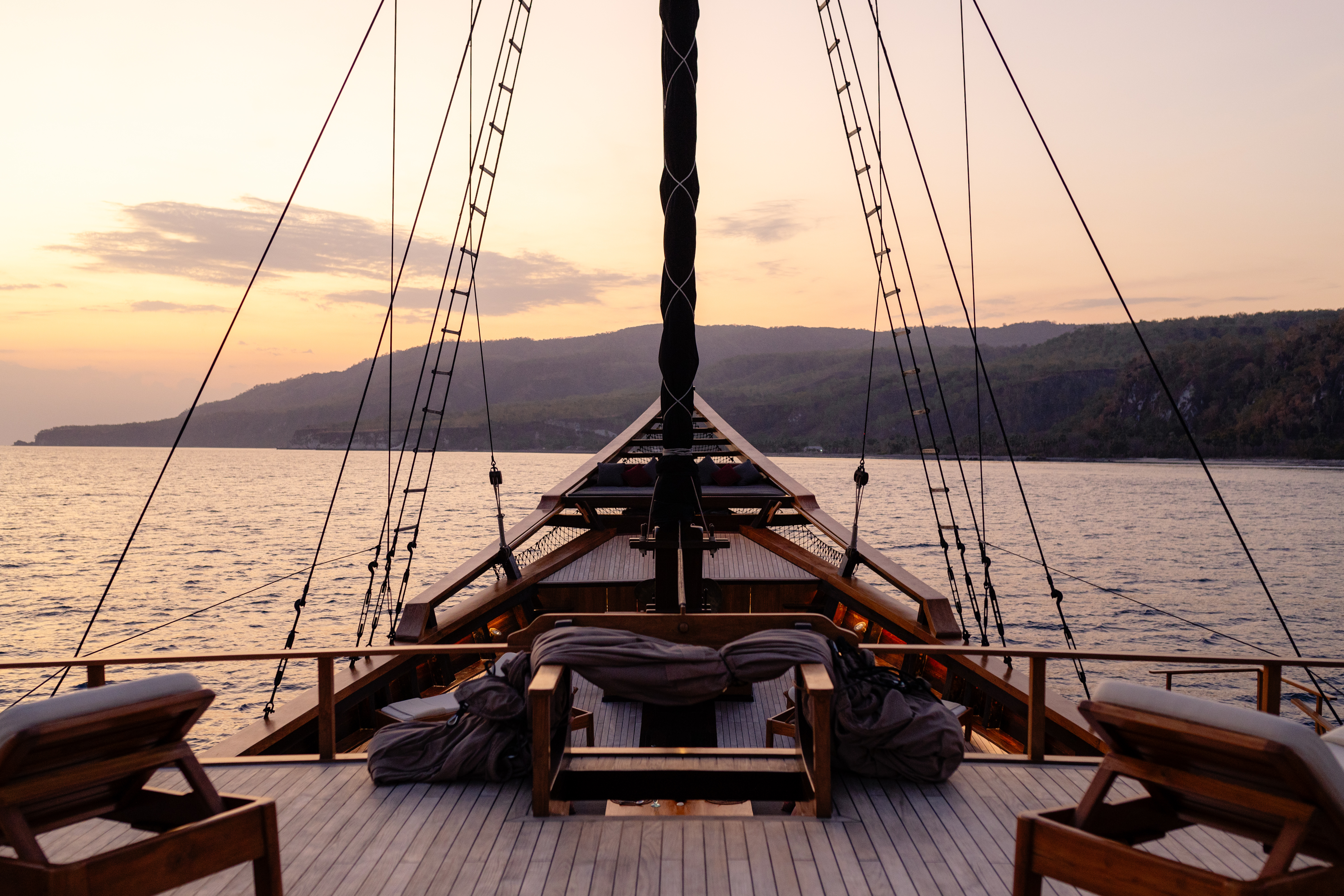
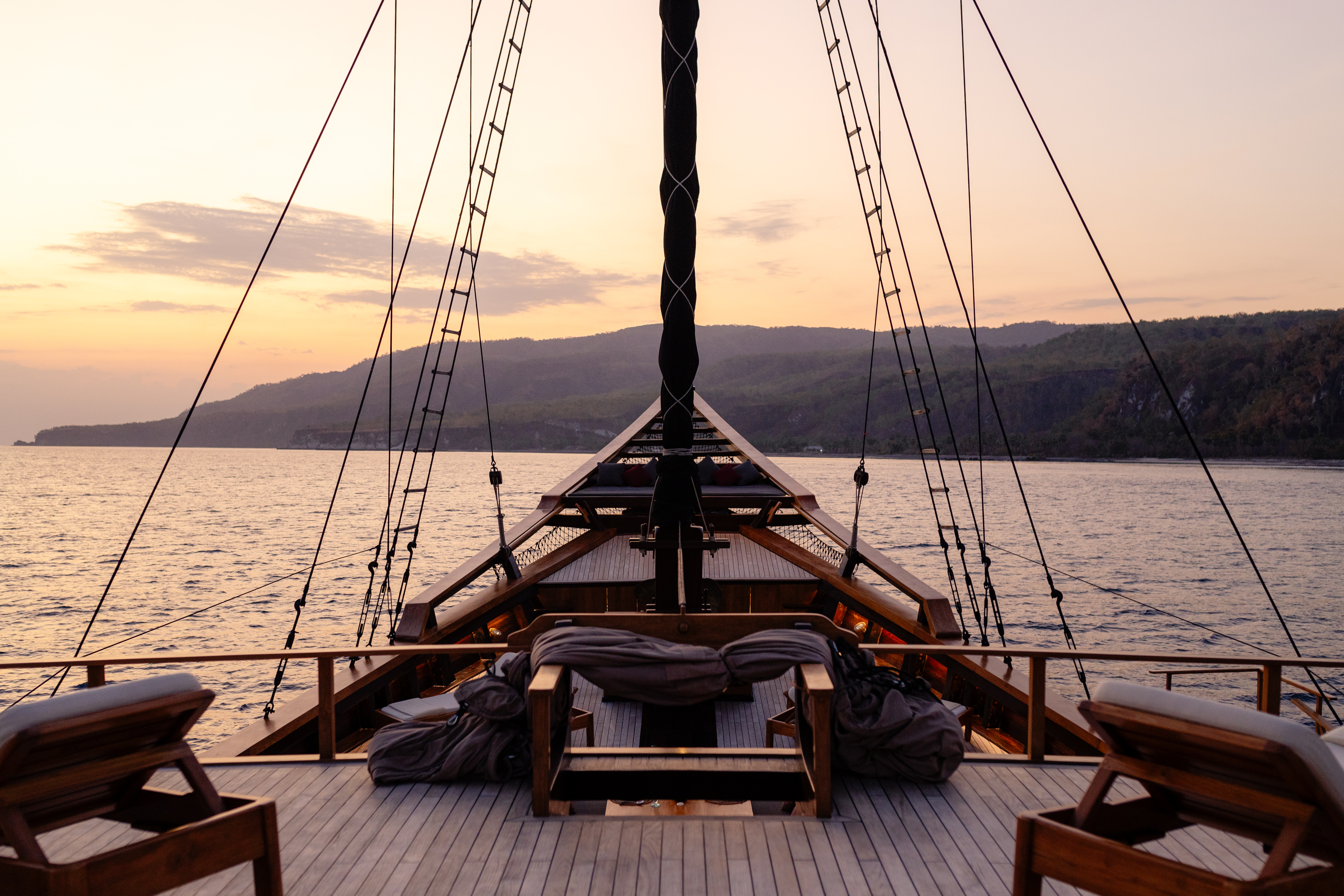
Indonesia in the eastern archipelago offers something categorically different. In the Banda Sea, in the inner passages of Misool, in the waters around the Spice Islands or the outer islands of Flores. Not a smaller anchorage than last year. Genuinely no other vessels, in any direction, for as far as the eye reaches.
This quality of remoteness changes the texture of an experience in ways that are difficult to communicate until you have felt them. When there is truly nothing on the horizon except water and islands that no road has touched, something shifts in the way you inhabit the day. Research on restorative environments in nature tourism consistently finds that genuine remoteness, defined as the perceived absence of human infrastructure and other visitors, produces measurably different psychological outcomes than curated seclusion within accessible destinations.2 The eastern Indonesian archipelago offers the former, not the latter, and the difference is significant.
The Cultural Argument: Living Heritage vs Preserved History
The Mediterranean is one of the great repositories of human history. Ruins, amphitheatres, temples, and the accumulated archaeology of civilisations that shaped the modern world: this is extraordinary, and no one would diminish it. The Caribbean has its own layered and complicated history, beautiful towns, rhythmic culture, and the particular warmth of islands that have learned to welcome visitors well.
Indonesia offers something different in kind, not just in degree. It is not primarily a destination where culture is preserved and presented. It is a destination where culture is alive in the most immediate sense: still being practiced, still being worn, still being spoken in languages that have no written form, still being woven into textiles whose pattern systems encode entire genealogical histories.


UNESCO Maritime Heritage and the Phinisi Tradition
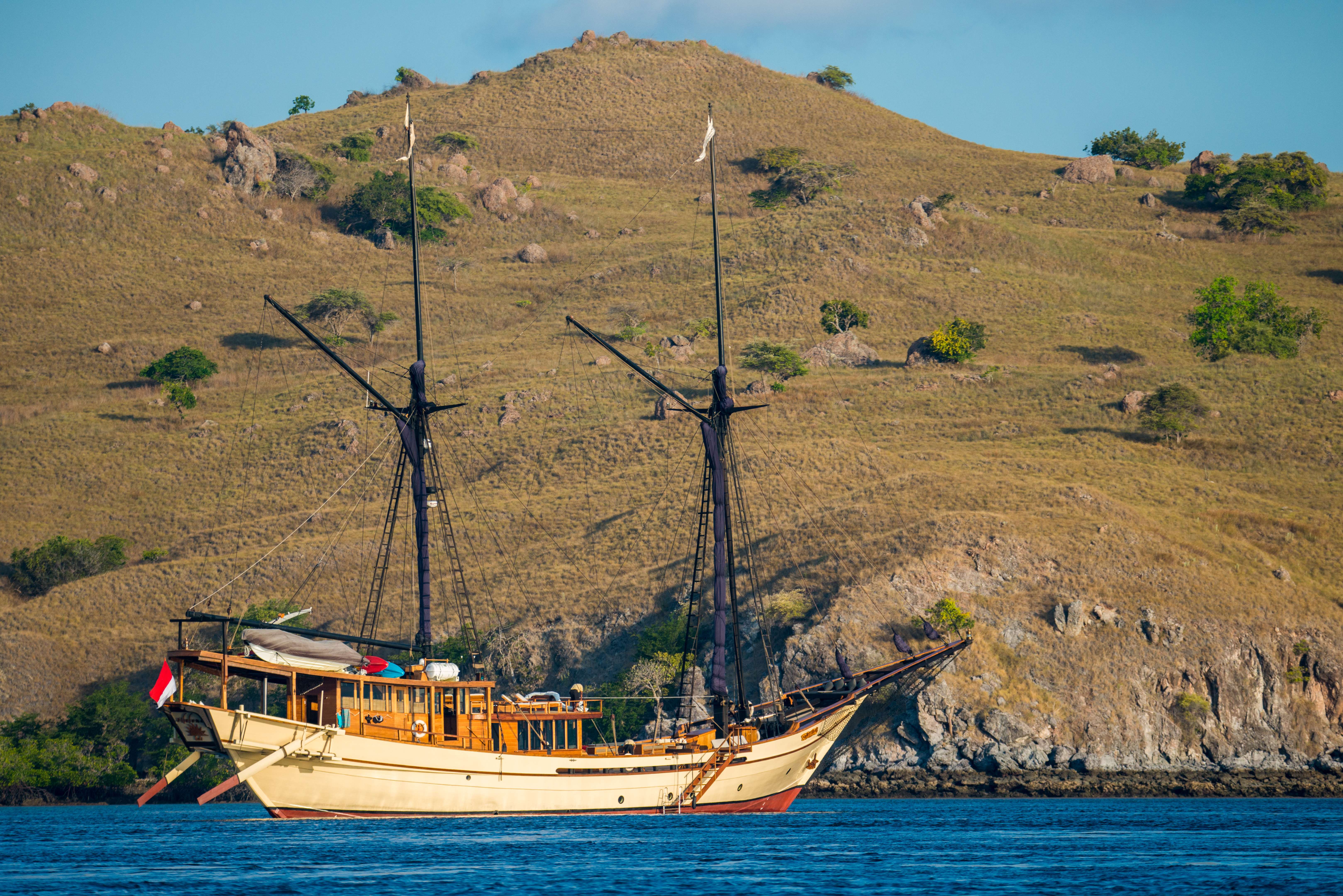
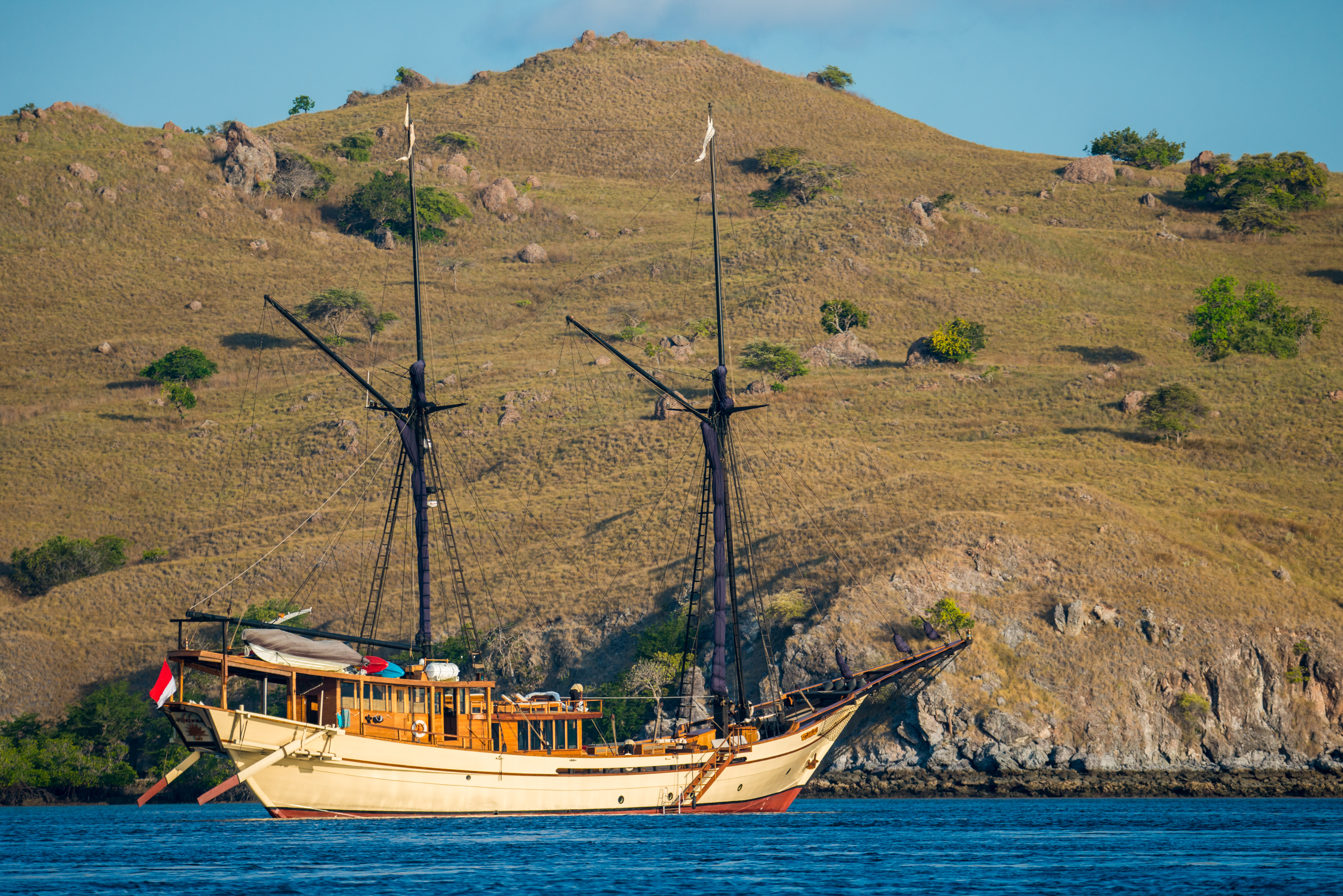
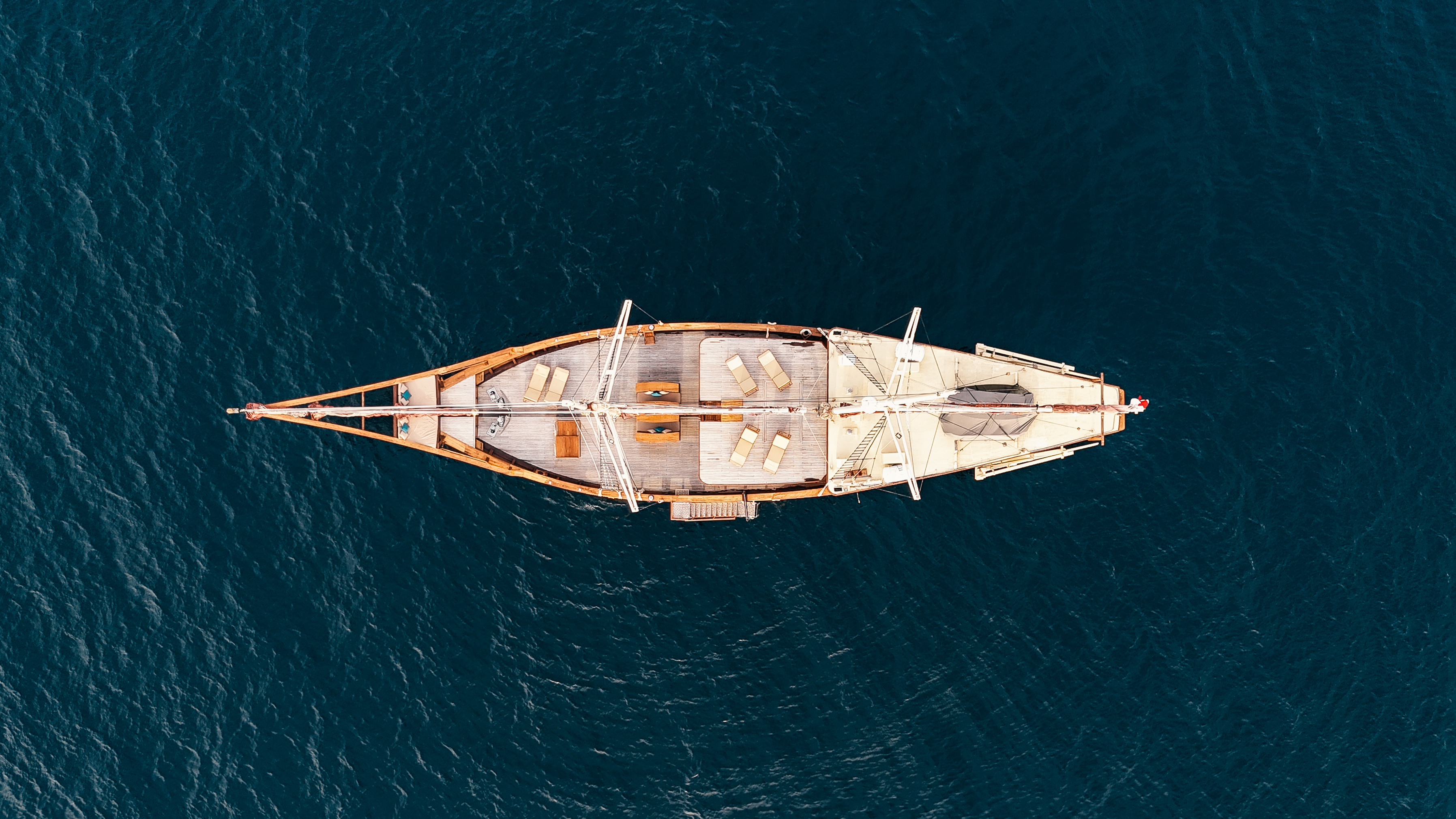
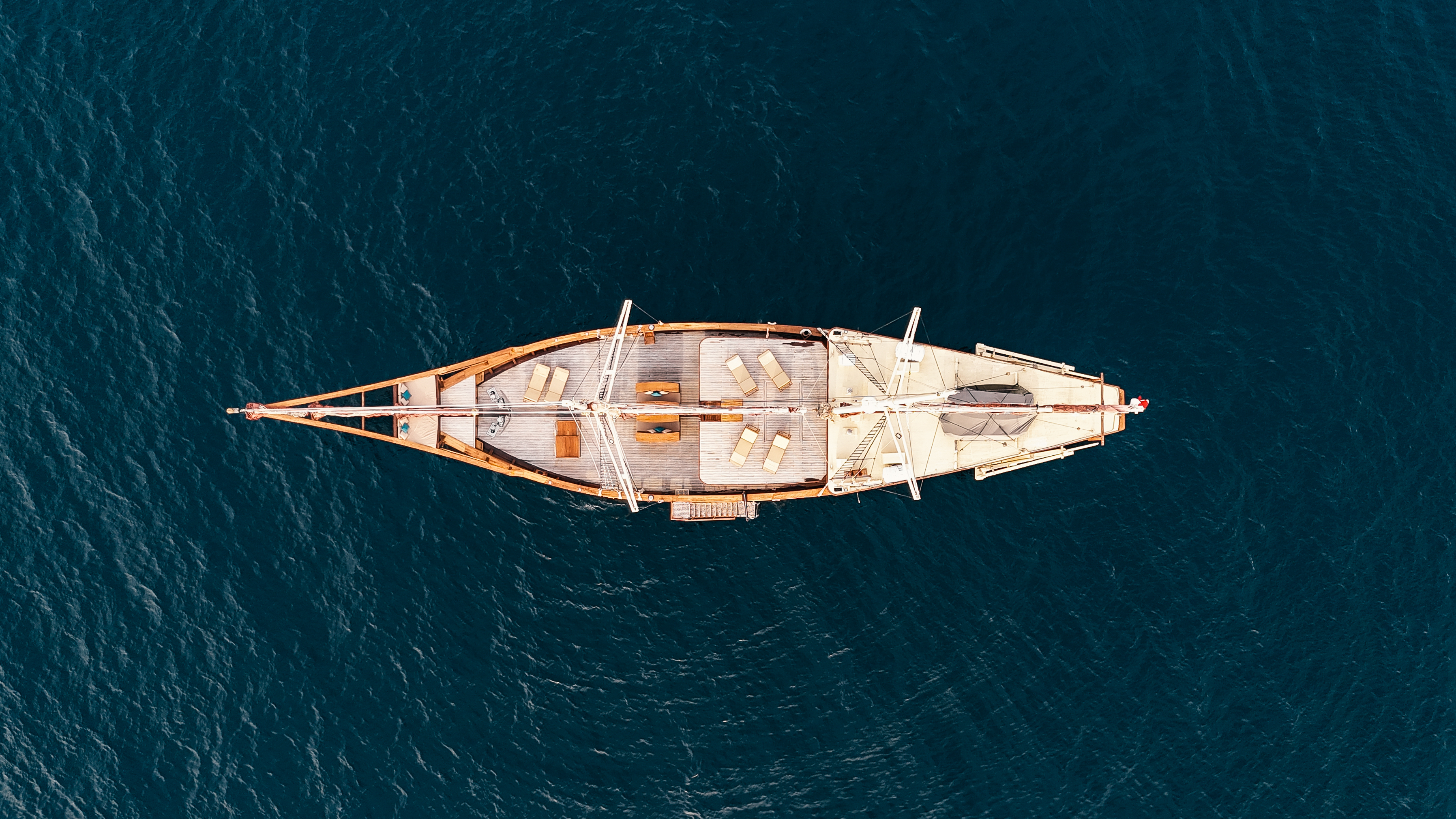
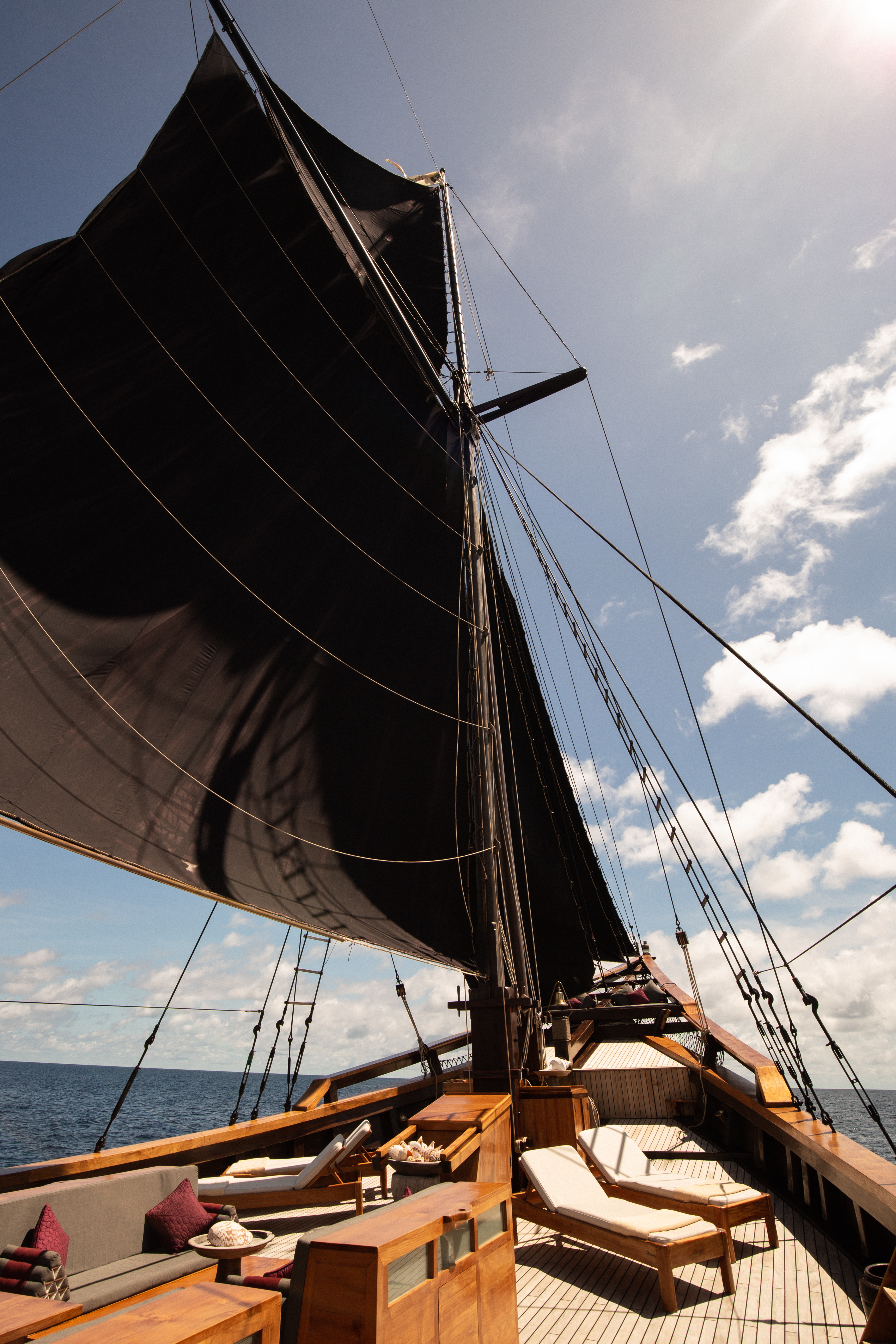
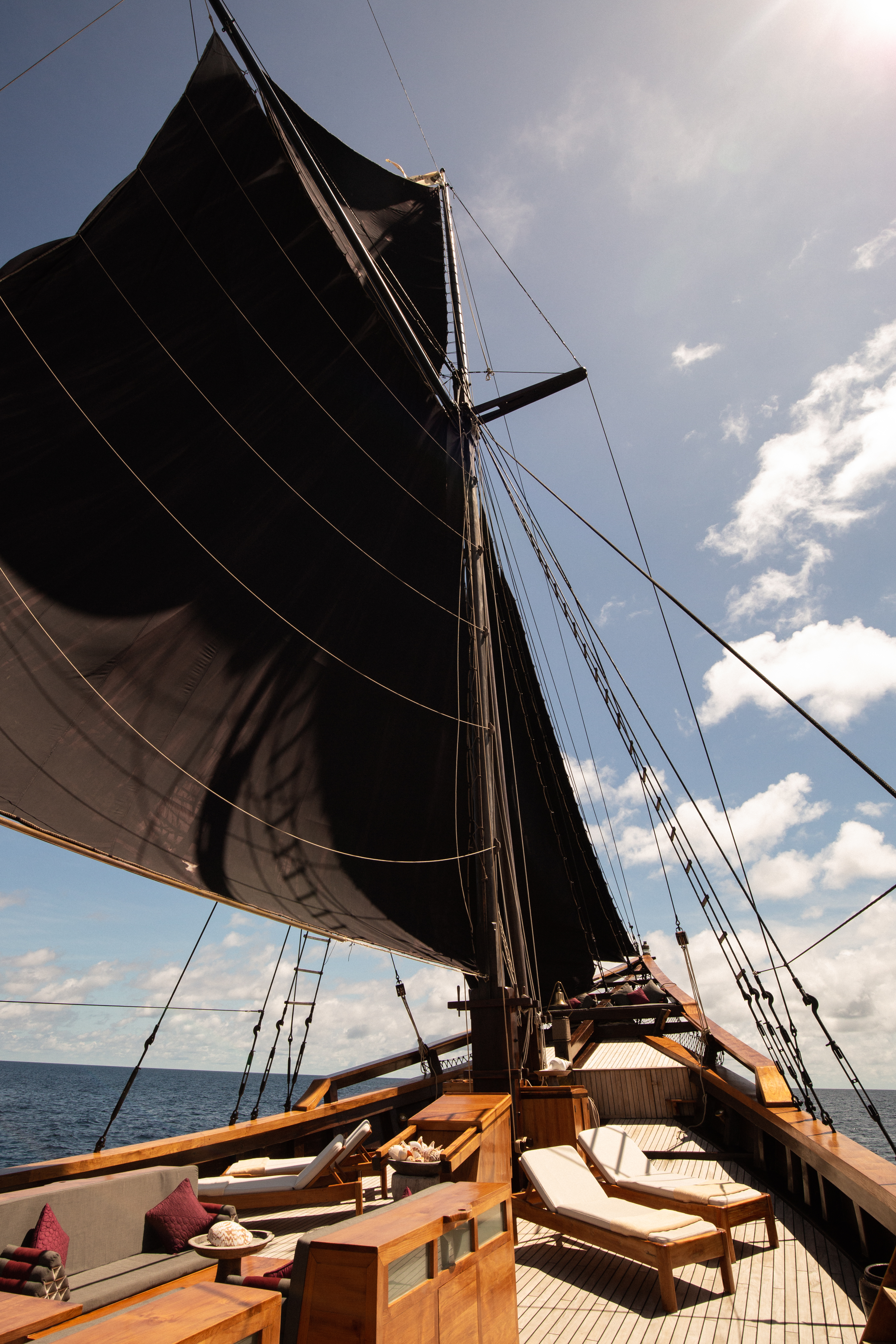
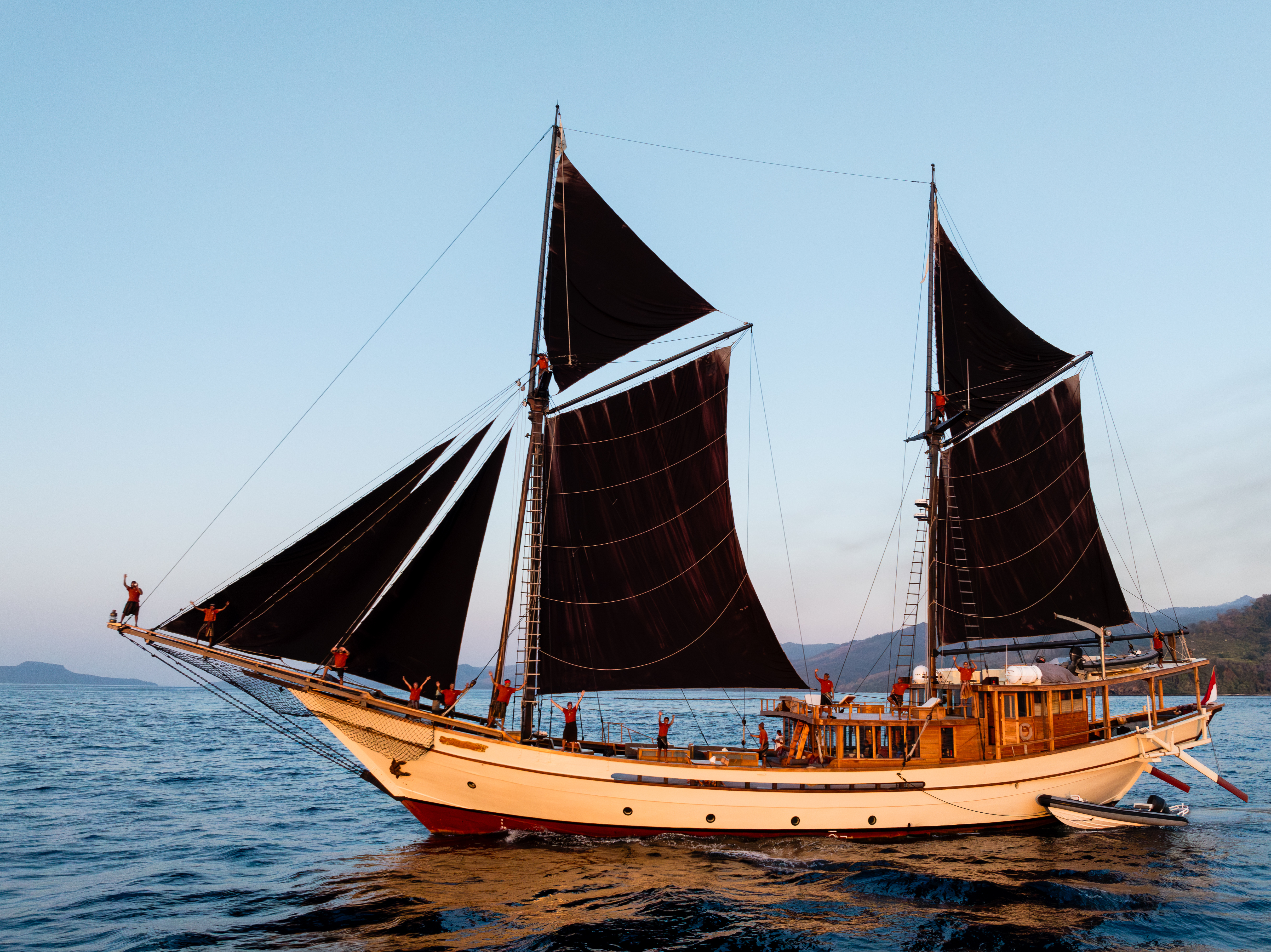
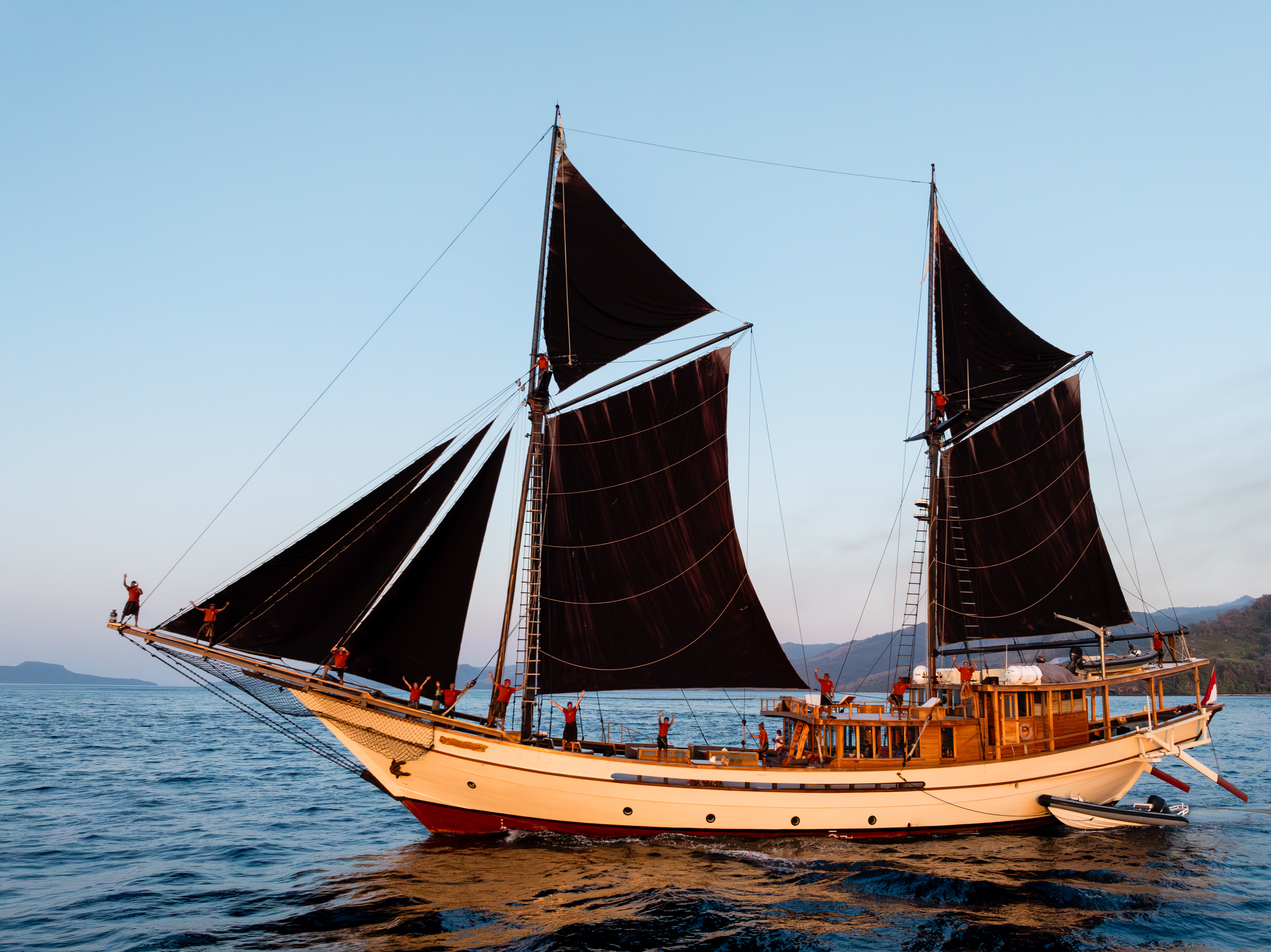
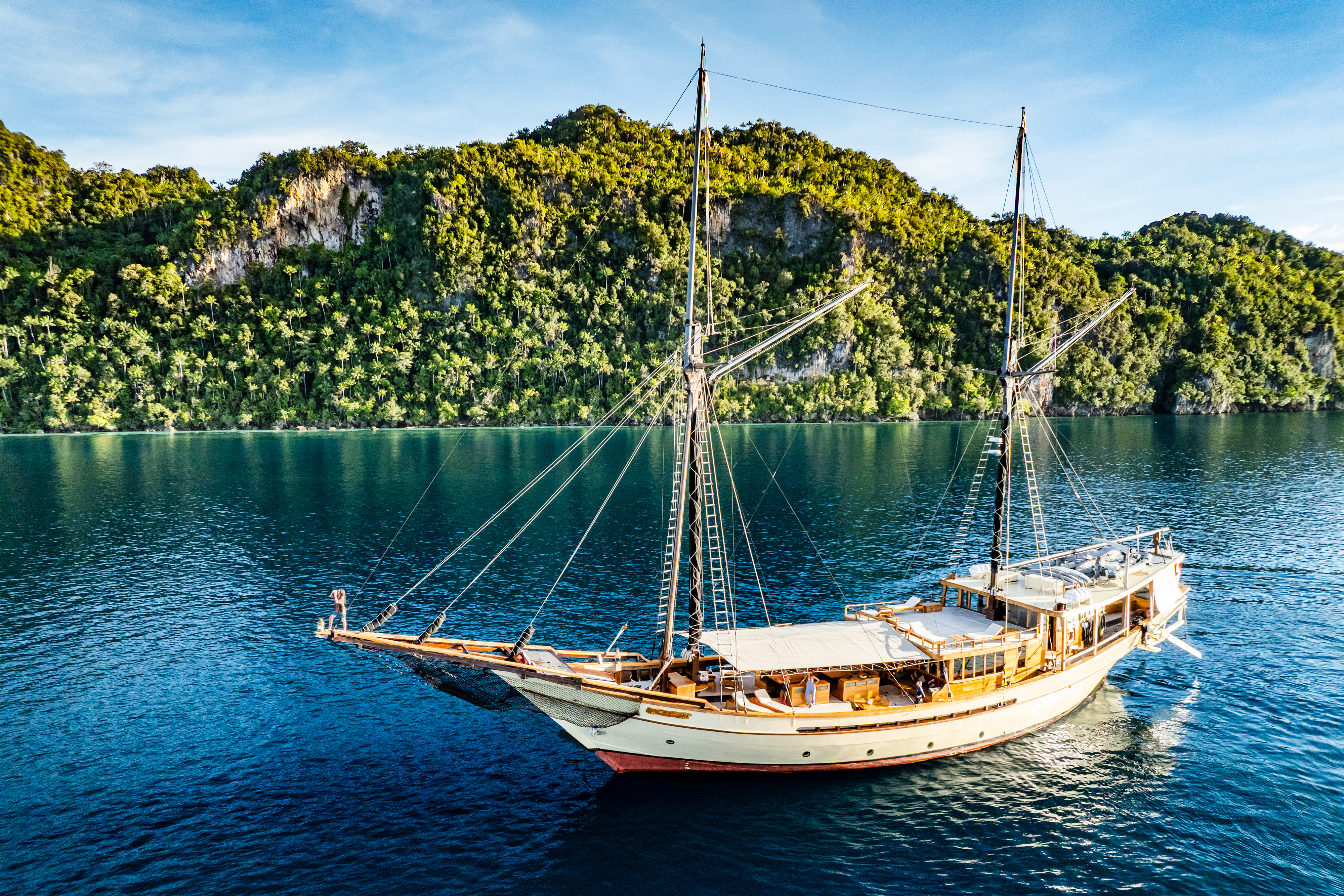
The phinisi sailing tradition of the Bugis and Konjo peoples of Sulawesi is recognised by UNESCO as part of Indonesia's intangible cultural heritage. The boatbuilding knowledge, passed from master to apprentice across generations, produced the vessels that have sailed these waters for centuries and still do. MSV Silolona and Si Datu Bua were built by master Konjo boatbuilders in Sulawesi to German Lloyd specifications, making them living embodiments of a tradition that is simultaneously ancient and rigorously seaworthy.
Arriving in a remote community aboard a phinisi is not the same as arriving on a foreign charter vessel. The silhouette is recognised, trusted, and carries a form of cultural authority that three decades of returning in good faith has deepened rather than diminished. The crew of a long-established operation like Silolona carries relationships with coastal communities built over years of respectful presence. When you go ashore, you go ashore with people who are known and welcomed. That access cannot be purchased. It accumulates over time.
The Ikat Belt and the Living Textile Map
Across the islands of eastern Indonesia, from Sumba through Flores, Alor, and Timor, hand-woven ikat textiles serve as a living cultural archive. The patterns encode clan histories and social relationships in a visual language that scholars have spent decades beginning to decode. On a Silolona itinerary through this region, you do not visit a museum display. You visit the weavers, sit with them, and occasionally watch a textile being made that will take another six months to complete. Research on cultural tourism outcomes has found that direct artisan engagement of this kind produces depth of cultural understanding that passive heritage tourism cannot replicate.3
In the Mediterranean, culture is largely behind glass. In eastern Indonesia, it meets you on the beach.
Side by Side: What the Comparison Actually Looks Like
Dimension | Mediterranean / Caribbean | Eastern Indonesia |
Island count | 3,000 / 7,000 | 17,504 verified islands |
Charter circuit maturity | Fully established, widely shared | Largely undefined in eastern waters |
Marine biodiversity | Moderate / rich in select spots | Centre of the Coral Triangle, highest on Earth |
Coral species | ~500 (Caribbean) / ~120 (Med) | 76% of all known coral species |
Cultural encounter type | Preserved heritage, presented history | Living cultures, active tribal traditions |
UNESCO maritime heritage | Varied, architecture and ruins | Phinisi boatbuilding tradition, recognised intangible heritage |
Remoteness quality | Curated seclusion within accessible routes | Genuine absence of human infrastructure |
Wildlife above the water | Birds, dolphins | Komodo dragons, bird of paradise, cassowary |
Mass tourism presence | Significant in high season | Absent from eastern waters |
The Honest Case for the Mediterranean and Caribbean
Intellectual honesty matters in a piece like this. The Mediterranean and Caribbean are not lesser destinations. They are extraordinary, well-understood, logistically seamless, and reliably beautiful. The infrastructure is mature, the provisioning is excellent, the weather windows are well-documented, and you can charter in either region with a very high degree of confidence about what you will encounter.
If you are new to yacht charter, if you travel with guests who need predictability, if your benchmark for a successful holiday is a known quality of experience delivered without friction, the Mediterranean and Caribbean are the right answer. These waters have been refined for the charter market over decades because they are genuinely exceptional.
The argument this piece is making is not that Indonesia is better. It is that Indonesia is different in specific ways that matter enormously to a particular kind of traveler: the post-resort traveler, the deep explorer, the person who has done the established circuit and begun to wonder whether something genuinely undiscovered still exists.
For that traveler, the eastern Indonesian archipelago is not merely a good answer. It is the only answer currently left on the planet at this scale.
Why Eastern Indonesia Has No Mass Tourism (And Why It Matters)
The complete absence of mass tourism infrastructure in eastern Indonesian waters is not an accident or an oversight. It is a consequence of geography, logistics, and the sheer scale of an archipelago that has not yet been reached by the forces that have reshaped Bali and the western islands.
Reaching Raja Ampat requires a connecting flight to Sorong from Bali or Jakarta. Reaching the Banda Sea requires serious planning, proper provisioning, and a vessel and crew that know these waters well. The Spice Islands are still genuinely difficult to access by any means other than a well-found yacht with an experienced captain. These are not inconveniences that the tourism industry has failed to solve. They are structural conditions that have preserved the character of the place.
What this means for a charter guest arriving on Silolona is simple: you will not find another yacht in most of the anchorages you visit. You will not find a bar, a beach club, or a resort. You will find Indonesia as it has existed for a very long time, which is to say, one of the most beautiful, biologically complex, and culturally layered environments on the planet, essentially intact.
The Honest Question
If you have sailed the Mediterranean and the Caribbean and you are planning another charter in one of those regions, ask yourself one genuine question: are you going back because it is the best answer for you right now, or because it is the answer you already know?
Both are legitimate reasons. The known and excellent is a real thing. But if there is any part of the answer that sounds like the latter, the eastern Indonesian archipelago deserves at least a serious look, not as a replacement for those experiences, but as the next chapter for a traveler who is ready for it.
Thirty years of these waters. Two extraordinary heritage expedition yachts. One team that has spent three decades learning what this part of the world can offer to the right guest, and how to build an itinerary that uses every day of it.
Ready to Sail Beyond the Known Circuit? Silolona Sojourns has been navigating the eastern Indonesian archipelago for over thirty years. If you are an experienced yacht charter traveler ready to understand what genuinely undiscovered sailing looks like, the conversation starts here. |
References
1. Veron JEN, Devantier LM, Turak E, et al. Delineating the Coral Triangle. Galaxea, Journal of Coral Reef Studies. 2009;11(2):91-100. DOI: 10.3755/galaxea.11.91
2. Kaplan R, Kaplan S. The Experience of Nature: A Psychological Perspective. Cambridge University Press; 1989. Reviewed in: Kaplan S. The restorative benefits of nature: toward an integrative framework. Journal of Environmental Psychology. 1995;15(3):169-182. DOI: 10.1016/0272-4944(95)90001-2
3. Silberberg T. Cultural tourism and business opportunities for museums and heritage sites. Tourism Management. 1995;16(5):361-365. DOI: 10.1016/0261-5177(95)00039-Q
Silolona Sojourns is Indonesia's original ultra-luxury phinisi charter specialist, operating MSV Silolona and Si Datu Bua across the Indonesian archipelago for over three decades. Featured in JetSet Magazine, DestinAsian, Quintessentially, and Globetrender.