

Komodo National Park by Private Yacht: Beyond the Dragons
Discovering Komodo as a Living Landscape
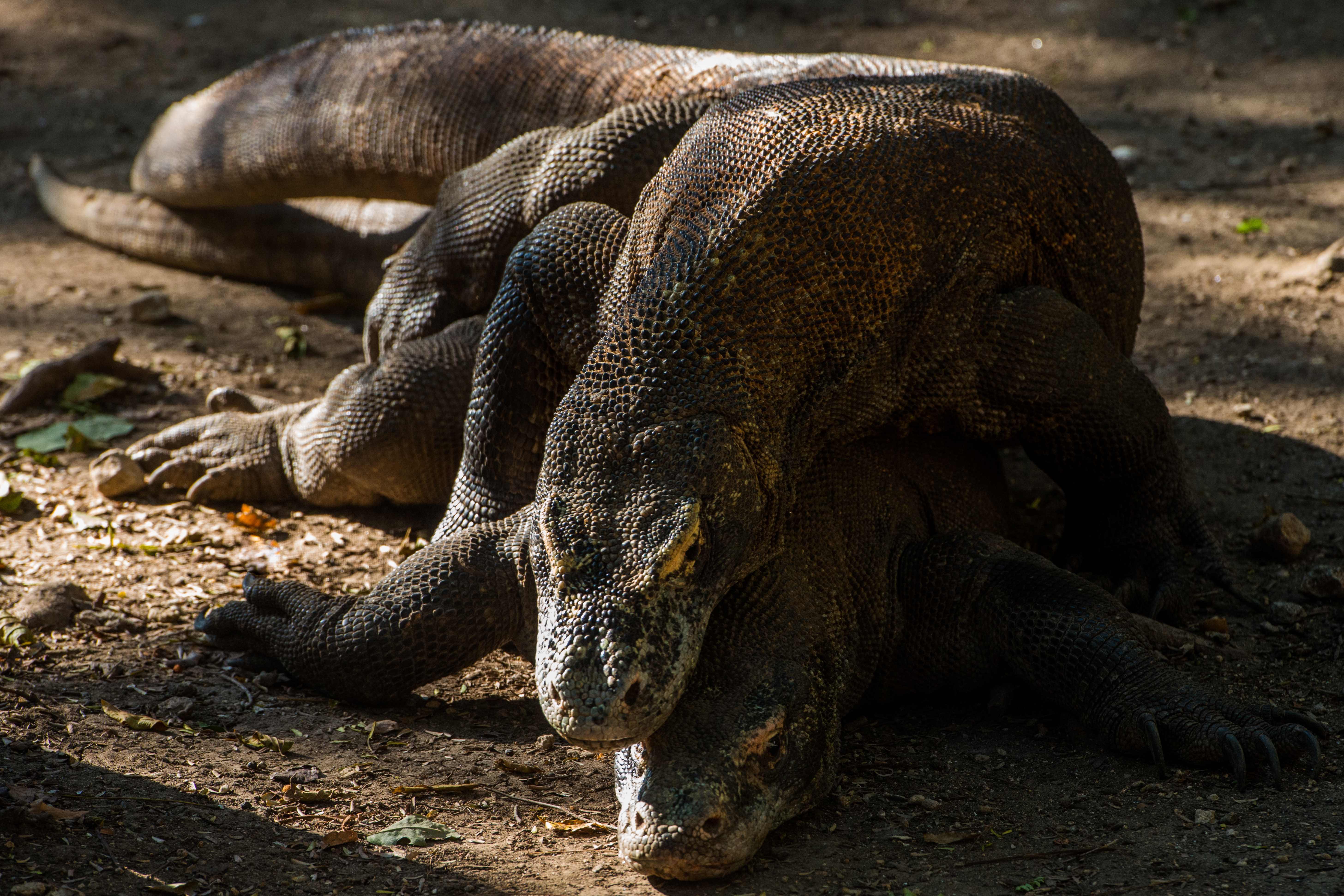
Most journeys to Komodo National Park begin with a single expectation. You come to see the dragons. That moment, standing quietly while a Komodo dragon moves across dry savanna, is unforgettable. Yet once you begin to travel through the archipelago by private yacht, Komodo reveals itself as something far more complex than a wildlife destination alone.
Here, jagged hills descend into sheltered bays, fishing villages sit quietly along curved shorelines, and coral reefs stretch beneath waters so clear that every movement below feels close enough to touch. The experience deepens when time is allowed to unfold slowly. A rushed visit offers views. A carefully paced voyage reveals relationships between land, sea, and culture.
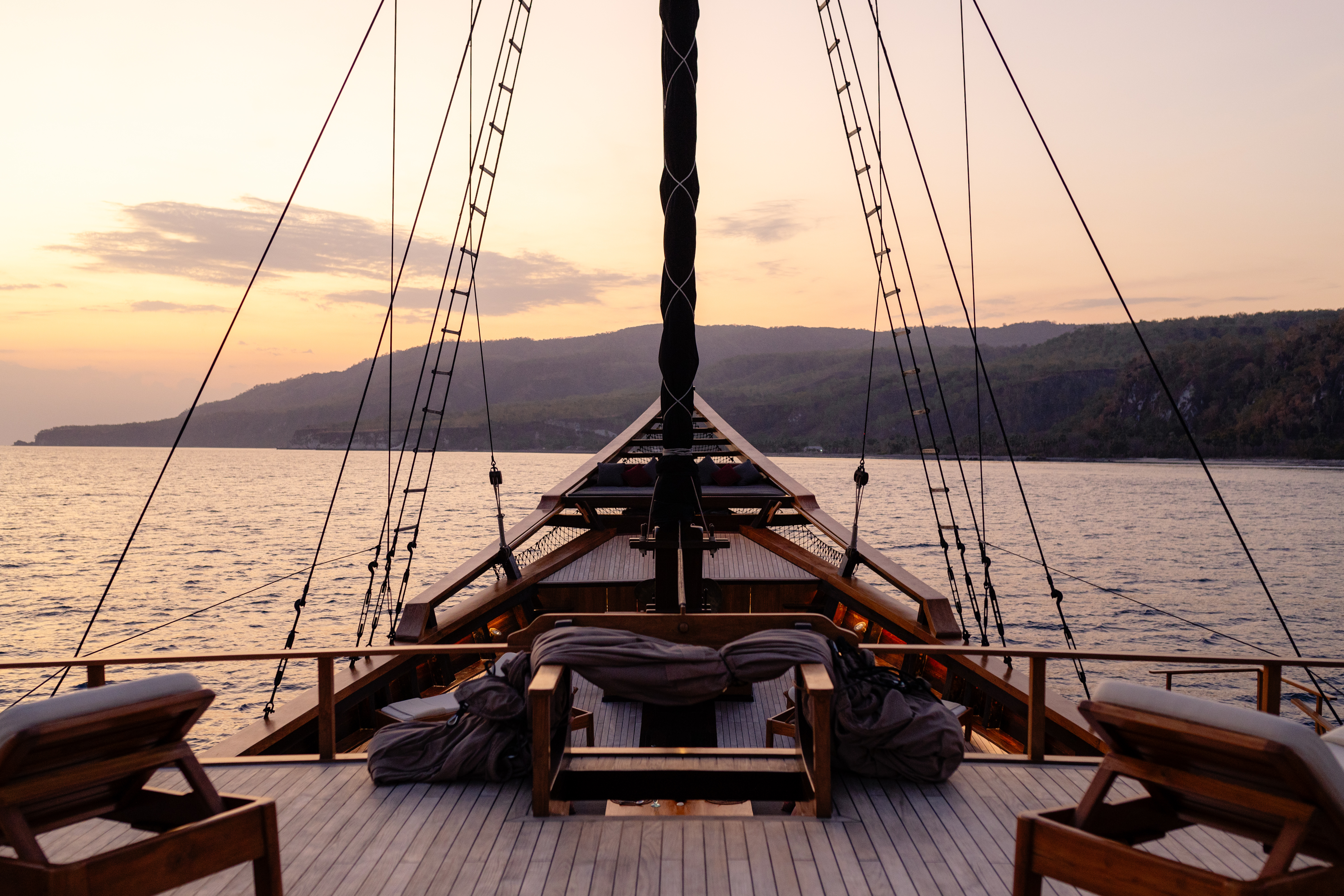
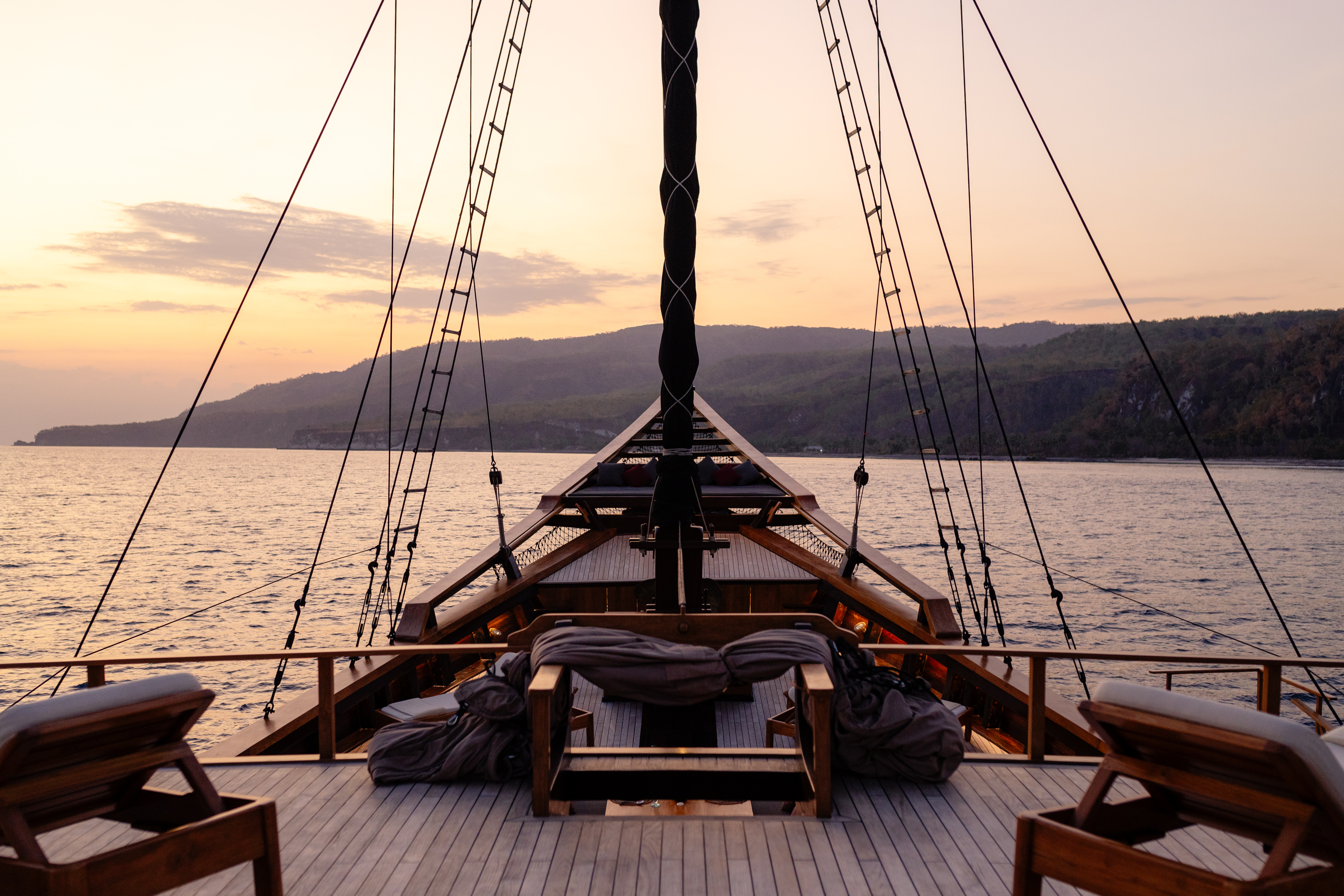
A Komodo luxury yacht charter allows you to experience the region as it was meant to be explored. Not as isolated highlights, but as a connected archipelago where nature and people shape life together. This is where Komodo moves beyond wildlife and becomes a living landscape worth understanding.
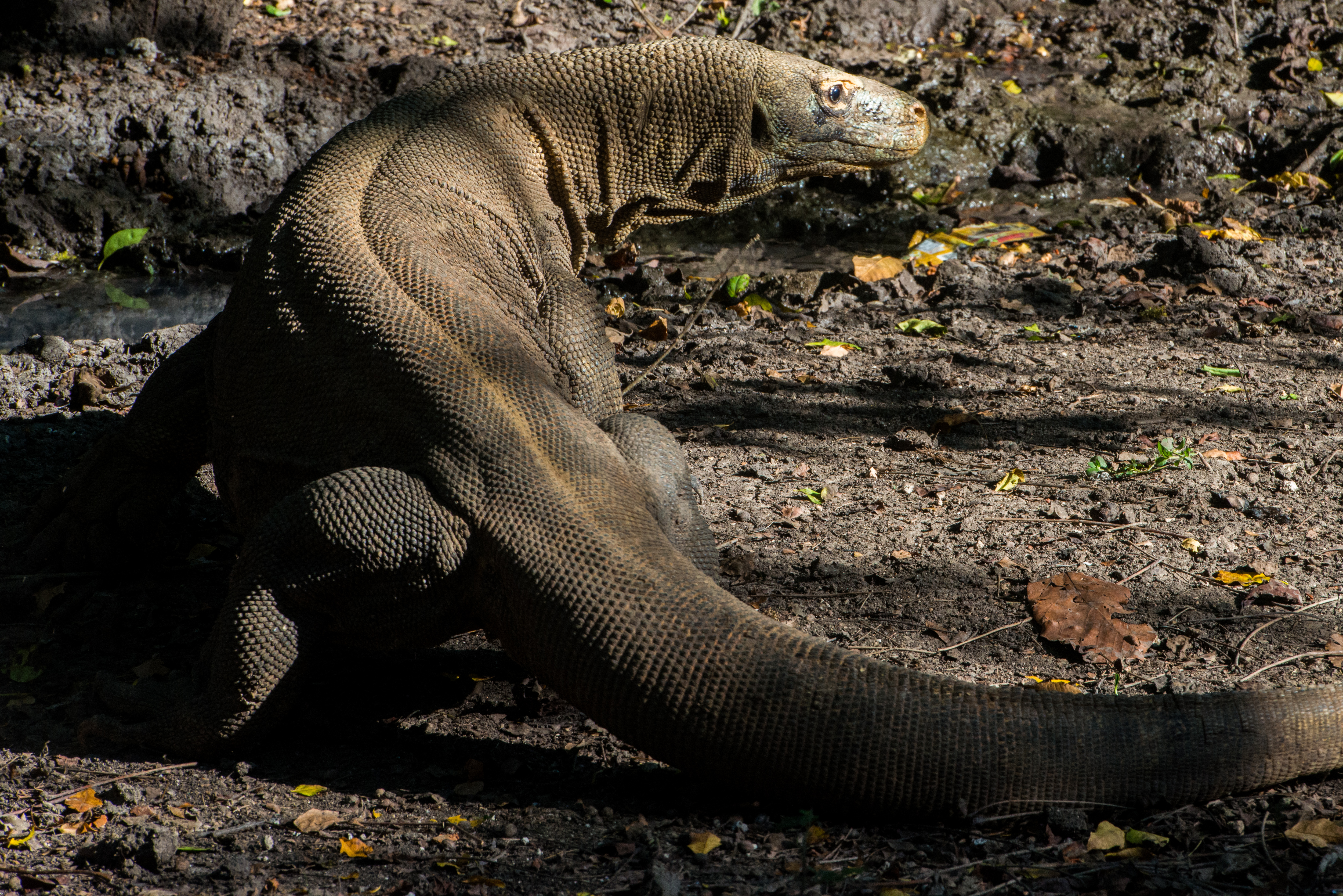
Why Time Matters in Komodo Exploration
Komodo National Park cannot be fully appreciated in a single day. The distances between islands, the rhythm of tides, and the diversity of environments require patience. This is why journeys of at least seven nights create a fundamentally different experience compared to short visits.
With time, the landscape changes around you. Morning swims take place in quiet bays before other vessels arrive. Guided walks introduce wildlife within its natural habitat. Afternoons invite exploration of reefs and beaches, while evenings unfold under wide skies far from artificial light.
The official seven night Komodo itinerary reflects this philosophy of pacing. It moves gradually through the islands, allowing space for wildlife encounters, marine exploration, and cultural interaction without rushing between locations.
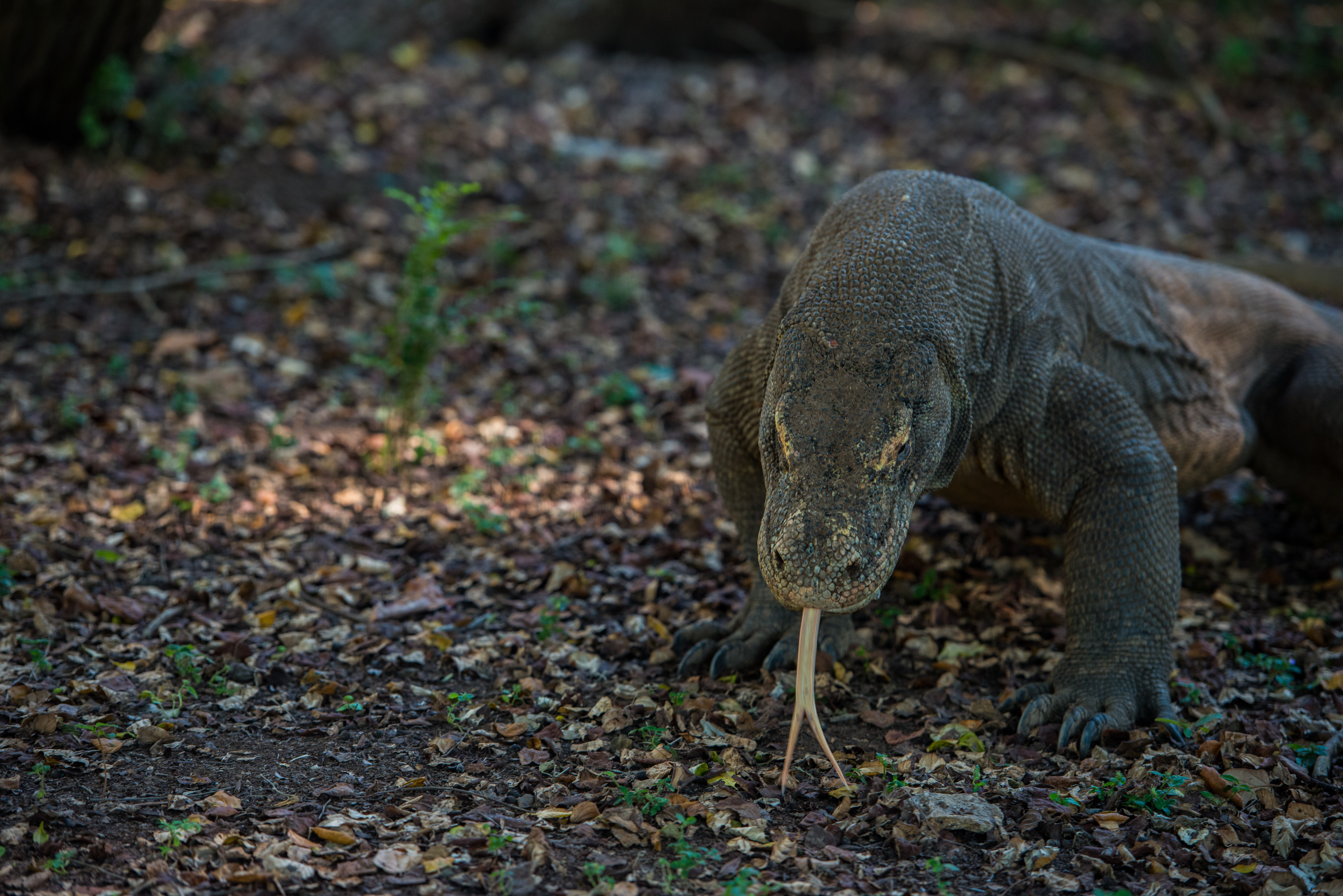
Ethical Dragon Encounters on Rinca Island
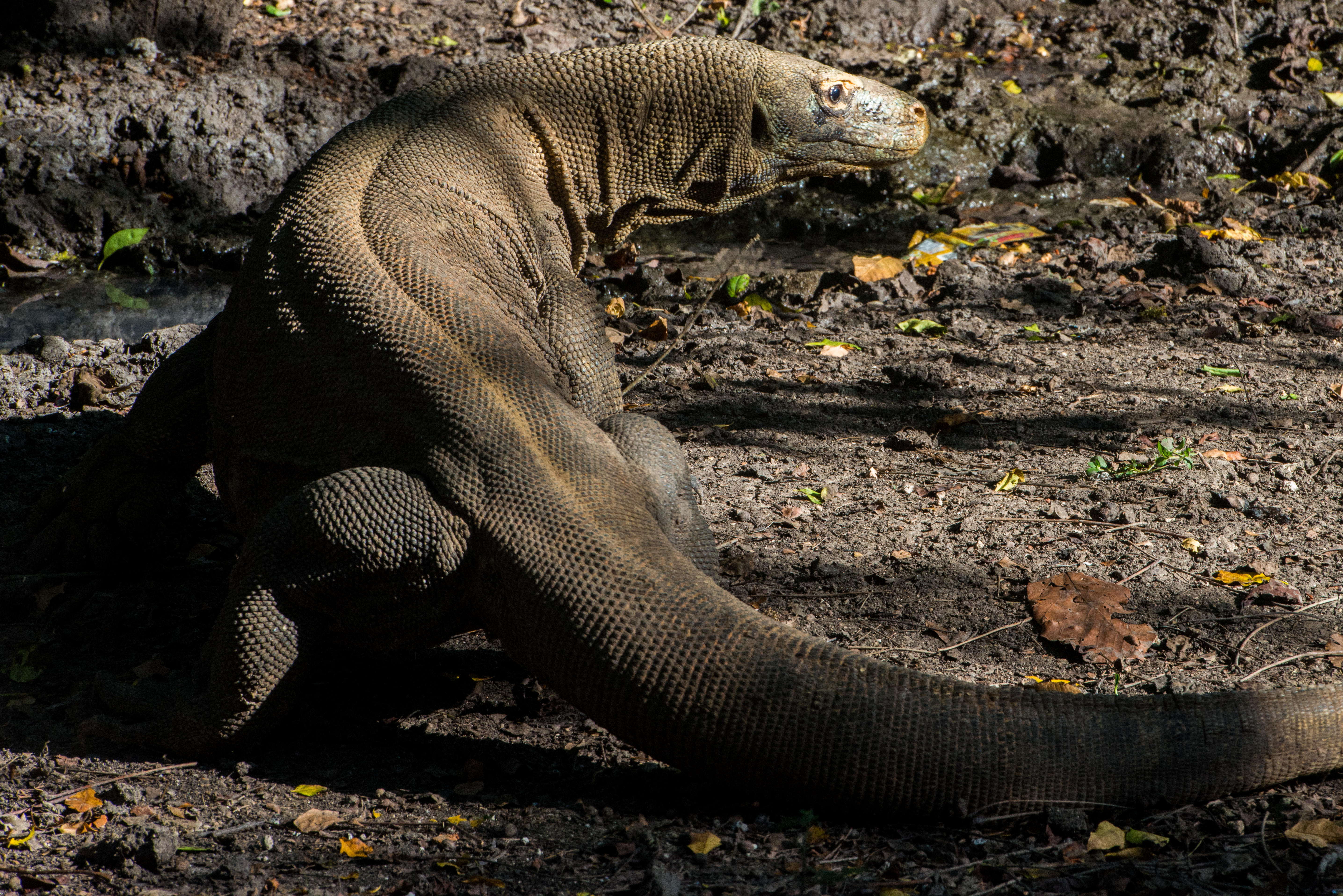
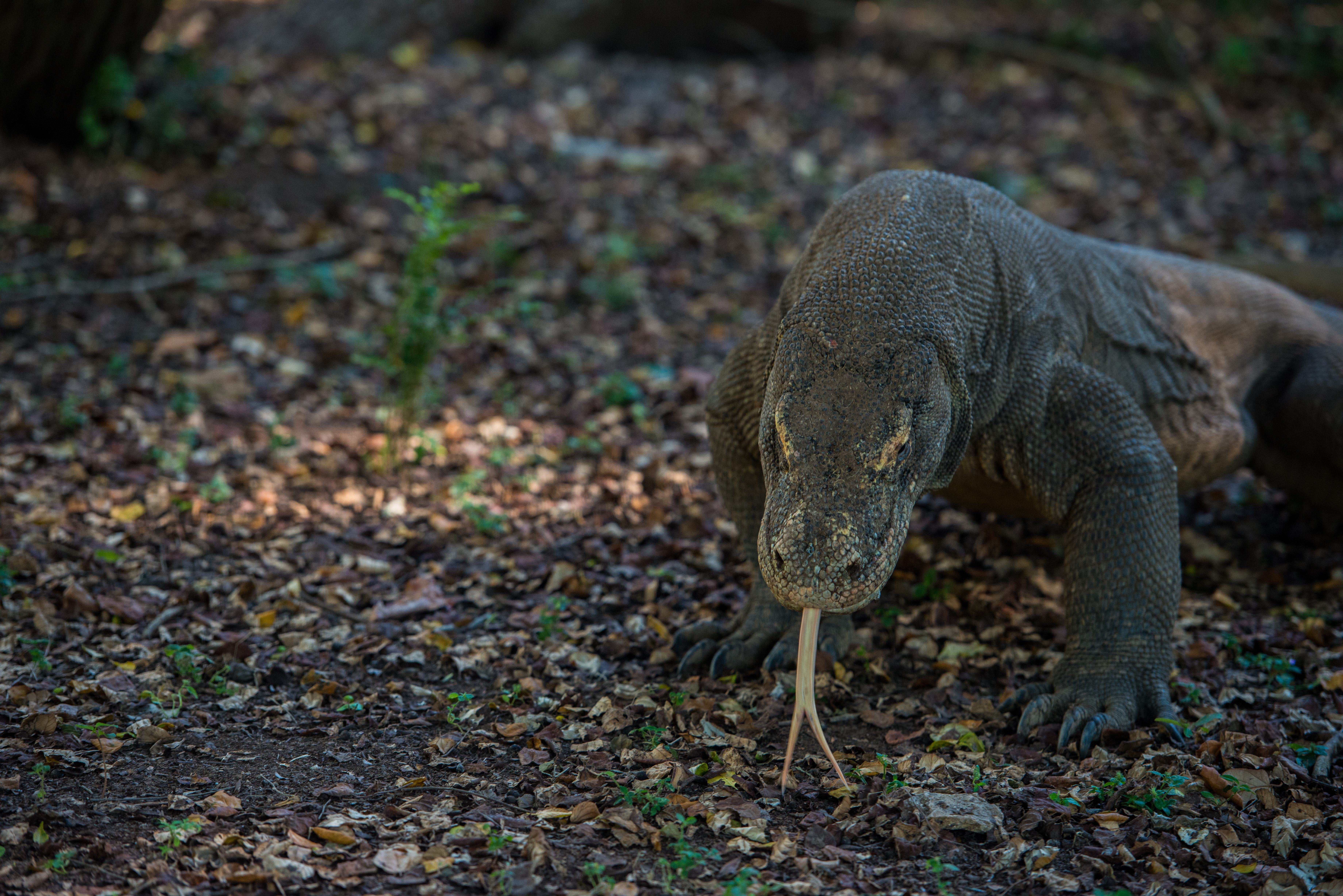
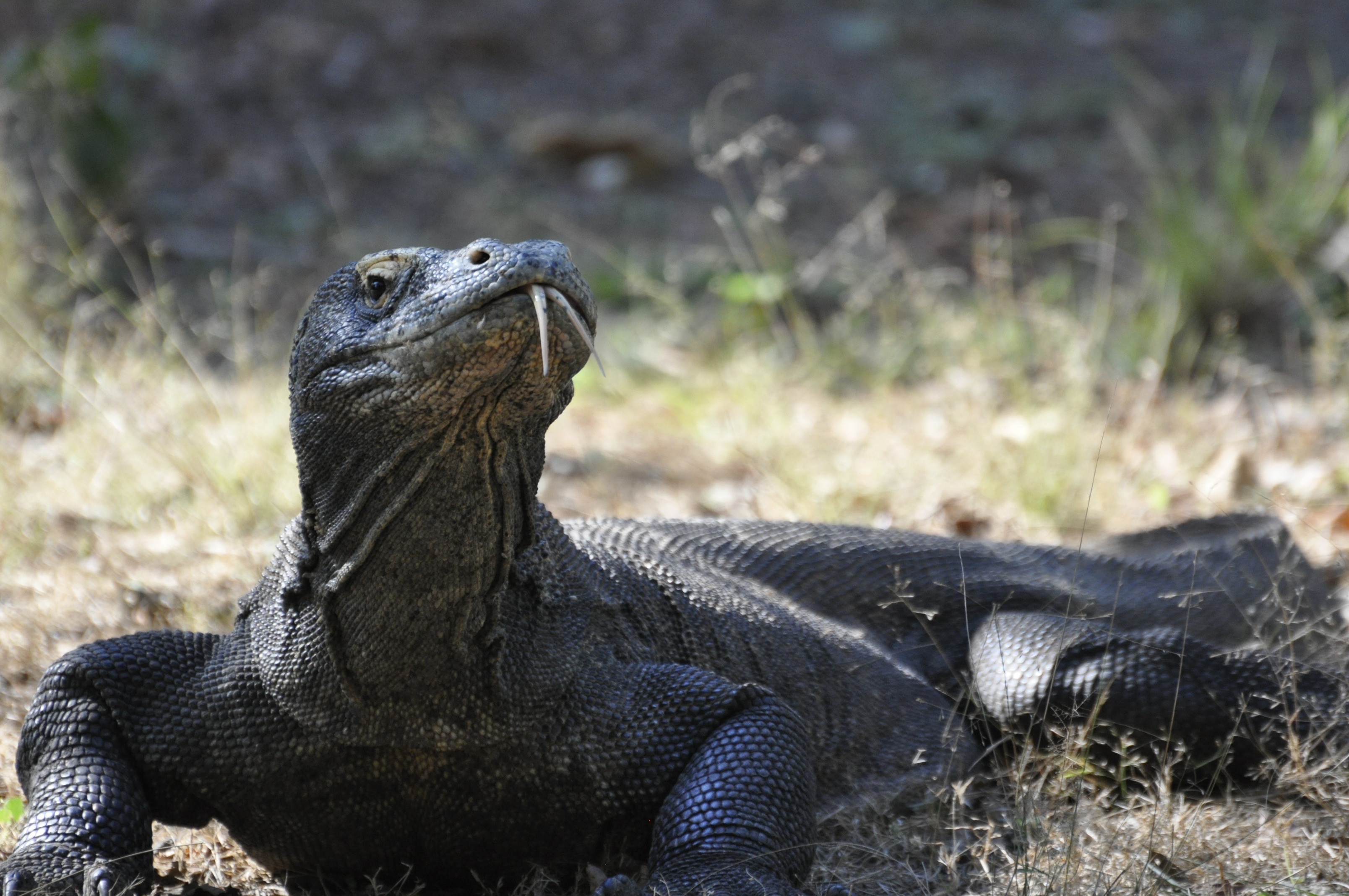
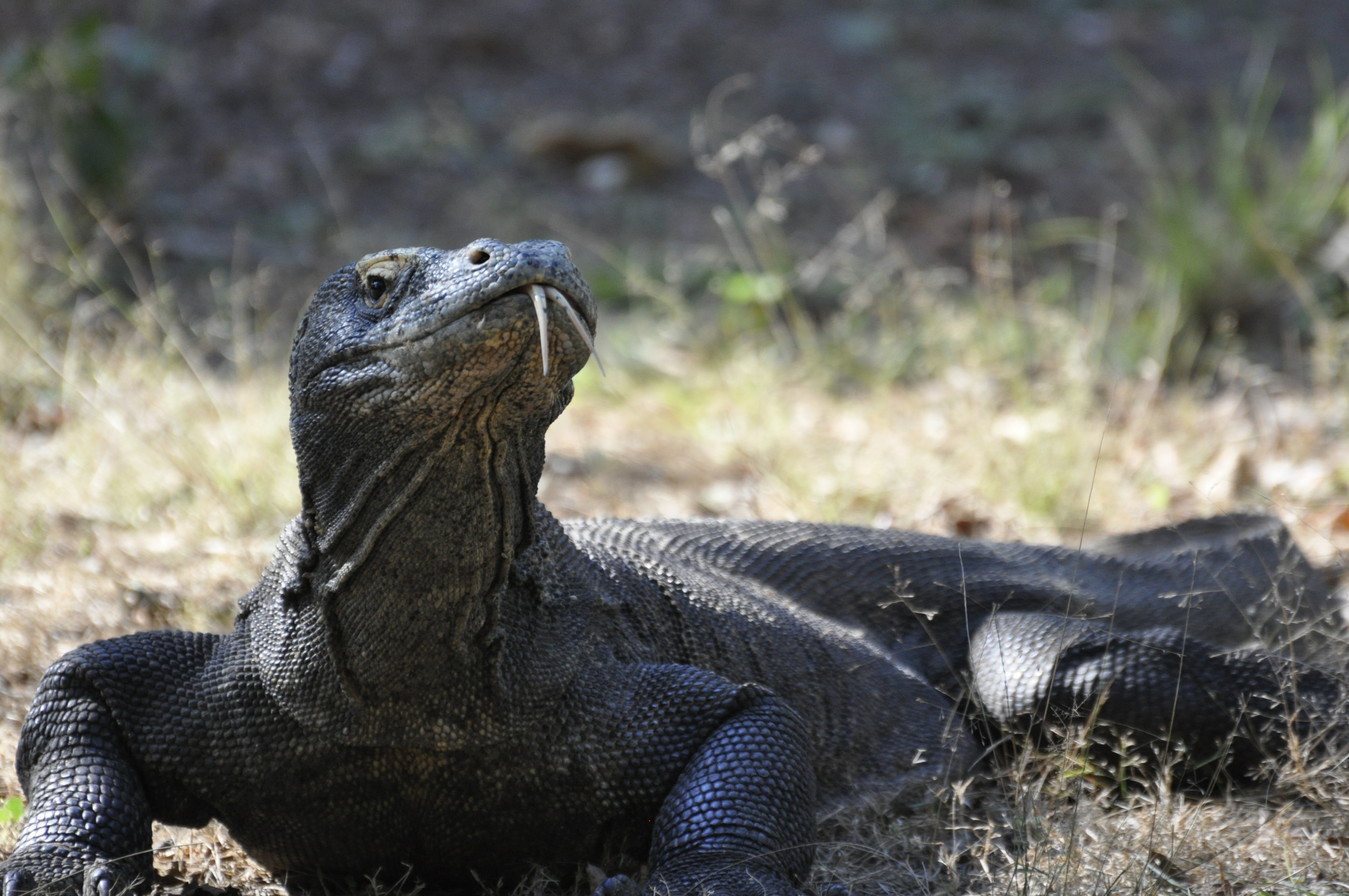
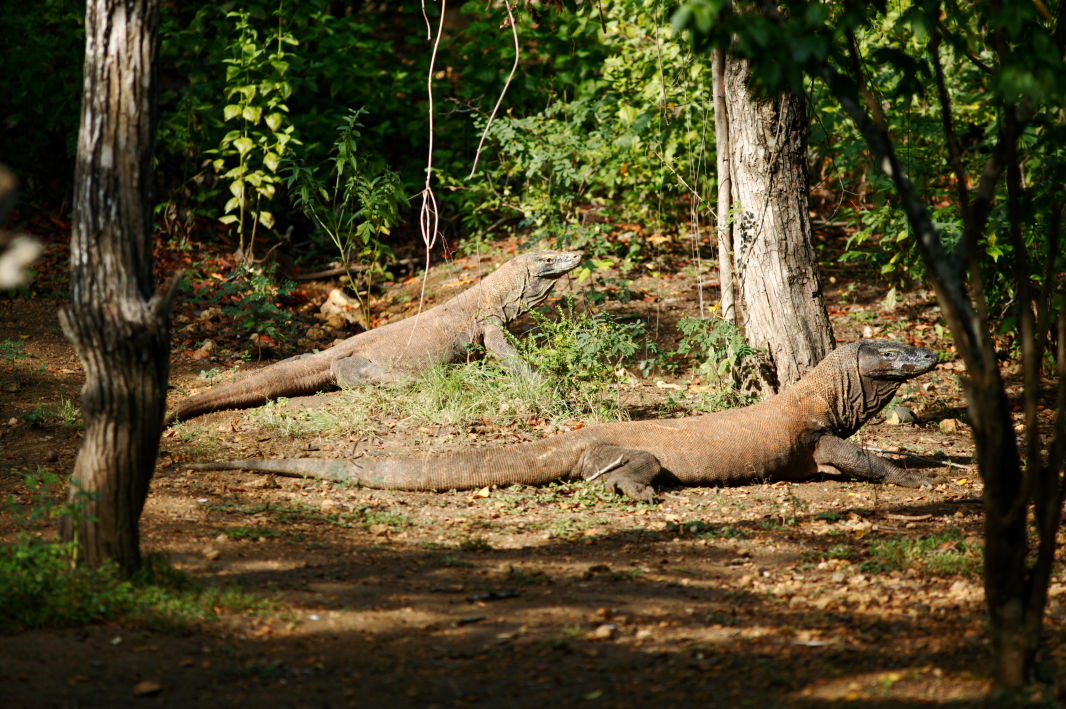
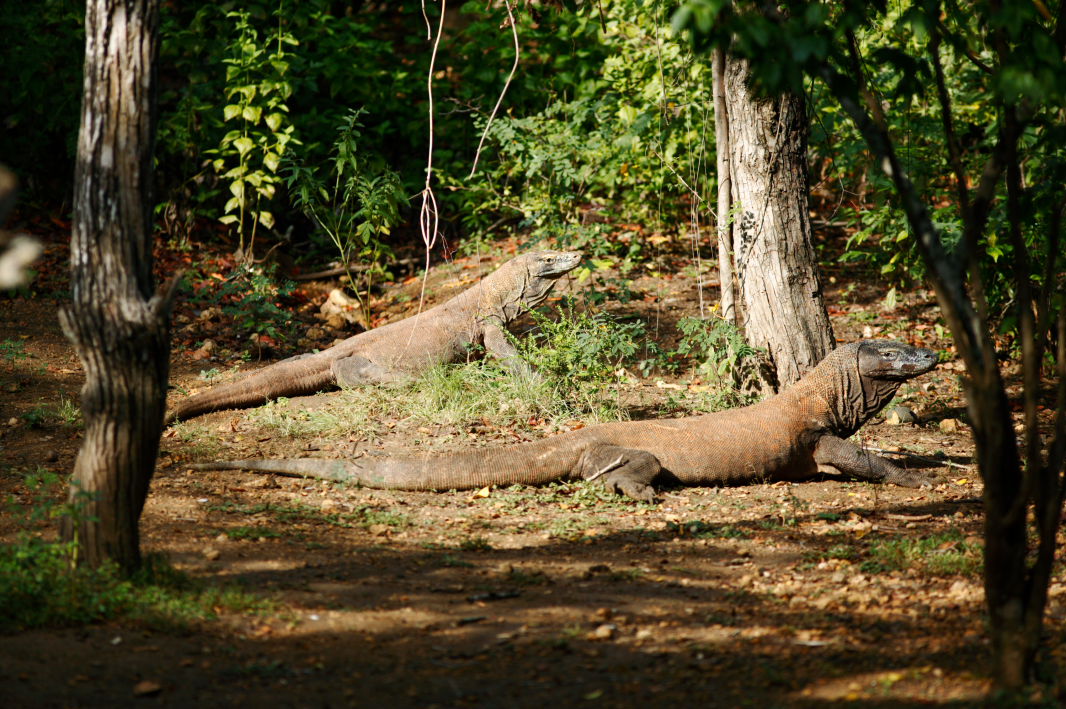
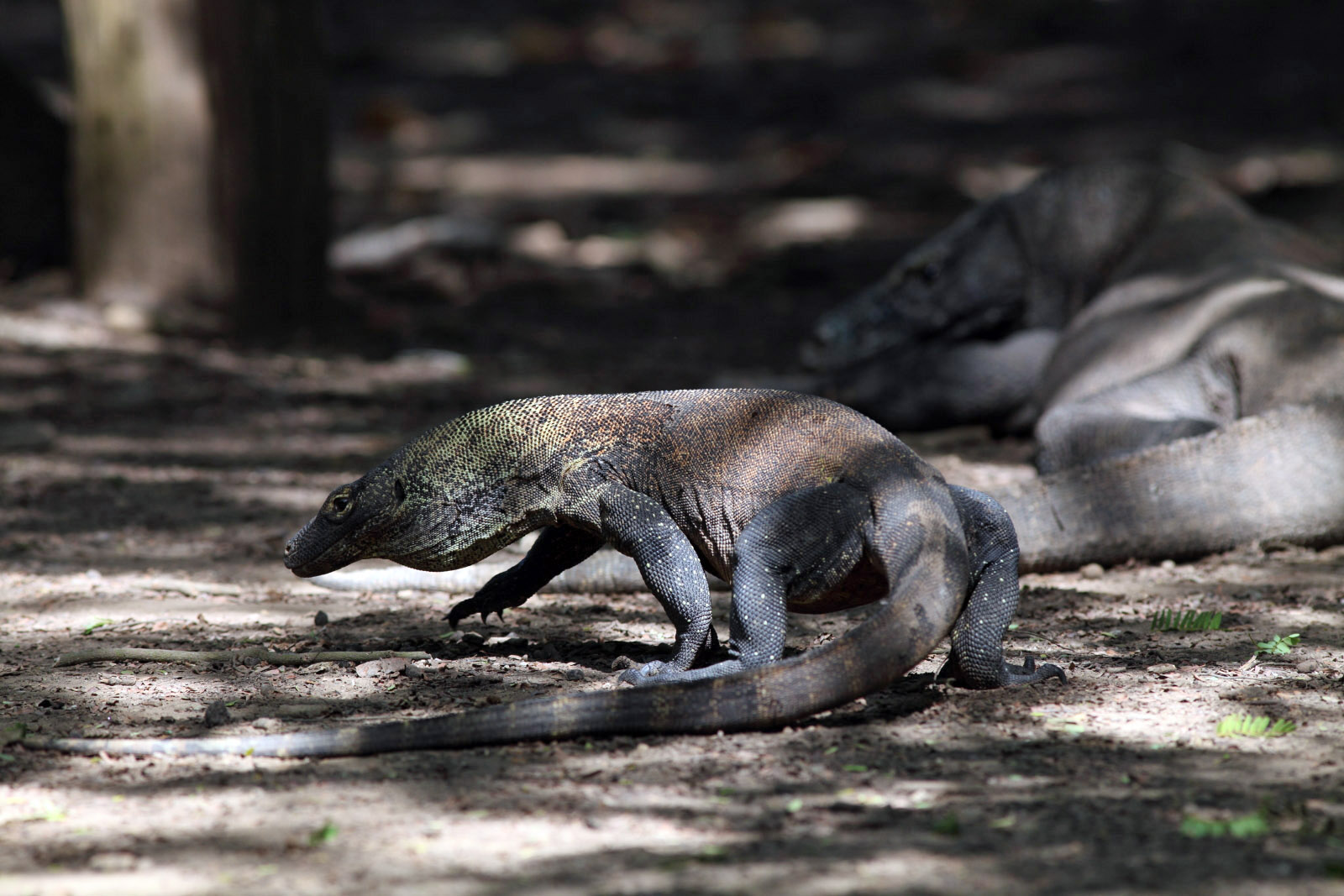
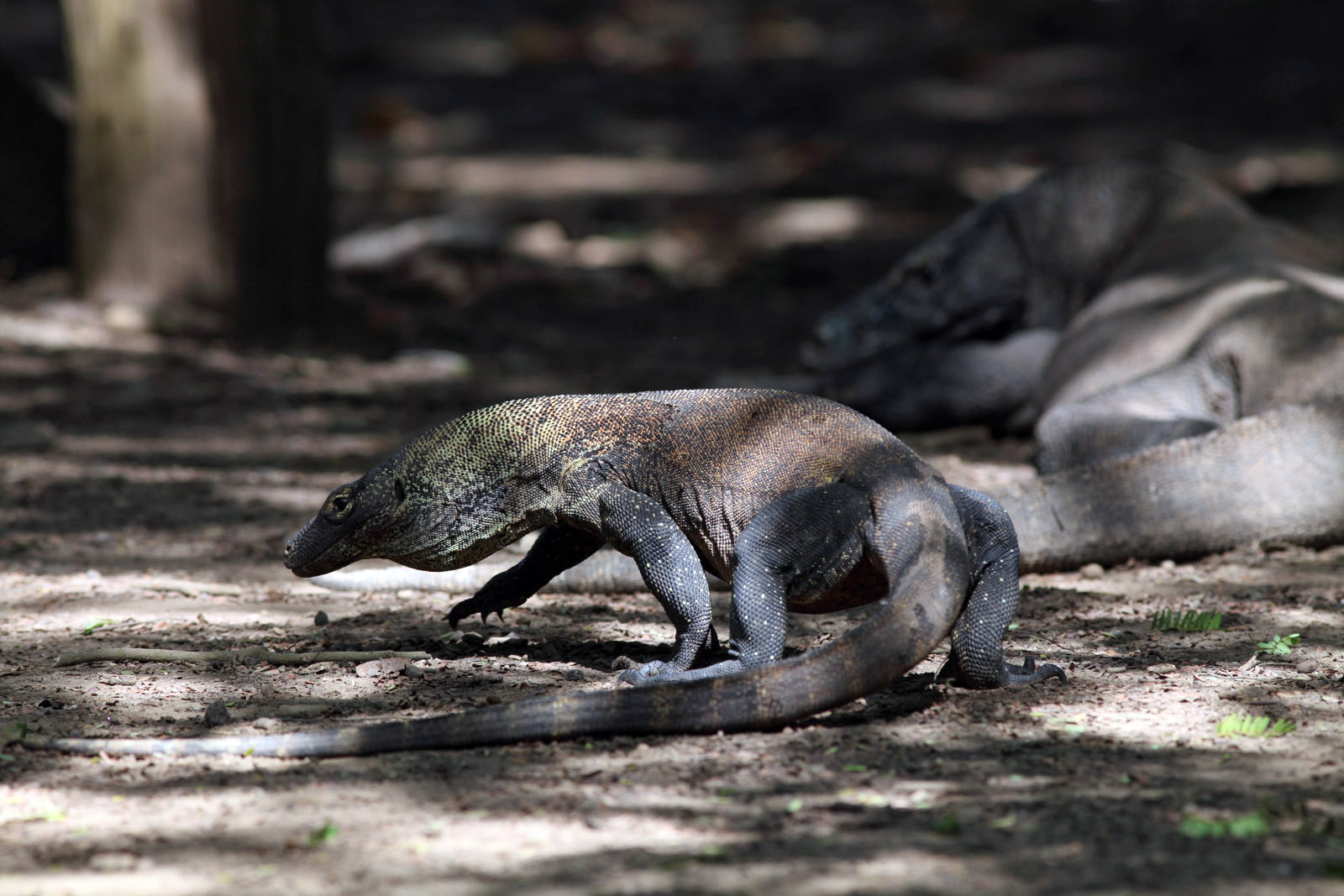
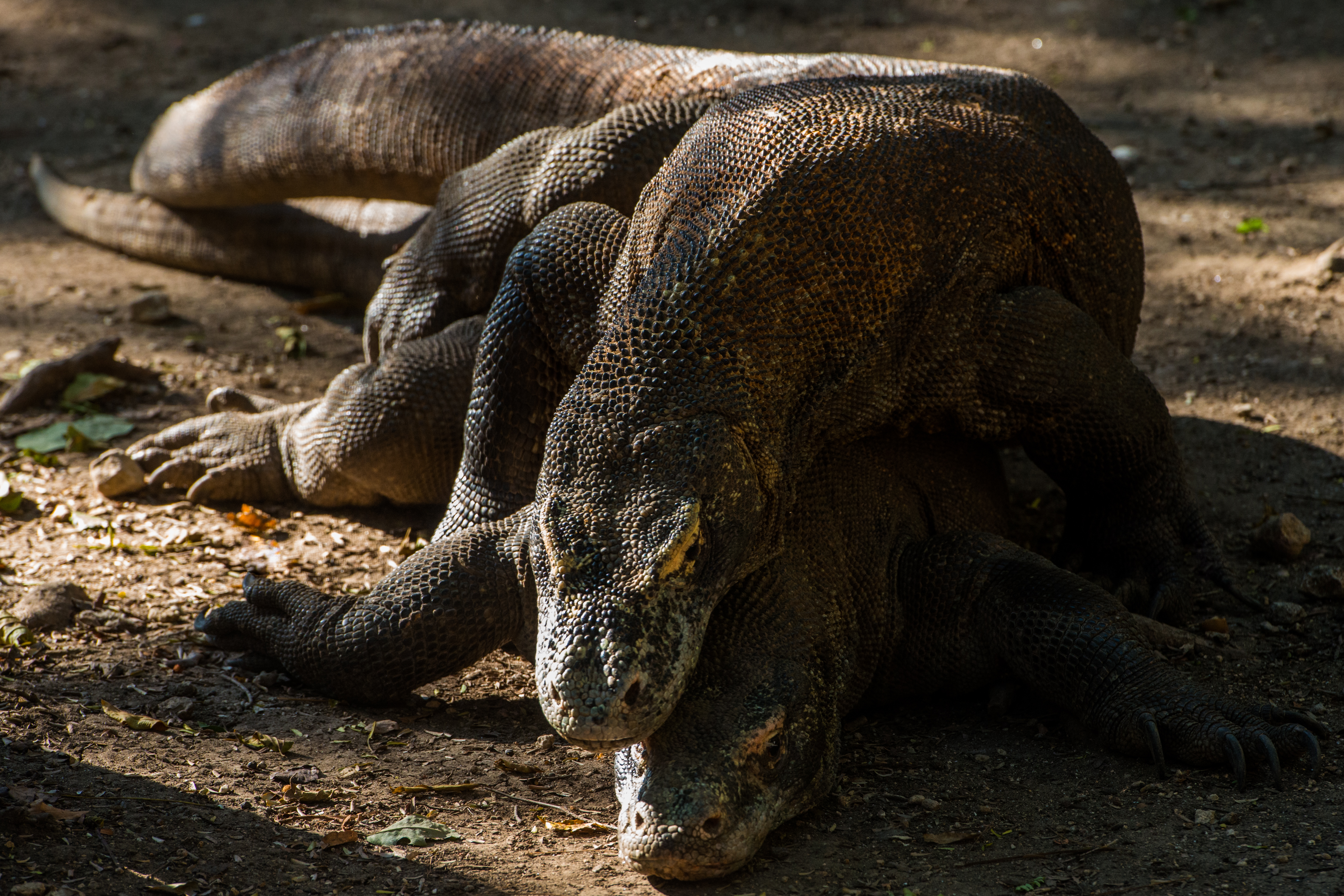
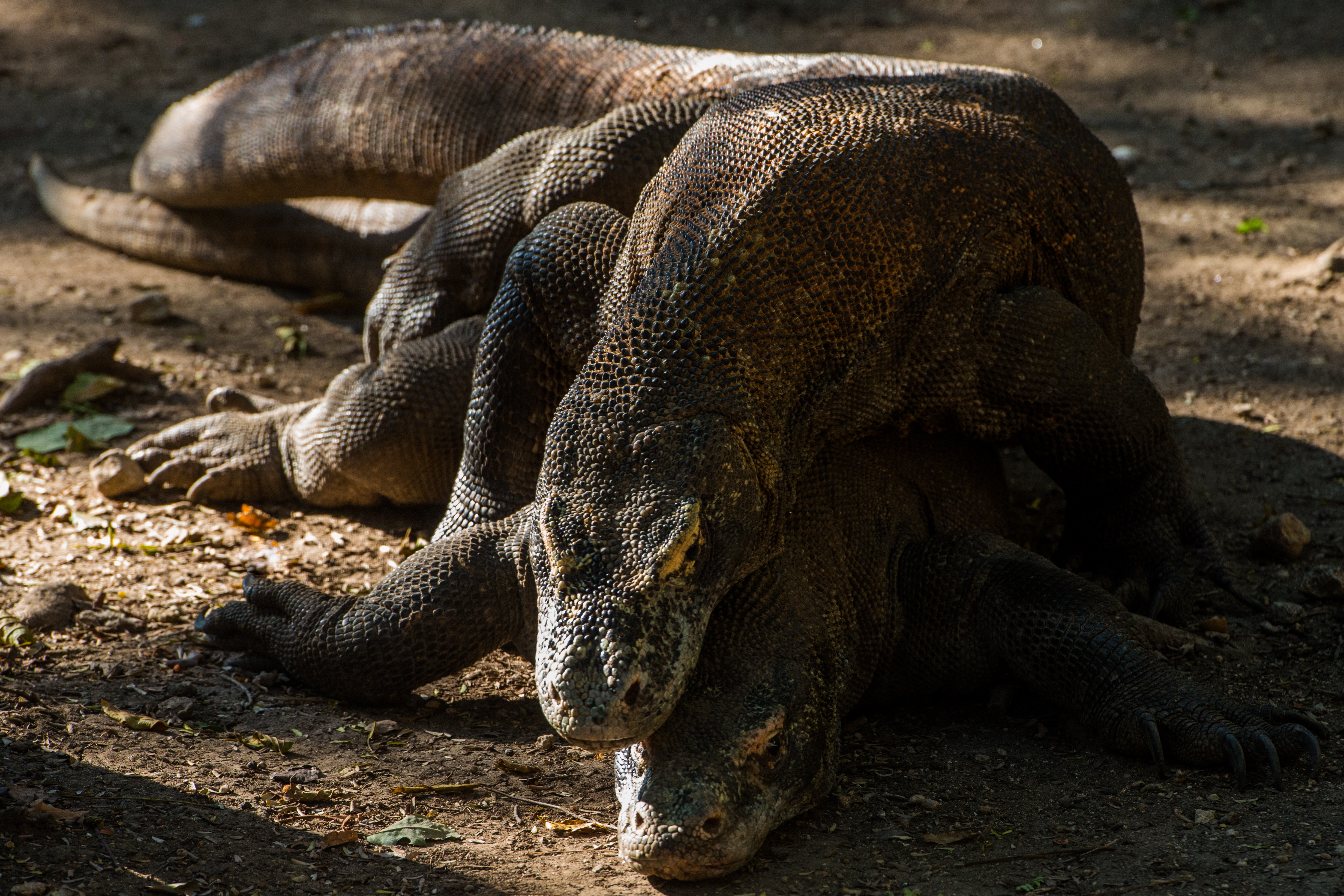
Seeing Komodo dragons in the wild remains one of the defining experiences of the archipelago. Rinca Island provides one of the most suitable locations for guided observation, where trained park rangers accompany visitors along established trekking routes.
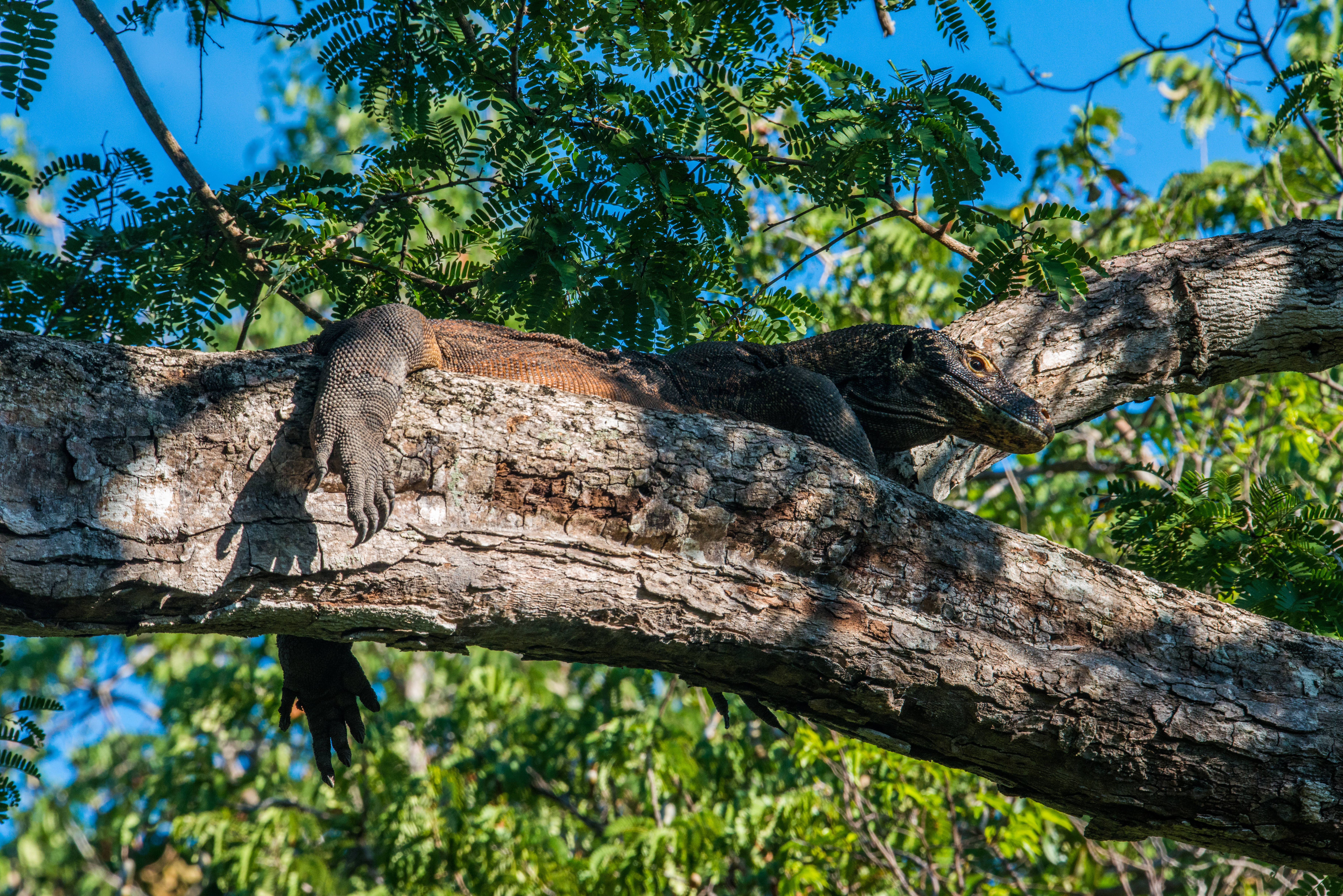
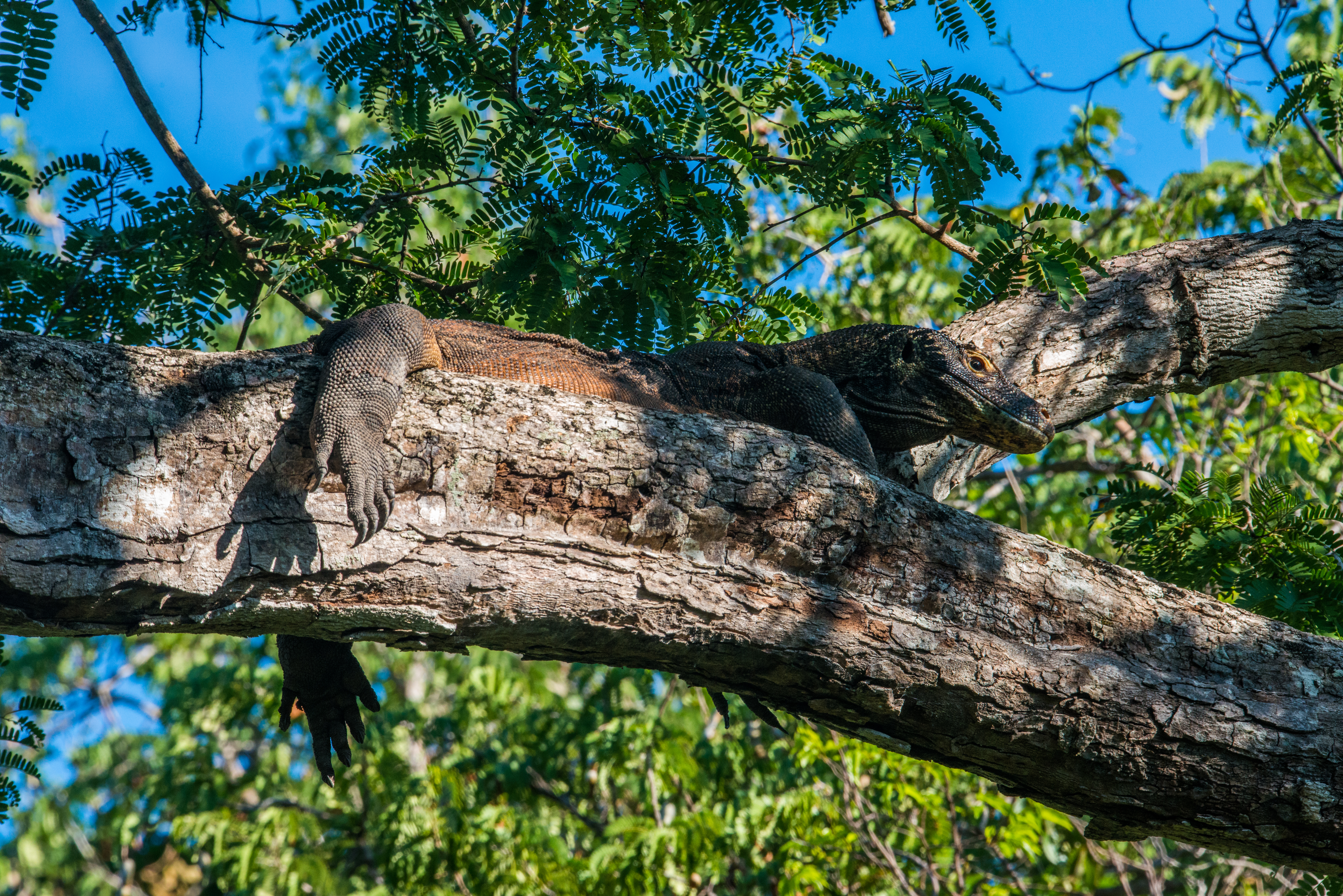
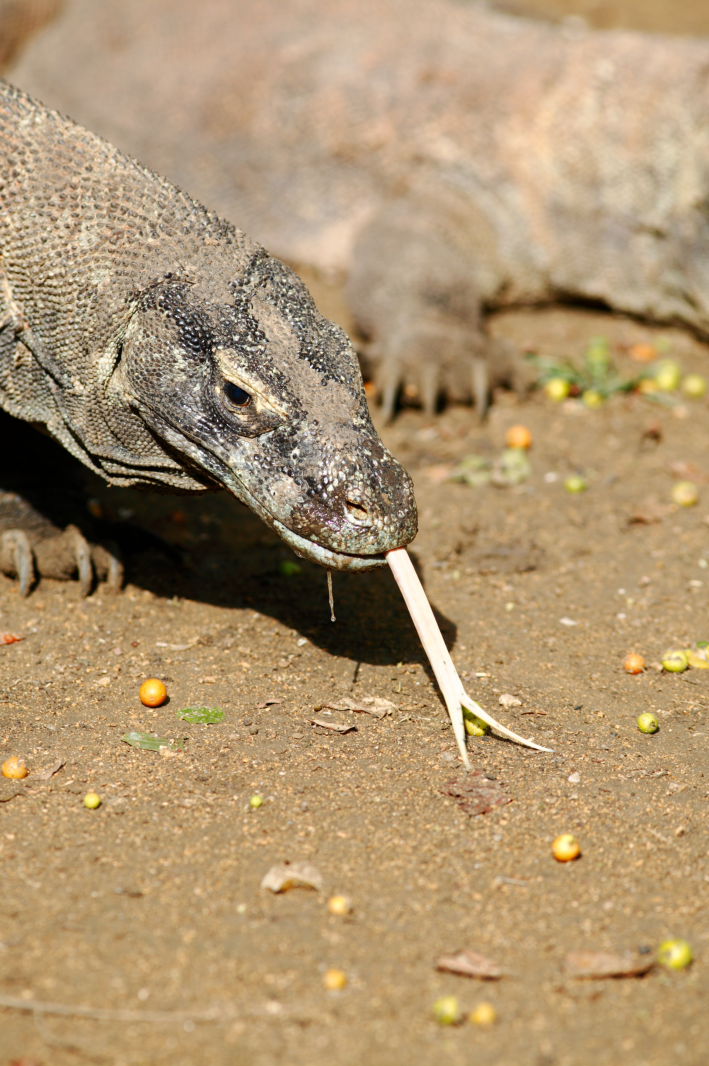
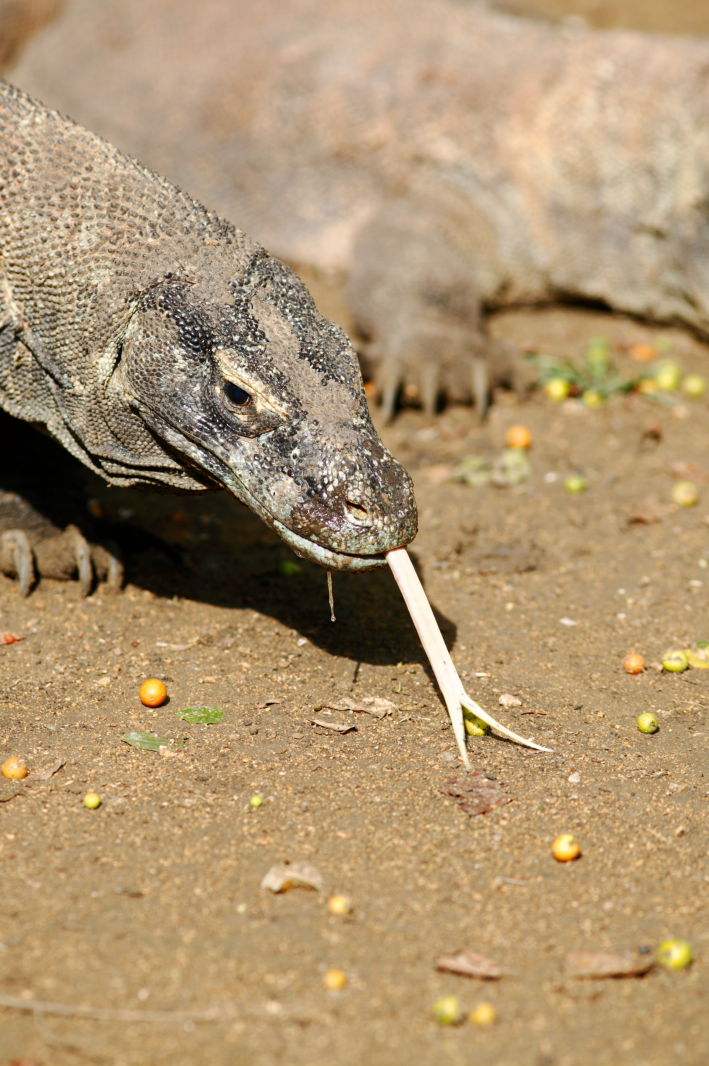
During these walks, you may encounter Komodo dragons along with other wildlife such as wild boars, monkeys, wild water buffalo, and bird species that share the same environment. Rangers explain how dragons hunt, how they regulate territory, and how the surrounding ecosystem supports their survival.
The encounter becomes meaningful not because of proximity, but because of understanding. Observing responsibly ensures both visitor safety and long term preservation of this fragile ecosystem.
Pink Beach: A Rare Coastal Landscape
Pantai Merah, known internationally as Pink Beach, is one of the most visually distinctive shorelines within Komodo National Park. Its unusual coloration makes it one of the rare pink sand beaches found globally.
The beach also offers favorable conditions for snorkeling and diving. Coral formations extend just offshore, creating opportunities to observe reef fish and underwater life in relatively calm waters. The anchorage near a nearby fishing village further adds a cultural dimension to the visit, offering glimpses into daily life along the coast.
Pink Beach is often remembered not only for its color, but for the quiet rhythm of the surrounding bay as evening settles across the islands.


Padar Island: A Landscape of Light and Perspective
Padar Island remains one of the most visually striking landscapes in Komodo National Park. The island’s elevated viewpoints provide sweeping views across neighboring islands and multiple crescent shaped beaches.
The ascent to the summit is a rewarding experience. From above, the interplay of sunlight and clouds creates changing tones across the surrounding sea. The shifting colors of the water highlight the geological structure of the archipelago and the volcanic forces that shaped it.
Padar also supports a range of activities including kayaking, snorkeling, hiking, and wildlife observation. The surrounding environment provides opportunities to observe birdlife and explore coastal areas at a relaxed pace.
Gili Lawah and the Diversity of Marine Life
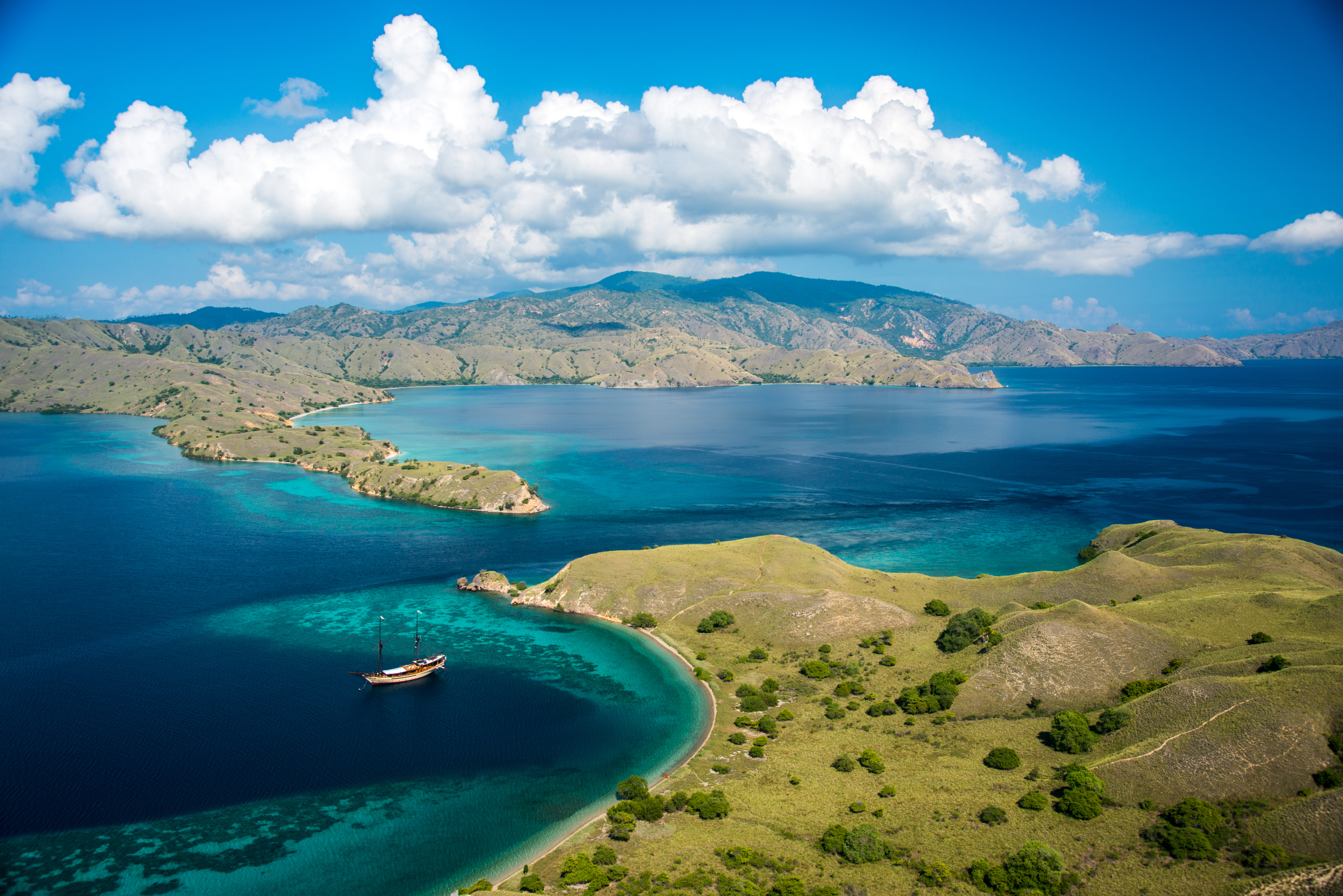
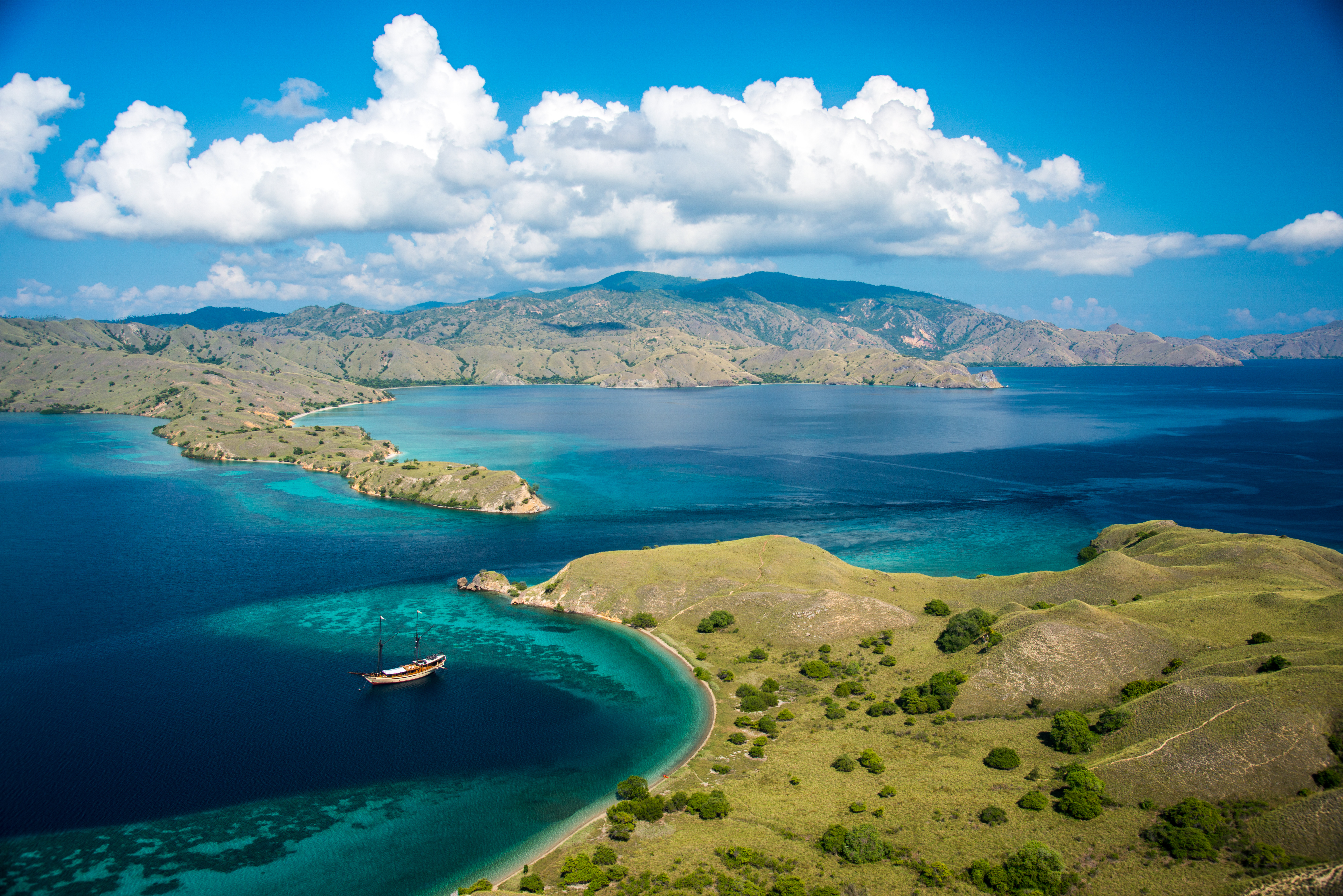
The islands of Gili Lawah Darat and Gili Lawah Laut represent some of the most scenic anchorages in the Komodo region. Surrounded by calm turquoise bays and rolling hills, these islands offer conditions suitable for snorkeling and marine observation.
The waters here support diverse fish populations and occasionally larger marine species such as turtles or manta rays may be observed depending on conditions. Elevated viewpoints on nearby hills provide panoramic perspectives across the surrounding national park, allowing visitors to appreciate the scale of the archipelago.
Experiences in these locations emphasize observation rather than certainty. Wildlife encounters occur naturally, shaped by environment and season.
Batu Monco and Quiet Coastal Exploration
Batu Monco offers a quieter dimension of Komodo exploration. Crescent shaped beaches with white sand create calm environments suitable for swimming and relaxation.
The surrounding waters provide opportunities for snorkeling and diving, while the shoreline invites unhurried walks along the coast. These quieter locations balance the more iconic highlights, offering moments of reflection and rest between active exploration days.
Such pauses are essential within longer voyages. They transform travel from movement into experience.
Banta Island: Closing the Journey with Marine Encounters
Located beyond the boundaries of Komodo National Park, Banta Island offers a final stage of marine exploration before returning toward Labuan Bajo. The island’s distinctive bays and coastal formations create suitable environments for snorkeling and diving.
Banta Island is also known for the presence of marine life including turtles and manta rays. Evening activities often conclude with gatherings along the beach as the sun sets across the horizon, marking the closing moments of the voyage.
These final days often become the most reflective, as the journey gradually shifts from discovery toward memory.
Cultural Encounters and Village Life
One of the most meaningful elements of a Komodo journey lies beyond wildlife and landscapes. Coastal villages introduce visitors to communities whose daily lives remain closely tied to the sea.
Fishing villages near anchorages offer insight into traditional livelihoods. Wooden boats line the shoreline, nets are prepared for use, and daily routines follow seasonal rhythms shaped by weather and tide.
These encounters provide context to the natural environment. They reveal how people have adapted to life among remote islands and how cultural traditions remain connected to the surrounding ocean.
The Role of Responsible Travel in Komodo
Komodo National Park represents one of the world’s most important marine environments. Responsible travel plays a significant role in maintaining ecological balance and protecting biodiversity.
Visitors contribute to conservation when they respect wildlife guidelines, minimize environmental impact, and support regulated tourism practices. Sustainable marine tourism has been shown to support conservation funding while maintaining ecosystem health when managed responsibly.
Scientific studies highlight that carefully managed marine tourism areas can maintain biodiversity levels comparable to protected zones when visitor numbers and behaviors are controlled appropriately.
Fully Verified Komodo 7 Night Yacht Itinerary
The following itinerary reflects the structure of the official seven night Komodo voyage prepared by Silolona Sojourns. All routing remains subject to weather and sea conditions.
Day 1 Labuan Bajo to Sabolon Island
After embarkation, the yacht sails north along the eastern coast of Komodo Island toward Sabolon Island. The day introduces the first opportunities for swimming and water activities in sheltered waters. Evening cocktails are typically enjoyed at anchor as the sun sets across the surrounding coastline.
Day 2 Rinca Island
Morning trekking on Rinca Island allows guided observation of Komodo dragons and other wildlife within their natural environment. The walk is conducted alongside trained rangers who provide interpretation of the local ecosystem
Day 3 Pantai Merah
Following breakfast onboard, the yacht navigates to a nearby rocky islet suitable for underwater exploration. The afternoon focuses on activities at Pink Beach, known for snorkeling and diving conditions within the surrounding bay.
Day 4 Padar Island
The day centers on exploration of Padar Island, including hiking, kayaking, snorkeling, and observation of surrounding landscapes. Evening sailing continues toward Gili Lawah Darat and Gili Lawah Laut.
Day 5 Gili Lawah Darat and Gili Lawah Laut
Marine exploration activities such as snorkeling take place in surrounding waters known for diverse fish populations. Optional hill walks provide elevated views across the Komodo archipelago.
Day 6 Batu Monco
The day focuses on beach exploration, swimming, and underwater observation within calm coastal environments characterized by white sand beaches.
Day 7 Banta Island
Snorkeling and diving activities take place around Banta Island, an area known for marine diversity including turtles and manta rays. Evening activities may include beach gatherings as the journey approaches its conclusion.
Day 8 Pulau Sebayor to Labuan Bajo
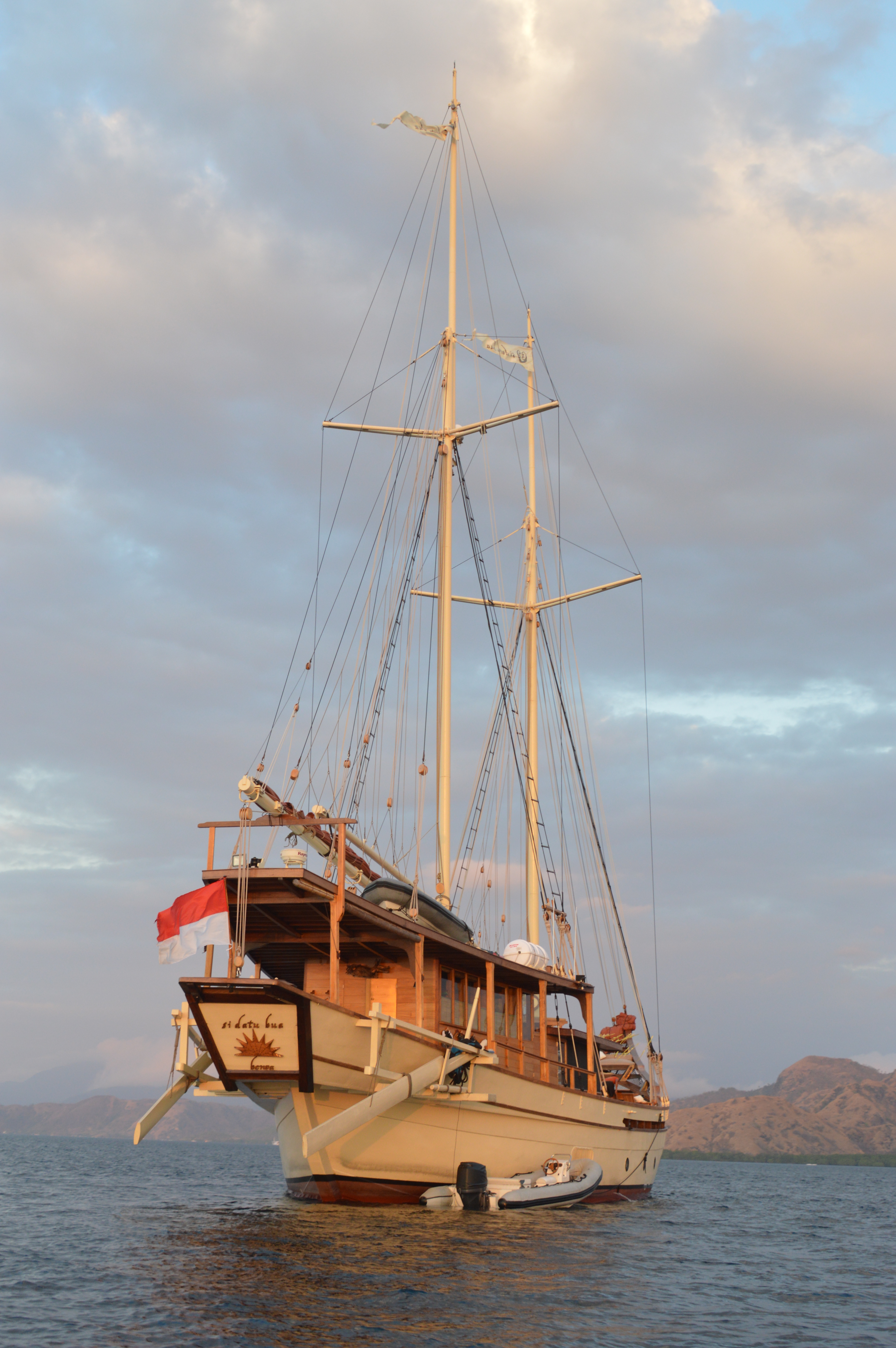
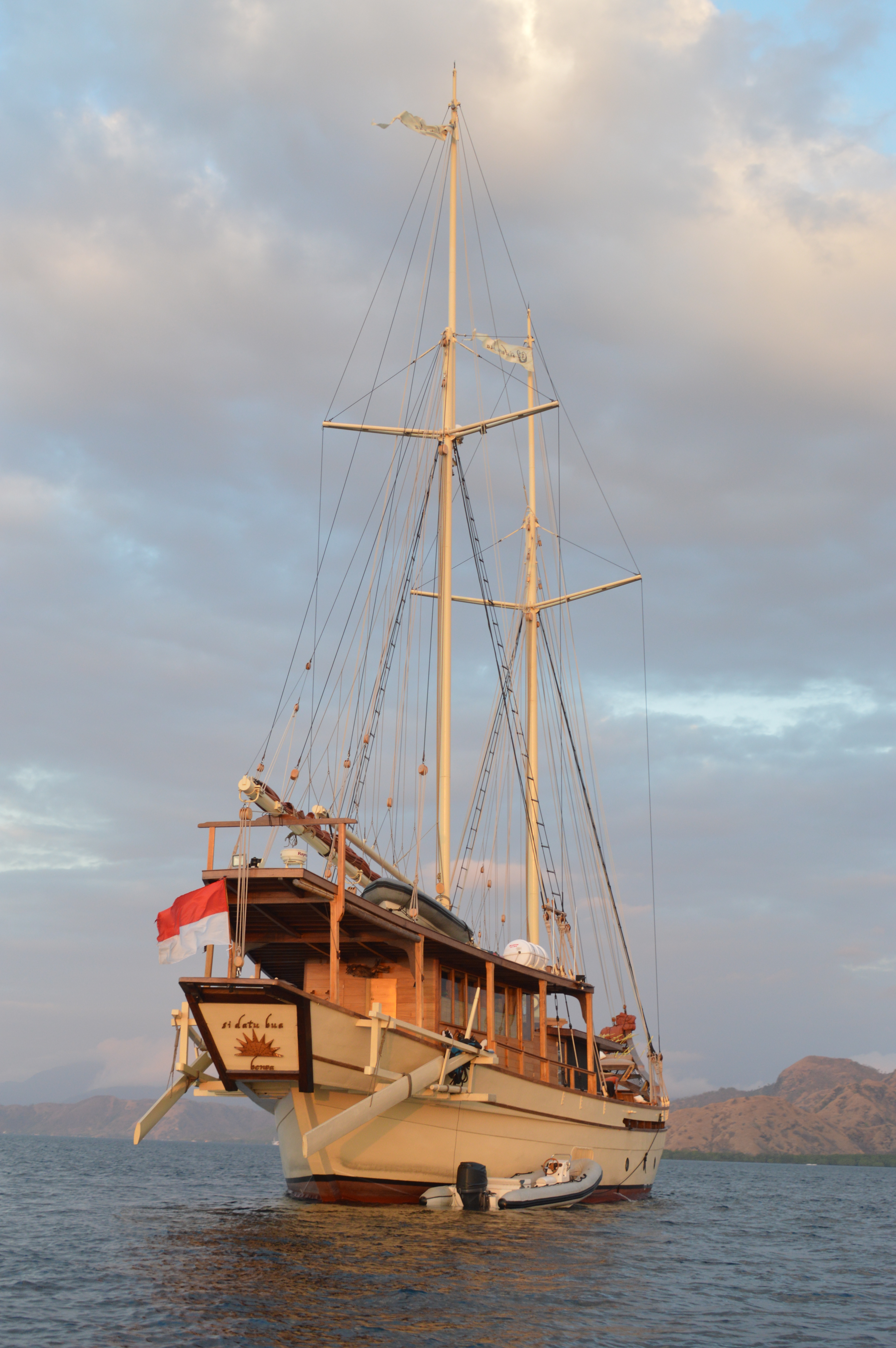
The final morning offers one last opportunity for swimming before navigating back toward Labuan Bajo for disembarkation and onward travel. If you are considering a Komodo luxury yacht charter that moves beyond surface level travel, the difference lies in time, pacing, and local knowledge. A seven night journey allows you to experience Komodo not as isolated highlights, but as an interconnected archipelago shaped by nature and culture. Silolona Sojourns also offers scheduled shared departures within the Komodo Archipelago on 29 September to 5 October 2026 and 12 June to 17 June 2027.
These curated voyages follow carefully designed routes that reflect the natural rhythm of the islands, combining iconic locations such as Rinca Island, Pink Beach, Padar Island, and Gili Lawah with quieter anchorages that allow meaningful exploration. Whether you choose a private charter or join one of the shared sailings, the journey is built around thoughtful pacing and authentic encounters. To begin planning your Komodo voyage or to learn more about available departures, visit the inquiry contact form and connect directly with the Silolona team.
Discovering Komodo Beyond Wildlife
Komodo National Park is often introduced through the image of a single species, yet its true identity lies in the relationships that shape its islands. Wildlife, ocean currents, coral reefs, and coastal communities exist in constant interaction with one another.
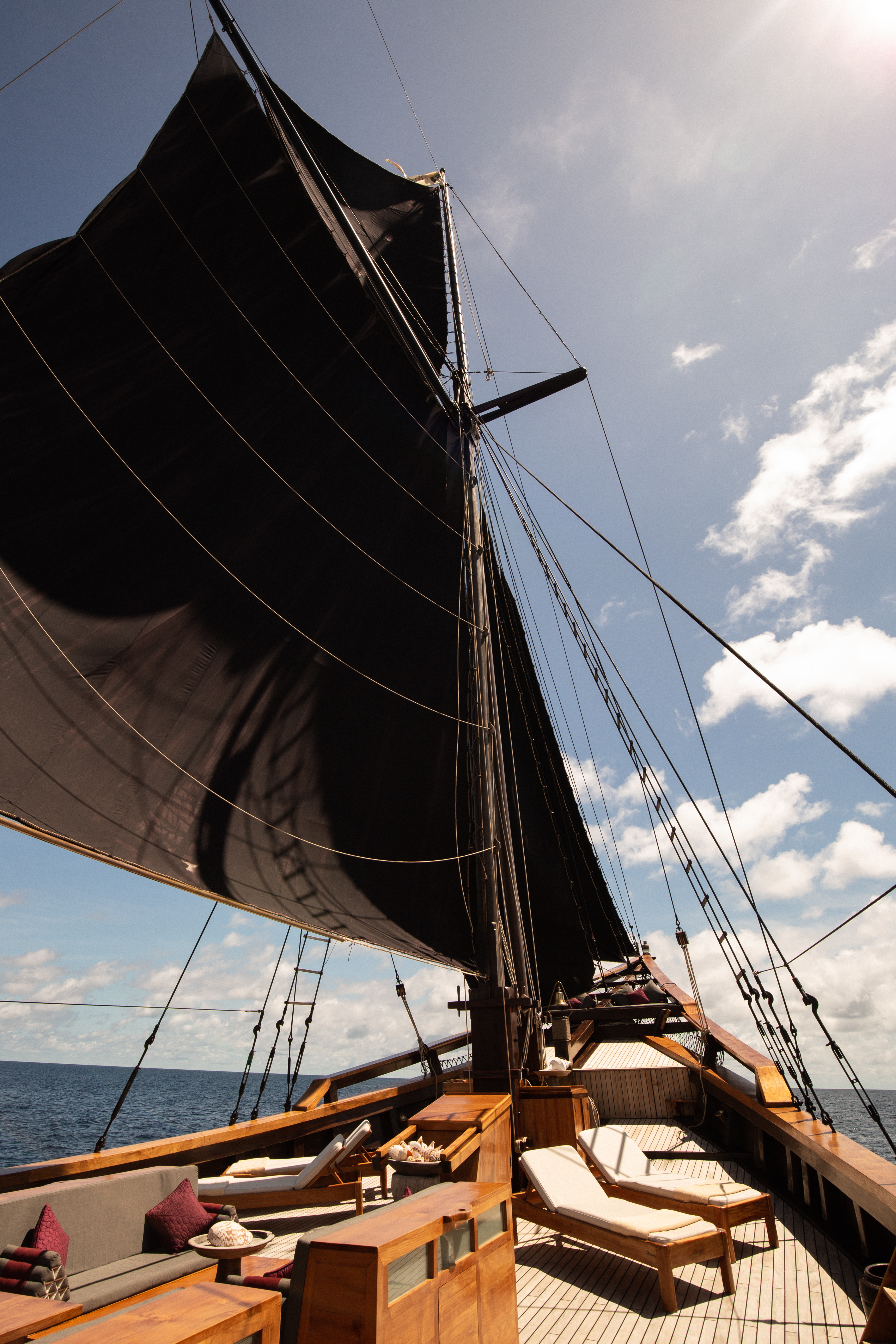
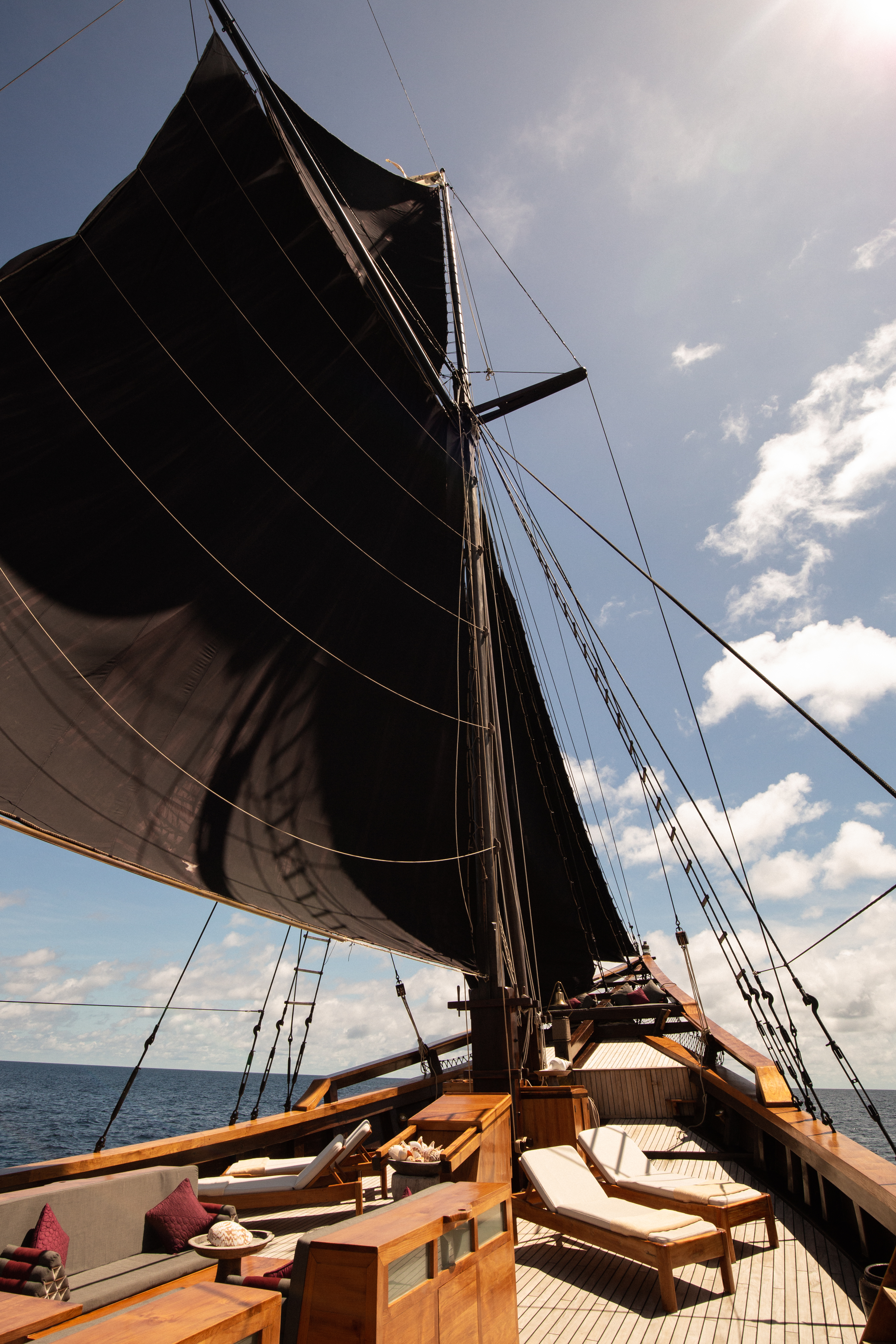
When explored over several days by private yacht, Komodo becomes more than a destination. It becomes a sequence of connected experiences shaped by landscape, sea, and human presence. Guided walks on Rinca Island, snorkeling along coral reefs, and time spent near coastal villages each contribute to a deeper understanding of the region.
This is Komodo beyond wildlife. Not simply observing the islands from a distance, but experiencing their rhythm, understanding their environments, and allowing time to reveal what makes this archipelago one of the most distinctive marine landscapes in the world.
Komodo is not a place that rewards rushing. Its deeper character — the pink-sand coves, the reef systems beneath turquoise shallows, the fishing villages where mornings begin before the rest of the world wakes — reveals itself only to those who stay long enough to look. A seven-night private yacht voyage with Silolona Sojourns is designed around exactly that kind of looking. Begin planning your journey here.
References
All destination routing and daily experiences referenced in this article are based on the official Komodo Archipelago seven night voyage itinerary prepared by Silolona Sojourns.
Additional scientific and environmental references supporting marine biodiversity and conservation context:
Sala E, Giakoumi S. No take marine reserves are the most effective protected areas in the ocean. ICES Journal of Marine Science. 2018. DOI: 10.1093/icesjms/fsx059
Allen GR. Coral reef fishes of the East Indies. Tropical Reef Research. 2012. DOI: 10.1007/9789048134044