

Raja Ampat: The World's Most Biodiverse Marine Ecosystem A Sailing Guide
There are places in the world where the numbers stop feeling like numbers. Raja Ampat is one of them. You can read that it contains more than 600 species of coral and over 1,700 species of reef fish, that it sits at the epicenter of the Coral Triangle and holds within its waters a greater concentration of marine life than any other ecosystem on the planet. You can read all of that and still not be prepared for what it looks like when you put your face in the water for the first time.
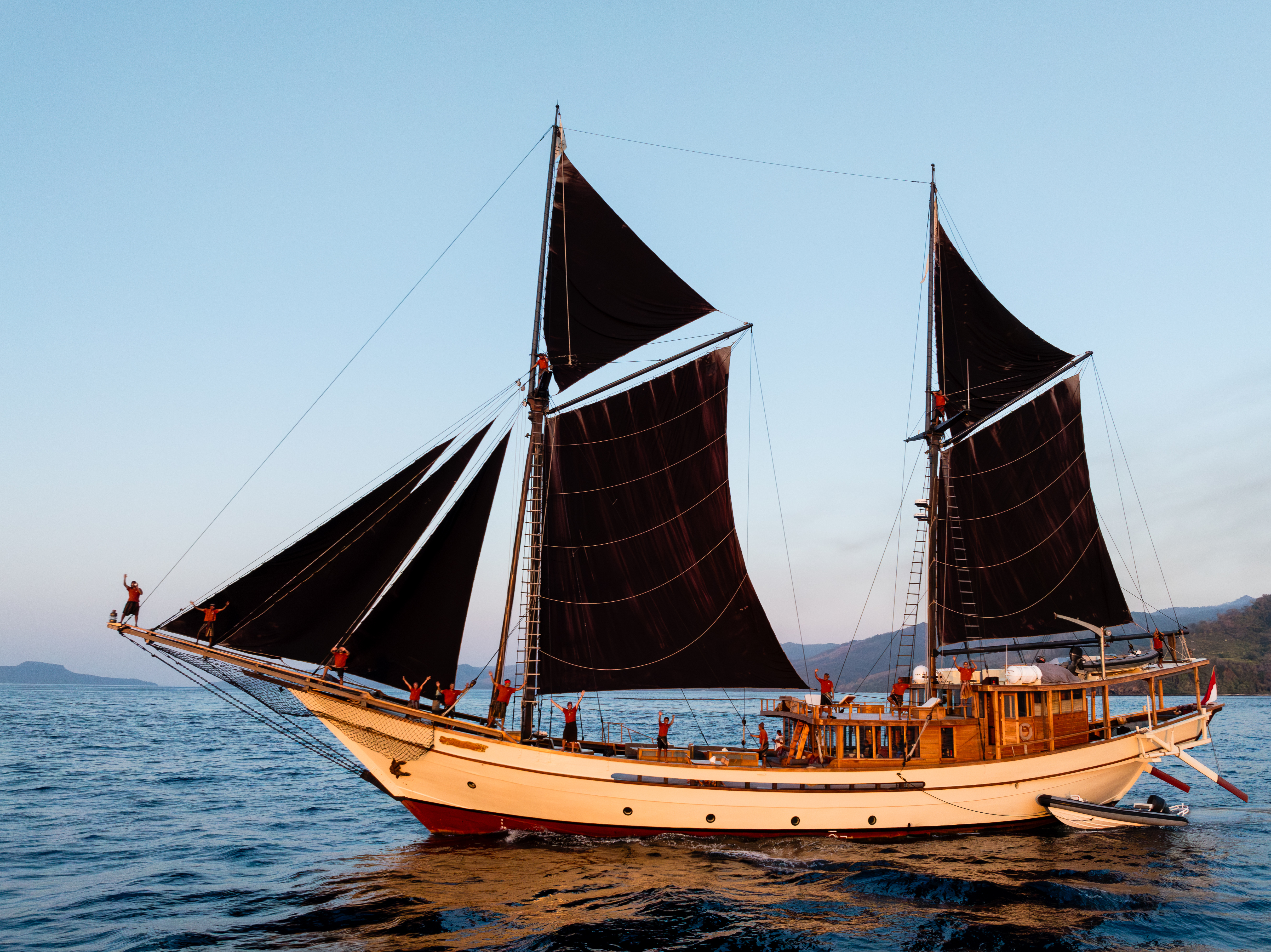
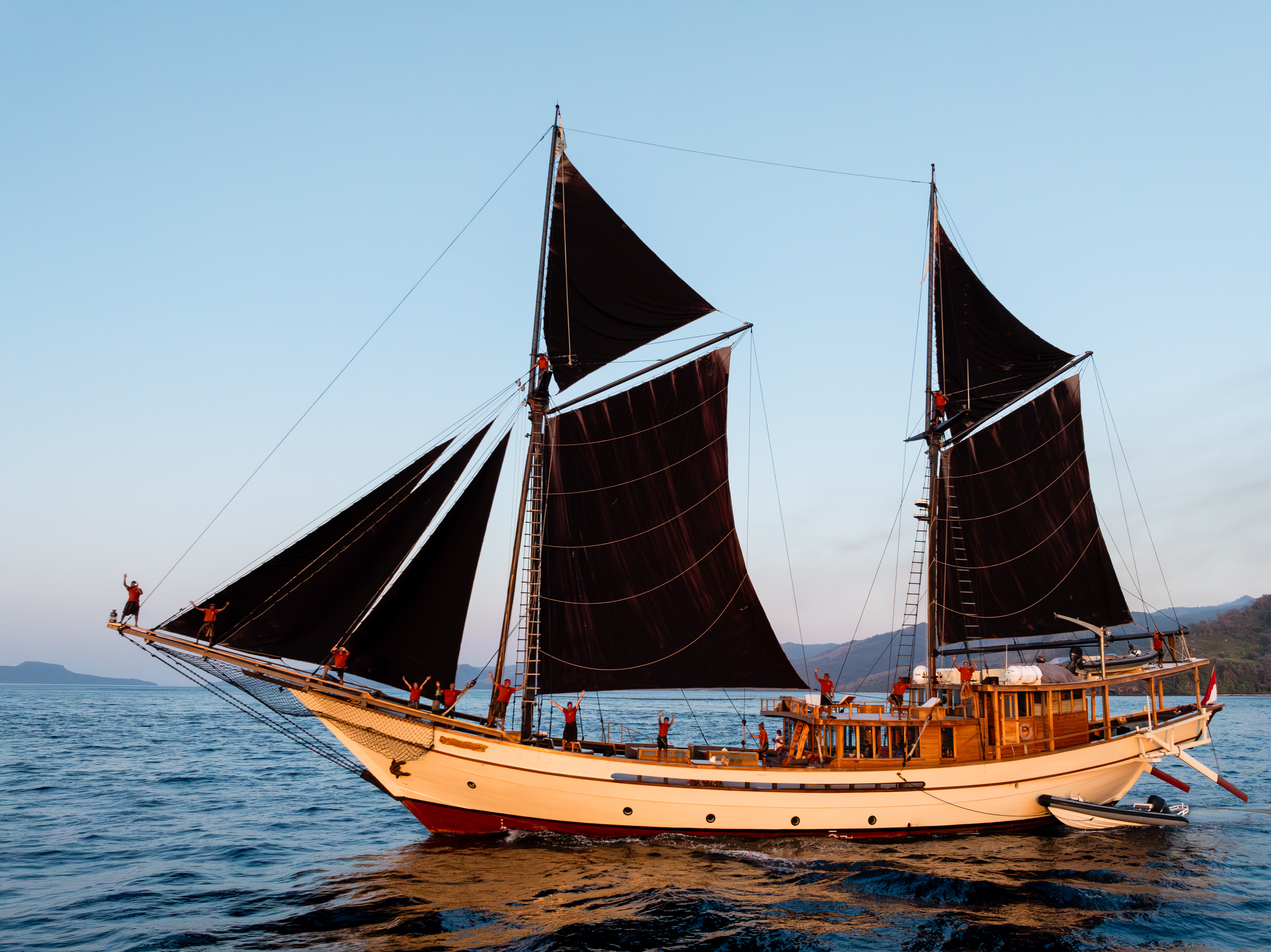
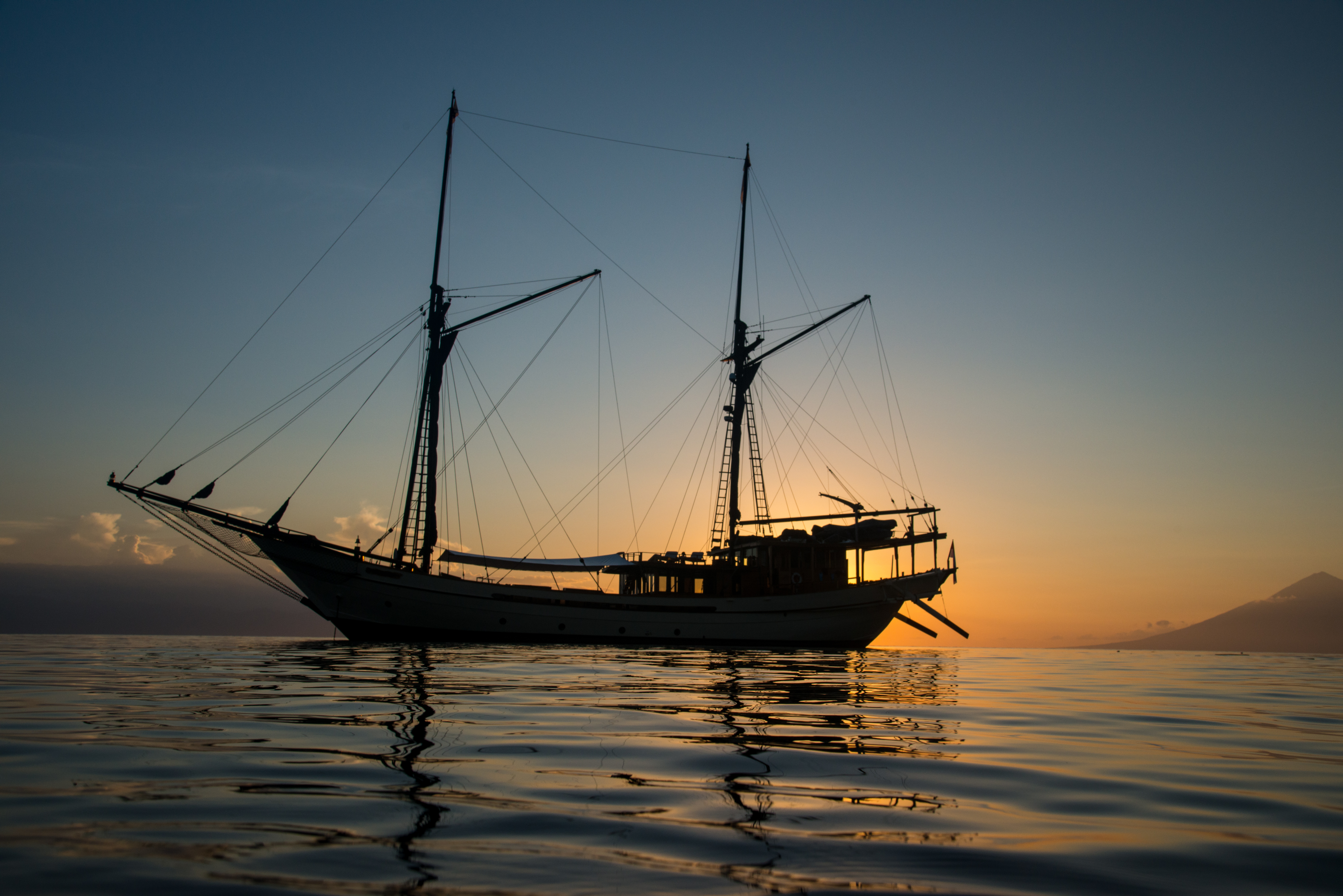
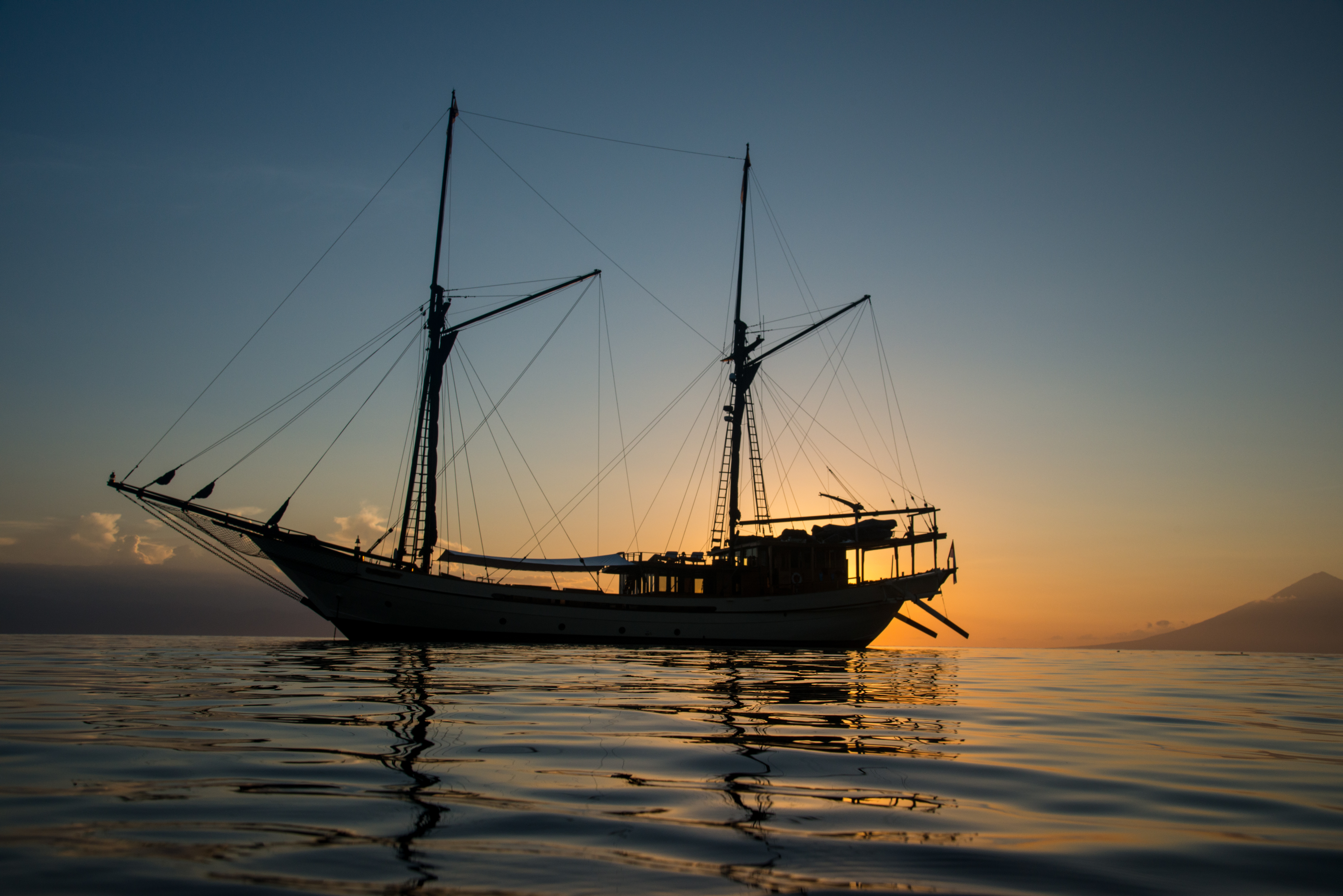
This guide exists to give you the context that makes the encounter legible. The science behind what makes Raja Ampat irreplaceable. The seasonal intelligence that determines what you will find and when. The cultural dimension above the water that most visitors never reach. And the practical reality of what it means to sail this archipelago properly, from a private phinisi, with a crew that has been reading these waters for decades.
The Science: Why Raja Ampat Is Genuinely Irreplaceable
The Coral Triangle is the term scientists use for the convergent zone of the Indo-Pacific where the biodiversity of the Indian and Pacific Oceans overlaps and intensifies. It spans the waters of Indonesia, Malaysia, Papua New Guinea, the Philippines, Solomon Islands and Timor-Leste. Within that triangle, Raja Ampat sits at the apex. This is not a tourist designation. It is a biogeographic fact.
The numbers attached to Raja Ampat are among the most significant in marine science. The region contains over 600 coral species, representing approximately 76% of all coral species known to science globally.1 It supports more than 1,700 species of reef fish. Researchers conducting biodiversity surveys in Raja Ampat have identified more species in a single dive site than exist in the entirety of the Caribbean. The density is not just a count. It is an emergent ecological complexity that produces an underwater experience qualitatively different from any other marine environment you are likely to have encountered.
The mechanism driving this richness is the meeting of ocean currents. The Indonesian Throughflow, the movement of water from the Pacific to the Indian Ocean, passes through the channels between Raja Ampat's islands and generates the nutrient upwelling that sustains the base of the food chain. Cold, deep water rises. Plankton blooms. Small fish aggregate. Larger fish follow. Rays and sharks follow the fish. The entire cascade originates in the current patterns between these islands, which is why protecting the reef here matters globally and not merely locally: this ecosystem seeds the broader Indo-Pacific with larvae, juveniles and genetic diversity that sustains reefs thousands of kilometers away.2
Researchers have identified more species in a single Raja Ampat dive site than exist in the entirety of the Caribbean. |
What You Will Find Underwater
The underwater geography of Raja Ampat varies considerably across the archipelago's four main island groups: Waigeo, Batanta, Salawati and Misool. A well-designed phinisi itinerary moves through more than one of these zones, which means the diving and snorkeling experience changes character as the voyage progresses.
The Dive Sites
The most celebrated sites in the northern part of the archipelago include Cape Kri, consistently ranked among the world's highest fish-count locations, and the drift dives of the Dampier Strait, where currents concentrate fish biomass in quantities that look, from the surface, like the water itself has changed color. Manta rays congregate at cleaning stations throughout the region, particularly at sites around Arborek island, where schooling mantas are encountered at close range during the right tidal conditions.
In the south, Misool's coral gardens offer a different character: slower water, greater visibility on calmer days, and a proliferation of hard coral structures in shallow water that produce some of the most photographically rewarding environments in the archipelago. The muck diving at Cendana Jetty reveals an entirely separate vocabulary of life, pygmy seahorses, ghost pipefish, flamboyant cuttlefish and nudibranch species whose improbability you have to witness to accept.


Whale Sharks and Pelagic Encounters
Whale sharks appear seasonally in Cenderawasih Bay, the large bay to the northeast of the Bird's Head Peninsula that sits within phinisi range from Raja Ampat. Local fishermen at traditional bagan (lift-net fishing platforms) attract small fish to the surface at night using lights, and whale sharks have learned to follow the harvest. The encounter, sitting at the surface in the darkness with a whale shark feeding twenty meters below you, is one of the more unusual wildlife experiences available anywhere.
Above the Water: The Terrestrial World Most Visitors Miss
Raja Ampat's reputation rests almost entirely on what lies beneath its surface. This is understandable and partially misleading. The archipelago's land and coastal world contains a set of encounters that are, for certain travelers, as significant as anything the reef delivers.
The Bird's Head Peninsula and Bird of Paradise
The Bird's Head Peninsula of West Papua, from which Raja Ampat extends into the Pacific, is the ancestral home of species that gave the region its colonial name. The birds-of-paradise endemic to this landscape produce one of the most extraordinary displays in the animal kingdom. The Wilson's bird-of-paradise, found only on the small islands of Waigeo and Batanta, performs its courtship ritual in cleared forest arenas visible to patient observers at dawn. The red bird-of-paradise occupies the canopy of Waigeo's interior forest. Access requires walking forest tracks from phinisi anchorages, guided by crew or local guides who know where the display sites are.
Papuan Coastal Communities
The coastal villages of Raja Ampat are Papuan and predominantly Austronesian in language and culture, with animist traditions layered beneath and alongside more recent religious affiliations. The relationship between these communities and the reef is practical and sacred simultaneously: the traditional sasi system of seasonal reef closures, managed by village councils, has protected fish populations in certain areas for generations. Visiting a community that operates under sasi is an encounter with a form of marine conservation governance that predates Western environmental science by centuries.
For a phinisi crew with established relationships in specific villages, the access is genuine rather than theatrical. You may be invited to observe a weaving demonstration, to sit with elders who speak through the crew as interpreters, or simply to walk a fishing settlement and be present in a way that most tourists never reach. The etiquette matters: modest dress, patience, observing before photographing, and following the crew's lead entirely. Cultural sensitivity in indigenous community encounters is not merely courtesy. Research demonstrates that respectful engagement produces measurably better outcomes for both visitor experience and community wellbeing.3
The Karst Landscape of Misool
No photograph of Raja Ampat that you have seen fully captures the experience of Misool. In the southern reaches of the archipelago, clusters of limestone karst islands rise dramatically from calm turquoise lagoons, forming intricate patterns of narrow channels, hidden coves, and sheltered anchorages that feel both ancient and untouched.
From the deck of a traditional phinisi, the scale of these formations becomes deeply immersive. Towering cliffs frame quiet lagoons where the water shifts between shades of jade and sapphire depending on the light. The yacht can anchor within protected bays, allowing you to explore the surrounding waterways by tender, kayak, or snorkel, discovering corners of Misool that remain invisible from afar.
A short guided climb to one of the limestone ridges reveals a perspective that transforms your understanding of the archipelago. From above, the labyrinth of islands stretches outward in every direction, each formation shaped over millennia by tectonic movement and the slow work of erosion. It is a landscape that rewards patience, inviting you to pause, observe, and absorb the extraordinary complexity that defines Raja Ampat beyond its reefs.
Raja Ampat for Non-Divers: The Full Picture
One of the persistent misconceptions about Raja Ampat is that it is primarily or exclusively a diver's destination. It is an extraordinary diver's destination. It is also something else entirely for guests who do not dive, because the richness of this environment is not sealed beneath a diving certification.
Snorkeling | Shallow reefs throughout the archipelago offer visibility and marine life density that exceeds almost any diving destination in the world. Turtle encounters, reef sharks, and coral gardens accessible at two to three meters depth. |
Kayaking | Mangrove channels, karst passages and lagoon systems throughout Misool and the Fam Islands are best explored by kayak. The scale changes entirely when you drop from the yacht deck to water level. |
Bird Watching | Bird-of-paradise species endemic to the Bird's Head Peninsula require forest walks in Waigeo and surrounding islands. The Wilson's bird-of-paradise and the red bird-of-paradise are both found within phinisi itinerary range. |
Village Encounters | Papuan coastal communities throughout the region offer cultural access that ranges from market visits to ceremonial observations. The crew's established relationships determine the depth of what is possible. |
Pearl Farm Visit | The Aljui pearl farm in Waigeo offers one of the region's more unusual and genuinely engaging non-marine encounters: a working operation producing some of the world's finest South Sea pearls. |
Photography | The aerial geometry of Wayag's karst islands, golden hour over the Fam Islands, and the light quality of dawn anchorages produce conditions that serious travel photographers describe as unlike anything else accessible. |
A group with mixed diving and non-diving interests is not a compromised version of a Raja Ampat expedition. It is, with the right vessel and the right crew, a fully realized one. The phinisi model, with its high crew-to-guest ratio and its structural flexibility, handles parallel programming for different interests without any group feeling like a secondary priority.
When to Sail: Seasonal Intelligence for Raja Ampat
Raja Ampat's seasonal character is governed by the same monsoon systems that shape all of eastern Indonesian sailing, but with a local pattern that differs from the more commonly visited Komodo region. Understanding the difference between a Komodo season and a Raja Ampat season is fundamental to planning an itinerary that delivers what you are coming for.
November – April
- Conditions: Dry season with calm seas and excellent water clarity.
- Marine Highlights: Ideal time to encounter manta rays and whale sharks, with peak underwater visibility.
- Best For: Suitable for all types of guests, especially those interested in underwater photography.
May – June
- Conditions: Transitional period with variable and less predictable conditions.
- Marine Highlights: Still offers good diving opportunities, with fewer vessels for a more exclusive experience.
- Best For: Experienced sailors and divers who are comfortable with changing conditions.
July – October
- Conditions: Influenced by southeast winds, bringing stronger swells.
- Marine Highlights: Increased baitball activity and higher chances of spotting pelagic species.
- Best For: Advanced divers and adventure seekers prepared for more challenging sea conditions.
The November to April window is the consensus optimal period, combining the driest air, the calmest seas and the clearest underwater visibility. Manta ray sightings are most reliable during this window. Whale shark encounters in Cenderawasih Bay peak between November and January. The Wayag lagoon system is navigable without the swell interference that complicates certain passages in the southeast monsoon months.
The southeast monsoon period from July to October brings more variable conditions but also drives the nutrient upwelling that concentrates pelagic life in certain areas. Experienced divers who can work with stronger currents sometimes prefer this window for the density of large-animal encounters it produces. For first-time visitors and for groups with non-divers, October to April is the more reliably rewarding choice.
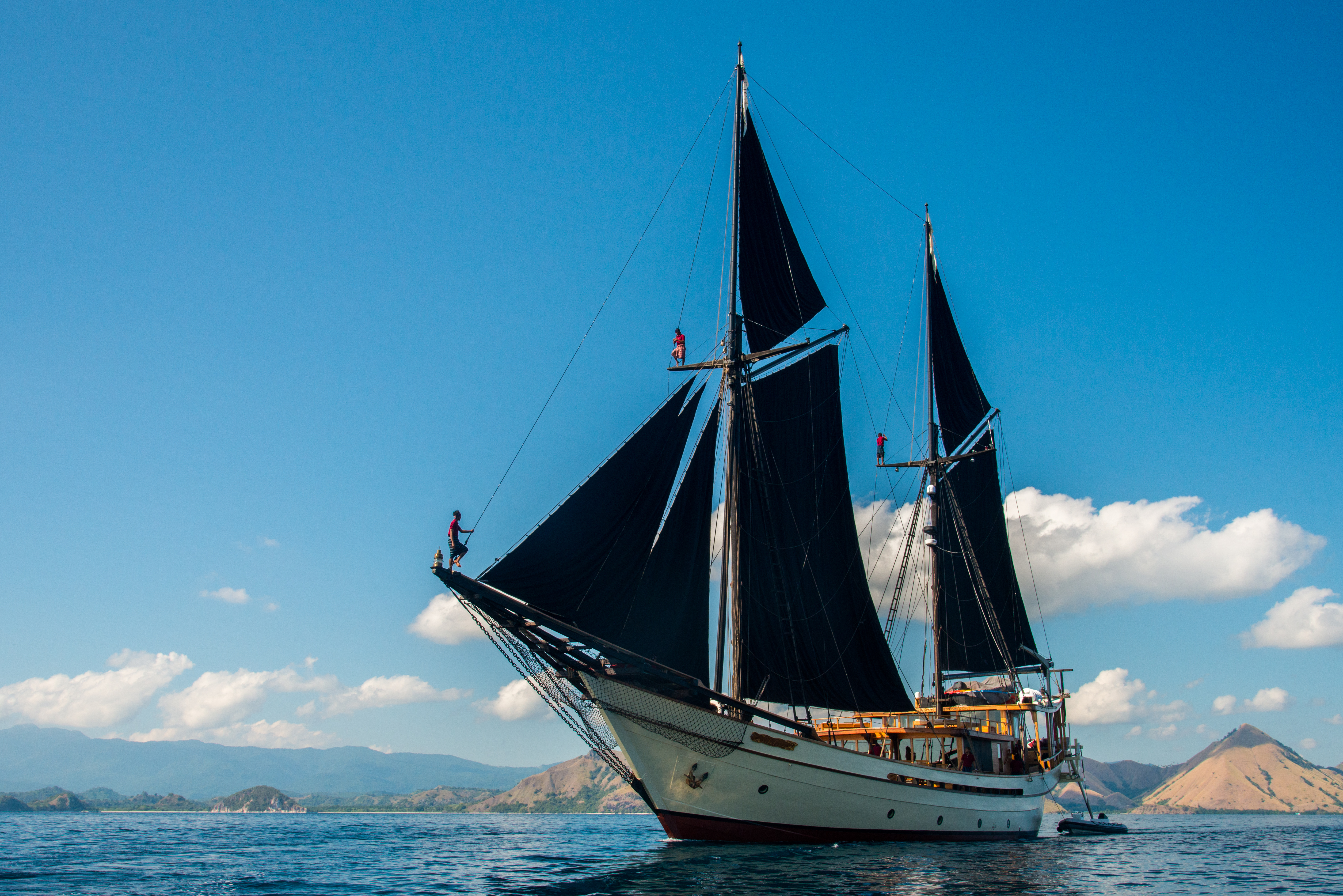
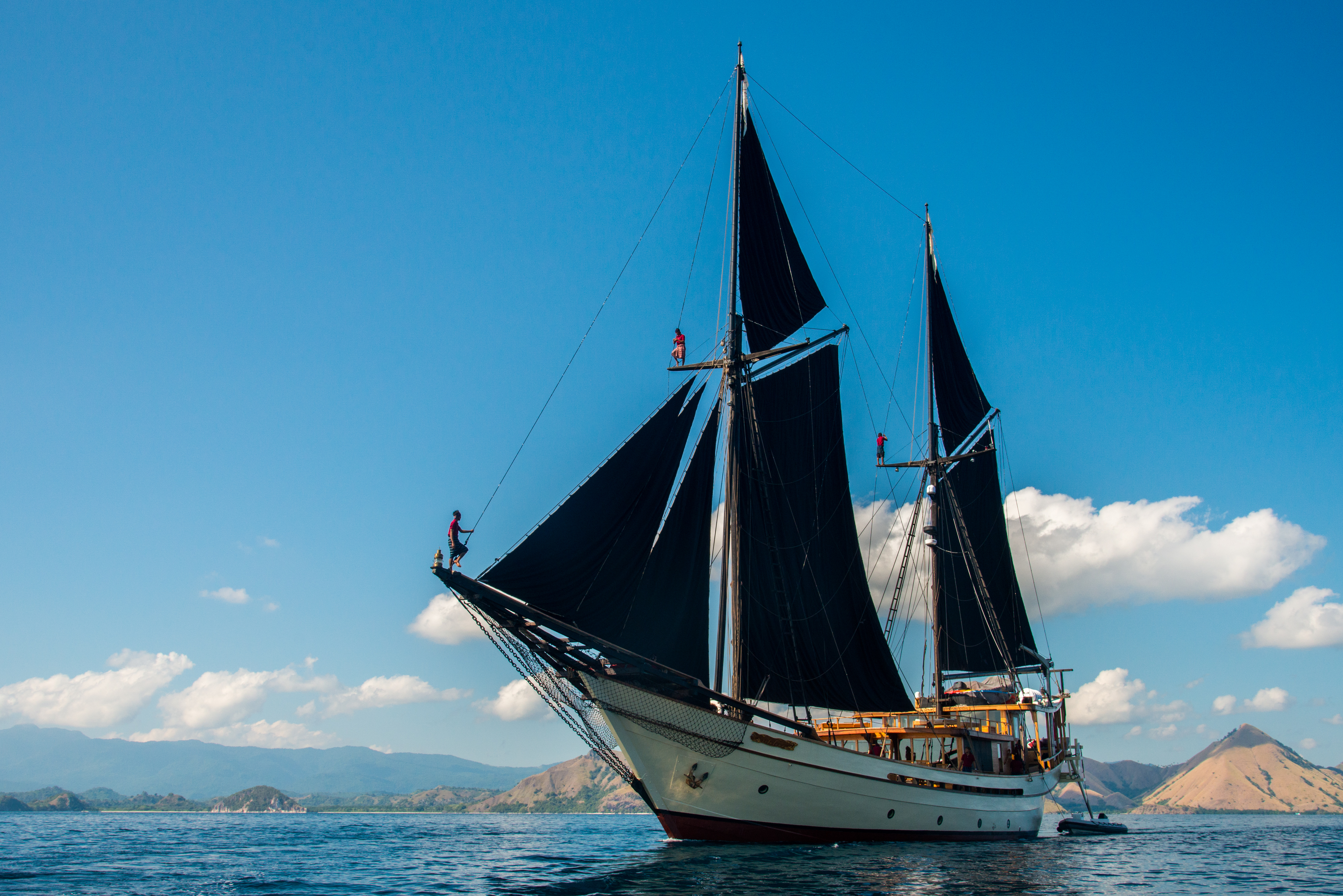
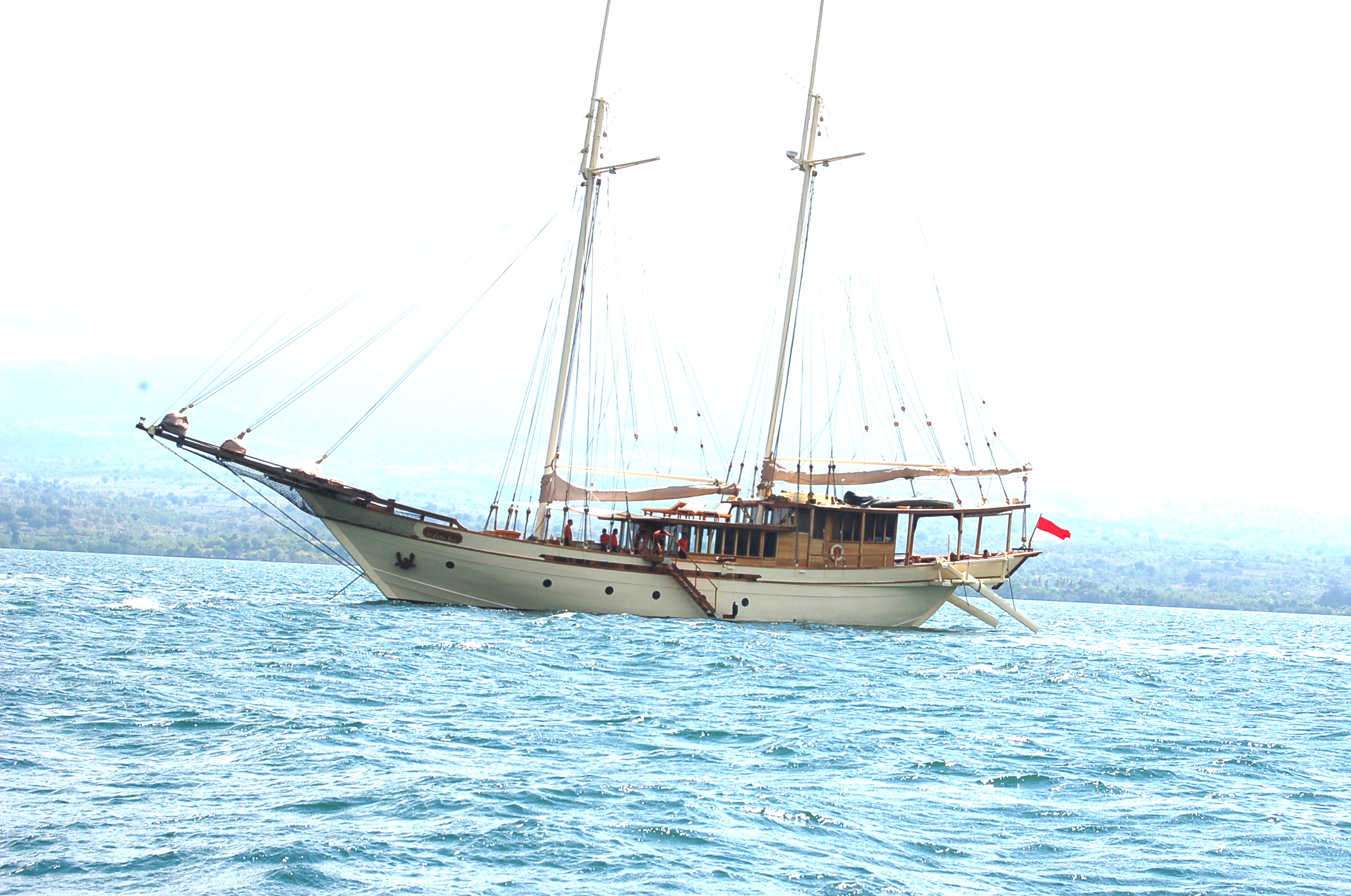
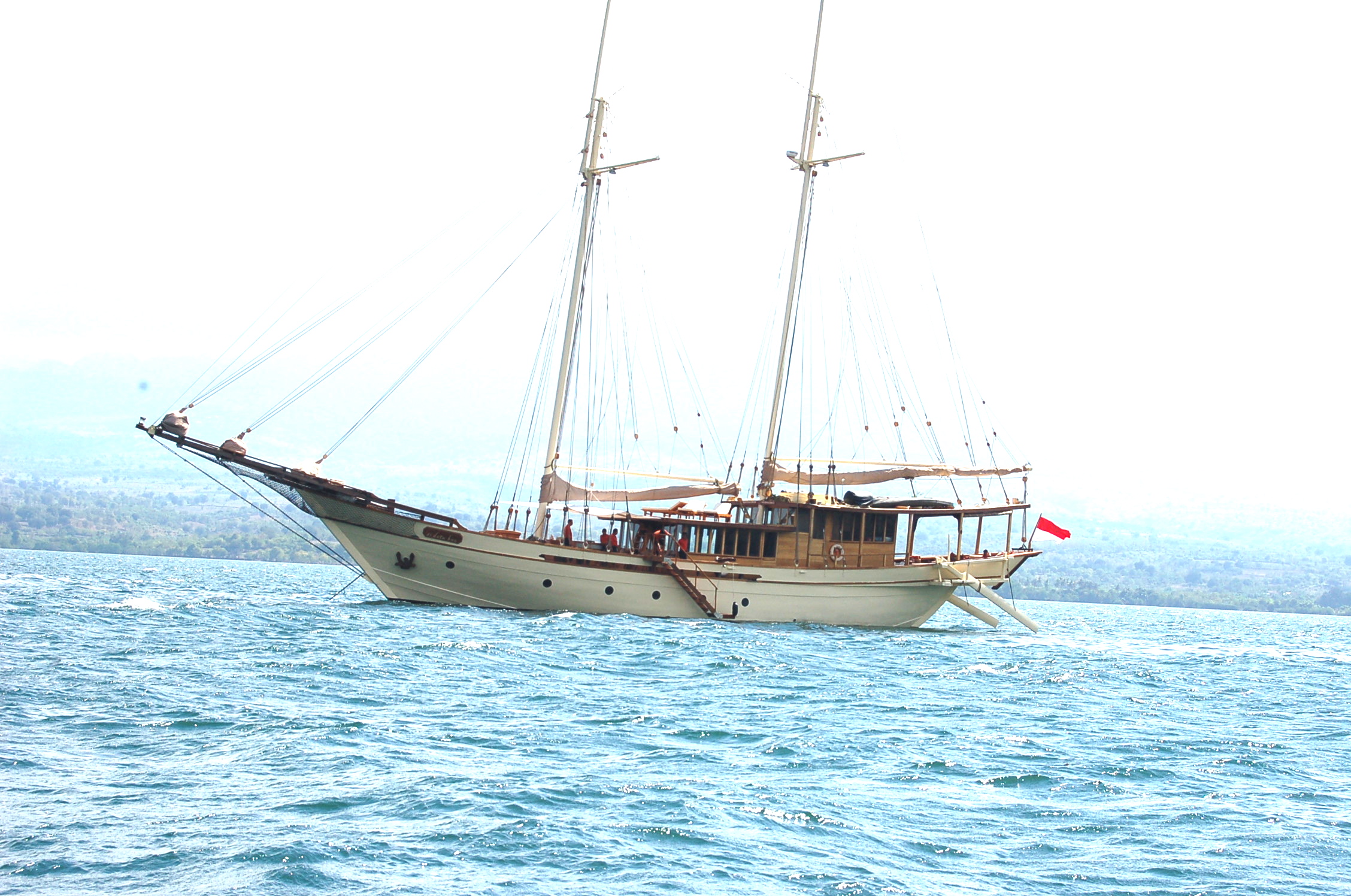


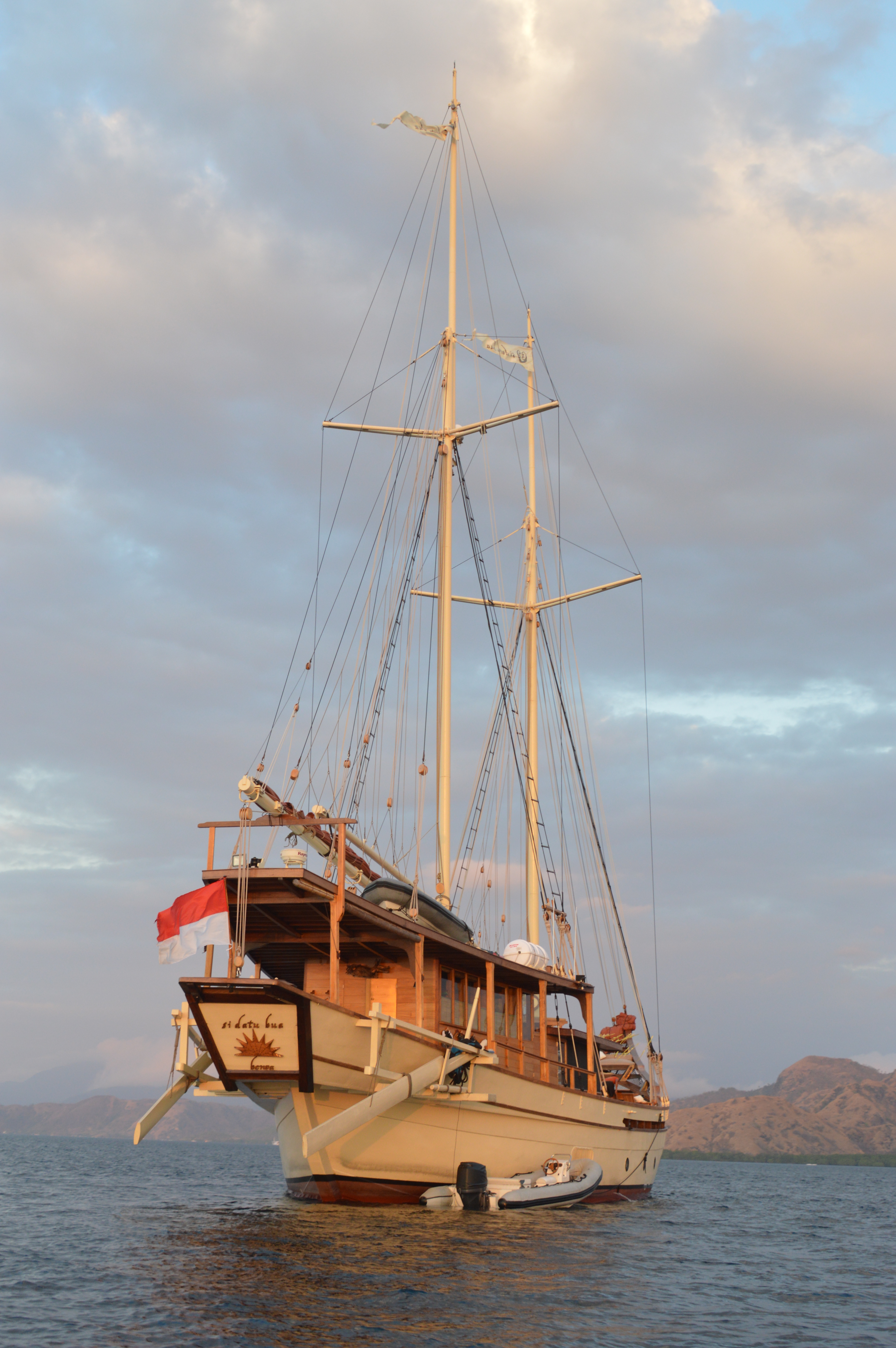
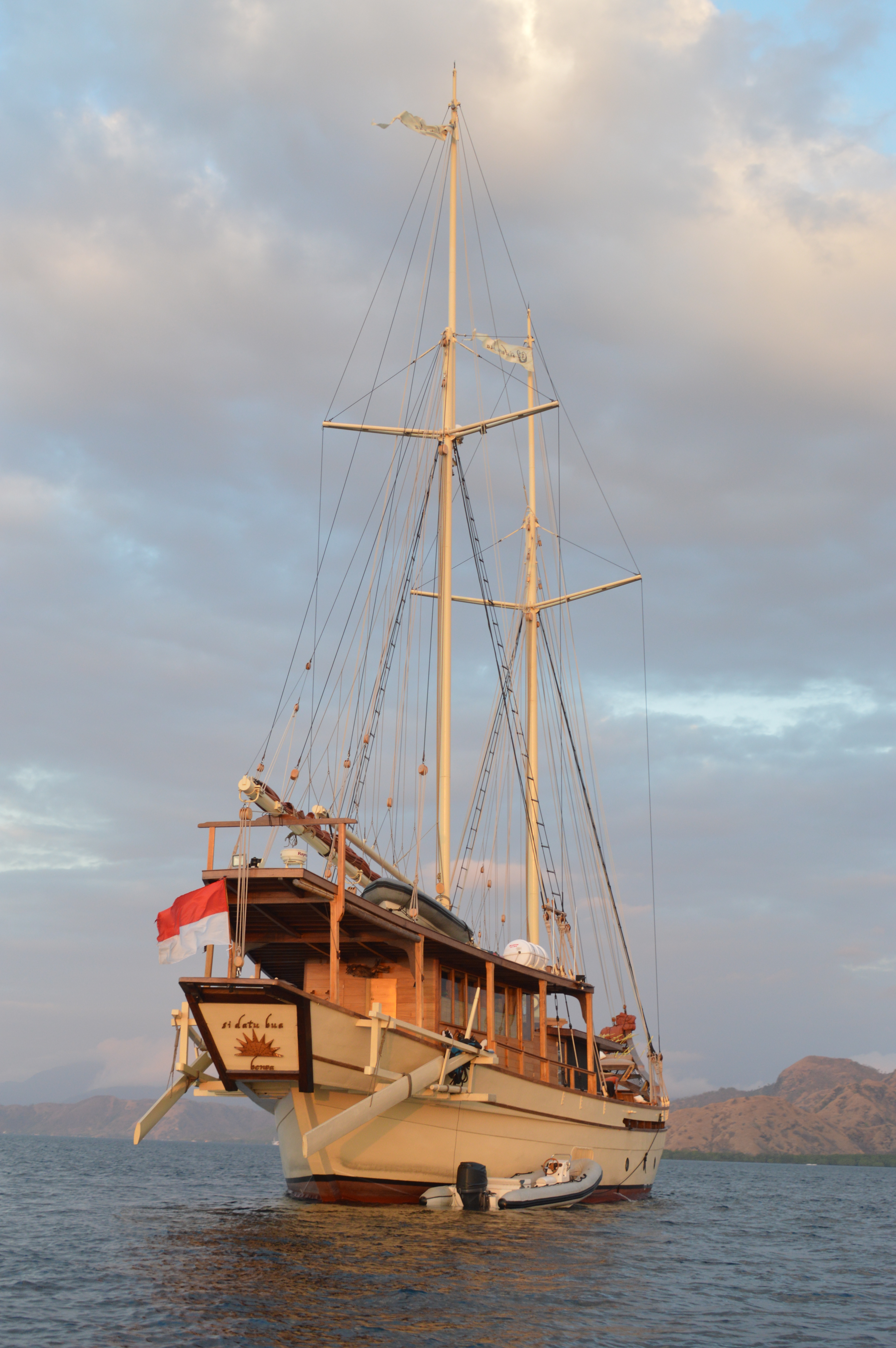
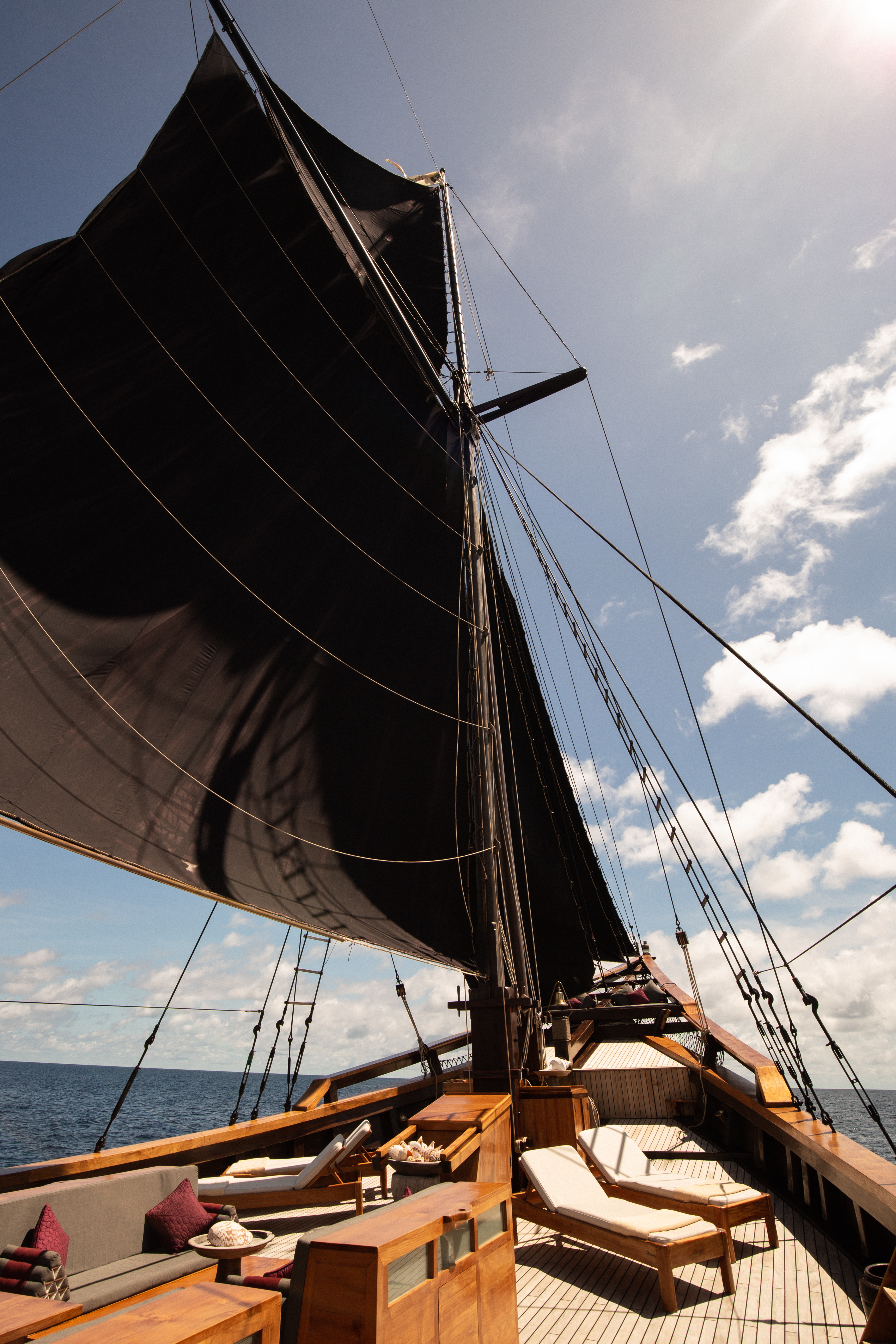
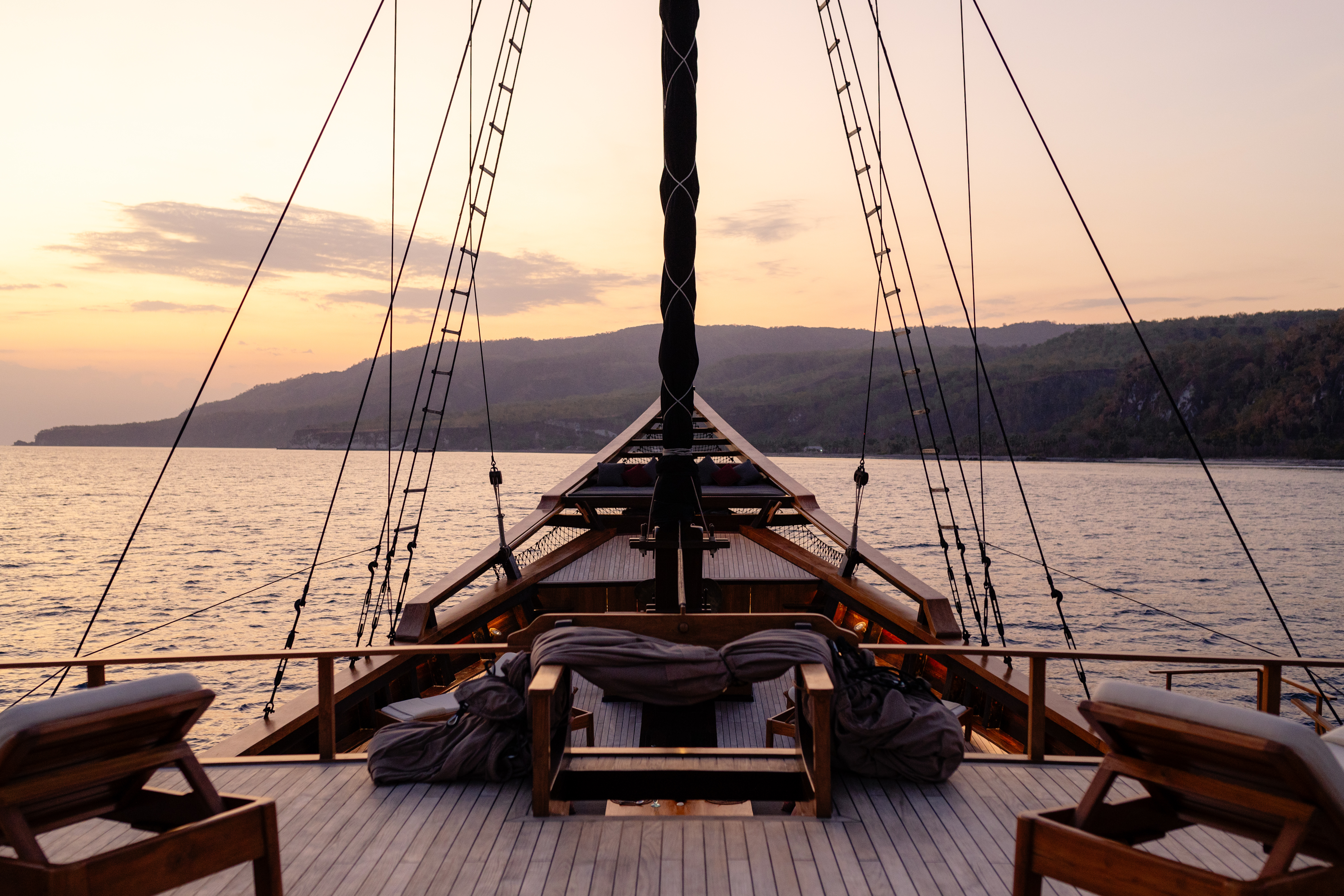
The Silolona Raja Ampat Routing A well-designed seven-night Raja Ampat itinerary aboard MSV Silolona or Si Datu Bua typically moves from Sorong through the Dampier Strait, into the northern archipelago and Wayag, south through the Fam Islands and into the protected waters of Misool, before returning via different channels to allow fresh anchorages throughout. The specific routing responds to conditions, season and the interests of the group. No two itineraries are identical, and the flexibility to extend in a location that has captured the group's attention is built into the private charter format. |
Practical Planning: What to Know Before You Go
Getting to Sorong
Sorong is the gateway city for Raja Ampat and the primary embarkation point for phinisi expeditions into the archipelago. International travelers connect through Jakarta or Makassar, with Sorong served by domestic flights from both cities. The Silolona team coordinates all logistics from arrival, including airport transfers, pre-departure accommodation if needed, and the vessel connection.
Permits and Park Fees
Raja Ampat operates an entrance fee system for the marine park. Dive permits and park fees are billed separately from the charter and vary based on the duration of stay and activities undertaken. A reputable operator provides full transparency on these costs before departure. The fees contribute directly to the conservation management of the park and are a practical expression of the values that make the destination worth visiting.
What to Pack
The equatorial climate means warm, humid days and comfortable nights at anchor. Reef-safe sunscreen is non-negotiable, both for personal reasons and because the reef you are visiting is worth protecting. Light layers for evening deck time, modest clothing for village visits, a quality underwater camera if you have one, and a quality pair of binoculars for birding and Wayag: these cover most of what the expedition requires. The Silolona team provides a full equipment list at the pre-departure stage.
The Encounter That Changes Your Reference Point
Every serious traveler carries a small private library of encounters that have changed the resolution at which they see the world. A particular landscape that rewired something in their understanding of scale. A piece of music heard in the right place. A wildlife encounter that refused to reduce to a photograph. These are not experiences that happen reliably. They require the right conditions, the right access and the right quality of presence.
Raja Ampat, from a private phinisi with a crew that knows its waters, creates the conditions for exactly that kind of encounter. Not for every guest in the same form. For the diver who has been looking for the dive that justifies every preceding one. For the non-diver who had no idea that snorkeling could feel like this. For the photographer who has been chasing this quality of light for years. For the parent watching their child encounter a manta ray for the first time and understanding, with unusual clarity, why they made the journey.
The destination is extraordinary. Getting there correctly is a different matter entirely. That is what the right vessel, the right crew and thirty years of accumulated knowledge actually delivers.
Plan Your Raja Ampat Expedition Silolona Sojourns has sailed Raja Ampat for over two decades. The team knows which anchorages to seek at each stage of the season, which communities welcome respectful visitors, and how to build an itinerary that works for divers, snorkelers, photographers and guests who simply want to be present in one of the world's most extraordinary places. The conversation starts here. |
References
1. Veron JEN, Devantier LM, Turak E, Green AL, Kininmonth S, Stafford-Smith M, Peterson N. Delineating the Coral Triangle. Galaxea, Journal of Coral Reef Studies. 2009;11(2):91-100. DOI: 10.3755/galaxea.11.91
2. Mora C, Chittaro PM, Sale PF, Kritzer JP, Ludsin SA. Patterns and processes in reef fish diversity. Nature. 2003;421(6926):933-936. DOI: 10.1038/nature01421
3. Zeppel H. Indigenous Ecotourism: Sustainable Development and Management. Wallingford: CABI Publishing; 2006. DOI: 10.1079/9781845931247.0000
Silolona Sojourns is Indonesia's original ultra-luxury phinisi charter specialist, operating MSV Silolona and Si Datu Bua across the Indonesian archipelago for over three decades. Featured in JetSet Magazine, DestinAsian, Quintessentially, and Globetrend.