

Safety at Sea: Silolona's Seamanship Standards and 30 Years of Safe Operations
There is a question every serious traveler eventually asks before committing to a remote ocean expedition aboard a wooden vessel. They rarely phrase it directly. It arrives as a hesitation, a careful follow-up about how far you actually are from a hospital when anchored somewhere in the Banda Sea. The question is: is this safe?
The honest answer, built from thirty years of Indonesian expedition sailing, is that safety and adventure are not opposites. Every anchorage that feels effortlessly peaceful, every crossing that passes without drama, every dive that returns everyone safely to the surface: none of it is luck. It is the outcome of a seamanship culture, a hull built to outlast its conditions, and a crew that treats conservative decision-making as professional pride.
This is the safety and seamanship record of Silolona Sojourns. The specific standards, protocols and philosophy that have kept guests safe across three decades of Indonesian waters.
The Foundation: A Hull Built for These Waters
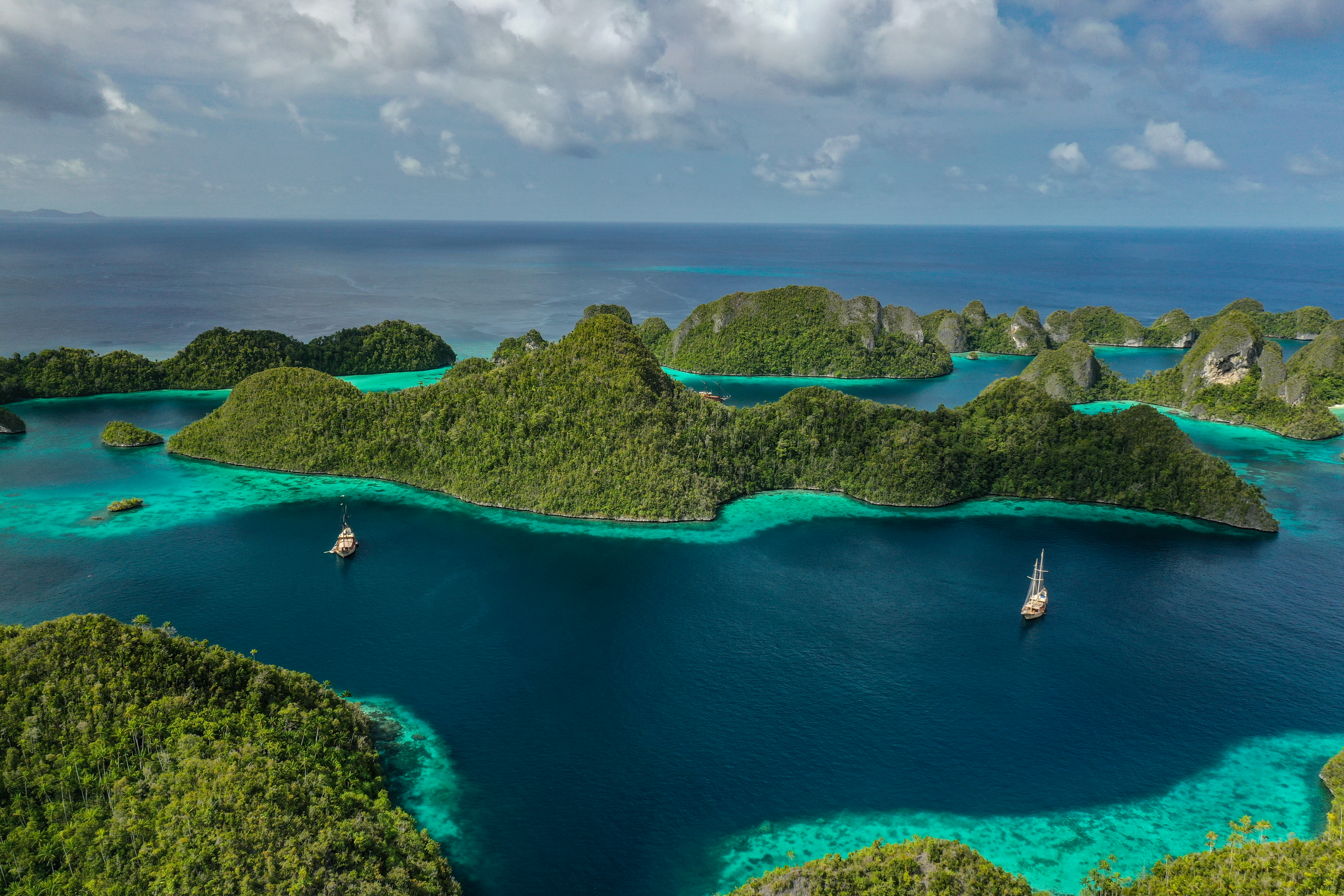
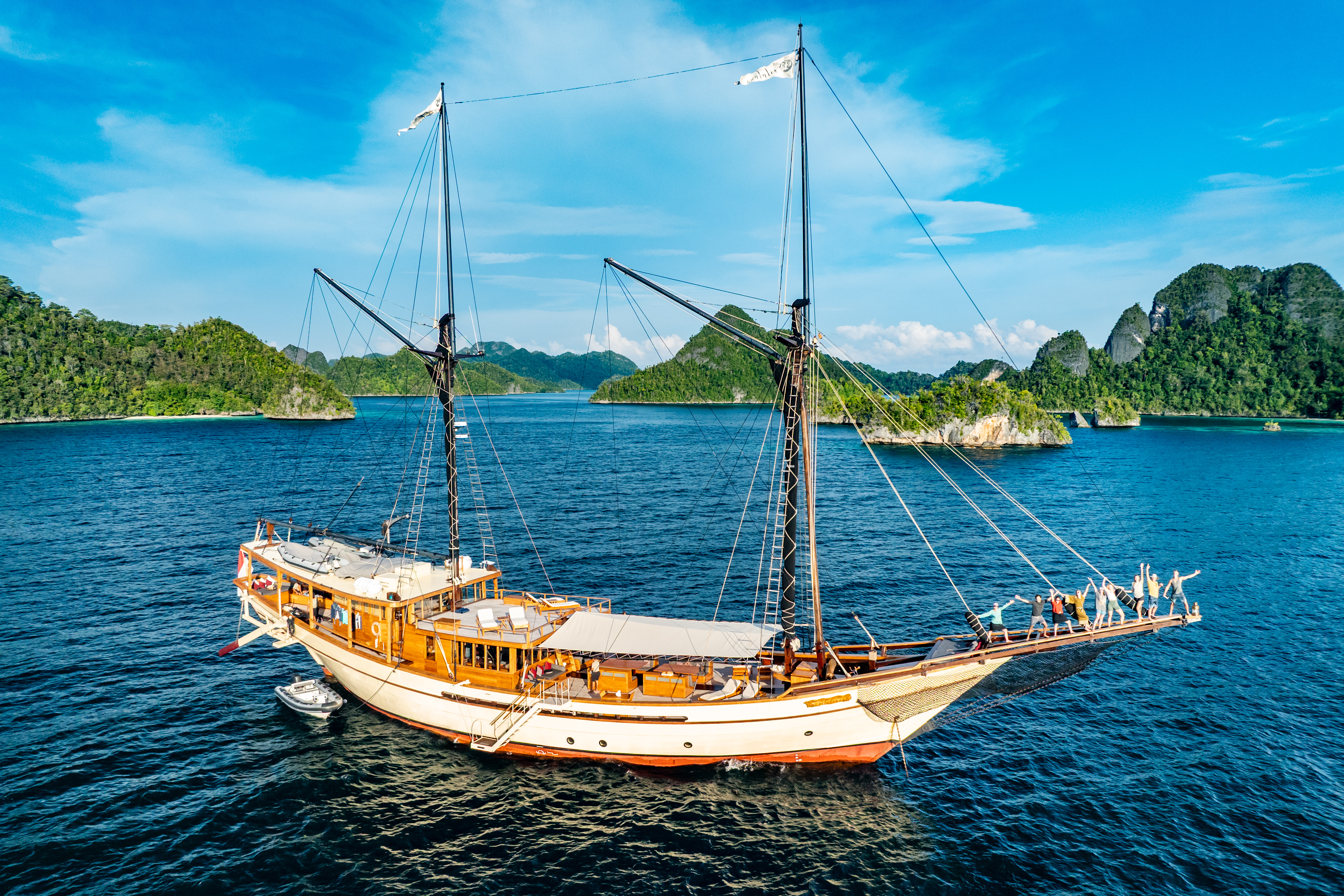
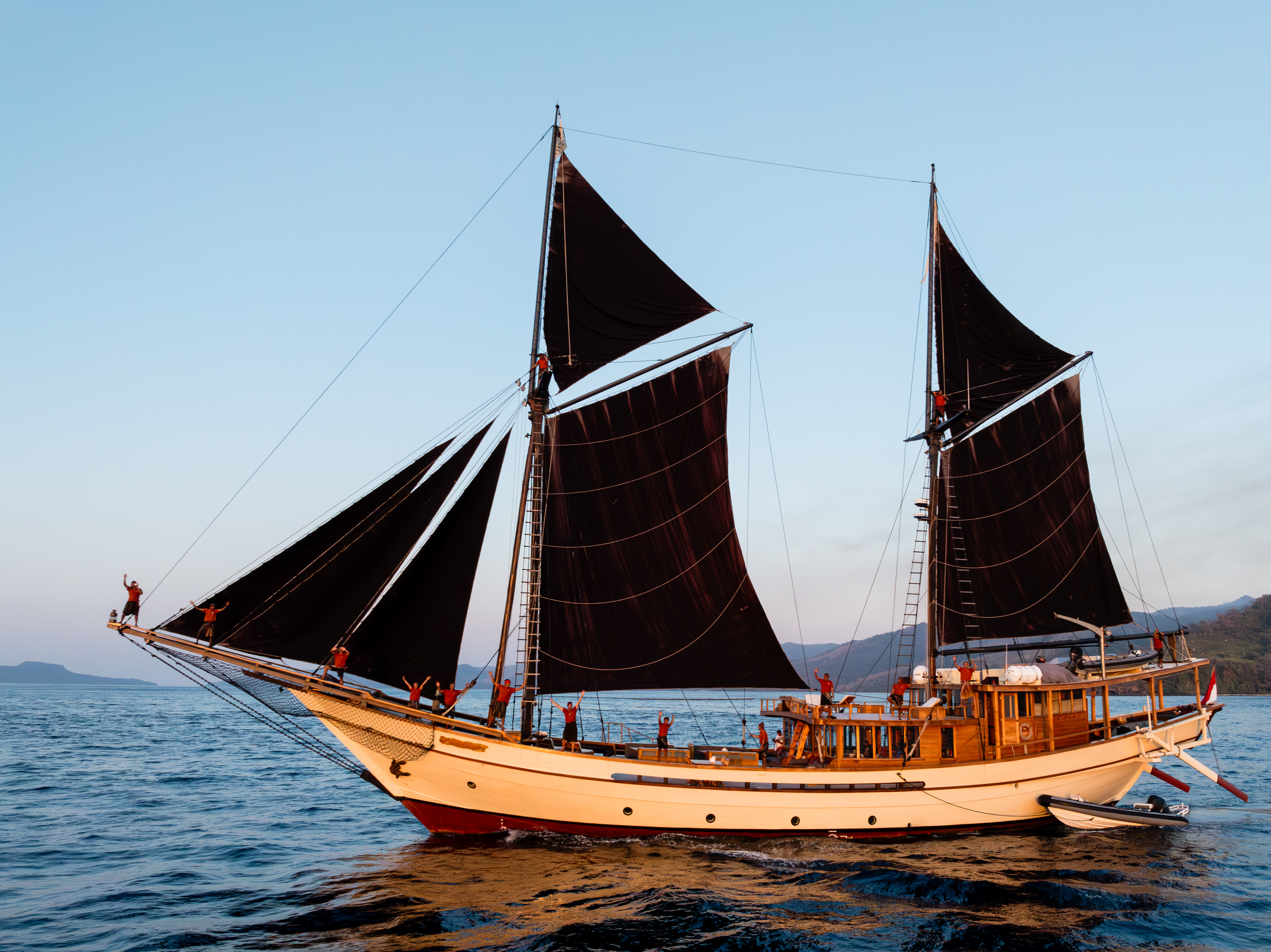
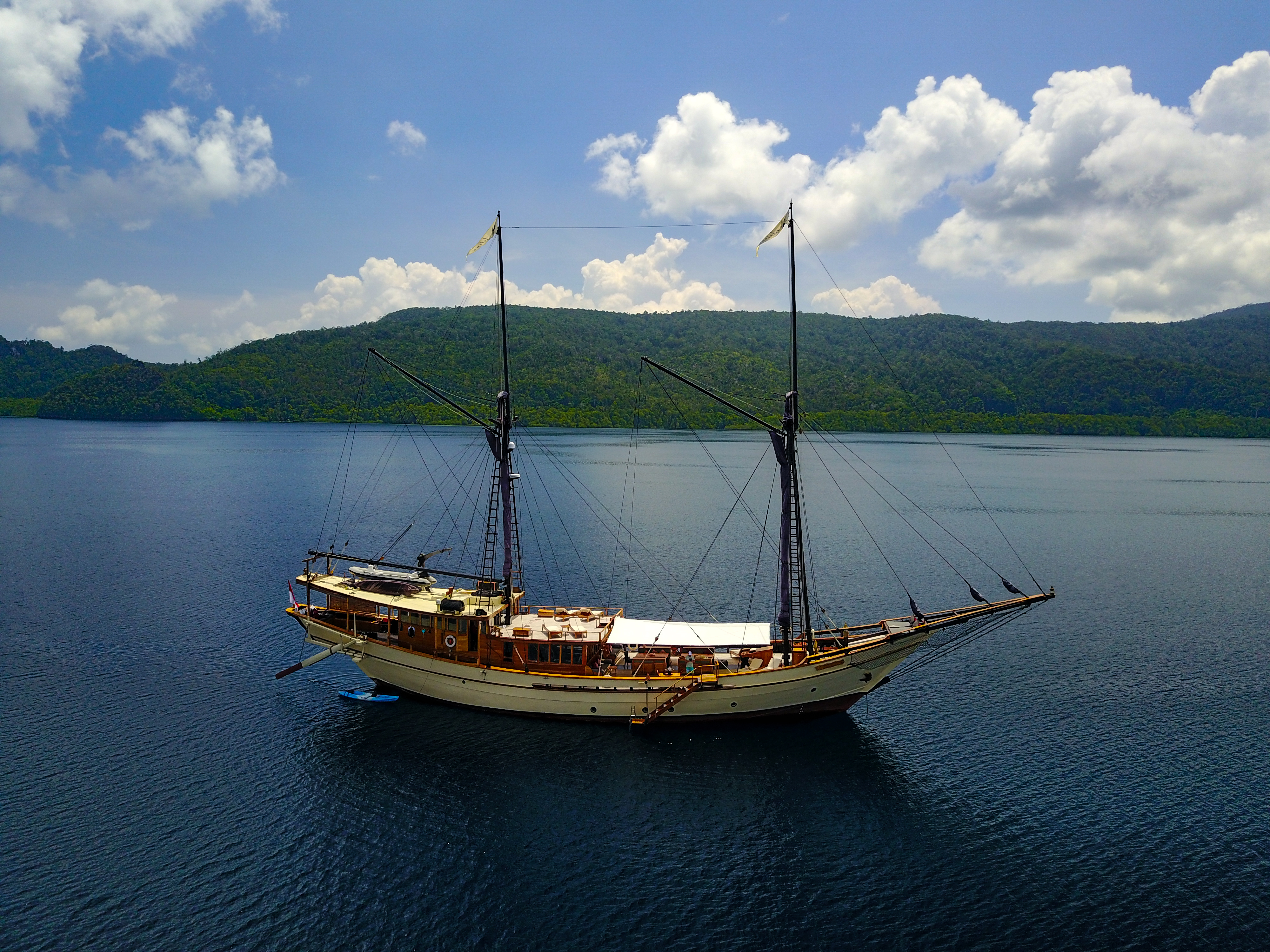
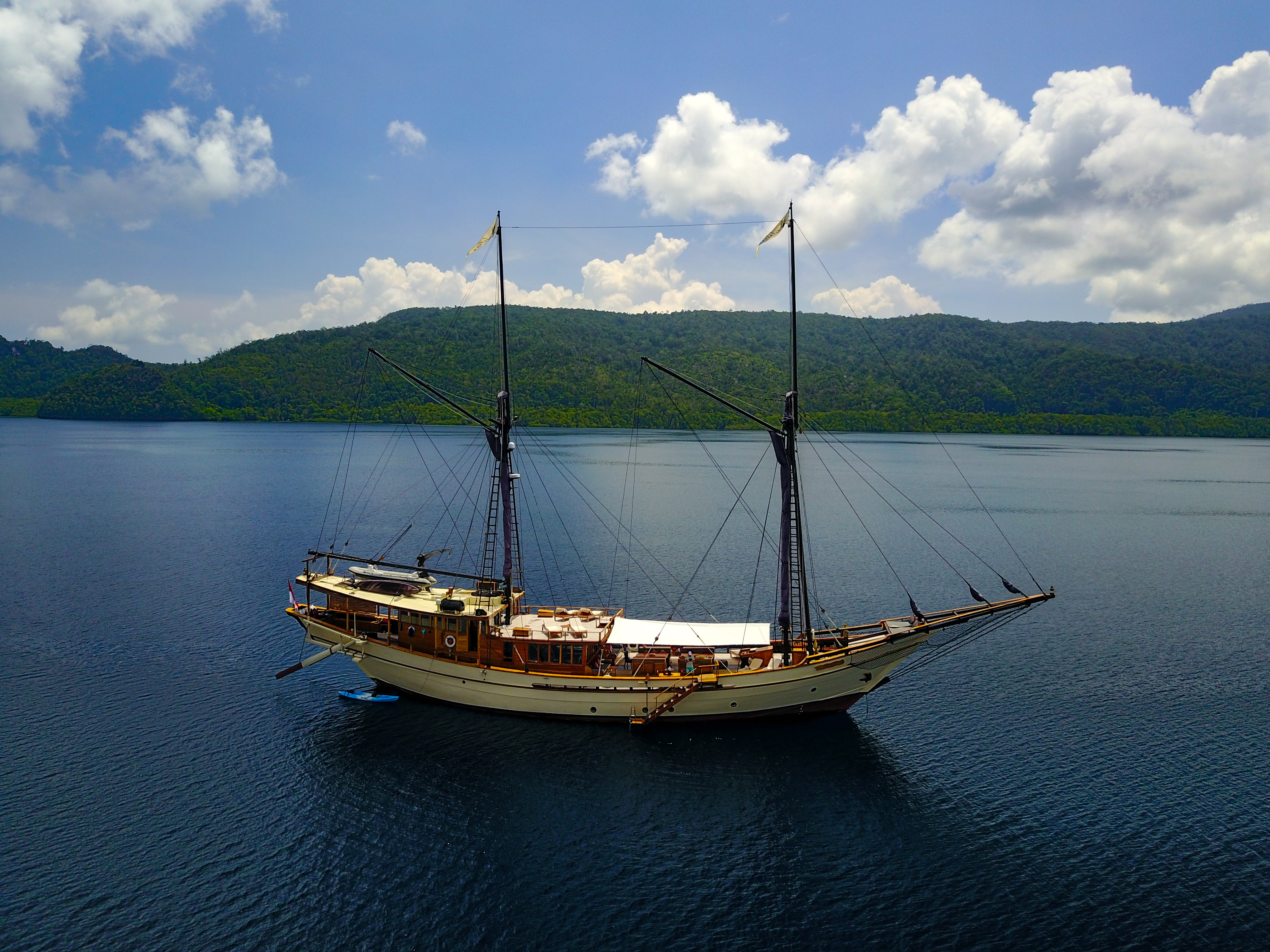
Safety begins with the material. MSV Silolona was launched in 2004, built to German Lloyd's specifications by the master Konjo boatbuilders of Ara and Tanah Beru in Sulawesi. Si Datu Bua followed, designed by Seery Yacht Design and constructed to the same exacting standard by the same craftspeople.
The primary structural material is Kalimantan ironwood, one of the densest tropical hardwoods in existence. It resists marine borer infestation that degrades softer timbers in warm water. Its natural density contributes to hull rigidity across a lifetime of ocean use. This is not sentimentality toward heritage craft. It is the technically correct material for a vessel working in biologically active tropical seas.
The hull is surveyed annually by certified marine surveyors. German Lloyd's certification is maintained as a living standard, not a one-time credential. The vessel that takes you into the Banda Sea has been inspected, repaired where necessary, and cleared to operate before each season begins.
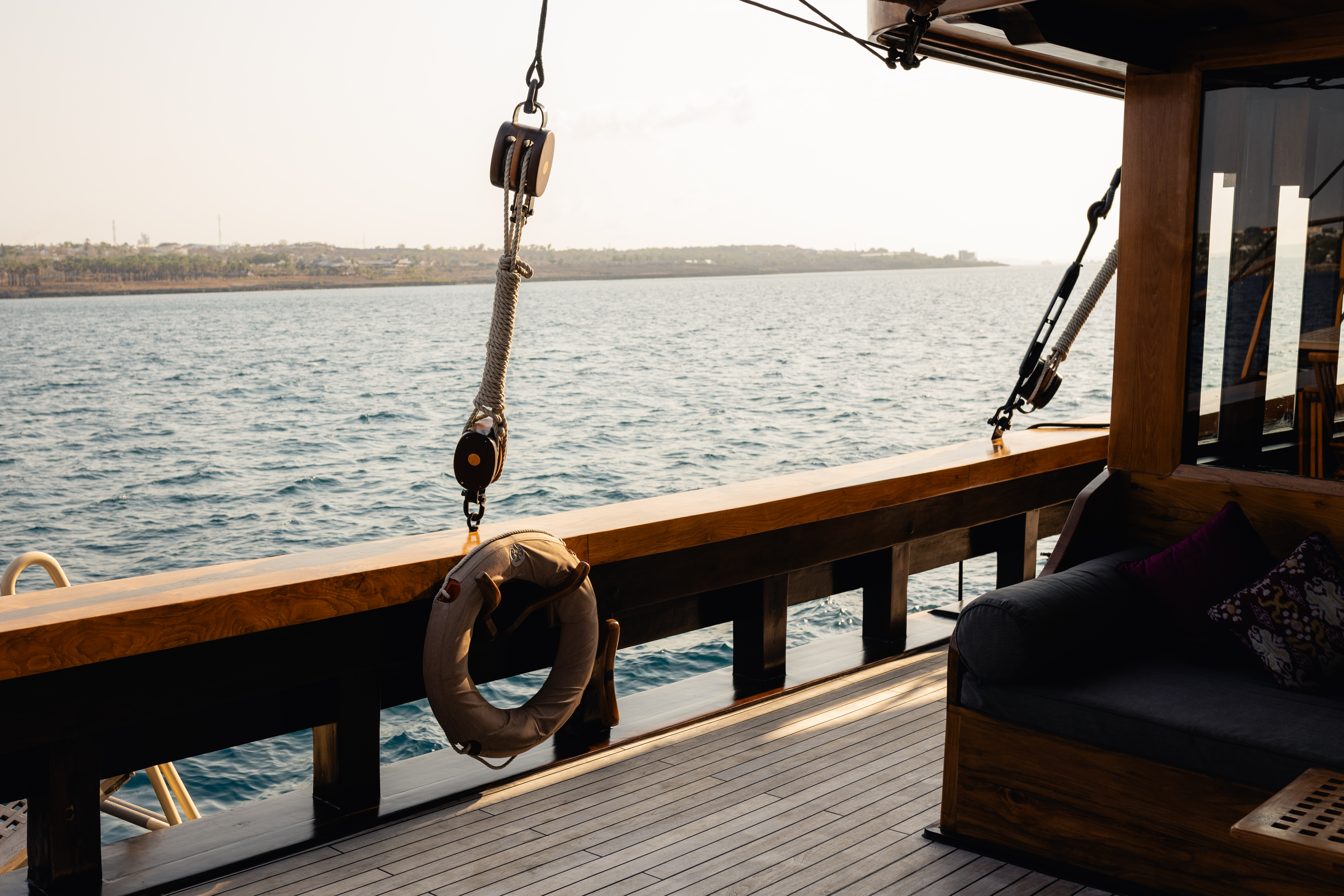
We do not make crossing decisions based on the schedule. We make them based on the sea. There is no itinerary worth more than a safe passage, and our guests have always understood this. Captain Bambang, MSV Silolona | Over 20 years aboard |
The Crew: Tenure as the Real Safety Infrastructure
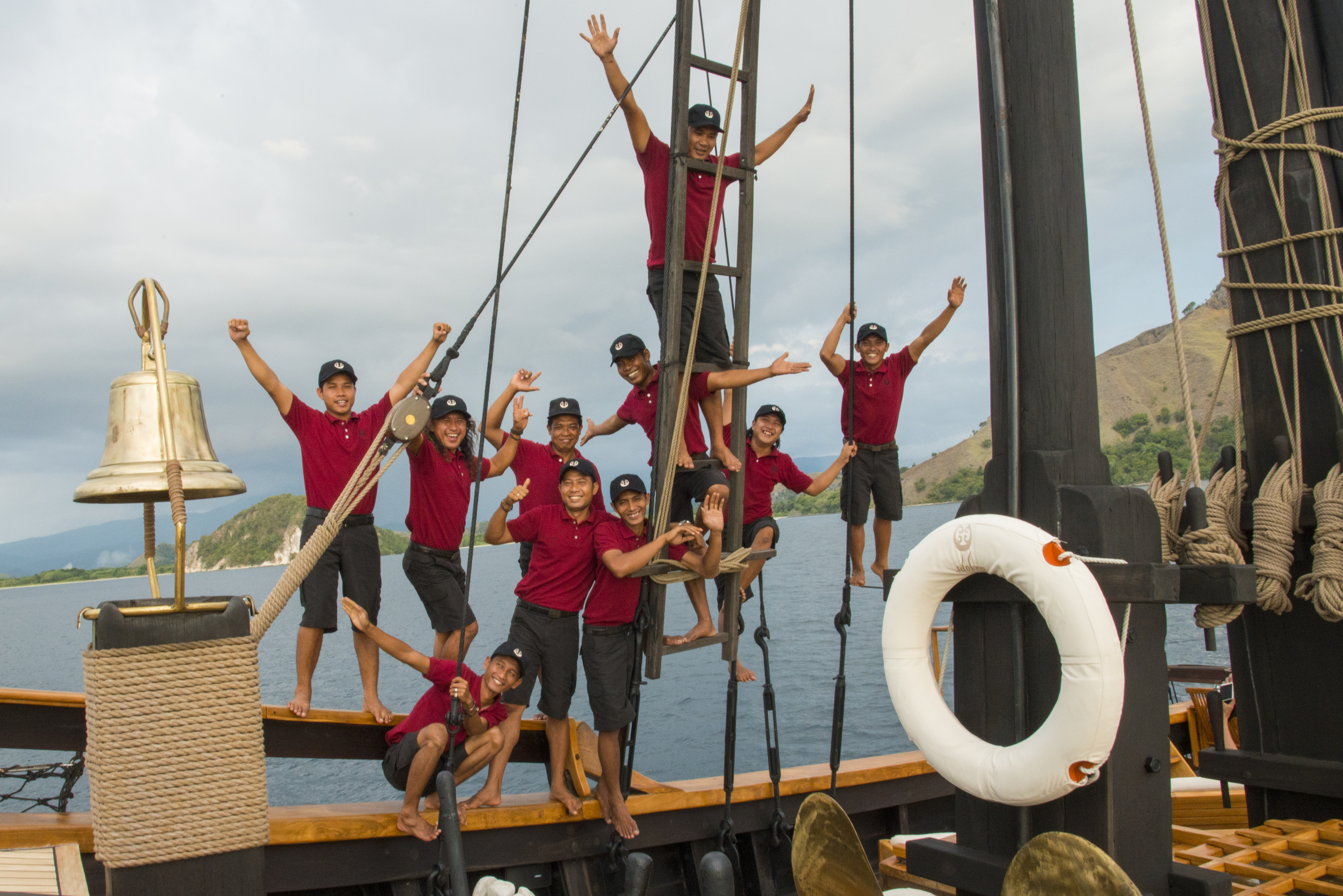
The most underrated safety asset on any vessel is crew tenure. A crew that has sailed the same waters together for years does not think through emergency procedures during an emergency. They execute them. MSV Silolona carries 17 crew for a maximum of 10 guests. Si Datu Bua carries 15 crew for 6 guests. Both ratios are exceptional by industry standard, but the more significant figure is tenure: the majority of senior crew have served aboard for more than a decade. Several for fifteen years or more.
Silolona's bridge and crew are led by highly experienced maritime professionals with extensive knowledge of Indonesian waters. Officers maintain internationally recognized maritime certifications, and all crew are trained in firefighting, personal safety, survival procedures, and first aid relevant to their roles. Training and certification are reviewed and renewed on schedule, reflecting a culture of preparedness rather than formality.
When a weather system develops unexpectedly in the Flores Sea, the captain is not consulting the chart for the first time. When a guest requires medical attention at anchor, the crew does not need to locate the emergency kit. Response comes from muscle memory built across years of real operations in real conditions, and outcomes reflect that preparation.
Dive Safety: PADI Leadership and Conservative Protocols
Indonesian charter safety extends with particular importance to the dive programme. Raja Ampat and the Banda Sea contain some of the world's finest dive sites but also some of its most technically demanding conditions: strong currents, significant thermoclines, remote distances from hyperbaric facilities. Dive leadership is not a background amenity here. It is a primary safety consideration.
All guided diving aboard Silolona's vessels is led by PADI-certified divemasters and instructors. Every dive begins with a full site briefing covering current direction and strength, depth profile, entry and exit procedures, buddy protocols, emergency signals and ascent plan. Emergency oxygen is carried aboard at all times. Before any itinerary departs, the nearest hyperbaric chamber for the sailing region is confirmed and logged: Labuan Bajo for Komodo operations, Sorong for Raja Ampat, with conservative depth profiles calibrated to evacuation distance for remote Banda Sea sailings.
Silolona's dive programme runs two to four guided dives per day at a measured pace. Research in recreational diving medicine demonstrates that fatigue is a significant contributor to dive accident incidence, and that lower daily dive frequencies with appropriate surface intervals meaningfully reduce nitrogen loading and decompression risk.1 The programme is designed for guests who are serious about the ocean and intend to keep diving for the rest of their lives.
Weather Routing: The Philosophy of Conservative Crossing
Indonesian waters are not uniformly benign. The archipelago spans the convergence of two great ocean systems, and the seasonal monsoon transitions can produce conditions that change character within hours. The open crossings of the Banda Sea and the Flores passages can develop significant swell with limited warning during certain periods.
The Silolona weather routing philosophy rests on one principle: the schedule does not create the crossing window. The sea does.
Before any offshore passage, the captain reviews current meteorological data from regional services, supplemented by local knowledge from port authorities and other vessels working the same region. Crossings are not attempted when forecast conditions exceed the agreed safety threshold for that passage. This is codified in vessel operational policy, not left to judgment calls that might be pressured by guest expectations or itinerary timing.
A whole-vessel private charter is structurally safer in this respect than a fixed-schedule multi-departure vessel. There is no other group waiting at the next destination. When conditions indicate that a crossing is safer at 0300 than mid-afternoon, that decision is made without conflict. When an alternative anchorage provides a safer overnight position, the anchor goes there. Flexibility is built into the charter format as a deliberate safety feature, not an afterthought.
Medical Readiness and Medevac Protocols
Remote sailing places the vessel at distances from medical infrastructure that require planning long before any situation arises. The medical kits carried aboard both vessels are maintained to standards that exceed legal minimum requirements, supporting emergency response and stabilization until further assistance can be arranged. Each kit is inventoried before departure and replenished on a scheduled basis. The first officer and designated senior crew maintain current maritime first aid and basic life support training relevant to their roles.
Satellite communication enables real-time consultation with medical professionals in the event of an onboard incident. Pre-established contacts include maritime medical advisory services with remote tropical experience. In situations beyond the crew's capacity to manage aboard, this channel bridges the gap between the vessel and the care the guest needs while medevac coordination proceeds in parallel. Research in remote tourism medical emergency management consistently finds that pre-departure planning and pre-established evacuation contacts are the primary determinants of outcome quality when incidents occur.2 The improvised response produces measurably worse outcomes than the prepared one.
Heritage Craft and Modern Safety: Not a Contradiction
There is a persistent misconception that a traditional wooden phinisi must be less safe than a modern steel expedition yacht by design age. This misunderstands how safety actually works on an ocean-going vessel.
Safety is not primarily a function of hull material. It is a function of build quality, maintenance standard, crew expertise, operational protocol and conservative decision-making culture. Research in maritime safety management consistently identifies crew experience, systematic safety management and captain decision-making as the dominant predictors of incident-free operations.3 A Kalimantan ironwood hull built to German Lloyd's specifications, sailed by a crew averaging more than a decade of tenure under a Class I Master Mariner with twenty years of regional experience: this is the safety profile of Silolona Sojourns.
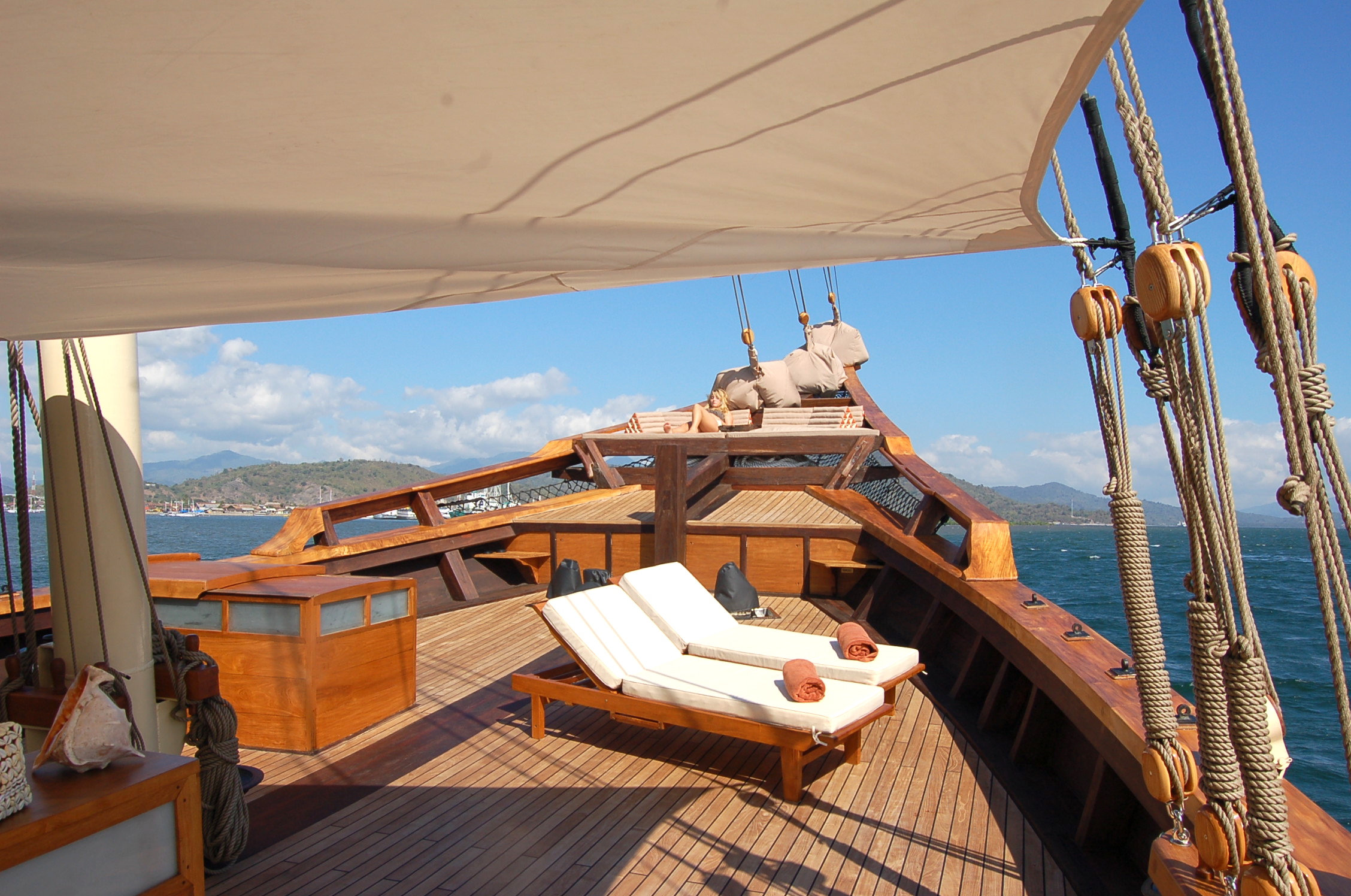
What traditional construction adds, rather than subtracts, from the safety equation is a particular kind of intimacy with conditions. The vessel's relationship with the sea is immediate and responsive. The crew reads the ocean through the hull. They feel the change in swell before instruments register it. That sensitivity, built across years of working in wood on Indonesian water, is not romantic mythology. It is a navigational asset that no amount of stabiliser technology fully replicates.
The Silolona Safety Standard at a Glance Every voyage aboard MSV Silolona and Si Datu Bua departs against the full safety protocol documented below. These are not aspirational standards. They are the operational baseline that thirty years of safe expedition sailing has established and continues to maintain. |
The Right Questions to Ask Before You Sail
No reputable charter operator should be reluctant to answer safety questions in detail before a booking is confirmed. The team at Silolona Sojourns welcomes them. Guests who ask thorough safety questions before they board tend to be exactly the right fit for these vessels: people who take their adventures seriously and understand that serious adventure and rigorous safety are the same discipline, not opposing ones.
If you want to discuss vessel specifications, crew credentials, emergency protocols or the specific conditions of any planned itinerary before making your decision, that conversation is available. It has always been part of the service, and it is part of the reason that thirty years of guests have returned from these waters safe, and many of them have come back.
Talk to the Team Before You Sail Safety questions are welcomed before any booking. The Silolona Sojourns team will walk you through vessel specifications, crew credentials, emergency protocols and conditions specific to your planned itinerary. Thirty years of safe operations. Two extraordinary phinisi. One standard: your safety first, your experience second, your schedule last. |
References
1. Buzzacott P, Zeigler E, Denoble PJ. Frequency and lethality of scuba diving accidents by mechanism of injury. Journal of Safety Research. 2019;68:31-36. DOI: 10.1016/j.jsr.2018.11.002
2. Eliopoulou E, Papanikolaou A, Venetsanos A, Hadjimichael G. Accident analysis and prevention models for the maritime industry: a systematic review. Safety Science. 2016;88:107-116. DOI: 10.1016/j.ssci.2016.05.003
3. Musa G, Dimmock K. Scuba diving tourism: introduction to the special issue. Tourism in Marine Environments. 2012;8(1-2):1-5. DOI: 10.3727/154427312X13262430524621