

Southeast Asia Yacht Charter: Why Indonesia Leads the Region
You are planning a Southeast Asia yacht charter, and the region is giving you options. Thailand with its limestone karsts and warm turquoise water and the kind of sunset that requires very little persuasion. The Philippines with its white-sand beaches and 7,641 islands and dive sites that serious underwater photographers have been making pilgrimages to for decades. Both are genuinely extraordinary. Both are also, in the most respectful sense, known.
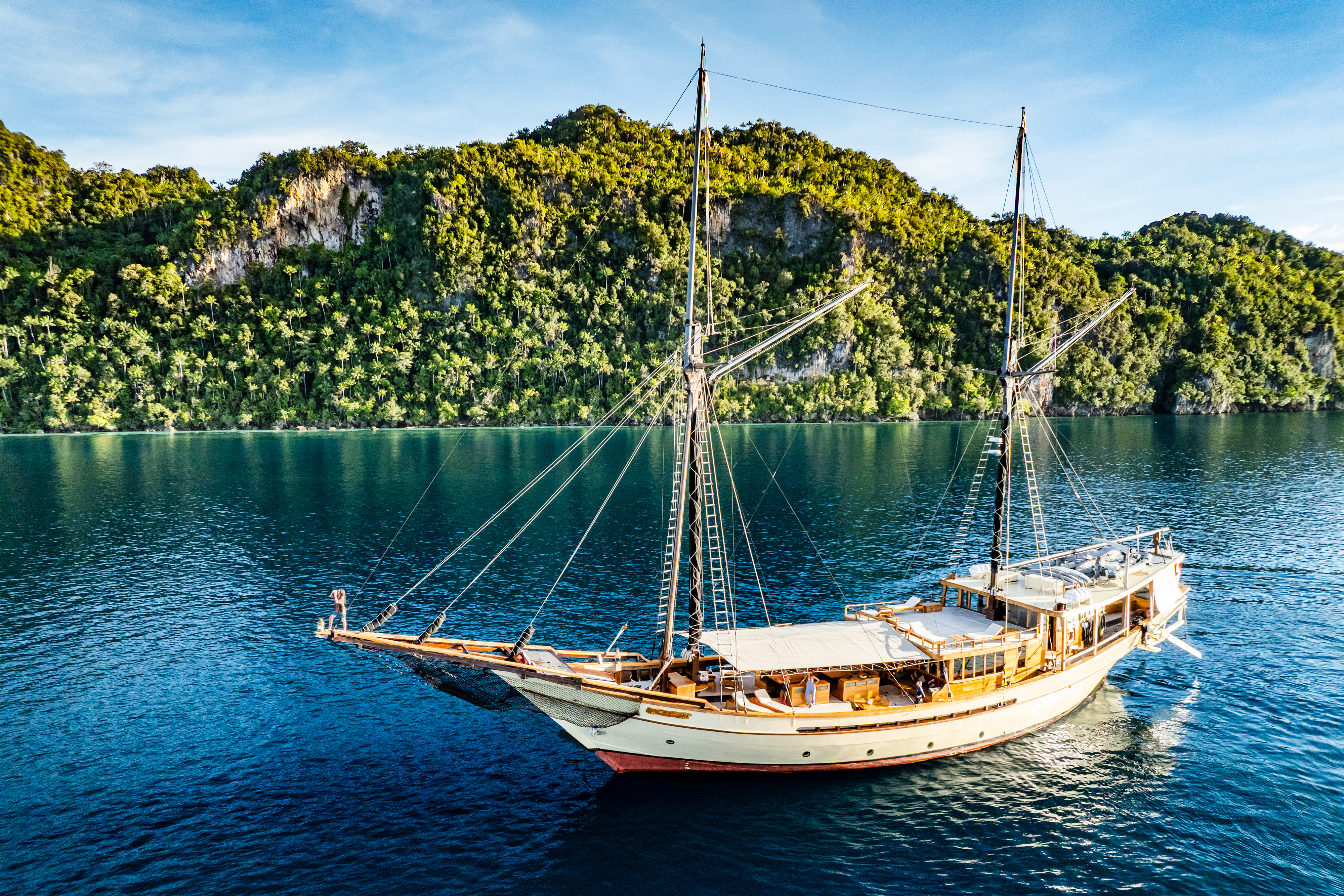
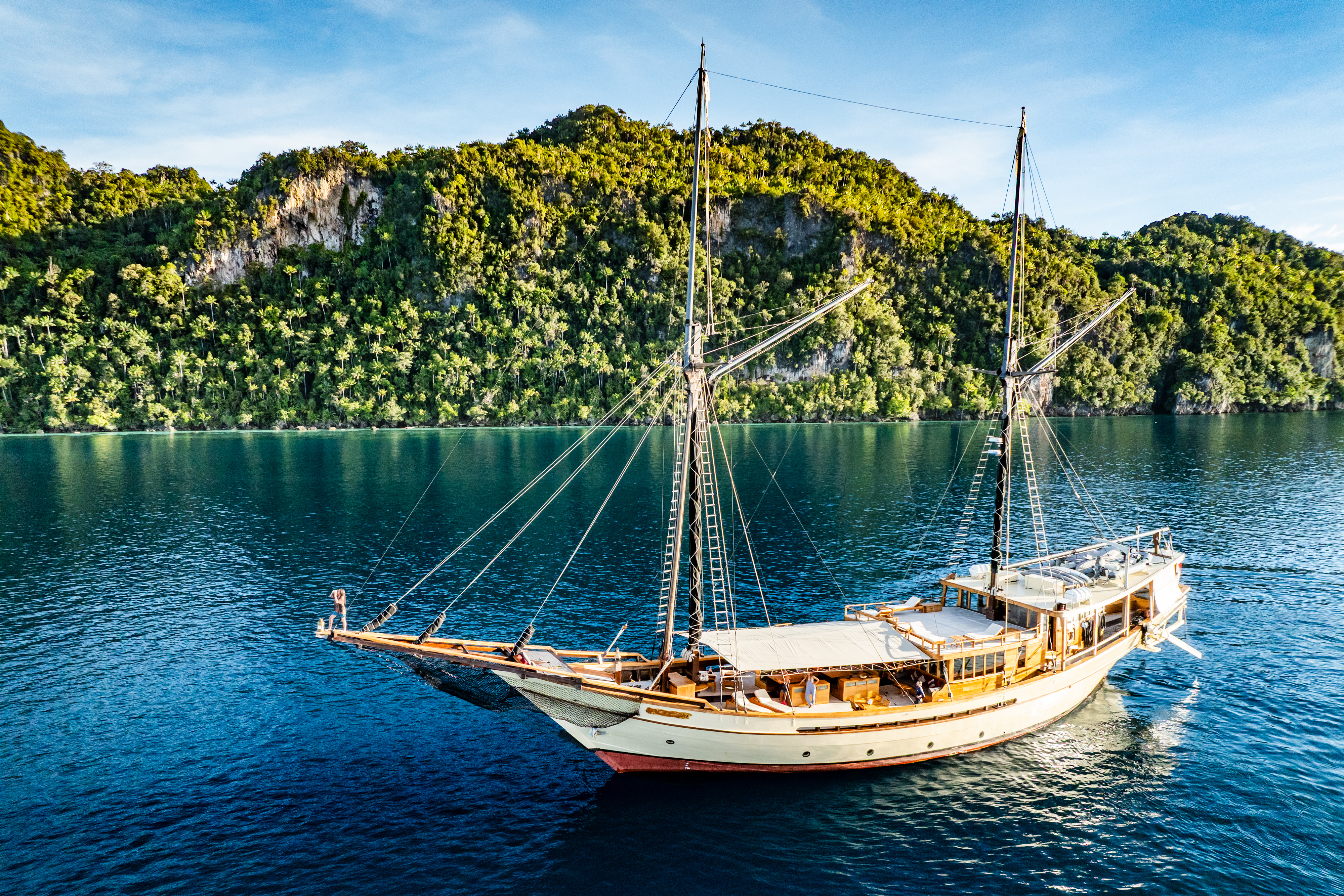


Then there is Indonesia. Seventeen thousand, five hundred and four islands. The centre of marine life on the planet. Living tribal cultures in the interior of islands that no road has reached. A maritime heritage tradition recognised by UNESCO that produced vessels still sailing these waters today. And a stretch of eastern archipelago, from Komodo through the Banda Sea to Raja Ampat and toward Papua, that remains so genuinely unexplored by the charter industry that Silolona Sojourns, after thirty years of operating in these waters, still finds anchorages that have never seen a foreign vessel.
This guide is a straightforward comparison. Not a promotional case, but an honest one. Here is what the region looks like when you lay the three destinations side by side.
The Three Destinations: What Each Does Best
Any useful comparison of Southeast Asia yacht charter destinations has to start with intellectual honesty about what each region genuinely does well. Thailand and the Philippines are not consolation prizes. They are exceptional destinations in their own right, and the travelers who find them right for their needs are not making a mistake. The goal here is fit, not ranking.
Thailand: Elegance, Accessibility, and the Andaman Coast
Thailand is the entry point for most Southeast Asia yacht charter travelers, and for good reason. The Andaman coast, from Phuket north through Phang Nga Bay and the Similan Islands, offers some of the most photogenic sailing scenery on the planet. The limestone karsts rising from turquoise water are genuinely spectacular. The charter infrastructure is mature and highly developed, with well-provisioned marinas, experienced local crews, and a logistical smoothness that makes Thailand one of the easiest places in the world to charter a yacht.
The social scene is vibrant. The food culture is extraordinary even by the high standards of the broader region. And for families, first-time charter guests, or travelers who want a high-quality, reliably beautiful experience without complexity, Thailand delivers consistently.
The limitations are those of a mature and heavily visited destination. The most beautiful anchorages in Phang Nga Bay see a significant volume of day-trip boats, speedboats, and other charter vessels throughout the season. The marine environment, while improving under conservation management, reflects decades of pressure. And the cultural depth available from a yacht charter, as distinct from a land-based journey into northern Thailand, is relatively shallow.
The Philippines: Marine Biodiversity and Dramatic Island Geography
The Philippines offers a richer and more complex proposition than Thailand for experienced yacht charter travelers. The archipelago's 7,641 islands span an enormous geographic and ecological range, from the flat white-sand paradise of the Tubbataha Reefs Natural Park, a UNESCO World Heritage Site accessible only by liveaboard, to the dramatic volcanic scenery of the Visayas and the relatively undiscovered waters of Palawan.
Marine biodiversity is significantly higher than Thailand. Tubbataha, when the seasonal window opens between March and June, is among the finest open-ocean dive experiences in Southeast Asia, with hammerhead sharks, manta rays, and wall dives that drop into genuinely deep water. Palawan, particularly El Nido and the Bacuit Archipelago, offers dramatic limestone scenery and a level of island complexity that rewards extended sailing time.
The challenges are also significant. The Philippines is one of the most typhoon-affected countries on Earth, with a seasonal weather window that requires careful planning. Charter infrastructure is less developed than Thailand across most of the archipelago. And the cultural accessibility from a yacht, particularly in terms of genuine community engagement rather than tourism-facing encounters, is uneven.
Indonesia: Where the Region Reaches Its Ceiling
Indonesia is not merely a larger version of the same Southeast Asian sailing experience. It is a categorically different proposition, and the differences are structural rather than incremental. Understanding why requires looking at four specific dimensions: scale and unexplored territory, marine biodiversity, cultural depth, and remoteness.
Scale: 17,504 Islands and a Charter Circuit That Does Not Exist Yet
Thailand has 1,430 islands in its territorial waters, most of them concentrated on the Andaman coast and the Gulf of Thailand. The Philippines has 7,641. Indonesia has 17,504 verified islands, and the eastern archipelago alone, the stretch from Sumbawa through Flores, the Banda Sea, Maluku, the Spice Islands, Raja Ampat, and toward Papua, contains more undiscovered sailing territory than any other region on the planet.
The practical meaning of this scale is that the charter circuit in eastern Indonesia has not been defined. There is no equivalent of the Andaman coast guidebook circuit or the established Palawan itinerary. Silolona Sojourns has spent thirty years navigating these waters, and the team still finds anchorages that have never been visited by a charter vessel. For a traveler who has reached the point where the known itinerary feels charted before departure, this distinction carries significant weight.
Marine Biodiversity: The Coral Triangle and What It Actually Means
Indonesia sits at the centre of the Coral Triangle, the globally recognised apex of marine biodiversity on the planet. The Coral Triangle encompasses the waters of Indonesia, the Philippines, Malaysia, Papua New Guinea, the Solomon Islands, and Timor-Leste, and contains 76 percent of all known coral species on Earth and more than 3,000 species of reef fish.1
Within this region, the waters around Raja Ampat in West Papua have been documented as containing the highest density of marine species per unit area of any marine environment on record. A single dive at a healthy Raja Ampat reef routinely produces encounters with species, pygmy seahorses, wobbegong sharks, walking sharks found nowhere else on Earth, dozens of nudibranchs species, that a diver in Thailand might never see in a lifetime of diving.
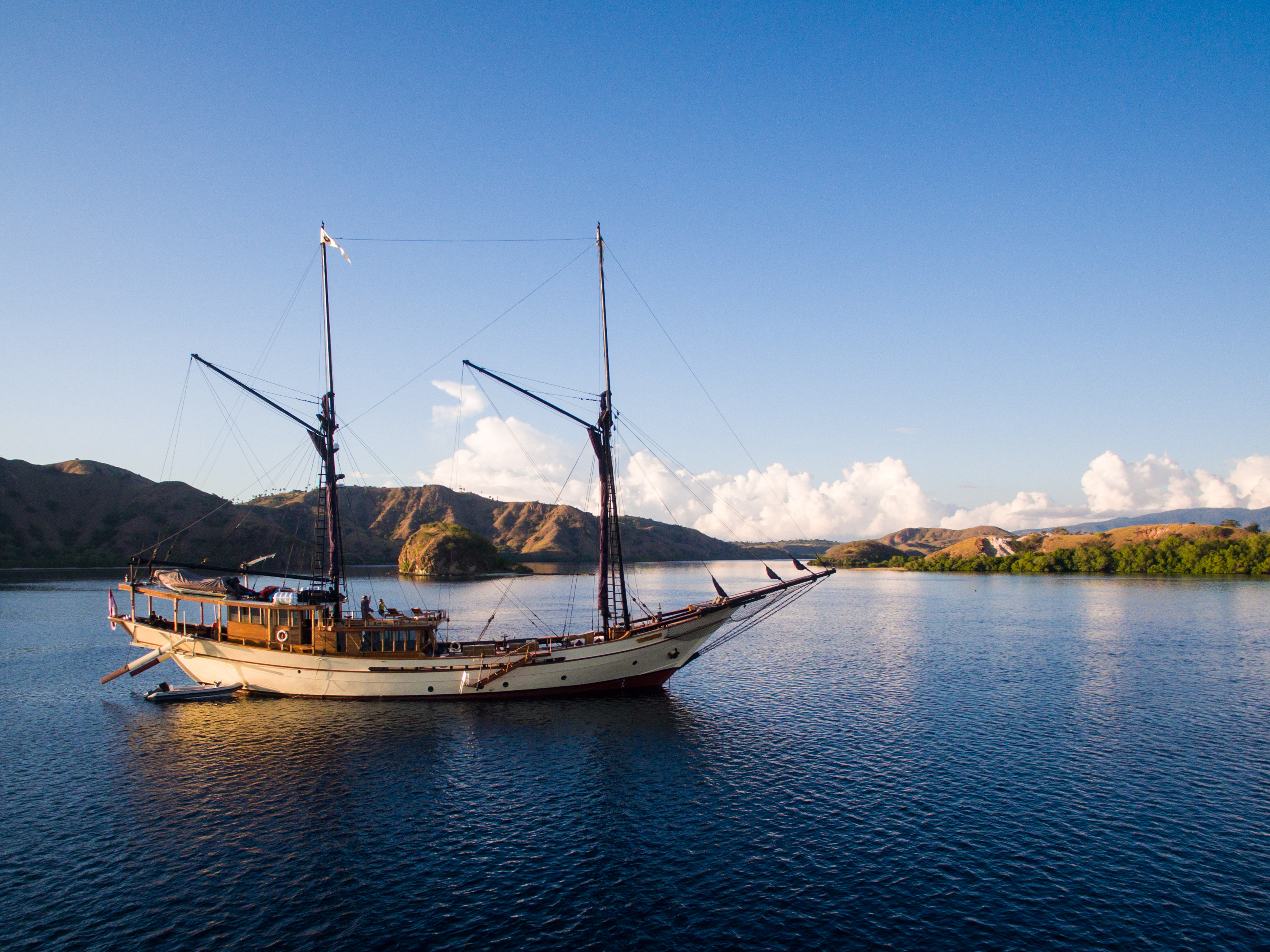
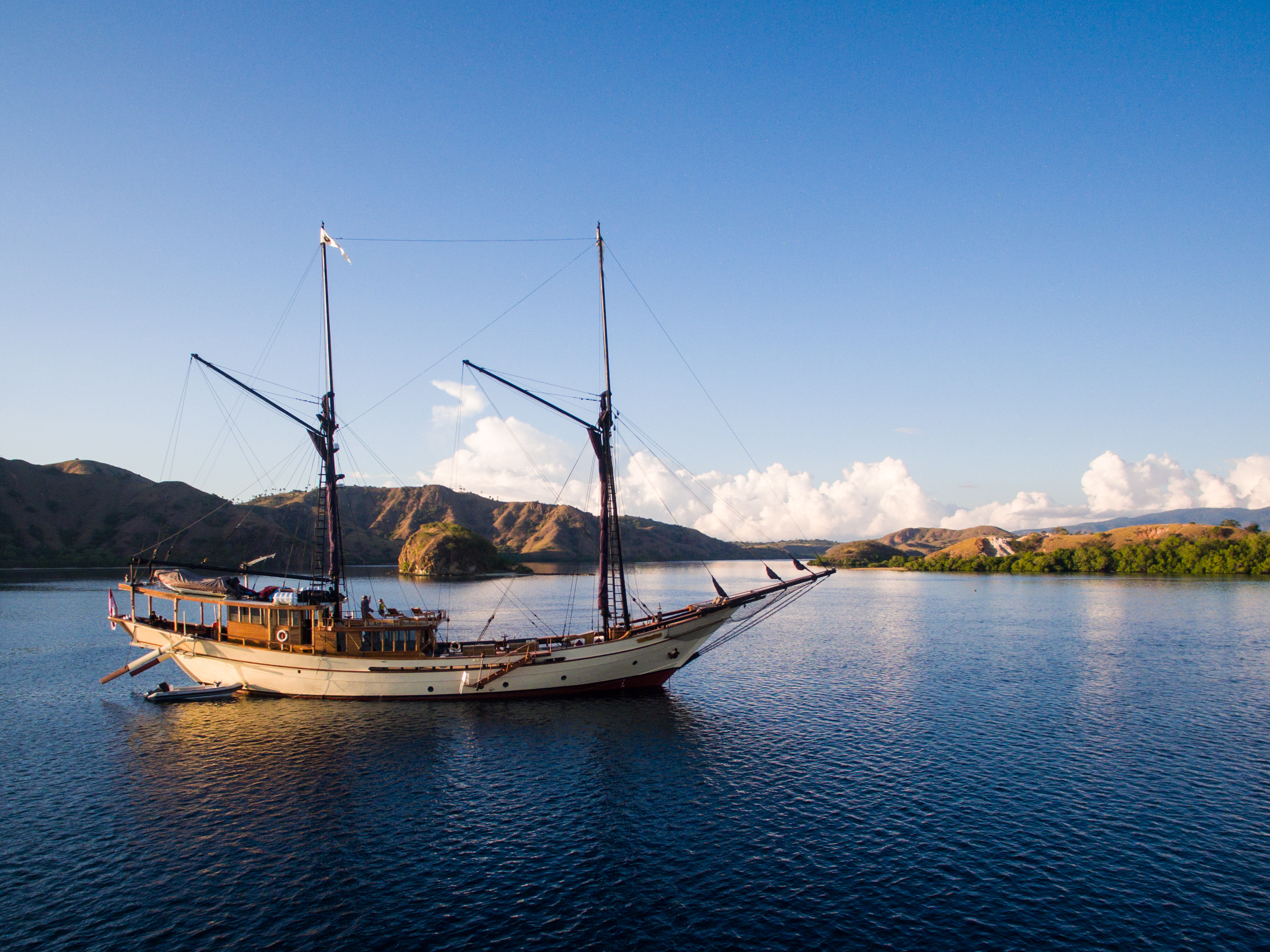
Komodo National Park, a UNESCO World Heritage Site and one of Silolona's May-to-September cruising routes, combines this marine richness with a terrestrial environment of genuine strangeness: Komodo dragons, the world's largest living lizard, moving through a volcanic landscape that looks and feels prehistoric. The combination of above and below the water at Komodo has no parallel anywhere else in Southeast Asia.


Cultural Depth: Living Heritage vs Tourism Infrastructure
This is the dimension that the comparison most consistently undersells, and it deserves careful framing.
Thailand's culture is extraordinarily rich and deeply developed. The temples, the royal traditions, the food culture, the Buddhist practice that shapes daily life: these are genuine and profound. The caveat is that most of what a charter guest encounters has been shaped, at least in part, by decades of international tourism. The experience is authentic, but it is also familiar with being looked at.
The Philippines has regional cultures of great depth, particularly in the Muslim communities of Mindanao and the indigenous peoples of the Cordillera. For a yacht charter guest, access to this depth is limited by both geography and the nature of the charter experience itself.
Eastern Indonesia occupies a different category entirely. The islands of Flores, Sumba, Alor, the Banda archipelago, and the outer reaches of Maluku are home to living tribal cultures that have had limited contact with international tourism. Hand-woven ikat textiles whose pattern systems encode genealogical histories. Animist ceremonies that predate the arrival of any world religion. Languages that have no written form. Community structures that govern daily life in ways that have not substantially changed in centuries.
Research on the relationship between tourism type and cultural preservation outcomes has found that low-volume, high-value charter tourism with strong community protocols produces significantly better outcomes for both guests and host communities than high-volume tourism infrastructure, particularly in regions where cultures are still in active practice rather than preservation.2 Silolona's model, returning to the same communities for thirty years with a crew that maintains genuine relationships, is precisely this kind of engagement.
Remoteness: The Absence of the Familiar
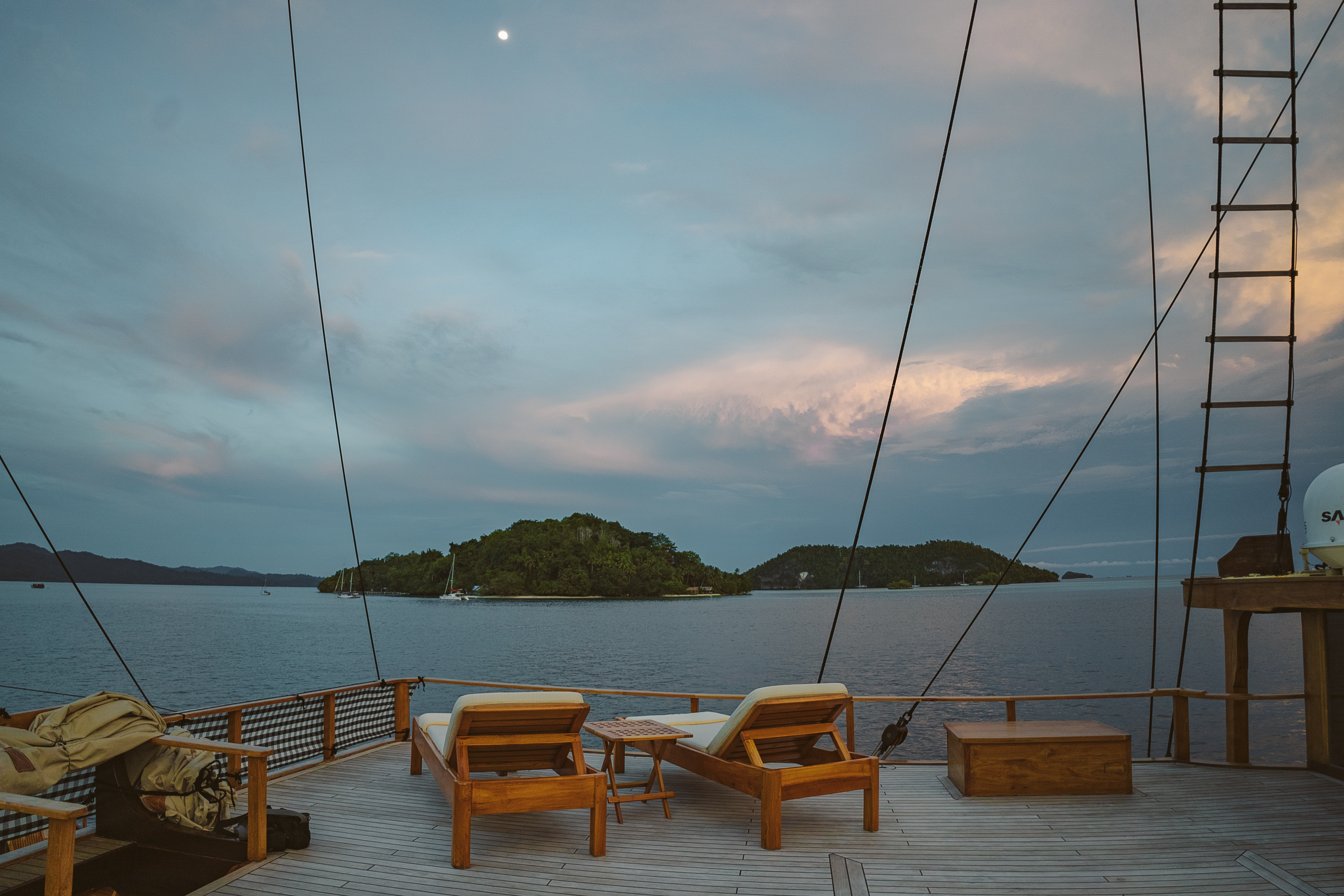
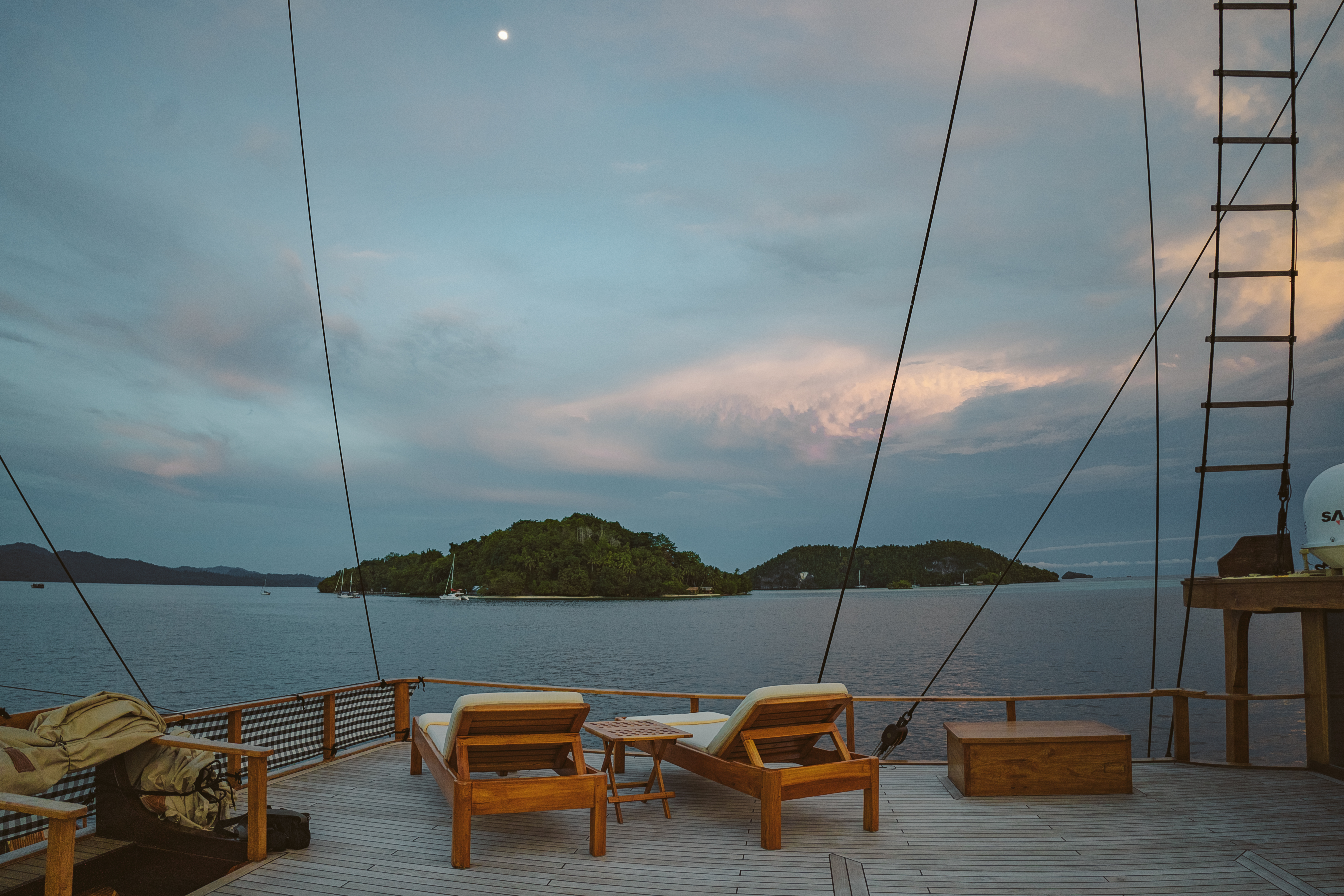
In Thailand's most popular sailing areas during peak season, anchoring in genuine solitude requires either early arrival, careful timing, or both. In the best parts of the Philippine circuit, solitude is more readily available but depends heavily on which islands and which season you choose. In eastern Indonesia, on a Silolona charter through the Banda Sea or the inner passages of Misool in Raja Ampat, three or four consecutive days without seeing another vessel of any kind is not exceptional. It is the norm.
This quality of remoteness changes the texture of the experience in ways that are difficult to convey until you have felt them. Research on restorative environments in nature-based tourism consistently shows that genuine remoteness, defined as the perceived absence of human infrastructure and other visitors, produces meaningfully different psychological outcomes than seclusion within accessible, visited destinations.3 The eastern Indonesian archipelago offers the former in a way that no other Southeast Asian charter destination currently can.
The Full Regional Comparison
Dimension | Indonesia | Thailand | Philippines |
Island count | 17,504 verified islands | 1,430 islands | 7,641 islands |
Charter circuit maturity | Largely undefined in eastern waters | Fully established, widely shared | Partially defined, variable quality |
Marine biodiversity | Coral Triangle centre, highest on Earth | Moderate, improving under management | High, Tubbataha world-class |
Coral species | 76% of all known species | Lower, concentrated in limited sites | Rich, esp. Tubbataha |
Cultural encounter depth | Living tribal cultures, active traditions | Rich but tourism-facing | Variable, deep in interior regions |
UNESCO maritime heritage | Phinisi boatbuilding tradition | Temple and royal heritage | Tubbataha reef designation |
Remoteness quality | Genuine absence of human infrastructure | Curated seclusion | Good in Palawan, variable elsewhere |
Weather predictability | Seasonal, well-managed on Silolona itineraries | Highly predictable dry season | Typhoon-affected, careful planning needed |
Mass tourism presence | Absent from eastern waters | Significant in Andaman/Gulf areas | Significant in Palawan/Visayas hubs |
Charter infrastructure | Premium specialist operators | Highly developed, many options | Developing, variable quality |
Best for traveler type | Deep explorers, legacy-making journeys | First-timers, families, resort seekers | Serious divers, adventurous travelers |
Which Destination for Which Traveler A comparison this direct requires an equally direct routing guide. Here is the honest version.
Choose This Destination | If This Describes You |
Thailand | First-time Southeast Asia charter guest; traveling with families who need logistical ease; want a beautiful, sociable sailing holiday with excellent food culture and predictable weather |
Philippines | Serious diver with Tubbataha as a priority; comfortable with weather complexity; drawn to dramatic island scenery; exploring Palawan independently |
Indonesia (East) | Post-resort or post-circuit traveler ready for genuinely undiscovered territory; motivated by biodiversity, cultural depth, and remoteness; traveling with a guide of thirty-year expertise in these waters; ready for a legacy-making journey rather than a well-curated holiday |
Silolona as Regional Guide: Why Thirty Years in These Waters Matters
Understanding Southeast Asia yacht charter as a region and knowing how to navigate the eastern Indonesian archipelago at the level that produces the experiences described in this guide are two entirely different things. The distinction matters because the quality of what you encounter in these waters is almost entirely a function of who is guiding you.
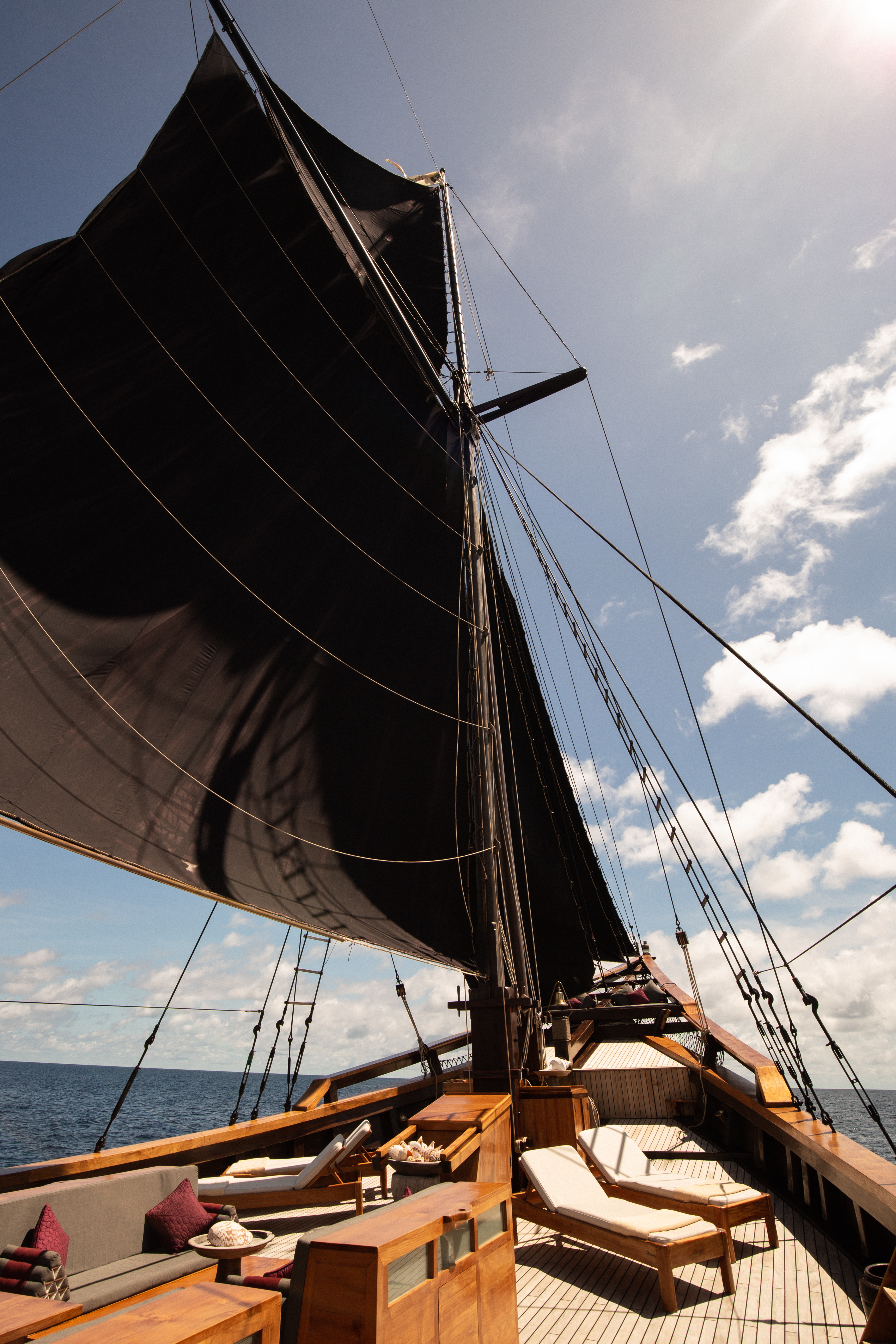
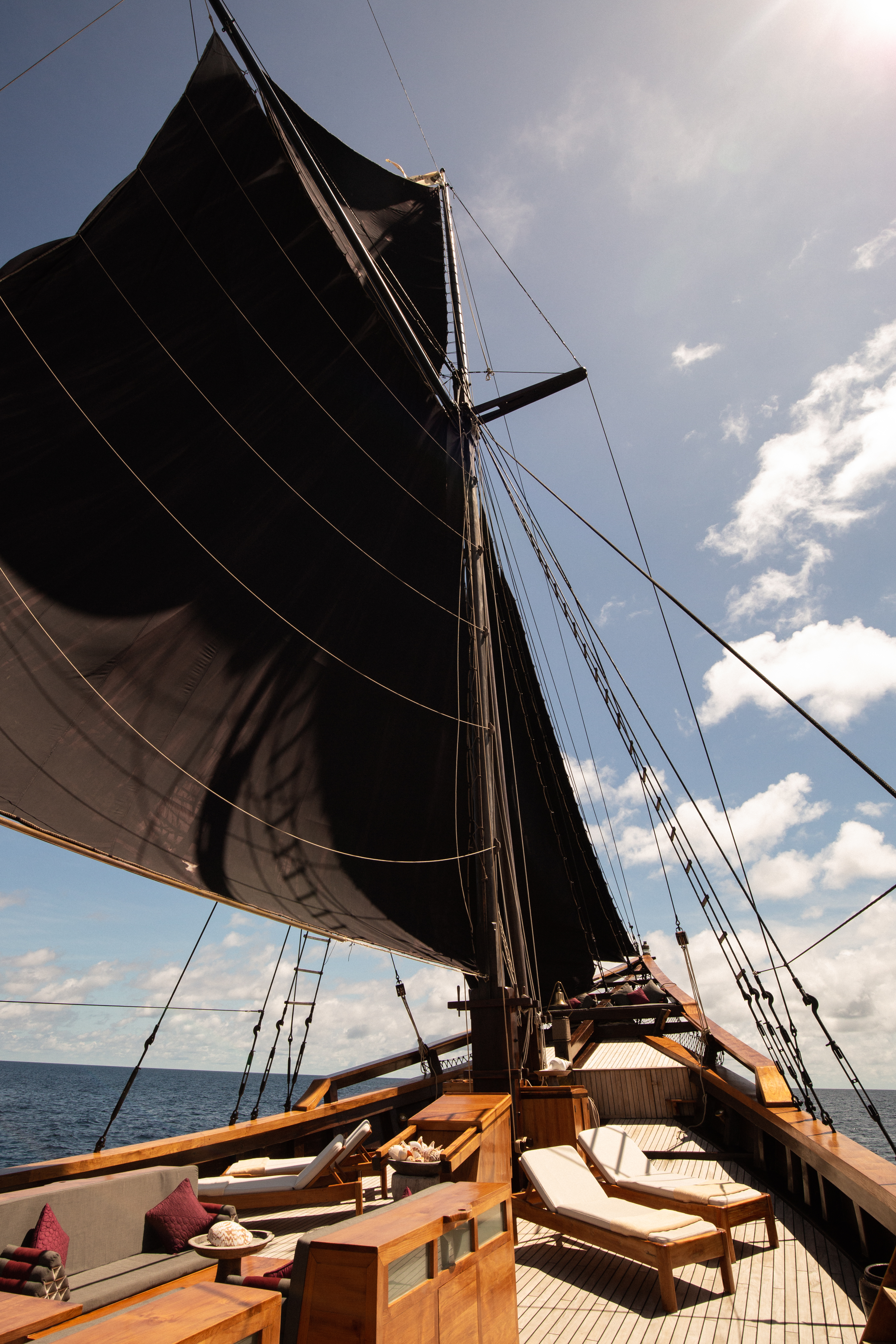
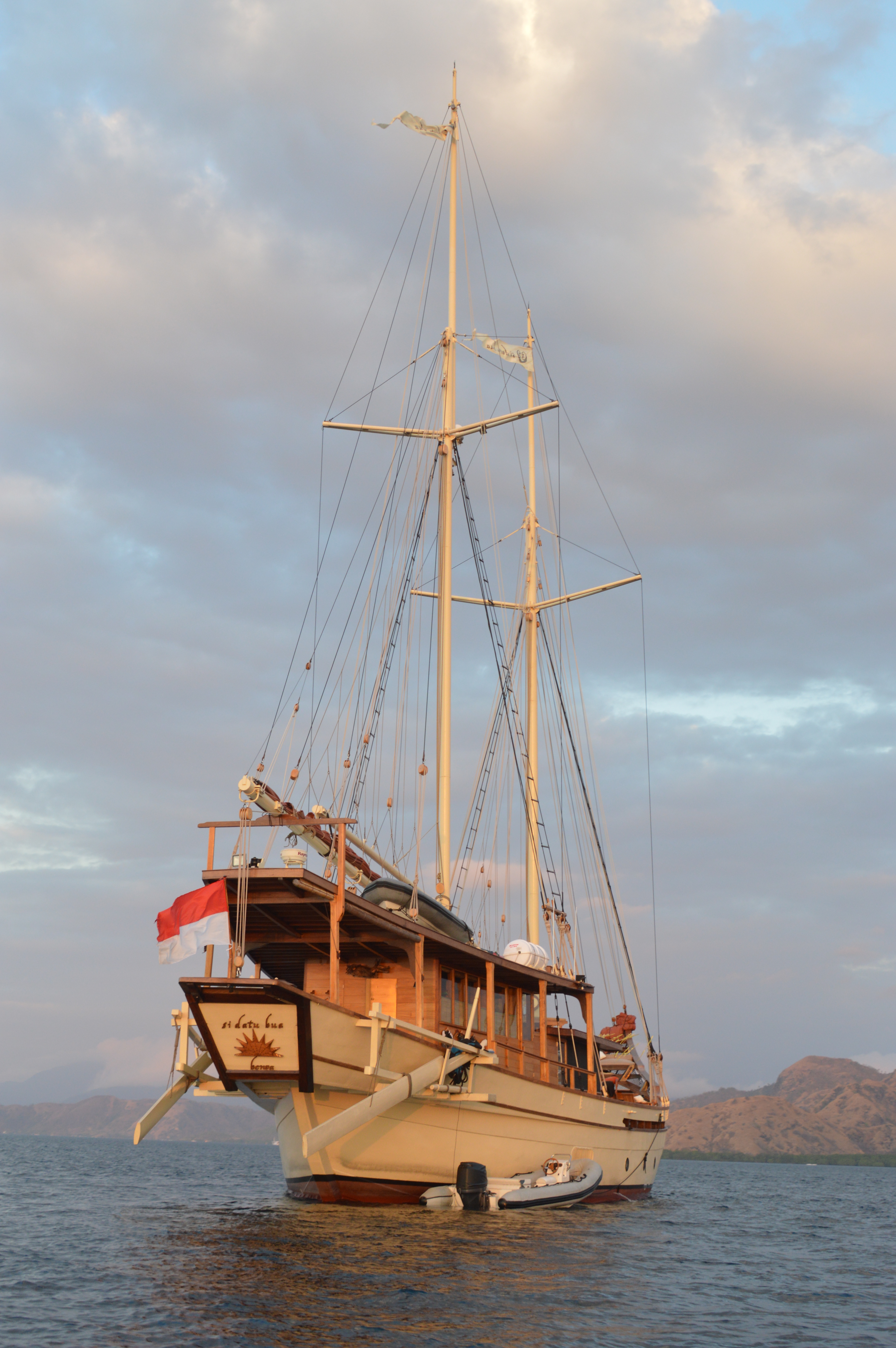
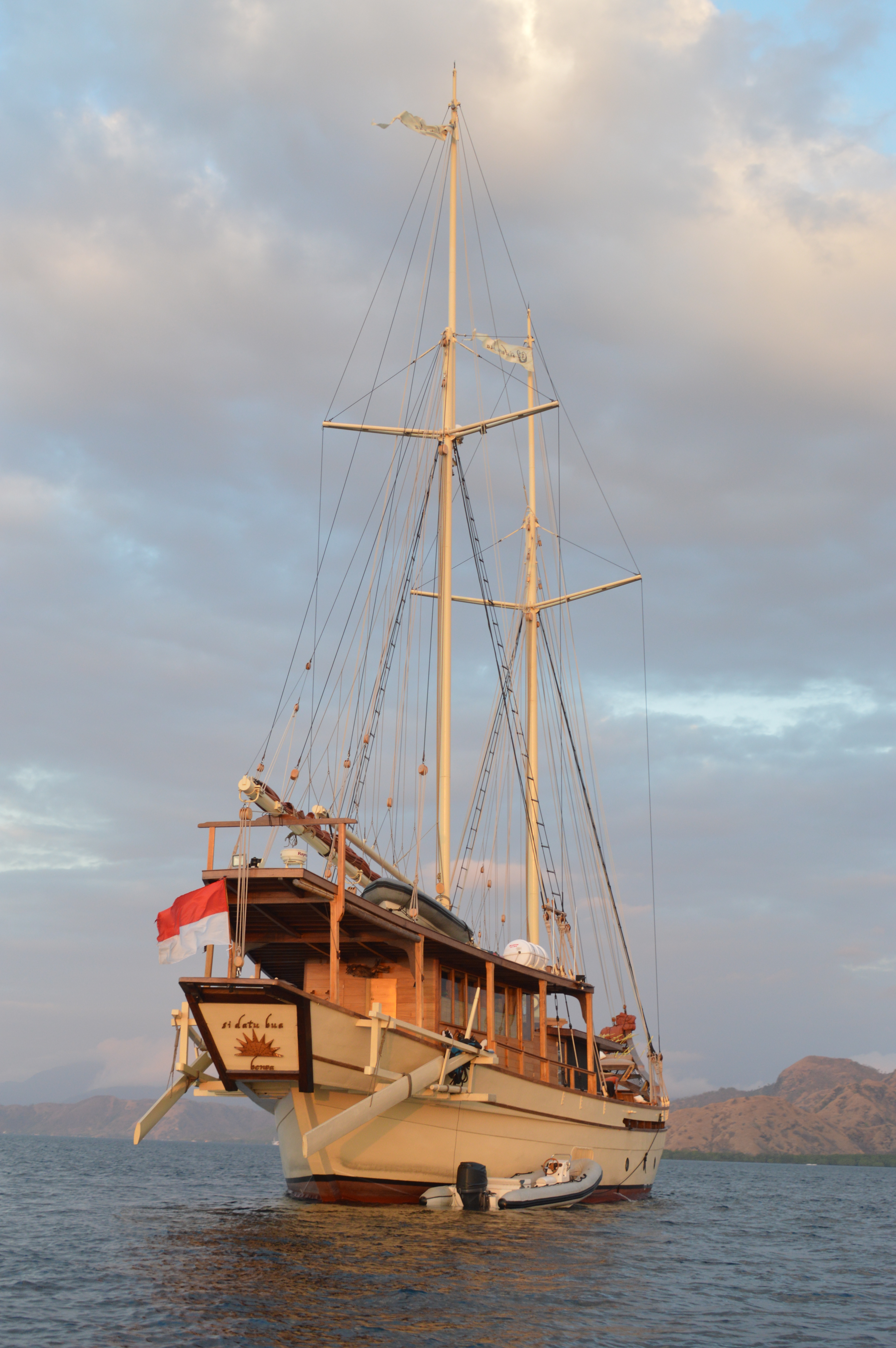
Silolona Sojourns has been operating MSV Silolona and Si Datu Bua across the Indonesian archipelago and into Southeast Asia for over three decades. The accumulated knowledge that this represents, the community relationships, the seasonal routing expertise, the understanding of which anchorages are accessible at which drafts and which tides, the relationships with local fishermen and naturalists and community leaders built over decades of return visits, is not replicable by a newer operator with a better-specified vessel.
When a guest steps aboard a Silolona charter in Raja Ampat, they are not arriving with a guidebook and a GPS track. They are arriving with a team that has been in these waters since before the destination had a name in the international charter market, and whose relationships with the place run deep enough that the places come to meet them.
The Silolona Routes at a Glance May to September: Komodo Archipelago, Flores and Alor, Savu Sea and Sumba October to April: Raja Ampat, Tribal Papua, Cenderawasih Bay, Banda Sea and Spice Islands Extended routes: Thailand, Myanmar, and broader Southeast Asia on request |
The Honest Regional Verdict
Southeast Asia is not a single yacht charter destination with one right answer. It is a region containing three meaningfully different propositions, and the right choice depends entirely on what you are looking for.
Thailand is the best answer for the guest who wants exceptional beauty, logistical ease, and a reliably excellent experience without complexity. It earns its place at the top of the Southeast Asia charter market because it consistently delivers what it promises.
The Philippines is the best answer for the serious diver who has Tubbataha on the bucket list and is willing to work around the weather and infrastructure constraints to reach it. At its best, particularly in the outer Palawan islands away from the tourism hubs, it offers experiences that are genuinely difficult to replicate.
Indonesia, specifically the eastern archipelago, is the best answer for the traveler who has moved past the desire for the known and excellent and is ready for something categorically different. The scale of unexplored territory, the peak marine biodiversity of the Coral Triangle, the living cultures of islands no road has reached, and the quality of remoteness that eastern Indonesian waters offer are not matched anywhere else in Southeast Asia, and arguably not matched anywhere else on the planet at this scale.
The traveler who fits this profile does not arrive in eastern Indonesia looking for a better version of what they already know. They arrive looking for the thing they suspected still existed, and they find it.
Ready to Go Deeper Into the Region? Silolona Sojourns has been navigating Indonesia and Southeast Asia for over thirty years. If you are comparing destinations for your next charter and the eastern Indonesian archipelago has begun to answer the question you have been carrying, the conversation starts here. The team will tell you honestly which destination and which season is right for what you are looking for. |


References
1. Veron JEN, Devantier LM, Turak E, et al. Delineating the Coral Triangle. Galaxea, Journal of Coral Reef Studies. 2009;11(2):91-100. DOI: 10.3755/galaxea.11.91
2. Stroma Cole S. Information and empowerment: the keys to achieving sustainable tourism. Journal of Sustainable Tourism. 2006;14(6):629-644. DOI: 10.2167/jost607.0
3. Kaplan S. The restorative benefits of nature: toward an integrative framework. Journal of Environmental Psychology. 1995;15(3):169-182. DOI: 10.1016/0272-4944(95)90001-2
Silolona Sojourns is Indonesia's original ultra-luxury phinisi charter specialist, operating MSV Silolona and Si Datu Bua across the Indonesian archipelago for over three decades. Featured in JetSet Magazine, DestinAsian, Quintessentially, and Globetrender.