

The Art of Anticipation: How Silolona's Crew Knows What You Need Before You Ask
On the second morning, your coffee arrives the way you drank it yesterday: flat white, no sugar, and a small glass of water beside it because Gede noticed you reached for one after your first cup. Nobody wrote it on a card that you saw. Nobody asked you to confirm a preference. It simply appeared, correct, at the hour you tend to surface, and that is the moment most guests understand what anticipatory service on this yacht actually is. It is not a slogan on a website. It is a quiet, disciplined practice of paying attention, and aboard Silolona it works less like hotel training and more like a craft passed between people who have sailed together for years.
The primary keyword here, personalized yacht service in Indonesia, gets used loosely across the charter market. Most operators mean a preference form emailed six weeks before departure. What happens on Silolona and Si Datu Bua is different in kind, and it is worth explaining how the crew builds it, because the mechanics are more interesting than the marketing.
The first twenty-four hours are spent reading you, not just serving you
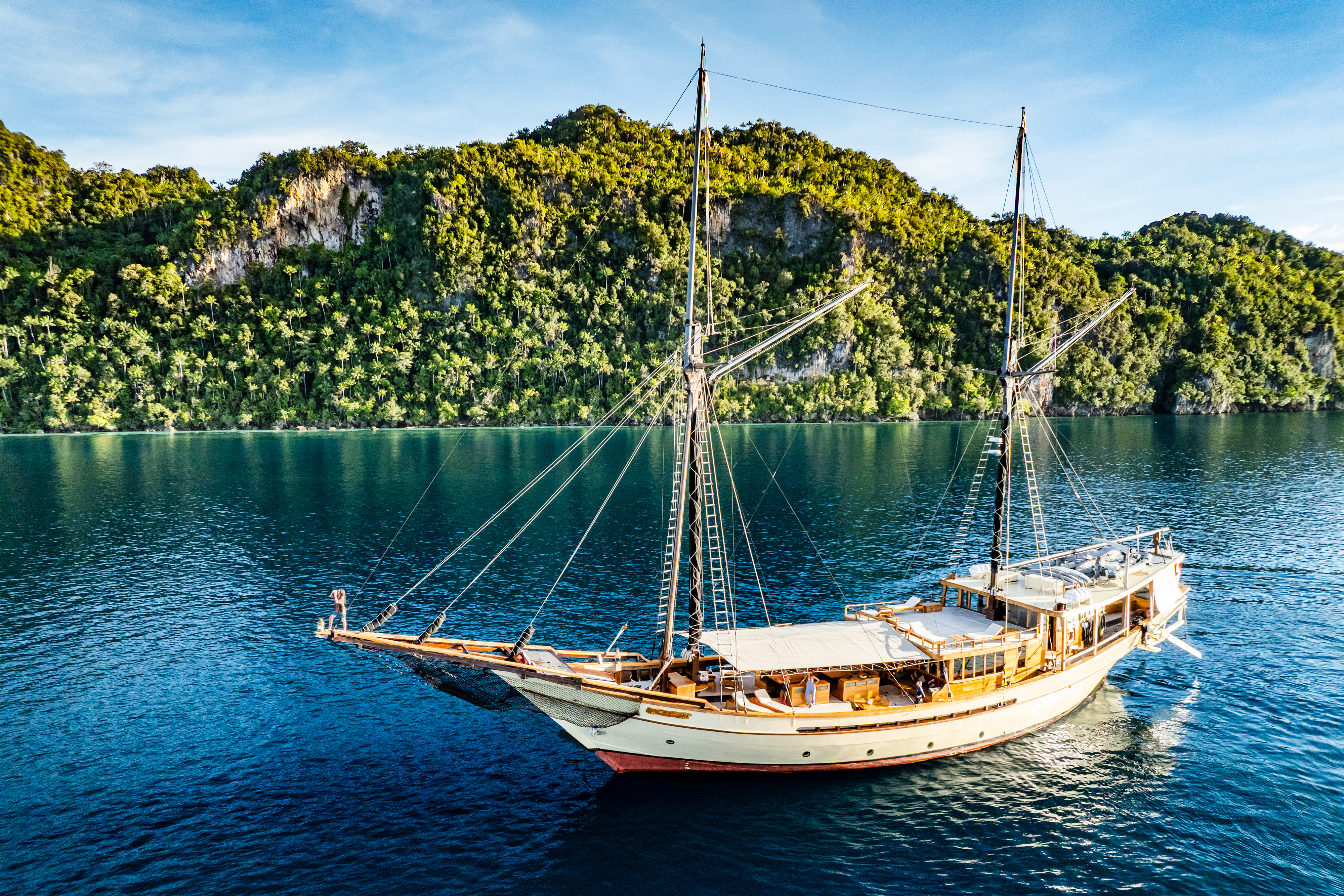
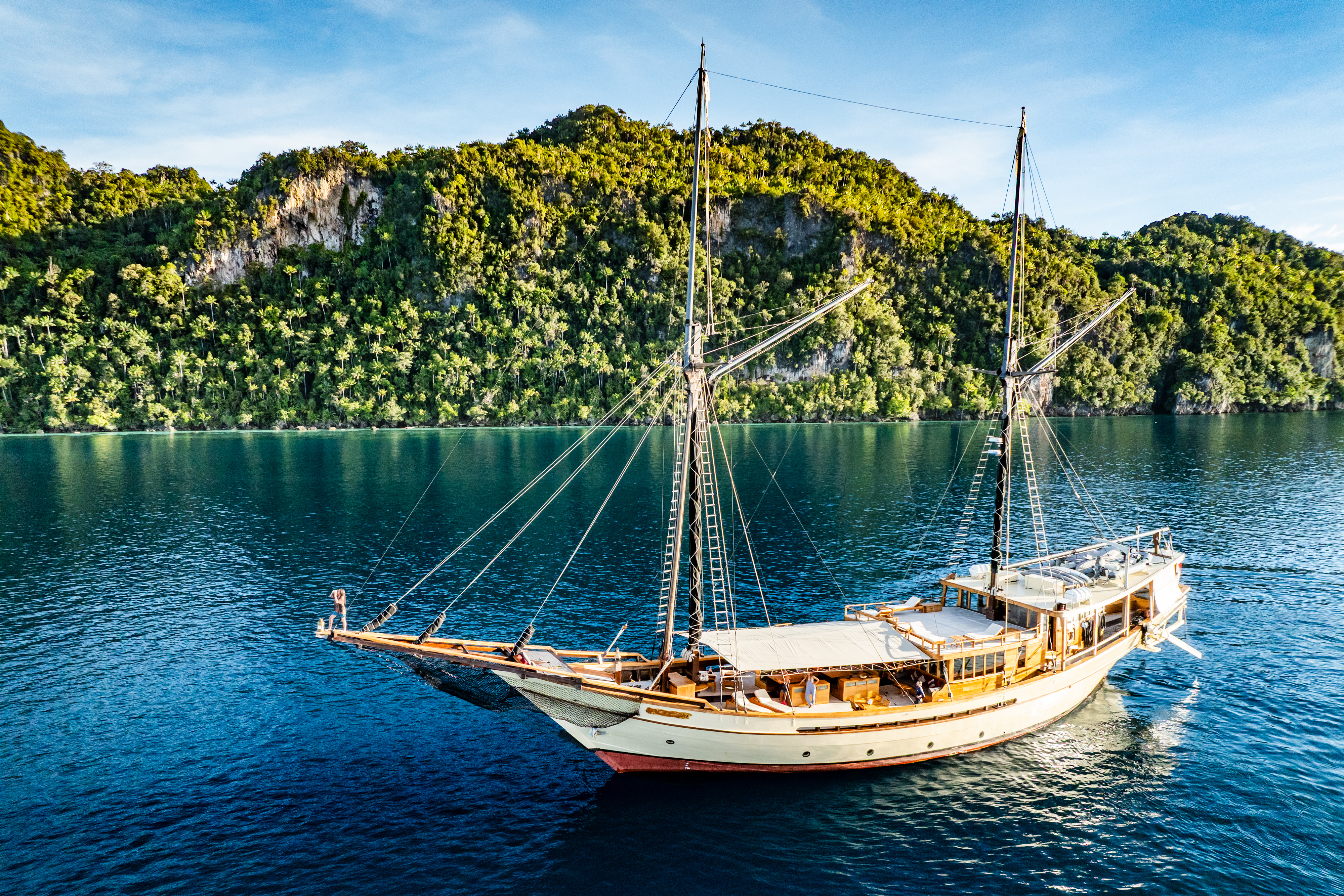
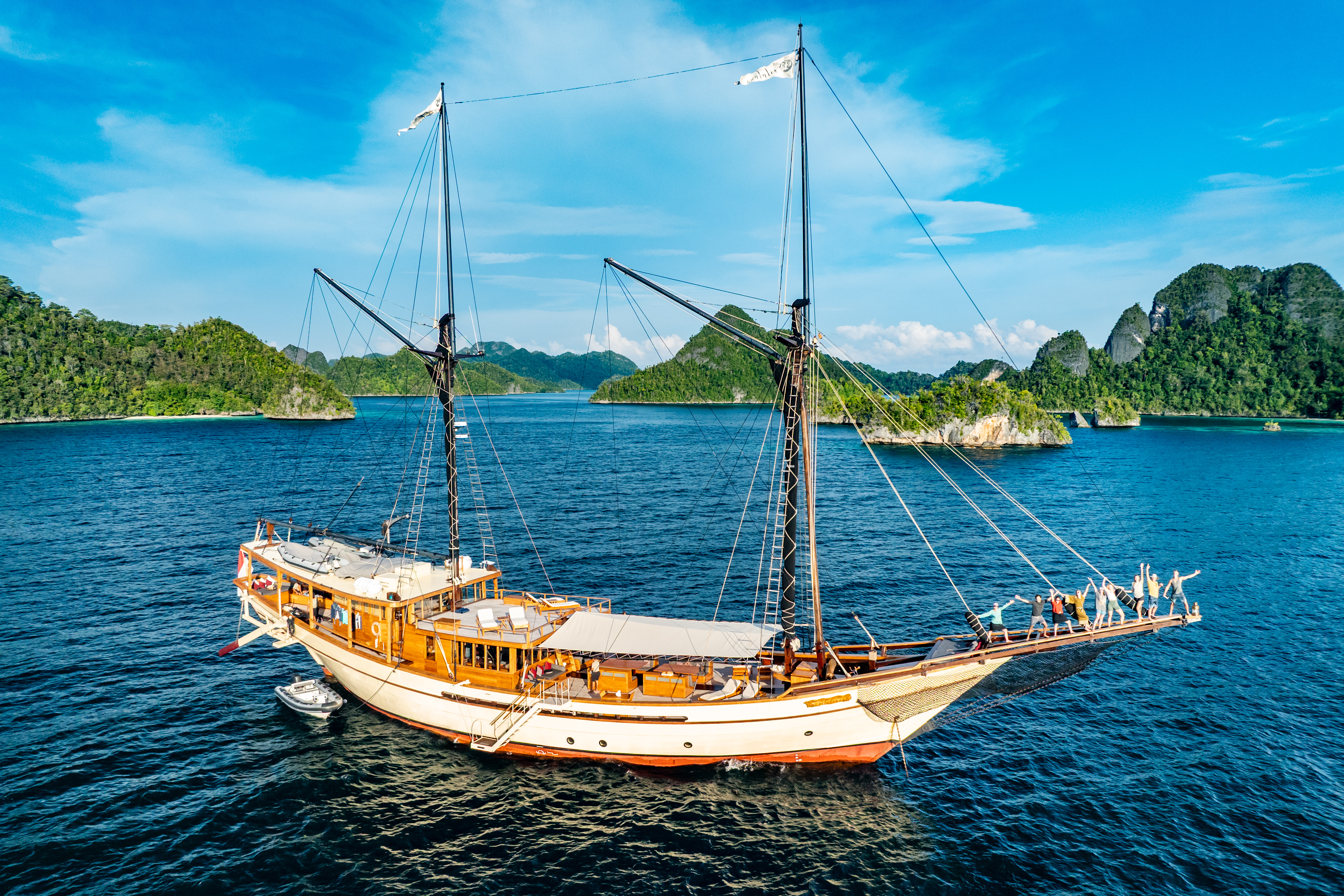
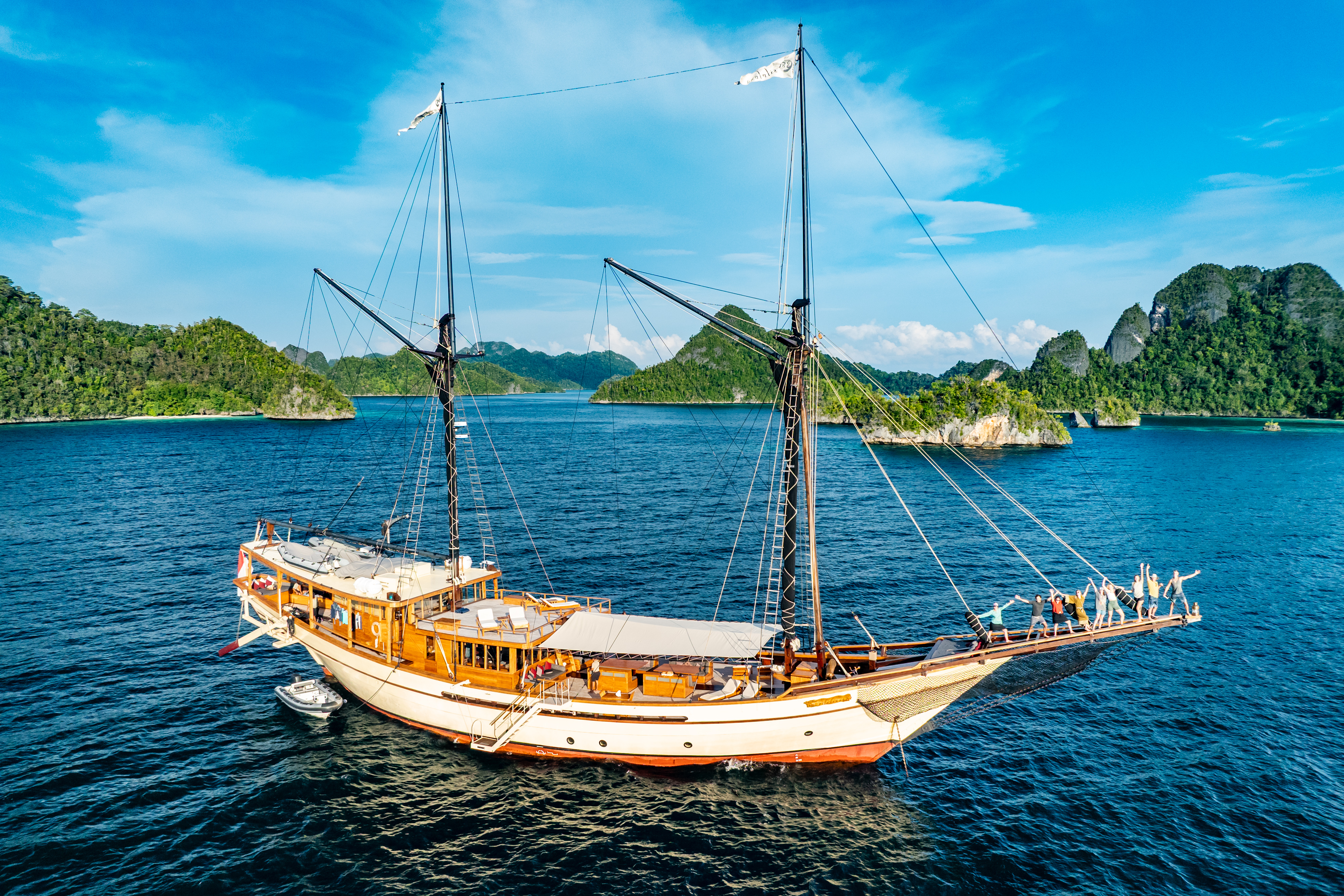
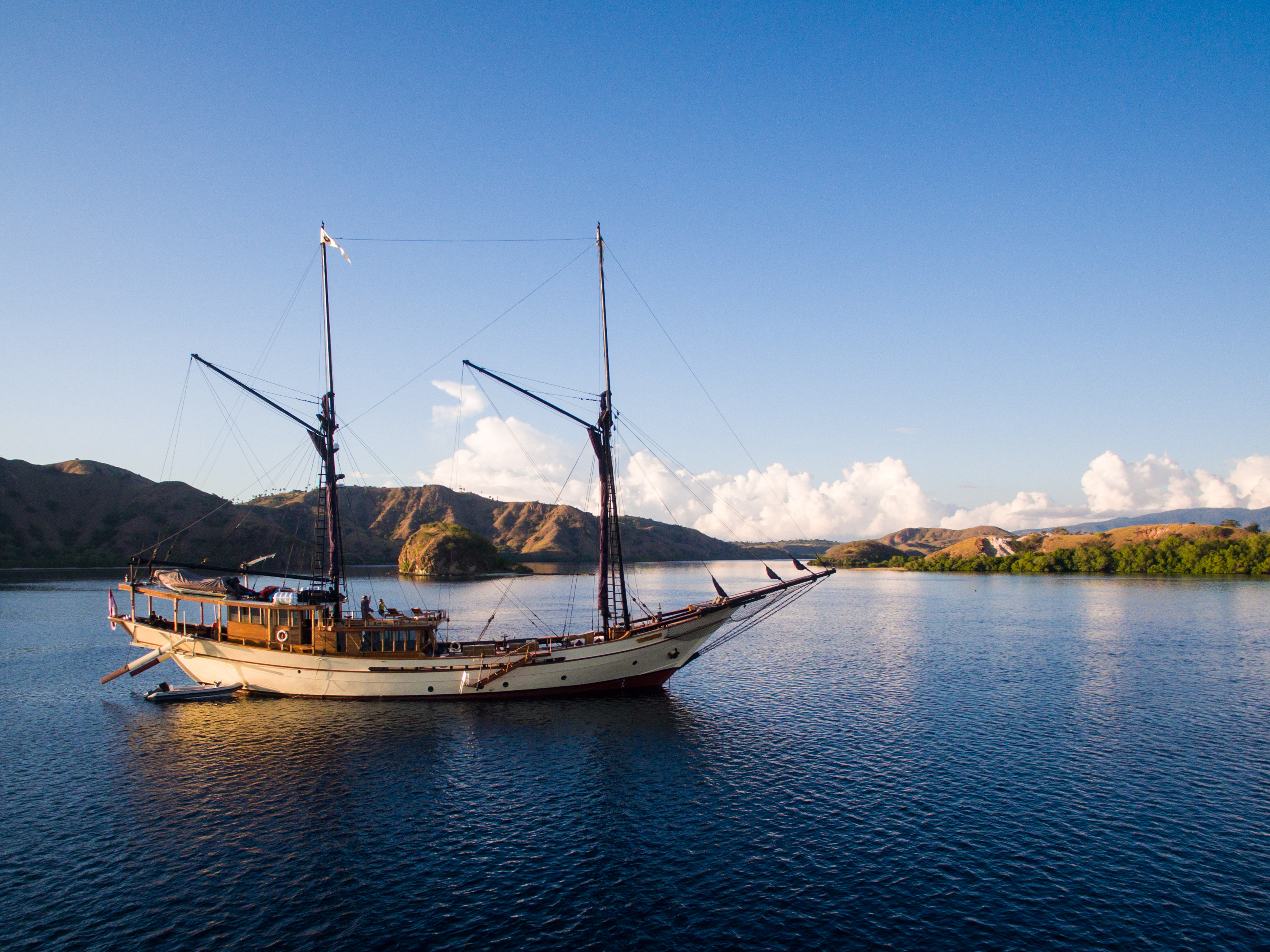
A hotel resets every guest to zero. You check in, you fill out the same request each visit, and the staff who learn your habits on Monday may not be working Thursday. A phinisi with seventeen crew serving up to ten guests runs on the opposite logic. The same people who greet you at Labuan Bajo are the ones plating your dinner on night six, and they spend the first day watching.
Not in a way you notice. They watch pace. Are you a guest who wants to be in the water by eight, or someone who treats the first morning as recovery from a long flight and does not want a single decision made for them before ten. They watch appetite: which dishes came back empty, which were politely half-finished. They watch social temperature, whether a couple drifts to the bow to be alone or gravitates to the shaded deck where conversation happens. Gede, the chief purser from Bali, is essentially running this the whole time, and by the end of day one the crew holds a working portrait of each guest that no questionnaire could have produced. A form tells them you like seafood. A day of attention tells them you like it grilled simply, that you avoid chili even though your partner asks Captain Bambang for his sambal every night, and that you go quiet and content after a dive and would rather not be spoken to for twenty minutes.
The evening meeting is where tomorrow gets built
There is a ritual most guests never see. After dinner, once the deck has gone quiet, the senior crew gather briefly: the captain, the expedition leader, Ketut in the galley, the purser. They are not just confirming the next anchorage. They are reconciling what they learned that day against what tomorrow's plan assumes.
If the weather has shifted, Captain Kamto, who knows these waters as well as anyone aboard, adjusts the route so the crossing happens while you sleep rather than while you are trying to enjoy breakfast. If Goris, the dive instructor from Flores who helped build this boat, saw that two guests were nervous in current yesterday, tomorrow's site gets chosen with that in mind, and a gentler reef goes on the list before anyone has to admit they found the last dive intimidating. If Ketut noticed the pastries went untouched but the fresh fruit disappeared, the morning table changes without discussion. This is the pre-check philosophy in practice: the plan is inspected against the guests before the day begins, not corrected after something goes wrong. By the time you wake, decisions have already been unmade and remade on your behalf, and you feel only the smoothness, never the machinery.
Real anticipation means changing the plan mid-stroke
A rehearsed sequence is not the same as attentiveness, and the difference shows the moment reality intervenes. The genuinely useful skill is adjusting in the moment, and a crew that has internalised your rhythm can do it without a meeting.
You mention over lunch, half to yourself, that you wish you had brought a proper camera for the reef. By the afternoon dive, Goris, who also shoots, has quietly offered to bring his down and send you the images. A child on a family charter is flagging in the heat an hour before the planned trek, and the expedition leader reshapes the afternoon toward a shaded snorkel and a beach the young ones can dig into, so the day bends around the guest rather than the guest enduring the day. The bread that comes with sundowners was baked that morning by a galley that clocked which loaf you kept going back to. None of these are grand gestures. They are small, accurate corrections, made in real time by people who are paying enough attention to see the need forming before you have finished forming it yourself.
Why this reads as craftsmanship, not hospitality
There is an honest trade-off worth naming. This kind of service cannot be scaled, standardised, or franchised, and it does not come from a manual. It depends on continuity, on the same long-tenured crew returning season after season, carrying the memory of how things are done here in their hands rather than in a binder. Nasir, from Ara in Sulawesi, was the head carpenter who built Silolona; the vessel and the people who run her come from the same tradition of things made slowly and well. That is why the service feels less like a hotel and more like being a guest in the home of someone who happens to be extraordinarily good at hosting.
For the traveller who has stayed everywhere and been served by everyone, this is the rare thing money struggles to buy directly: not attentiveness on demand, but attentiveness that has learned you. You cannot brief it into existence in a preference form. It has to be built, over a day and then a week, by people who chose to notice. The result is a journey where you spend almost no energy asking for things, because the asking has quietly been done for you.
With Silolona Sojourns, that intelligence is the real product, more than the teak decks or the anchorages no one else reaches. Whether you sail Komodo between May and September, or head east to Raja Ampat and the historic Banda islands from October to April, the same crew reads the same care into every day. To sail aboard Silolona and Si Datu Bua, or to plan a private journey where the details are handled before you think to raise them, you are warmly invited to enquire.
References
Torres EN, Kline S. From customer satisfaction to customer delight: creating a new standard of service for the hotel industry. Int J Contemp Hosp Manag. 2013;25(5):642-659. doi:10.1108/09596111311322871
Kandampully J, Zhang T, Bilgihan A. Customer loyalty: a review and future directions with a special focus on the hospitality industry. Int J Contemp Hosp Manag. 2015;27(3):379-414. doi:10.1108/IJCHM-03-2014-0151
UNESCO. Pinisi, art of boatbuilding in South Sulawesi. Representative List of the Intangible Cultural Heritage of Humanity; 2017. Available from: https://ich.unesco.org/en/RL/pinisi-art-of-boatbuilding-in-south-sulawesi-01197