The Makers of the Phinisi: Inside Indonesia Last Master Boatbuilding Communities
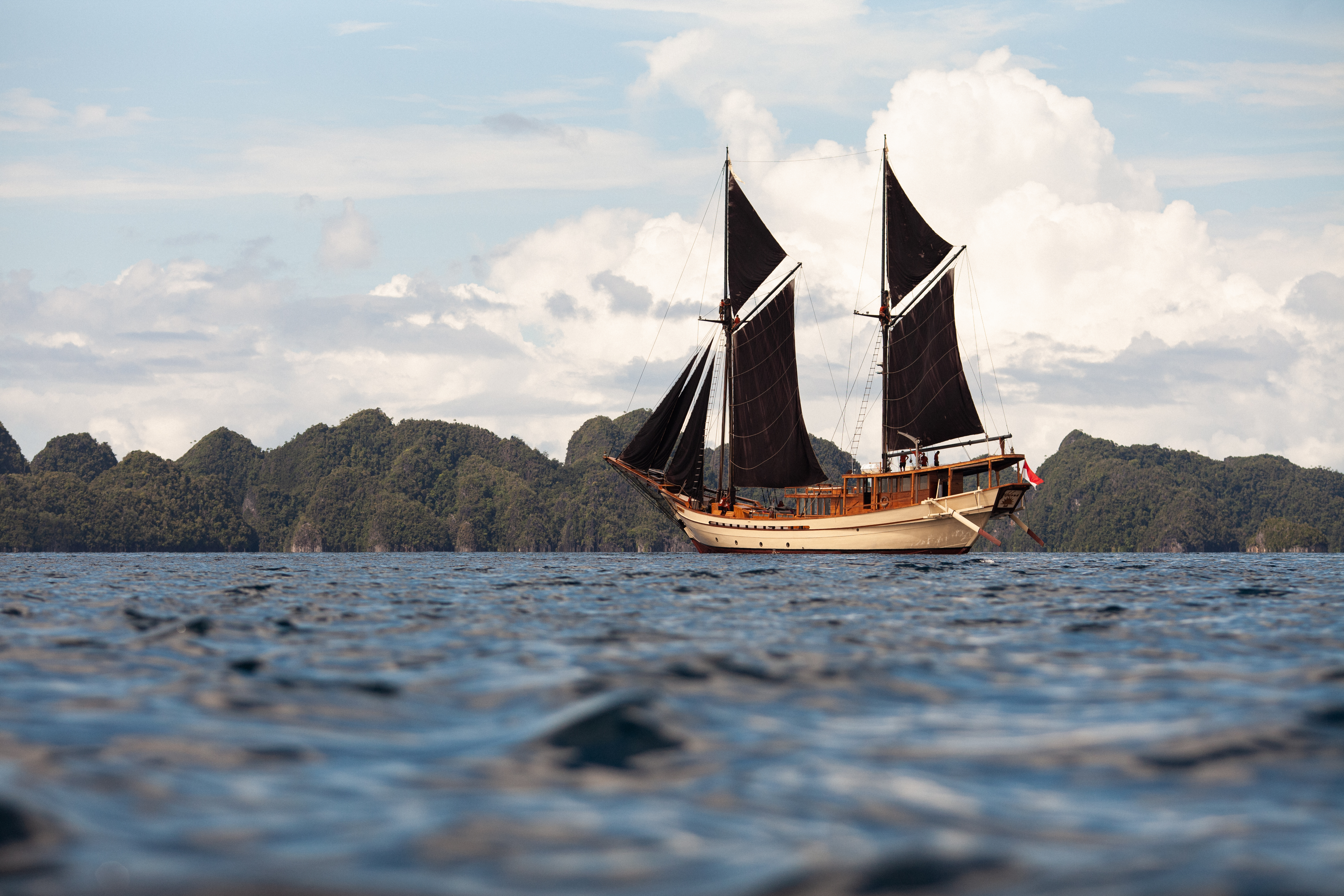
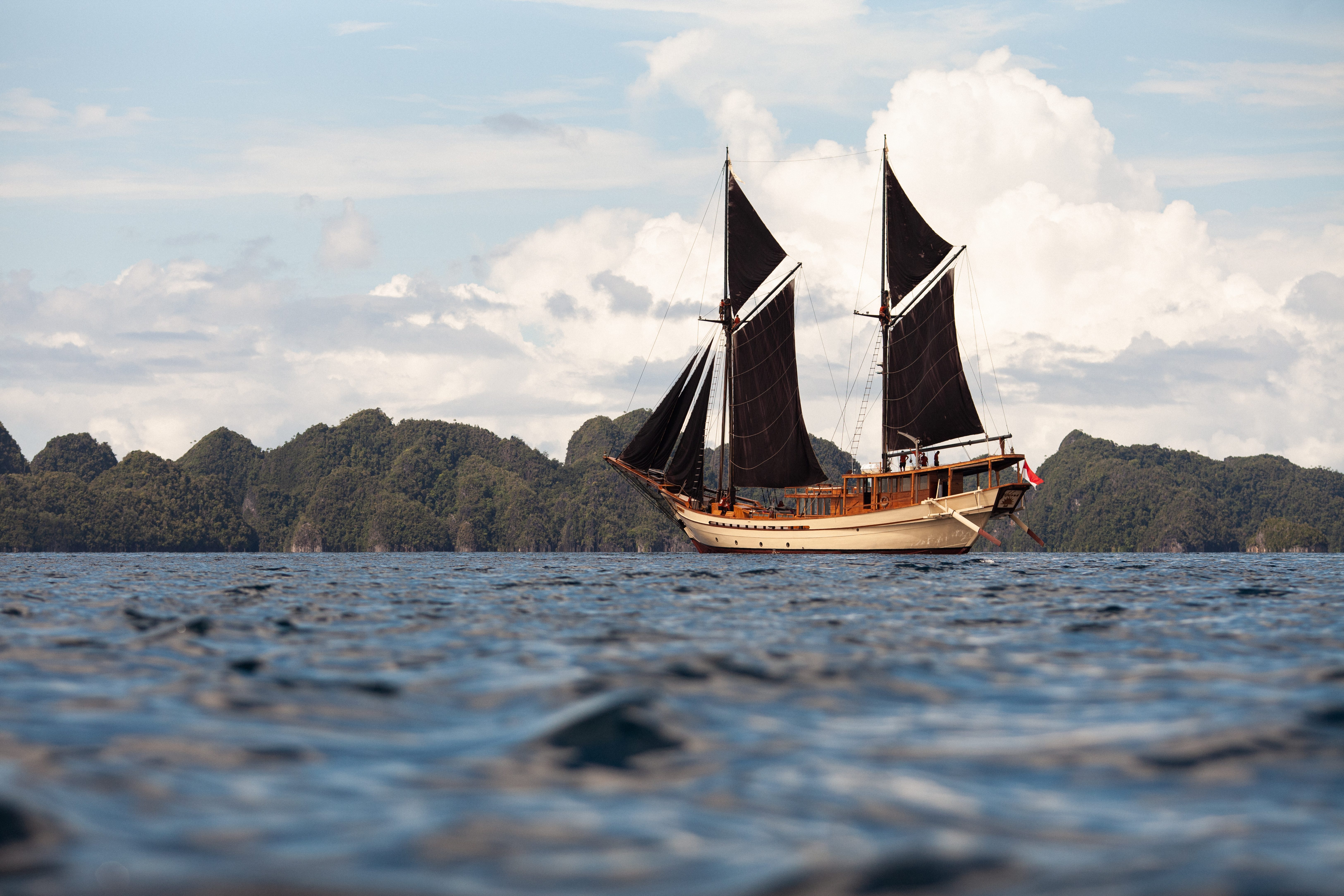
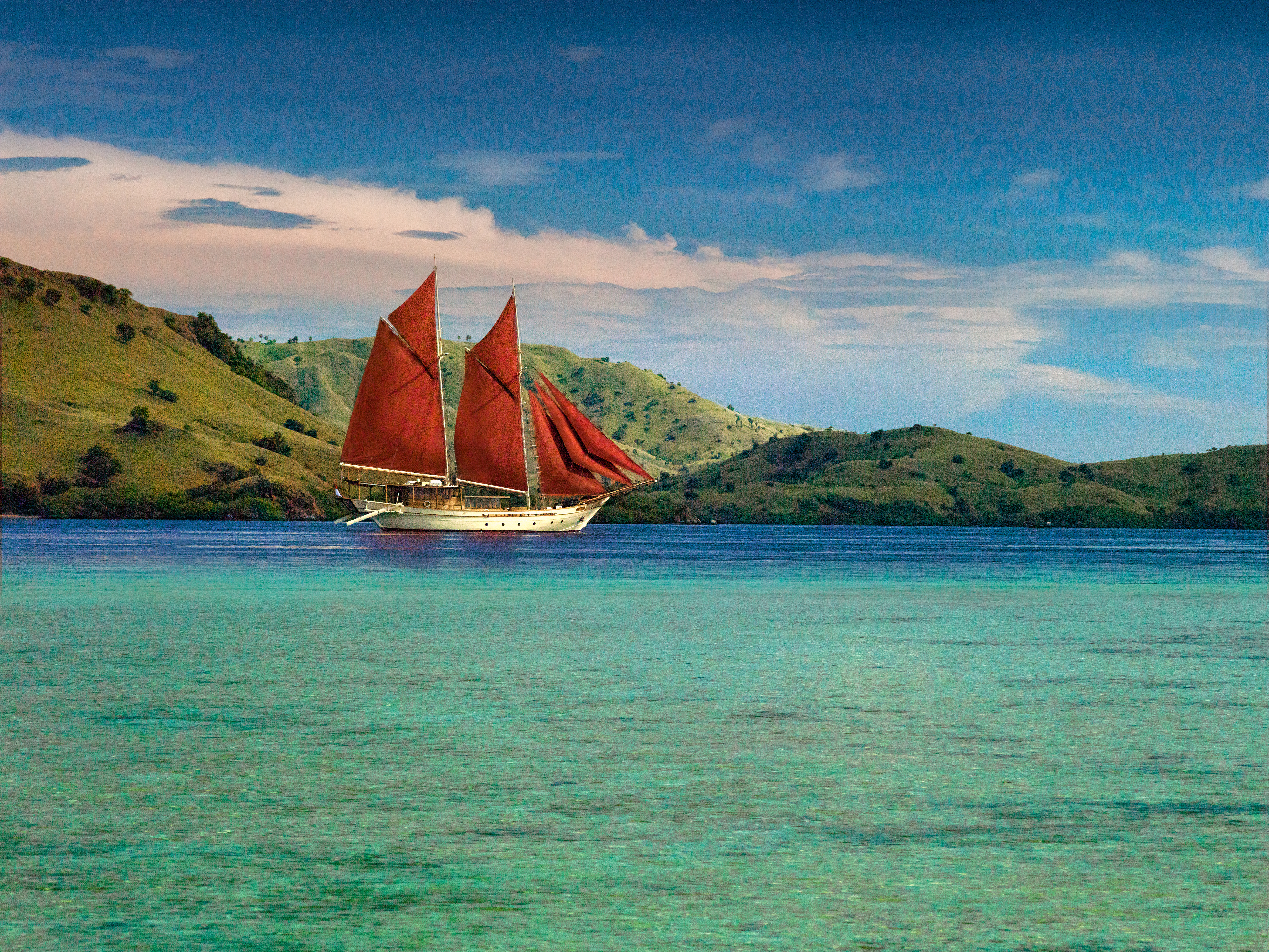
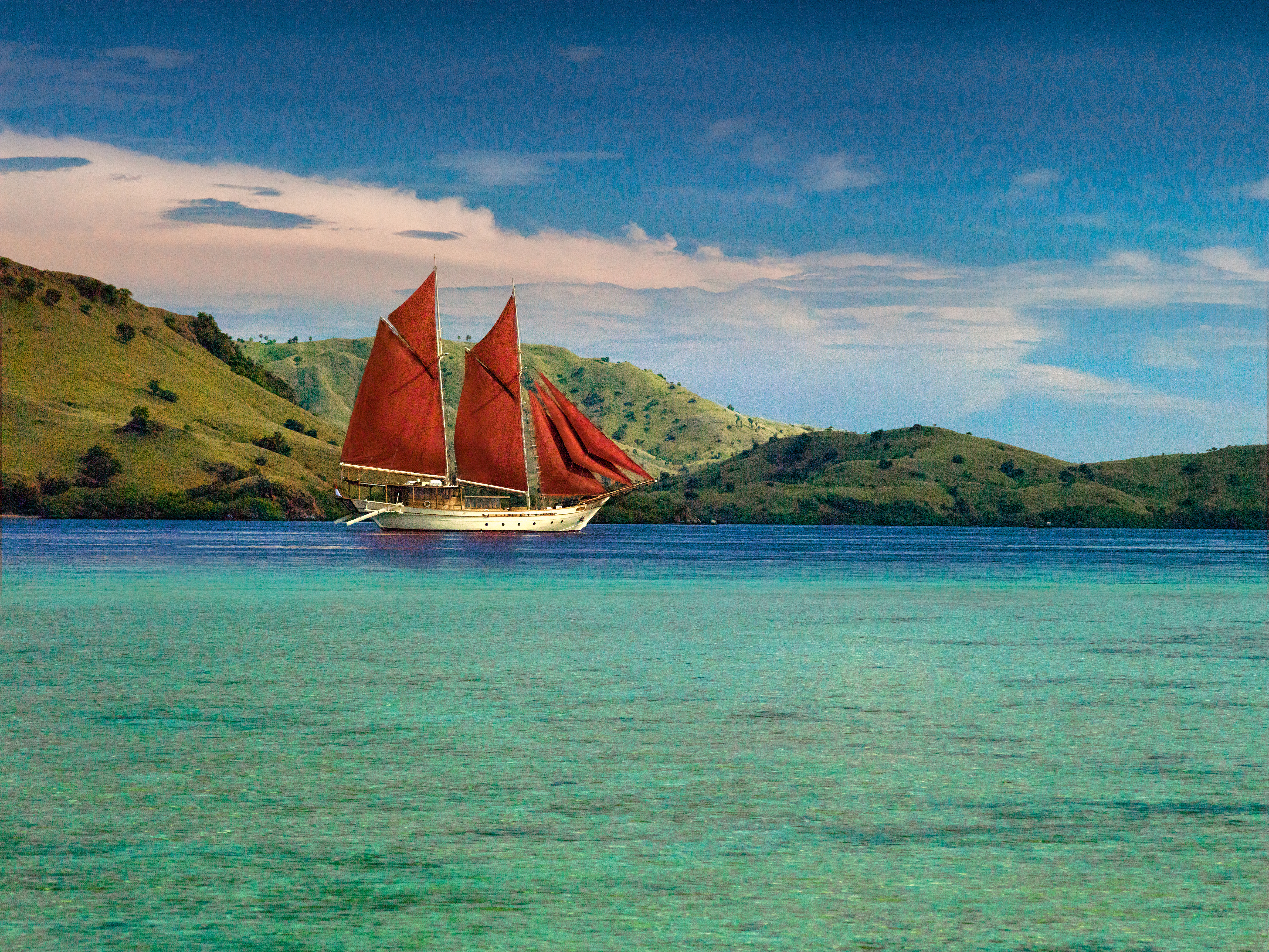
Along the southern coast of Sulawesi, where the sea dictates the rhythm of daily life, the Phinisi is not a relic—it is a living language. To understand traditional boat builders Indonesia still relies on today, you must look beyond the silhouette of the sails and toward the hands that shape them. Here, among the Konjo shipwrights, craftsmanship is inherited, not taught; absorbed, not explained. This is not a story about boats alone. It is about people who continue to build meaning into wood, ritual, and memory—one vessel at a time.
Where Phinisi Are Born: Ara and Tanah Beru
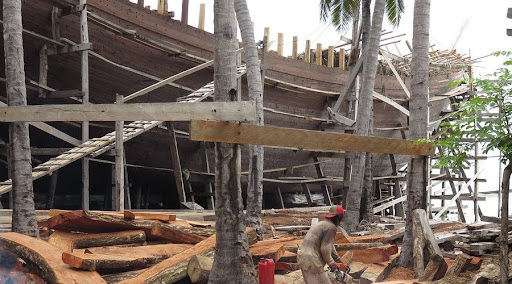
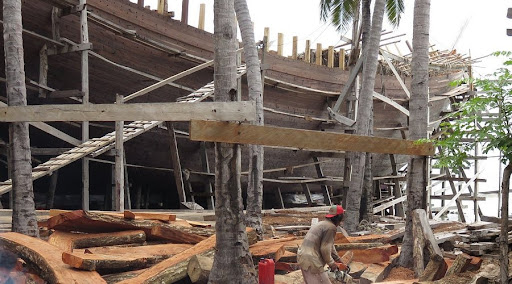
If you ask, Where are Phinisi built? the answer is precise and deeply human. In Ara and Tanah Beru, boatyards open directly onto the beach. There are no factory walls, no blueprints pinned to boards. Instead, hulls rise gradually from the sand, guided by memory, proportion, and the sea itself. These villages are among the last places on earth where ocean-going wooden vessels are built entirely by hand—without formal drawings—using techniques refined over centuries. Academic studies on maritime heritage identify Bulukumba as a rare example of a continuous, community-based boatbuilding ecosystem rather than a preserved museum practice (UNESCO-linked maritime heritage research; see McGrail, International Journal of Nautical Archaeology).
Apprenticeship Without Paper, Mastery Without Titles
So, who builds traditional boats in Indonesia today? Not engineers. Not designers in offices. The Phinisi is shaped by Konjo shipwrights whose education begins in childhood. Apprenticeship here is informal but uncompromising. Boys grow up carrying tools, watching silently, learning to read curves and tension long before they are trusted with a blade. There are no certificates of mastery. Skill is recognized by the community—and by the sea. Research into craft transmission confirms that oral and observational learning systems like this produce an unusually high continuity of technique, precisely because knowledge is embedded in daily life (Marchand, Journal of the Royal Anthropological Institute, 2008). To become a master builder is not to finish training. It is to become a custodian.
Rituals That Anchor Craft to Belief
Before the first plank is laid, rituals are performed. Dates are chosen carefully. Offerings are made. Prayers acknowledge both ancestors and the unpredictable sea. These rituals are not symbolic gestures for visitors. They are integral to the process—acts of respect that align human intention with natural forces. Anthropological studies on Austronesian maritime cultures show that such rituals function as ethical frameworks, reinforcing responsibility toward both vessel and voyage (Fox, Bijdragen tot de Taal-, Land- en Volkenkunde, 1997). Ask, Is Phinisi still handmade? The answer lives here: yes—and made with belief.
Generational Mastery in a Modern World
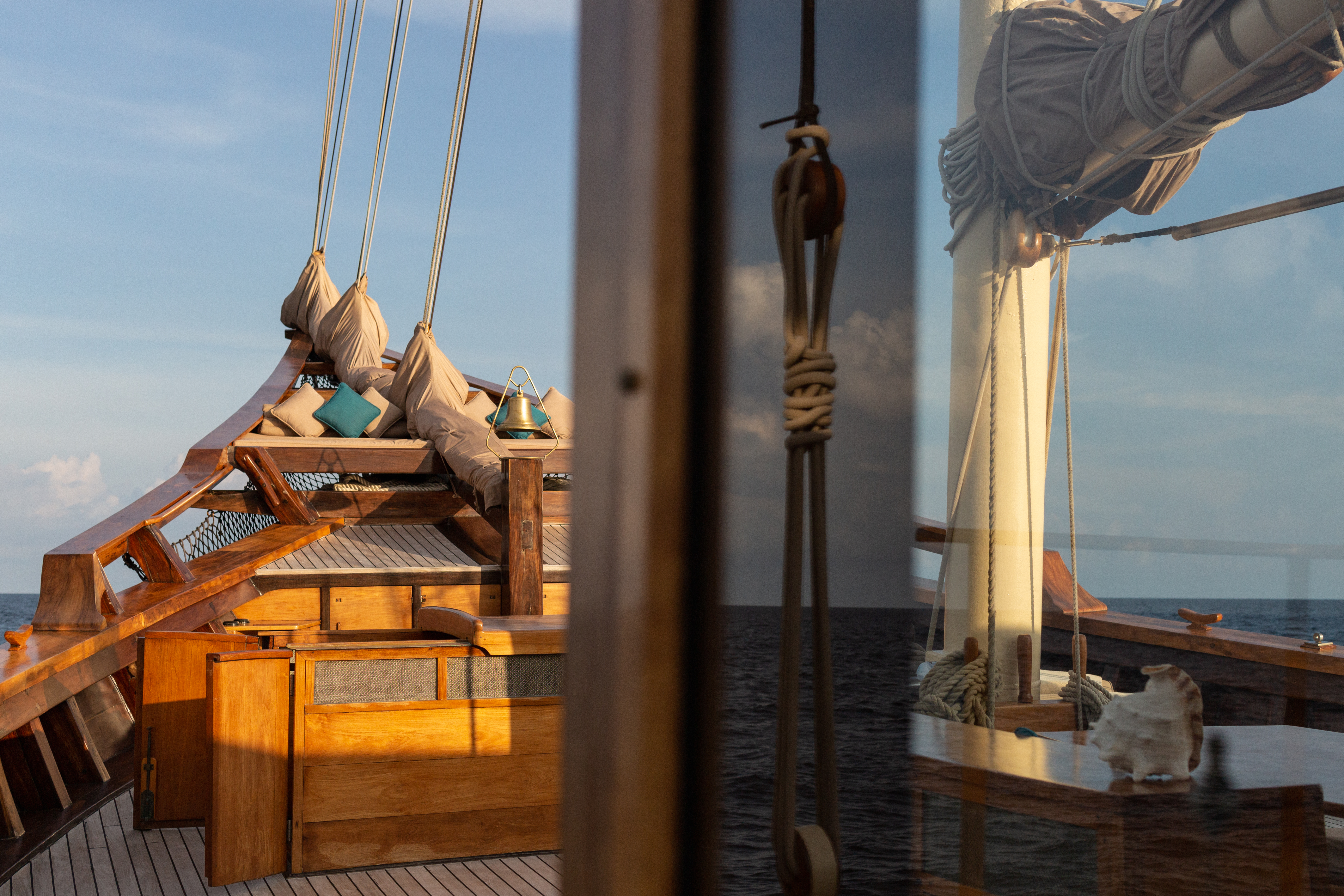
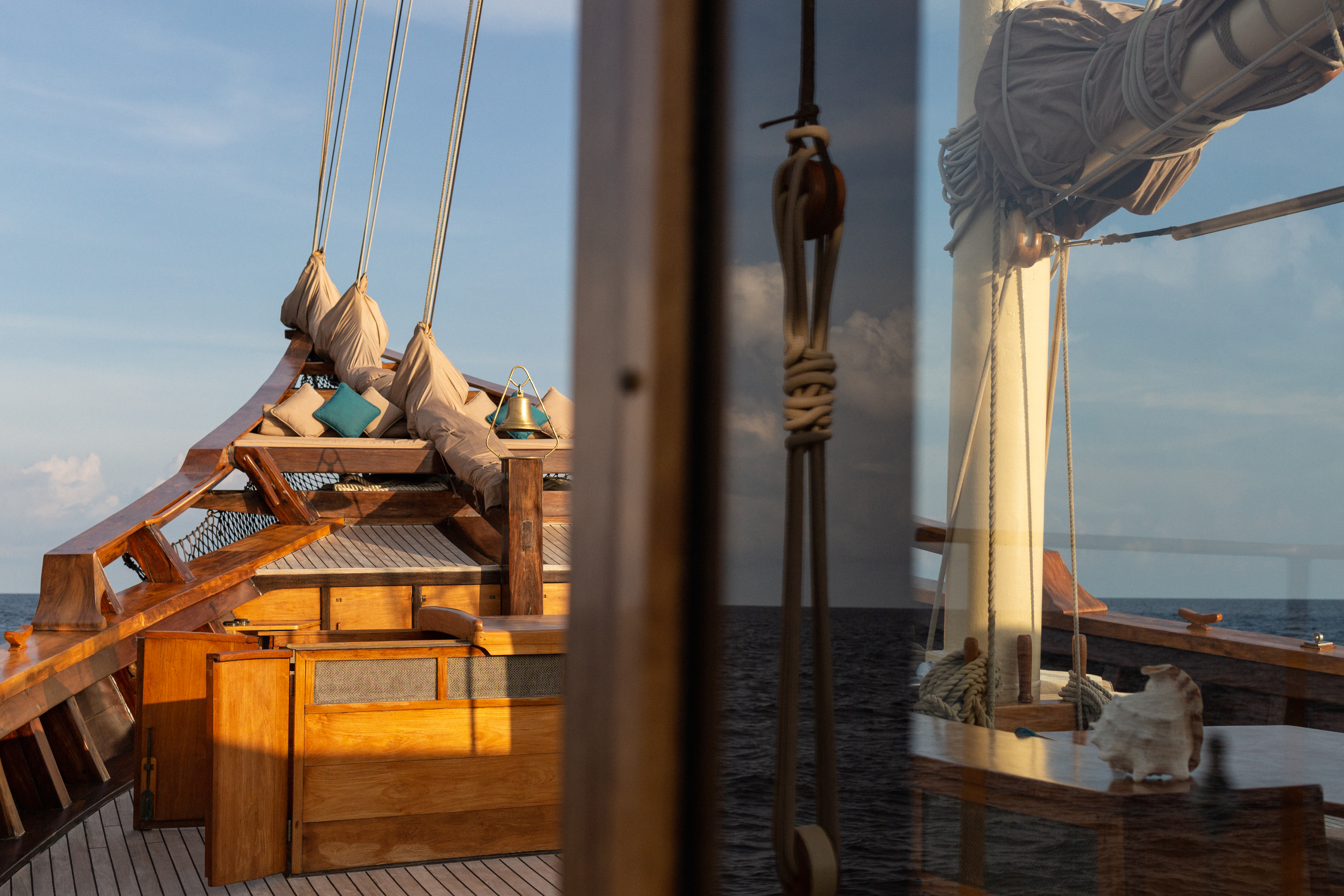
What makes these communities exceptional is not resistance to change, but discernment. While materials and tools may evolve, the logic of construction remains rooted in experience. Measurements are judged by eye. Balance is felt through the feet. Each generation adapts without abandoning the principles that give the Phinisi its seaworthiness and soul. Maritime design research emphasizes that such tacit knowledge—often invisible to outsiders—is critical to the resilience of traditional vessels in modern waters (Guzmán et al., Ocean & Coastal Management, 2019). This is where many narratives stop at the object. Silolona chooses to begin with the people.
Why the People Matter More Than the Boat
Many stories celebrate the Phinisi as an icon. Few ask who keeps it alive. By elevating craftsmen as cultural guardians—not background figures—Silolona recognizes that heritage survives only when human dignity is centered. The shipwrights of Ara and Tanah Beru are not service providers; they are authors of Indonesia’s maritime identity. Understanding this changes how you see the vessel beneath your feet. It is no longer transport. It is inheritance.
Experience the Living Heritage with Silolona Sojourns
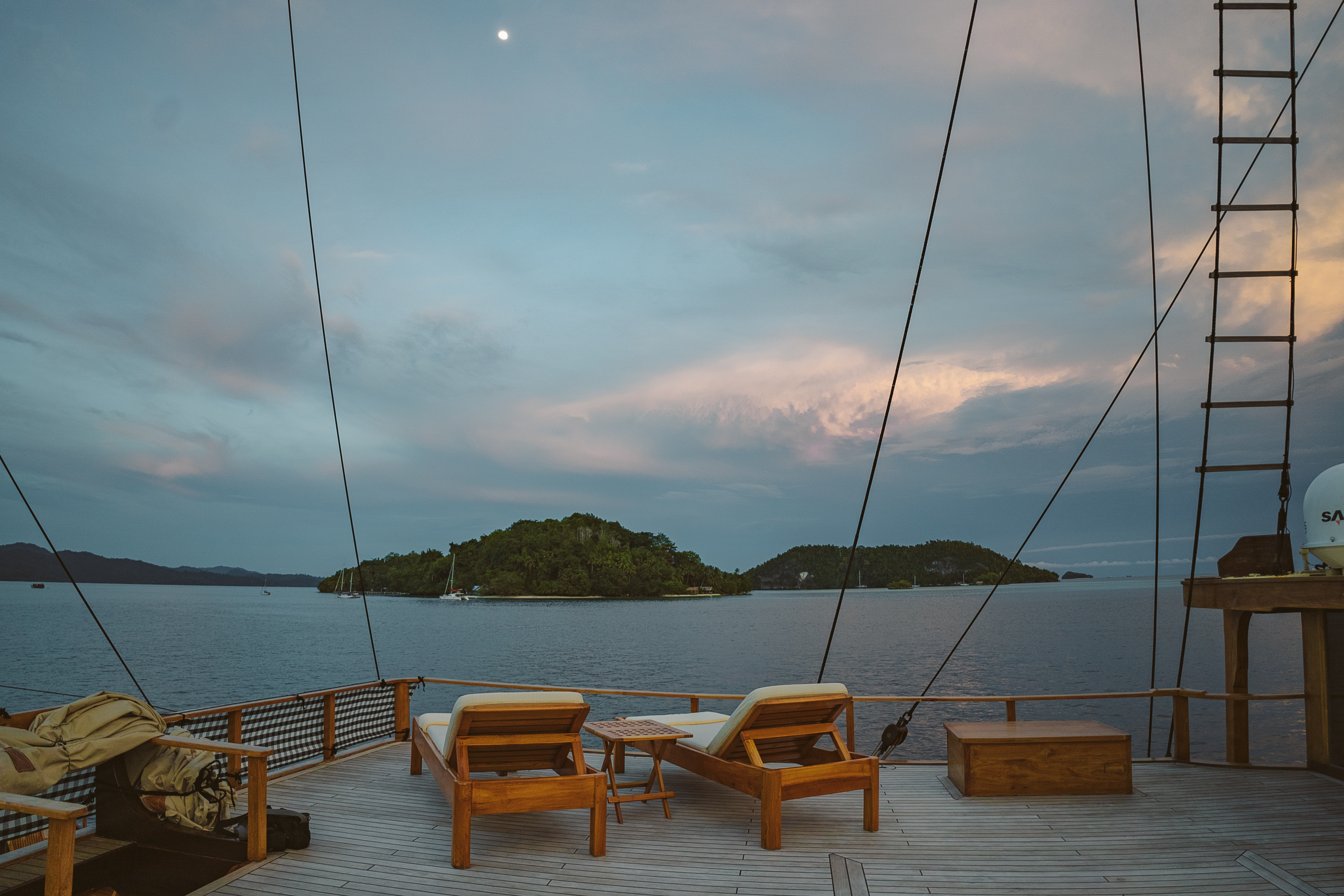
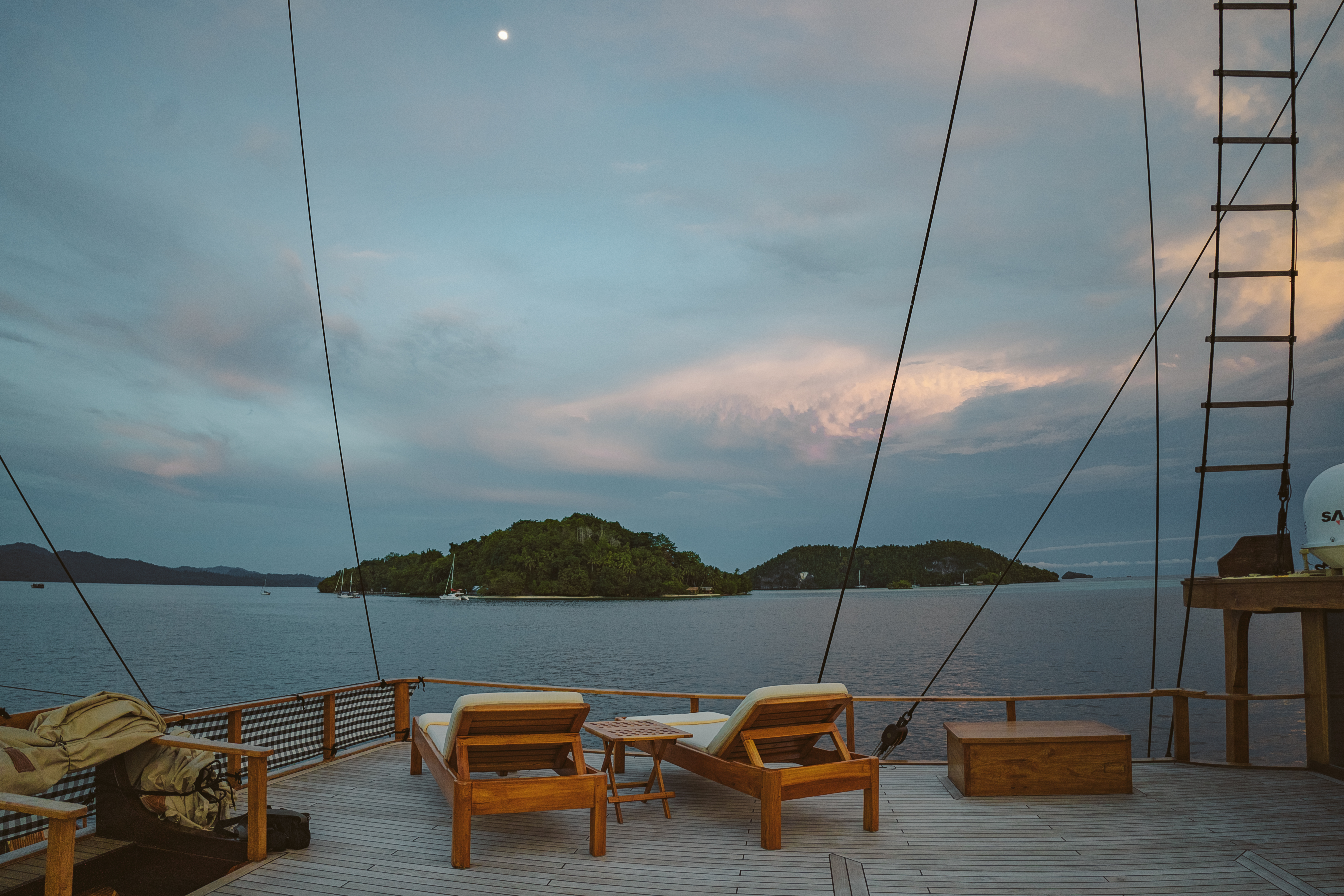
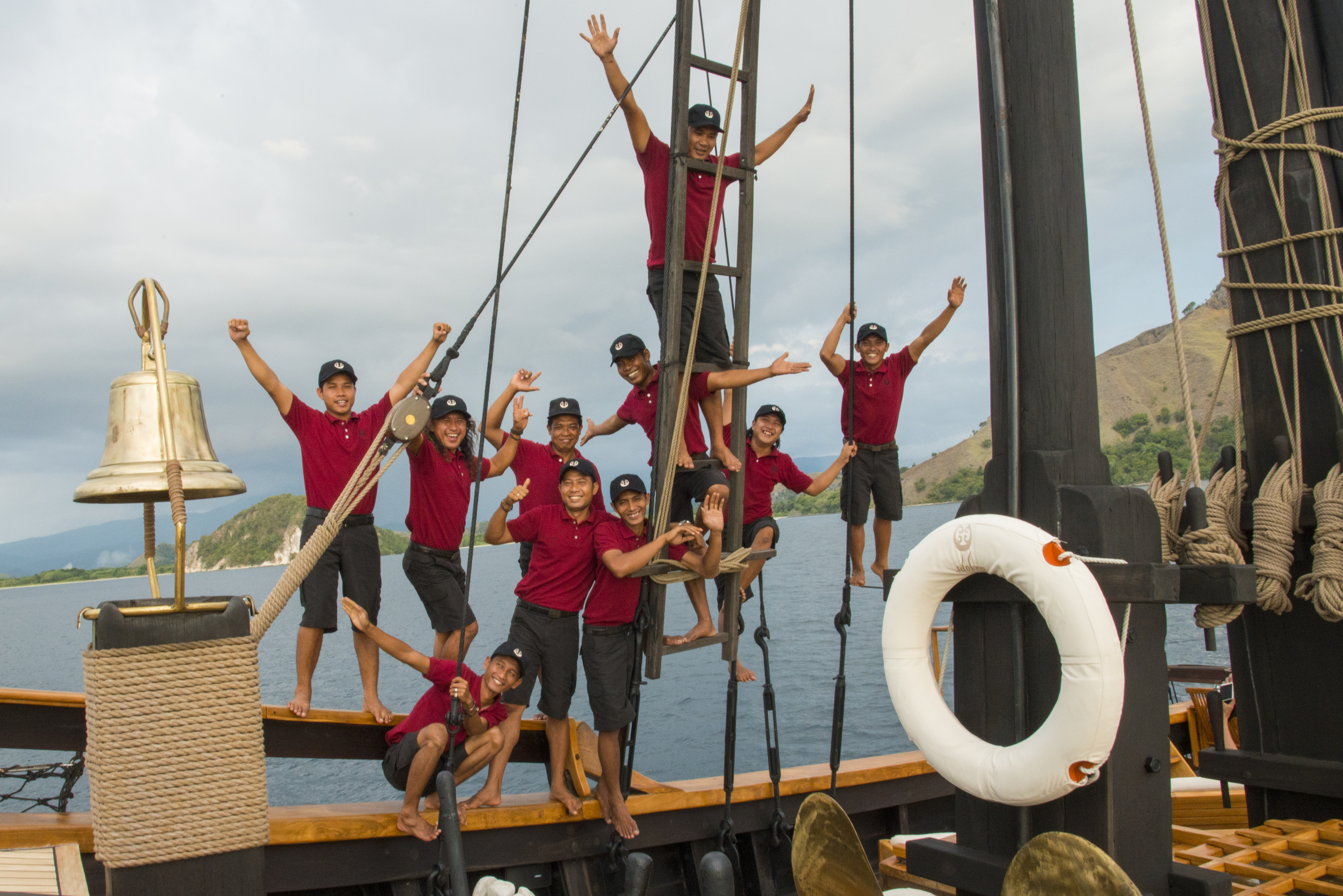
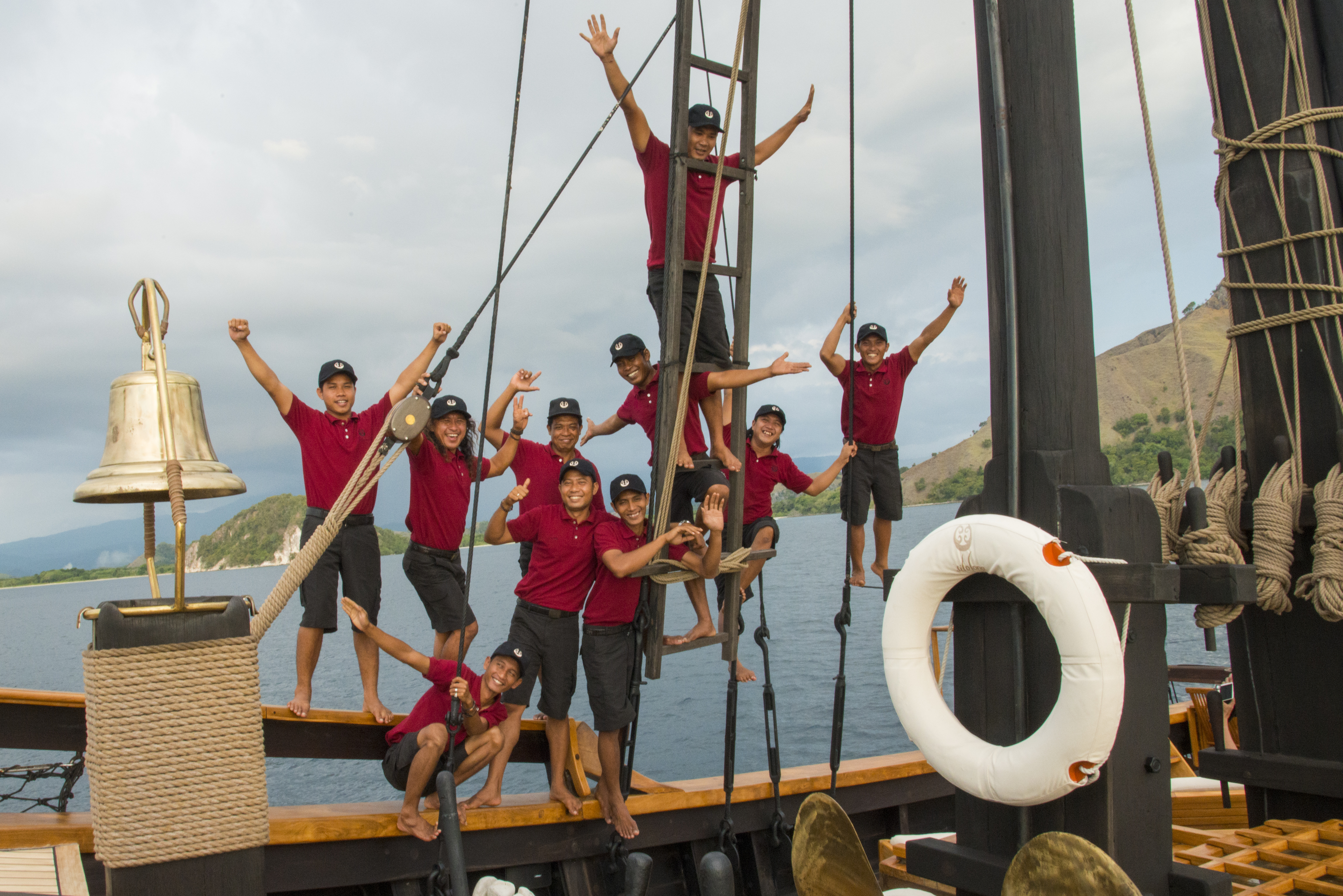
When you sail with Silolona, you are not simply moving through Indonesia—you are moving through its living traditions. Every voyage carries the imprint of the hands that built the ship and the communities that shaped its story. If your curiosity goes beyond destinations—toward origins, people, and meaning—Silolona Sojourns invites you to experience the Phinisi not as an artifact, but as a living cultural legacy. Begin your journey where craftsmanship still breathes.