

The Science of Wonder: Marine Biology Aboard a Private Expedition Yacht
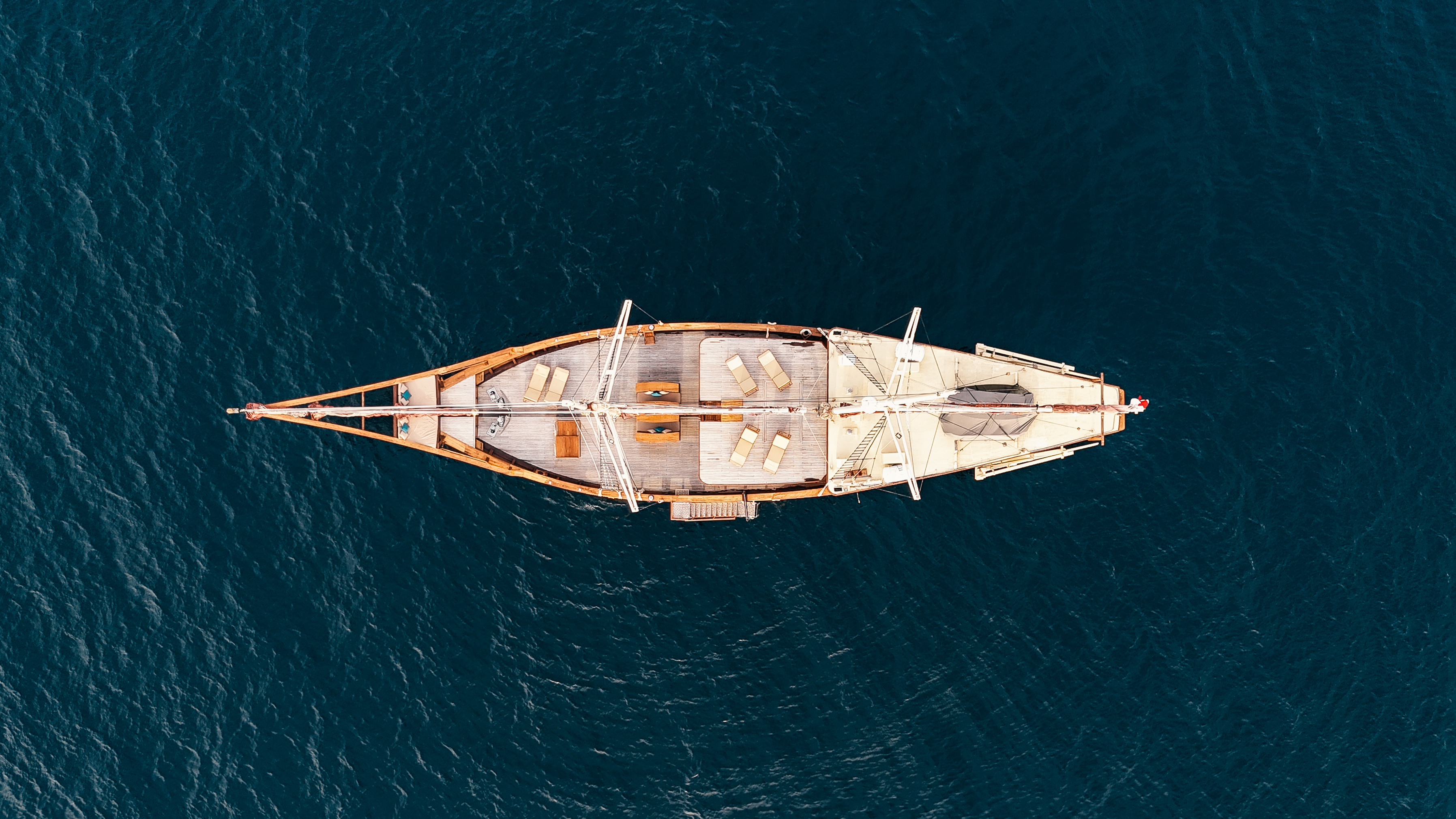
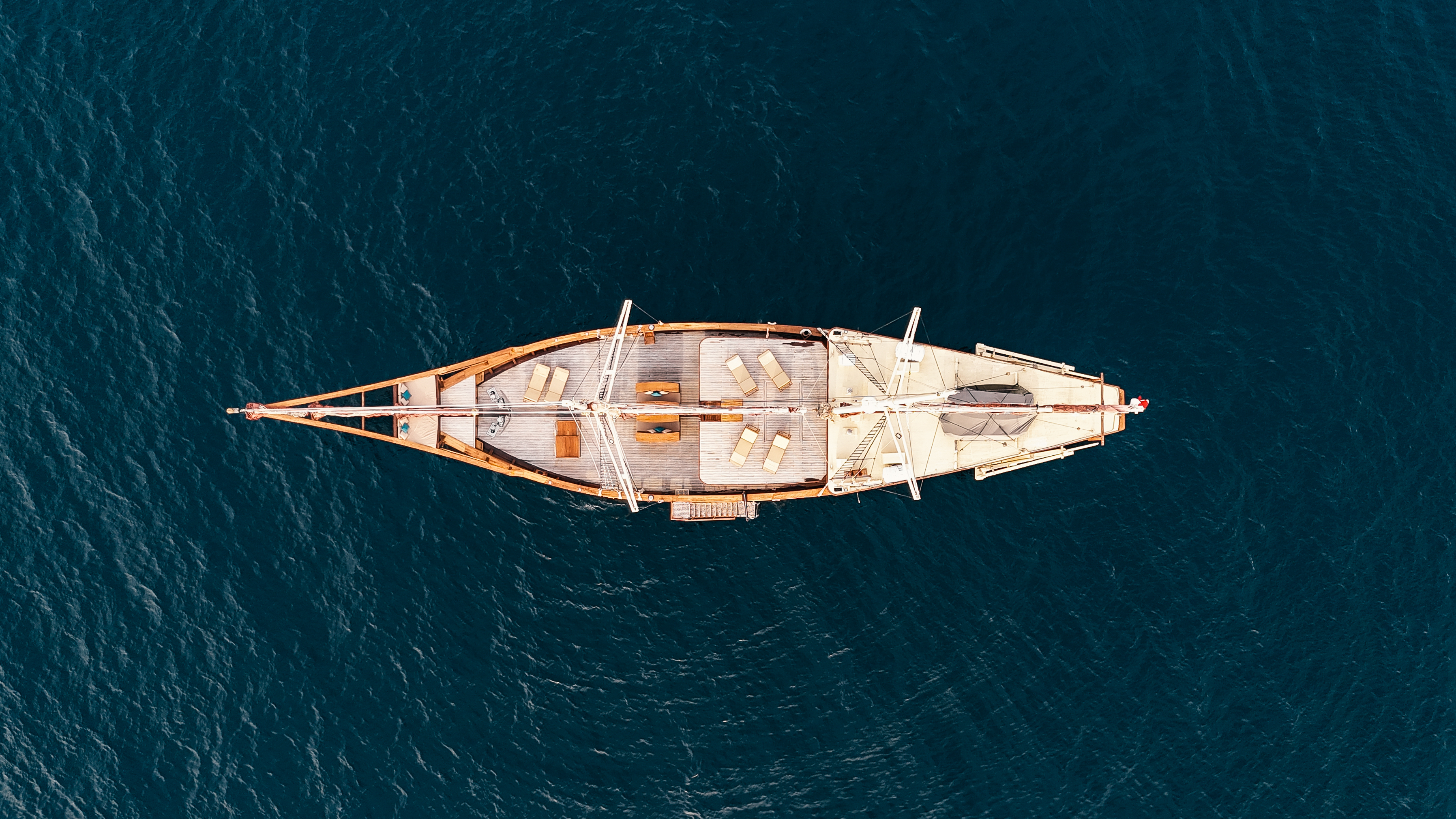
Before the first dive in Raja Ampat, Goris gathers everyone on the aft deck and draws the site on a whiteboard: the current line, where it bends around the point, the depth where the soft corals give way to the wall, and the two or three things worth slowing down for. He came up through this reef system, dives it constantly, and was part of the team that built the boat you are standing on. By the time you drop in, you are not tourists floating over a pretty reef. You know what you are looking at, and that changes the entire dive. This is what a marine biology expedition yacht should feel like, and it is the difference between seeing the Coral Triangle and beginning to understand it.
An educational voyage through the Coral Triangle rewards the guest who arrives curious. The numbers alone are staggering: Raja Ampat's waters hold roughly 1,200 species of fish and 540 species of coral, more coral diversity than any comparable area on the planet. But a number is not knowledge. What turns that statistic into something you carry home is a crew who can point, name, and explain, and a week slow enough to let you actually learn.
Your dive guide is a working naturalist, not a tour escort
The PADI instructors aboard Silolona are dive professionals first, and reef readers second, and it is the second skill that matters most for the intellectually curious guest. Goris, from Flores, will surface from a dive and tell you not just that you saw a wobbegong, but where it was resting and why, what the cleaning station you hovered over actually does, and which of the fish behaving oddly were defending eggs. Adnan, another of the dive instructors, works the same way. The briefing before a dive and the debrief after it are where the real teaching happens, and on a private boat with up to ten guests, those conversations are unhurried and specific to what you personally noticed.
This is the quiet advantage of a small vessel over a crowded day boat. On a packed liveaboard, the guide manages twenty divers and has no time to answer your third question about symbiosis. Here, the ratio runs the other way. Seventeen crew serve up to ten guests, so when you surface wanting to know what that flatworm was, someone knowledgeable is standing right there with an answer and the time to give it.
What you can learn to identify changes with every anchorage
Part of the pleasure is that each region teaches a different curriculum, and a well-run week builds a mental field guide you did not have when you boarded.
In Raja Ampat, the lessons are about density and specialisation: pygmy seahorses smaller than your fingernail hosted on a single species of sea fan, tasselled wobbegongs lying flat as a carpet, schools of fusiliers moving as one body, and the reef manta rays that patrol the channels. In Komodo, the water runs cooler and richer where currents from two oceans meet, and the teaching turns to why the mantas gather at particular cleaning stations, how strong tides drive the feeding, and where the reef sharks hold in the blue. Sail the Banda Sea and the subject shifts again toward pelagics and the strange volcanic reefs that grow on old lava flows. You do not need to memorise any of it. You simply notice, by the end of the week, that you have started to read a reef the way the crew does, seeing structure and behaviour where you once saw only colour.
The learning does not stop when you climb out of the water
The best part for many guests happens at the table. Over dinner, the conversation circles back to what everyone saw, and Goris or Adnan will settle the small debates: yes, that was a mimic octopus; no, the second manta was a different individual, you can tell from the belly markings. Children take to this instantly. Give a curious eight-year-old a laminated fish card and a first real sighting to log, and you have created a naturalist for the afternoon, someone who spends the surface interval flipping pages to confirm what they saw rather than asking for a screen. Parents notice this. It is one of the few settings where a child's screen time simply evaporates, replaced by the far older pleasure of naming wild things.
There is a reef-health dimension to these briefings too, delivered without a lecture. Understanding why you do not touch coral, why a healthy reef is loud with fish and a struggling one goes quiet, why the crew anchors on sand and never on the reef itself, all of it comes up naturally in the course of learning what you are looking at. Knowledge and care turn out to be the same lesson taught from two sides.
Understanding the reef is also the honest case for protecting it
Here it is worth being straightforward rather than making claims the boat cannot substantiate. Silolona's contribution to the Coral Triangle is not a marketing programme with a logo; it is quieter and more practical. The crew fish and dive these waters responsibly, anchor to avoid damaging coral, and, on remote routes where no waste facilities exist, carry rubbish back to port rather than leaving it behind, which is the unglamorous reality of travelling cleanly in places with no infrastructure. If you want to support reef science directly, the crew can speak to which regional conservation and research efforts are active where you are sailing, so any contribution you choose to make is informed rather than gestural.
That restraint is itself the point. The reason the reefs of the Coral Triangle still hold their extraordinary diversity is that some of them remain hard to reach and lightly visited, and a private boat that moves slowly and takes its rubbish home is, in practice, a low-impact way to witness them.The science you learn on the mat of the reef is the same science that argues for leaving it as you found it.
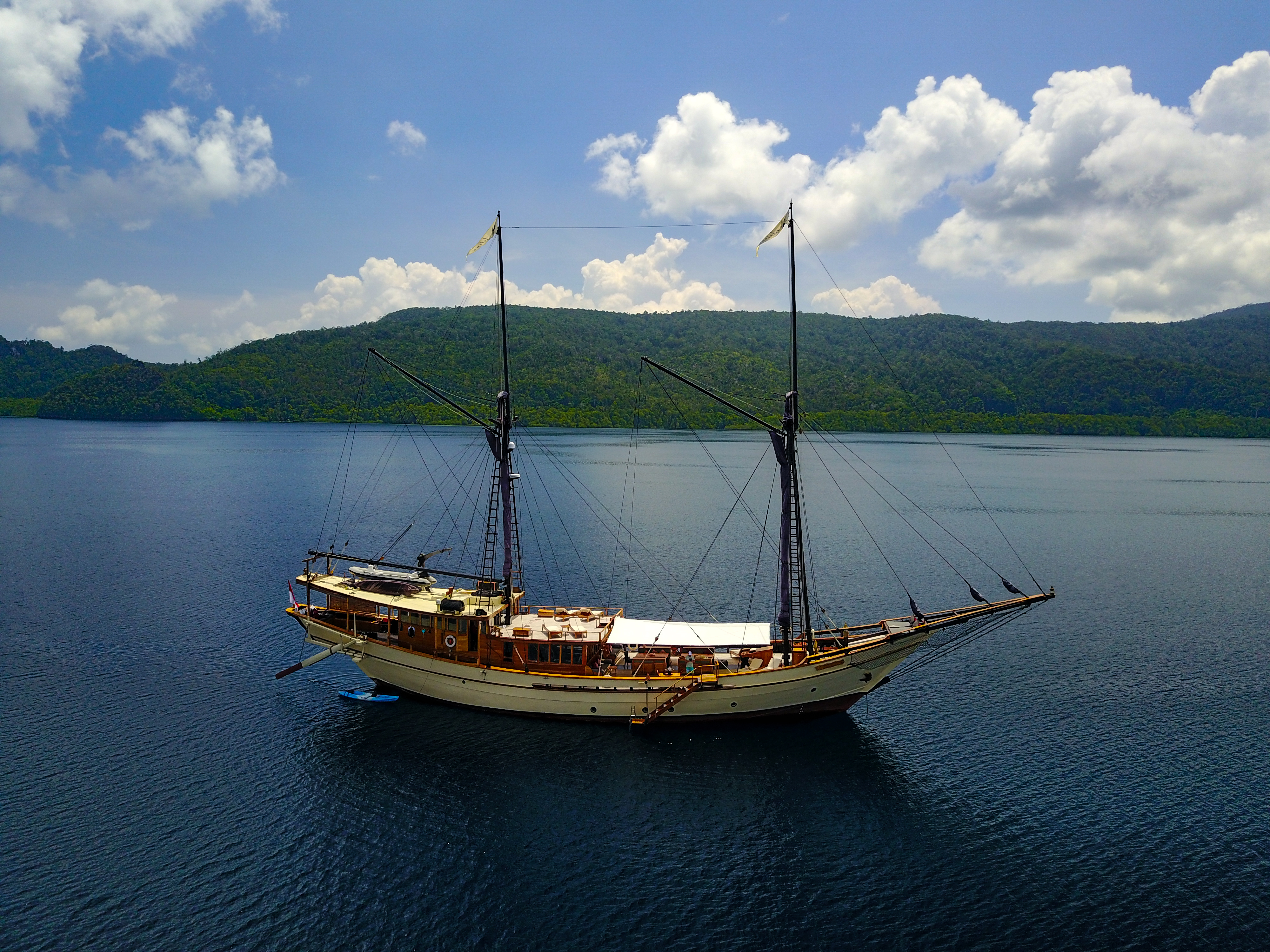
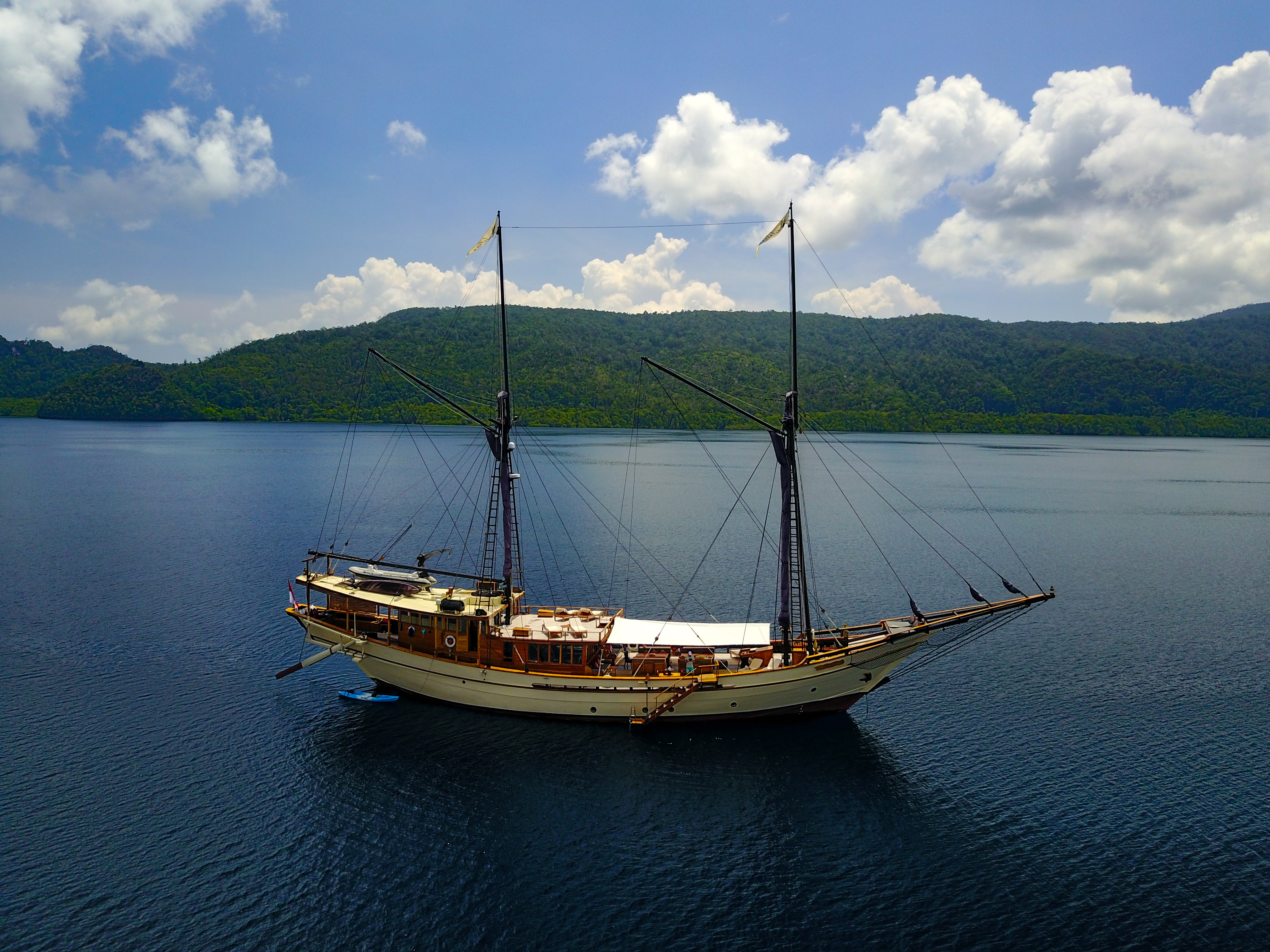
With Silolona Sojourns, a week at sea becomes something closer to a floating field course for the naturally curious, taught by people who have spent their lives reading these waters. Whether you sail Komodo between May and September, or head east to Raja Ampat and the historic Banda islands from October to April, the reefs are among the richest on Earth and the crew are ready to help you understand them. To sail aboard Silolona and Si Datu Bua, or to plan a private journey shaped around diving, marine life, and the pleasure of understanding what you see, you are warmly invited to enquire.
References
Veron JEN, Devantier LM, Turak E, et al. Delineating the Coral Triangle. Galaxea J Coral Reef Stud. 2009;11(2):91-100. doi:10.3755/galaxea.11.91
Burke L, Reytar K, Spalding M, Perry A. Reefs at risk revisited in the Coral Triangle. Washington (DC): World Resources Institute; 2012. Available from: https://www.wri.org/research/reefs-risk-revisited-coral-triangle
UNESCO. Pinisi, art of boatbuilding in South Sulawesi. Representative List of the Intangible Cultural Heritage of Humanity; 2017. Available from: https://ich.unesco.org/en/RL/pinisi-art-of-boatbuilding-in-south-sulawesi-01197