

What Defines a True Luxury Yacht Charter in Indonesia? Inside the Silolona Experience
Not every private yacht is a luxury yacht. The difference lives in what happens between the anchorages.
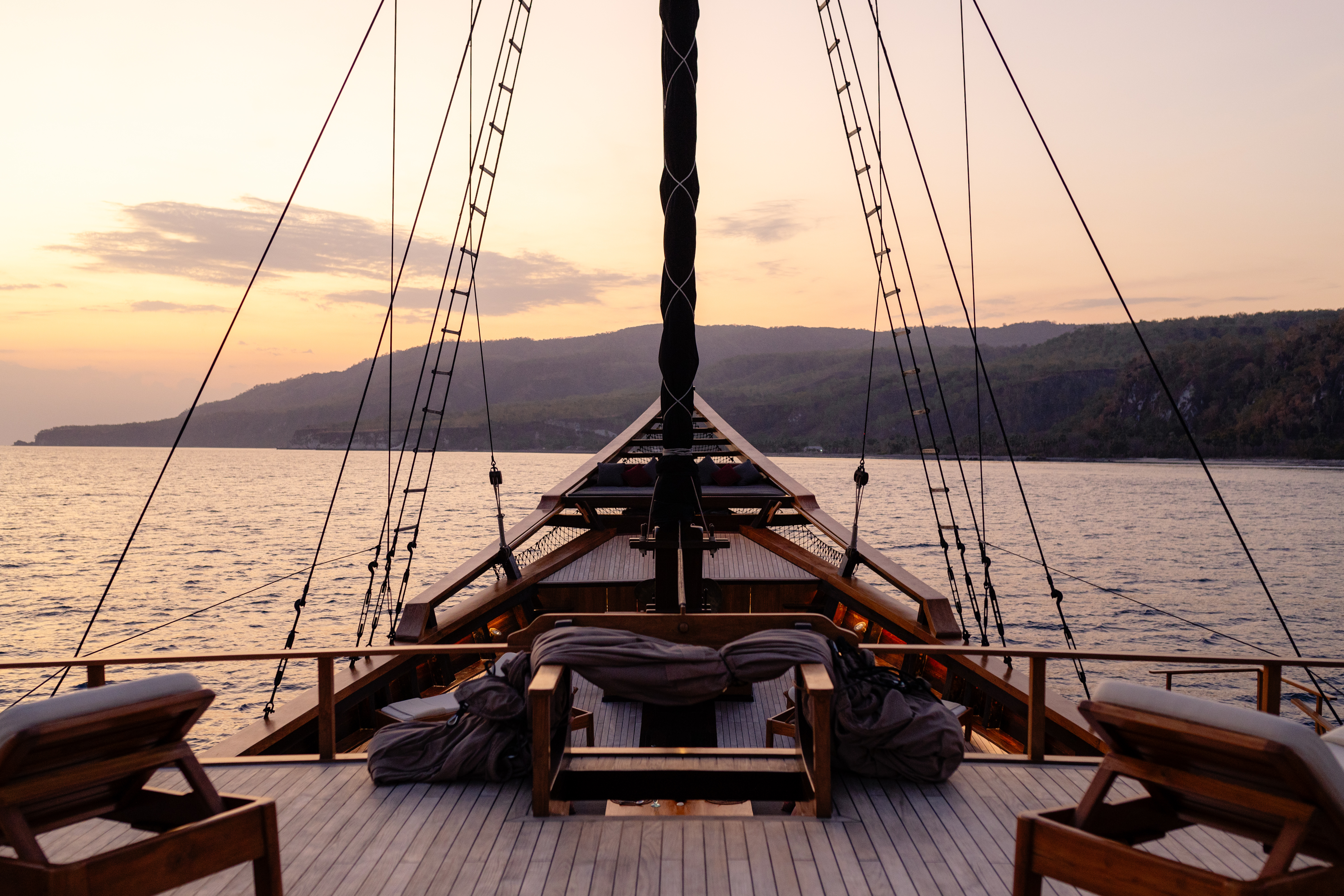
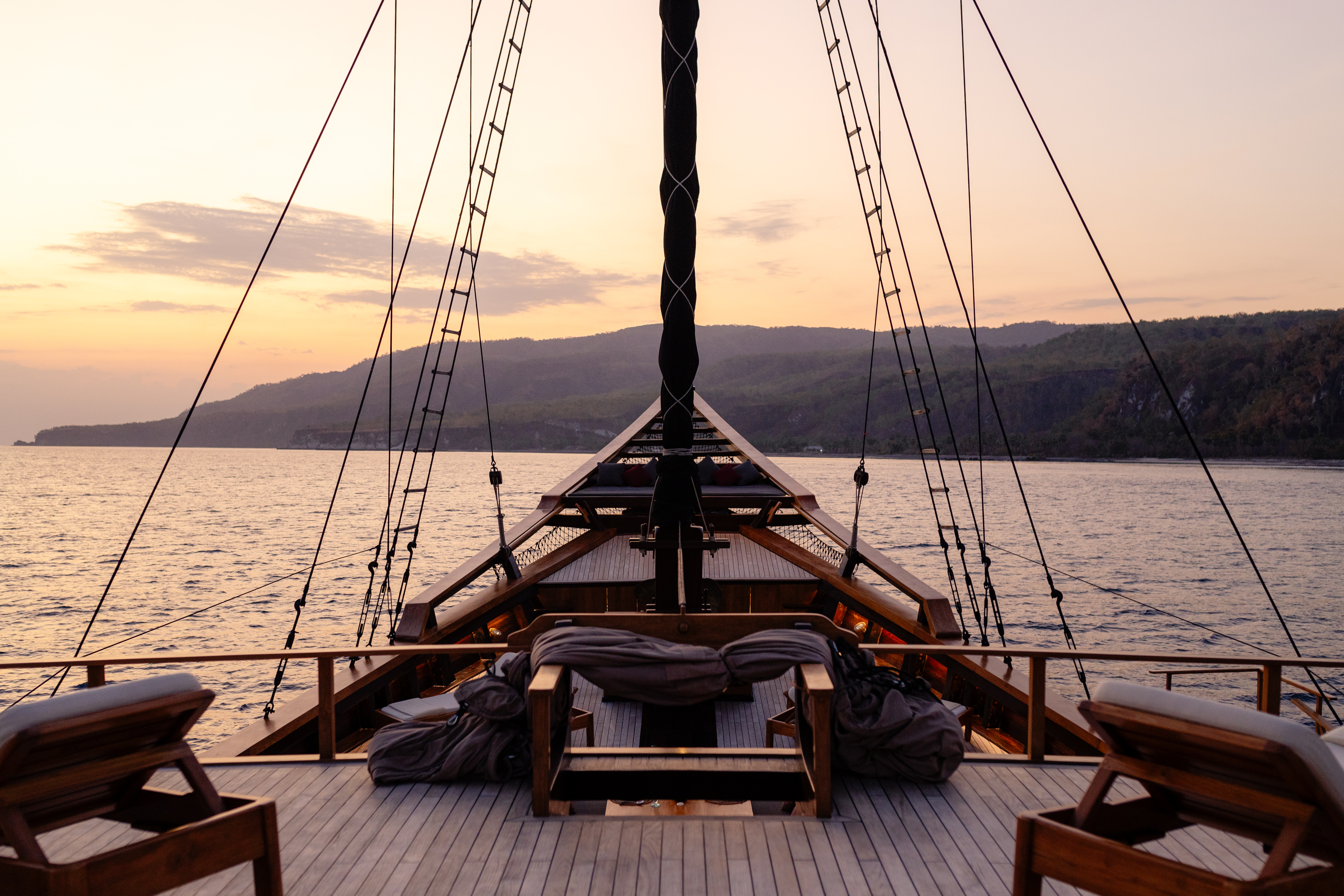
The light changes first. That specific late-afternoon gold that only happens this close to the equator, when the sun drops toward a horizon made entirely of open ocean and the teak deck beneath your feet holds the warmth of the whole day. Your glass is cold. The nearest other human being is a deckhand at the bow, quietly coiling a line. The nearest other vessel is somewhere beyond the headland, irrelevant. For the first time in months, possibly longer, you have nothing to attend to except this.
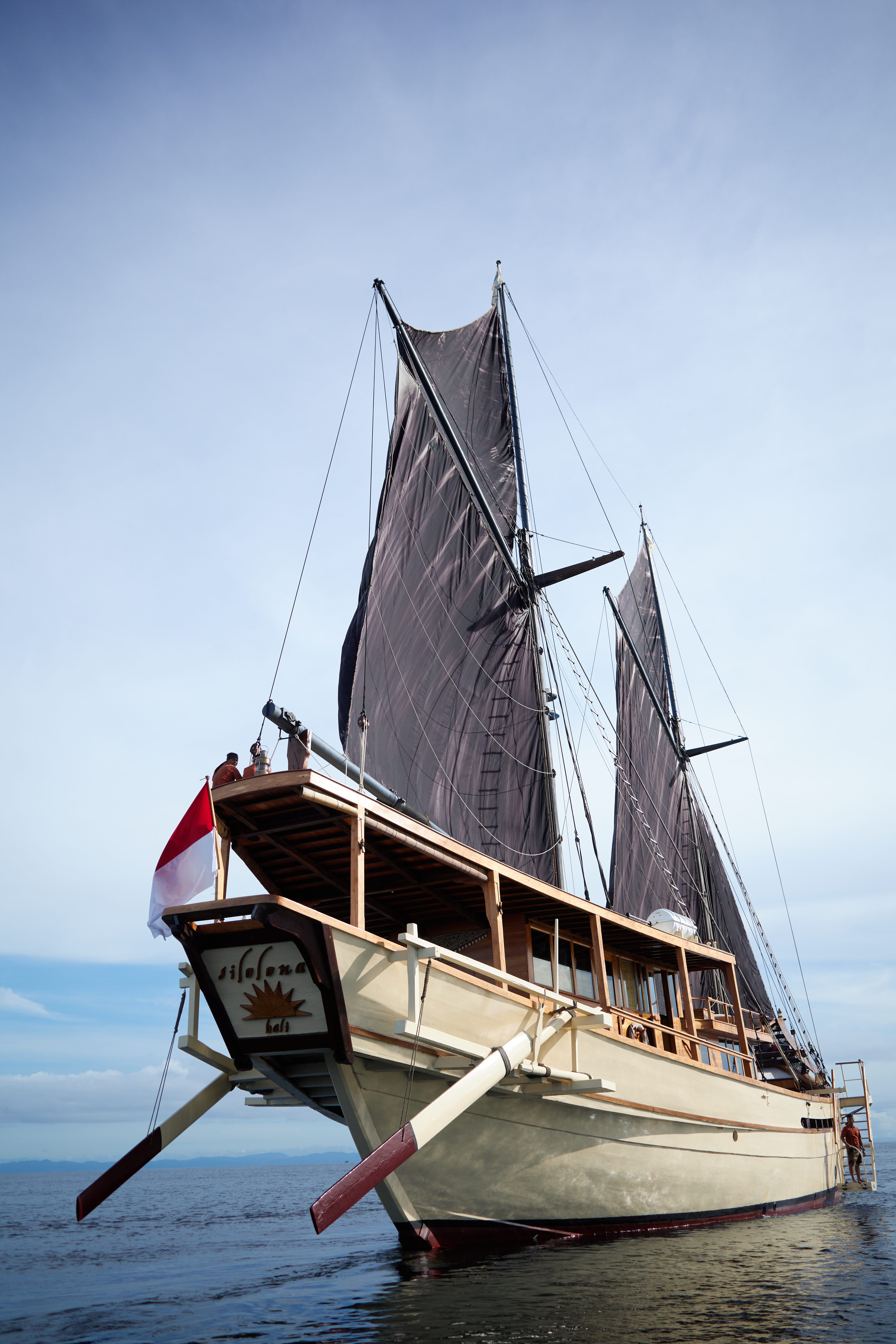
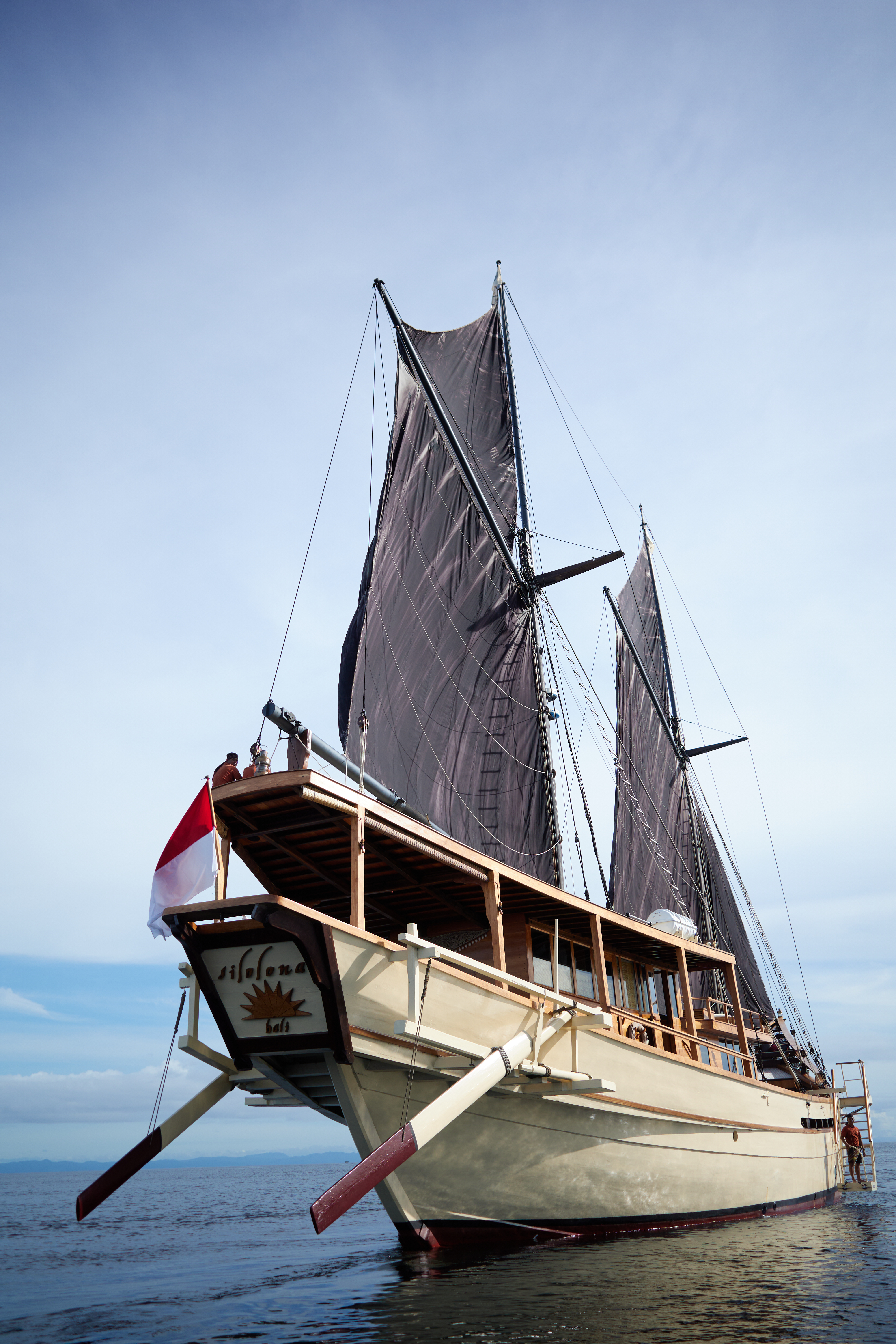
This is not a coincidence. It is an outcome. Carefully engineered by the choice of vessel, the depth of crew knowledge, the intelligence of the itinerary, and the particular philosophy of travel that Silolona Sojourns has been refining in Indonesian waters for more than two decades. What you are experiencing is what a true luxury yacht charter in Indonesia actually feels like when it is working at its highest level. The question worth asking is: what exactly makes it work?
Luxury Is an Architecture, Not an Amenity
The instinct when evaluating any high-end travel experience is to catalogue features: thread count, wine list, square footage of the master suite. These things matter, but they are the vocabulary of luxury, not its grammar. A superyacht with eight staterooms and a rooftop pool is impressive. It is not necessarily a luxury experience in any meaningful sense.
True luxury, at its most precise, is the elimination of friction between desire and experience. It is the condition in which you do not have to negotiate with your environment to get what you came for. You do not share the view. You do not wait. You do not adjust your expectations because the itinerary is fixed or the boat cannot enter the bay you want to anchor in. Luxury is not what is layered on top of the journey. It is the foundational design of the journey itself.
In Indonesia, this definition has specific implications. The archipelago spans nearly 5,200 kilometres of ocean, contains over 17,000 islands, and holds some of the most biodiverse marine environments on the planet. Navigating it at depth, rather than at surface, requires a vessel built not for volume but for access. Not for visibility but for intimacy. The architecture of a true luxury yacht charter here is designed around the landscape, not despite it.
Luxury is not what is layered on top of the journey. It is the foundational design of the journey itself.


Why Scale Is the First Strategic Decision
There are large-format expedition vessels operating in Indonesian waters that carry between 50 and 200 guests. They are well-crewed, professionally run, and they reach extraordinary destinations. They also, by their nature, arrive at those destinations as an event. The anchorage changes when a vessel of that size drops anchor. Other boats move. Wildlife adjusts. The site becomes, for the duration of the visit, a managed experience rather than a genuine encounter.
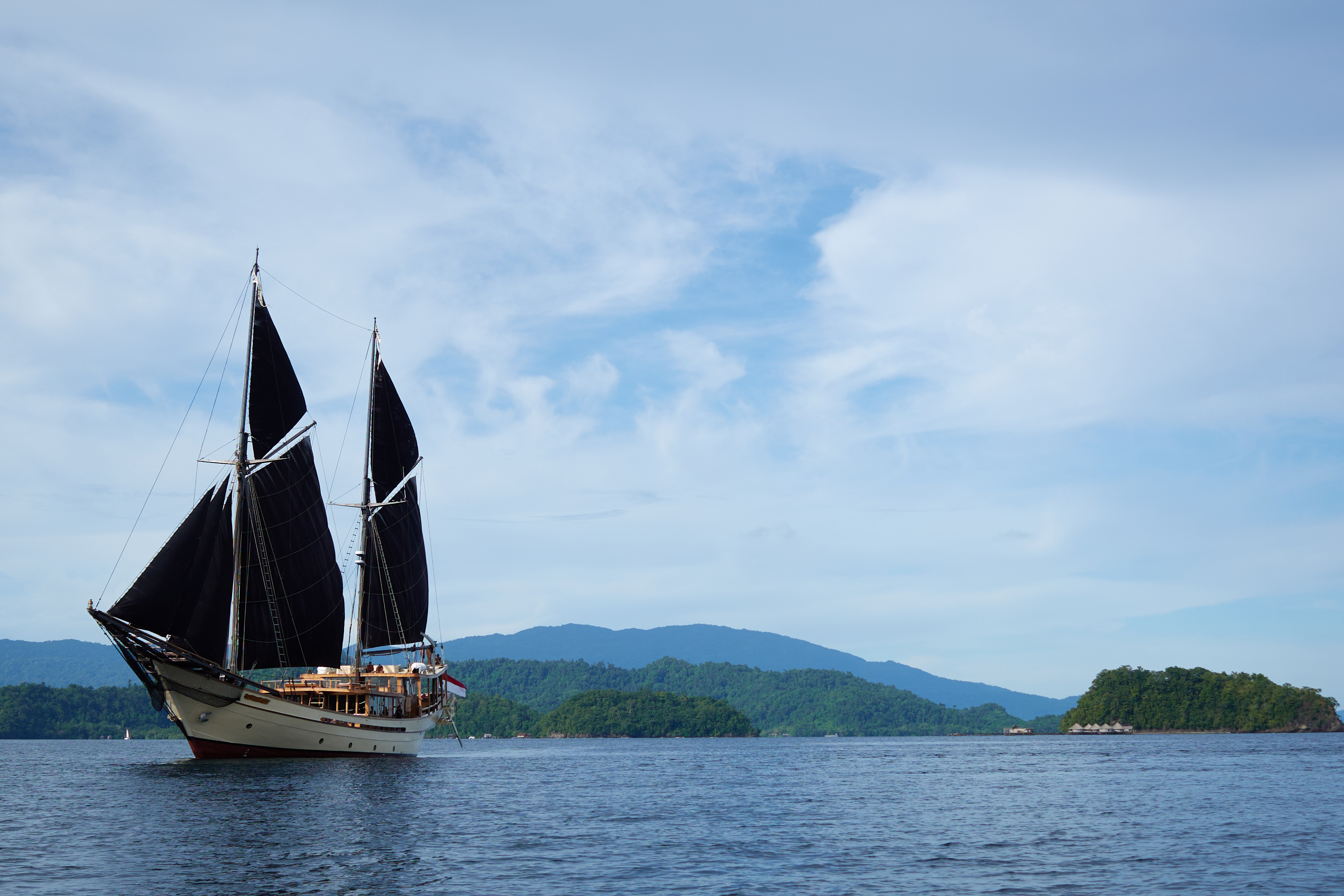
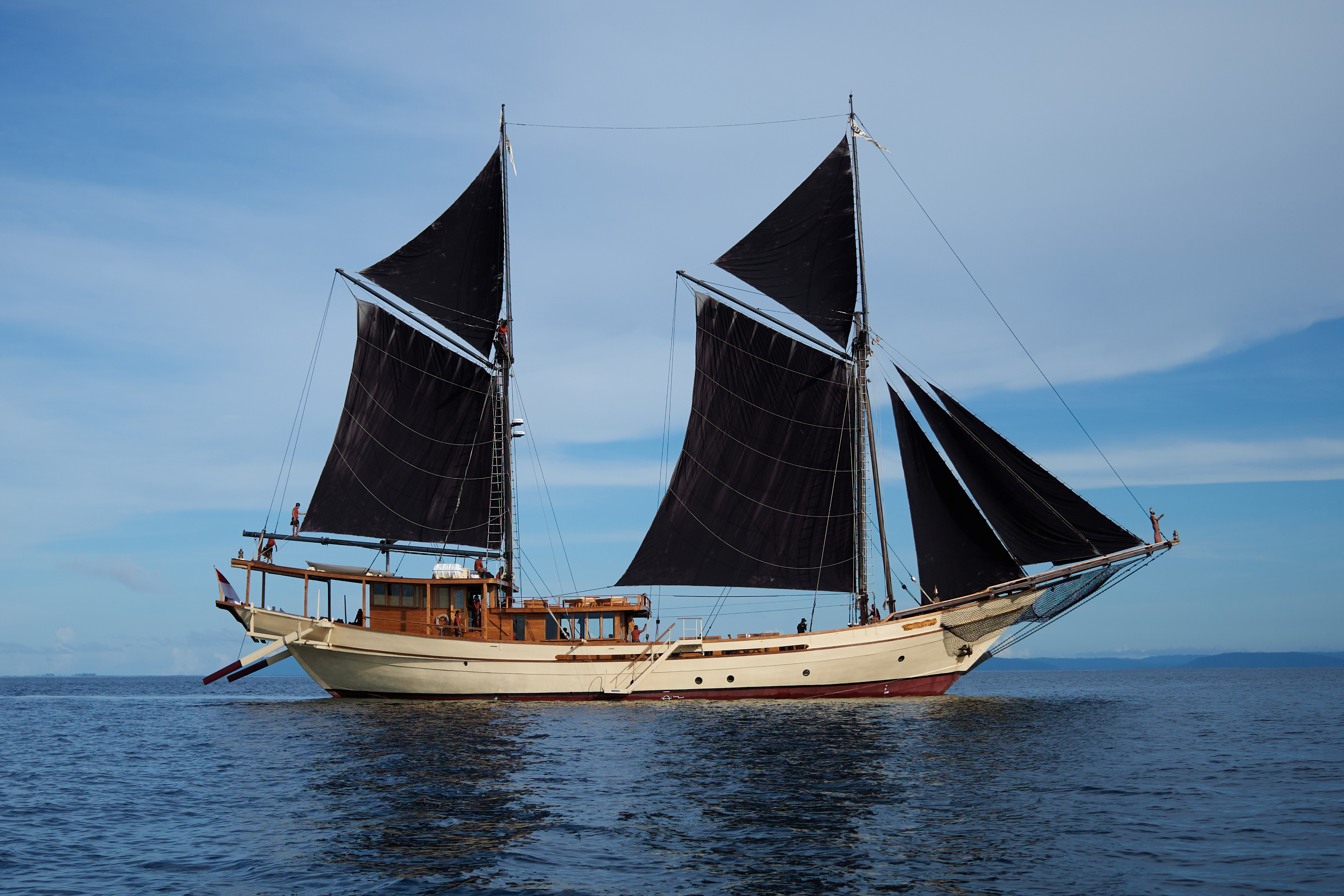
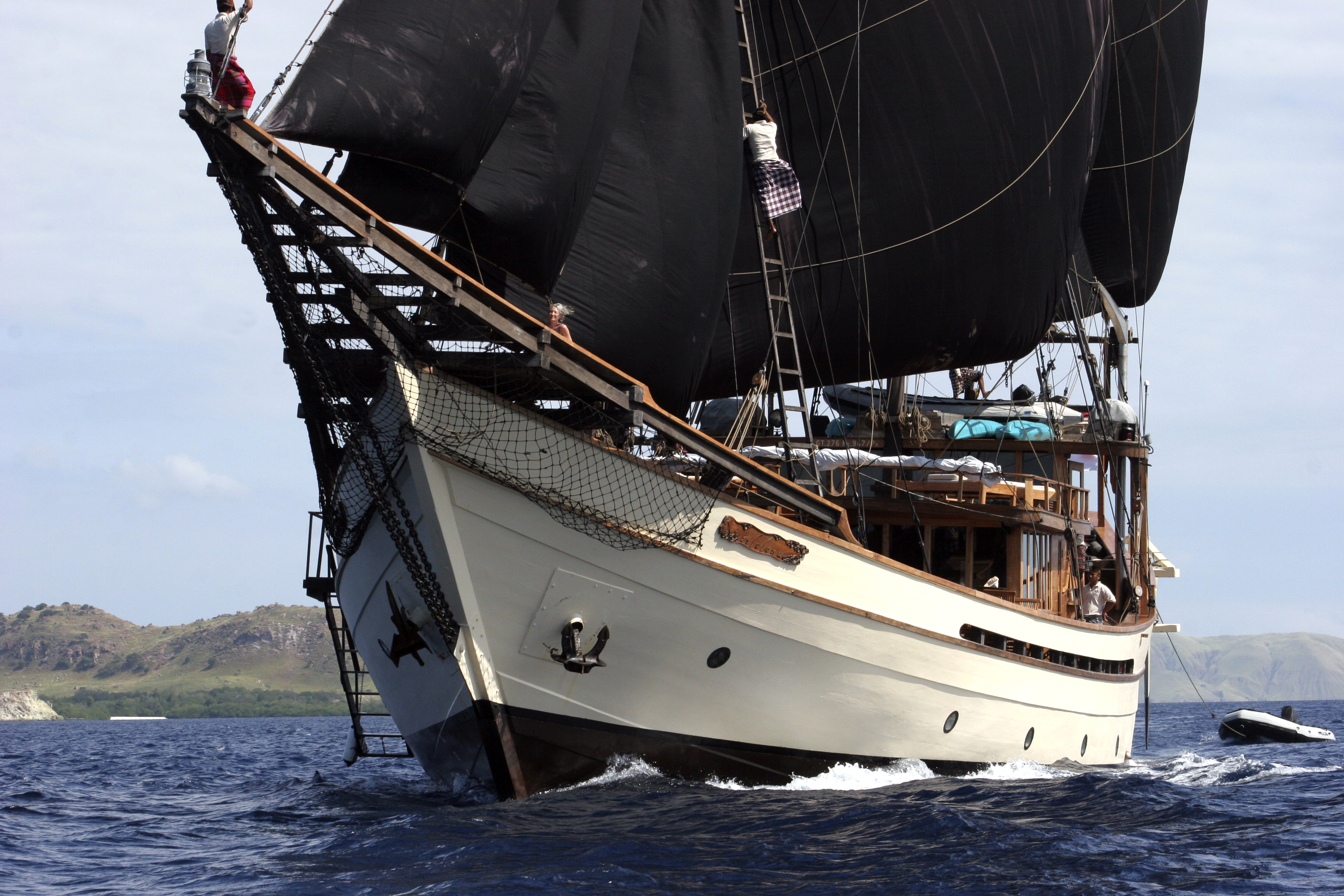
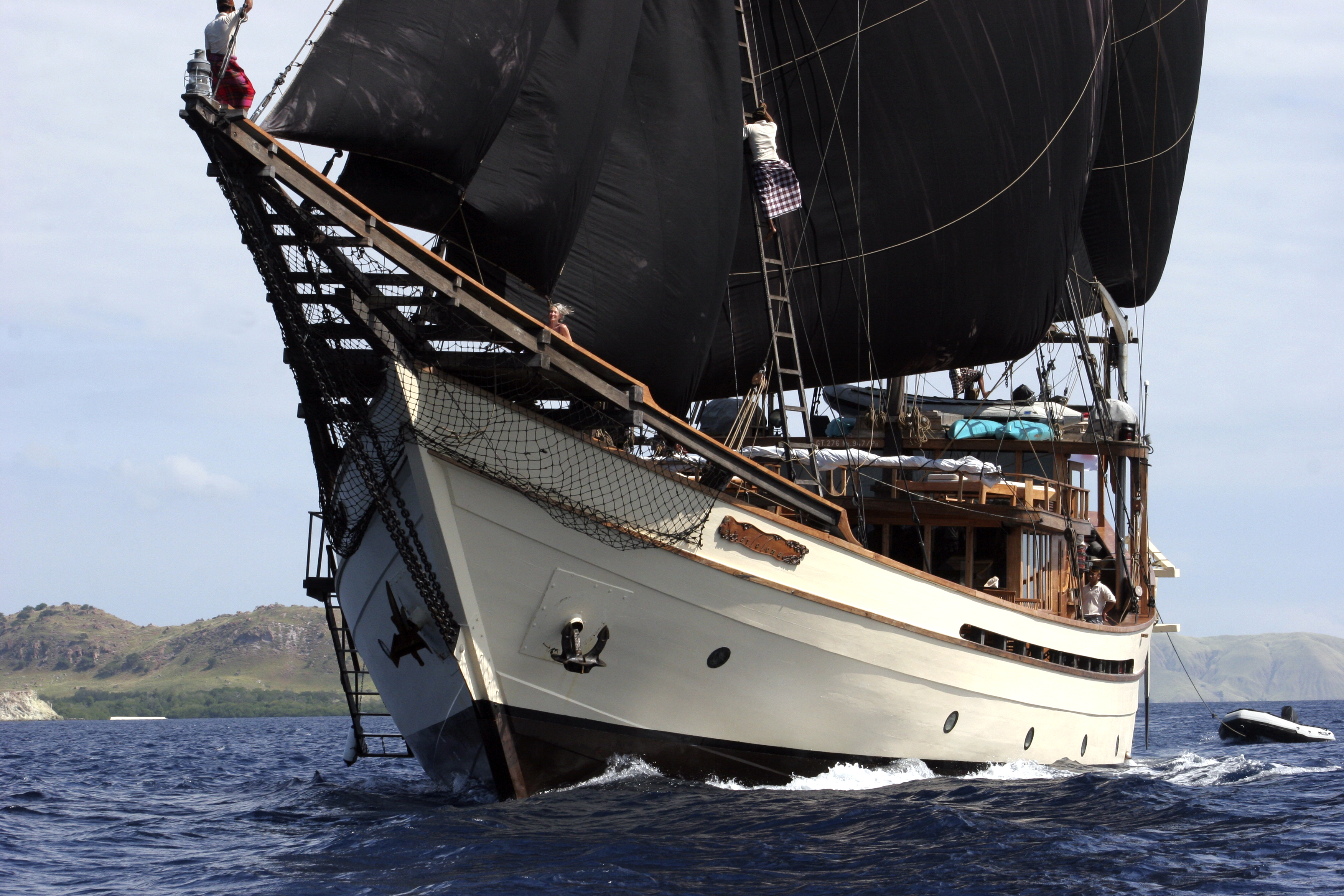
A private luxury yacht charter at the Silolona level operates at a categorically different scale. MSV Silolona, at 50 metres and five elegantly designed suites, accommodates a maximum of ten guests. MSV Si Datu Bua, at 40.2 metres, hosts six. These numbers are not limitations. They are the foundation of everything that follows. When you anchor in a remote bay with only six or ten guests on board, the experience feels naturally private. Nearby fishing boats continue their routines, and quiet stretches of shoreline—like the pink-sand beaches at Komodo's edge—can feel entirely your own for the morning, free from crowds and fixed schedules.
Research into ecotourism impact in marine protected areas consistently finds that visitor group size is one of the most significant variables affecting both ecological disturbance and the quality of individual experience. Studies in Tourism Management demonstrate that smaller party sizes correlate with significantly higher guest satisfaction in wildlife encounter contexts, while producing measurably lower impact on the ecosystems visited.1
The Crew-to-Guest Ratio: What the Numbers Actually Mean
Of all the metrics used to evaluate a private charter, crew-to-guest ratio is the one that comes closest to describing the quality of the human experience aboard. It is also the one most frequently cited without context.
The Silolona Numbers
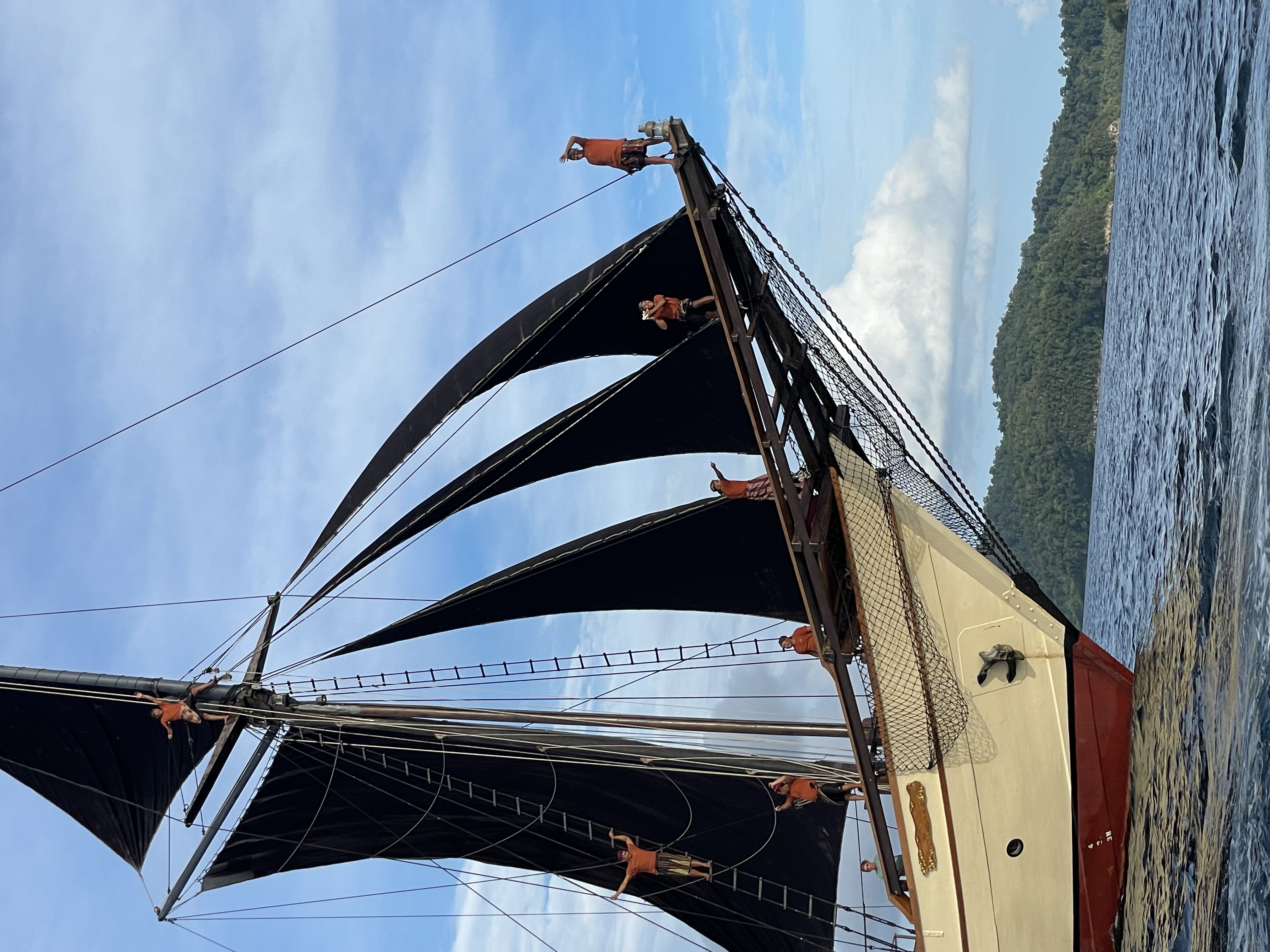
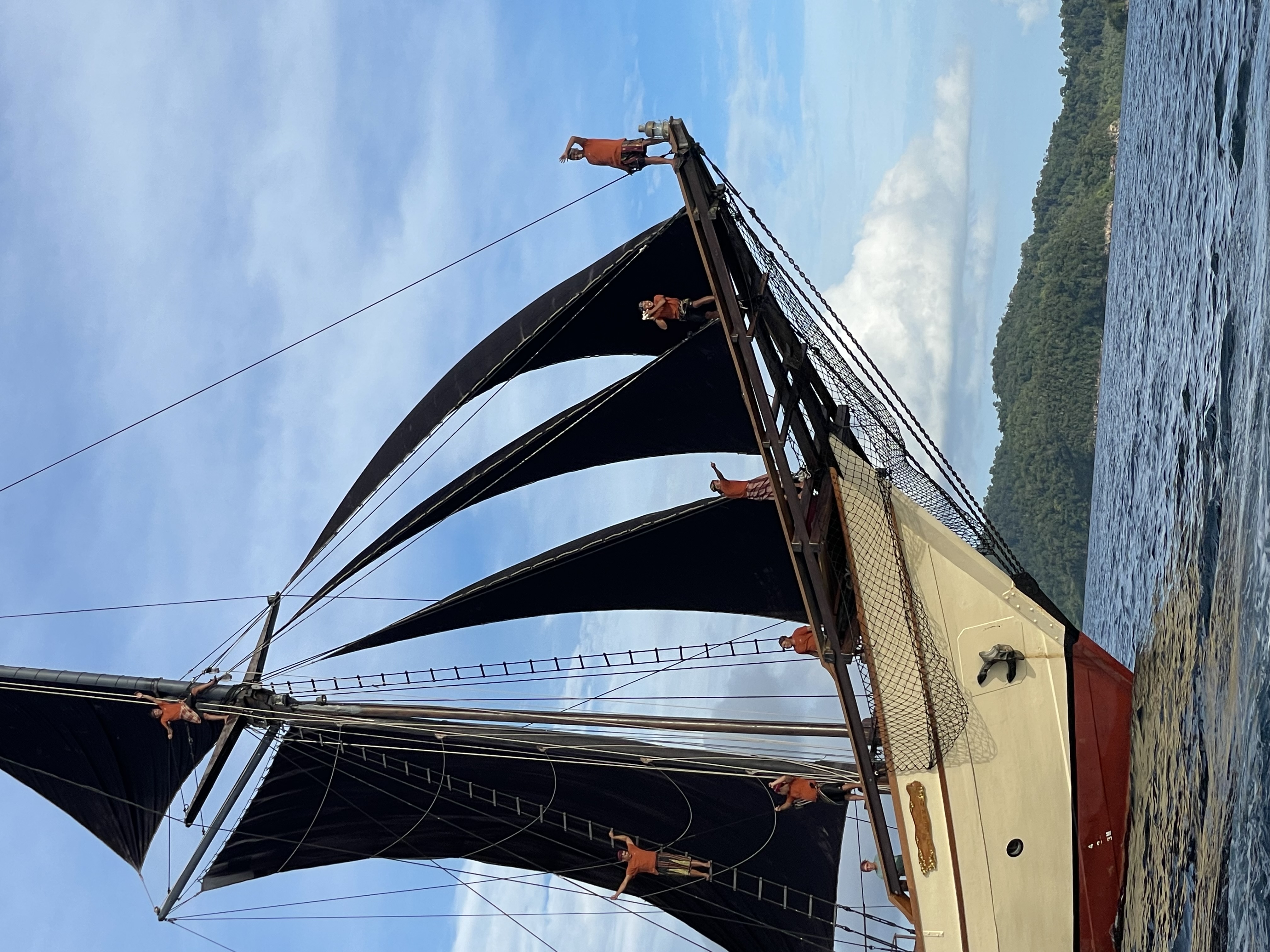
MSV Silolona carries 17 crew for 10 guests, a ratio of 1.7:1. MSV Si Datu Bua carries 14 crew for 6 guests, a ratio of 2.3:1. To contextualise: a five-star resort hotel typically operates at roughly one staff per two guests. A cruise ship manages one crew per three or four passengers. The Silolona ratio is not a staffing figure. It is a service philosophy made visible in numbers.
What does a ratio of 2.3:1 feel like in practice? It means that before you have thought of something, it has often already been thought of. Your private chef does not present a fixed menu. He learns your dietary preferences on the first evening, then recalibrates the entire galley around them, sourcing fresh catch from the fishing community you passed yesterday, adjusting the afternoon menu because you mentioned at breakfast that you were craving something lighter. Your guide knows the dive site scheduled for the afternoon, and also the weavers' village you mentioned in passing over coffee. The ratio is not a number. It is the architecture of anticipation.
Compared to the Alternatives
Aman Resorts built one of the most admired hospitality brands in the world on exactly this principle: that a high staff-to-guest ratio enables a quality of anticipation that cannot be manufactured by policy or training alone. It requires genuine slack in the system. At sea, there is an additional variable that no hotel can replicate. The crew of a vessel like Silolona are Indonesian. Their cultural knowledge is not acquired. It is indigenous. When they take you to a Bajo fishing village on the edge of Komodo National Park, or interpret the significance of an ikat weaving pattern from a community near Alor, they are not performing a cultural programme. They are sharing their world.


The Value Architecture: A Clear Compariso
The question of whether a luxury yacht charter in Indonesia represents genuine value is best answered not by comparing it to a hotel stay, but by understanding what the experience is actually built from.
Here is the table converted into a clear pointer-style chat format in proper English:
Guests Aboard
Expedition Ship: 50 to 200+ guests
Standard Charter: 12 to 20 guests
Silolona Sojourns: 6 to 10 guests
Crew-to-Guest Ratio
Expedition Ship: Approximately 1:3
Standard Charter: Approximately 1:1.4
Silolona Sojourns: Up to 2.3:1
Itinerary Flexibility
Expedition Ship: Fixed routes
Standard Charter: Partially flexible
Silolona Sojourns: Fully bespoke, adjusted daily
Anchorage Access
Expedition Ship: Limited to major ports
Standard Charter: Access to popular dive sites
Silolona Sojourns: Exclusive, often unnamed bays
Cultural Integration
Expedition Ship: Optional add-on experiences
Standard Charter: Limited cultural interaction
Silolona Sojourns: Integral to every voyage
Dining
Expedition Ship: Shared buffet-style dining
Standard Charter: Pre-set chef menus
Silolona Sojourns: Chef-tailored meals for each guest
Conservation Days
Expedition Ship: Rarely included
Standard Charter: Occasional inclusion
Silolona Sojourns: Seamlessly integrated into the journey
Privacy
Expedition Ship: Public deck spaces
Standard Charter: Semi-private experience
Silolona Sojourns: Complete privacy, entirely your own world
The value proposition of a Silolona charter is not built on features but on the conditions those features create. Privacy, presence, pace, and personalisation operating simultaneously, at this level of intensity, in an environment this ecologically and culturally extraordinary, is a combination that does not exist elsewhere in the market.
Itinerary as a Living Document
The word bespoke has suffered the same fate as the word luxury. It appears in so many travel contexts that it has come to mean very little. On a Silolona charter, it has a precise meaning: the itinerary is a starting point, not a contract.
Before you board, Silolona's team engages in a genuine consultation. Not just where you want to go, but what you want to feel. Are you a diver who wants four dives a day, or someone who dives twice and spends the rest of the afternoon on the paddleboard and in the village? Do you want to be active from first light, or do you need slow mornings with coffee on deck before the anchor is raised? Is there someone in your group recovering from an injury, or a child who needs a different rhythm at different points of the day?
The plan changes at sea, too. If the wind shifts and opens a bay the crew knows holds extraordinary bioluminescence that evening, the evening changes. If the fishing community you planned to visit is in the middle of preparing a ceremony, you go. If the current conditions at a planned dive site are wrong for the group, the guide already has an alternative, and an alternative for that. The itinerary is not managed from a clipboard. It is navigated in real time by people who have been reading these waters for years.
Academic literature on experiential luxury distinguishes between hedonic travel motivations, which are consumption-based, and eudaimonic ones, which are meaning-based. Studies in the International Journal of Hospitality Management show that ultra-high-net-worth travellers are increasingly driven by eudaimonic motivations, and that itinerary flexibility is one of the strongest predictors of perceived luxury value in this segment.2
An itinerary that can change when the sea changes is not a sign of poor planning. It is the highest expression of planning.
Cultural Access as a Form of Privilege
The destinations on a Silolona route, Komodo National Park, Raja Ampat, the Banda Sea, Alor, Sumba, are not underexplored. They receive thousands of visitors a year. But the version of those destinations that most visitors experience is the version the infrastructure supports: the popular anchorages, the ranger-guided trails, the beaches that appear in every Instagram search result.
Silolona's guests arrive differently. Not because the places are secret, but because of how they arrive, with whom, and with what accumulated trust. When you enter a Bajo fishing village on the edge of Komodo with a guide who has personal relationships in that community, built over years of returning to the same families, the exchange is different. You are not a group on a sanctioned cultural excursion. You are guests in someone's home. What is offered, and what becomes possible, changes entirely.
Conservation as an Itinerary Element, Not an Add-On
Some Silolona voyages incorporate dedicated conservation days: participating in whale shark tagging programmes, reef monitoring alongside local NGOs, plastic reduction initiatives with coastal communities. These are not optional features for eco-conscious travellers. They are part of how Silolona understands its presence in the ecosystems it moves through.
A study in Marine Policy found that luxury yacht tourism structured around high crew-to-guest ratios, slow travel pacing, and deliberate community integration produces measurably lower environmental impact per visitor than conventional marine tourism, while generating greater per-capita economic benefit for local communities.3
For the UHNW traveller who thinks carefully about where wealth circulates, this matters. Spending well, in this context, means spending in a way that leaves the ecosystem and the community materially better than you found them.
A Private Expedition, Not a Floating Hotel

The most useful frame for understanding what a Silolona charter is, at its best, is not the hotel analogy. Hotels are stationary. Their quality is measured by what they provide within four walls. A vessel in constant dialogue with its environment is measured differently: by the quality of the encounters it makes possible, the conditions it can reach, the pace at which it moves through a landscape, and the depth at which it engages with what it finds.
Aman opened their first property in Phuket in 1988 with a guest capacity of forty beds. The deliberate smallness was a statement: that the quality of experience is inversely related to the volume of guests. That conviction built one of the most admired hospitality brands in history. &Beyond made the same philosophical bet in the African bush, and arrived at the same conclusion. A Silolona charter is the maritime expression of identical logic.
An expedition is not a tour. A tour visits places. An expedition learns them. The itinerary of a Silolona voyage is different every time, because the people aboard are different every time, and because the sea, the light, the season, and the communities along the route are always shifting. The vessel moves through Indonesia not as a vehicle delivering passengers to attractions, but as a participant in an environment, one that rewards attention, patience, and genuine curiosity.
An expedition is not a tour. A tour visits places. An expedition learns them.
This is the standard that defines a true luxury yacht charter in Indonesia. Not the size of the tender garage. Not the satellite connectivity. Not the number of certified dive instructors. The quality of the encounter with a landscape that deserves, and deeply rewards, a level of attention that most forms of travel make structurally impossible.
Is This the Right Kind of Journey for You?
There are travellers for whom a Silolona charter is an exact fit. And there are travellers for whom it is not. Silolona is honest about this distinction, because it is part of the value architecture.
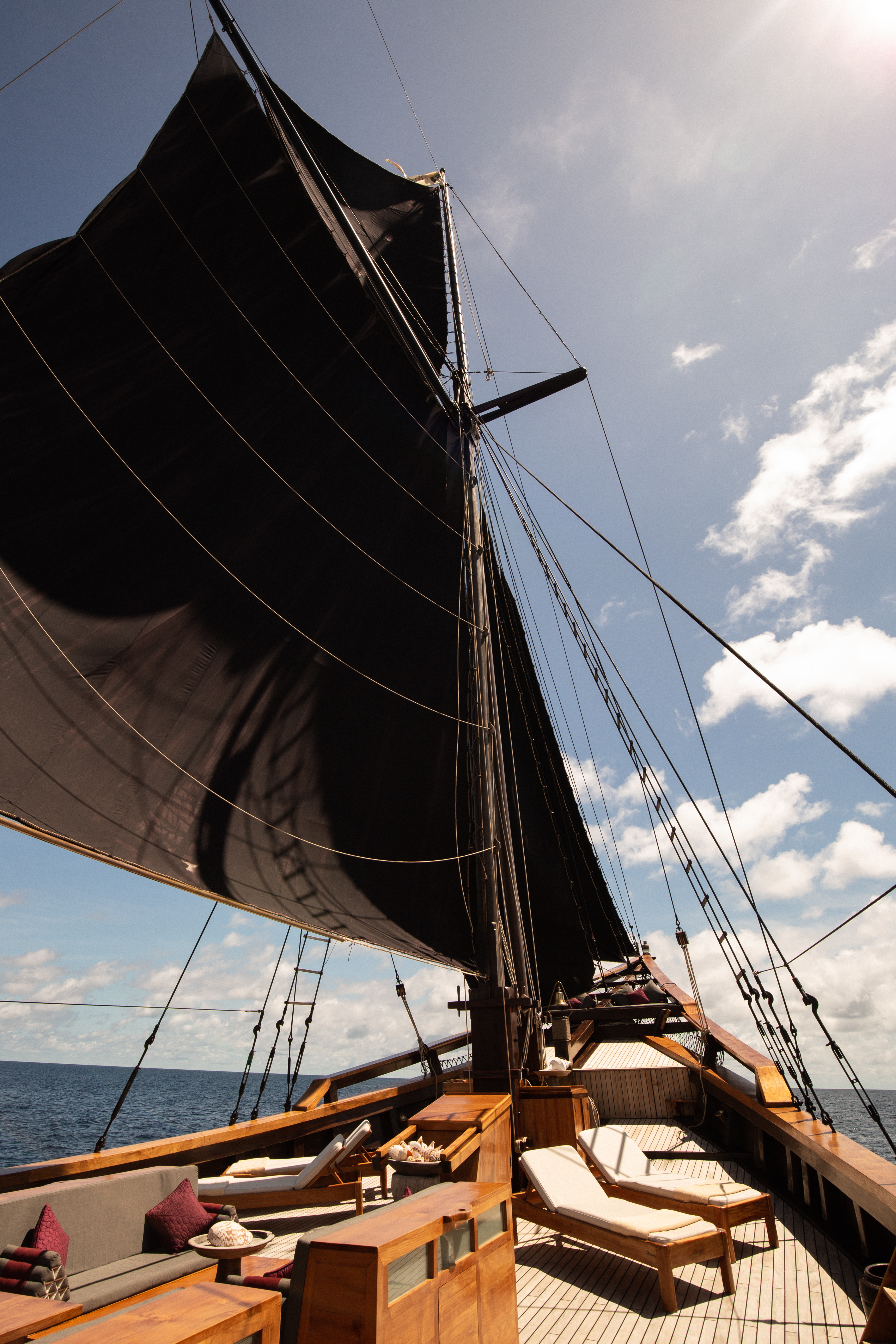
You are likely a strong fit if you travel to experience depth rather than volume. If you prefer one extraordinary encounter to a dozen checkboxes. If an afternoon spent with a Bajo fisherman understanding his relationship with the Banda Sea feels as valuable to you as an afternoon at a world-class resort. If you want to bring a small group, a family, a circle of close friends, and share a vessel that becomes your private world for a week or two.
A Silolona charter may be less suited to those seeking very high-volume diving on dedicated liveaboards or resort-style amenity infrastructure. For larger gatherings, the experience can expand gracefully through tandem sailings, where Silolona and Si Datu Bua travel together to host groups beyond ten guests while maintaining an intimate atmosphere on board. These are not limitations, but considered choices. The right charter is the one that reflects your own definition of extraordinary.
What Defines It: The Short Answer
A true luxury yacht charter in Indonesia is defined by five things operating simultaneously at their highest possible level: the intimacy of scale, with 6 to 10 guests rather than 50 or 200; the depth of crew knowledge, earned through years of returning to the same waters, the same communities, the same reefs; the flexibility of the itinerary, shaped by the sea and the guest rather than a published schedule; the quality of access, to anchorages and communities that require trust and time to reach; and the coherence of the experience, where vessel, crew, cuisine, cultural encounters, and conservation philosophy form a single continuous thing rather than a list of features.
Silolona Sojourns has been building that experience for over two decades. Longer than almost anyone else sailing these waters. With a clearer sense of what the journey is for, and a deeper web of community relationships to draw from, than the alternatives typically offer.
If any of that resonates, the next step is a conversation.
EXPLORE WHAT A SILOLONA VOYAGE LOOKS LIKE FOR YOU
Private charters aboard MSV Silolona and MSV Si Datu Bua, For more information, go to our inquiry contact form: silolona.com/inquiry
References
1 Ballantyne R, Packer J, Sutherland LA. Visitors' memories of wildlife tourism: implications for the design of powerful interpretive experiences. Tourism Management. 2011;32(4):770-779. DOI: 10.1016/j.tourman.2010.06.012
2 Kirillova K, Lehto X, Cai L. What triggers transformative tourism experiences? Tourism Recreation Research. 2017;42(4):498-511. DOI: 10.1080/02508281.2017.1342349
3 Ziegler J, Dearden P, Sharma R. But are tourists satisfied? Importance-performance analysis of the whale shark tourism industry on Isla Holbox, Mexico. Tourism Management. 2012;33(3):692-701. DOI: 10.1016/j.tourman.2011.08.004