Why Phinisi Sails Matter: Symbolism, Belief, and Maritime Philosophy


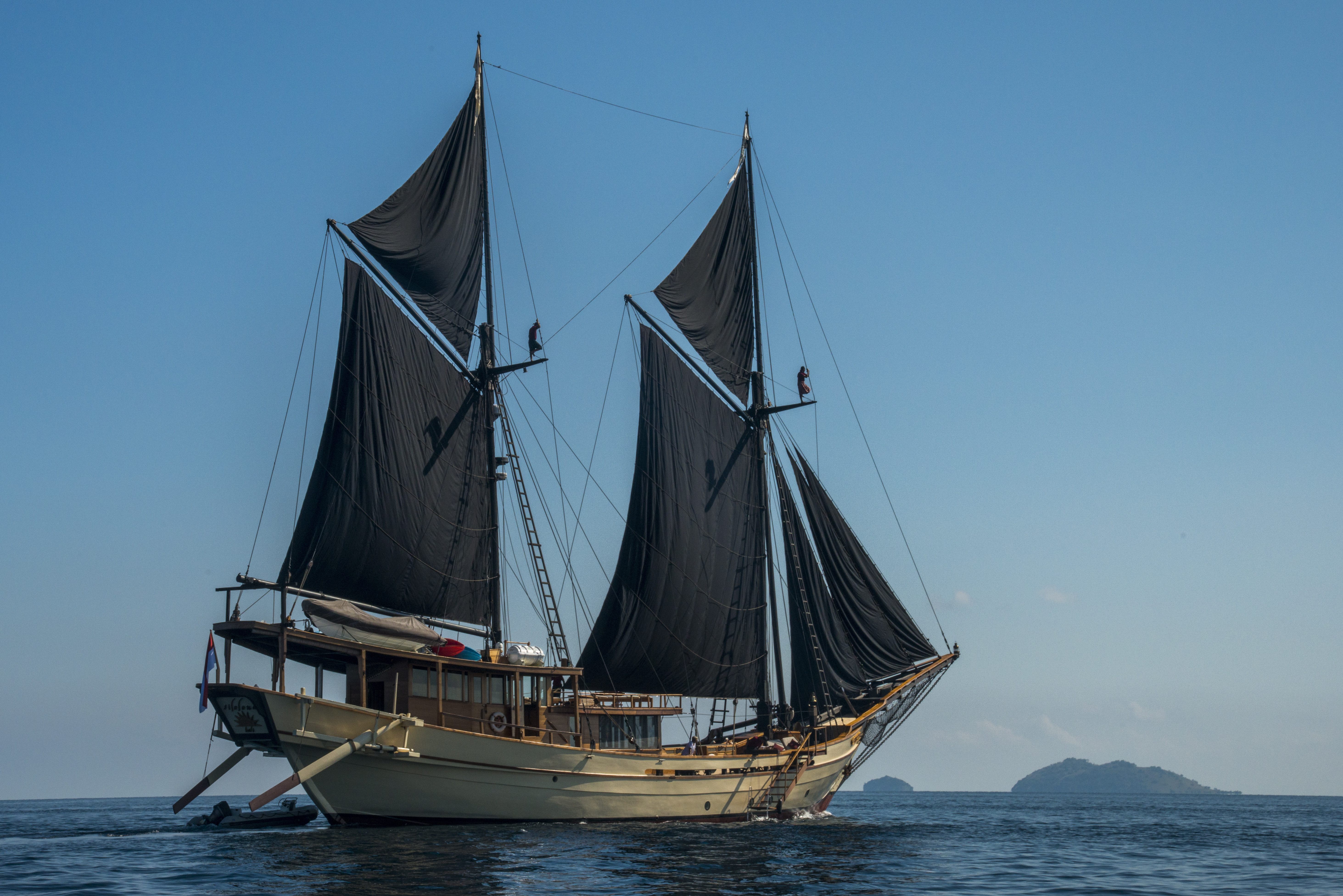
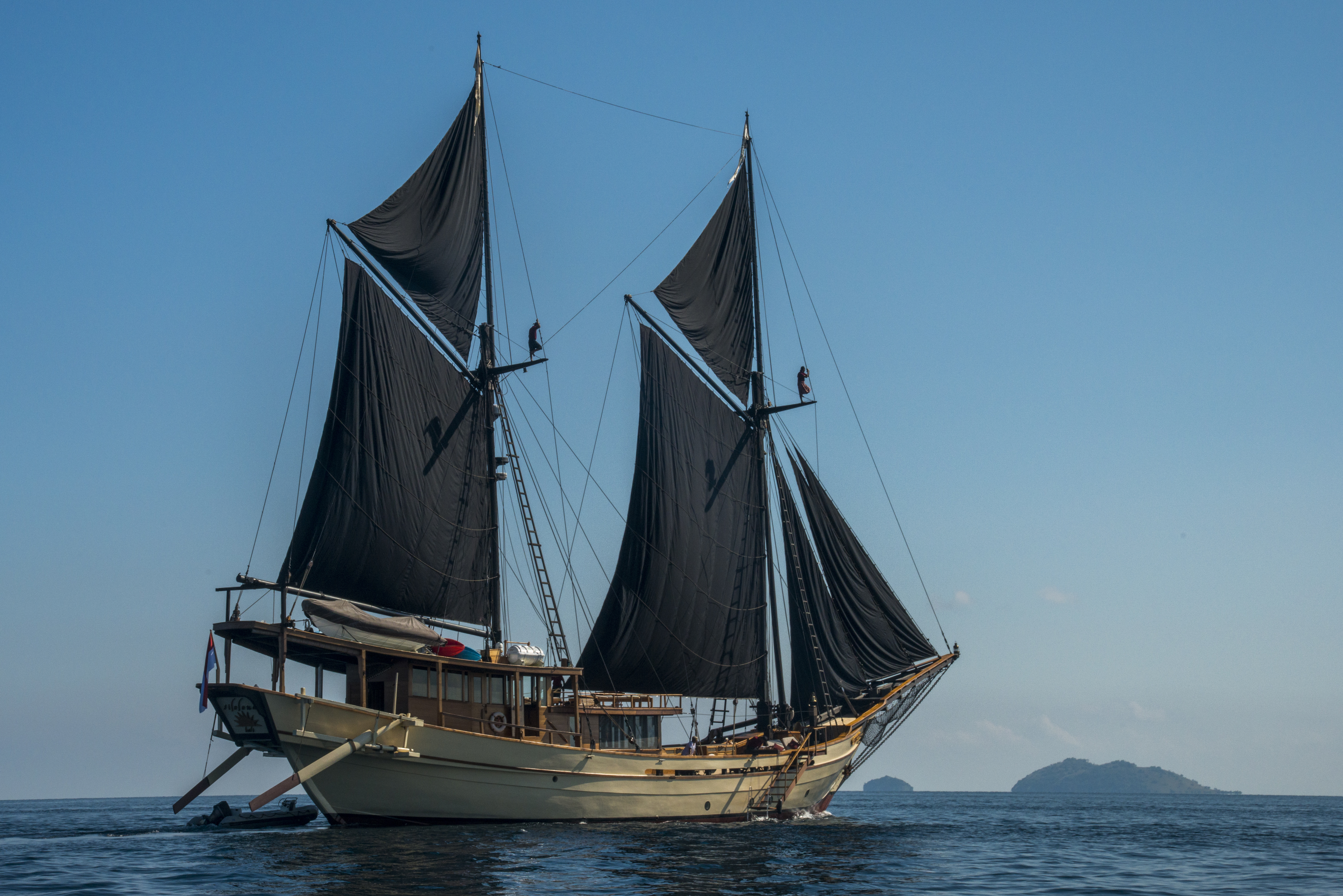
There's a moment—just as the seventh sail catches the wind—when a Phinisi transforms from wooden vessel into living philosophy. You can feel it in the way the rigging hums, the way centuries of maritime wisdom seem to whisper through canvas and rope. This isn't simply engineering or aesthetics at work. This is belief made visible, ancient cosmology translated into form.
Most luxury charter experiences treat traditional sails as atmospheric decoration—visual flourish for your Instagram feed, nothing more. But when you understand what those seven billowing sheets actually mean, when you grasp the intricate belief systems they represent, sailing through Indonesia becomes something far more profound than a vacation. It becomes participation in a worldview that has guided seafarers across impossible distances for over a thousand years.
The Sacred Geometry of Seven
Why seven sails? It's the question every thoughtful traveler asks when they first step aboard a traditional Phinisi yacht.
The answer reaches back to ancient Bugis cosmology, where seven represented the architecture of existence itself. Seven seas to cross. Seven directions to navigate. Seven layers in both the upperworld and underworld, each with its own deities and forces. For the Bugis seafarers of South Sulawesi, this wasn't numerology—it was their map of reality.
When master boatbuilders—the panrita lopi—construct a Phinisi's rigging, they're not following a blueprint. They're encoding a philosophy. Each sail represents a point of balance between opposing forces: sky and sea, material and spiritual, human ambition and natural law. Raise all seven, and you achieve completeness—a state of harmony that allows you to move through the world without dominating it.
Research published in the Journal of Maritime Heritage Studies confirms that traditional sail configurations in Austronesian cultures functioned as cosmic metaphors, representing the delicate equilibrium between nature and human intention rather than conquest over elements. This distinction matters. Where Western maritime tradition often emphasized control and mastery, the philosophy embedded in Phinisi design speaks to collaboration with wind, wave, and current.
Wind as Metaphor, Sailing as Spiritual Practice
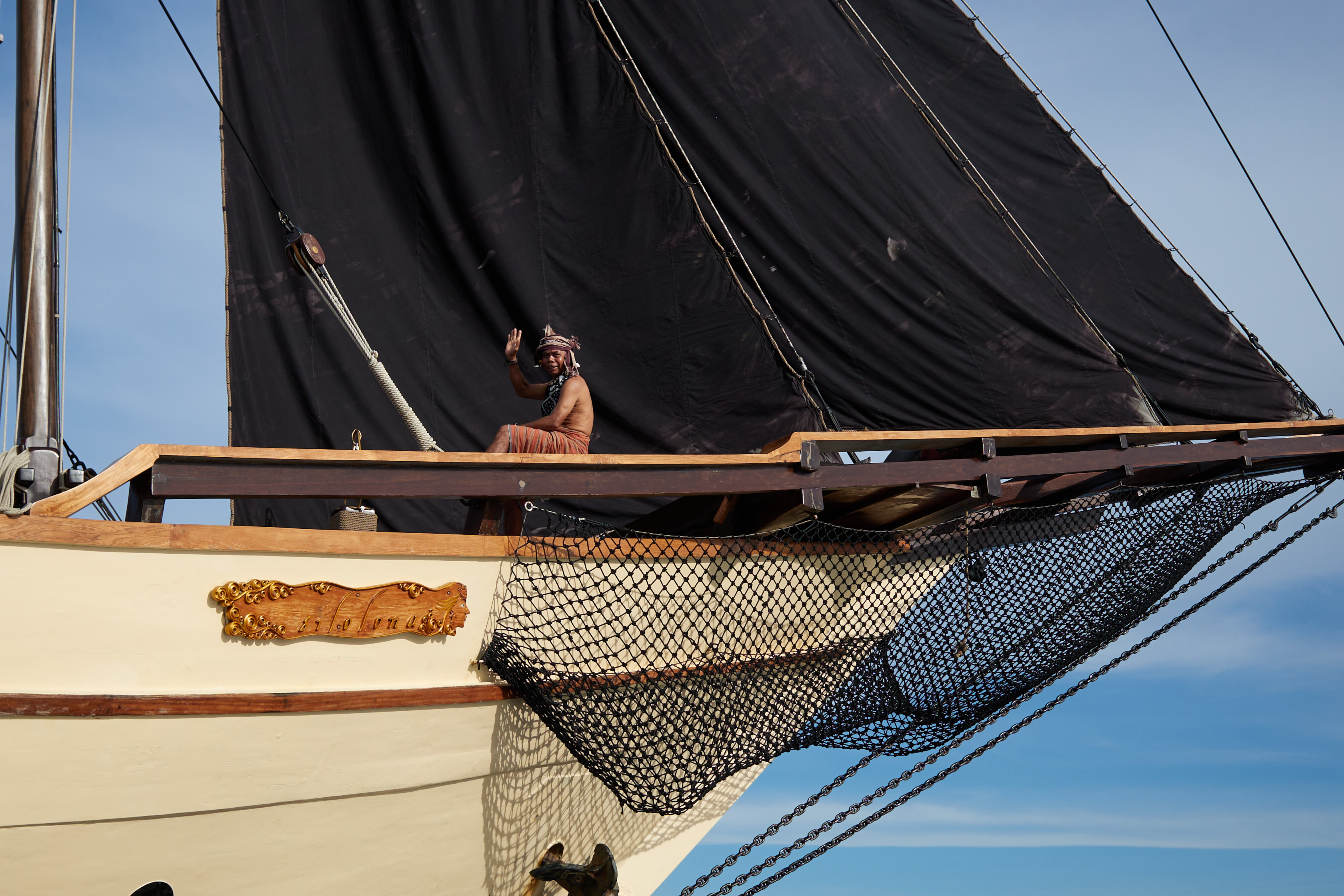
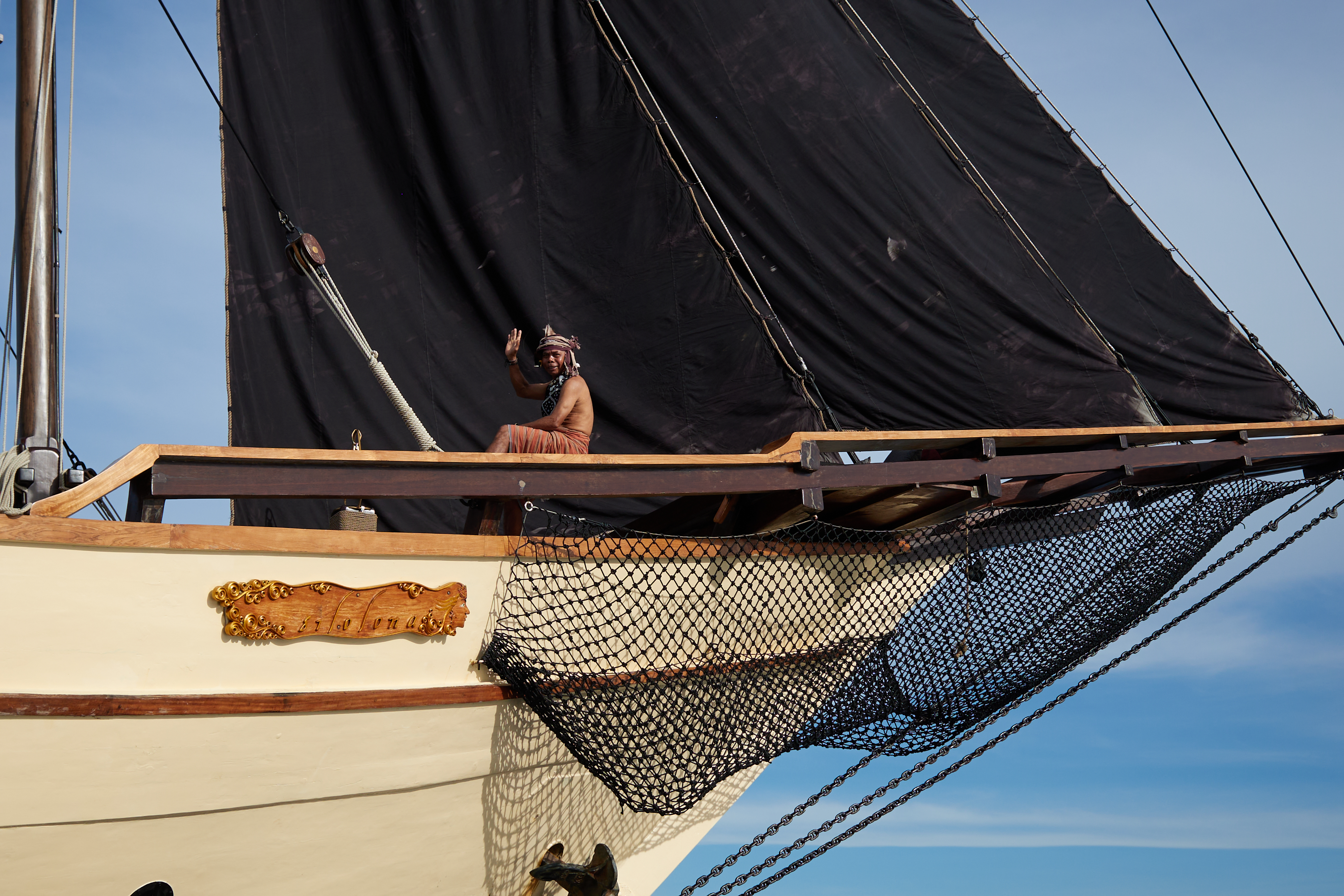
Stand on deck as the crew raises the sails in sequence, and you're witnessing ritual as much as routine. There's a particular order to it, a rhythm that honors both physics and belief.
For the Bugis, wind was never merely meteorological phenomenon. It was connection—the breath that linked all things, the invisible current that proved you belonged to something larger than yourself. Freedom, in their maritime philosophy, wasn't about escape from the world but deeper integration with it. When sails filled and the vessel moved forward, it represented unity: crew and craft, human and nature, the living and the ancestors who charted these routes generations before.
The International Journal of Nautical Archaeology underscores how Southeast Asian maritime practices remained deeply intertwined with animist spirituality well into the modern era. Sailing rituals embodied gratitude toward natural elements rather than dominion over them—a philosophical stance that has profound implications for how we approach travel today.
Every voyage aboard a traditionally-rigged Phinisi is, in essence, a prayer. Not in the narrow religious sense, but as acknowledgment of interdependence. The wind that drives you forward connects you to fishermen in distant villages, to traders who crossed these same waters carrying nutmeg and sandalwood centuries ago, to the ecological systems that make life possible. You're part of the conversation between sky and sea.
The Protection Woven Into Canvas
Here's something most modern charter experiences overlook entirely: those sails aren't just catching wind. They're offering protection.
Traditional Bugis belief held that properly configured sails created spiritual as well as physical safety. The seven-sail arrangement formed a protective geometry around the vessel—a sacred pattern that balanced opposing forces and warded against misfortune. This wasn't superstition in the dismissive sense. It was practical metaphysics, the kind developed by people whose lives depended on reading forces invisible to the untrained eye.
When you examine Bugis maritime rituals—the ceremonies performed before construction, the offerings made before voyages, the protocols for navigating contested waters—you encounter a worldview that recognized multiple layers of reality operating simultaneously. The physical journey and the spiritual one were never separate. The same sails that harnessed kinetic energy from moving air also channeled protective intention, created psychological cohesion among the crew, and maintained proper relationship with the unseen powers that governed wind and wave.
Modern luxury travel has largely abandoned such thinking, dismissing it as quaint folklore. But there's profound wisdom in recognizing that the tools we use for navigation—whether canvas sails or GPS satellites—shape not just our routes but our relationship to the journey itself.
Maritime Worldview: More Than Seafaring Technique
The difference between sailing on the ocean and sailing with it might seem semantic. But it represents a fundamental philosophical divide.
Bugis maritime culture, like other Austronesian seafaring traditions, developed what scholars term a "maritime cosmology"—a complete worldview in which the sea wasn't backdrop or obstacle but living context. Villages were organized like boats. Houses had architectural elements named for sailing components. Social hierarchies reflected the structure of a well-functioning crew. The entire cultural architecture mirrored nautical wisdom.
According to research in the Journal of Oceanic Anthropology, Indonesian maritime identity has historically been characterized by coexistence rather than conquest—a philosophy reflected in both vessel design and the daily rituals practiced aboard traditional ships. This stands in stark contrast to colonial-era maritime traditions that emphasized dominance, extraction, and the transformation of ocean routes into economic corridors.
When you sail aboard a Phinisi that honors these traditions—where the seven sails still represent the seven-fold nature of existence, where raising canvas remains a moment of reverence—you're experiencing a different epistemology. A different way of knowing the world. You learn that navigation is as much about internal orientation as external wayfinding, that reading stars and currents successfully requires you to read yourself with equal skill.
The Bugis concept of siri'—a code of honor, dignity, and accountability—governed behavior at sea as much as on land. It wasn't abstract ethics but practical wisdom: when you're weeks from shore with limited provisions and unpredictable weather, the quality of your relationships determines survival. The sails that drove your vessel forward also symbolized the collective strength required to raise them, tend them, and respond to their messages about wind shifts and approaching storms.
The Modern Disconnect (and Why It Matters to Your Journey)
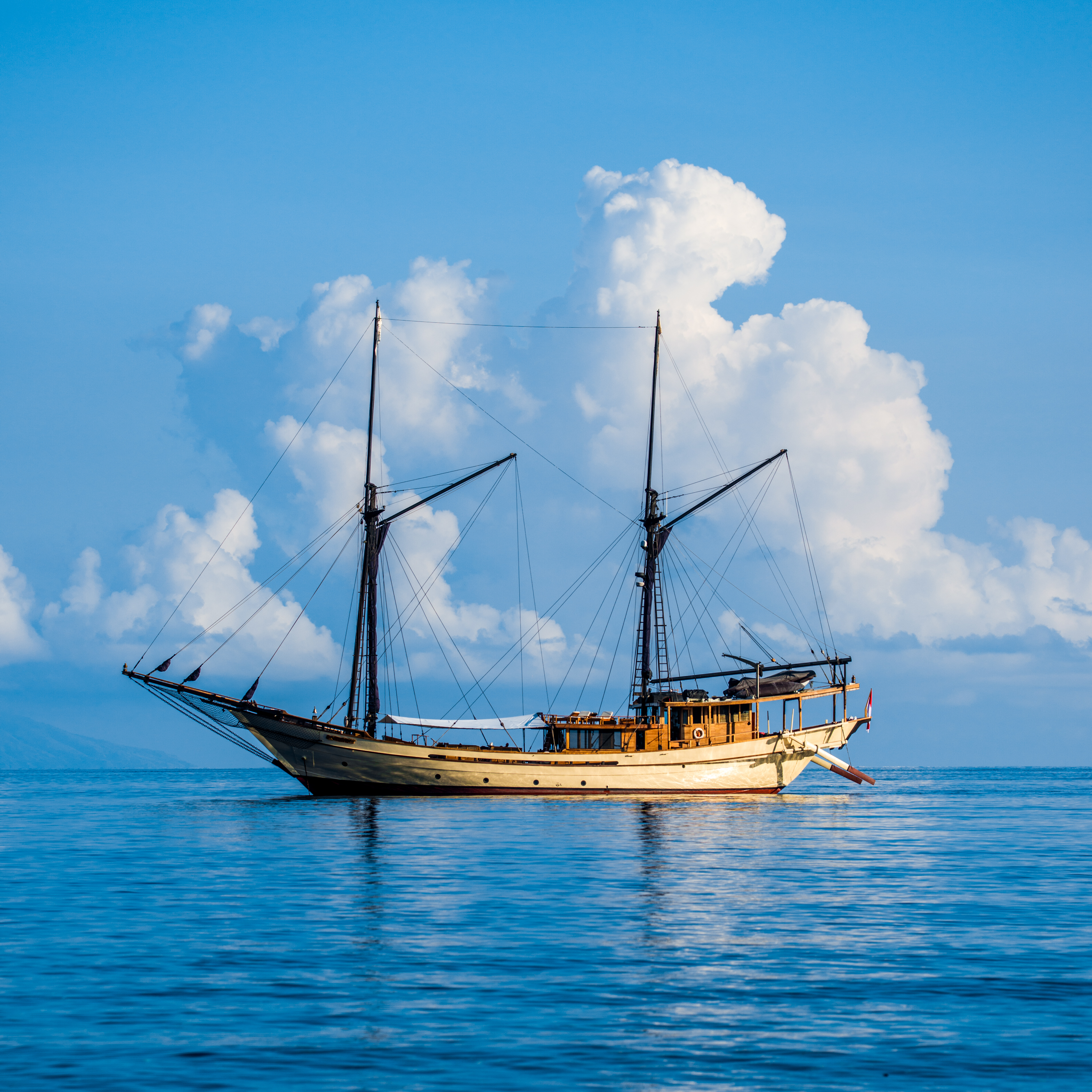
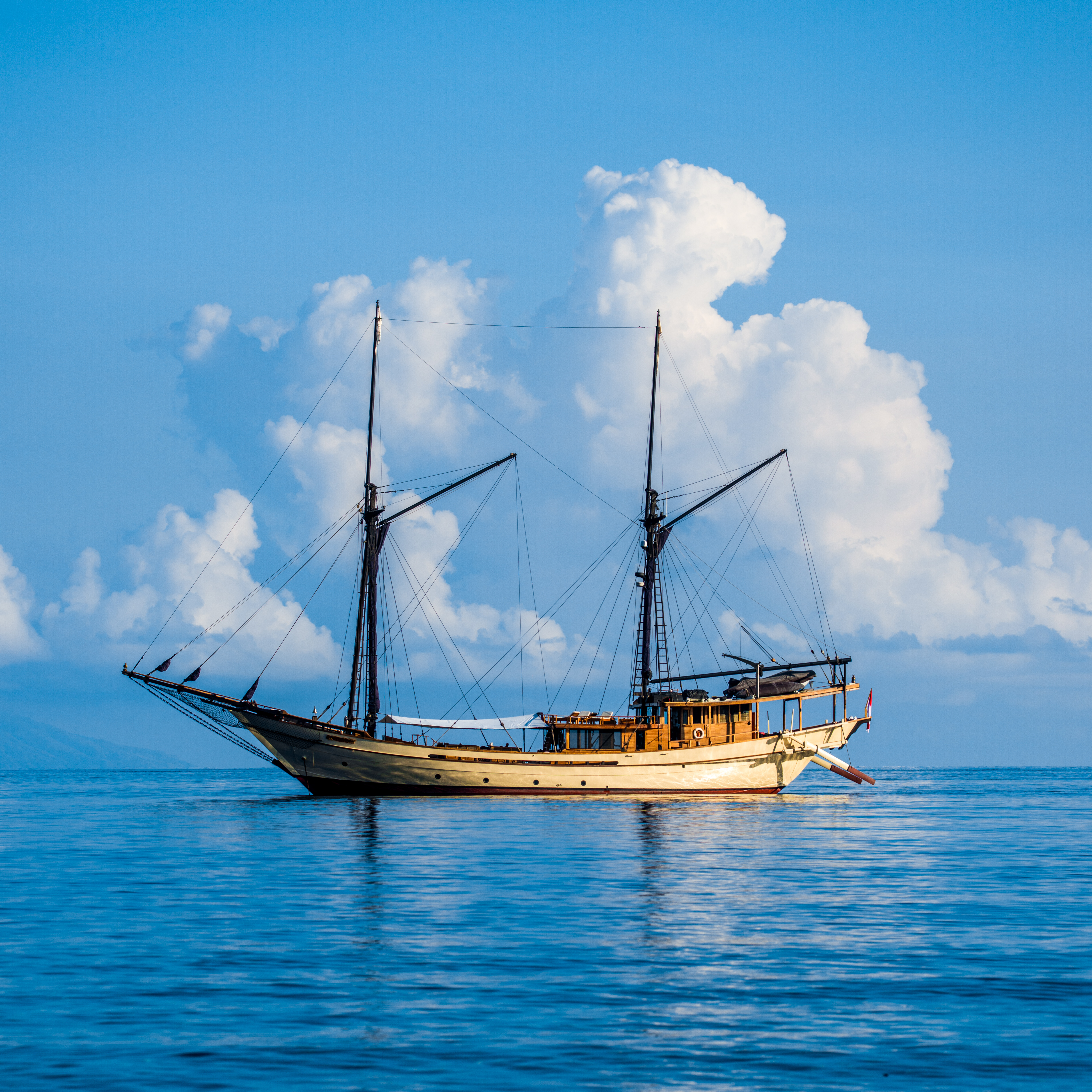
Most luxury Phinisi charters have engines. Many rarely raise sails at all, treating the traditional rigging as aesthetic backdrop while diesel motors do the actual work. There's nothing inherently wrong with this—engines provide reliability, maintain schedules, navigate calm seas when wind fails.
But something essential gets lost when sails become purely decorative. You miss the embodied experience of reading wind, the subtle education in patience and attention that comes from depending on forces you cannot control. You lose the opportunity to understand—viscerally, not just intellectually—what those seven sails meant to the people who developed this design over centuries of trial, error, and careful observation.
The philosophy encoded in Phinisi sail configuration offers alternative approaches to movement, progress, and relationship with natural systems—approaches our current moment desperately needs. When you actually sail (not just motor while sails flutter prettily overhead), you learn that the fastest route and the best route are not always the same. You discover that apparent obstacles—headwinds, contrary currents—can be worked with rather than simply overcome. You experience firsthand the difference between extractive and collaborative models of resource use.
This matters beyond maritime nostalgia. It speaks to fundamental questions about how we move through the world, what we consider valuable, how we define successful journey.
Where Tradition Meets Authentic Experience
Other operators might commission Phinisi vessels and call it traditional. They'll give you the aesthetics of heritage without engaging the deeper belief systems that make these vessels culturally significant.
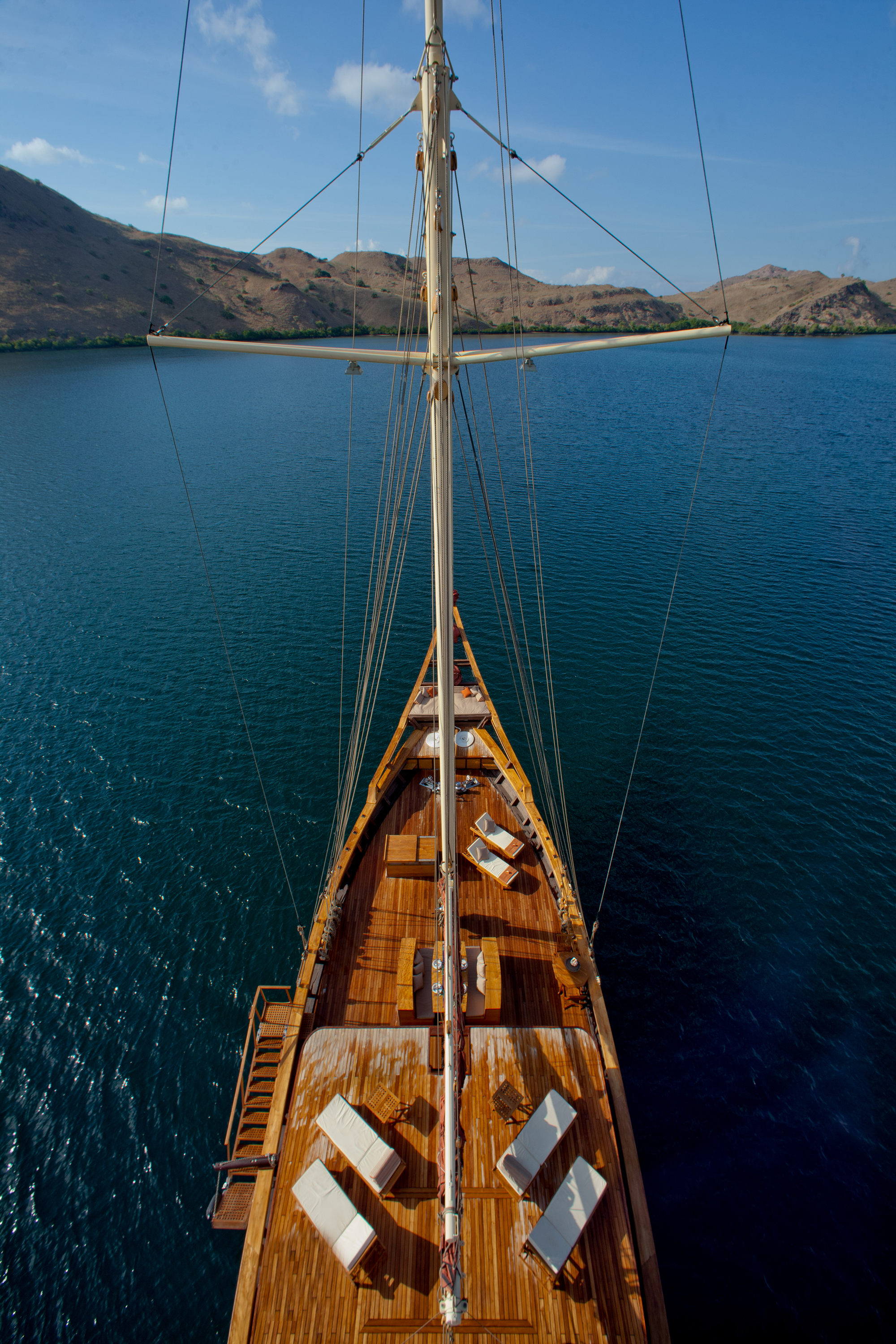
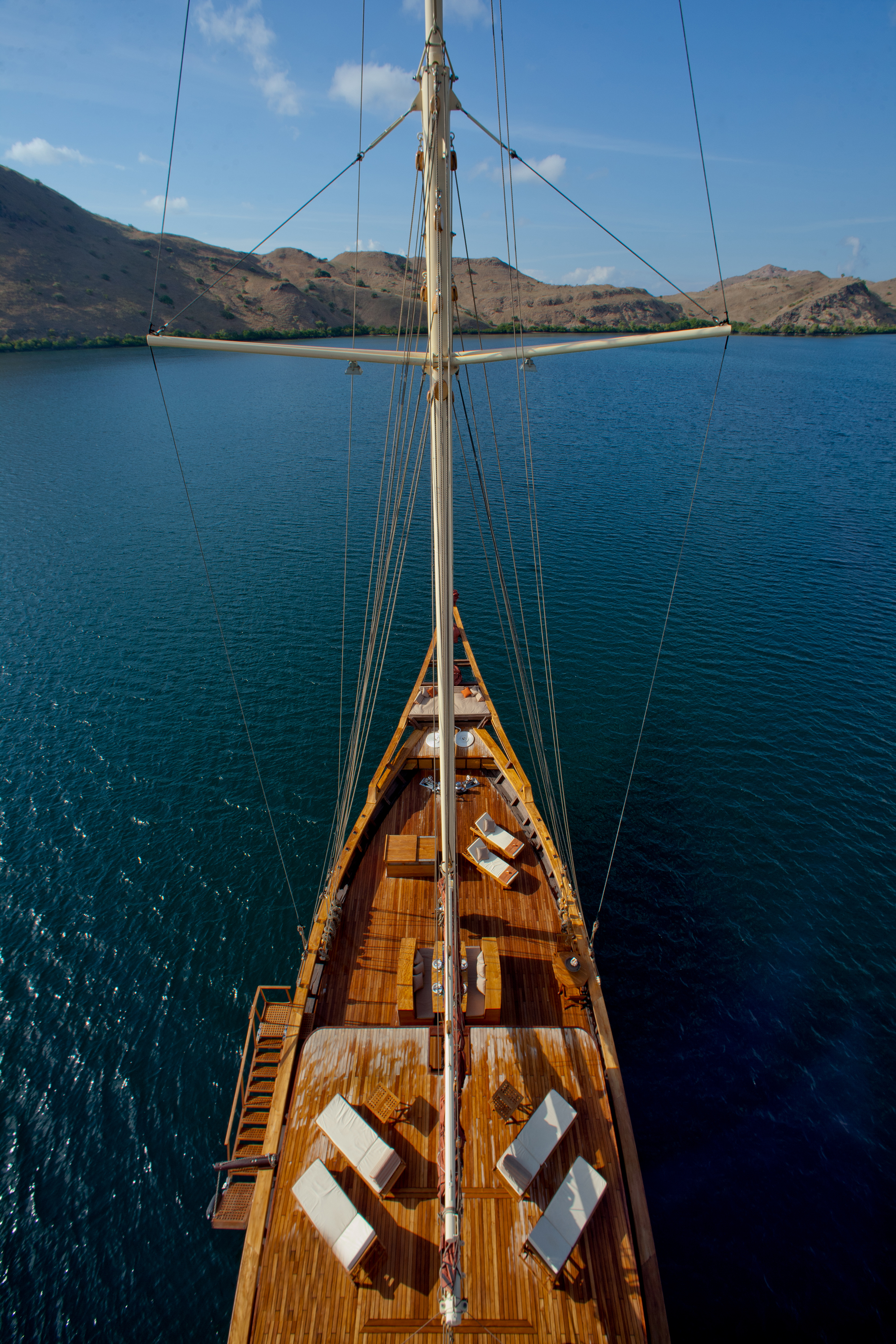
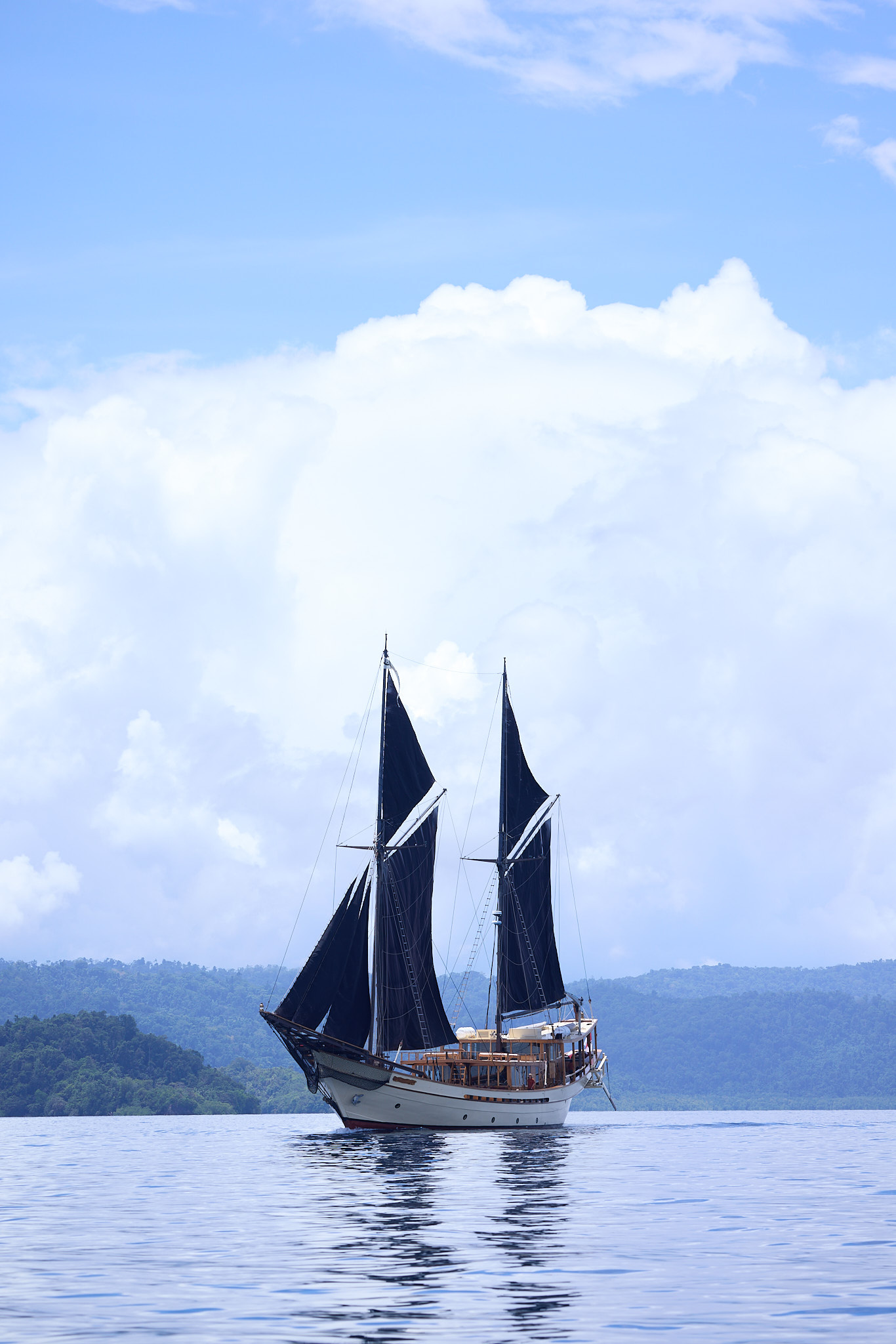
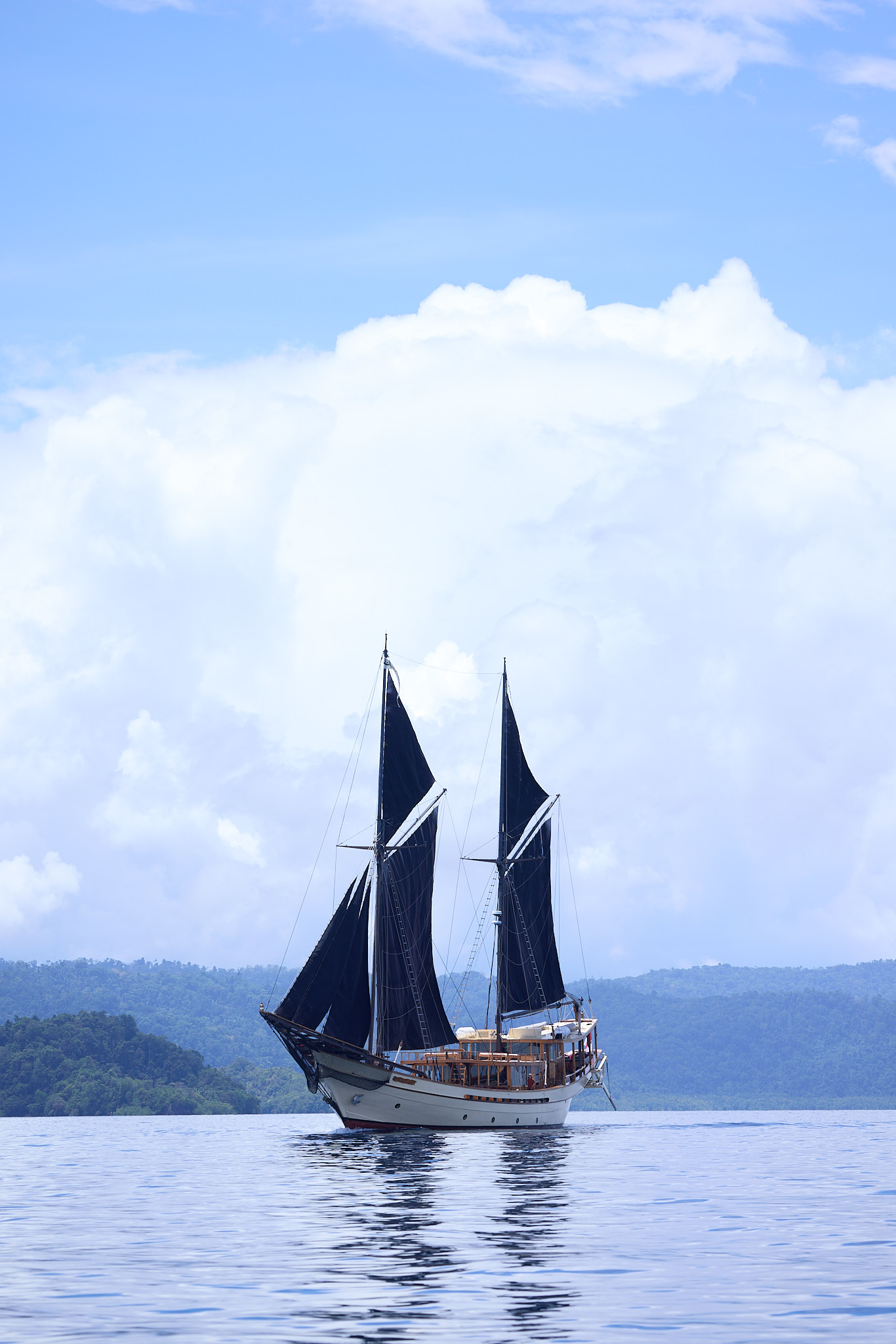
Silolona Sojourns takes a different approach—one rooted in three decades of expertise navigating Indonesian waters and South East Asian archipelagos. When master Konjo boat builders from Sulawesi handcrafted Silolona from the finest tropical hardwoods to German Lloyds specifications, and later constructed Si Datu Bua (Beloved Princess) using the same traditional methods, they weren't simply building yachts. They were preserving a maritime philosophy.
The seven sails aboard these vessels represent more than propulsion. They embody the complete cosmological understanding—the belief systems, the protective geometry, the relational approach to navigation that made Bugis seafaring so remarkably successful. When your crew raises canvas, they're engaging centuries of accumulated wisdom about balance, harmony, and the art of moving in collaboration with forces larger than yourself.
This is what distinguishes a Silolona Sojourns voyage. You're not chartering a beautiful yacht decorated with traditional elements. You're embarking on a philosophical journey where the vessel itself becomes teacher—where every raised sail, every shift in wind, every moment of collaboration between crew and natural forces offers insight into an ancient yet urgently relevant way of being with the world.
Your voyage becomes practice in understanding what the Bugis sailors knew intimately: that the quality of movement matters as much as the destination, that luxury means depth of experience rather than mere comfort, that the most sophisticated navigation requires consulting forces both visible and invisible.
Beyond the Horizon: Cultural Immersion and Conservation
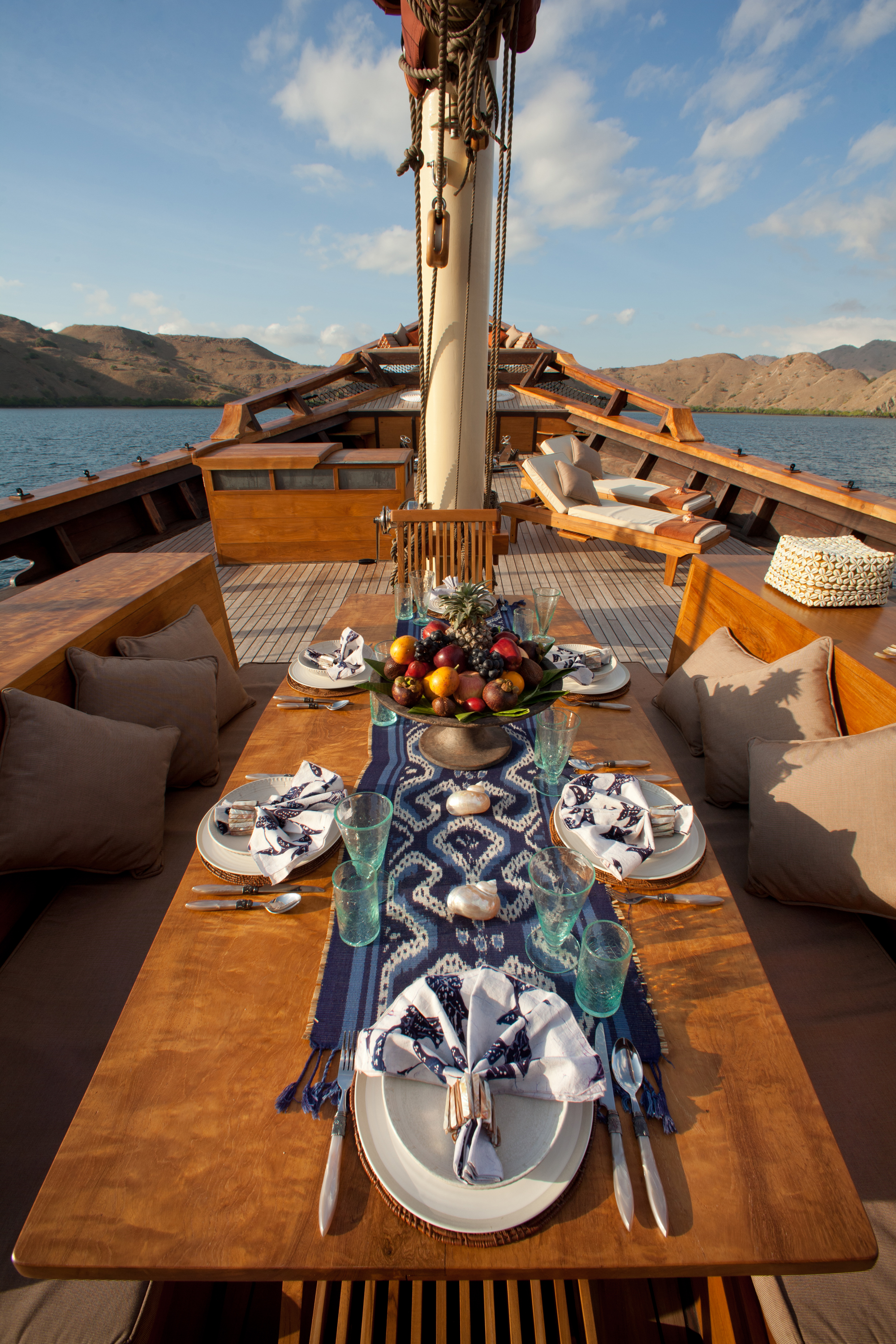
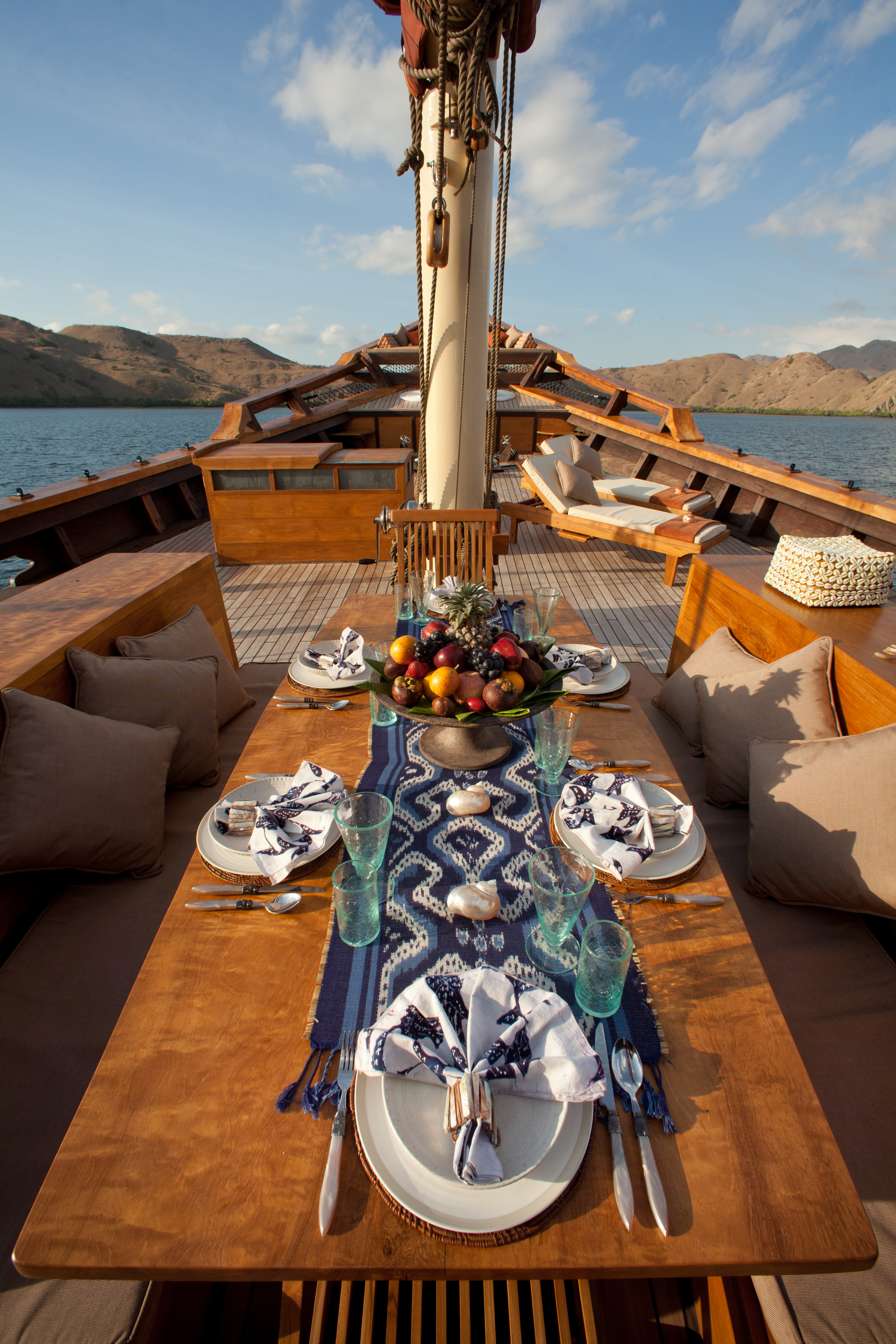
Silolona Sojourns' commitment to maritime philosophy extends beyond the vessels themselves into the waters you'll explore and the communities you'll encounter throughout Indonesia's pristine archipelagos—from Komodo National Park to Raja Ampat, from Flores to the remote corners of Southeast Asia.
Your journey supports cultural preservation initiatives that keep traditional weaving alive in Sulawesi, empowers local communities in Flores, and protects the marine ecosystems that have sustained these islands for millennia. When you travel aboard Silolona or Si Datu Bua, you're participating in an approach to luxury exploration that honors the interconnection the seven sails represent—between past and present, between privilege and responsibility, between human ambition and ecological stewardship.
The same philosophy that informs the sail configuration shapes every aspect of your voyage: sustainably sourced materials, locally-guided cultural excursions, marine conservation partnerships, and daily practices that demonstrate reverence for the places you visit. This isn't tourism that extracts and moves on. This is exploration that deepens relationship.


Sailing Forward, Looking Back
As you stand on deck watching the Indonesian sun sink toward distant volcanic peaks, seven sails catching the last golden light, you might find yourself understanding something the Bugis sailors knew intimately: that the line between past and present is less solid than we imagine.
Their philosophy lives in the geometry of canvas overhead. Their cosmology speaks through the way wind fills and drives the vessel forward. Their belief in interconnection, in proper relationship with natural forces, in the spiritual dimensions of physical journey—all of it remains accessible, waiting for travelers willing to see sails as more than decoration.
This is why Phinisi sails matter. Not as historical artifacts or luxury amenities, but as portals into different ways of being with the world. They offer what too much modern travel has forgotten: that the tools we use for movement shape our consciousness, that the physical and metaphysical journey are never truly separate, that sometimes the most sophisticated navigation requires consulting forces invisible to radar and GPS.
Ready to Discover Maritime Philosophy in Motion?
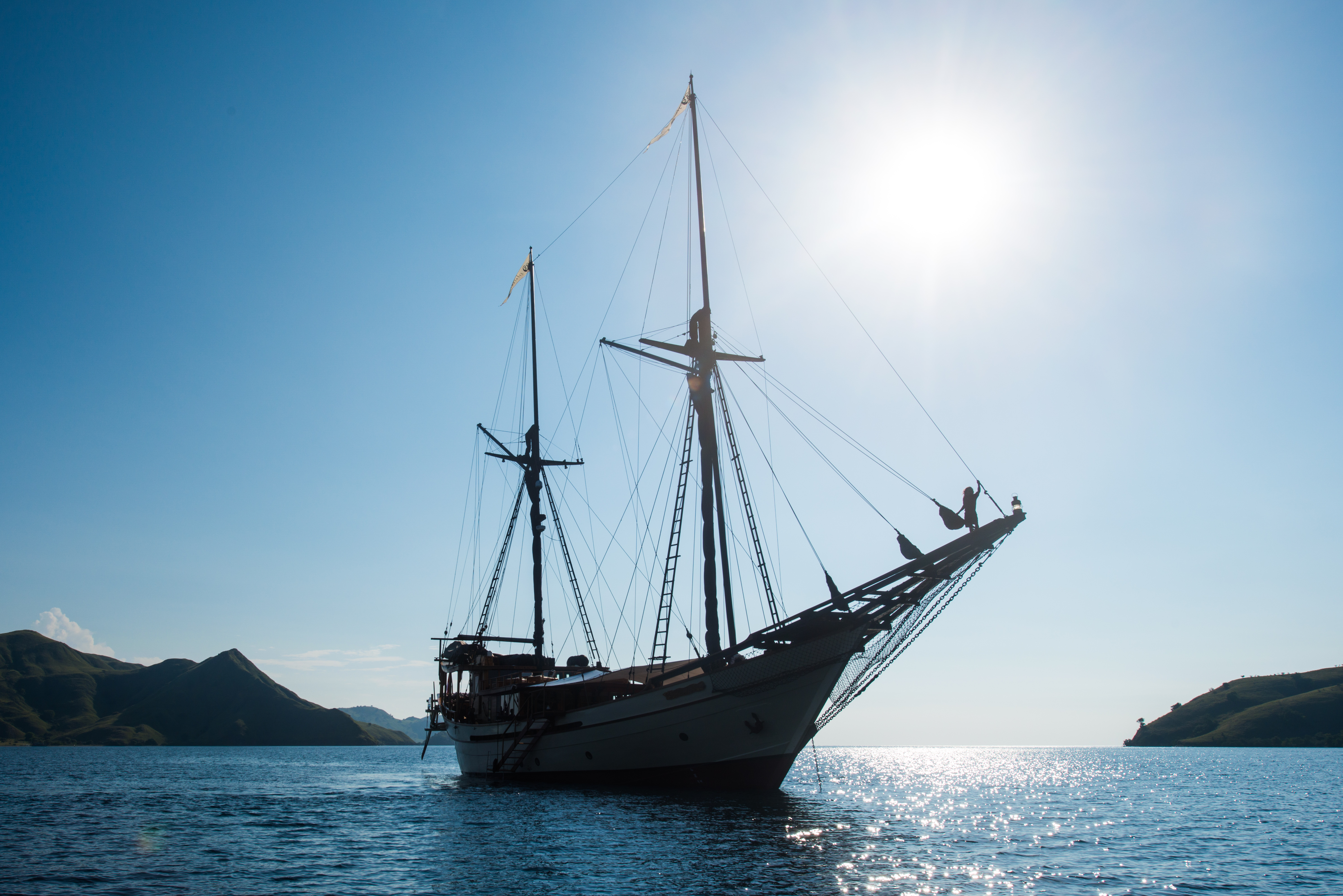
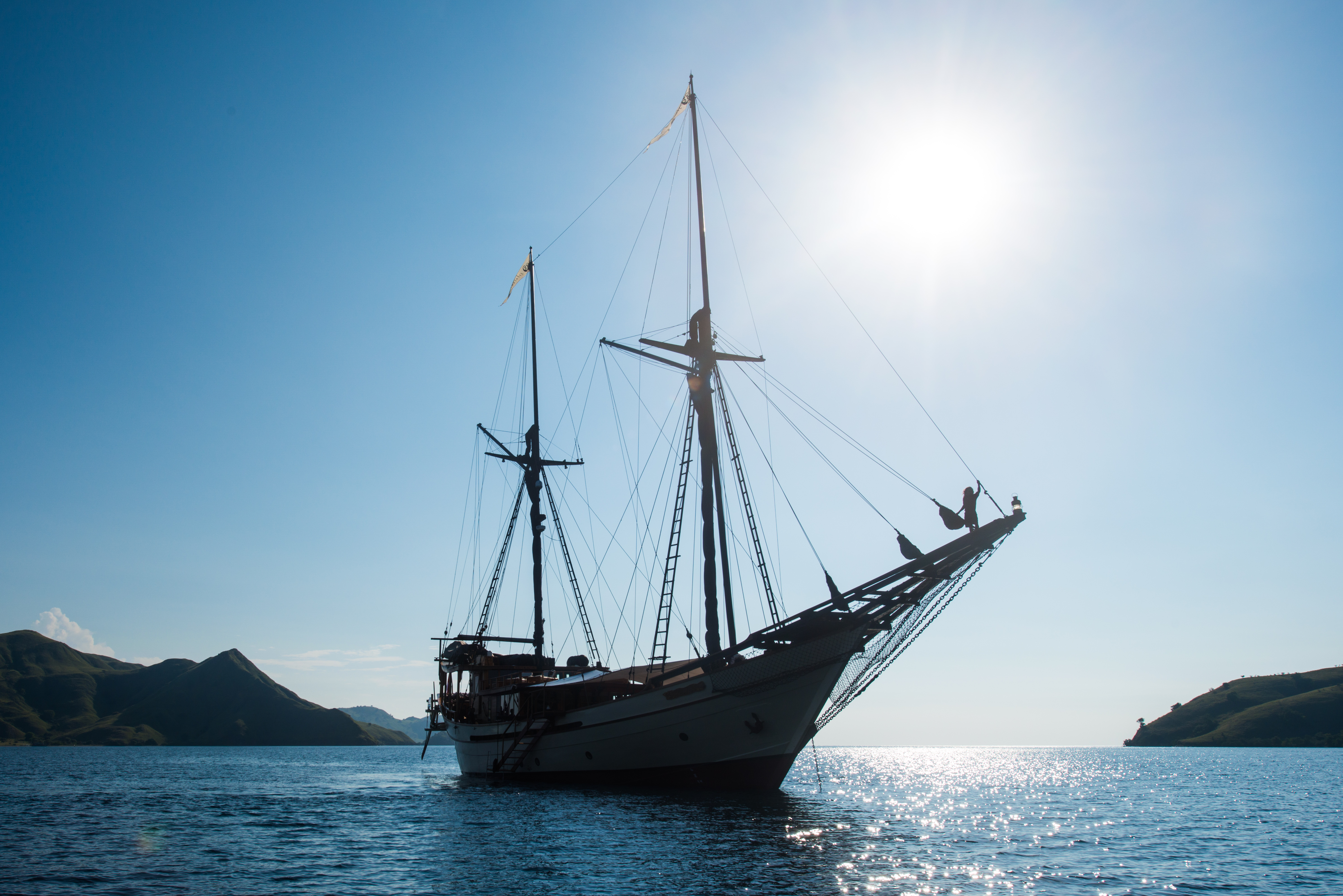
The seven sails of Silolona and Si Datu Bua await—not as backdrop for vacation photos, but as teachers of an ancient yet profoundly relevant wisdom. Experience Indonesia's hidden archipelagos aboard vessels where traditional sailing philosophy meets contemporary luxury, where 30 years of expertise creates bespoke sojourns through Southeast Asia's most pristine waters.
Every voyage becomes meditation on balance, belonging, and the art of moving in harmony with forces greater than ourselves. This is exploration that changes not just what you see, but how you see.
Sail with intention. Explore with reverence. Journey into the heart of maritime wisdom.
Contact Silolona Sojourns to design your philosophical voyage through Indonesia's most captivating destinations, where centuries of seafaring knowledge meets the luxury of profound understanding.