

Why Ultra-Luxury Travelers Are Abandoning Resorts for Private Yacht Expeditions
You have stayed at the right places. You have eaten at restaurants that require a year of planning to secure a table. You have visited celebrated island retreats and discreet peninsula hideaways that your travel advisor reserves for clients who are past needing to be told where to go. And at some point, perhaps recently, perhaps not for the first time, you left one of those places with a familiar and slightly unsettling feeling: that you had been extraordinarily comfortable, and almost entirely undisturbed.
This is not ingratitude. It is a signal. The most discerning travelers in the world are currently experiencing a version of it, and the research on luxury travel behavior reflects what many of them already sense: the paradigm that defined high-end travel for the past three decades is reaching its natural limit for a specific and growing cohort of ultra-high-net-worth travelers who have exhausted the resort circuit and are looking for something that the resort circuit was never designed to deliver.1
What they are looking for is expedition travel. And the most extraordinary place on earth to find it, for reasons this guide will make specific and unmistakable, is Indonesia. Aboard a private phinisi.
The Psychology of Post-Resort Travel
The resort paradigm was built on a promise of refuge: exquisite service, controlled environments, curated beauty, effortless comfort. At its best, it delivers all of that with genuine mastery. The Amans of the world are masterworks of hospitality design. No serious traveler disputes this.
But the resort, by its nature, is a closed system. The wilderness outside is managed. The culture is adjacent. The other guests are present. The itinerary is a menu of options that someone else designed and that hundreds of guests before you have selected from the same list. Your privacy is genuine in your villa; it dissolves the moment you leave it. And the experience, however beautiful, is fundamentally passive. You receive it. You do not shape it.
Research in experiential psychology identifies this distinction as the difference between hedonic and eudaimonic experience: pleasure versus meaning. Hedonic experiences, comfort, beauty, service excellence, produce measurable satisfaction but comparatively short-lived memory traces. Eudaimonic experiences, those involving challenge, discovery, genuine human connection and personal transformation, produce memories that remain vivid and formative across decades.2 The traveler who has spent twenty years optimizing hedonic travel often arrives, eventually, at a hunger for the other kind.
The traveler who has spent twenty years optimizing hedonic travel eventually arrives at a hunger for the other kind. |
This is the psychology behind the post-resort shift. It is not dissatisfaction with quality. It is a hunger for a category of experience that quality alone cannot produce. And it is producing a measurable reorientation in how UHNW travelers allocate discretionary time and spend: away from passive hospitality and toward active, immersive, access-driven expedition experiences where they are participants rather than recipients.
What the Resort Paradigm Cannot Give You
It is worth being specific about what changes when you leave the resort circuit for expedition-based travel, because the differences are structural rather than aesthetic.
Complete Privacy
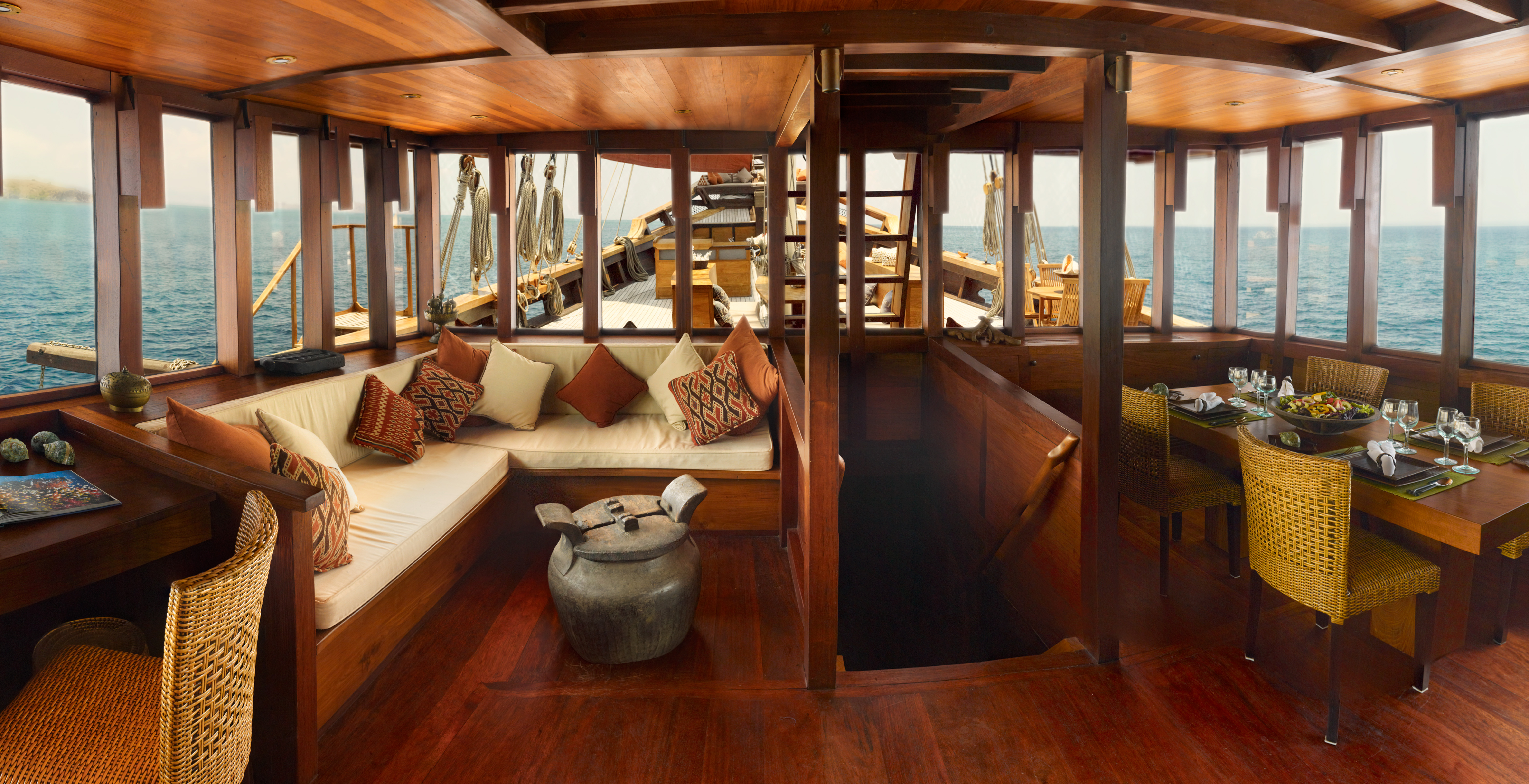
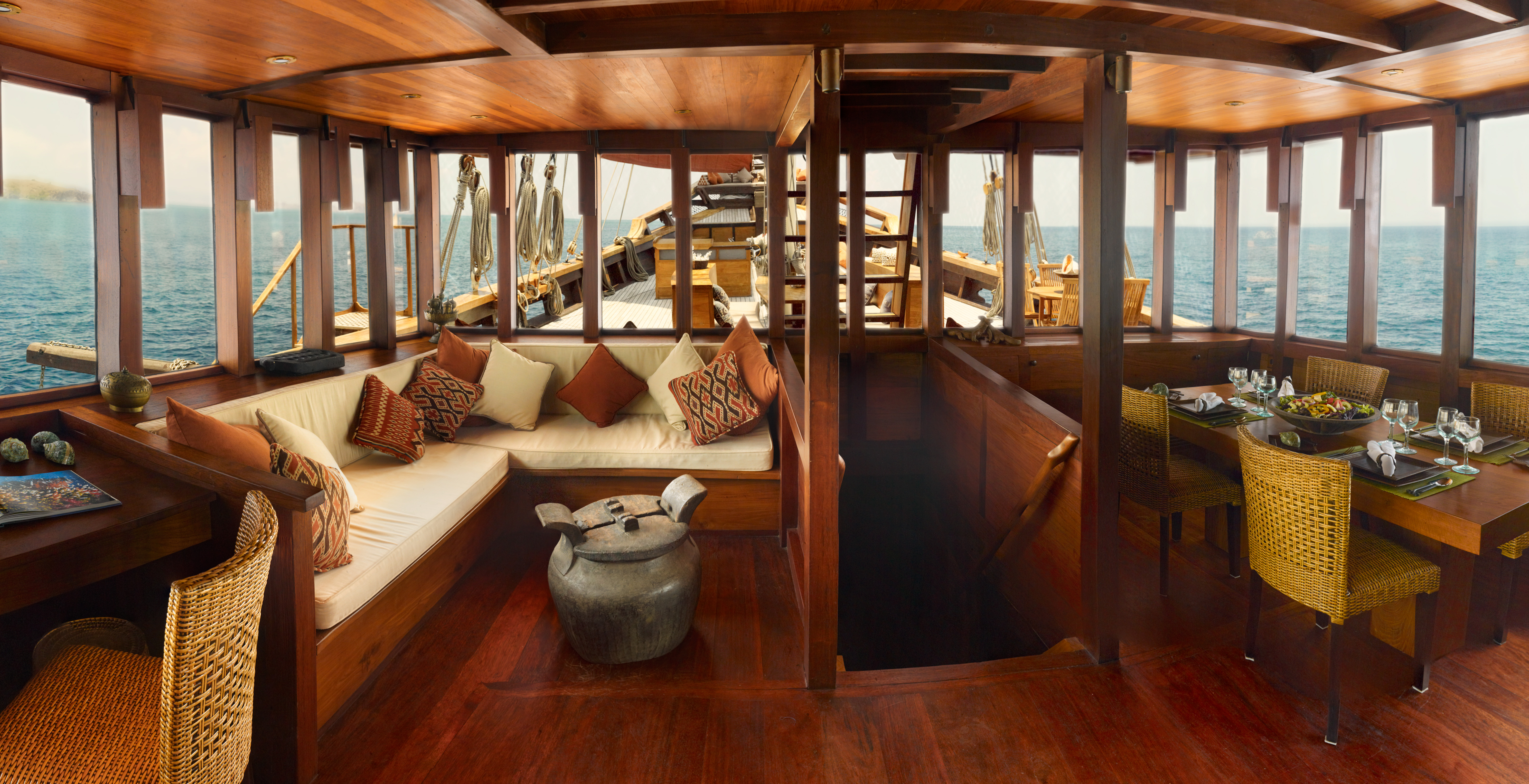
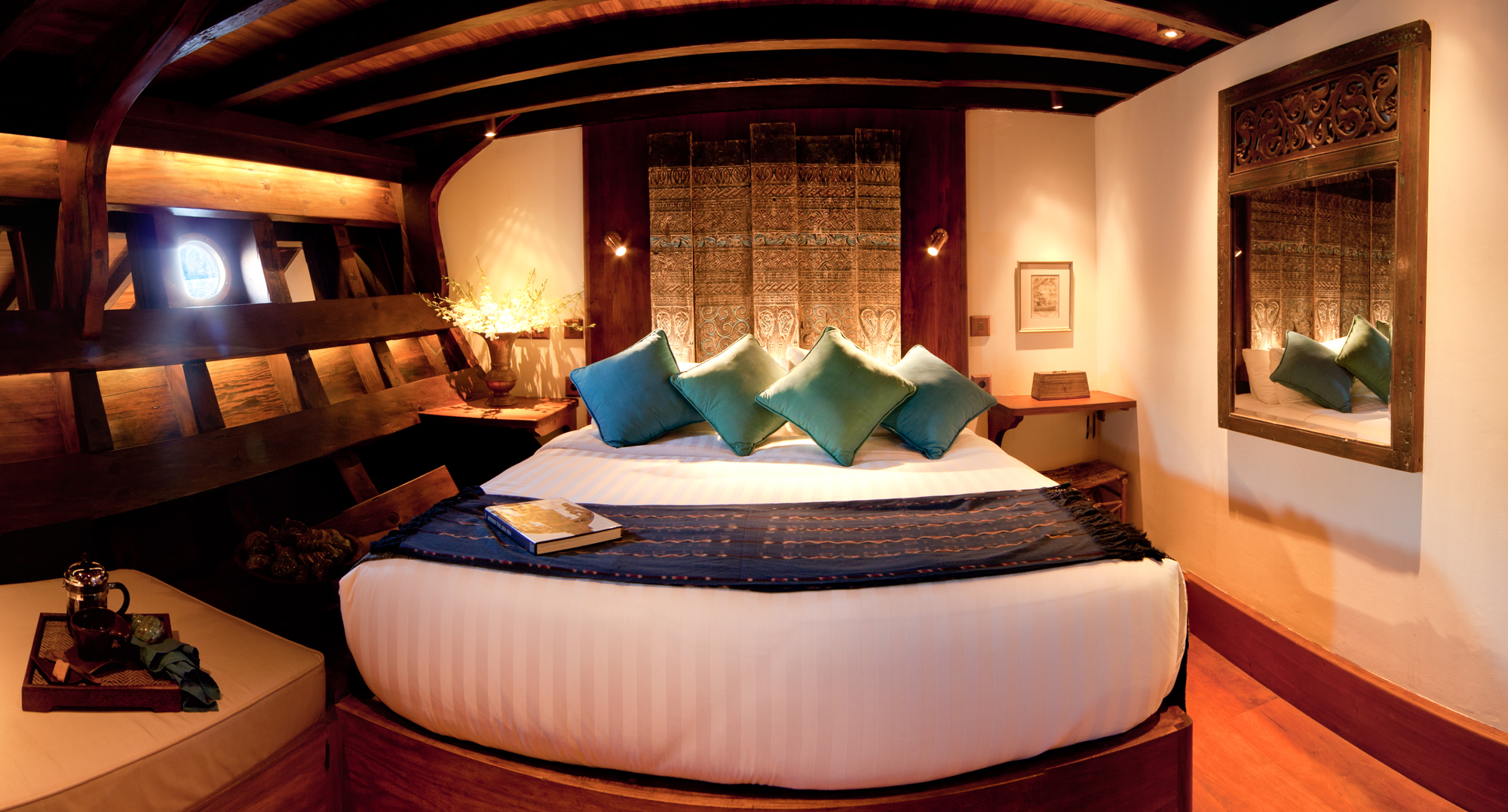
A private yacht charter delivers a quality of privacy that no resort property can match, regardless of how exclusive its reputation. On a phinisi with your group, there are no other guests. Not in the next villa, not at the adjacent table, not on the beach you have arrived at by tender. The crew exists entirely for you. The itinerary responds entirely to you. You are not sharing a destination. You are occupying one.
Genuine Cultural Access
The resort's relationship with local culture is, almost universally, curated and controlled. A performance in the evening. A market visit arranged by the concierge. Cultural contact that is staged for your comfort rather than genuine for its participants. A well-operated phinisi expedition, with a crew that has spent years building real relationships with coastal communities across the archipelago, delivers something entirely different. You go ashore as a guest with a history in that village, not as a tourist with a schedule. The difference is not cosmetic. It changes what you are allowed to witness and what you are invited to join.
Itinerary That Does Not Exist Until You Do
Every resort offers a menu. The menu has been optimized over years of guest feedback, and it reliably produces satisfaction. But it is someone else's menu. A private charter expedition is built around you: your interests, your pace, your group's particular mix of curiosity and desire for stillness, your instinct one morning to stay in an anchorage an extra day because something about it is not finished yet. That kind of responsiveness is the structural difference between a product you are consuming and a journey that is, in a meaningful sense, yours.
Resort vs Expedition: The Structural Difference
For travelers weighing the shift, the following table maps the experiential differences at the level that actually shapes memory.
Experience Axis: Primary Currency
-
Resort Paradigm: Focuses on comfort and service delivery.
-
Expedition Paradigm: Emphasizes access and meaningful experiences.
Experience Axis: Environment
-
Resort Paradigm: Curated, controlled, and predictable.
-
Expedition Paradigm: Responsive, dynamic, and ever-changing.
Experience Axis: Cultural Encounter
-
Resort Paradigm: Staged or limited to areas near the property.
-
Expedition Paradigm: Genuine and built on real human connections.
Experience Axis: Privacy
-
Resort Paradigm: Shared with other resort guests.
-
Expedition Paradigm: Complete privacy, with no other guests present.
Experience Axis: Legacy
-
Resort Paradigm: Memories centered on what you experienced.
-
Expedition Paradigm: Memories shaped by personal transformation.
Experience Axis: Discovery
-
Resort Paradigm: Based on a fixed itinerary of well-known highlights.
-
Expedition Paradigm: Involves exploring places that may not even have names.
Experience Axis: Return Motivation
-
Resort Paradigm: Driven by consistency and familiarity.
-
Expedition Paradigm: Motivated by the uniqueness of each journey, as no two voyages are ever the same.


Why Indonesia Is the Only Correct Answer
Post-resort travelers making this shift have options. The Mediterranean offers superyacht culture of genuine sophistication. The Galapagos offers wildlife encounters of extraordinary scientific significance. Patagonia delivers landscape of almost aggressive grandeur. Each is a legitimate answer to a specific version of the question.
But Indonesia, for a particular and very demanding version of the question, is not just one answer. It is the only answer.
Scale That Cannot Be Replicated
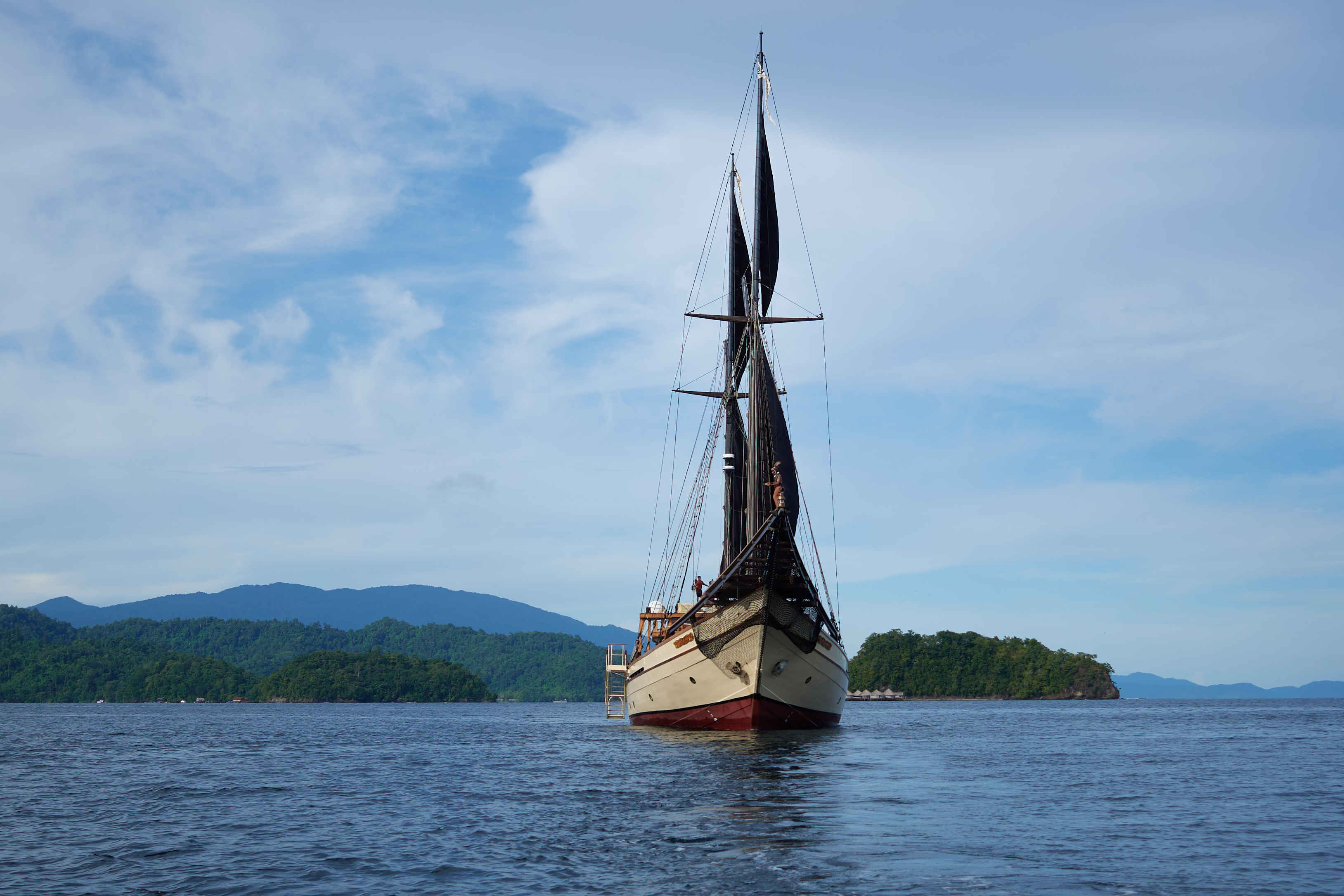
The archipelago contains 17,508 islands across 5,000 kilometers of ocean. No other yacht charter destination on earth offers this ratio of unexplored anchorage to sailing distance. The logistics of private access to this geography, which requires local knowledge, regulatory relationships and the specific drafts of traditional vessels, means that the experience available to a well-equipped private expedition is genuinely unavailable to mass tourism. You are not discovering what everyone else has already photographed. You are, in many anchorages, the first non-local presence that has arrived in months.
The Coral Triangle: Biological Significance at Scale
The Coral Triangle, centered on Indonesia's eastern waters, contains over 76% of the world's known coral species and more than 3,000 species of reef fish.3 No other marine environment on earth approaches this concentration of biodiversity. For a traveler whose experience of snorkeling has been the Maldives or the Great Barrier Reef, the underwater world of Raja Ampat or the Banda Sea is a different category of encounter, less decorative, more alive, more complex and more demanding of attention. The ocean here is not a backdrop. It is a subject.
Living Culture, Not Heritage Tourism
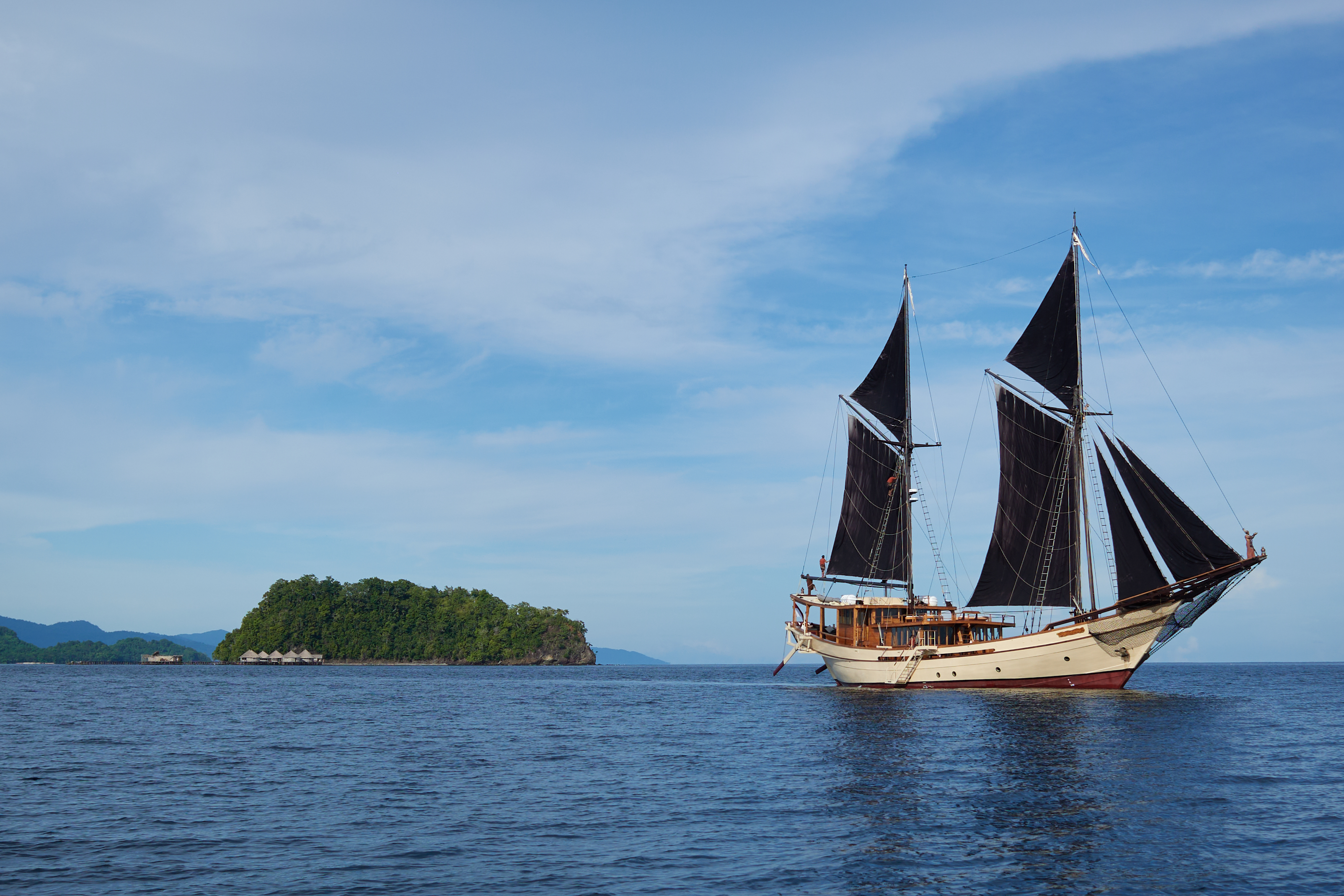
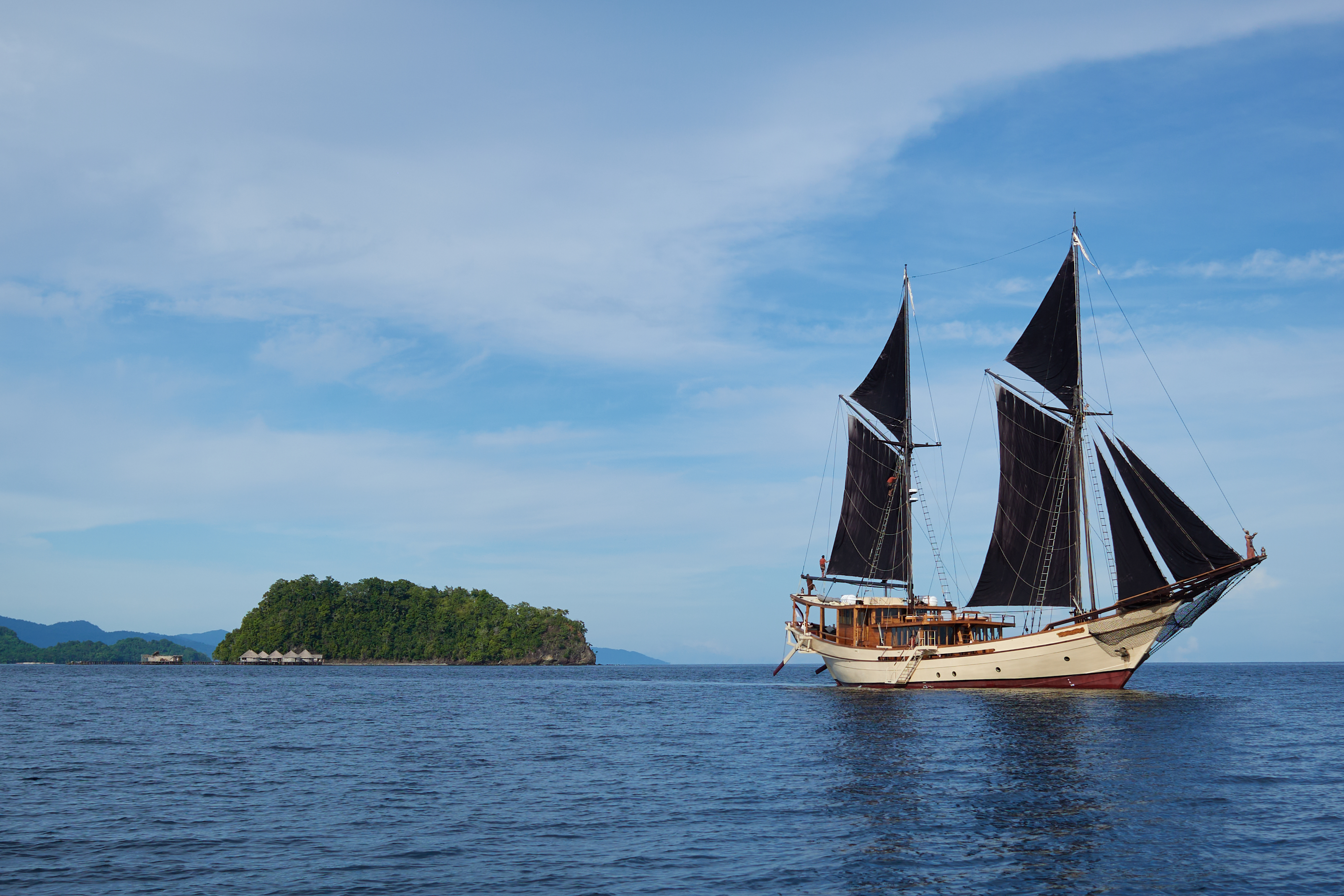
The Mediterranean's cultural wealth is primarily archaeological and architectural. You encounter the past. Indonesia's cultural wealth is present tense. The Asmat of Papua, the ikat weavers of the Lesser Sunda Islands, the fishing communities of the Banda archipelago who still navigate by stars and season: these are not preserved traditions performed for visitors. They are living practices, and a phinisi expedition with the right crew and relationships allows access to them in a form that no resort, no land-based tour and no steel expedition vessel with a freshly assembled local guide can replicate.
The Private Safari at Sea
The closest analogy to what a well-operated Indonesian phinisi expedition actually delivers is the private Africa Born safari Adventure. Not the group tour version. The private concession, where the vehicle goes where the tracking leads, where the rhythms of the day follow the wildlife and the light, where the camp exists entirely for your party and the guides have been in this landscape for twenty years. The experience is intimate, expert-led, biologically extraordinary and structured around discovery rather than delivery. Replace the savannah with 50,000 square kilometers of the world's most biodiverse ocean, and you have the Indonesian phinisi expedition.
The Silolona Experience: Transformation, Not Recreation
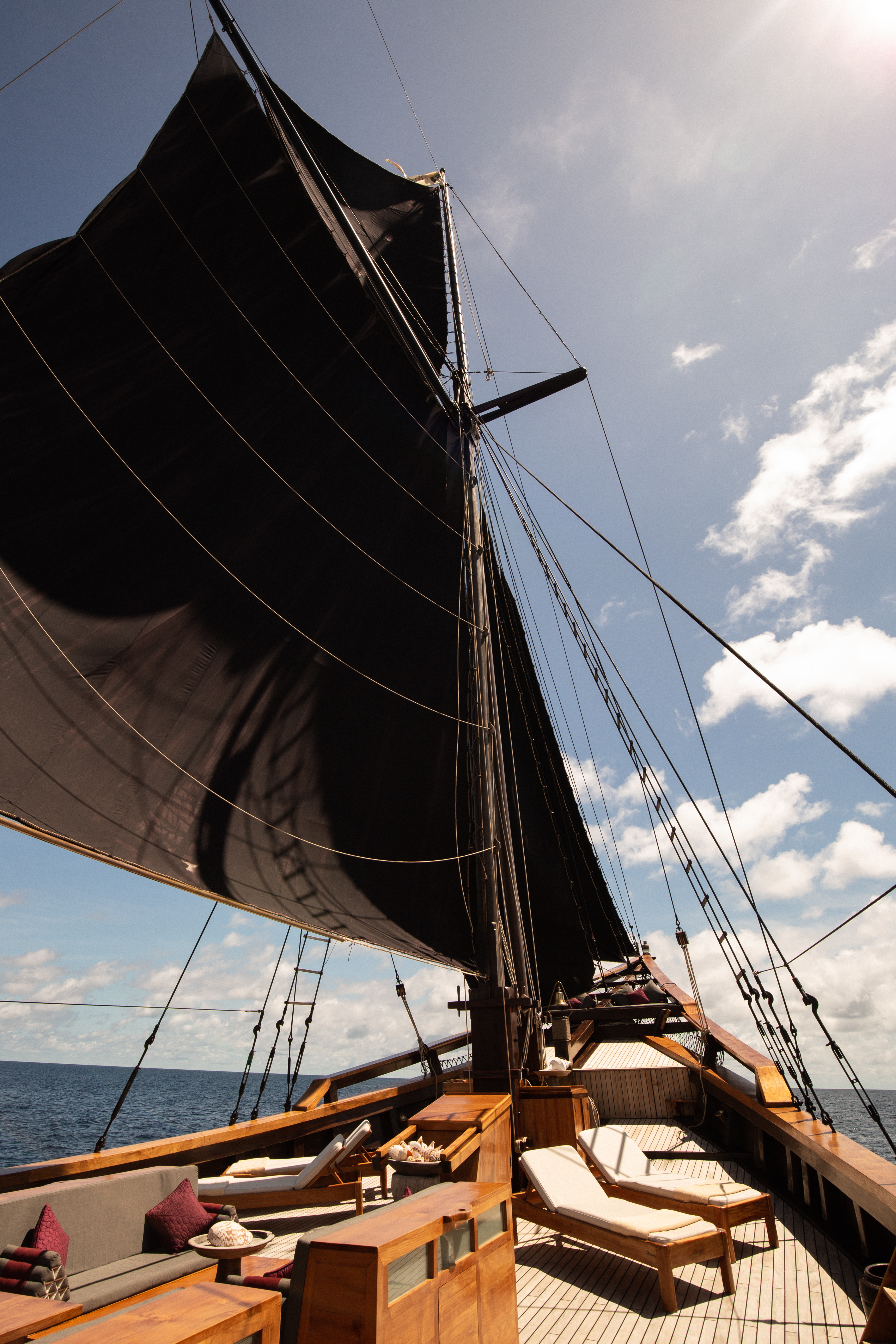
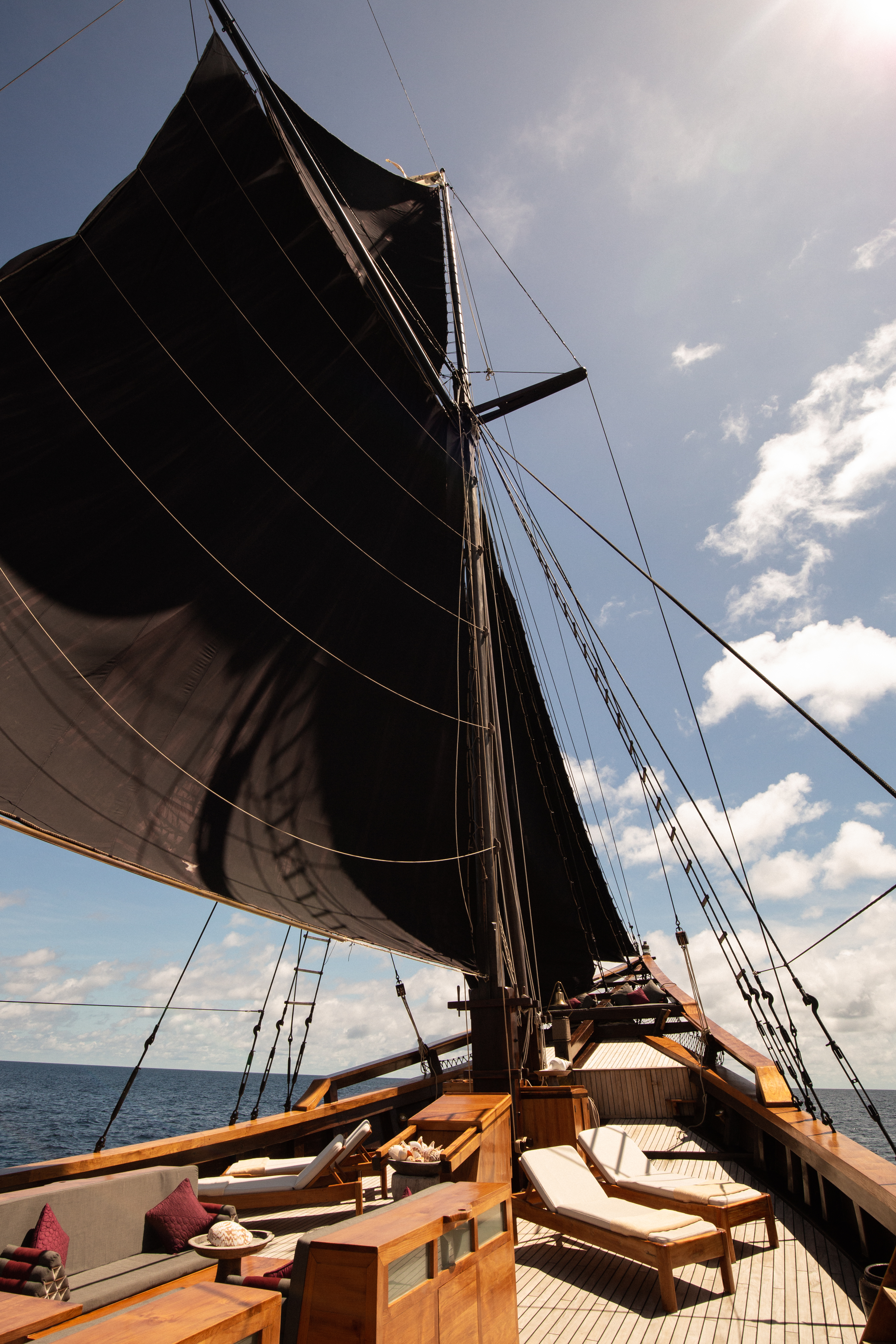
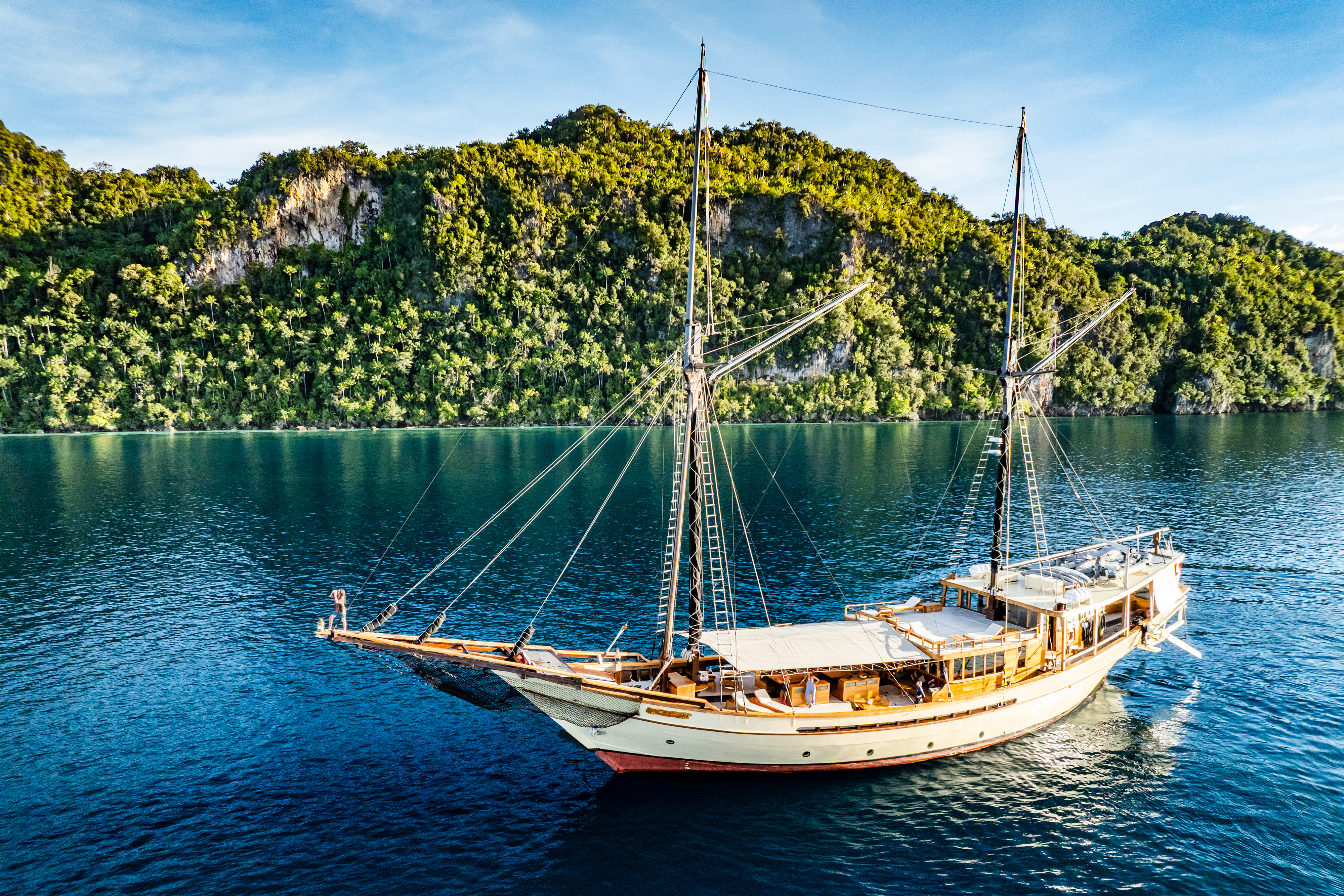
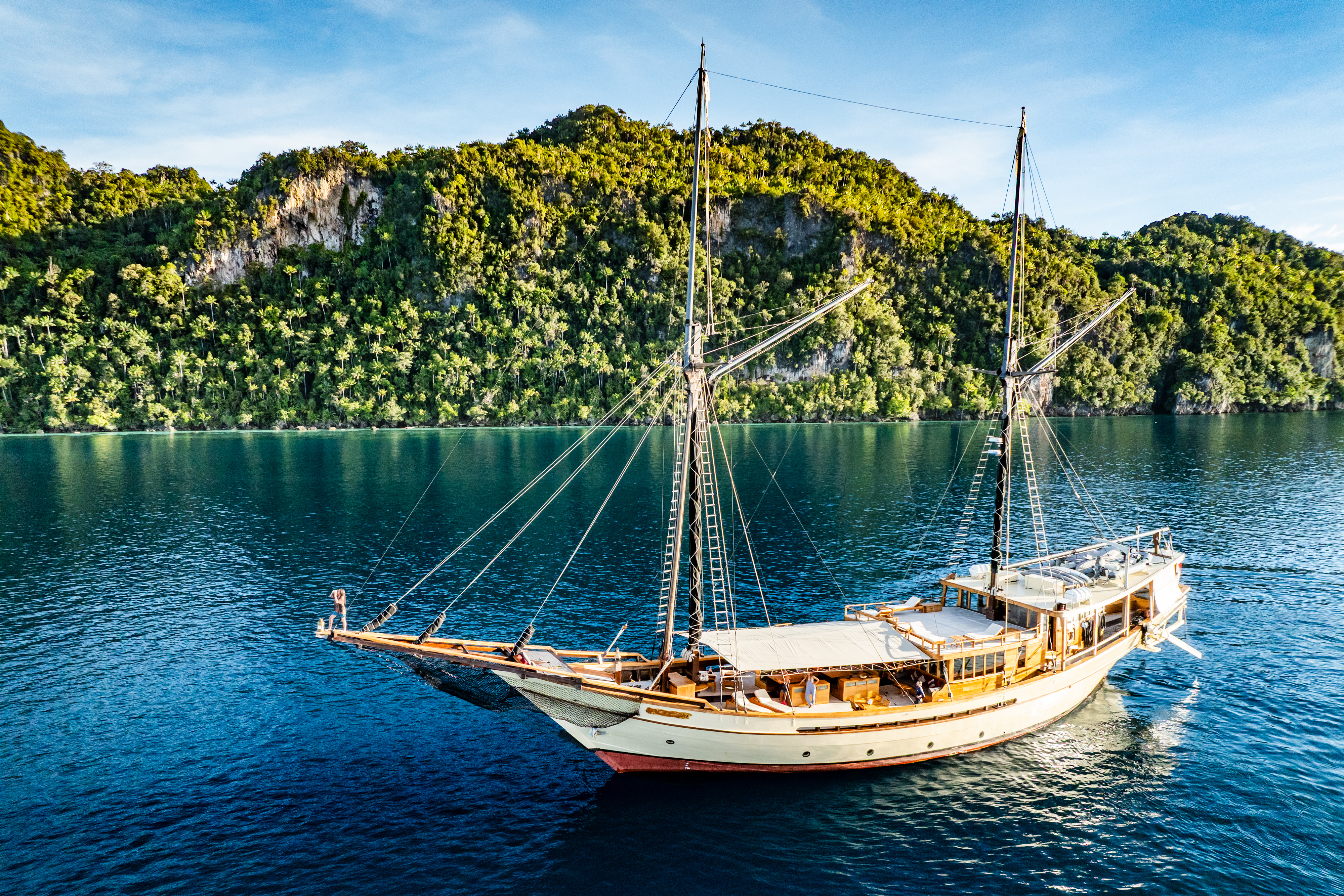
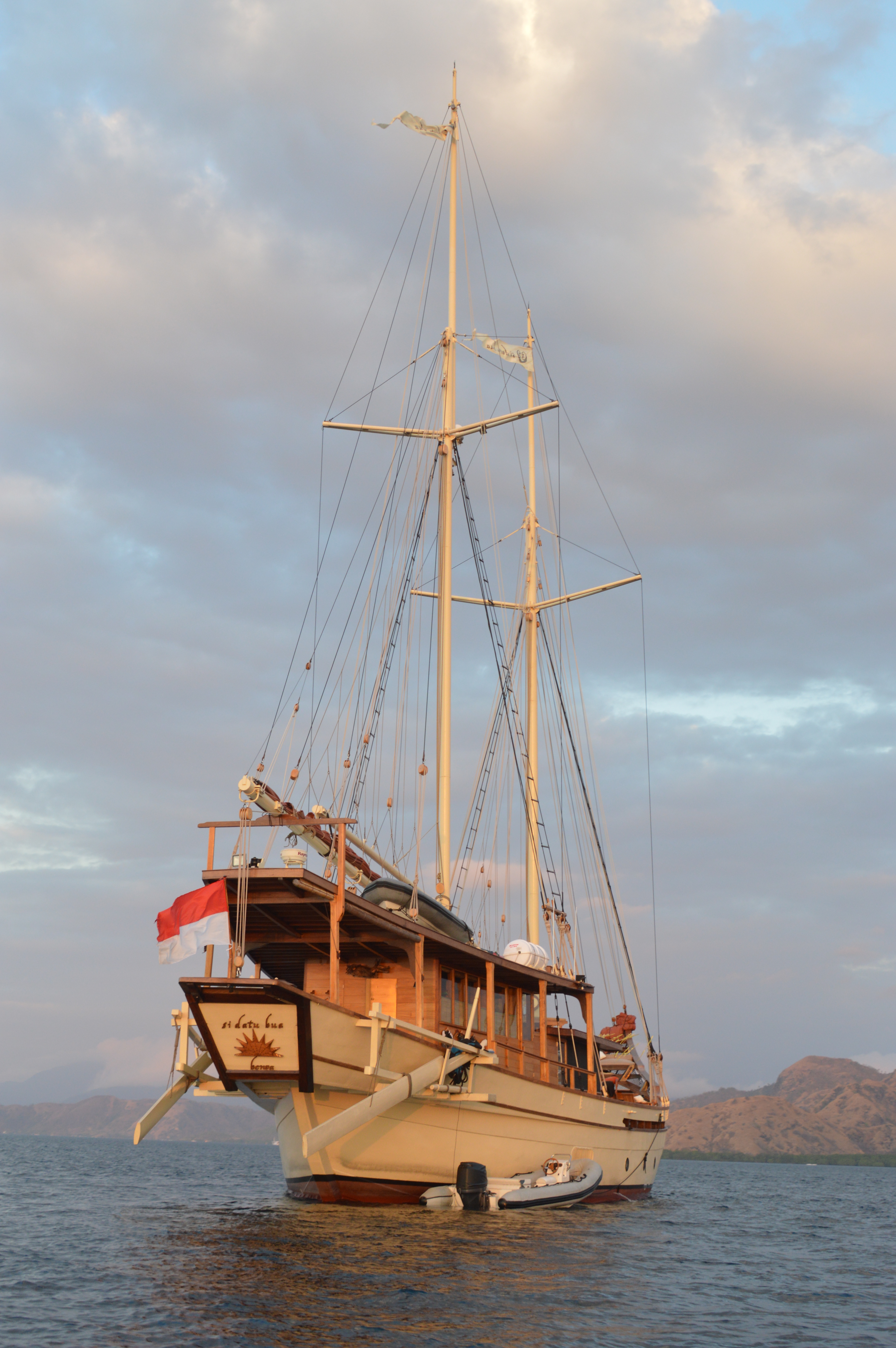
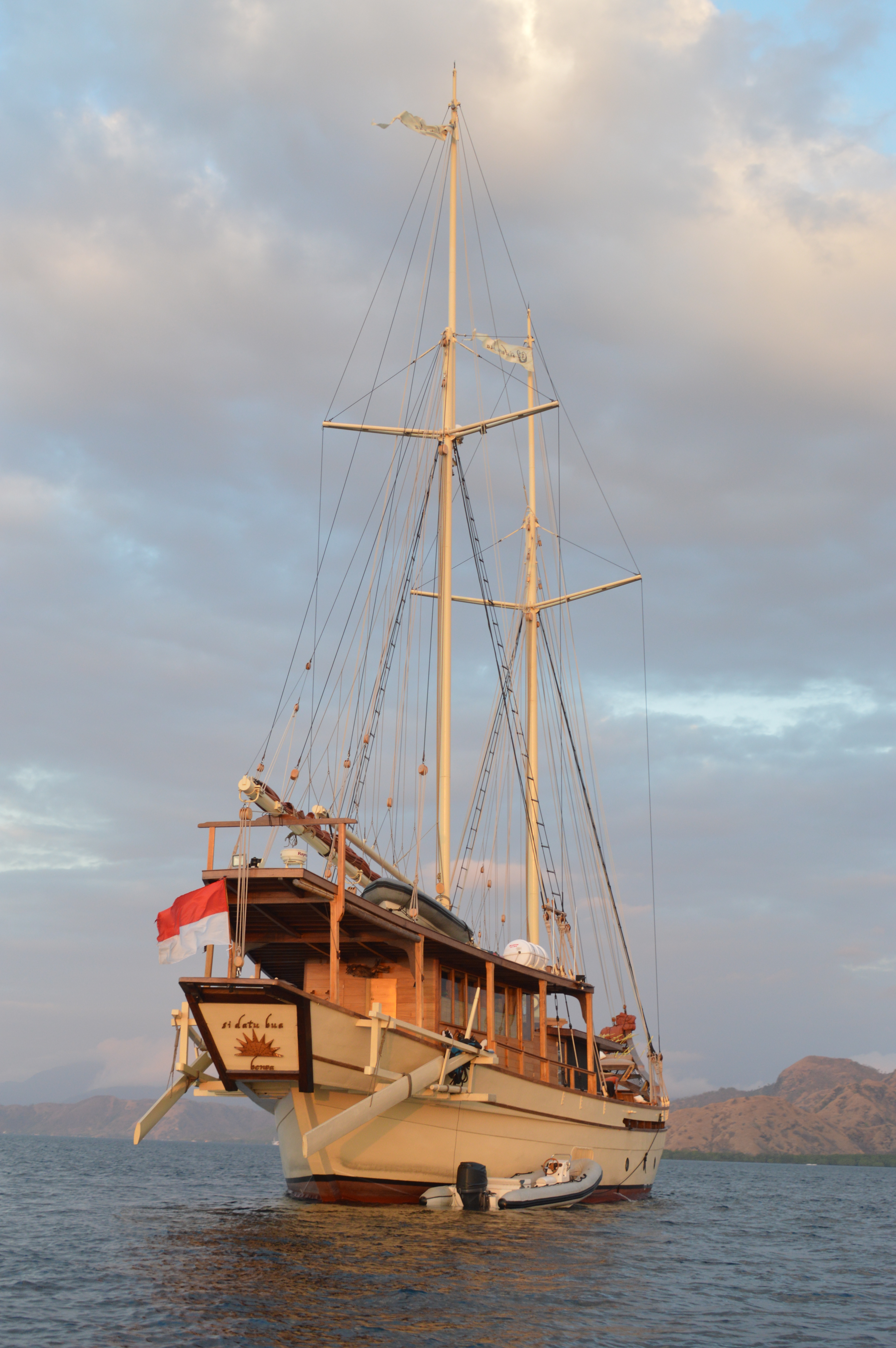
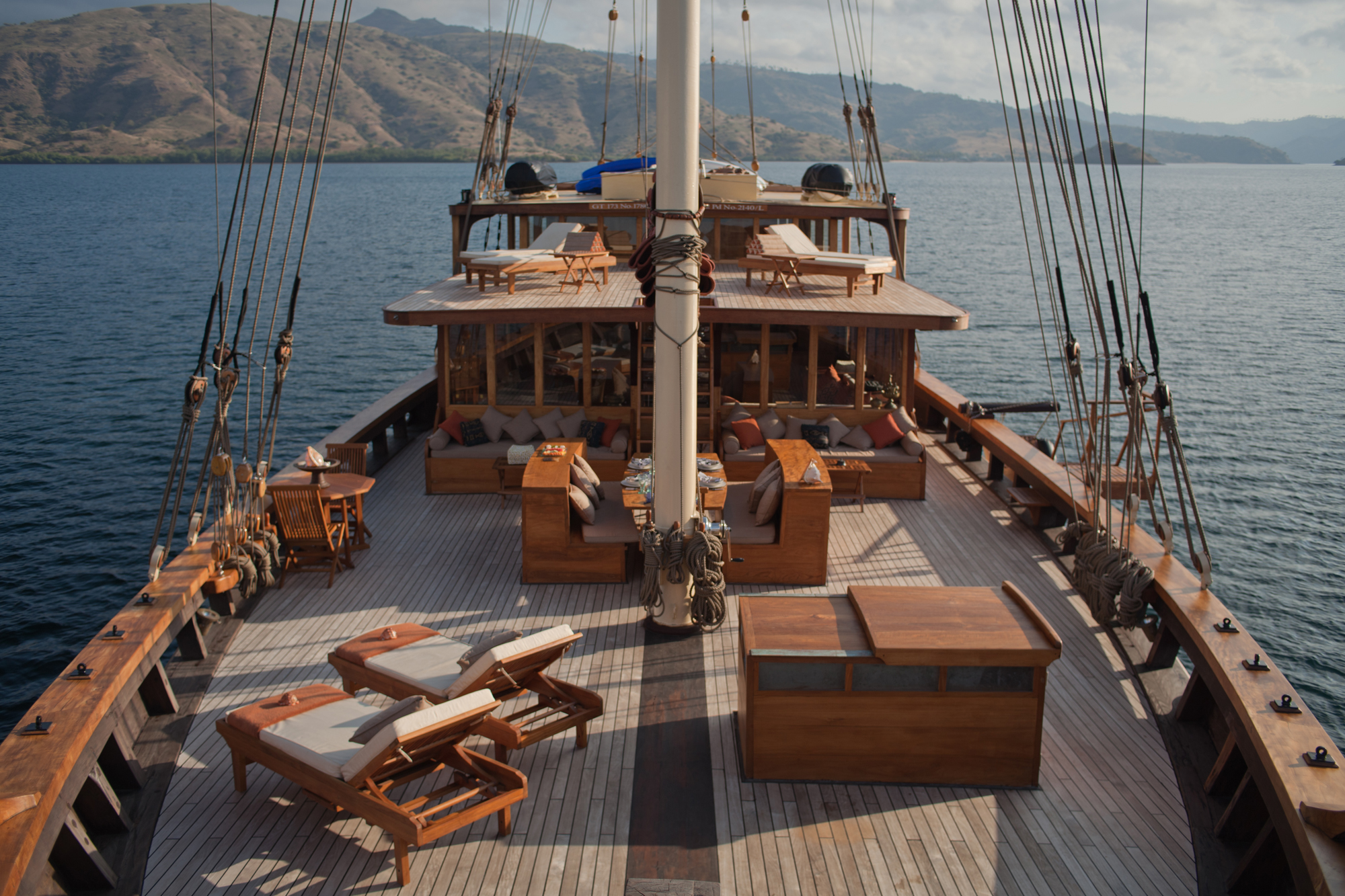
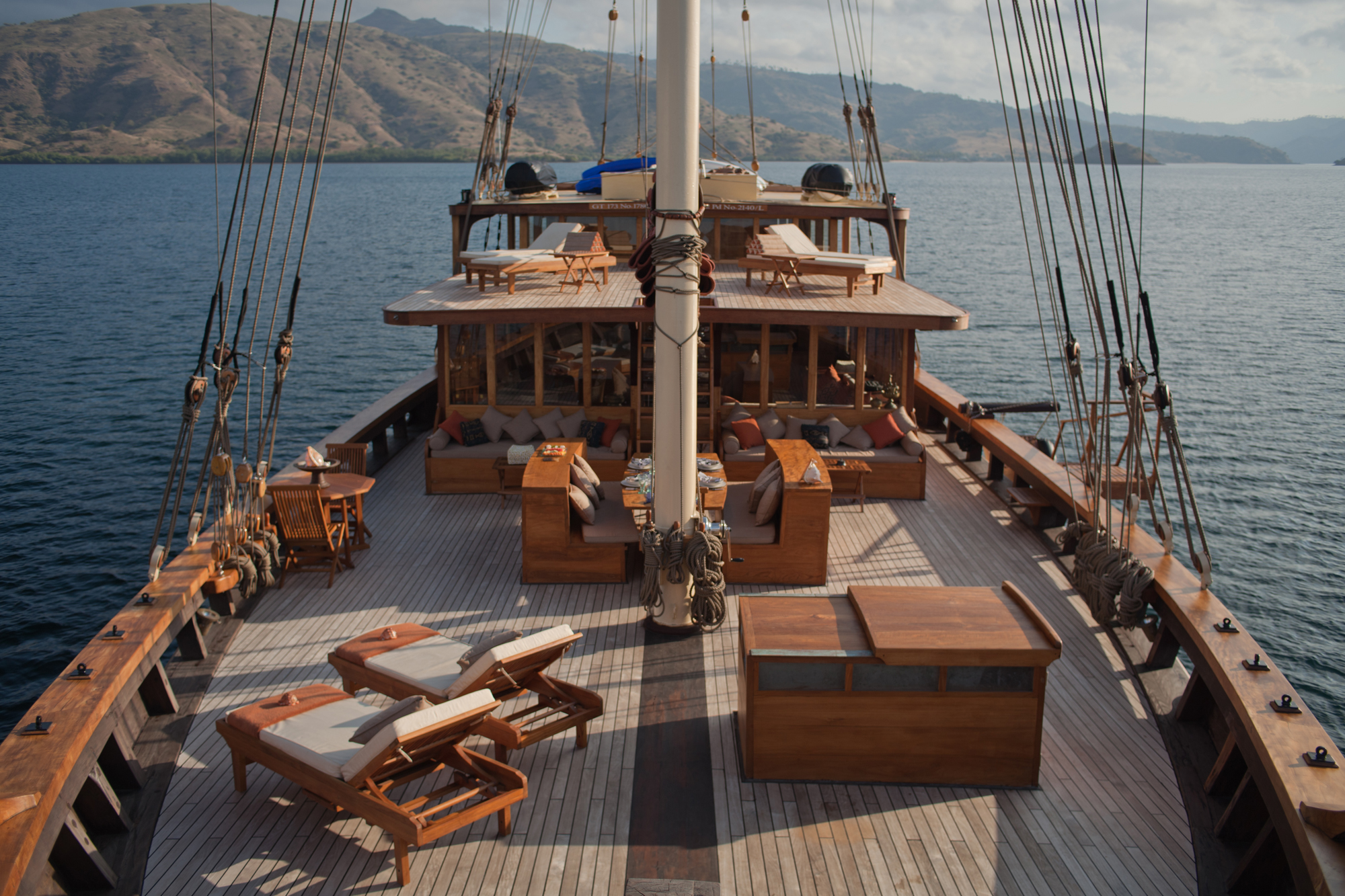
MSV Silolona and Si Datu Bua are not vessels that offer an upgraded version of what you have already had. They are the entry point to a different category of travel, one that has been refined across thirty years of operating in Indonesian waters with a specific kind of guest in mind.
Who Silolona Is Built For The guest who arrives already knowing the world's great resorts and is ready to move beyond the comfort of the known. Who travels with family and wants to give their children, or their grandchildren, an encounter with places that feel deeply connected to nature and culture. Who values the quality of what they are doing more than the visibility of where they are. Who understands that the most significant journeys are not the ones that were most comfortable but the ones that were most meaningful. |
A week aboard a Silolona vessel in Raja Ampat or the Banda Sea does not produce the kind of memory that fades by the following season. The quality of presence in those anchorages, the encounters with communities that few travelers ever reach, the rhythm of a wooden vessel moving through extraordinary water with a crew that has spent decades learning how to do this exactly right: these leave a different kind of mark. Not comfort experienced and released. Something closer to a shift in orientation.
This is the promise of expedition-based luxury at its highest expression. Not that you will be perfectly served, though you will be. Not that the vessel will be beautiful, though it is. But that you will return different from how you arrived, with a clearer sense of what the world actually contains and a sharper instinct for the experiences worth pursuing next.
The resort gives you what you booked. The expedition gives you what you did not know to ask for. For a traveler who has spent years getting very good at booking the right things, the distinction is not small. It is the whole point.
The Question Worth Asking
If you are reading this because something in your recent travel history has prompted it, because a conversation about where to go next produced a familiar restlessness, because the list of what you have done is growing longer and the quality of what you are anticipating feels like it should be growing alongside it: that instinct is worth following.
The shift from resort-based to expedition-based luxury is not about rejecting what came before. It is about recognizing when you have outgrown one category of experience and are ready for the next one. The guests who have sailed aboard Silolona tend to describe it in terms that have less to do with service or scenery and more to do with something that happened to their sense of what travel can actually be.
That is a difficult thing to market. It is an easy thing to experience. And the conversation that leads to it starts simply, with a message to a team that has been building these expeditions for thirty years and has been waiting, specifically, for people like you.
Your Expedition Starts with a Conversation If something in this piece has articulated what you have been reaching toward, the next step is a conversation, not a brochure. Silolona Sojourns has spent thirty years designing Indonesian expeditions for people who have done everything else and are ready for what actually changes them. Two extraordinary phinisi. Itineraries that do not exist until you do. |
References
1. Yeoman I, McMahon-Beatte U. The future of luxury: mega drivers, new faces and emerging markets. Journal of Vacation Marketing. 2014;20(4):315-326. DOI: 10.1177/1356766714523049
2. Nawijn J, Marchand MA, Veenhoven R, Vingerhoets AJ. Vacationers happier, but most not happier after a holiday. Applied Research in Quality of Life. 2010;5(1):35-47. DOI: 10.1007/s11482-009-9091-9
3. Veron JEN, Devantier LM, Turak E, Green AL, Kininmonth S, Stafford-Smith M, Peterson N. Delineating the Coral Triangle. Galaxea, Journal of Coral Reef Studies. 2009;11(2):91-100. DOI: 10.3755/galaxea.11.91