

Alor Island: Indonesia's Last Great Diving Frontier
The Edge of Indonesia Feels Different Here
Alor does not greet you like a famous destination. It does not arrive polished, packaged, or rehearsed. It appears slowly, at the far eastern edge of Indonesia’s usual luxury travel map, where volcanic ridgelines fall into deep blue channels and villages still look toward the sea as part of daily life. This is not the Indonesia most travelers think they know. It is quieter, rawer, more elemental.
For serious divers, Alor Island diving has become one of the great whispered names of Southeast Asia: cold upwellings, dramatic walls, black sand macro slopes, current swept reefs, dolphins in the straits, and dive sites that can feel almost private. For culturally curious travelers, Alor offers something just as rare: ikat weaving traditions, Abui villages, mountain landscapes, and the feeling that tourism has not yet flattened local life into performance.
That combination makes Alor one of the strongest arguments for an East Indonesia yacht charter. The region is too remote, too varied, and too tide shaped to experience properly through a generic itinerary. By private yacht, you do not just visit Alor. You move with it.
Why Alor Is Still Almost Absent From Luxury Travel Content
Alor is not overlooked because it lacks depth. It is overlooked because it demands effort. The island lies in East Nusa Tenggara, east of Flores and north of Timor, with the Pantar Strait cutting through one of Indonesia’s most dynamic marine corridors. This geography creates the exact conditions divers love and planners respect: strong currents, sudden temperature shifts, deep channels, nutrient movement, and remarkable site diversity.
Local dive operators describe the Alor Islands Marine Park as having more than 70 dive sites, with deep channels that contribute to strong currents and also form an important migratory corridor where lucky visitors may encounter larger marine life. The Government of Indonesia declared the Pantar Strait and surrounding Alor waters a Marine Protected Area in 2015, recognizing the area’s coral diversity, fisheries value, and role as a cetacean migration corridor.
This is why Alor feels like a frontier. Not because no one lives here or knows it, local communities have always known it. It feels like a frontier because luxury tourism has barely learned how to speak about it.
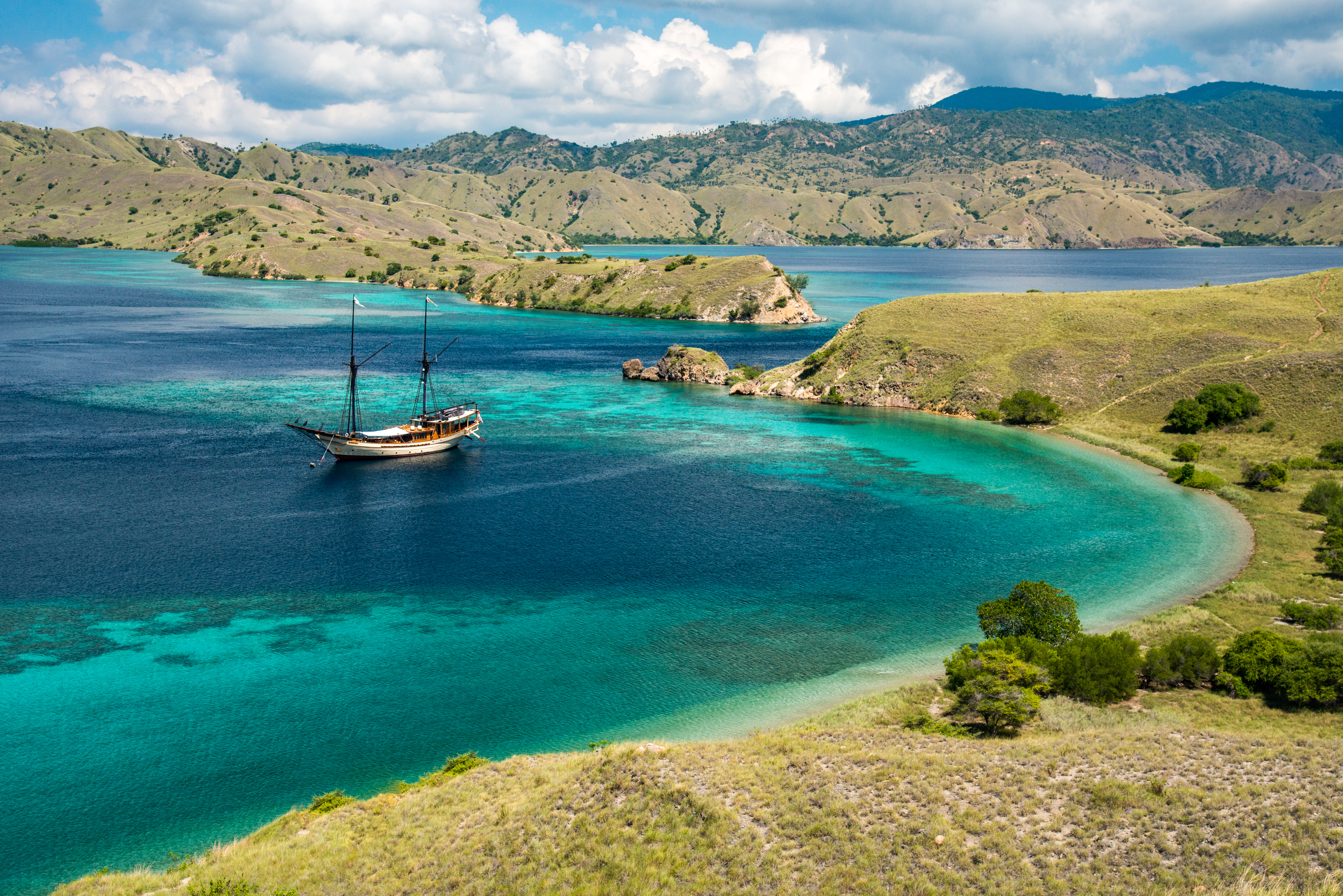
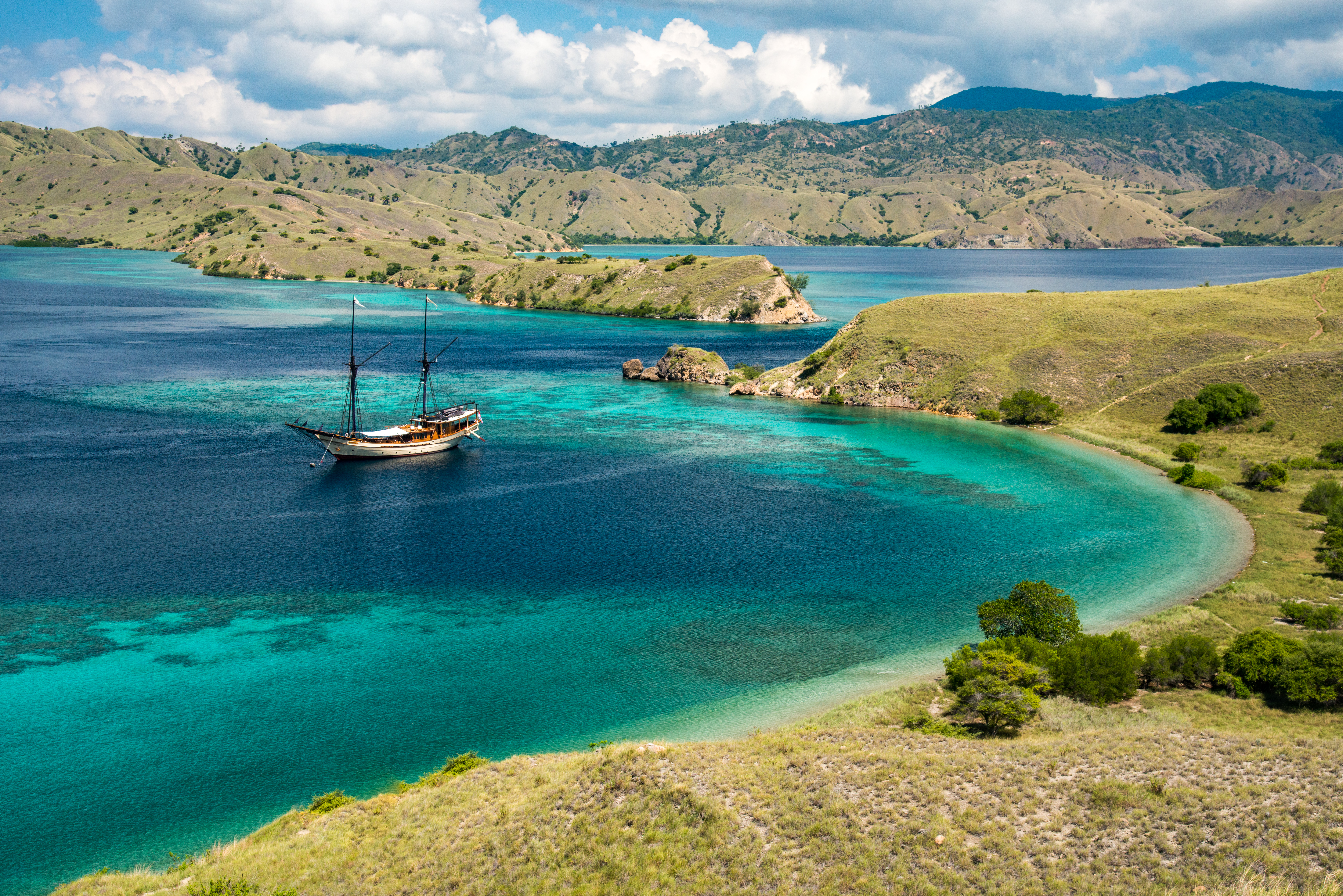
The Diving: Not One Destination, But Several Oceans in One
A good Alor dive itinerary is not built around repetition. It is built around contrast. One day may bring you into the Pantar Strait, where reef walls, pinnacles, and current driven sites reveal hard coral, soft coral, schooling fish, and pelagic movement. Another may place you inside Kalabahi Bay, where the pace changes completely and the ocean floor becomes a macro photographer’s hunting ground.
This is the core of Alor Island diving. It is not only about big scenery. It is about range. You can dive reefs that feel wide and cinematic, then move to black sand or volcanic slopes where the world becomes miniature: nudibranchs, frogfish, rhinopias, pipefish, shrimps, crabs, seahorses, and the strange patience required to notice life at a scale most people miss.
Kalabahi Bay is often discussed for muck diving, with black sand and volcanic rock slopes that support unusual critters such as rhinopias, frogfish, nudibranchs, and other macro life. Beangabang Bay on Pantar is also widely associated with muck and macro diving, while the Pantar Strait offers reef sites such as Clown Valley, Cal’s Dream, The Cathedral, and Max’s Point.
For the diver who has already seen Komodo, Raja Ampat, and the Banda Sea, Alor offers a different kind of reward. It asks you to slow your eyes down.
Clown Valley: Color at Full Volume
Clown Valley is one of Alor’s signature reef experiences. It is often described for its dense anemone fields and the vivid, almost impossible color that makes the site feel less like a reef and more like a living tapestry. In the right conditions, the site can be exhilarating, but Alor’s currents and temperature shifts mean even beautiful sites deserve careful timing.
This is not a place where a dive guide should simply say, “the site is famous, so we go.” The better question is always: what is the tide doing, what is the current doing, who is diving today, and what is the safest way to experience the site well?
That is Alor’s quiet lesson. Beauty is everywhere, but access must be earned by reading the water.
Kalabahi Bay: Macro Diving for People Who Love the Small Strange Things
Kalabahi Bay is where Alor becomes intimate. If the Pantar Strait is about scale, Kalabahi is about detail. Here, divers and photographers often search black sand, rubble, and volcanic slopes for creatures that look almost imaginary. Frogfish may sit disguised in plain sight. Nudibranchs bring impossible color to the substrate. Seahorses and pipefish reward slow movement and sharp eyes.
For macro photographers, this is the kind of place where a dive can pass inside a few square meters. You are not racing across a reef. You are studying it. The reward is not volume, but attention.
The same cold, nutrient rich dynamics that shape Alor’s broader waters help explain why the area supports such unusual marine encounters. Recent research on Pantar Strait has documented extreme upwelling and rapid sea surface temperature changes, linking these oceanographic events to ecological impacts and dolphin occurrences in the Alor Kecil area.
Beangabang Bay: The Pantar Side of the Macro Story
Across the strait, Beangabang Bay adds another layer to the Alor macro experience. It is often mentioned alongside Kalabahi Bay because both areas attract divers interested in unusual critters rather than only reef panoramas. The best way to understand these sites is not as “lesser” dives compared with famous reef walls. They are a different discipline altogether.
Macro diving rewards patience, buoyancy, and restraint. You move slowly. You avoid touching the bottom. You allow the guide to interpret the seafloor. A good frogfish sighting can feel as satisfying as a manta encounter because it asks something of you. You have to learn how to see.
For luxury travelers, this is where Alor becomes deeply personal. The experience is quiet, almost private, even underwater.
The Pantar Strait: Currents, Walls, and Cold Water Surprise
The Pantar Strait is the engine of Alor’s underwater drama. Its currents and upwellings are part of what make the diving so alive. They can also make conditions change quickly. Thermoclines, cooler water, and shifting visibility are not unusual in the region. Some specialist dive sources note that certain Alor sites can experience significant cold upwellings and dramatic temperature changes.
That variability is not a flaw. It is the source of the destination’s richness. Nutrient movement feeds plankton. Plankton feeds small life. Small life feeds larger life. The whole system feels active, charged, and alive.
But this also means Alor is not a casual diving destination. It is best approached with experienced guides, careful briefings, conservative site selection, and a willingness to adapt. The best Alor trips are planned with ambition but operated with humility.
Whales, Dolphins, and the Mystery of Movement
Alor’s deep channels are not only important for divers. They are part of a broader marine corridor where dolphins and whales may pass through, especially around the Pantar Strait and Alor Kecil waters. The area’s significance for cetaceans is recognized in conservation discussions, and recent scientific work has examined dolphin occurrences during extreme upwelling events in the Mulut Kumbang Strait near Alor Kecil.²
For travelers, this should be framed carefully. Alor is not a guaranteed whale watching product. Wildlife is not a scheduled performance. But the possibility of seeing dolphins or migrating whales from the deck of a private yacht adds to the sense that you are sailing through a living marine corridor, not simply cruising between dive sites.
The right approach is reverence, not pursuit. If dolphins appear, you watch responsibly. If a whale passes in the distance, you accept the gift without turning it into a chase. In remote East Indonesia, the most luxurious encounters are often the ones that remain partly wild.
The “No Other Tourists” Factor
There are luxury destinations that promise exclusivity because access is controlled. Alor feels exclusive because distance still protects it. You may dive a site and see no other boats. You may visit a village without walking into a crowd of cameras. You may spend an afternoon crossing water that feels too wide for mass tourism to have touched.
This is not the artificial privacy of a resort wall. It is geographic privacy. The kind created by sea distance, logistics, and the fact that most travelers still choose easier places.
That said, remoteness should never be used as an excuse for careless travel. Alor’s quietness is part of its value, and it deserves a style of tourism that is low impact, locally respectful, and properly guided. A private yacht can either isolate guests from place or bring them closer to it. The difference lies in intent.
Ikat Villages and the Cultural Depth of Alor
Alor’s land story is as compelling as its underwater one. The island is home to traditional communities with distinct languages, architecture, textiles, and ceremonial practices. Takpala Village, associated with the Abui people, is one of Alor’s better known traditional villages and is often highlighted for its cultural landscape, elevated setting, and living traditions.
Ikat weaving is especially important across eastern Indonesia, and Alor’s textile traditions hold deep cultural meaning. Scholarship on Southeast Asian warp ikat has shown how textile patterns and weaving traditions can be studied as cultural lineages, not merely decorative crafts.³ More specific writing on Alorese textiles notes that several Alor and Pantar communities use warp ikat techniques, including women from Ternate Island, East Pantar, and Adang communities.
For you, the encounter should not be treated as souvenir shopping with a cultural backdrop. The better experience is slower: meeting makers, understanding natural dyes, recognizing the labor of patterning, and learning why a textile can carry identity, memory, and social meaning. In Alor, culture is not an add on between dives. It is part of the journey’s authority.
Why Alor Belongs on an East Indonesia Yacht Charter
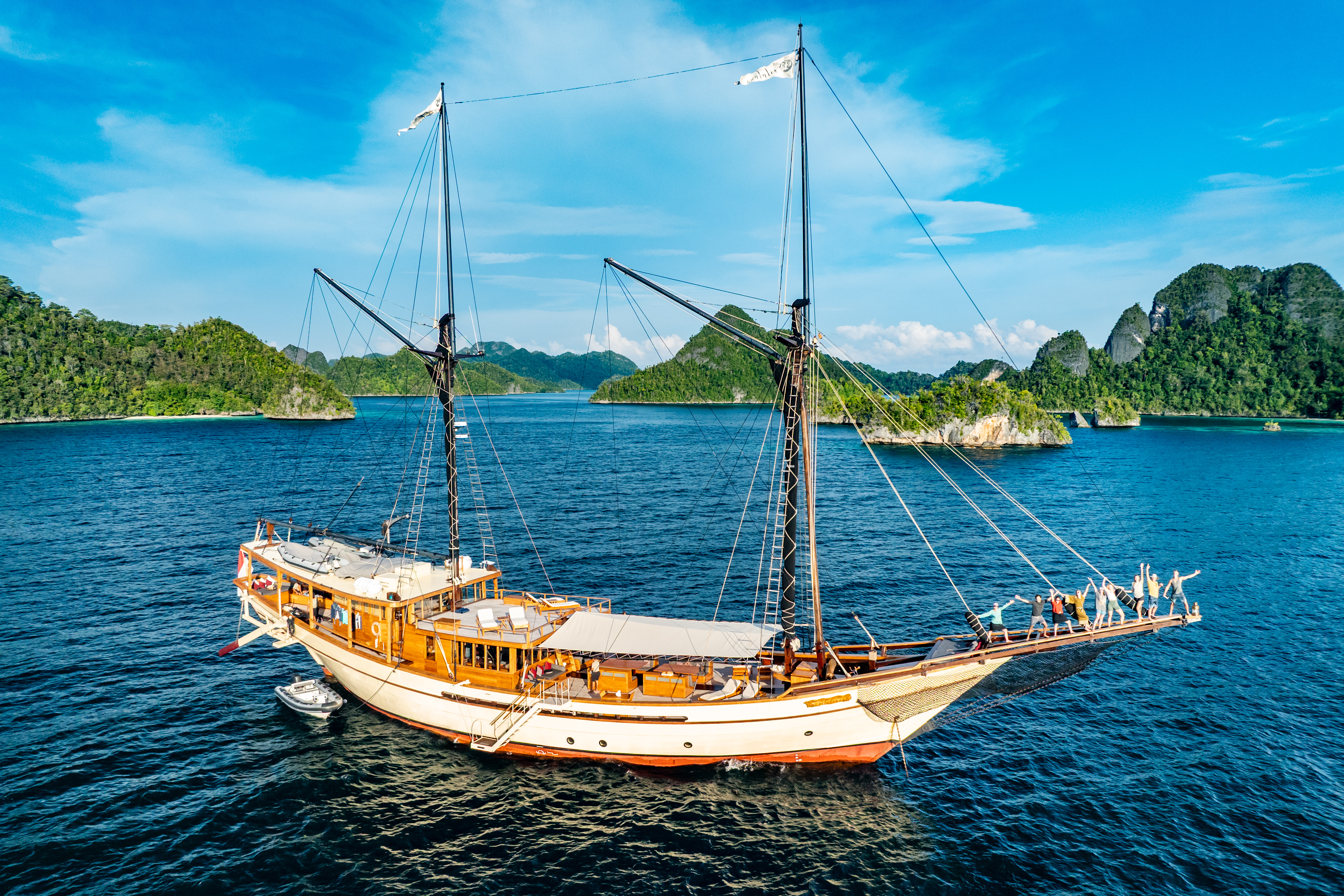
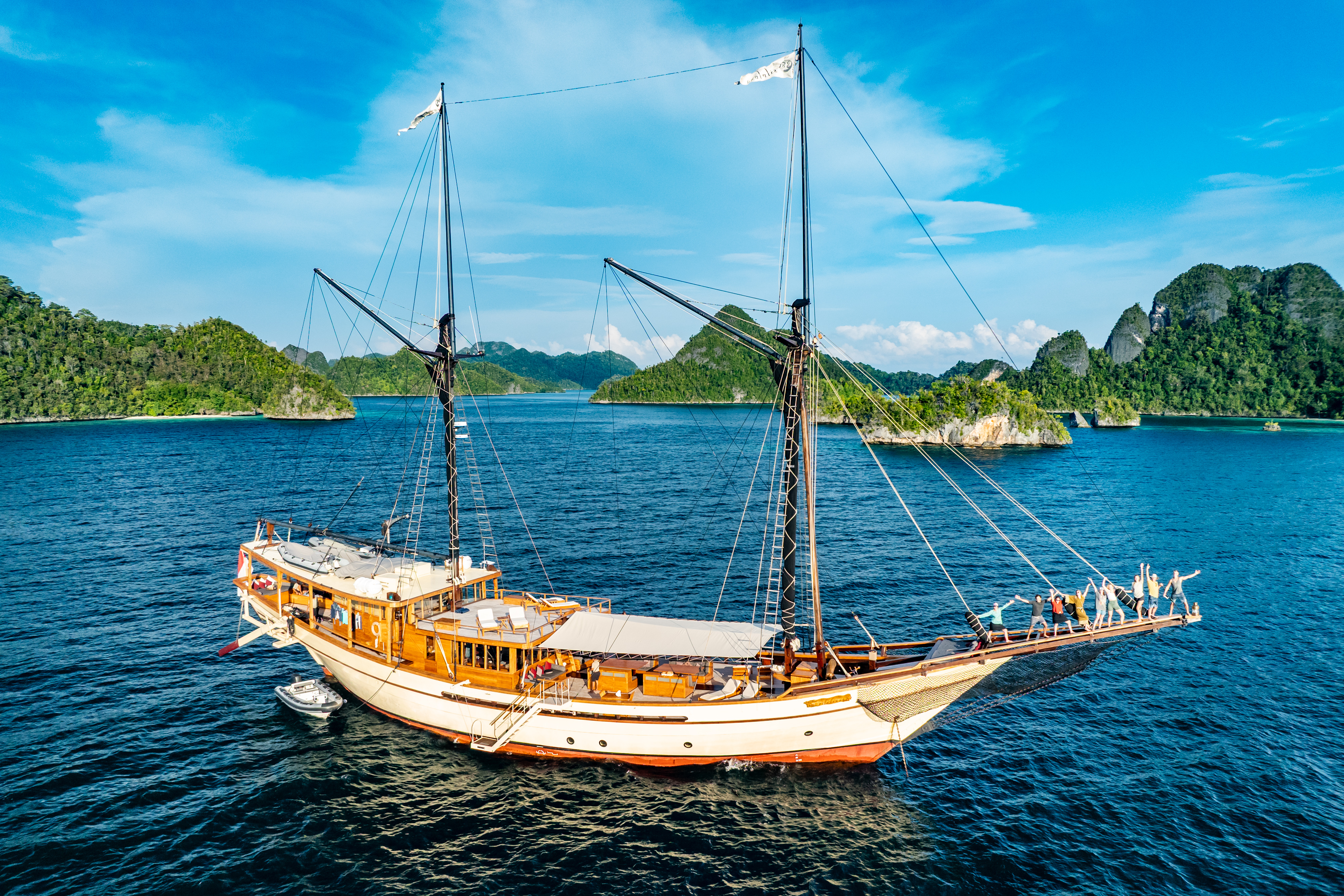
Alor is exactly the kind of destination where a private yacht makes practical and emotional sense. The region is remote. Dive sites are spread across straits, bays, islands, and current lines. Cultural encounters require sensitivity and timing. Weather and sea conditions matter. The value of the yacht is not only comfort. It is mobility.
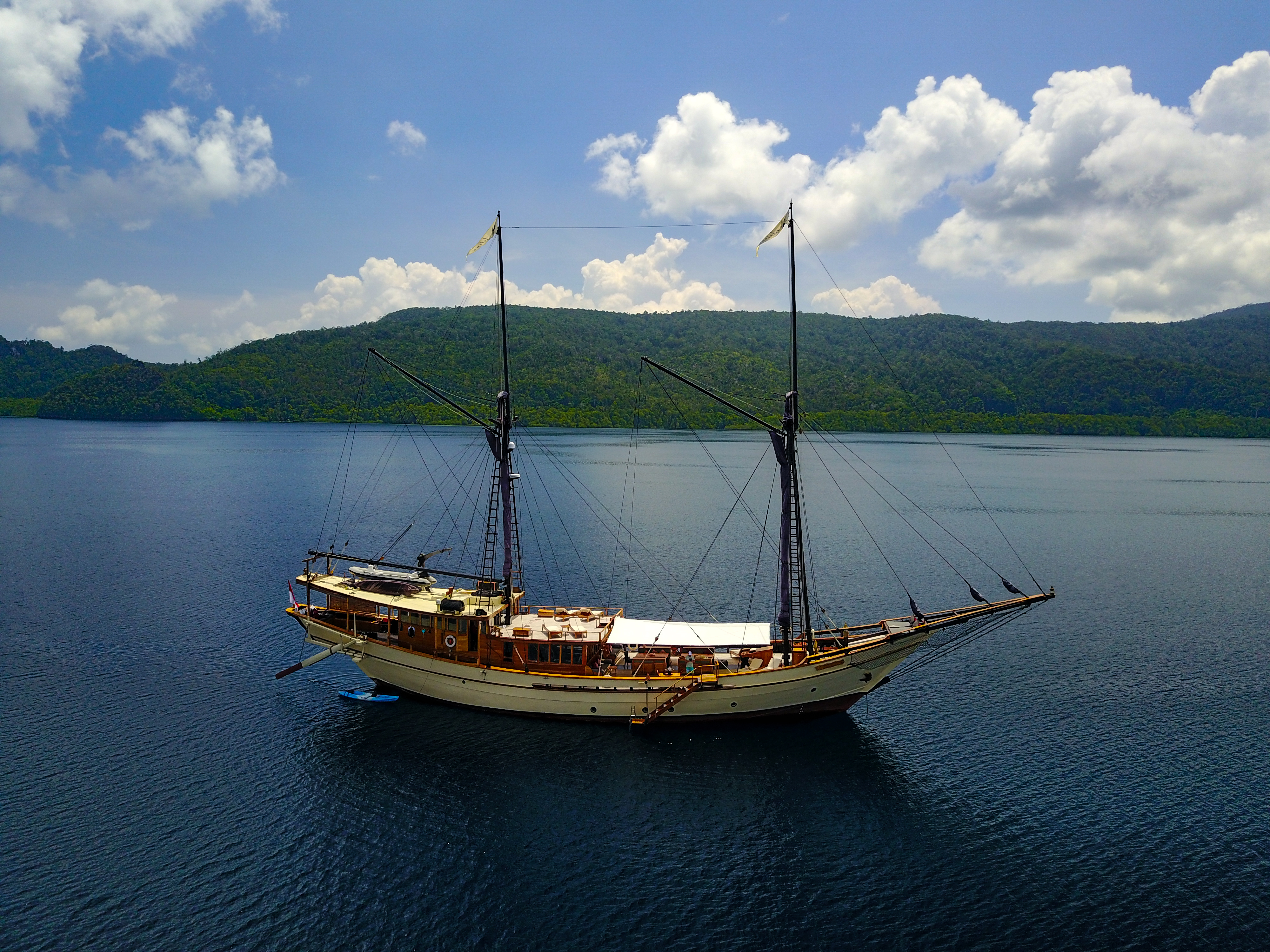
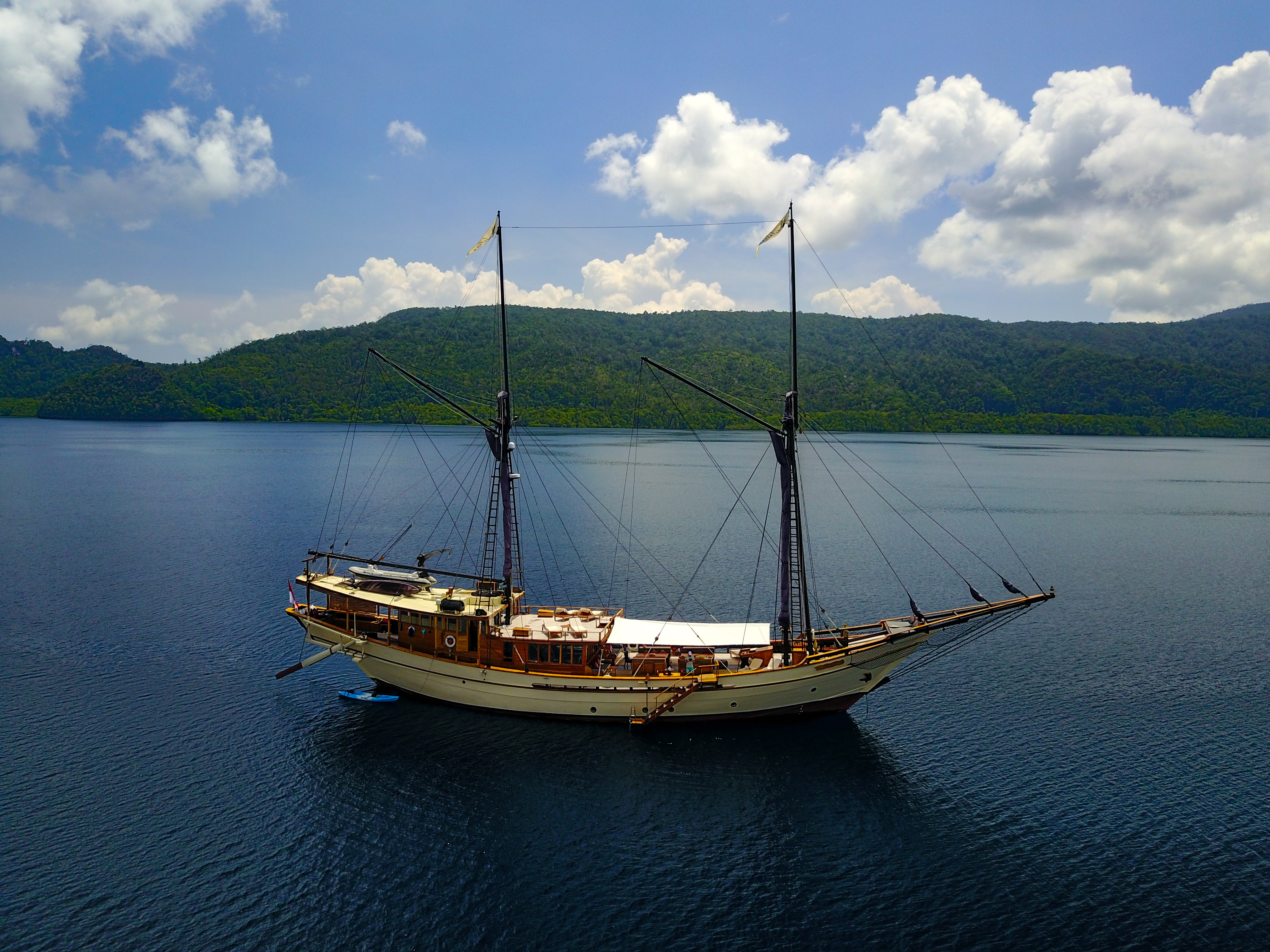
Silolona Sojourns describes its Flores and Alor journeys as off the grid luxury yacht charters by phinisi boat to remote and relatively untouched areas of Southeast Asia, with experiences shaped around volcanoes, untouched beaches, and local traditions. The company also positions itself as an Indonesia yacht charter specialist with 30 years of expertise, supporting yacht calls with authorities, provisioning, bunkering, customs, and bespoke cultural tours across the archipelago.
In Alor, those capabilities matter. This is not a region where you want travel to feel improvised. The elegance of a Silolona style journey is that complexity disappears behind the rhythm of the day: dive, surface interval, village visit, lunch on deck, sunset crossing, night sky.
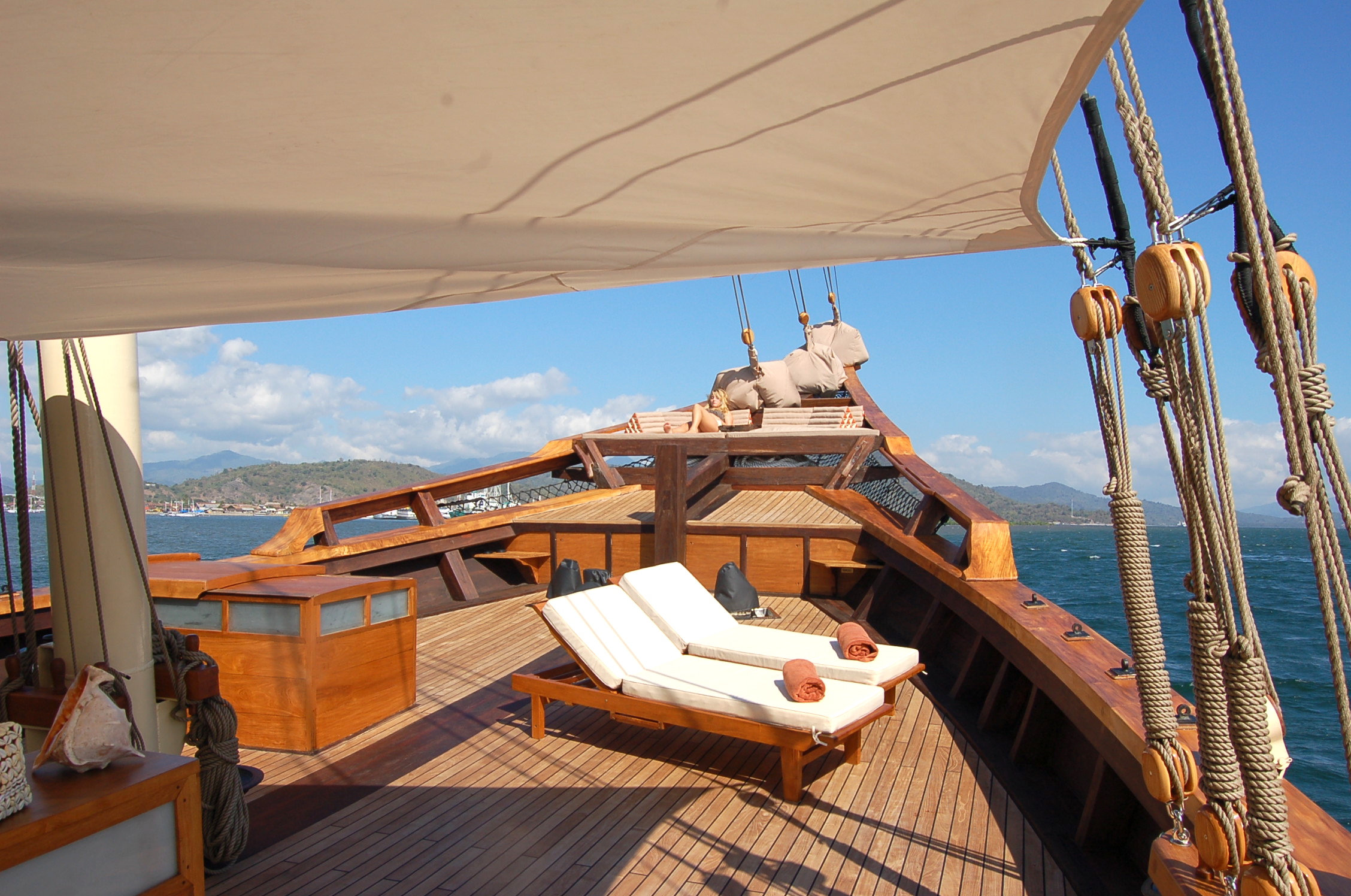
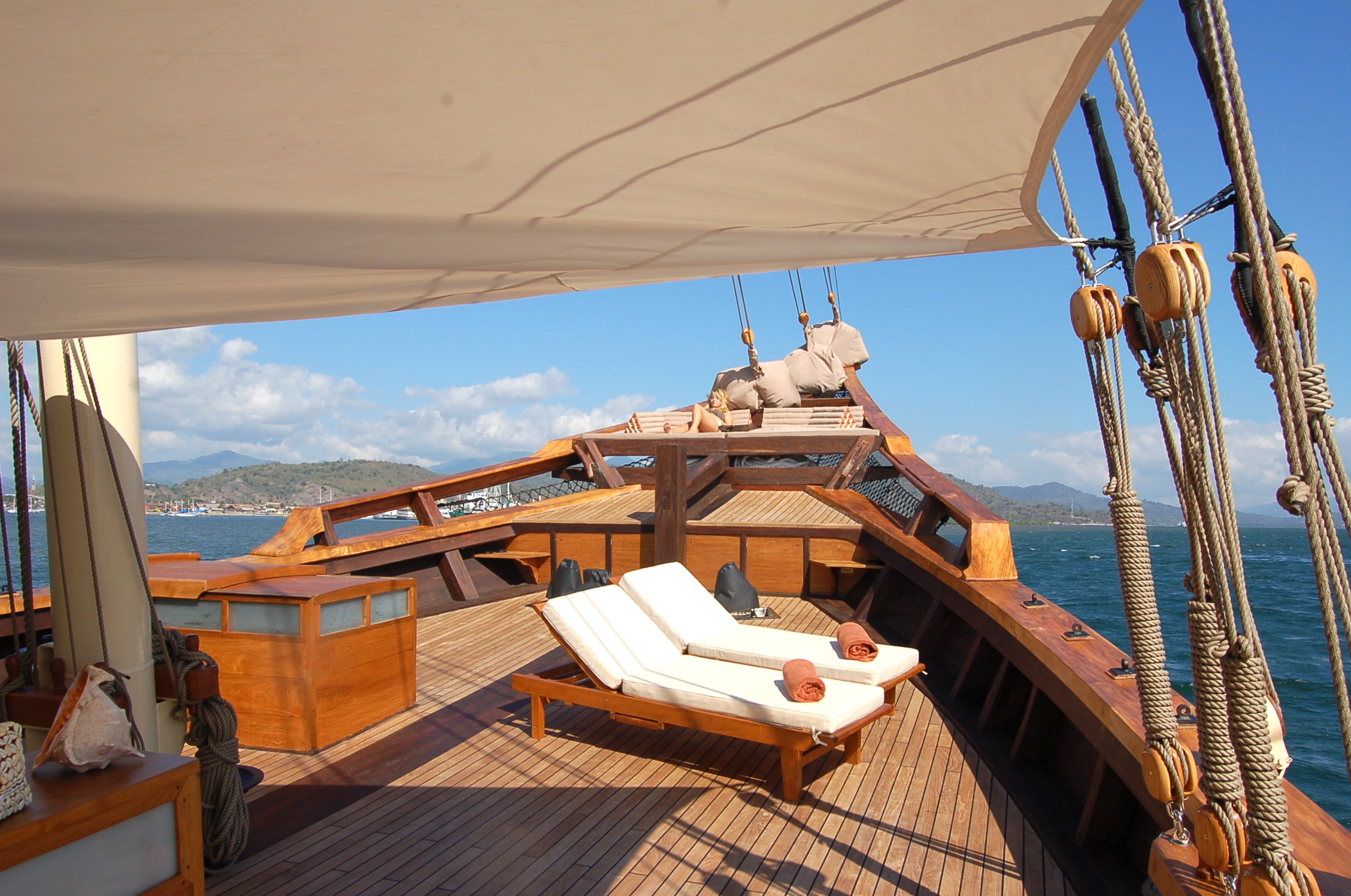
The Silolona Difference: Expertise Without Turning the Journey Into a Dive Factory
Some luxury yachts treat diving as an accessory. Some dive trips treat comfort as an afterthought. Alor asks for something more balanced. You need proper dive expertise because conditions can be serious. You also need a refined hospitality platform because the destination is remote, long range, and best experienced slowly.
PADI’s own listing identifies Silolona Pinisi Explorer as a PADI Dive Boat with services including air fills, Nitrox, scuba equipment rental, travel, and staff listed as two PADI instructors.Independent yacht listings also describe Silolona as a licensed PADI Dive Center equipped with three tenders and experienced PADI instructors.
That combination supports the philosophy Alor needs: quality over quantity. You do not come here to count dives like transactions. You come to choose the right sites, respect the conditions, and let the day unfold with discipline. Serious divers get access to challenging, unusual, and often uncrowded waters. Non divers get culture, snorkeling, landscape, and the quiet luxury of not being forced into someone else’s adventure.
A Suggested Alor Yacht Rhythm
A thoughtful Alor itinerary might begin with a gentle arrival and orientation near Kalabahi, allowing the group to settle into the yacht, check equipment, and begin with a suitable dive or snorkel depending on conditions. Macro lovers may spend time in Kalabahi Bay, searching volcanic slopes for frogfish, nudibranchs, and other small life.
From there, the yacht can move toward the Pantar Strait for reef walls, current influenced sites, and wide angle diving. Days can be shaped around sites such as Clown Valley, Cal’s Dream, The Cathedral, Max’s Point, or other local guide selected locations, always subject to tide and weather. Cultural time ashore may include visits to traditional villages and weaving communities, where the experience is led by respect rather than performance.
The best itinerary leaves enough space for surprise. A dolphin sighting. A cooler than expected upwelling. A village conversation that changes the afternoon. A night dive that reveals the bay in a completely different language.
Who Alor Is Really For
Alor is not for travelers who need every place to be famous before they trust it. It is for those who are already looking beyond the obvious. It is for divers who have learned that the most interesting sites are not always the most photographed. It is for travelers who understand that remoteness is not inconvenience when the journey is designed well. It is for guests who want to feel that they have reached somewhere still alive on its own terms.
If Komodo is dramatic, Raja Ampat is mythic, and the Banda Islands are historical, Alor is elemental. It gives you current, craft, silence, cold water, color, and the sense that Indonesia still holds entire chapters most people have not read.
Alor Is the Frontier You Sail To Before Everyone Else Names It
Alor is one of Indonesia’s last great diving frontiers because it has not been simplified yet. Its reefs are not one thing. Its currents are not always easy. Its macro life requires patience. Its cultural traditions deserve respect. Its marine corridors remind you that the ocean is still larger than any itinerary.
For travelers searching Alor Island diving or East Indonesia yacht charter, this is the destination that answers a different desire. Not the desire to be seen somewhere fashionable. The desire to go farther, look closer, and return with a story that still feels personal.
Alor is not the easiest choice. That is why it may be the most memorable one.
With Silolona Sojourns, Alor becomes a private passage into one of East Indonesia’s most remote and rewarding seascapes. You can dive macro rich bays, explore current shaped reefs in the Pantar Strait, watch for dolphins and migrating whales from the deck, and step ashore into ikat weaving communities where tradition still carries meaning through hand, thread, and memory. For guests who want an East Indonesia yacht charter that feels rare without feeling rough, Silolona offers the right balance: phinisi elegance, experienced dive support, cultural sensitivity, and the logistical expertise required to make Alor feel effortless without softening its wildness.
References
Hartoko A, Maro J, Helmi M, Syafina HAZ. Detecting cold seawater upwelling in Pantar Strait via multi source satellite data integration and assessing its ecological impacts. International Journal of Design & Nature and Ecodynamics. 2025;20(9):2011-2019. doi:10.18280/ijdne.200906
Wirasatriya A, Basana AM, Indrayanti E, Hartati R, Taufiq SPJ N. Increasing dolphin occurrences during extreme upwelling events: Potential nonharmful and sustainable marine wildlife tourism at Mulut Kumbang Strait, Alor Kecil Village, Alor Island, Indonesia. Progress in Oceanography. 2025;240:103613. doi:10.1016/j.pocean.2025.103613
Buckley CD. Investigating cultural evolution using phylogenetic analysis: The origins and descent of the Southeast Asian tradition of warp ikat weaving. PLoS ONE. 2012;7(12):e52064. doi:10.1371/journal.pone.0052064