

Beyond the Dragons: The Hidden Marine World of Komodo National Park
Komodo Marine Life Cruise
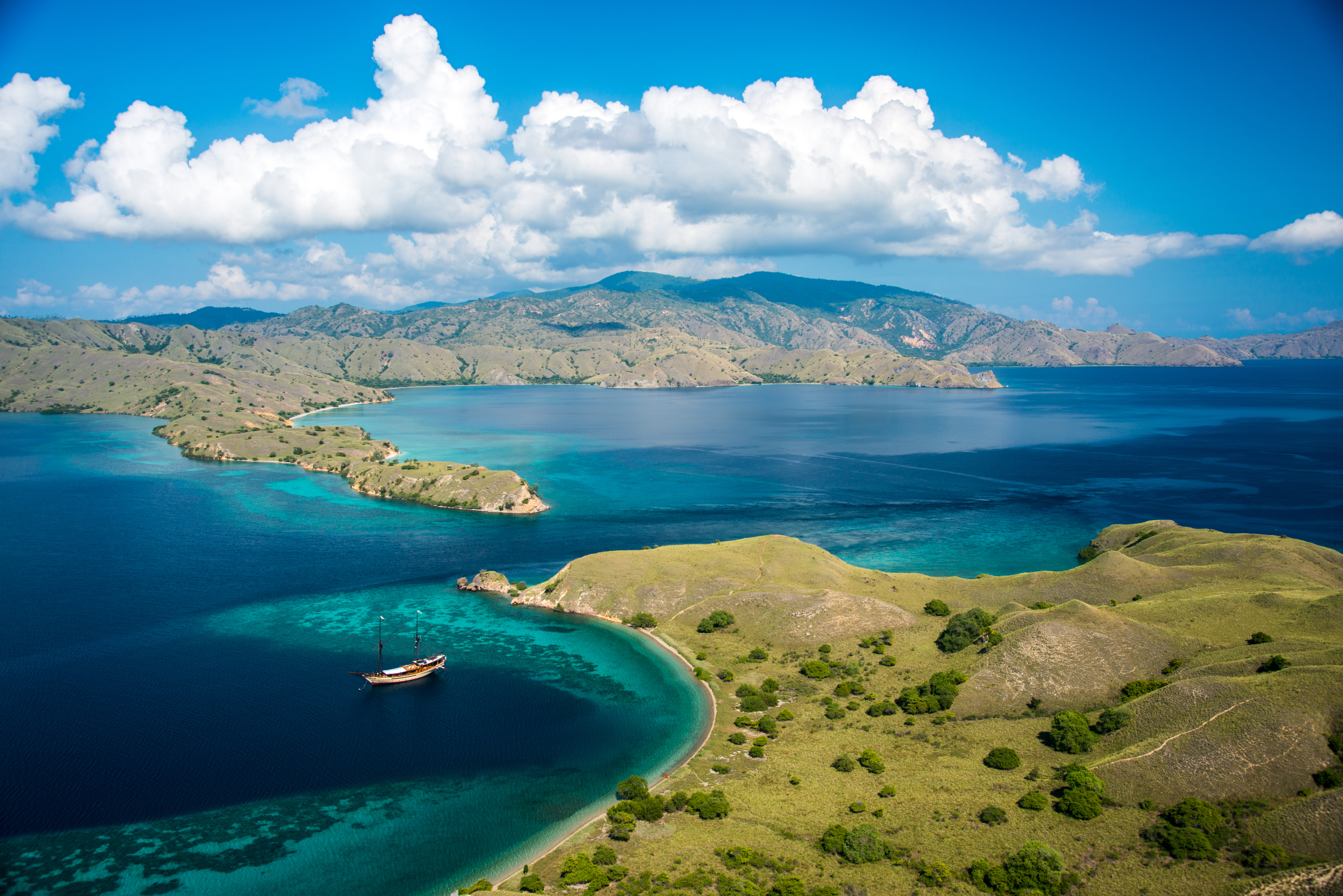
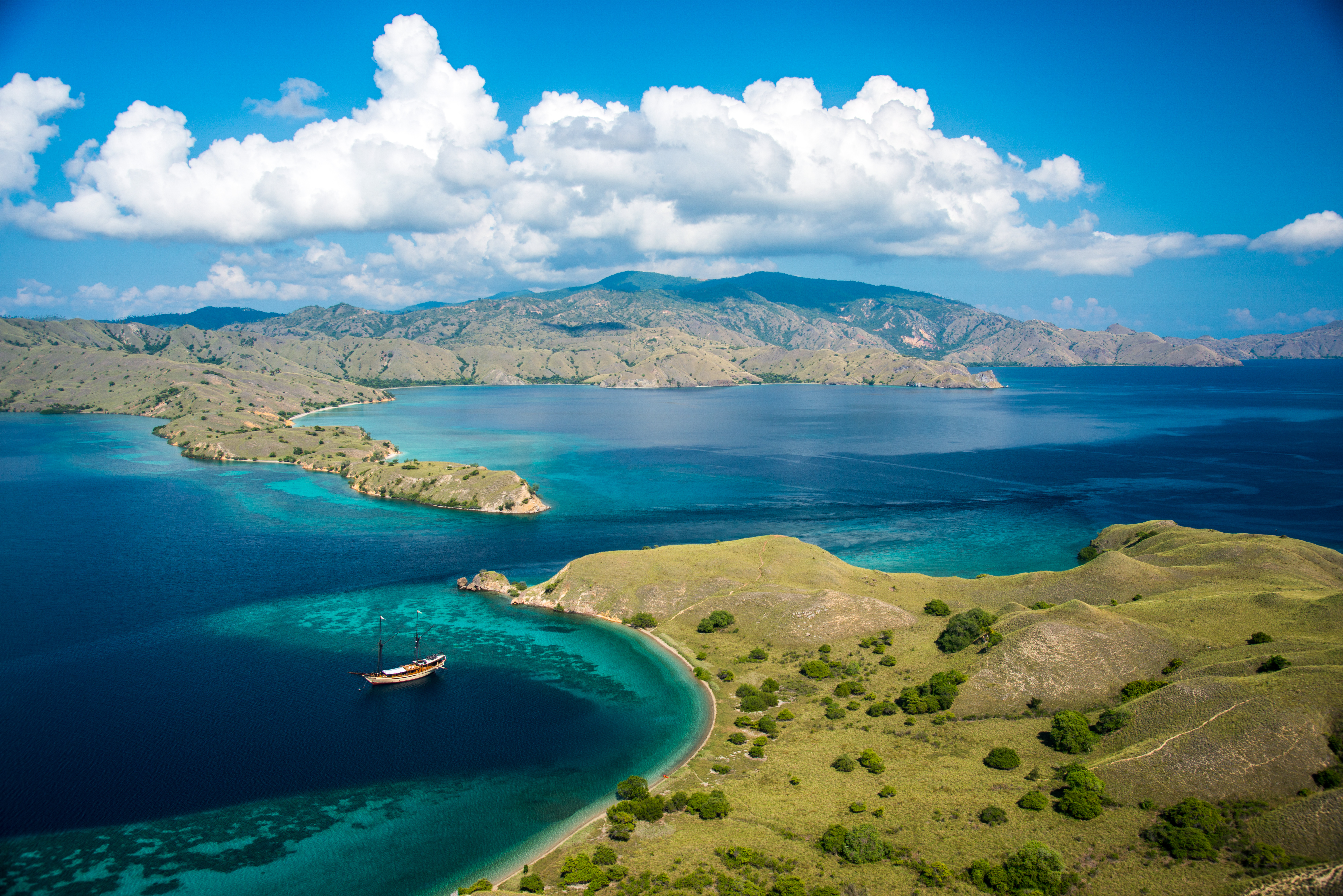
You may arrive in Komodo with dragons in mind. Almost everyone does. The prehistoric silhouette of the Komodo dragon has become the emblem of this wild corner of Indonesia. But once you step onto the deck of a traditional wooden phinisi and feel the salt air brush your skin, you begin to understand something deeper.
The true wonder of this UNESCO protected sanctuary is not only on land. It is beneath the surface.
A Komodo marine life cruise reveals a living cathedral of coral walls, manta rays gliding like silent aircraft, green turtles cruising through currents, and entire reef systems pulsing with biodiversity. This is not a side attraction to dragon tourism. It is the main event.
A Living Laboratory Beneath the Surface
Komodo National Park sits in the heart of the Coral Triangle, the global epicenter of marine biodiversity. Scientists have documented more than 500 species of reef building corals and over 1000 species of reef fish in this region.
Marine biodiversity in the Coral Triangle is widely recognized as the highest on Earth, with ecological complexity that supports both pelagic giants and micro reef organisms. When you glide through these waters, you are moving through one of the richest marine ecosystems ever recorded.
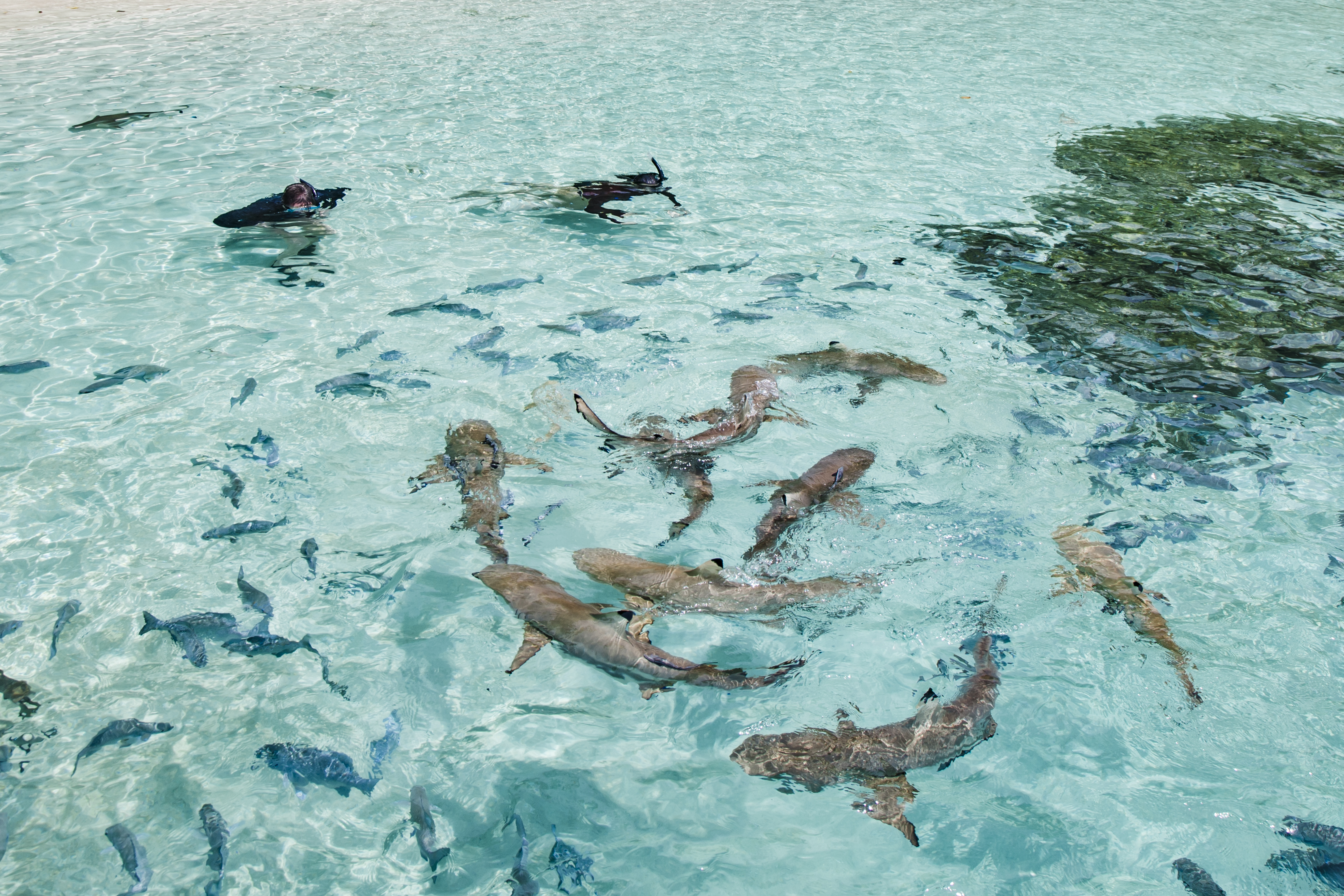
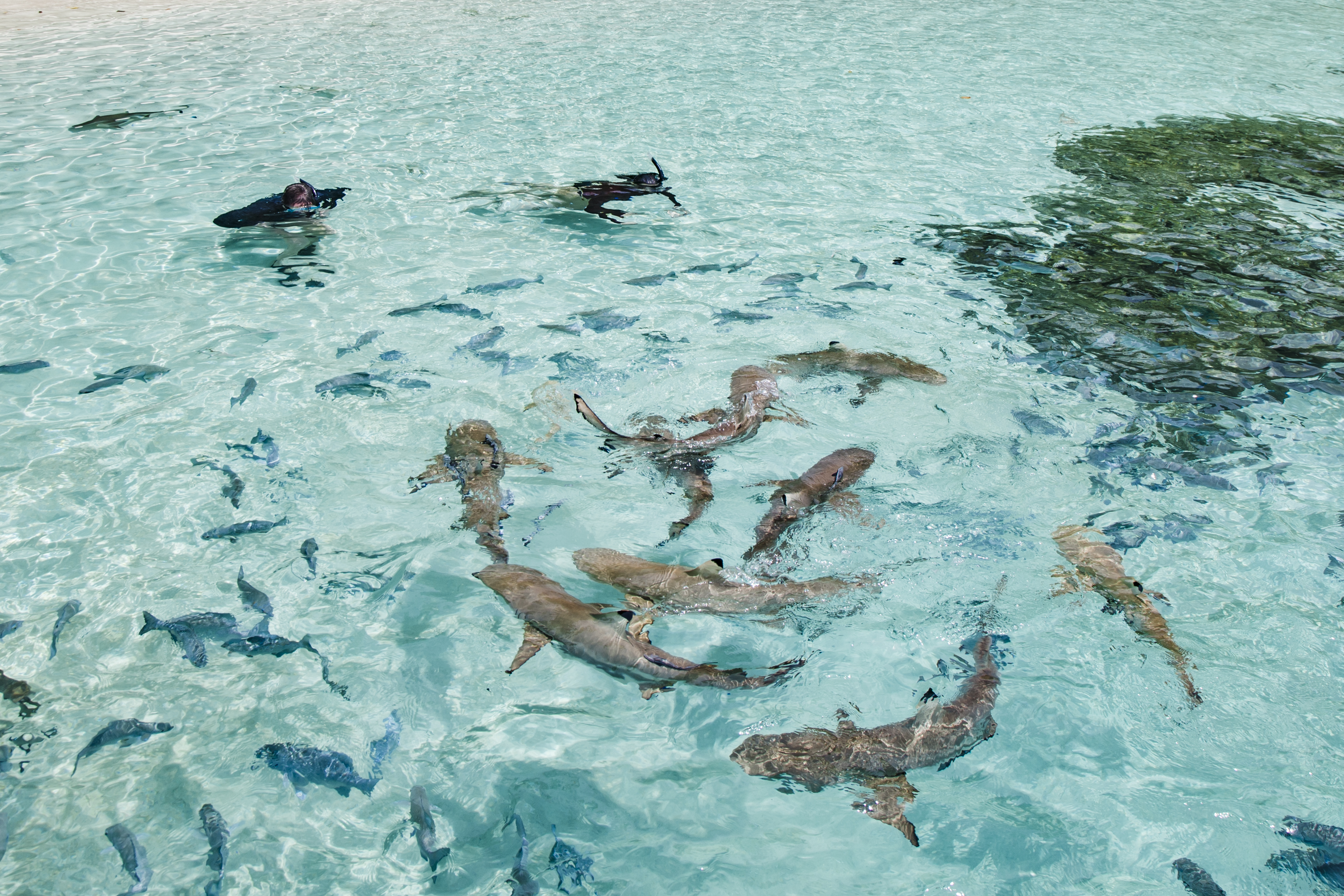
On a Komodo marine life cruise, you do not simply observe this diversity. You travel within it. Currents carry nutrients through narrow straits, creating dynamic habitats where plankton blooms feed manta rays and reef sharks patrol steep coral walls.
It is a place where science and sensation meet.
Manta Diving Komodo: An Encounter That Changes You
There is a moment before you see them. The current strengthens. The visibility opens. Then a shadow forms above you.
Manta rays gather at cleaning stations throughout Komodo, particularly in channels where currents deliver plankton rich water. Research shows that manta ray aggregation behavior is strongly linked to seasonal productivity and tidal movement.
When you experience manta diving Komodo, you understand why divers return again and again. These rays can reach wingspans of more than four meters. They approach without aggression, circling slowly as cleaner fish attend to them.
You are not watching a spectacle. You are witnessing a biological ritual that has unfolded for millennia.
When is manta season in Komodo?
Mantas can be seen year round, but peak encounters typically occur between December and March when plankton concentrations rise. A knowledgeable cruise team tracks tidal cycles and seasonal shifts to position you at the right place, at the right time.
Drift Snorkeling and Coral Walls: Movement as Meditation
If you imagine snorkeling as a gentle float above shallow reefs, Komodo will surprise you.
Drift snorkeling in Komodo allows you to move with nutrient rich currents along dramatic coral walls that drop into deep blue. The sensation is effortless, almost airborne.
These reefs are not static landscapes. They are engineered ecosystems. Coral complexity increases habitat availability for fish and invertebrates, enhancing reef resilience and species richness. The walls are layered with soft corals, sponges, and schooling anthias that shimmer in sunlight.
Is Komodo good for snorkeling?
Yes, exceptionally so. Many sites are accessible to snorkelers with moderate comfort in open water. Calm bays offer protected conditions, while more dynamic sites provide drift experiences guided by expert crew. The key is local knowledge. Conditions change daily, and choosing the right site transforms a good swim into a transcendent one.
Turtles and the Quiet Grace of Banta Island
Away from the more frequented dragon trekking routes, Banta Island offers a quieter marine sanctuary. Here, turtles graze across seagrass beds and rest along reef slopes.
The island’s relative isolation means fewer boats and more intimate wildlife encounters. Visibility often stretches far beyond expectations, revealing schools of fusiliers weaving through coral bommies.
A Komodo marine life cruise that includes Banta Island extends your understanding of the park. It is not just one or two iconic dive sites. It is an interconnected seascape, where each island shapes currents, habitats, and species distribution.
Is Komodo Good for Diving Beginners?
This question deserves nuance.
Komodo is famous for currents, and some sites are indeed advanced. However, many sheltered bays and gentle reef slopes are suitable for beginners under professional supervision.
A well curated cruise itinerary balances conditions. You may begin in calmer waters to build confidence before exploring more dynamic channels. Experienced guides brief you thoroughly, monitor tidal shifts, and prioritize safety.
The result is progression without pressure. You learn not only how to dive, but how to read the ocean.
Beyond Dragons: Why a Komodo Marine Life Cruise Redefines the Journey
Dragon trekking lasts a few hours. The marine world unfolds for days.
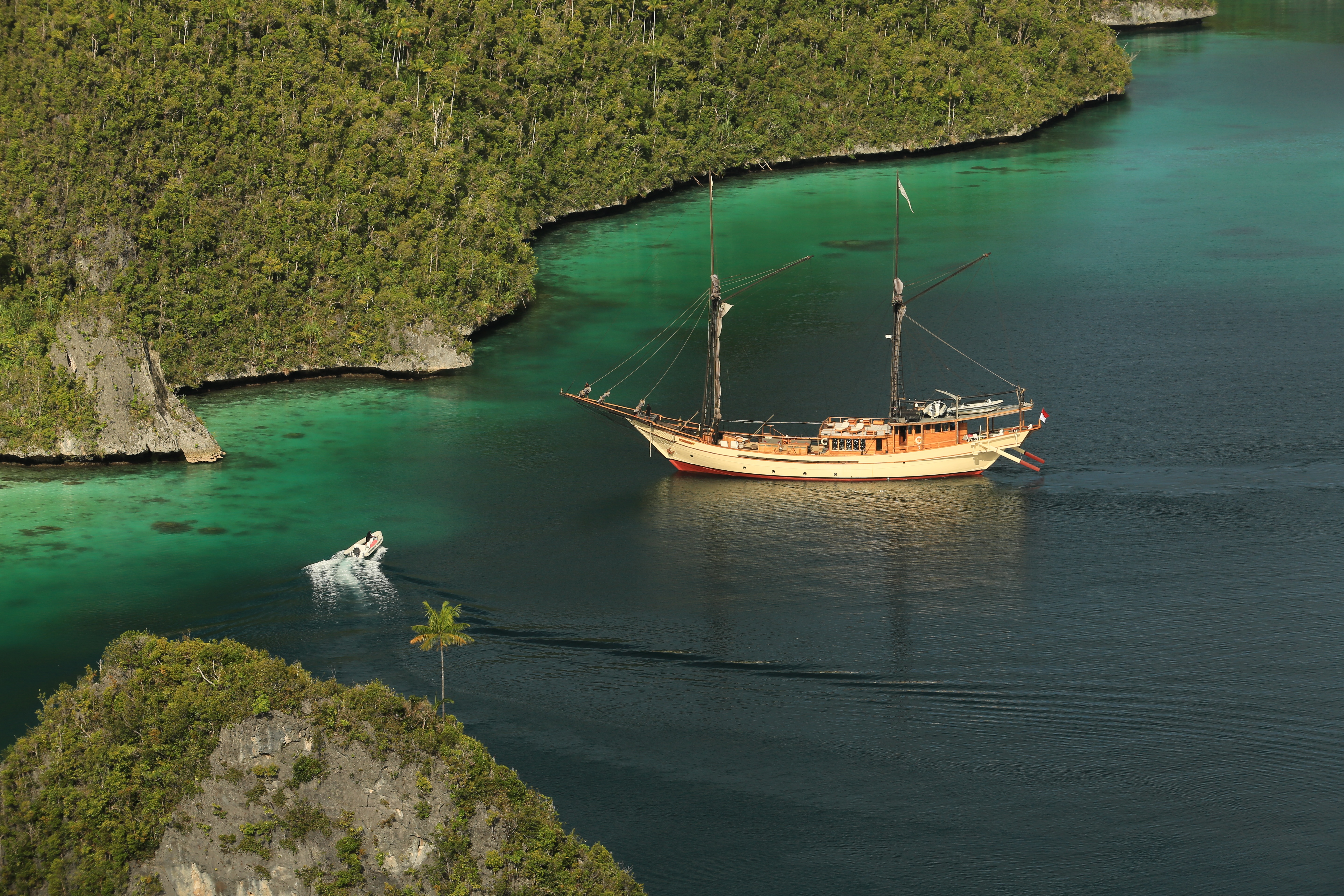
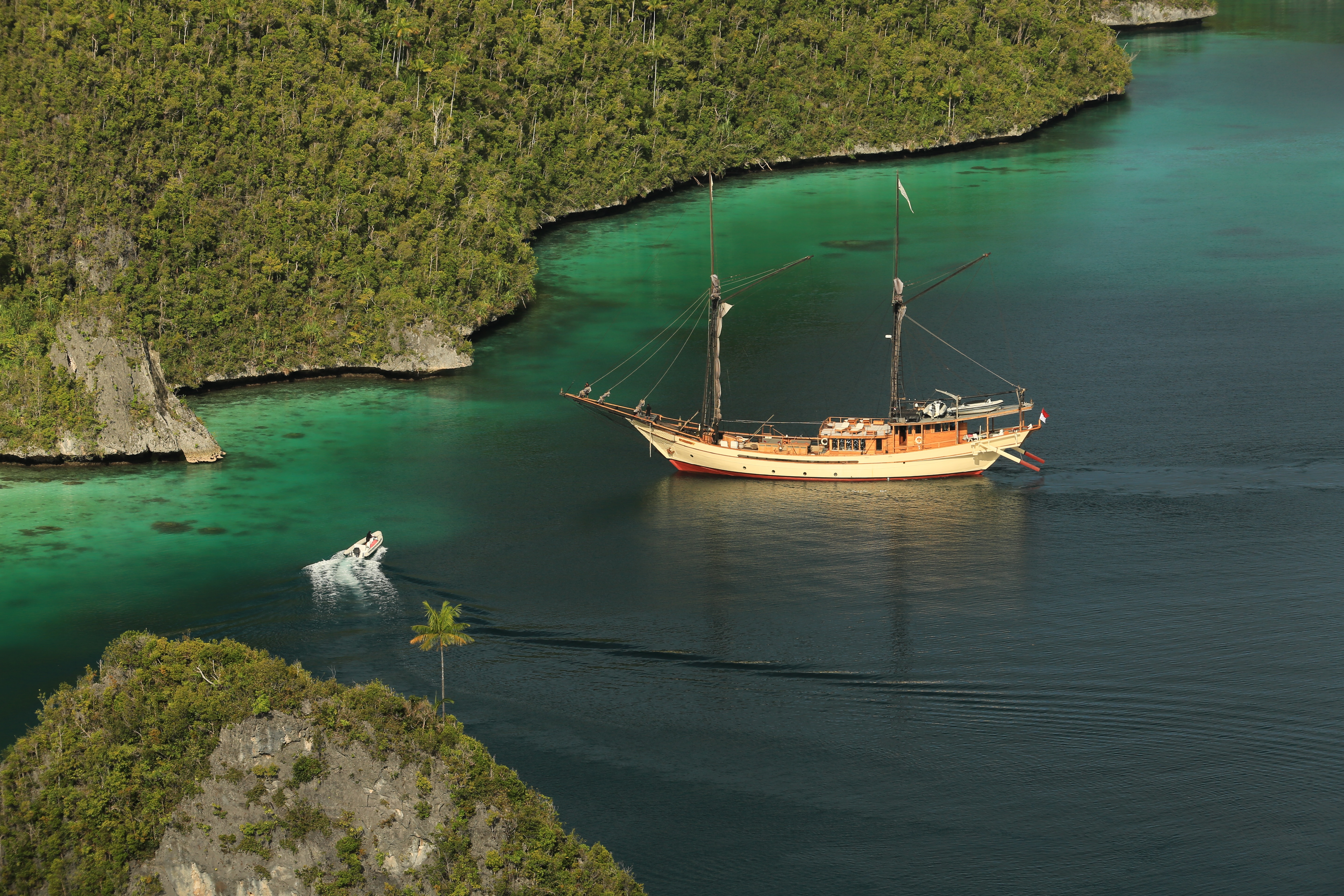
When you sail aboard a handcrafted Indonesian phinisi such as those in the Silolona fleet, you combine cultural heritage with ecological immersion. These vessels are built in the traditional style of Sulawesi shipbuilders, yet outfitted for refined comfort.
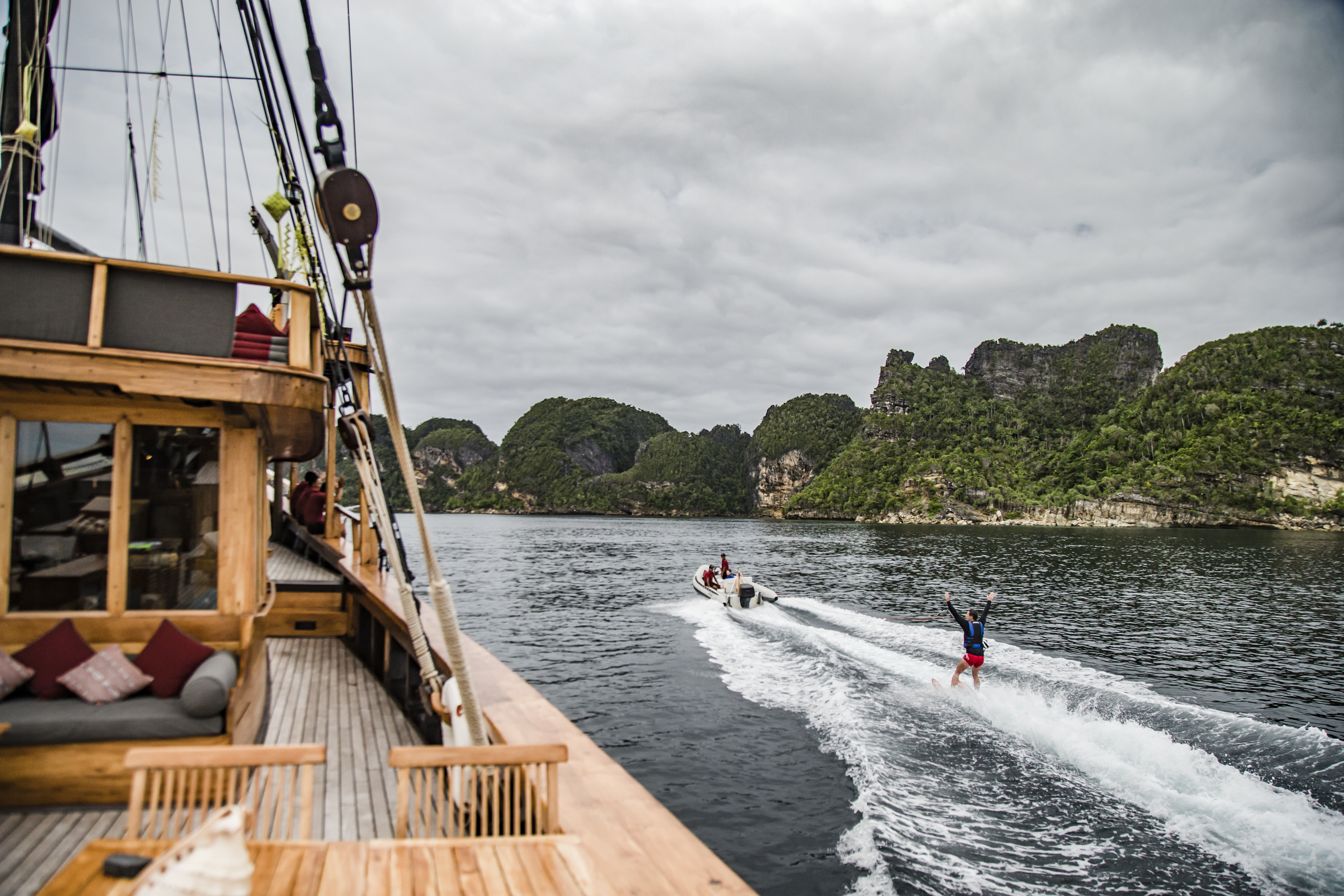
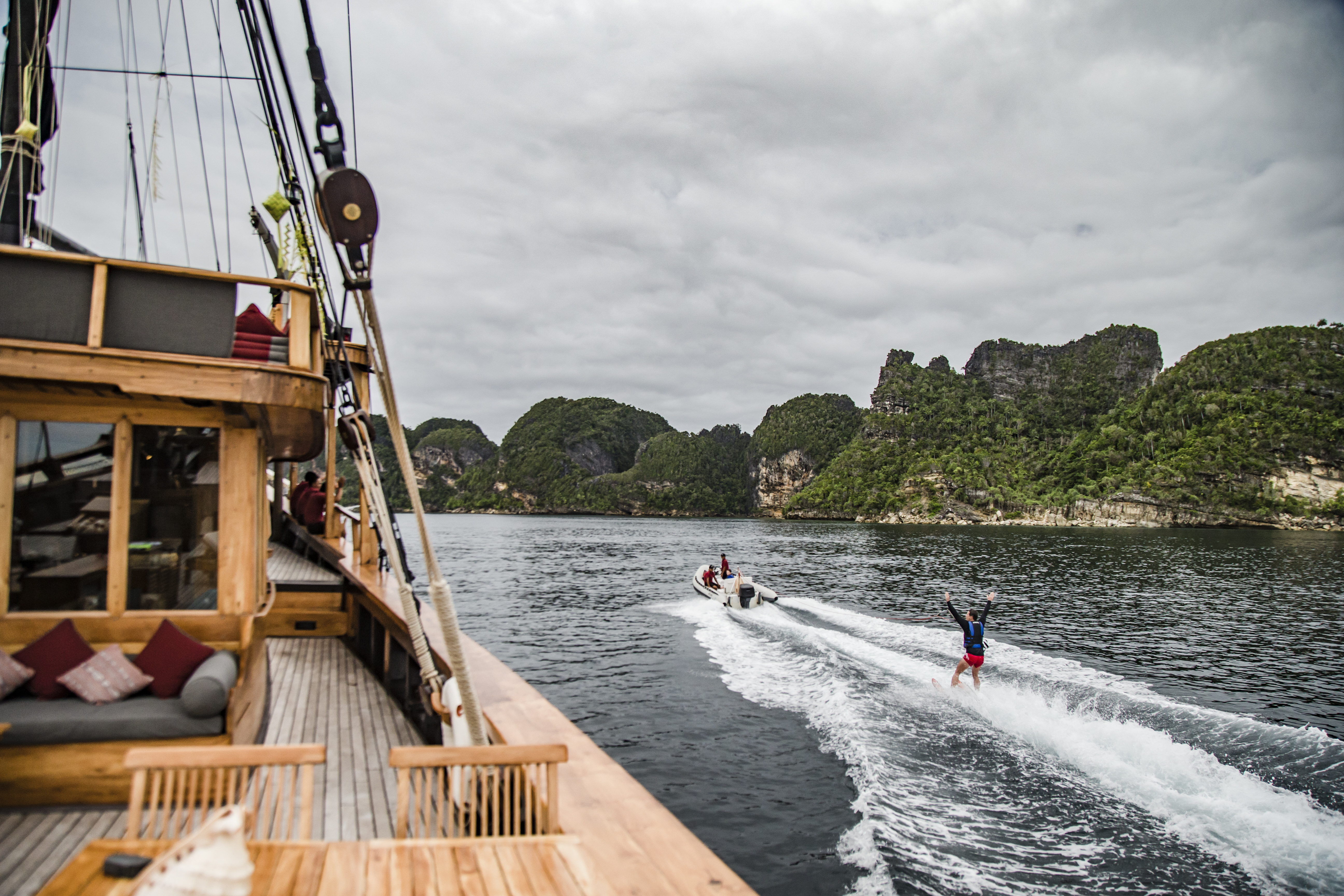
You wake to sunrise over volcanic ridges. You dive along coral walls before breakfast. You snorkel with turtles in the afternoon. At dusk, you sit on deck watching flying fish skim across copper light.
This is experiential marine science. You feel the currents that shape biodiversity. You witness trophic relationships in real time. You move through one of the most intact marine ecosystems remaining on Earth.
People Also Ask
Is Komodo good for snorkeling?
Yes. Shallow reefs, vibrant coral gardens, and accessible manta sites make it one of Southeast Asia’s most rewarding snorkeling destinations when guided properly.
When is manta season in Komodo?
Manta rays are present year round, with higher concentrations typically from December to March due to plankton rich conditions.
Is Komodo good for diving beginners?
Yes, with professional guidance. While some sites have strong currents, many sheltered areas are ideal for new divers under expert supervision.
If you want to experience Komodo beyond the dragons, beyond the postcard, and beyond the predictable itinerary, consider a private Komodo marine life cruise with Silolona Sojourns.
Their handcrafted phinisi yachts are designed for intimate exploration of Indonesia’s most biodiverse waters. With expert dive teams, tailored itineraries, and deep regional knowledge, you do not simply visit Komodo. You engage with its living ocean in comfort, safety, and quiet sophistication.
Your journey into the hidden marine world begins the moment you step aboard.
References
Veron JEN, DeVantier LM, Turak E, et al. Delineating the Coral Triangle. Galaxea J Coral Reef Stud. 2009;11:91 100. doi:10.3755/galaxea.11.91
Dewar H, Mous P, Domeier M, Muljadi A, Pet J, Whitty J. Movements and site fidelity of the giant manta ray in the Komodo Marine Park. Mar Biol. 2008;155:121 133. doi:10.1007/s00227 008 1018 x
Graham NAJ, Nash KL. The importance of structural complexity in coral reef ecosystems. Coral Reefs. 2013;32:315 326. doi:10.1007/s00338 012 0984 y