

Diving in Komodo: What Serious Divers and First-Timers Actually Experience
The Real Beauty of Diving in Komodo Is That It Refuses to Be One Thing
Komodo has a way of humbling even experienced divers. One day, you may be holding position beside a current swept pinnacle at Batu Bolong, watching reef fish move like weather across the coral. Another day, you may be floating quietly above a manta cleaning station while the rest of your group snorkels nearby, everyone sharing the same ocean encounter at different levels of intensity. This is what makes Komodo extraordinary: it is not only a serious diver’s playground, and it is not only a beginner friendly tropical escape. It is both, when planned with care.
For travelers searching for a Komodo diving luxury yacht experience, the question is often not whether Komodo is good enough for divers. It is whether it can satisfy advanced divers without leaving non divers behind. The answer is yes, but only if the trip is designed around conditions rather than a fixed checklist. Komodo is famous for strong currents, nutrient rich water, coral diversity, manta rays, turtles, reef sharks, schooling fish, and dramatic underwater topography. UNESCO notes that the park’s rich coral reefs host high marine diversity, while strong currents attract marine life including sea turtles, whales, dolphins, and dugongs.¹
That is also why Komodo demands respect. The same currents that feed the reefs can make a site unsuitable at the wrong tide or for the wrong diver. A good Komodo dive itinerary is not about doing the most dives. It is about choosing the right dive, at the right time, for the right guests.
Why Komodo Diving Feels Different From Other Tropical Destinations
Many tropical dive destinations are built around comfort: warm water, easy reefs, predictable conditions, and gentle profiles. Komodo is more alive than that. It sits in a dynamic meeting zone of water movement, islands, channels, bays, pinnacles, and exposed reefs. That geography creates contrast. Northern sites can be clear, fast, and fish heavy. Central sites can deliver iconic pinnacles and manta encounters. Southern sites can be cooler, greener, more nutrient rich, and sometimes more dramatic.
This variety is why a Komodo dive sites guide should never reduce the park to one kind of diving. Komodo is not only about depth or adrenaline. Some of its most memorable experiences happen in shallow water. Manta Point, also known as Karang Makassar, is often a relatively shallow drift experience when conditions allow. Siaba Besar is frequently used for easier dives and turtle encounters. Sebayur and protected bays can offer calmer options for check dives, refreshers, snorkelers, and first timers.
For serious divers, Komodo offers current, structure, and abundance. For newer divers, it offers confidence building, manta potential, coral gardens, turtles, and guided progression. For non divers, the reef is not hidden far below. In the right places and conditions, Komodo’s underwater life rises close enough to be seen with a mask and snorkel.
Batu Bolong: The Iconic Pinnacle That Rewards Precision
Batu Bolong is one of Komodo’s most famous dive sites for good reason. Above the surface, it looks almost modest, a small rock breaking the water. Below, it becomes a vertical world of coral, fish, turtles, reef action, and constant movement. It is the kind of site that advanced divers remember because everything seems compressed into one pinnacle: color, current, density, and life.
But Batu Bolong is not a site to treat casually. Its current can be strong and highly directional. The best experience often depends on reading the tide carefully, choosing the protected side of the rock, and keeping divers within the right profile. Local dive operators commonly describe Batu Bolong as a strong current site, and UNESCO’s broader description of Komodo also highlights the park’s current driven marine richness.¹
For advanced divers, Batu Bolong can feel like Komodo at full volume. For mixed groups, it is best approached with honest filtering. Not everyone needs to dive it to experience Komodo well. Some guests may snorkel elsewhere, join a calmer site, or enjoy the yacht while certified divers take on the pinnacle under professional guidance. Luxury here means discretion, not pressure.
Castle Rock: For Divers Who Came for Current, Predators, and Blue Water
Castle Rock is often discussed with a different tone. If Batu Bolong is a vertical reef theatre, Castle Rock is more open water. Located in the northern area of Komodo, it is an underwater pinnacle where current can bring schooling fish, trevally, reef sharks, and pelagic energy. Specialist dive operators regularly classify Castle Rock as suitable for experienced divers because current can be strong and the site is more exposed.
This is where experienced divers often feel the value of a private yacht itinerary. You are not being forced into a generic schedule. The dive team can evaluate conditions, guest ability, tide, and safety, then decide whether Castle Rock is appropriate that day. If it is, the reward can be extraordinary. If it is not, Komodo has enough alternatives that the day is not lost.
That is the difference between collecting famous dive site names and actually diving Komodo well. Serious divers know the distinction. The best operators do too.
Crystal Rock, The Cauldron, and Tatawa Besar: Komodo’s Middle Ground
Between the most advanced sites and the easiest reefs sits the part of Komodo that mixed groups often love most. Crystal Rock can offer clear water, fish life, and current influenced diving for capable divers. The Cauldron, also known as Shotgun, is known for drift energy when conditions line up, making it more suitable for confident divers with strong buoyancy and current experience. Tatawa Besar can deliver beautiful drift diving with reef color and movement, and in easier conditions it may feel more approachable than the exposed northern pinnacles.
These are not sites to assign mechanically by certification card alone. Current, surface conditions, guest comfort, and guide judgment matter. A diver with excellent buoyancy and calm decision making may enjoy moderate current. Another diver with the same certification but less recent experience may be better served by an easier profile first.
Komodo rewards humility. That is not a limitation. It is part of the destination’s intelligence.
Manta Point: Where Divers and Snorkelers Can Share the Same Wonder
Manta Point, or Karang Makassar, is one of the reasons Komodo works so beautifully for mixed groups. When conditions allow, certified divers can descend into a shallow to moderate drift while snorkelers observe from the surface with guides. The site is associated with manta cleaning behavior, where cleaner fish remove parasites from mantas as they circle or hover near cleaning stations. Dive operators in Komodo commonly describe Manta Point as relatively shallow compared with the park’s more advanced current sites, though currents can still vary and guide assessment remains essential.
The science behind manta encounters makes the experience even more meaningful. A 2022 PeerJ study identified 1,085 individual reef manta rays in Komodo National Park and found evidence of site use patterns, residency, movement, and tourism relevance.² Earlier acoustic tracking research on giant manta rays in Komodo found strong site preference, with tagged mantas showing repeated visits to key aggregation sites.³
This matters for how you behave in the water. Manta encounters are not chase scenes. The best encounters happen when divers and snorkelers remain calm, keep respectful distance, avoid blocking cleaning stations, and allow mantas to choose their own path. Responsible manta watching is better for the animals and, in most cases, better for the guest experience.
Manta Behavior: Why Stillness Often Beats Pursuit
Manta rays are not passive scenery. They are intelligent, sensitive, highly mobile animals that use specific sites for cleaning, feeding, and movement. Cleaning stations are particularly important because mantas return to these areas to have parasites removed by cleaner fish. When divers crowd the station, swim over it, or chase the animal, the manta may leave or change behavior.
The best manta moments usually feel quiet. You settle low. You control your buoyancy. You breathe slowly. You let the animal move. Sometimes a manta passes close enough that you feel the shadow before you fully register the size. Sometimes it circles repeatedly. Sometimes it never comes near, and that restraint is also part of responsible diving.
For first timers, this can be more powerful than a high adrenaline dive. For advanced divers, it can be a reminder that the most sophisticated underwater encounters are not always the deepest or fastest. They are the ones where you understand your place in the system.
First Timers in Komodo: What They Actually Experience
First timers often arrive with two fears. The first is that Komodo will be too advanced. The second is that they will slow everyone else down. A well planned private yacht itinerary solves both concerns by separating experiences when needed and bringing the group back together around shared moments.
A first timer or newer diver may begin with a check dive at a calmer site such as Sebayur or Siaba Besar, depending on conditions. These sites can allow guests to settle into buoyancy, equipment, breathing, and guide communication without immediately entering Komodo’s stronger current environments. Snorkelers may enjoy sheltered reefs, turtle areas, beaches, and manta focused outings when surface conditions are suitable.
The point is not to make beginners pretend they are advanced. The point is to give them Komodo at the right scale. A first timer who snorkels with turtles, sees coral gardens, and watches mantas from the surface has not received a lesser version of Komodo. They have received a version that fits them.
Serious Divers: Why Quality Beats Quantity in Komodo
Some divers measure a liveaboard or yacht experience by the number of dives per day. In Komodo, that can be the wrong metric. The park is powerful enough that one exceptional dive at the right tide can matter more than three rushed dives at compromised sites. This is especially true on a luxury yacht, where the journey is not only about underwater hours. It is about the total rhythm: diving, recovery, food, scenery, service, safety, and time with companions.
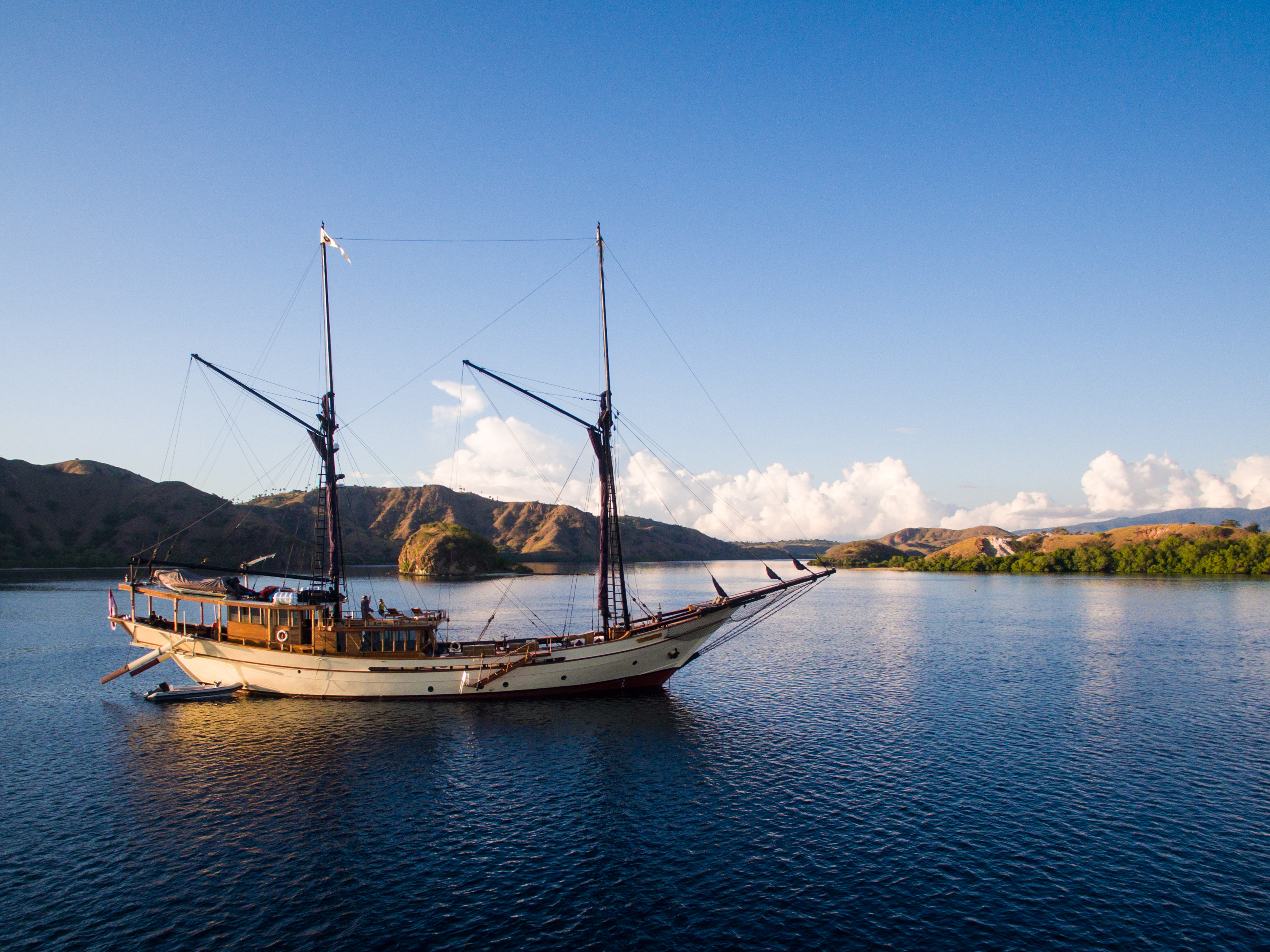
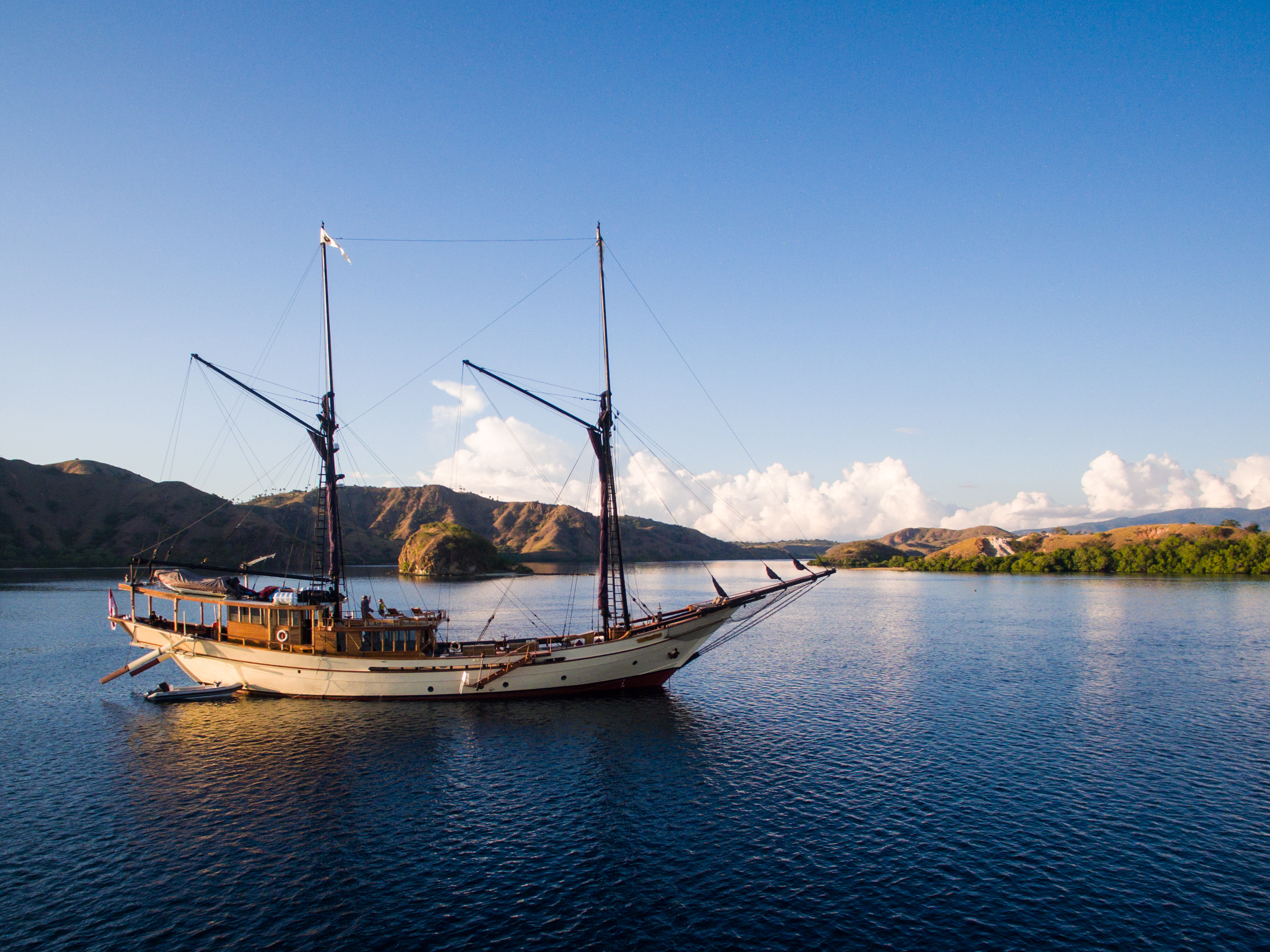
This is the strongest answer to the objection that Silolona is not for serious divers. Serious diving is not only about maximum repetition. It is about good site selection, proper briefings, excellent tender support, dive leadership, equipment readiness, guest screening, and the ability to adapt. Public yacht and dive listings identify Silolona as a PADI Dive Center with experienced PADI instructors, while Silolona’s own vessel information describes the yacht as a handcrafted traditional wooden sailing vessel built by Master Konjo boat builders and designed with modern amenities and safety features.
For advanced divers, that means the serious part is handled with discipline. For non divers, it means the yacht still feels like a refined private journey rather than a floating dive factory.
Why a Luxury Yacht Changes the Komodo Diving Experience
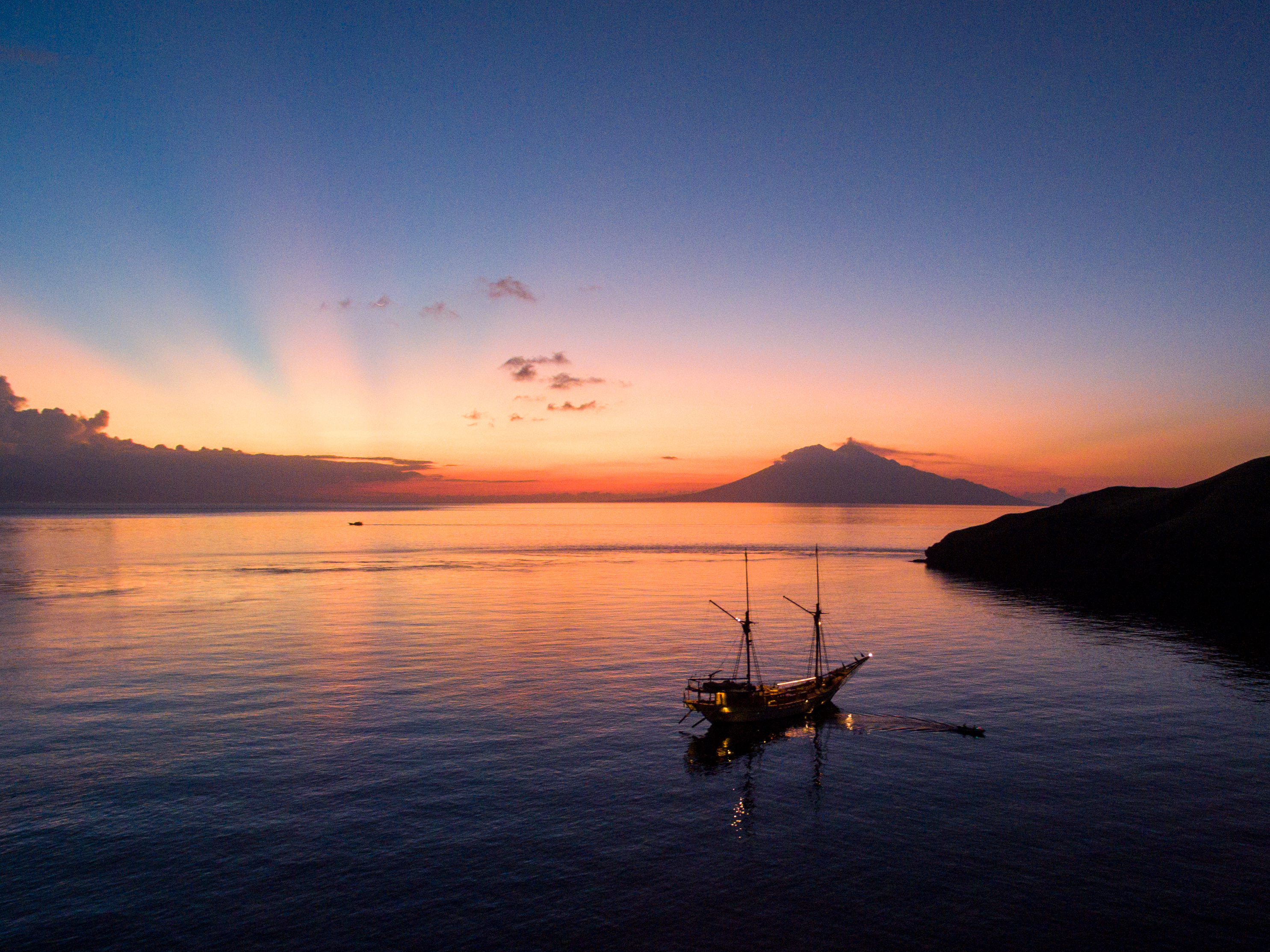
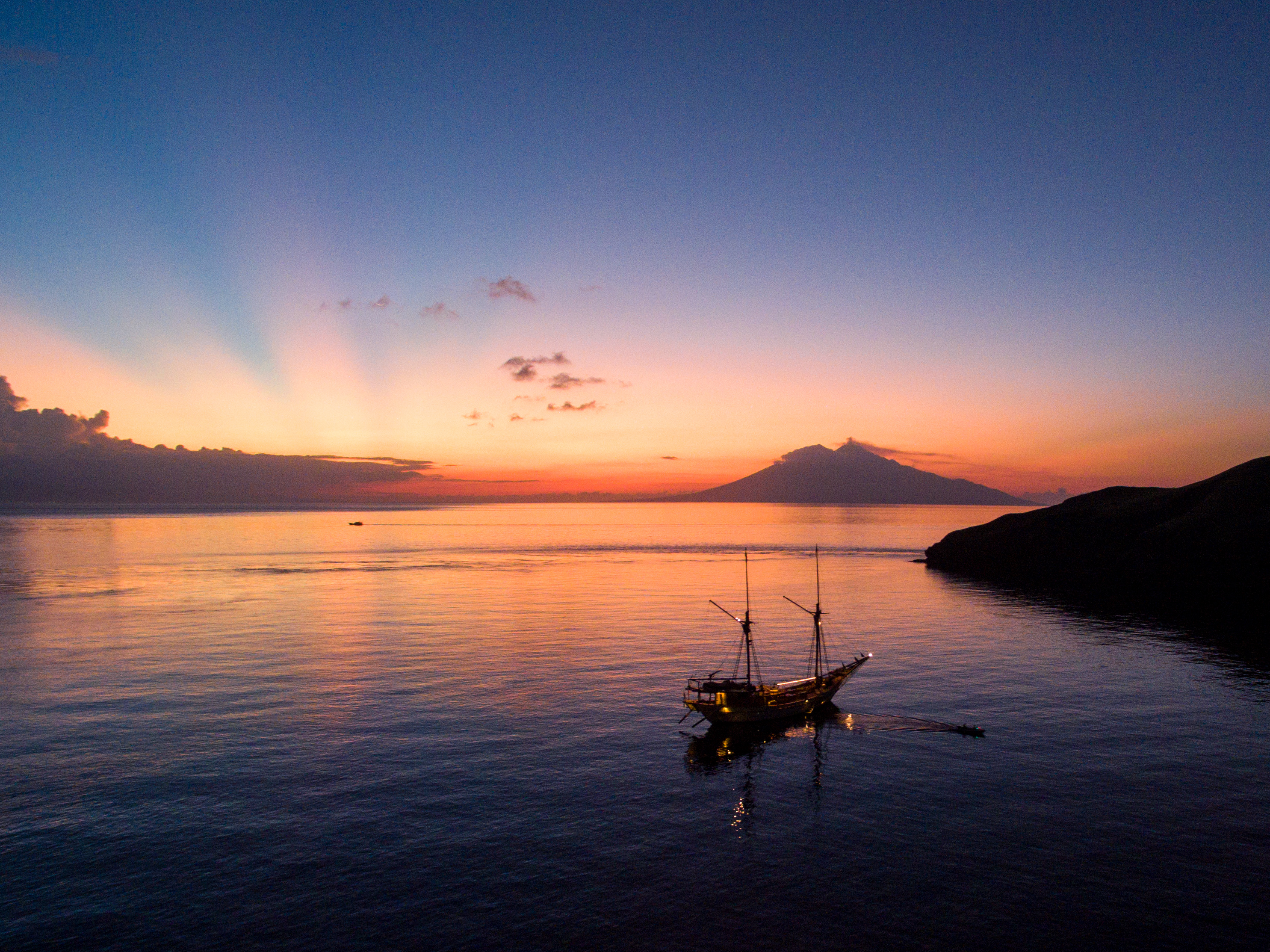
Komodo can be done by day boat, resort, liveaboard, or private yacht. Each has a place. A luxury yacht changes the experience because it gives the group more control over pace, privacy, and balance. You are not bound to the energy of a crowded dive schedule. You can plan a day where advanced divers take on a current site while others snorkel a sheltered reef or enjoy a beach landing. You can return to the yacht for lunch, rest, massage, photography, or simply quiet time on deck.
Silolona Sojourns positions its Komodo journeys around off the grid luxury yacht charters, secluded coves, hidden snorkeling havens, and bespoke experiences in the archipelago. The company also describes itself as an Indonesia yacht charter specialist with 30 years of expertise, supporting yacht logistics, provisioning, customs, and bespoke cultural tours across Southeast Asia.
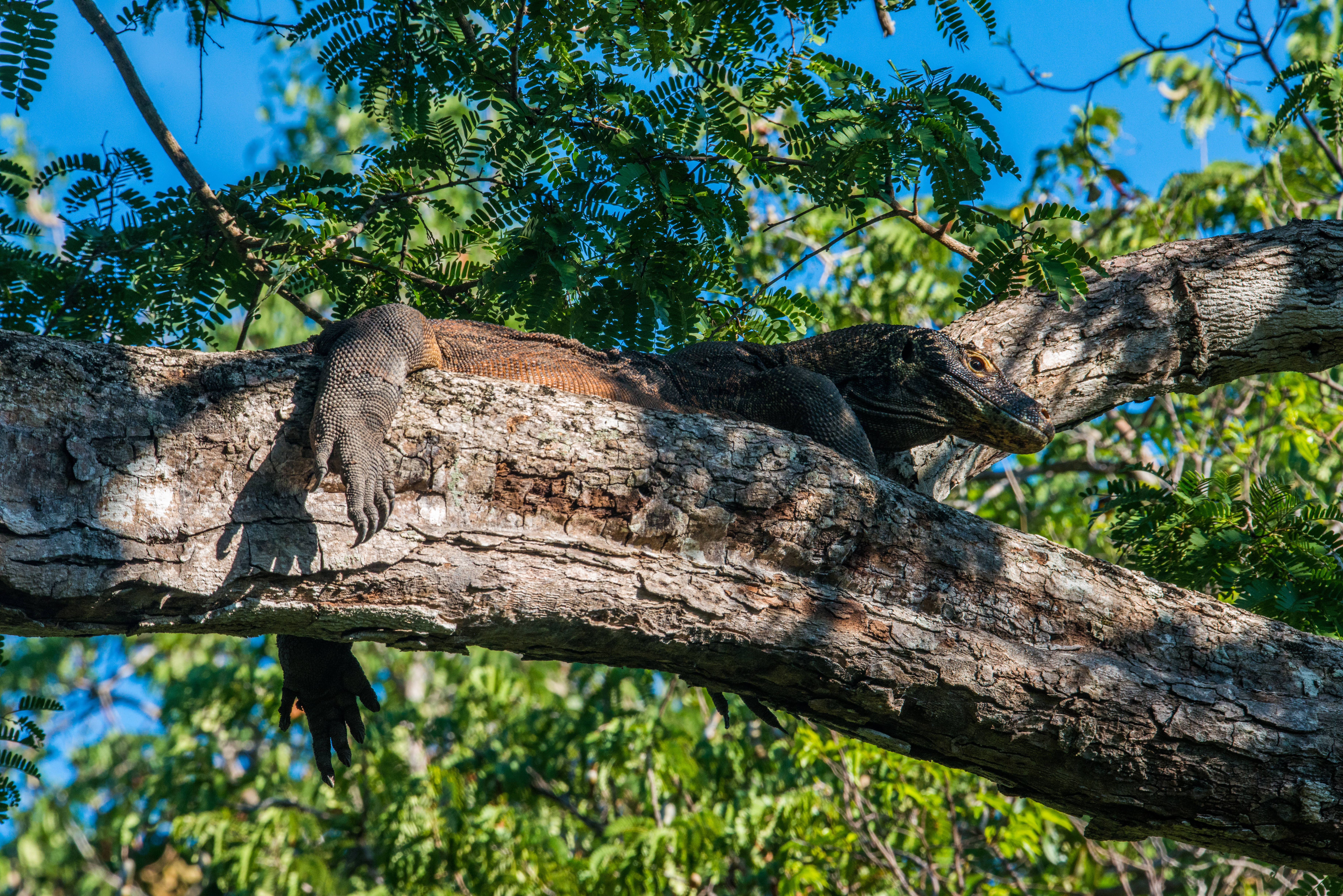
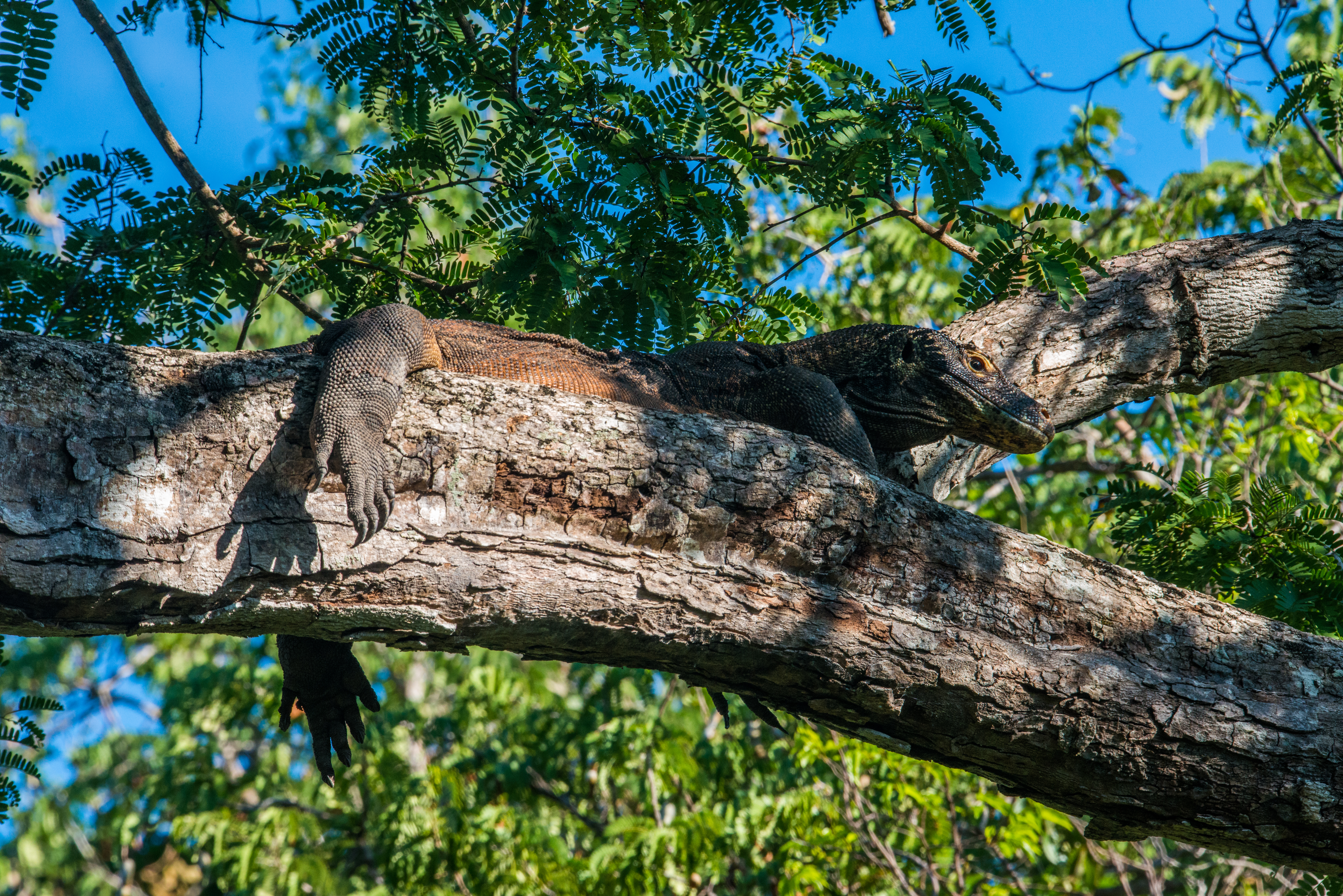
That matters in Komodo because the best trips are not one dimensional. You may dive in the morning, see Komodo dragons with a ranger, snorkel with a child or non diver in the afternoon, and dine beneath a sky that feels larger than the map. The yacht becomes the connective tissue between different versions of adventure.
Snorkeler Options: Komodo Without a Tank
Non divers should not think of themselves as spectators in Komodo. In the right places, they are participants. Komodo’s snorkeling can be extraordinary because many reefs rise close to the surface and many marine encounters do not require depth. Sheltered reefs, turtle areas, coral gardens, and manta sites can all be part of a snorkeler friendly itinerary when conditions allow.
Good snorkeler planning considers three things. First, surface current must be manageable. Second, boat and tender support must be close. Third, expectations must be honest. Some days are perfect for snorkeling. Some sites are better left to divers. Some manta encounters happen from the surface, while others stay deeper or do not happen at all.
The advantage of a private yacht is that snorkelers do not have to be treated as an afterthought. Their experience can be designed alongside the divers’ experience, not squeezed between dives.
A Sample Komodo Diving Rhythm for Mixed Groups
A strong Komodo itinerary usually begins gently. The first day can include a check dive or easy reef, letting the dive team assess comfort, buoyancy, air consumption, and current readiness. Snorkelers can begin with calm water and reef familiarization.
The next phase can introduce iconic central sites such as Batu Bolong or Manta Point, depending on tide and skill level. Advanced divers may be offered more current driven sites, while newer divers remain with suitable alternatives. Later in the trip, if conditions and guest ability align, northern sites such as Castle Rock or Crystal Rock can enter the plan.
For non divers, the rhythm might include guided snorkeling, beach landings, dragon viewing on land, kayaking, photography, and time aboard. That balance is what makes Komodo by luxury yacht different. The trip does not ask everyone to want the same thing. It gives each guest the right version of the place.
Practical Conditions: Currents, Temperature, Visibility, and Season
Komodo’s diving conditions vary by region, season, and tide. Current is the defining factor. Some sites may be calm at one moment and inappropriate later. Visibility can range widely, with clearer water often associated with some northern and central sites, while southern areas can be cooler and more nutrient rich. Water temperature can also vary, especially when upwelling affects southern sites.
The most important practical truth is simple: your dive plan should be made daily, not months in advance. You can set ambitions before the trip, but the final decision belongs to conditions and safety. That is not a compromise. It is how Komodo should be dived.
For luxury travelers, this is where expertise becomes invisible. The guest should feel freedom, not friction. Behind that freedom should be careful reading of tide, current, certification, comfort, weather, and wildlife behavior.
Komodo Works Because It Has More Than One Doorway In
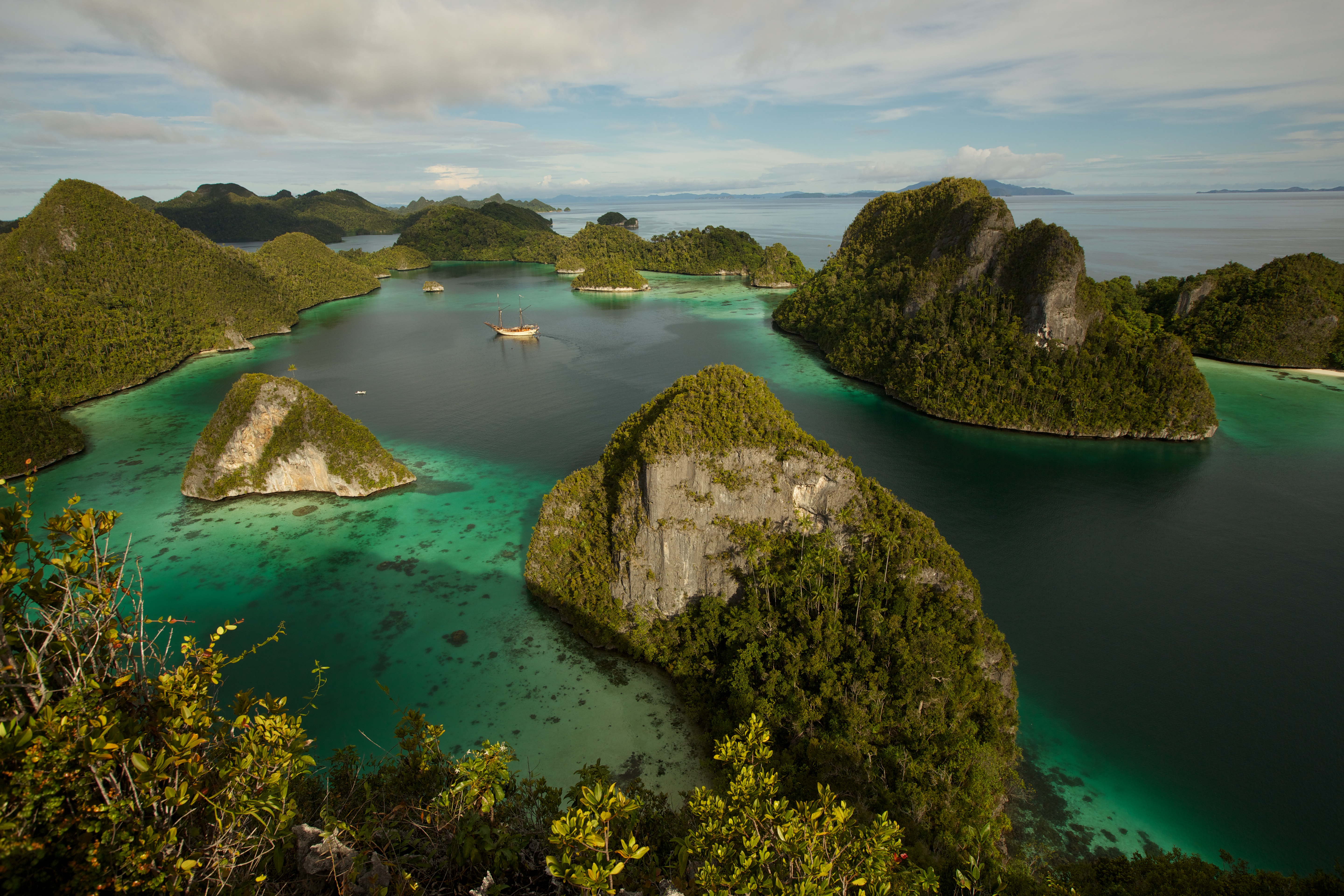
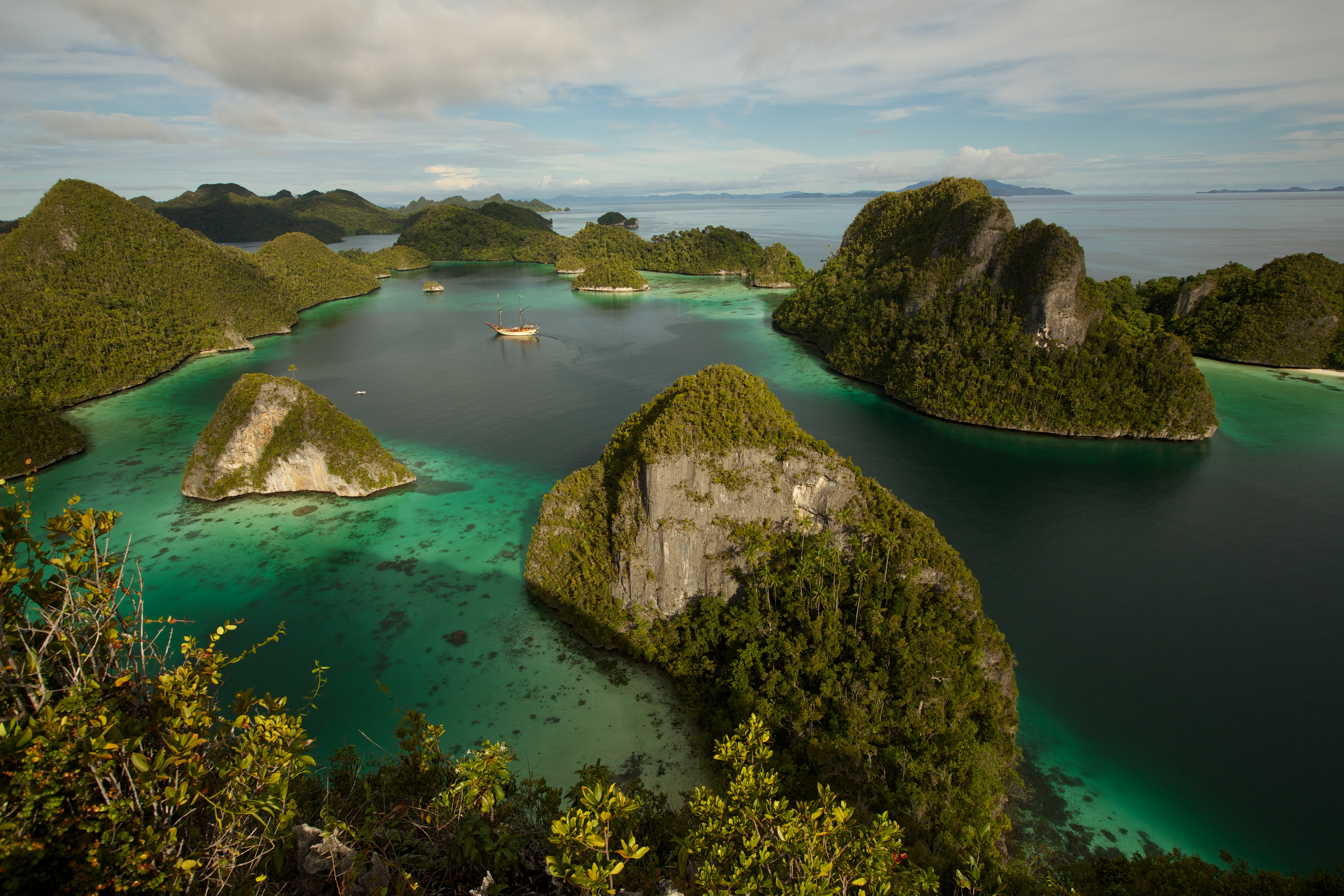
Komodo is one of the rare diving destinations that can challenge advanced divers and still welcome first timers. It offers Batu Bolong for the confident, Castle Rock for the current ready, Manta Point for shared wonder, sheltered reefs for snorkelers, and a whole landscape of islands, beaches, dragons, and quiet anchorages for those who want the ocean without always entering it deeply.
The mistake is thinking Komodo has to be either serious or soft. It is serious when you want current, pinnacles, and pelagic energy. It is gentle when the itinerary is shaped around protected sites, good guiding, and honest conditions. It is luxurious when nobody is forced into the wrong version of the day.
For a mixed group, that is the true promise of a Komodo diving luxury yacht journey. Not everyone has to dive the same site. Not everyone has to seek the same intensity. But everyone can come home feeling they met Komodo properly.
With Silolona Sojourns, Komodo becomes a private diving and sailing journey shaped around your group rather than a fixed dive schedule. Serious divers can pursue iconic sites such as Batu Bolong, Castle Rock, Crystal Rock, and manta focused reefs when conditions allow, while first timers, snorkelers, families, and non diving companions enjoy sheltered reefs, secluded coves, guided land experiences, and the quiet comfort of a handcrafted phinisi yacht. For guests who want Komodo’s underwater power without sacrificing privacy, elegance, or flexibility, Silolona offers the rare balance: expert led adventure, thoughtful pacing, and a luxury yacht experience that understands the ocean is best approached with both excitement and respect.
References
UNESCO World Heritage Centre. Komodo National Park. UNESCO World Heritage List. Available from: https://whc.unesco.org/en/list/609/
Germanov ES, Pierce SJ, Marshall AD, Hendrawan IG, Kefi A, Bejder L, et al. Residency, movement patterns, behavior and demographics of reef manta rays in Komodo National Park. PeerJ. 2022;10:e13302. doi:10.7717/peerj.13302
Dewar H, Mous P, Domeier M, Muljadi A, Pet J, Whitty J. Movements and site fidelity of the giant manta ray, Manta birostris, in the Komodo Marine Park, Indonesia. Marine Biology. 2008;155:121-133. doi:10.1007/s00227-008-0988-x
PADI Travel. Silolona, Sanur, PADI Dive Center. Available from: https://travel.padi.com/liveaboard/indonesia/silolona/
Silolona Sojourns. Komodo National Park Yacht Charter. Available from: https://silolona.com/destination/komodo-archipelago/