

From Pearl Farms to Muck Diving: Rare Experiences in Raja Ampat
Raja Ampat Pearl Farm Visit
You have seen the postcards. Limestone karsts rising from turquoise water. Manta rays gliding through currents. Sunsets that melt into indigo.
But Raja Ampat is not only about what is obvious. The true luxury lies in what is hidden.
Beyond the celebrated reefs and iconic viewpoints, there are rare encounters few travelers access. A quiet morning at a working pearl farm in Aljui Bay. A slow, deliberate dive beneath a modest jetty where ghost pipefish sway like drifting leaves. A twilight exploration of Raja Ampat rare dive sites where crustaceans rule the sand.
This is where exclusivity becomes experiential. Not loud. Not advertised. Simply known by those who sail with intention.
The Privilege of a Raja Ampat Pearl Farm Visit
Tucked inside the calm waters of Aljui Bay lies Aljui Pearl Farm, one of the few operational pearl farms in the region.
Can you visit pearl farms in Raja Ampat?
Yes, but not easily. Access is limited, and visits are typically arranged only through private expeditions with established relationships. This is not a tourist attraction with ticket counters. It is a living, working environment where South Sea pearls are cultivated through years of patient stewardship.
When you step onto the wooden platforms, you enter a different rhythm of Raja Ampat. The process of pearl cultivation is meticulous. A tiny nucleus is inserted into the oyster. The mollusk then spends years layering nacre around it. Temperature, salinity, and water quality are monitored constantly. The farm’s presence also depends on preserving the marine ecosystem, because without pristine water, there are no pearls.
Research in marine resource management highlights that well managed aquaculture can coexist with conservation objectives when ecological monitoring is rigorous and community integrated strategies are applied. A study in Aquaculture emphasizes the importance of environmental parameters in sustainable pearl farming practices. This matters here, because the clarity of Aljui Bay is not accidental. It is protected.
As you hold a finished pearl in your hand, luminous and weighty, you understand something deeper. Luxury in Raja Ampat is not only found in five course dinners on deck. It is found in time. In patience. In craftsmanship beneath the surface.
Beneath the Jetty: The Secret World of Cendana
A short distance away, at Cendana Jetty, another world reveals itself.
From above, the jetty seems ordinary. Wooden beams. Local boats tied loosely. Children occasionally fishing at sunset.
Below the surface, it becomes one of the most fascinating Raja Ampat rare dive sites.
Here, you do not chase pelagic giants. You slow down. You look closely. This is where muck diving transforms perception.
What is muck diving?
Muck diving is a style of diving focused on sandy bottoms, debris zones, and seemingly unremarkable seabeds. Instead of coral walls, you explore sediment rich environments that host cryptic species. The reward is discovery.
Peer reviewed research on marine biodiversity shows that cryptobenthic and macro species significantly contribute to reef ecosystem complexity and resilience. These small creatures, often overlooked, play outsized ecological roles.
At Cendana Jetty, you may find:
• Ghost pipefish hovering vertically among soft corals
• Decorator crabs disguised with living fragments
• Vibrant nudibranchs tracing slow paths across the sand
• Unusual crustaceans emerging only at dusk
Ghost pipefish in particular are masters of invisibility. Their bodies mimic drifting weeds. They sway with the current. You can hover inches away and still miss them if you rush.
This is diving that rewards stillness.
Scientific work published in Coral Reefs demonstrates how habitat complexity influences species diversity in reef adjacent zones. Even artificial structures such as jetties can create microhabitats that increase biodiversity. Cendana is living proof.


Rare Access, Rare Perspective
Most itineraries in Raja Ampat focus on the highlights. Piaynemo. Wayag. Manta Sandy.
These are spectacular. But exclusivity is about narrative control. It is about stepping into places where access is curated and timing is intentional.
A Raja Ampat pearl farm visit in the morning. A private macro dive under Cendana Jetty in the afternoon. Sundowners on deck as limestone silhouettes fade into gold.
This layering of rare experiences requires logistical precision and deep local relationships. It is not simply about owning a yacht. It is about knowing where to anchor, when to visit, and how to move without disturbing fragile ecosystems.
Sailing into the Unseen with Silolona Sojourns
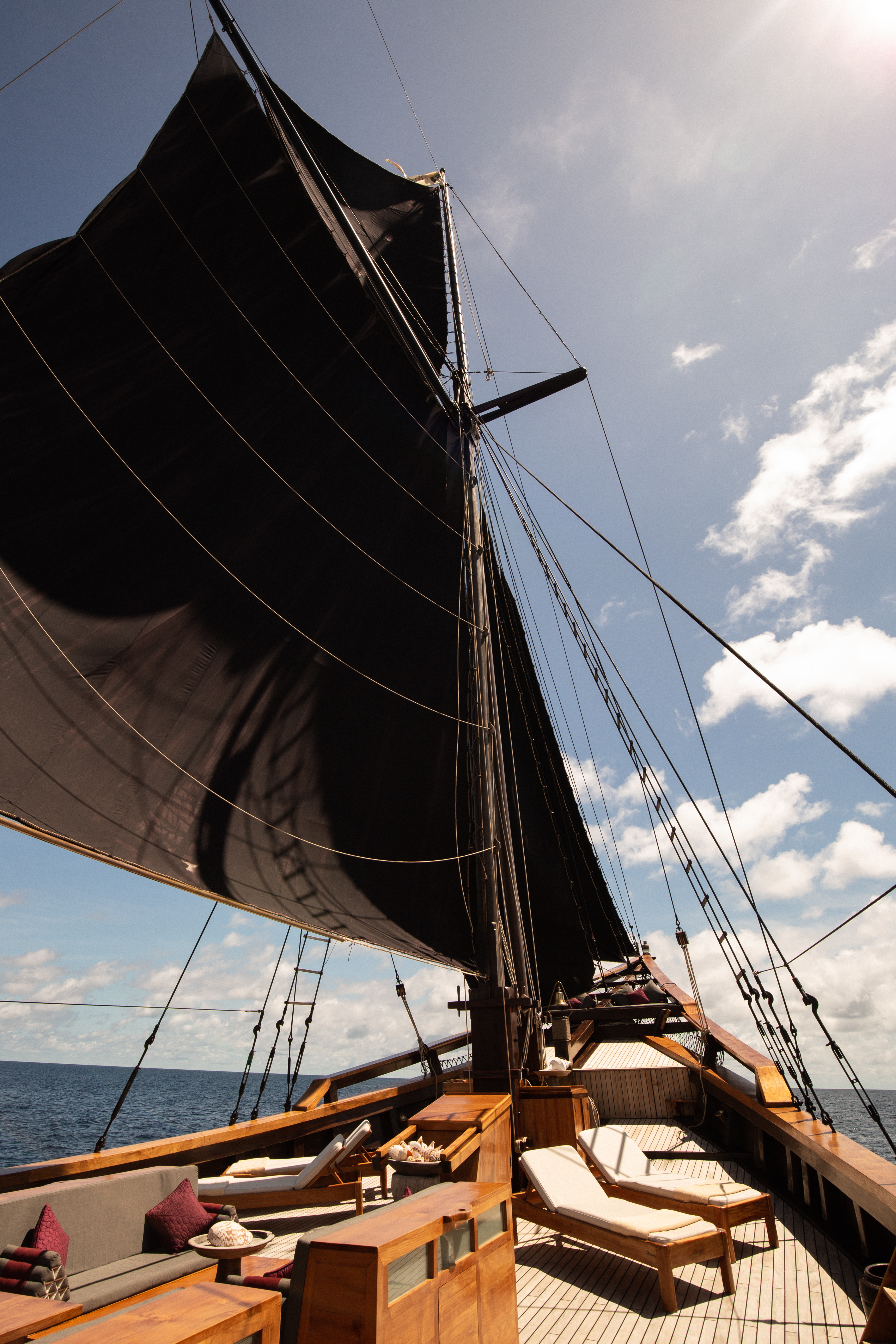
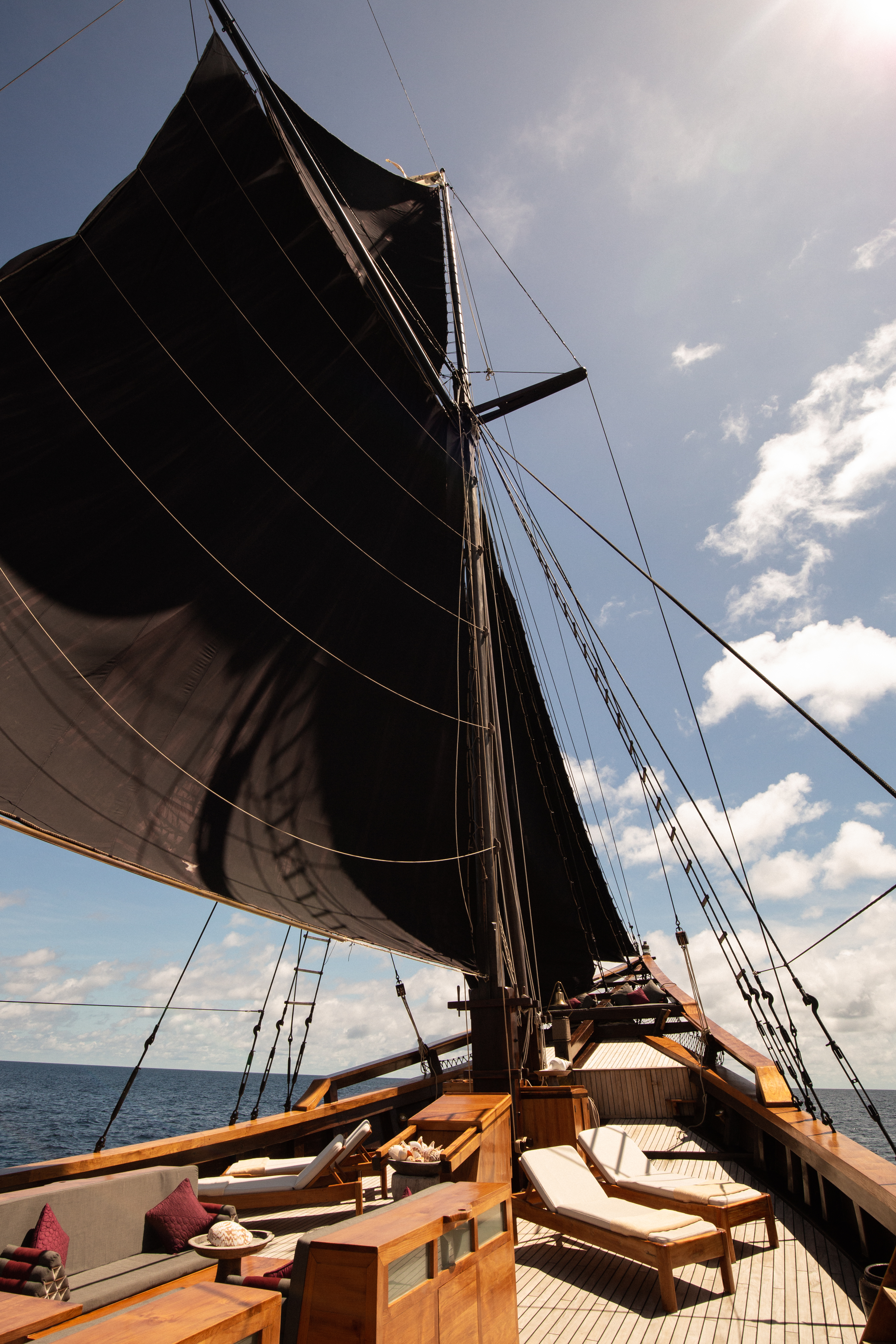
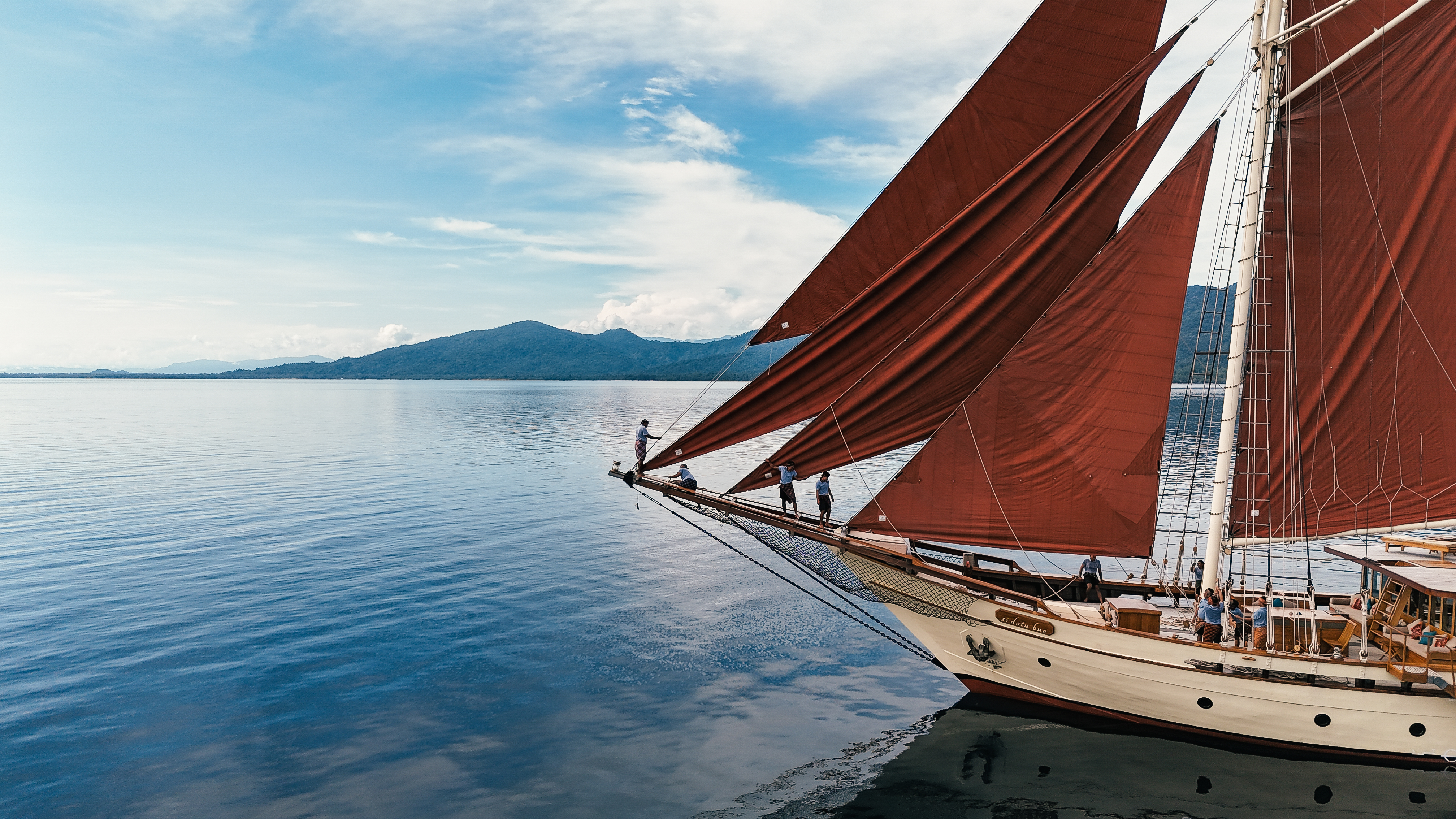
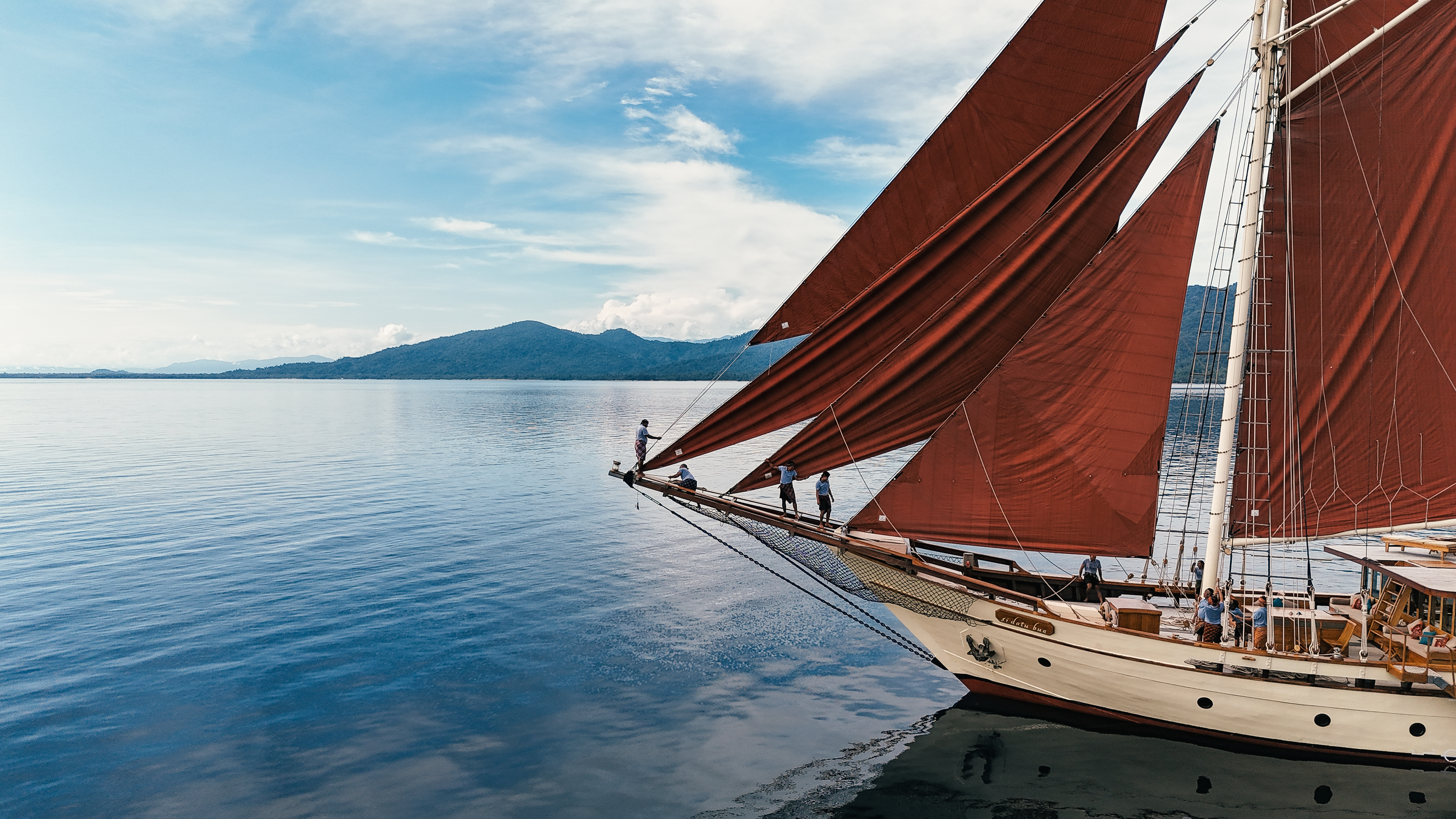


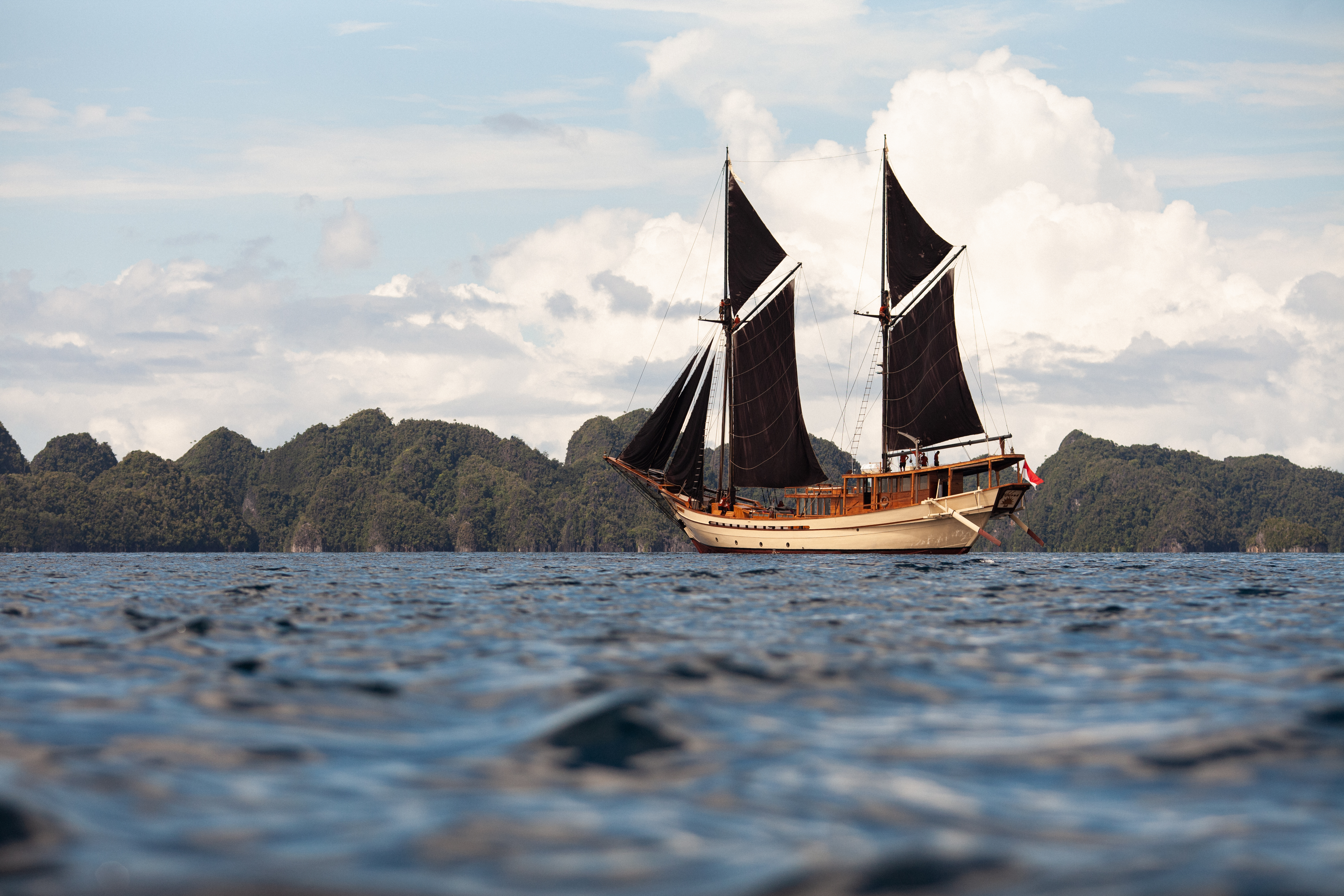
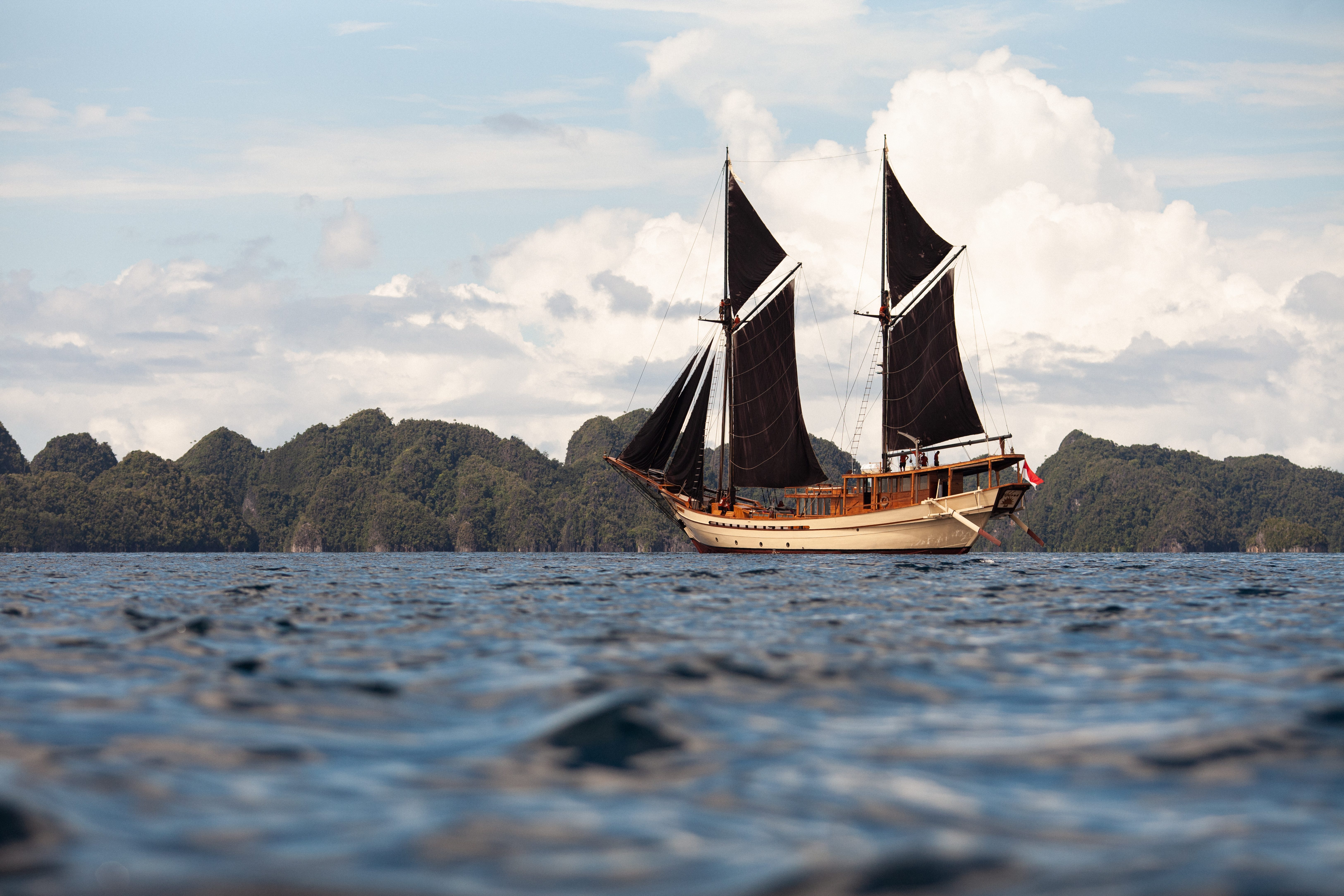
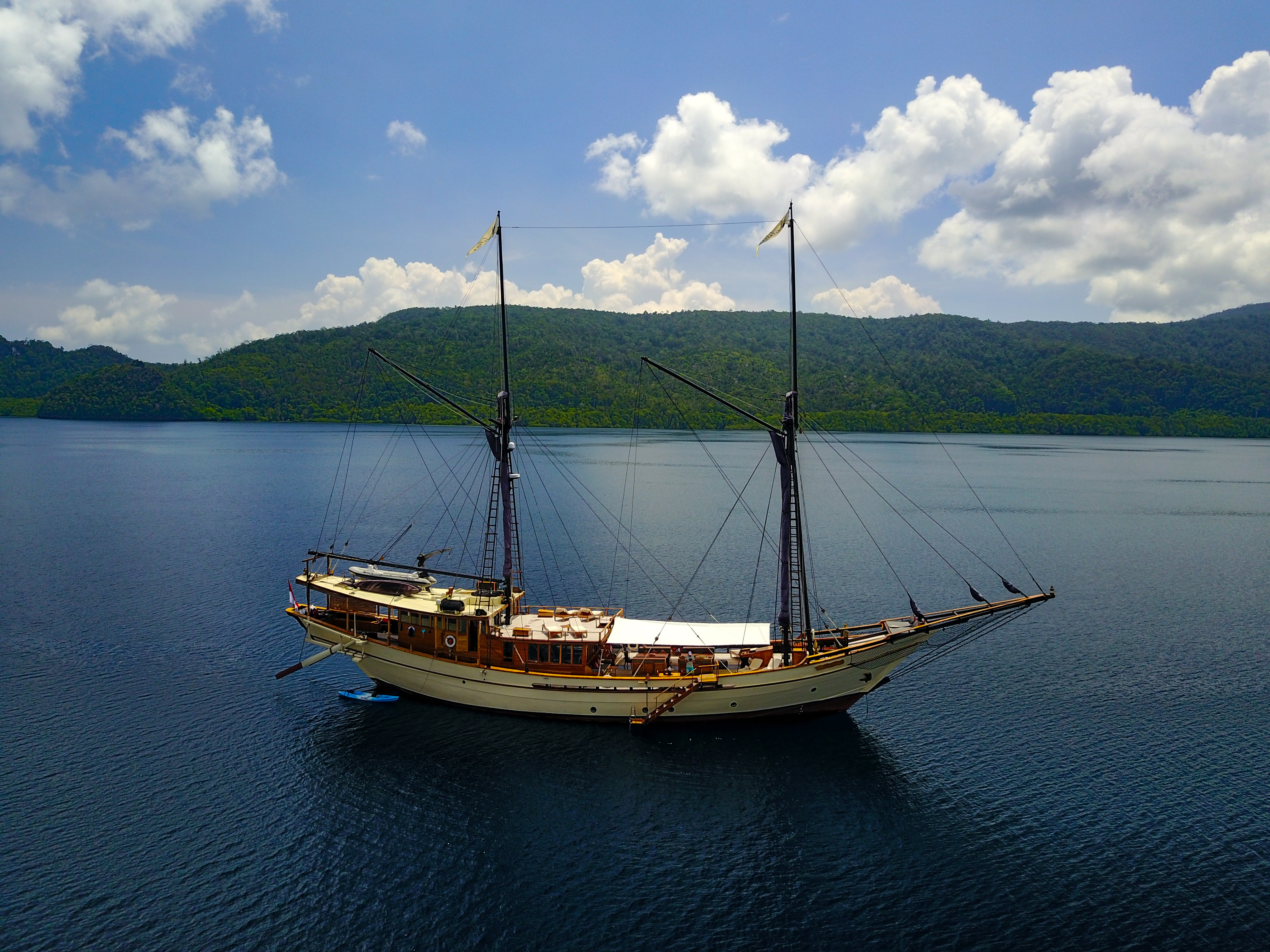
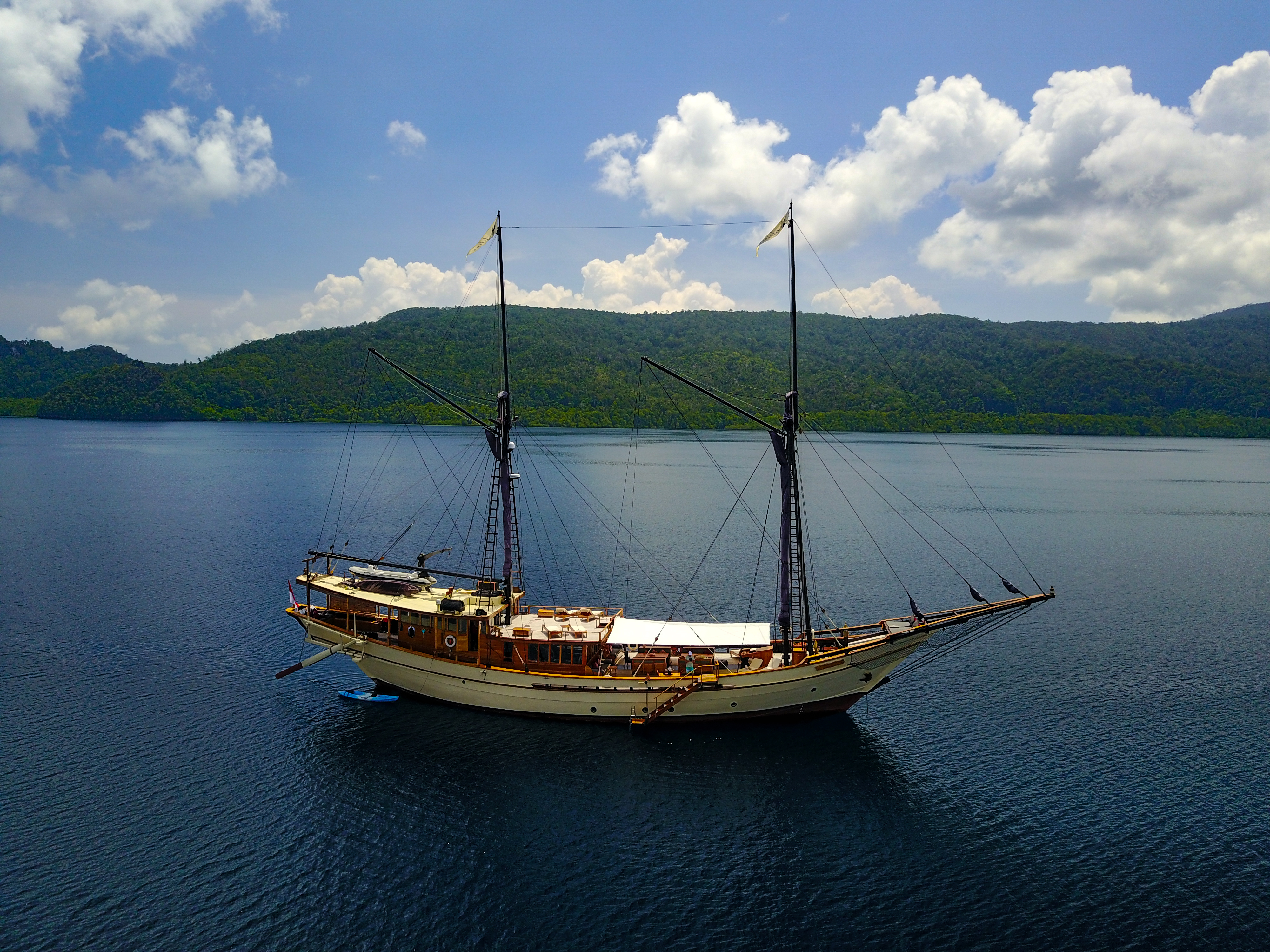
Aboard Silolona Sojourns, your journey is not fixed to a rigid template. The handcrafted phinisi is designed for private expeditions across the Indonesian archipelago, blending refined comfort with cultural and ecological immersion.
With a highly experienced crew and expedition team, Silolona curates encounters that go beyond mainstream routes. Access to places such as Aljui Pearl Farm and specialized dives at Raja Ampat rare dive sites are arranged thoughtfully, respecting both local communities and marine environments.
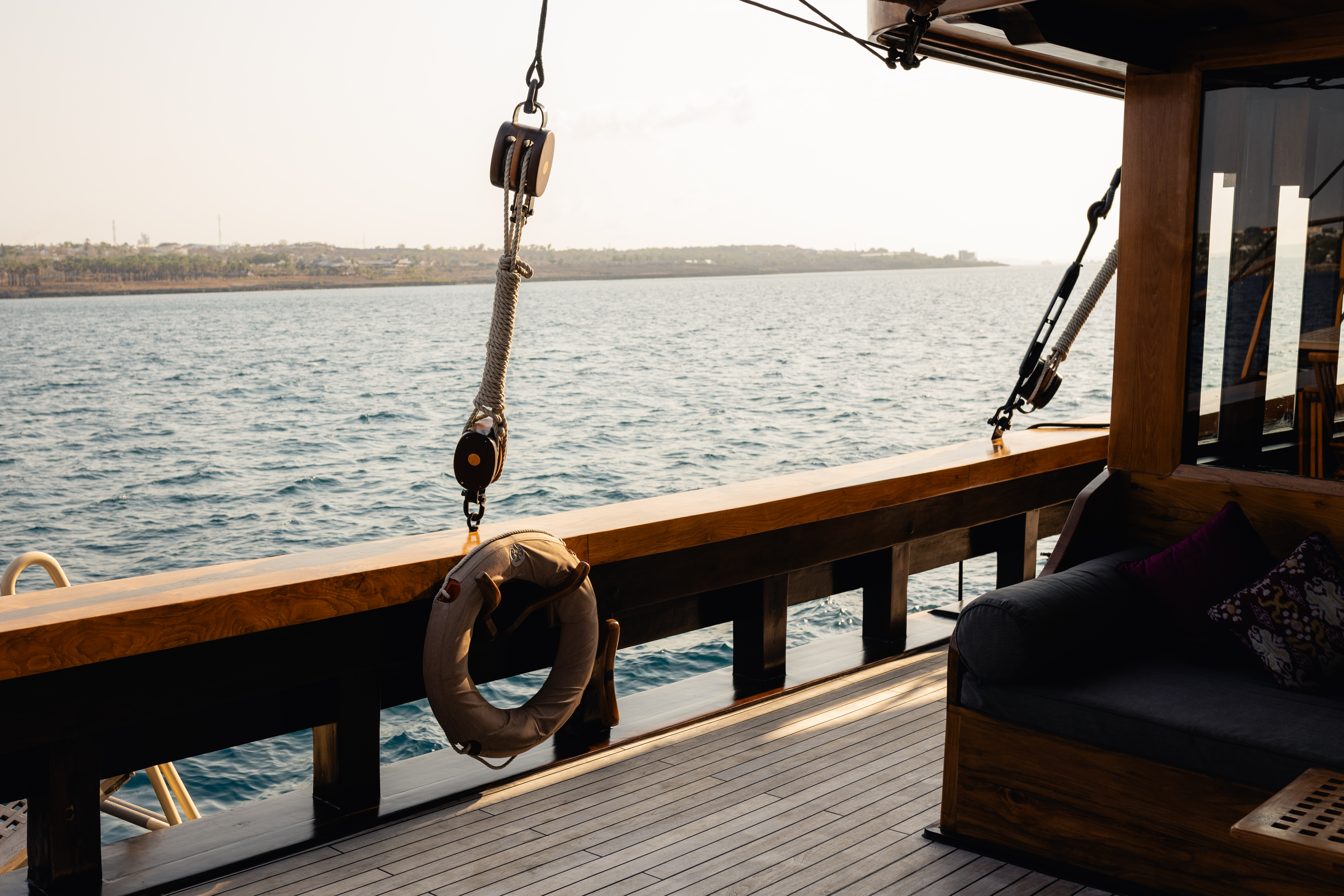
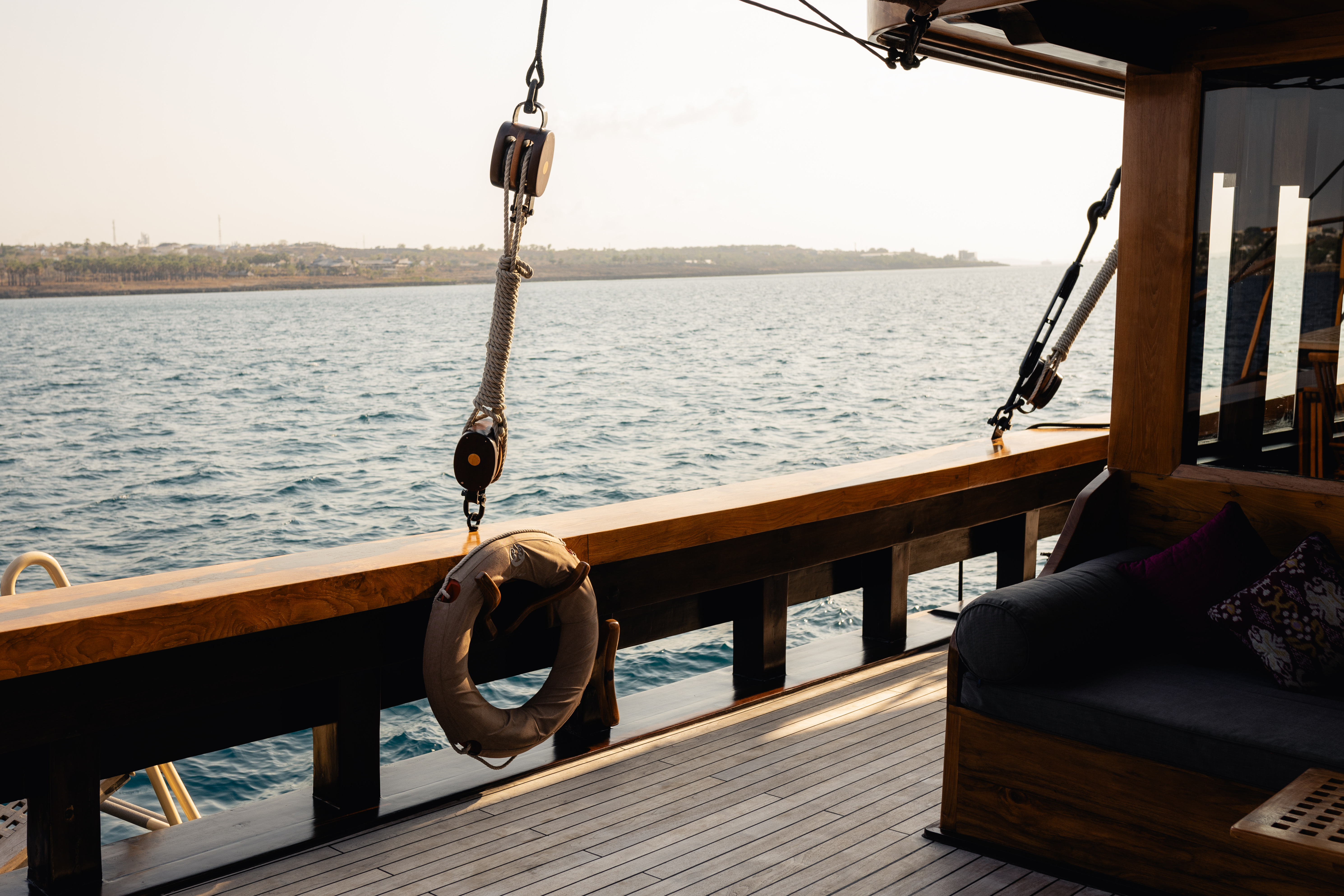
On deck, teakwood glows under the sun. Interiors reflect Indonesian craftsmanship. Dining is tailored. Every detail is quietly precise. Yet the greatest luxury is flexibility. If the sea is calm in Aljui Bay, you go. If the light is perfect under Cendana Jetty, you dive.
You are not following an itinerary. You are following possibility.
Why These Rare Encounters Matter
In a world where destinations are increasingly cataloged and quantified, rarity becomes fragile. The more photographed a place becomes, the more its mystery thins.
A pearl farm teaches patience and stewardship. A muck dive beneath a jetty teaches humility. Both shift your relationship with the ocean from spectator to participant.
Studies in tourism research suggest that experiential depth and perceived authenticity significantly enhance traveler satisfaction and long term memory formation. When you engage in rare access encounters rather than surface level sightseeing, your connection intensifies.
Raja Ampat is already extraordinary. But when you move from iconic to intimate, you transform the journey into something personal.
The Questions You Might Be Asking
Can you visit pearl farms in Raja Ampat?
Yes, but visits are limited and typically arranged through private expedition operators with established relationships. It is not a walk in attraction. Access depends on coordination and respect for the working environment.
What is muck diving?
Muck diving focuses on sandy or debris rich seabeds to observe rare macro species such as ghost pipefish, nudibranchs, and unusual crustaceans. It requires patience, excellent buoyancy control, and an eye for detail. The reward is discovering species rarely seen on traditional reef dives.
The Quietest Luxury
Imagine ending your day anchored in a hidden bay. The air is warm. The horizon blushes with soft color. Below you, oysters quietly form pearls. Nearby, ghost pipefish drift in twilight currents.
You realize that the rarest experiences are not always the grandest. They are the ones few people even know to seek.
If you are ready to move beyond the expected and into the unseen layers of Raja Ampat, your voyage begins with intention.
Step aboard and let the archipelago reveal what it keeps for the few.
References
Southgate PC, Lucas JS. The pearl oyster. Aquaculture. 2008; doi:10.1016/j.aquaculture.2007.12.012
Brandl SJ, Goatley CHR, Bellwood DR, Tornabene L. The hidden half: ecology and evolution of cryptobenthic fishes on coral reefs. Biol Rev. 2018; doi:10.1111/brv.12428
Graham NAJ, Nash KL. The importance of structural complexity in coral reef ecosystems. Coral Reefs. 2013; doi:10.1007/s00338 012 0984 y
Kim JH, Ritchie JRB, McCormick B. Development of a scale to measure memorable tourism experiences. J Travel Res. 2012; doi:10.1177/0047287510385467