

Komodo as the Gateway: How One Destination Opens a World of Journeys
You arrive in Komodo expecting spectacle—dragons, reefs, cinematic horizons. What you may not expect is how this place quietly reorganizes your sense of travel itself. Komodo isn’t a final stop. It’s a threshold. From here, entire archipelagos, histories, and cultures begin to connect—if you travel with intent.
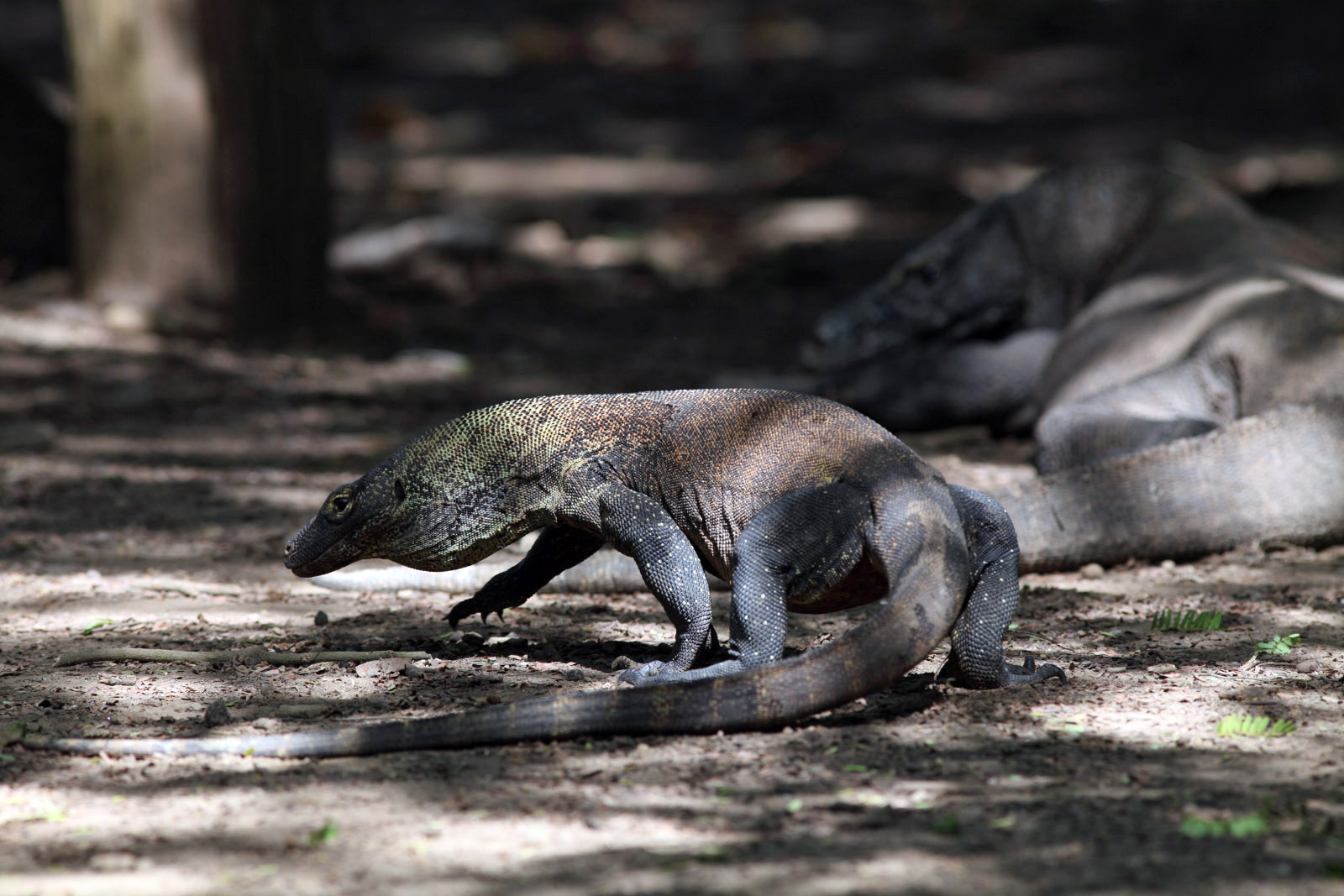
Positioned between Indonesia’s eastern seas and its deepest cultural corridors, Komodo functions as a Komodo luxury cruise hub and a catalyst for Komodo cultural travel. When approached as a gateway rather than an island hop, Komodo opens a network of journeys that extend far beyond the map.
Why Komodo Became the Natural Hub
Geography That Connects, Not Isolates
Komodo sits at a maritime crossroads where the Indian and Pacific oceans converge. This geography shaped centuries of movement—of traders, spices, ideas, and boatbuilders. Today, it does something similar for the modern traveler: it allows fluid passage east toward Raja Ampat, west along ancient spice pathways, and inward to living cultures rarely experienced from land.
Popular—But for Deeper Reasons Than You Think
Why is Komodo so popular?
The dragons may draw headlines, but Komodo’s lasting appeal lies in its layered experience: terrestrial drama, marine biodiversity, and cultural continuity in one compact region. Research published in the Journal of Sustainable Tourism shows that destinations combining ecological significance with cultural immersion create stronger long-term traveler engagement than single-attraction sites (Buckley, 2012). Komodo embodies this balance.
Yet popularity alone doesn’t define a gateway. What matters is what comes next.
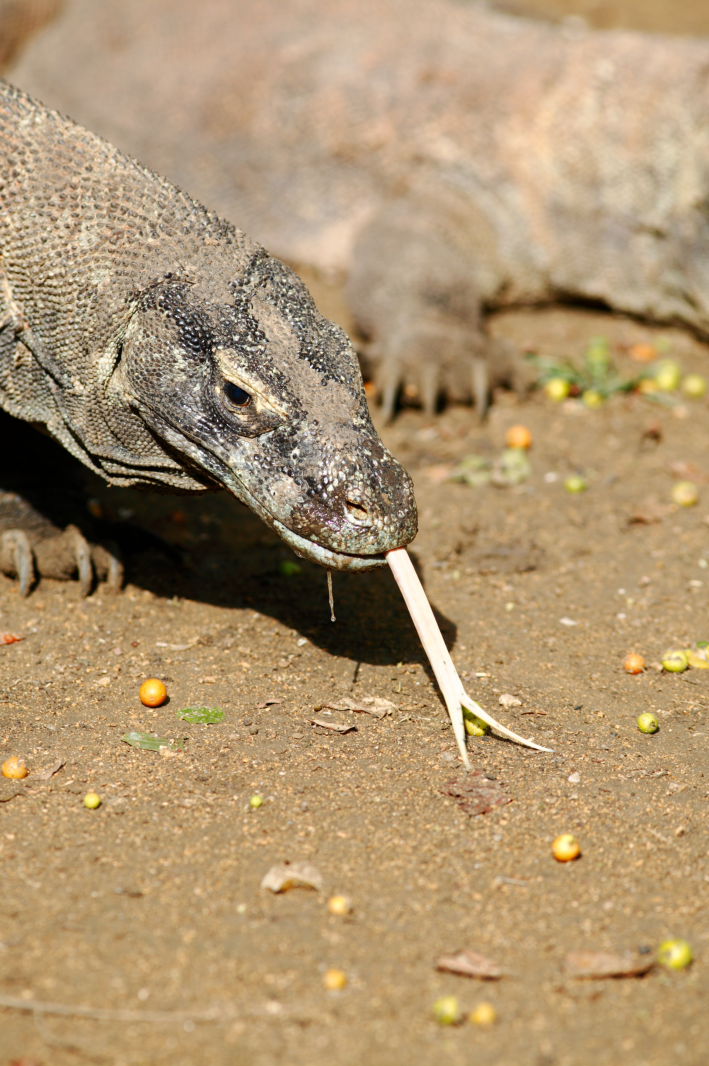
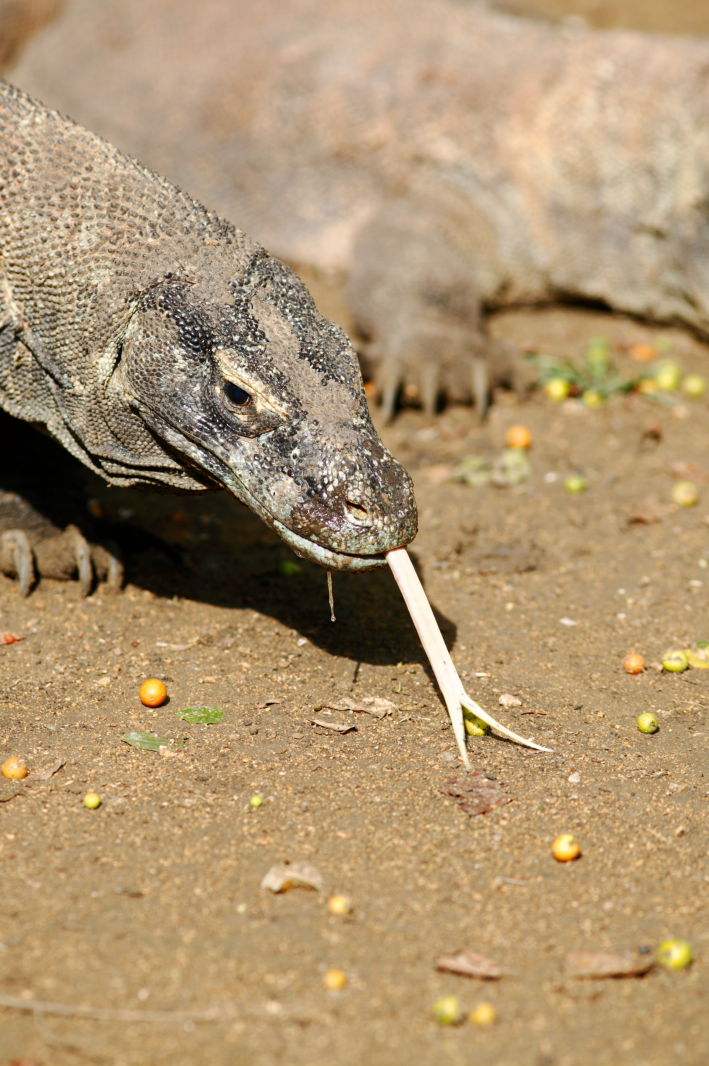
Komodo → Raja Ampat → Spice Route: A Living Continuum
Beyond Point-to-Point Travel
Most itineraries treat destinations as endpoints. Komodo challenges that logic. From here, voyages naturally extend:
Eastward to Raja Ampat: transitioning from volcanic seascapes to coral epicenters revered by marine biologists and explorers alike.
Westward along historical spice corridors: tracing maritime routes once sailed by Bugis, Makassarese, and Arab traders.
Inward to Flores and remote island cultures: where rituals, weaving, and boatbuilding remain part of daily life.
Scholars writing in Maritime Studies note that Southeast Asia’s seafaring cultures developed not through isolated ports, but through networked maritime pathways—routes designed to adapt, expand, and interlink (Gibson & Warren, 2016). Komodo still operates within this logic.
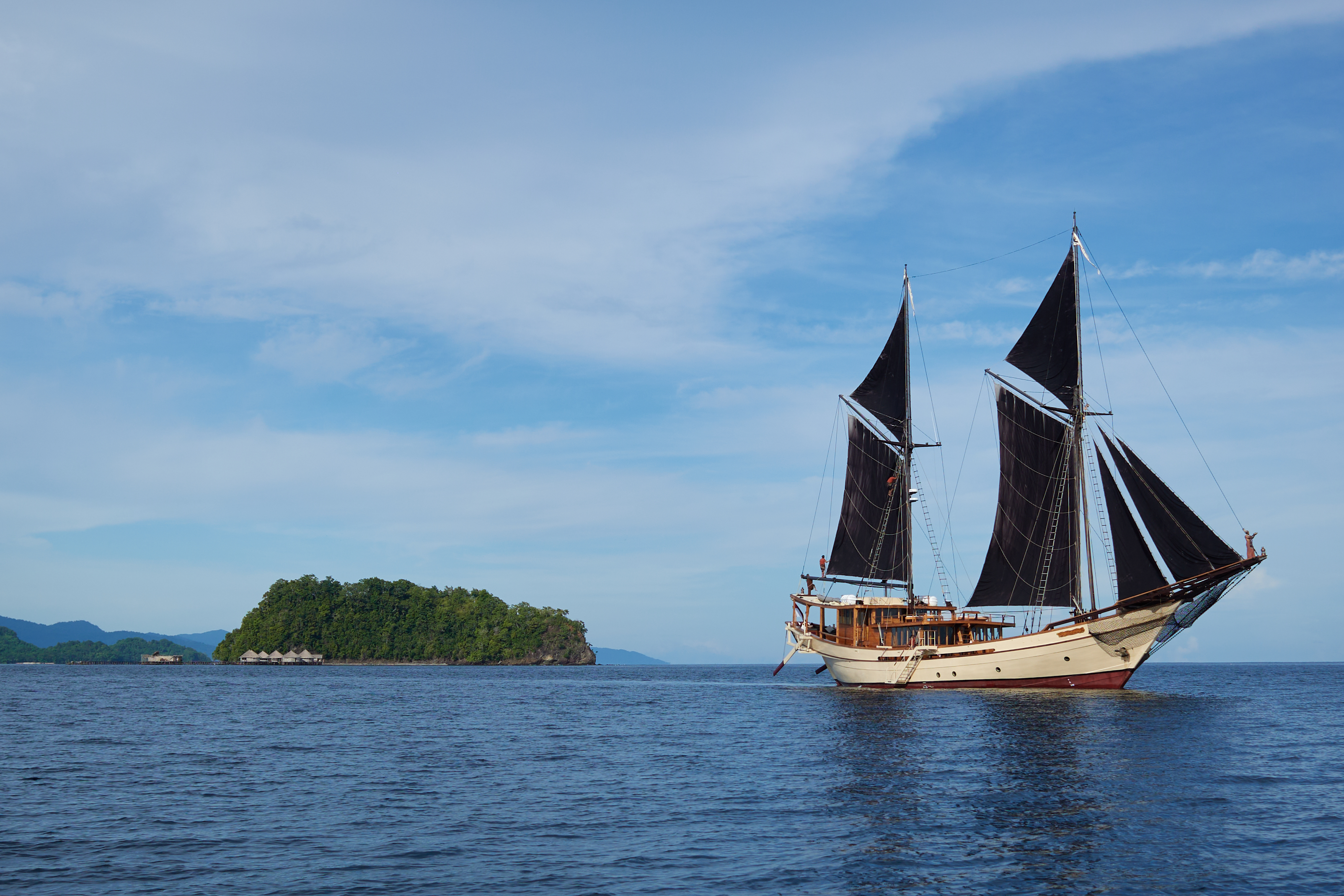
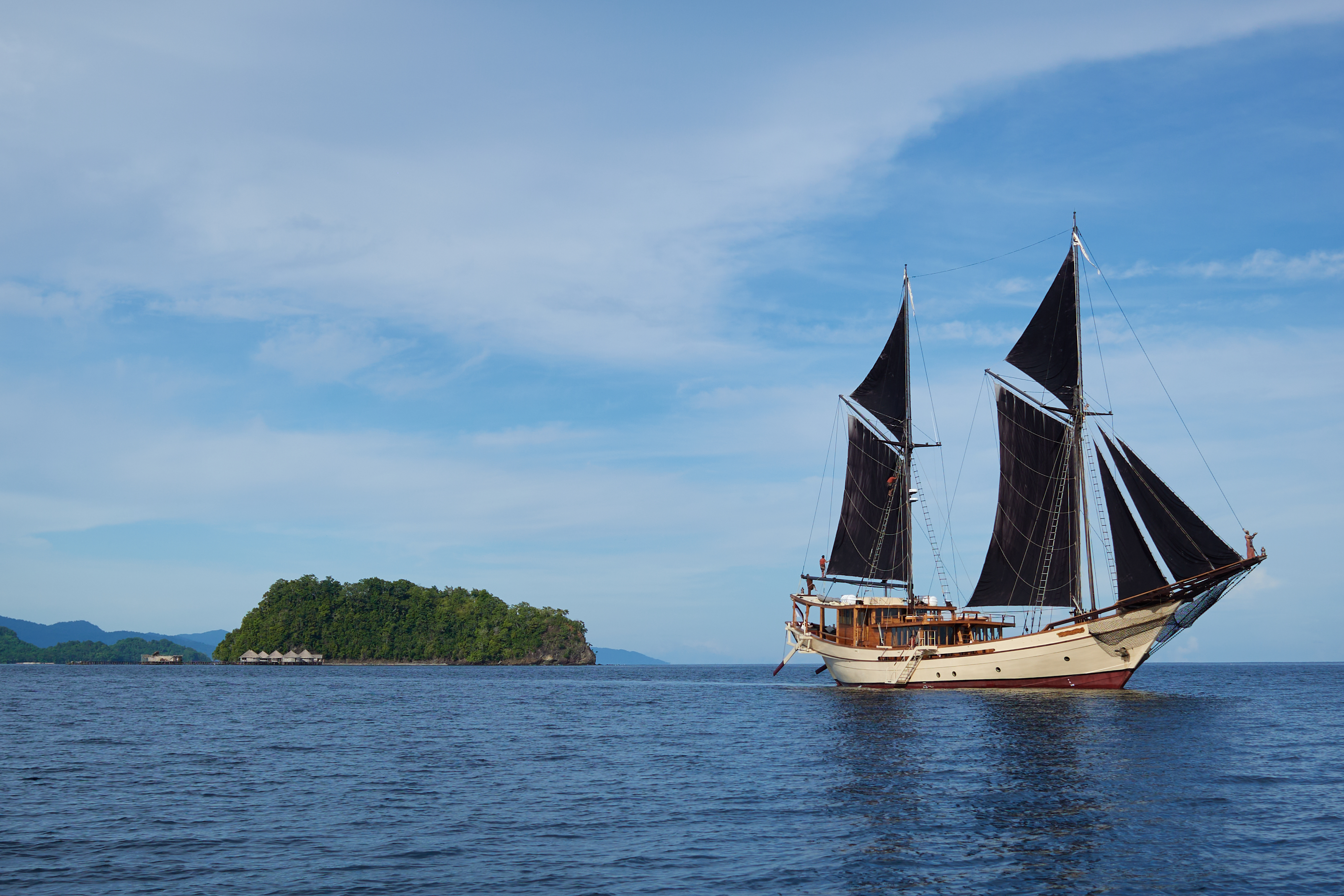
Cultural Travel That Moves With You
Komodo as a Cultural Launchpad
Can Komodo connect to other routes?
Absolutely—if the journey is designed holistically. Komodo allows cultural exploration to unfold gradually: from coastal fishing communities to spice-era trade stories, from ritual dances to the craftsmanship of traditional vessels themselves.
This approach aligns with findings from Annals of Tourism Research, which emphasize that cultural meaning deepens when travelers experience continuity rather than fragmented highlights (Richards, 2018).
Instead of compressing culture into a single stop, Komodo lets it breathe—across days, islands, and conversations.


Vessel as Journey Architecture, Not Transport
Why the Right Vessel Changes Everything
What else can I explore from Komodo?
The answer depends on how you move. When your vessel is designed not merely for comfort, but for cultural and geographic reach, Komodo becomes a modular starting point rather than a logistical bottleneck.
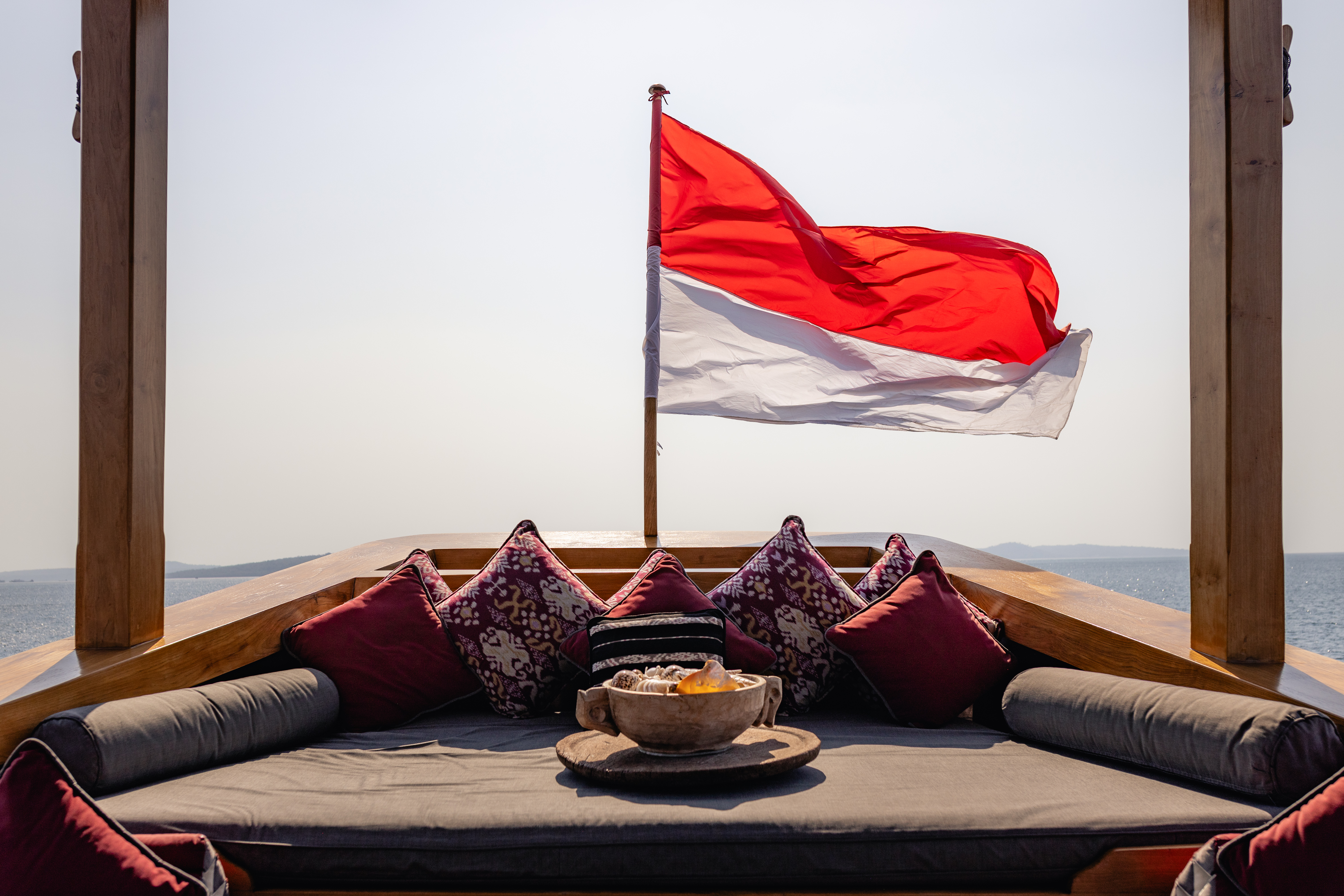
Traditional-inspired yachts built for Indonesian waters allow access to remote anchorages, flexible routing, and unhurried transitions between regions. This is where Komodo transforms from destination into journey architecture—a connected system rather than a standalone attraction.

A More Integrated Way to Travel Indonesia
Many itineraries isolate Komodo as a spectacle to be checked off. A more thoughtful approach recognizes it as a hinge—where ecology, culture, and navigation align. When journeys are designed as networks rather than loops, Komodo reveals its true value: it doesn’t limit where you go next; it expands it.
This is how Indonesia has always been traveled—by sea, by story, by continuity.
Your Journey, Designed From the Gateway
At Silolona Sojourns, Komodo is never treated as an endpoint. It’s the beginning of a living route—one that can unfold toward Raja Ampat, trace ancient spice pathways, or dive deep into Indonesia’s maritime cultures aboard traditionally inspired vessels crafted for exploration.
If you’re seeking a journey that flows—geographically, culturally, and emotionally—Komodo is where it should begin. Silolona designs the rest around you.
References
Buckley, R. (2012). Sustainable tourism: Research and reality. Journal of Sustainable Tourism.
Gibson, C., & Warren, A. (2016). Resource-sensitive mobilities: Indonesian maritime cultures. Maritime Studies.
Richards, G. (2018). Cultural tourism: A review of recent research. Annals of Tourism Research.