

Komodo Dragon Encounters: The Ethical Way to Meet a Living Prehistoric Predator
To meet a Komodo dragon is not to step into a spectacle. It is to enter a landscape where heat, silence, instinct, mythology, and conservation still speak in the old language of islands.
A true Komodo Dragon ethical encounter begins before you see the animal. It begins as your yacht slips into the protected waters of Komodo National Park, where ochre hills rise from the sea, dry savannah folds into coastal forest, and the world’s largest living lizard moves through its own country with no need to perform for anyone. Komodo and Rinca are among the most important protected islands for the species, with research identifying them as key refuges for Komodo dragons under future climate pressure.¹
For the thoughtful traveler, this is the difference between seeing wildlife and understanding it. You are not visiting a zoo without walls. You are entering a living habitat, guided by park rangers, shaped by local memory, and held within one of Indonesia’s most remarkable conservation landscapes. With Komodo yacht luxury, the privilege is not simply comfort. It is access with patience, privacy, and restraint.
Why a Komodo Dragon Encounter Should Feel Different
The Komodo dragon is often described as prehistoric, but that word can flatten what makes the animal so extraordinary. This is not a fossil that survived by accident. It is a living apex predator, adapted to a small and specific island world, dependent on habitat, prey availability, temperature, and the long balance between people and place. When you meet one properly, the encounter is slow. You walk behind a ranger. You listen before you photograph. You learn why distance matters, why feeding is forbidden, why the animal’s path is never interrupted, and why every sighting should remain natural. That is the heart of an ethical encounter: the dragon does not come to you. You enter its world carefully.
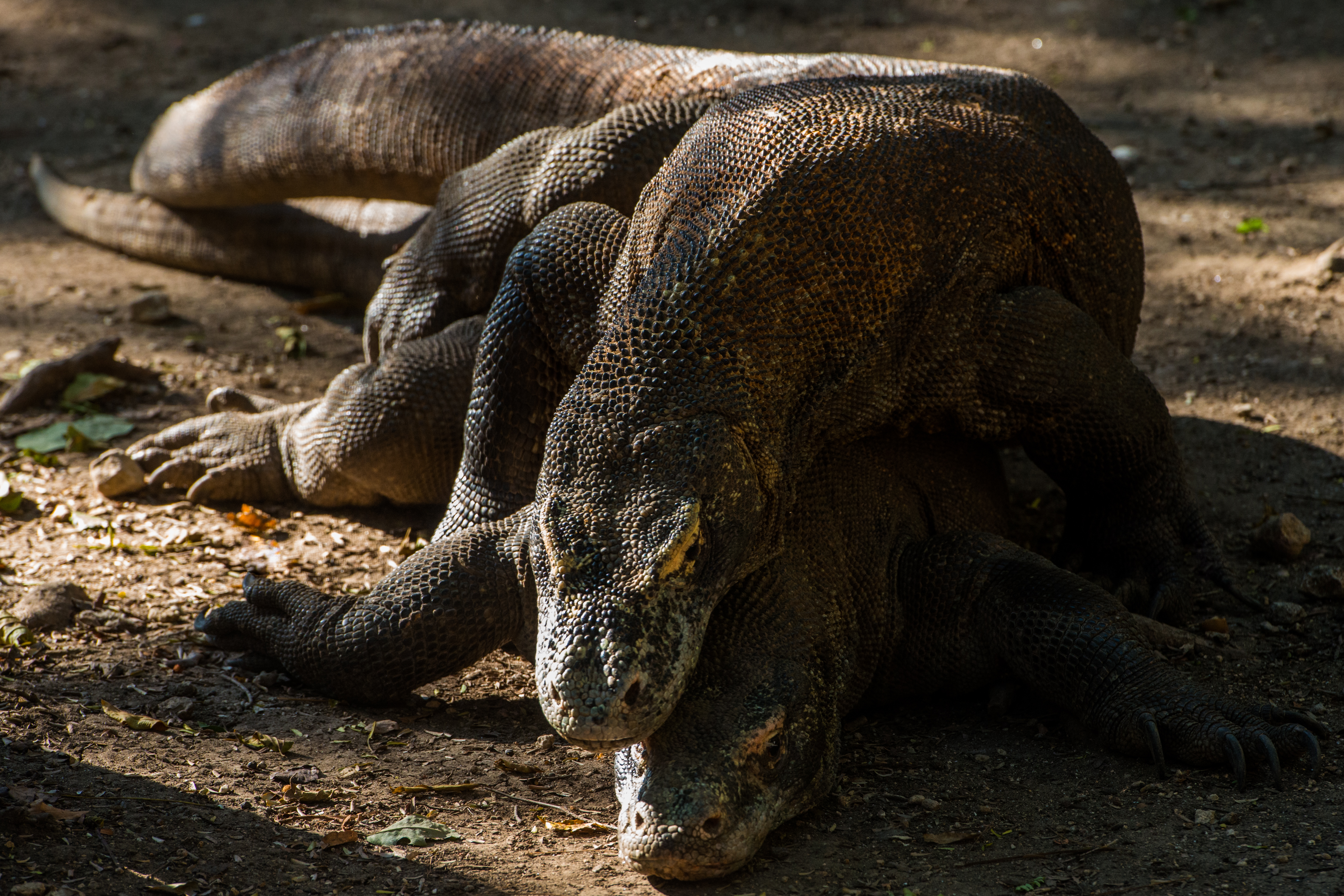
Rinca vs Komodo Island: Why the Choice Matters
Most travelers first hear about Komodo Island because the name is famous. It is iconic, photogenic, and deeply tied to the animal’s global identity. Yet for a more considered experience, Rinca often offers a different rhythm.
Rinca is part of Komodo National Park, along with Komodo, Padar, and surrounding islands. It is known for ranger led trekking, dry savannah terrain, coastal views, and chances to observe dragons within a broader habitat that also includes wild pigs, water buffalo, deer, monkeys, horses, snakes, and birds.
Komodo Island can feel more symbolic. Rinca can feel more intimate, especially when approached with timing, privacy, and a clear avoidance of crowd patterns. This does not mean one island is “better” in a simple sense. It means the ethical choice depends on conditions, ranger guidance, park regulations, seasonality, and the density of visitors on the day.
Silolona’s approach is to treat Rinca ranger treks not as a shortcut to the dragon, but as a quieter way into the story. You arrive by sea, away from the pressure of generic day trips, and let the ranger shape the encounter according to the island, not the itinerary.
The Ranger Guided Approach: Education Before Excitement
A responsible Komodo dragon encounter is always ranger guided. The ranger is not simply there for safety, although safety is essential. The ranger is your interpreter of behavior, terrain, and boundaries.
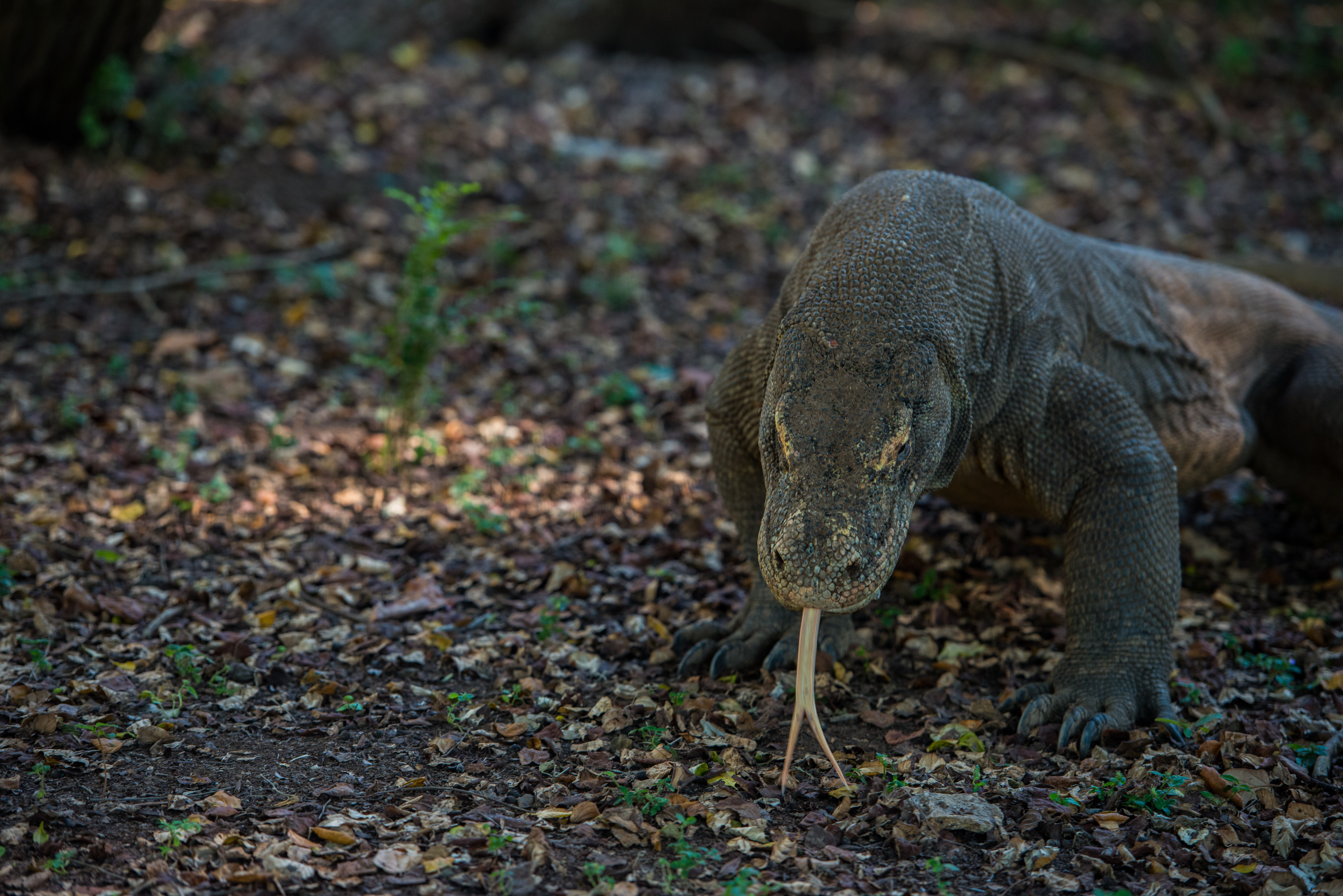
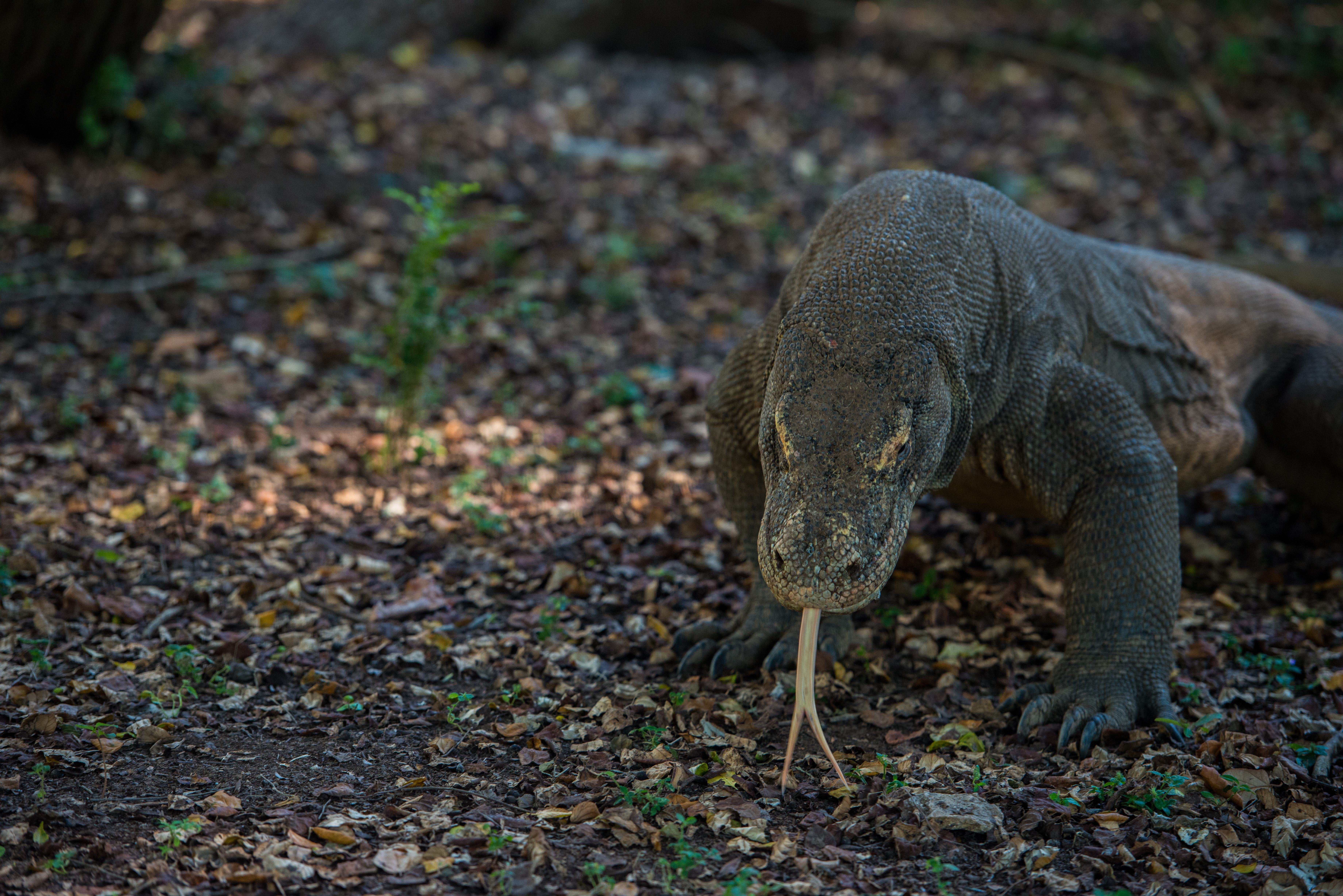
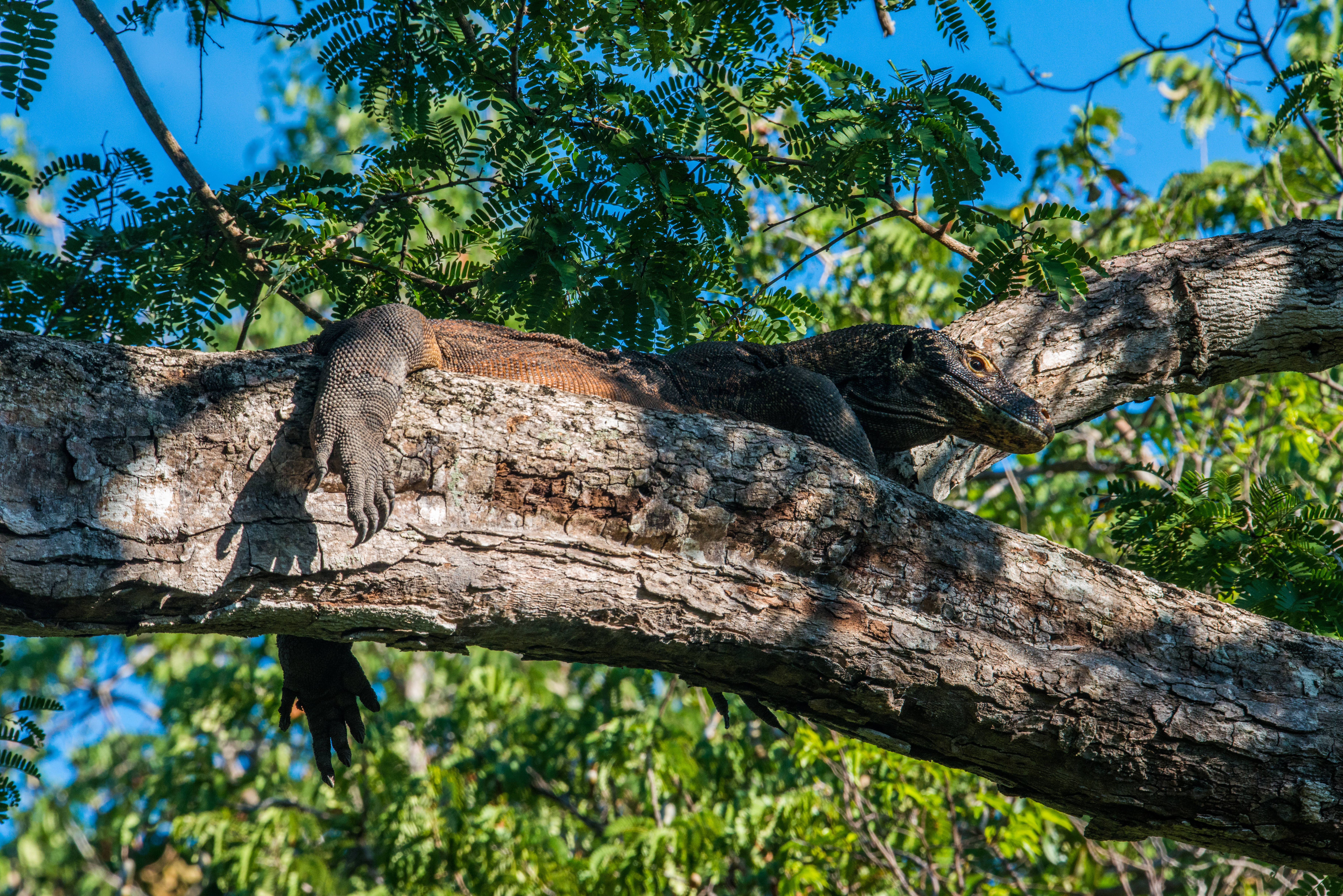
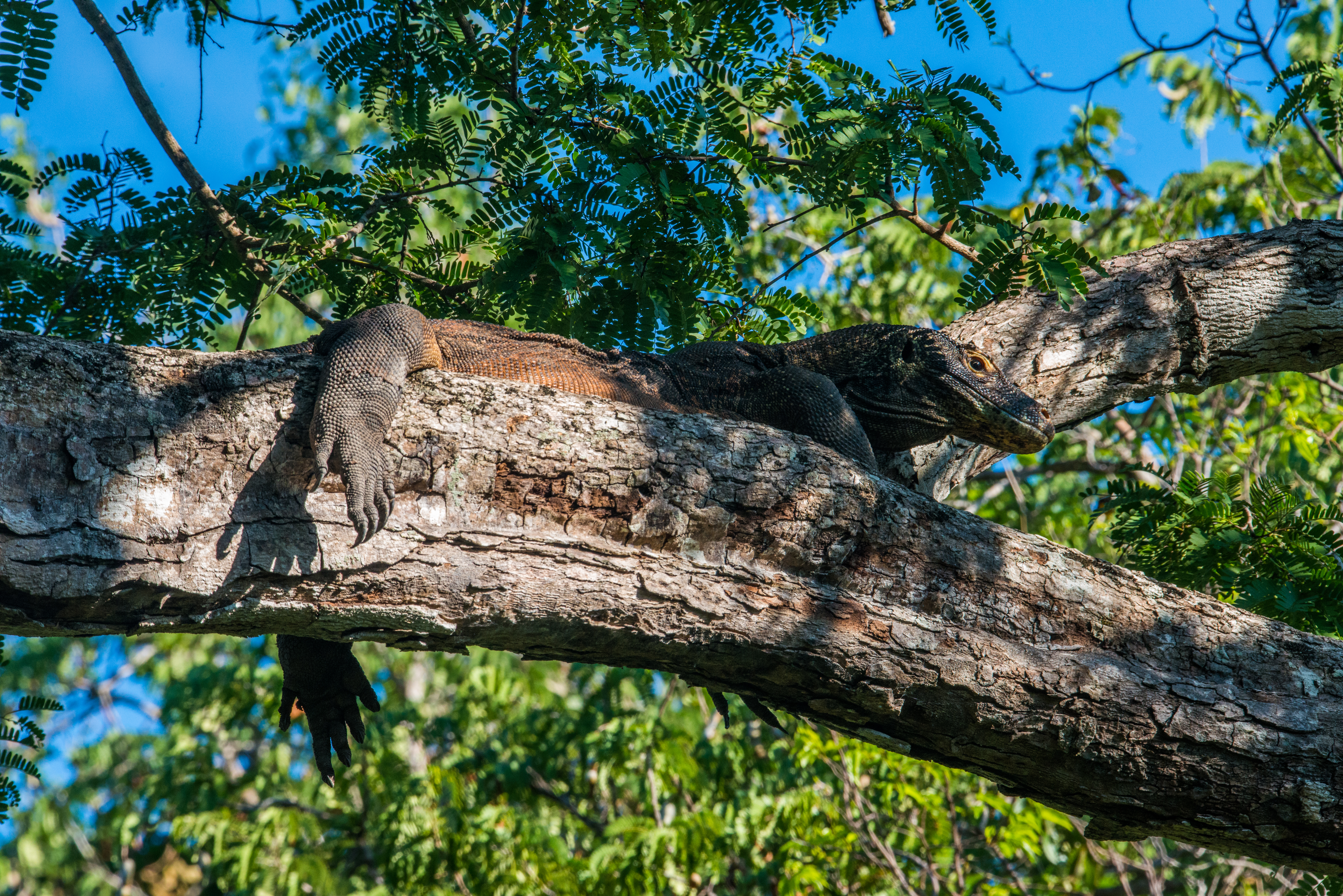
You may learn how a dragon uses shade during the heat of the day. You may notice the way its tongue gathers information from the air. You may stop because the ranger has read the animal’s posture before you have understood anything at all. This is where the experience becomes more powerful than a close up photograph.
The ethical rule is simple: no staging, no feeding, no crowding, no chasing, no attempt to force a moment. The most memorable encounter may be the one where the dragon barely moves. Its stillness is the lesson.
Not a Zoo, Not a Show, Not a Checklist
The wrong way to see a Komodo dragon is to treat it like a guaranteed attraction. The right way is to treat the possibility of seeing it as part of a wider naturalist experience.
A zoo encounter often separates animal from landscape. A true Komodo encounter does the opposite. The animal only makes full sense when you see the dry hills, the prey species, the heat, the ranger posts, the footpaths, the sea crossing, and the villages whose stories have long included the dragon.
This is also why yacht based travel can be more meaningful when done well. The yacht is not merely transport. It gives you flexibility to move with timing, avoid peak crowd flow where possible, and frame the day around conditions rather than forcing the island to fit a schedule.
The Local Cultural Context: More Than a “Dragon”
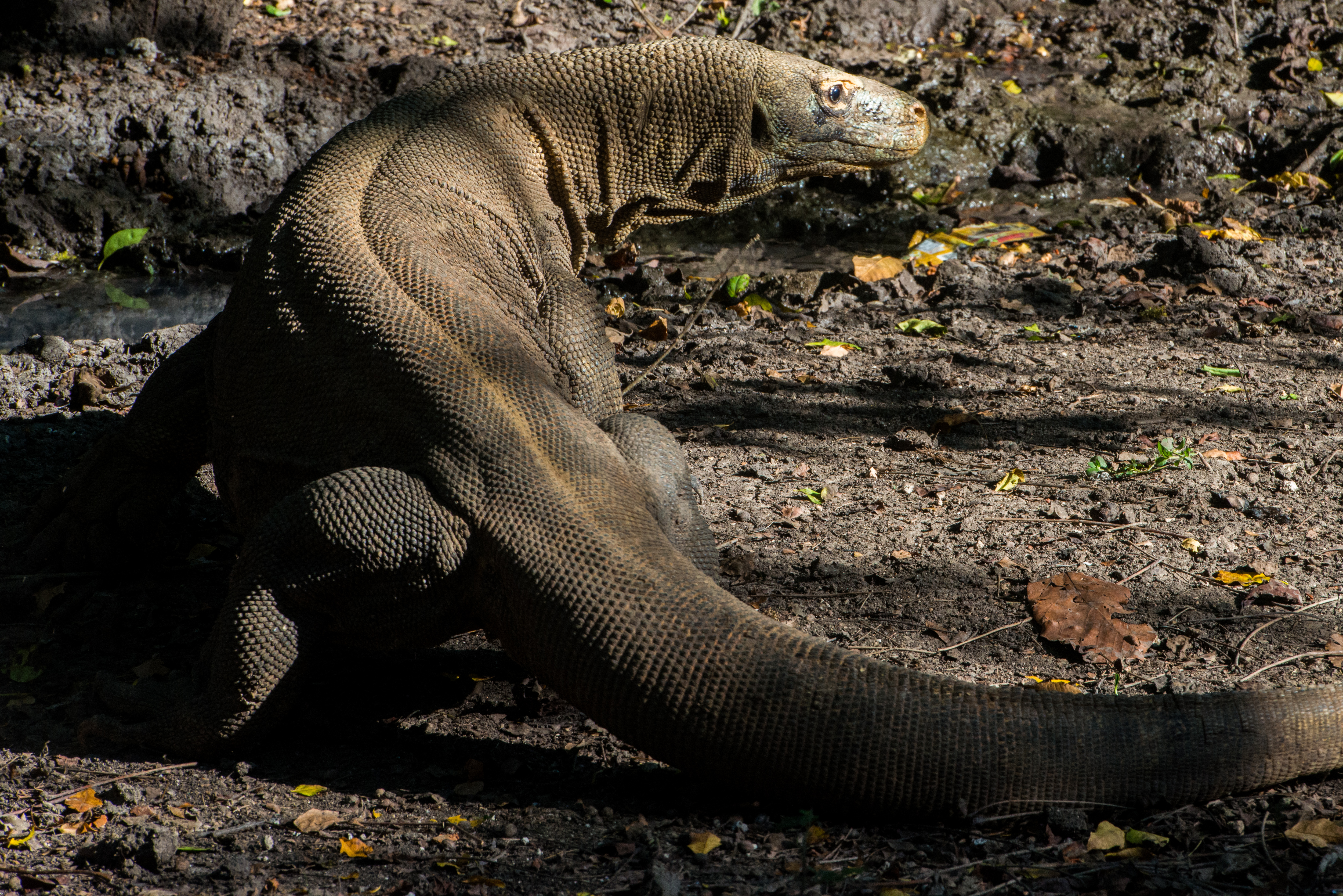
For many visitors, the Komodo dragon begins as a creature of science. For local communities, it can also live inside story, kinship, caution, and respect. Ethnobiological research on Flores has documented local knowledge connected to the distribution and cultural understanding of the Komodo dragon.³ A separate cultural study on Komodo and Rinca found that attitudes toward the animal can differ by community history and belief, with Komodo villagers reported as having stronger cultural attachment to the dragon than Rinca villagers. This matters because responsible tourism is never only about the animal. It is also about the people who live near the habitat, guide the walks, remember the stories, manage risk, and carry the everyday complexity of sharing space with a powerful predator. To travel ethically here is to resist the shallow “monster island” narrative. The dragon is not a villain. It is not a prop. It is part of an ecological and cultural landscape that deserves humility.
Natural History in Motion
There is a reason the Komodo dragon captures the imagination so completely. Its body seems built from another age: heavy limbs, armored skin, a swinging gait, a forked tongue reading the air. Yet the deeper awe comes from understanding how specialized its world is.
Komodo dragons are island endemics with a restricted range, and climate modeling suggests that future habitat suitability could decline significantly without conservation action.¹ Research projected potential reductions in range wide habitat and abundance by 2050, while identifying Komodo and Rinca as especially important protected refuges.
That knowledge changes the emotional tone of the trek. You are not just meeting a rare animal. You are meeting an animal whose future depends on habitat protection, responsible tourism, scientific monitoring, and respectful visitor behavior.
Komodo Dragon Ethical Encounter by Yacht
A Komodo Dragon ethical encounter becomes especially powerful when approached by private yacht because the journey itself slows you down. You wake to water rather than traffic. You arrive at the ranger station with the tide and light. You return to the yacht not to rush to the next attraction, but to let the landscape settle into memory. This is where Komodo yacht luxury becomes more than indulgence. On a Silolona Sojourns journey, luxury is the space to observe well. It is a shaded deck after a ranger trek. It is a quiet anchorage after the heat of the island. It is a naturalist conversation over lunch. It is the ability to connect the dragon encounter with snorkeling reefs, pink sand beaches, volcanic ridgelines, and the cultural geography of eastern Indonesia.
Silolona Sojourns describes its work as bespoke yacht services and cultural tours across the Indonesian archipelago, with a focus on luxury, cultural immersion, adventure, and positive impact. Its Komodo destination experience includes guided hikes with park rangers and sailing through secluded coves, beaches, and snorkeling areas within the national park.
How to Experience the Dragon Ethically
The most ethical encounter is usually the most patient one. You do not need to stand too close. You do not need to collect a dramatic angle. You do not need the dragon to move.
What you need is a good ranger, a respectful group size, enough time, and a willingness to accept the animal as it is on that day.
A responsible visit should follow a few clear principles:
Walk only with authorized park rangers and follow their instructions at all times.
Keep a safe distance and never try to approach, touch, feed, call, block, or provoke a dragon.
Choose slow observation over staged photography.
Respect local communities, ranger knowledge, and park conservation rules.
Treat the island as habitat first and destination second.
Why Slow Observation Feels More Luxurious
Luxury travel often promises access. In Komodo, the highest form of access is restraint.
You may stand beneath a hard blue sky while a dragon rests near the shade line. Nothing happens for several minutes. Then the tongue flicks. The head lifts. A ranger murmurs something quietly. Your group pauses. The moment remains entirely the animal’s own.
That kind of encounter cannot be manufactured. It is not entertainment. It is presence.
And presence is what separates a Silolona style journey from a generic wildlife stop. You are not hurrying through Komodo National Park to say you have seen the dragon. You are allowing the archipelago to teach you why the dragon belongs here, and why your way of seeing it matters.
The Ethical Way Is the More Memorable Way
A Komodo dragon encounter should leave you quieter than when you arrived. It should remind you that some experiences become more powerful when they are not controlled. The dragon does not need a stage. Rinca does not need spectacle. Komodo National Park does not need to be consumed quickly.
The ethical way to meet this living prehistoric predator is to move slowly, listen closely, walk with rangers, respect local context, and let the wild remain wild. That is not a compromise on luxury. It is the deepest version of it.
With Silolona Sojourns, your Komodo dragon encounter becomes part of a larger, more thoughtful voyage through one of Indonesia’s most extraordinary seascapes. Sail by private phinisi into Komodo National Park, step ashore for ranger led observation on Rinca, return to quiet anchorages, and let each day unfold between wildlife, reef, culture, and comfort. For travelers seeking Komodo yacht luxury with a responsible lens, Silolona creates a journey where the dragon is not staged for you, but respectfully encountered in its own ancient world.
References
Jones AR, Jessop TS, Ariefiandy A, et al. Identifying island safe havens to prevent the extinction of the world’s largest lizard from global warming. Ecol Evol. 2020;10(19):10492-10507. doi:10.1002/ece3.6705.
Walpole MJ, Goodwin HJ. Local economic impacts of dragon tourism in Indonesia. Ann Tour Res. 2000;27(3):559-576. doi:10.1016/S0160-7383(99)00088-2.
Forth G. Folk knowledge and distribution of the Komodo dragon Varanus komodoensis on Flores Island. J Ethnobiol. 2010;30(2):289-307. doi:10.2993/0278-0771-30.2.289.