

Snorkeling Indonesia: What Non-Divers Experience Aboard a Luxury Yacht
The Ocean Is Not Reserved for Divers
There is a moment in Raja Ampat when the boat slows, the limestone islands seem to float above the water, and the reef begins before you even put your face beneath the surface. From the deck, the sea looks impossibly clear. From the water, it becomes another world entirely: coral gardens rising into sunlight, clouds of reef fish turning as one body, turtles moving with the calm confidence of old residents, and sometimes, if the tide and luck are kind, the shadow of a manta ray passing below you like a slow dark sail.
This is why snorkeling Indonesia luxury yacht travel deserves its own conversation. Not every guest on a private yacht wants to dive. Some have never taken a scuba course. Some are traveling with children. Some simply prefer the freedom of the surface, the ease of slipping into warm water without tanks, depth, or technical briefings. In Indonesia’s best marine destinations, that does not make the experience smaller. It often makes it more immediate.
Raja Ampat is the strongest answer to the question many non-divers quietly ask before booking: “Is Raja Ampat only for divers?” No. Raja Ampat is one of the finest places on earth to experience coral reefs from the surface. Silolona Sojourns describes Raja Ampat as a private charter journey through more than 600 islands, including Misool and Wayag, with documented marine richness of nearly 1,200 fish species and 540 coral species. Scientific work in the Dampier Strait Marine Protected Area also recorded 141 hard coral species across surveyed dive spots, with overall hard coral cover in good condition and an average live cover of 64.24%.¹
For non-divers, this matters because much of that life is not locked away in deep water. It begins where sunlight meets reef.
Raja Ampat for Non-Divers: The World’s Richest Reef From the Surface
Raja Ampat changes the way many travelers understand snorkeling. In many destinations, snorkeling is treated as a short activity between “real” excursions. In Raja Ampat, it can become the center of the day.
The reef is not a distant object below you. It is architectural. Coral bommies rise like cities. Soft corals move in the current. Fusiliers flash silver and blue. Parrotfish bite at coral with audible clicks. Juvenile reef fish shelter among branching corals only a few meters beneath your fins. You do not need to descend to feel surrounded.
For Raja Ampat non-divers, the advantage of a private yacht is not only comfort. It is access with patience. You can enter the water when visibility is best, choose sheltered areas when currents are gentle, and leave when the reef needs quiet. You are not being moved through a schedule designed only for divers. The day can be built around surface beauty.
Village Pontoon Snorkeling: Where the Reef Begins at the Jetty
Some of Raja Ampat’s most memorable snorkeling happens not at remote dive sites, but beside villages. Arborek, Sawandarek, and Yenbuba are often loved by snorkelers because life gathers around jetties, pontoons, pilings, and shallow reef edges. These are places where you can step from village life into a living aquarium within minutes.
At Arborek, the water around the jetty can hold schools of fish, soft corals, and the gentle bustle of reef life beneath wooden structures. Sawandarek is known among visitors for its village jetty snorkeling, where coral and fish life can be seen close to shore. Yenbuba offers a similar sense of intimacy: village above, reef below, the human and marine worlds almost touching.
This kind of snorkeling feels different from open water. You hear children on the jetty, the sound of boats, the small slap of waves against wood. Then you lower your face into the water, and the world becomes color and movement. It is not staged. It is lived in.
For a luxury yacht guest, the experience is powerful because it restores scale. You are not visiting an empty paradise. You are entering a seascape where communities, reefs, and daily life share the same edge.
Manta Sandy: Watching Giants From the Surface
Manta Sandy, near the southern side of Gam and close to Mansuar, is one of Raja Ampat’s best known manta sites and is recognized by local dive operators as a site for both diving and snorkeling when conditions allow. It is not simply popular because manta rays are large and photogenic. It matters because it can reveal behavior.
A 2024 study on Manta Sandy found that Raja Ampat hosts reef manta rays and oceanic manta rays, and that manta ray areas in the region function as cleaning and nursery sites. The same study investigated zooplankton around Manta Sandy and found indications that the area may also serve as a feeding ground.² For snorkelers, that science changes the encounter. You are not just hoping to see an animal pass by. You are floating above a place that may serve a biological purpose.
The best manta encounters are quiet. You stay with your guide. You keep distance. You do not chase, block, dive down aggressively, or crowd the cleaning area. You let the manta choose its path. Sometimes it appears from blue water, wide and silent. Sometimes it circles. Sometimes it never comes, and the reef itself becomes the encounter.
That uncertainty is part of responsible wildlife travel. A luxury experience should never turn wild animals into guarantees.
Friwen Wall and the Art of Effortless Snorkeling
Friwen is often spoken about by divers, but the shallower reef edges near Friwen can also be rewarding for snorkelers when conditions are right. The pleasure here is not only marine life. It is ease. You drift along reef edges, watching the wall drop away beneath you while the upper reef remains bright with fish and coral.
For guests who are comfortable in the water but not interested in scuba, this is the sweet spot. You feel the drama of depth without committing to it. You can return to the tender whenever you wish. You can do twenty minutes or an hour. You can repeat the same reef at different light and discover that it has changed.
This is where snorkeling becomes less like an activity and more like a rhythm: enter, float, observe, return, rest, repeat.
Wayag: Limestone, Lagoons, and Snorkeling Between Viewpoints
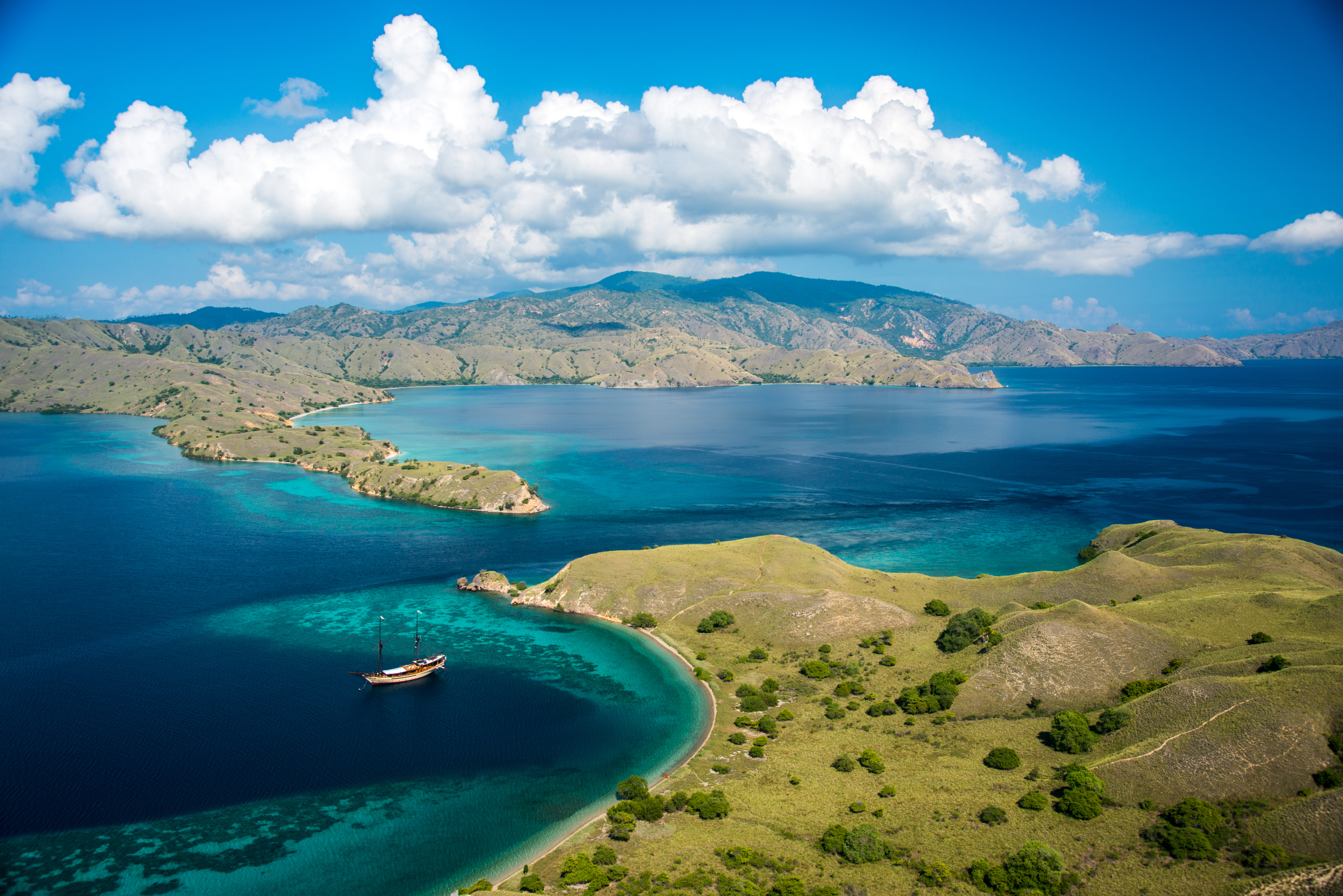
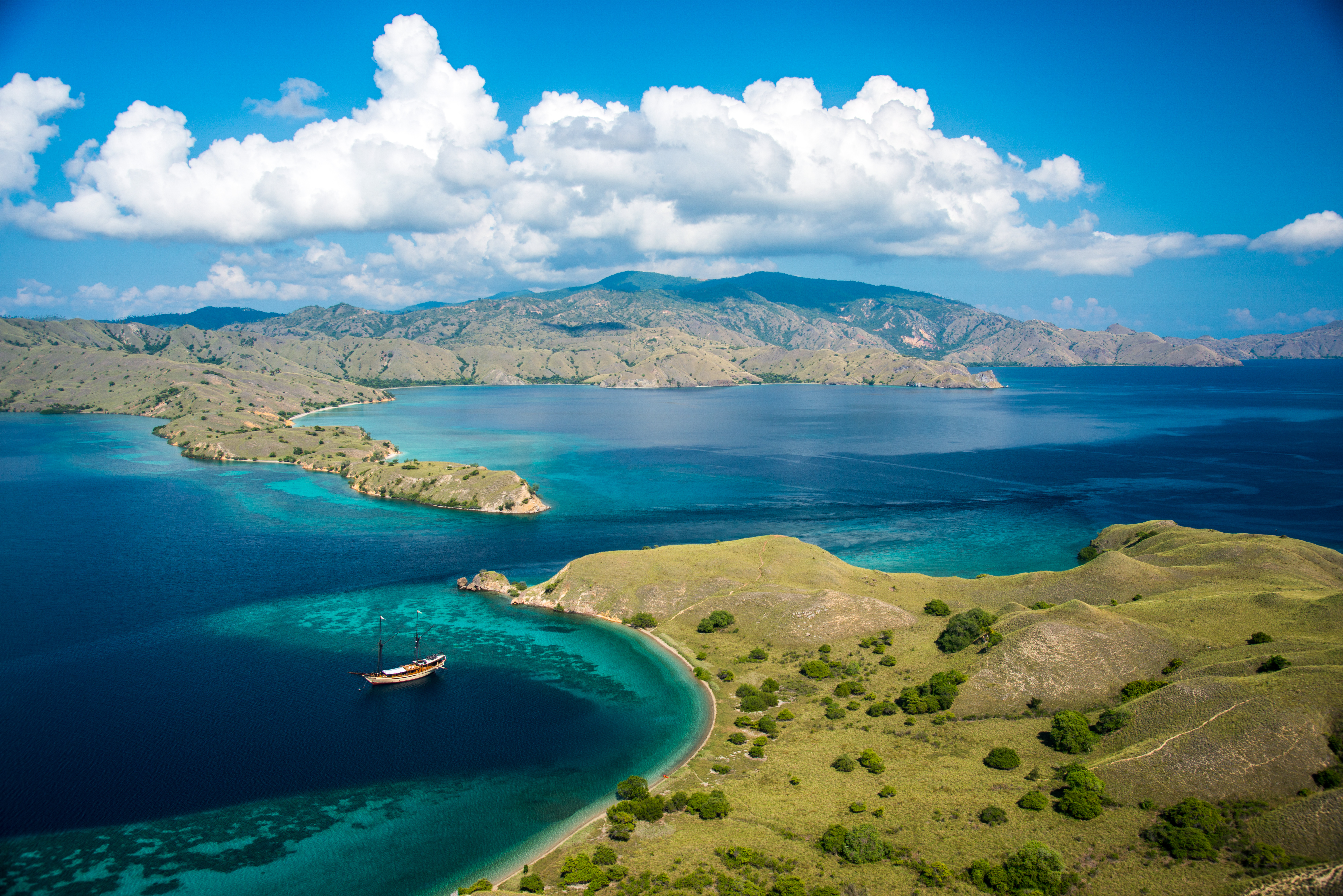
Wayag is often remembered from above. Its limestone karst islands rise from turquoise water in a maze of lagoons, beaches, and viewpoints. Silolona highlights Wayag as one of Raja Ampat’s sublime island landscapes, with uninhabited panoramas and hiking viewpoints that stretch across the archipelago.
For non-divers, Wayag offers the rare luxury of variety. You might snorkel in a calm lagoon in the morning, climb to a viewpoint before the heat builds, kayak through glassy channels, then return to the yacht for lunch while the islands shift color around you. The underwater experience here is part of a broader landscape experience. You do not need a dive certification to feel that you have reached one of Indonesia’s great seascapes.
This is one of the reasons Raja Ampat works so well for mixed groups. The diver may remember the reef. The non-diver may remember the viewpoint. Both are right.
Misool: Coral Gardens in a Cathedral of Rock
Misool feels more remote, more sculptural, and in many places more dreamlike. Silolona describes the Misool Islands as a landscape of limestone peaks, cliffs, hidden bays, and untouched formations rising from the sea. For snorkelers, this matters because the setting amplifies the water. You are not just snorkeling a reef. You are floating between cliffs and coves that make the surface feel like a private blue room.
In suitable sites, Misool can offer coral gardens, reef fish, and shallow edges where snorkelers can experience Raja Ampat’s biodiversity without descending. Conditions still matter. Some sites are better for experienced snorkelers. Some require calm water. Some are best left to divers depending on tide and current.
A private yacht allows that judgment to be made quietly and intelligently. The goal is not to force every guest into the same site. The goal is to find the right water for each person.
Turtle Encounters: Slow Wildlife for Slow Travel
Few animals change the mood of a snorkel like a turtle. One moment, you are studying coral. The next, a hawksbill or green turtle appears, moving with a kind of ancient calm that makes everyone stop kicking.
Turtle encounters are possible in several Indonesian yacht destinations, including Raja Ampat, Komodo, and parts of East Indonesia, though no sighting should be promised as certain. In Raja Ampat, turtles are part of the broader reef ecosystem, and their presence reminds you that snorkeling is not only about spectacle. It is about witnessing a living habitat at eye level.
The right behavior is simple: give space, do not touch, do not chase, and never block the animal’s route to the surface. A turtle must breathe. Your memory is not worth its stress.
Komodo for Snorkelers: Mantas, Turtles, and Pink Sand Days
Raja Ampat may be the heart of this article, but Indonesia’s snorkeling story does not end there. Komodo is a natural companion destination for travelers who want dramatic landscapes above water and rich marine life below it. Sites such as Manta Point, also called Karang Makassar, can allow snorkelers to observe manta activity from the surface when conditions are suitable. Siaba Besar is often associated with turtles and calmer reef experiences. Pink Beach and nearby reef areas can offer accessible snorkeling combined with one of Komodo’s most iconic shore settings.
Komodo is more current driven than many people expect, so site selection matters. A private yacht can separate the day intelligently: advanced divers may visit stronger sites, while snorkelers enjoy sheltered reefs, beaches, ranger led walks, kayaking, and deck time. Nobody has to pretend to want the same intensity.
For mixed groups, this flexibility is the difference between compromise and harmony.
Banda and Alor: For Snorkelers Who Want the Map to Open Wider
Beyond Raja Ampat and Komodo, Indonesia’s eastern seas hold quieter snorkeling possibilities for guests who want something less familiar. The Banda Islands combine reef, volcanic scenery, nutmeg history, and colonial architecture. Alor brings clear water, reef edges, village culture, and a sense of distance that appeals to travelers who do not need every place to be famous before they trust it.
These destinations are more condition dependent and less plug and play than resort snorkeling. That is exactly why a yacht matters. The itinerary can follow weather, current, guest comfort, and local knowledge. Some days may be for snorkeling. Some for village visits. Some for history. Some for watching dolphins from the deck and accepting that not every memorable marine encounter requires getting wet.
The wider point is simple: snorkeling in Indonesia is not one product. It is a spectrum of seascapes.
What Non-Divers Can Expect Aboard a Luxury Yacht
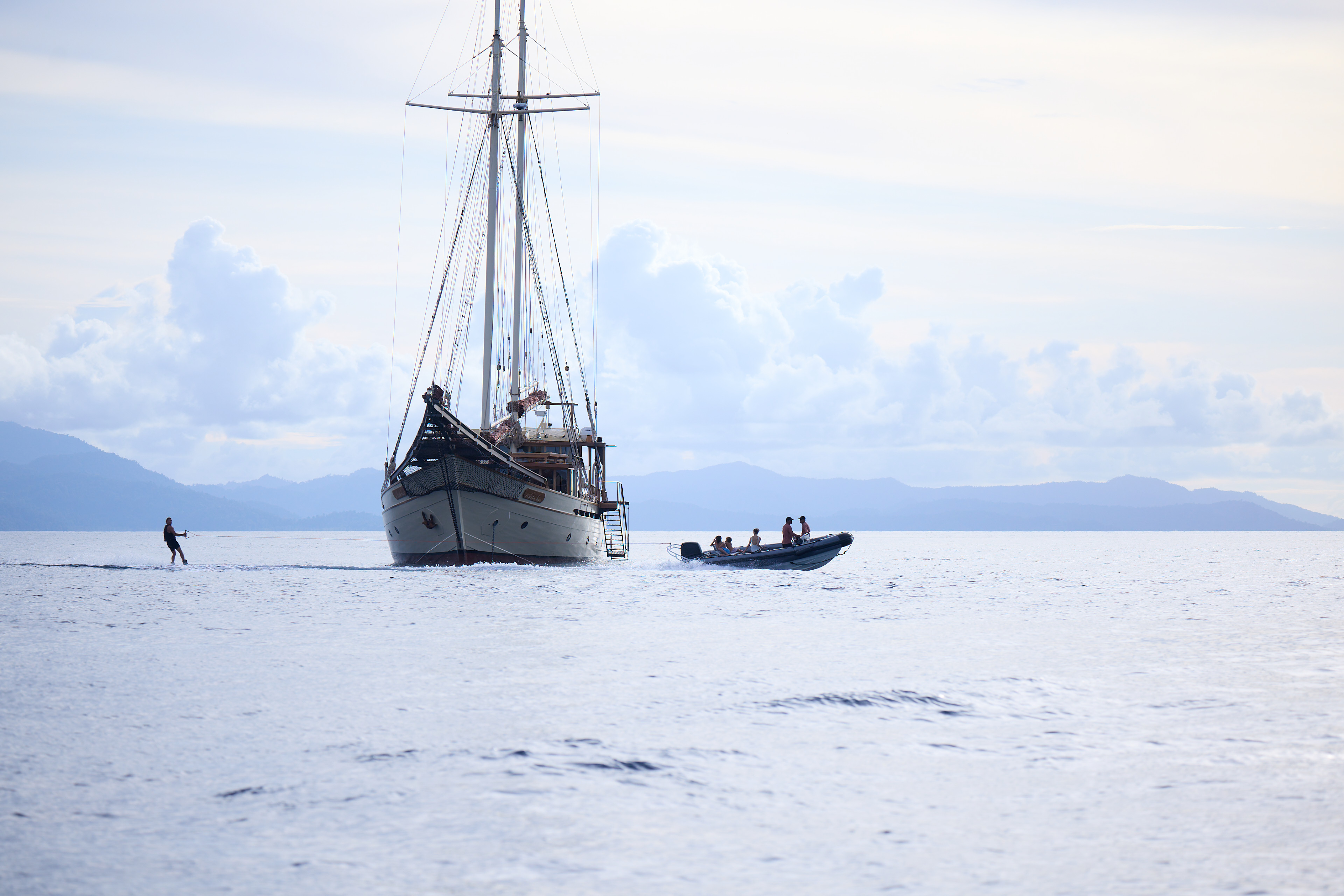
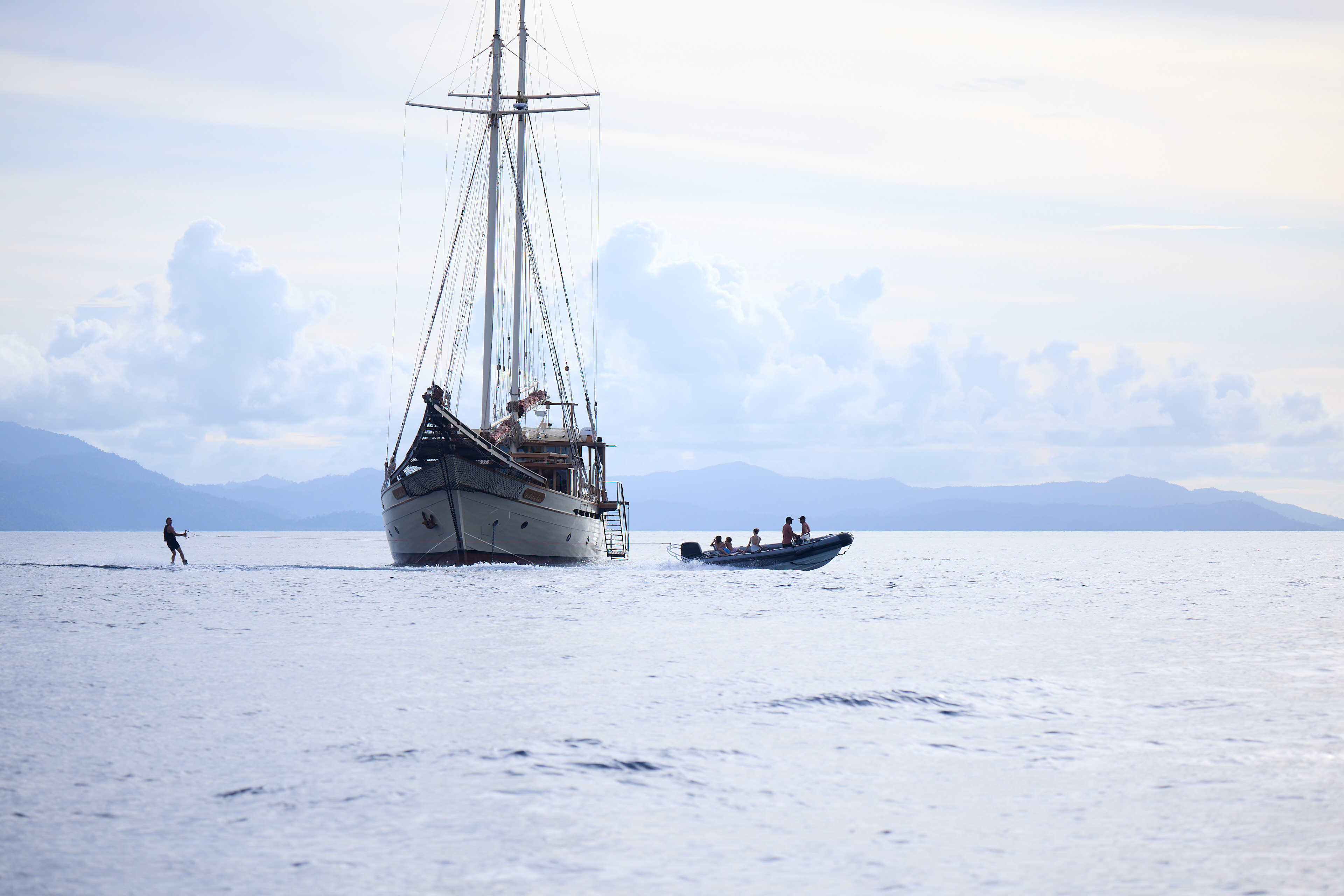
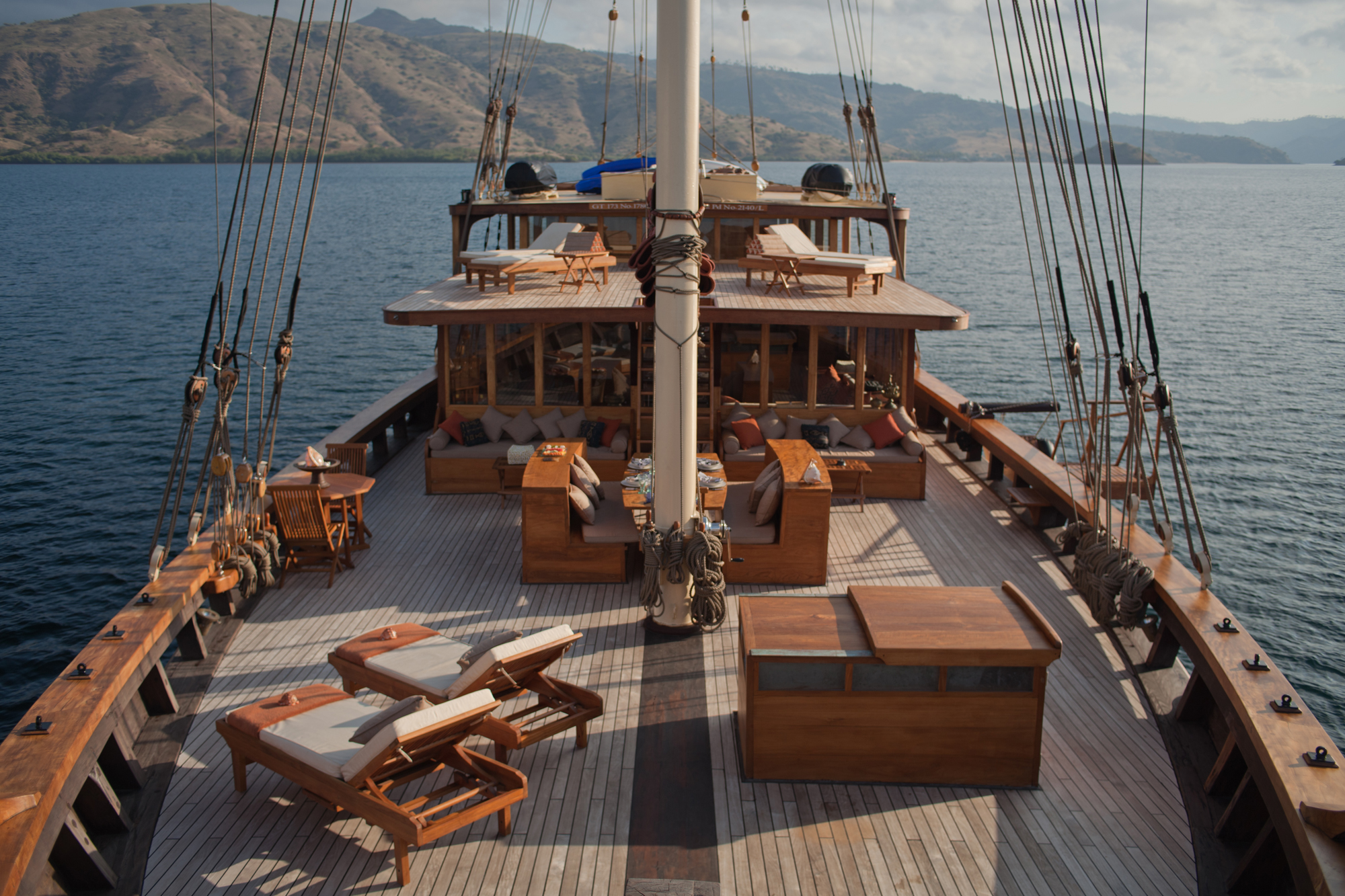
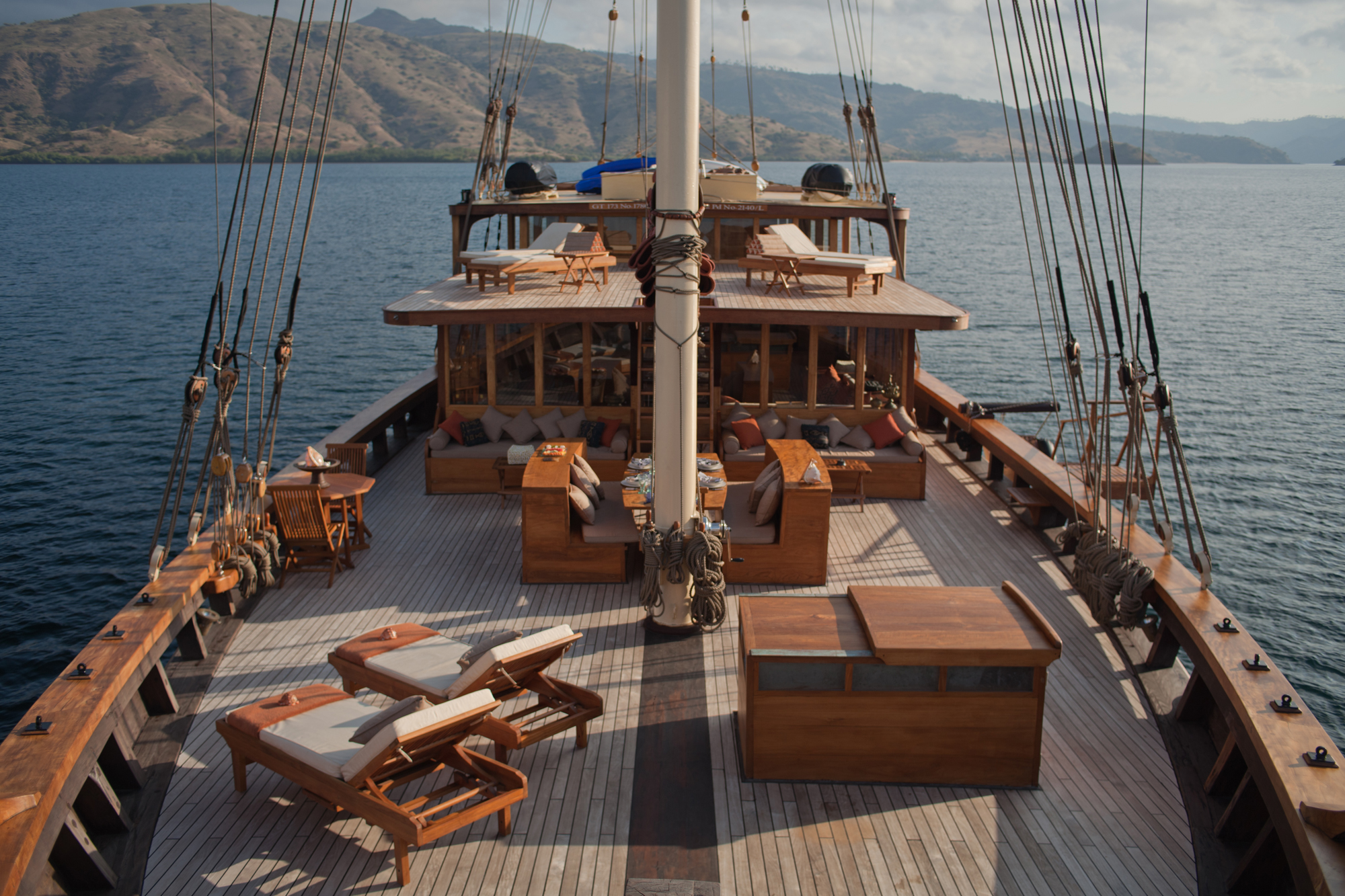
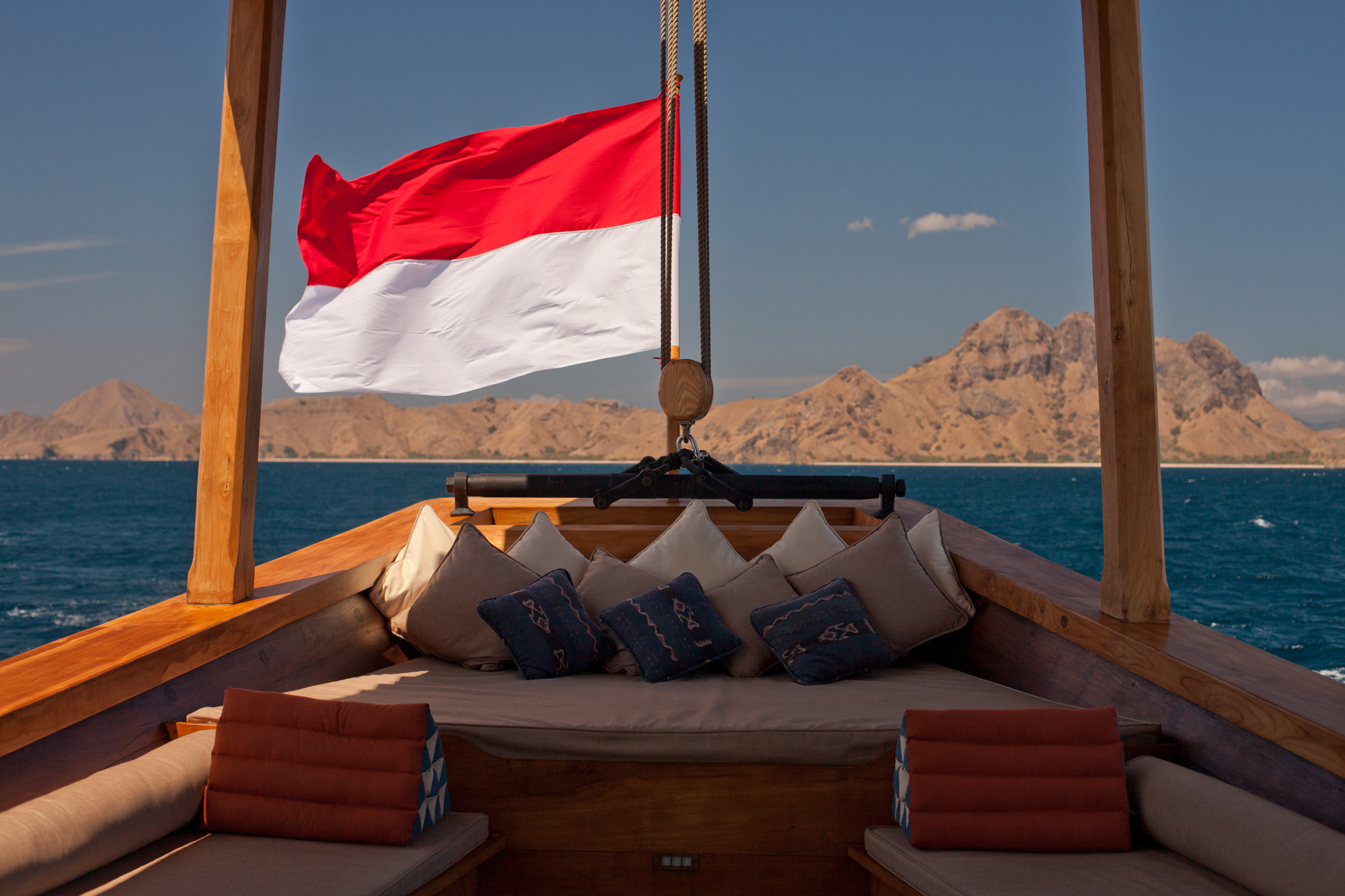
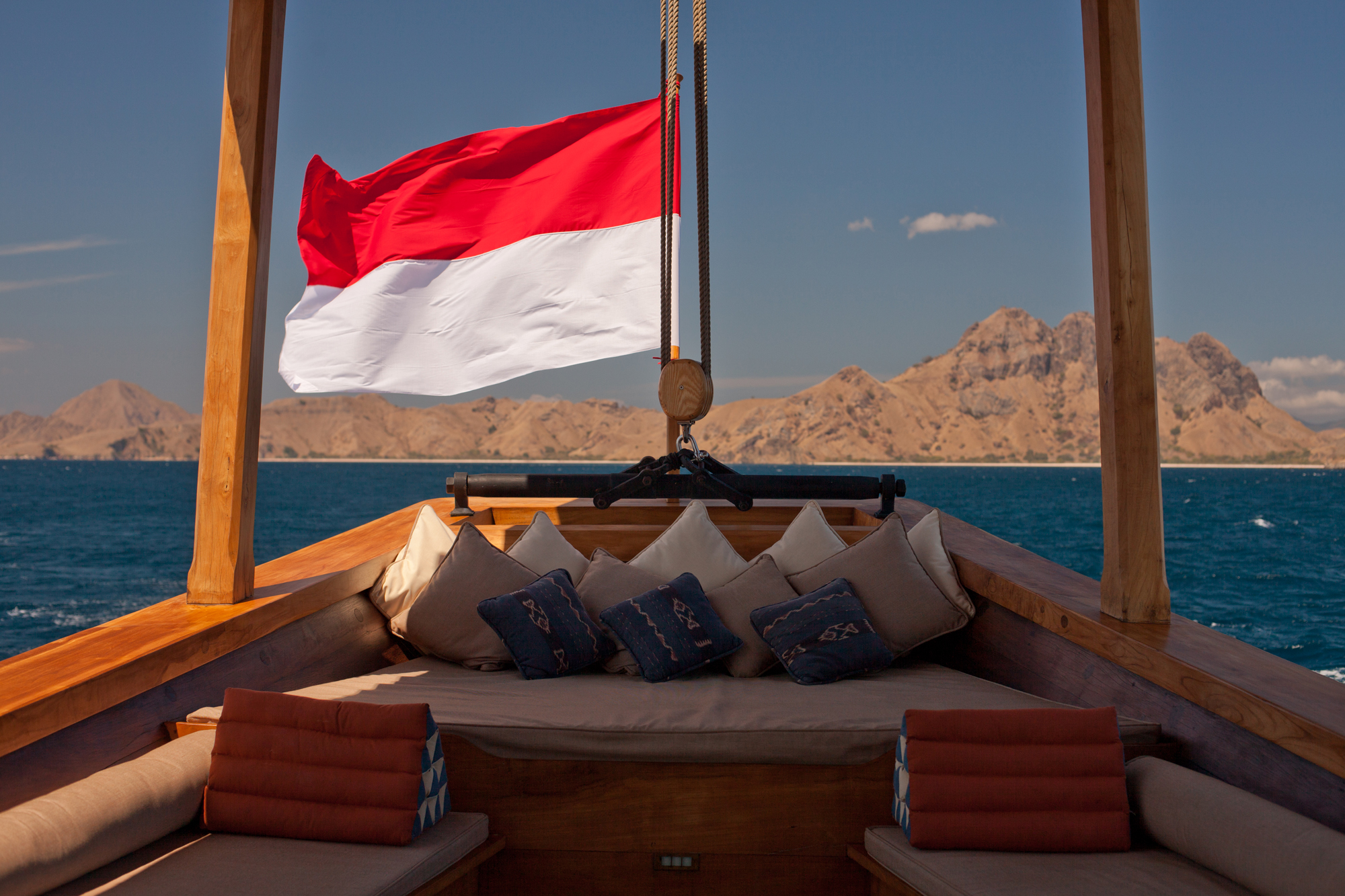
A non-diver aboard a yacht like Silolona is not an accessory to the dive program. You have your own rhythm. Morning might begin with coffee on deck as limestone islands turn gold. Then a tender takes you to a sheltered reef, where a guide checks current and entry conditions before you slip in. After snorkeling, you return for breakfast, rinse off, rest, read, or join a shore excursion.
Later, while divers prepare for a deeper site, you might kayak into a lagoon, visit a village, walk a beach, hike a viewpoint, or snorkel a gentler reef. In the evening, everyone returns with different stories: one from depth, one from the surface, one from land. The yacht holds those experiences together.
Silolona Sojourns positions itself as an Indonesia yacht charter specialist with 30 years of expertise, supporting yacht calls with authorities, provisioning, bunkering, customs, and bespoke cultural tours across the archipelago and Southeast Asia. That logistical depth matters for non-divers because the best surface experiences often require flexible planning, local sensitivity, and the ability to move away from crowded routes.
Why Snorkeling From a Private Yacht Feels Different
Snorkeling from a resort or day boat can be wonderful, but it often comes with fixed departure times, group pace, and limited site choice. A private yacht changes the emotional texture of the experience. You are already on the water. The reef is not a transfer away. The tender can scout a site. The guide can read current. The captain can reposition. The group can split without becoming separated.
This matters especially for families and mixed ability travelers. A confident swimmer can spend longer in the water. A child or nervous guest can enter briefly and return without pressure. A photographer can wait for light. A non-swimmer can still enjoy lagoons, beaches, kayaks, village visits, viewpoints, and the beauty of being surrounded by water without being forced into it.
Luxury is not just thread count and dining. In a place like Raja Ampat, luxury is the freedom to meet the ocean at your own pace.
Safety, Comfort, and Respect at the Surface
Snorkeling looks simple, but world class snorkeling still deserves care. Currents can change. Boats move. Sun exposure matters. Coral can be damaged by careless fins. Wildlife needs distance.
A thoughtful yacht experience should include clear briefings, guide support, flotation options where appropriate, reef safe behavior, tender supervision, and honest site selection. The best snorkeling is not the most crowded or the most famous. It is the site that fits the day.
You should expect to be guided, not rushed. You should expect the crew to choose comfort and conservation over forcing a plan. You should expect wildlife to be treated as wildlife, not as a performance.
Shore Activities for Non-Divers
One of the gifts of an Indonesian yacht journey is that the day does not have to be divided into “water people” and “waiting people.” Non-divers can have full days without ever feeling secondary.
In Raja Ampat, you can hike Wayag viewpoints, kayak through lagoons, visit villages such as Arborek, photograph limestone islands, swim from quiet beaches, watch birds at dawn when arranged appropriately, or simply spend long hours on deck as the yacht moves between islands. In Komodo, you can join ranger guided dragon walks, visit Pink Beach, kayak sheltered bays, and watch sunset over savannah ridges. In Banda, you can walk through nutmeg gardens, visit historic forts, and snorkel volcanic reefs. In Alor, you can meet ikat weaving communities and explore villages where tradition still belongs to daily life.
The point is not to fill every hour. The point is to give each guest a sense of belonging inside the journey.
Is Raja Ampat Only for Divers?
No. Raja Ampat is one of the strongest marine destinations in the world for non-divers precisely because so much of its beauty is visible from the surface. Its coral gardens, village jetties, manta sites, lagoons, beaches, and island viewpoints create a complete experience even without scuba.
Divers may go deeper, but non-divers often see the same landscape in a more fluid way: from deck, tender, kayak, beach, viewpoint, and reef surface. You do not need a tank to understand why Raja Ampat matters. You need time, clear water, good guiding, and the willingness to float quietly above one of the richest reef systems on earth.
Snorkeling Is Not the Smaller Story
In Indonesia, snorkeling can be the main story. It can be the reason you come, not the activity you accept because someone else dives. Raja Ampat proves this with coral gardens that rise into sunlight, manta encounters that can happen at the surface, village jetties alive with fish, and landscapes that make every return to the yacht feel cinematic.
For mixed groups, this changes everything. The diver gets depth. The snorkeler gets wonder. The child gets confidence. The non-swimmer gets lagoons, beaches, and deck life. Nobody is left outside the journey.
A snorkeling Indonesia luxury yacht experience is not about doing less. It is about seeing the ocean differently. And in Raja Ampat, that difference can be unforgettable.
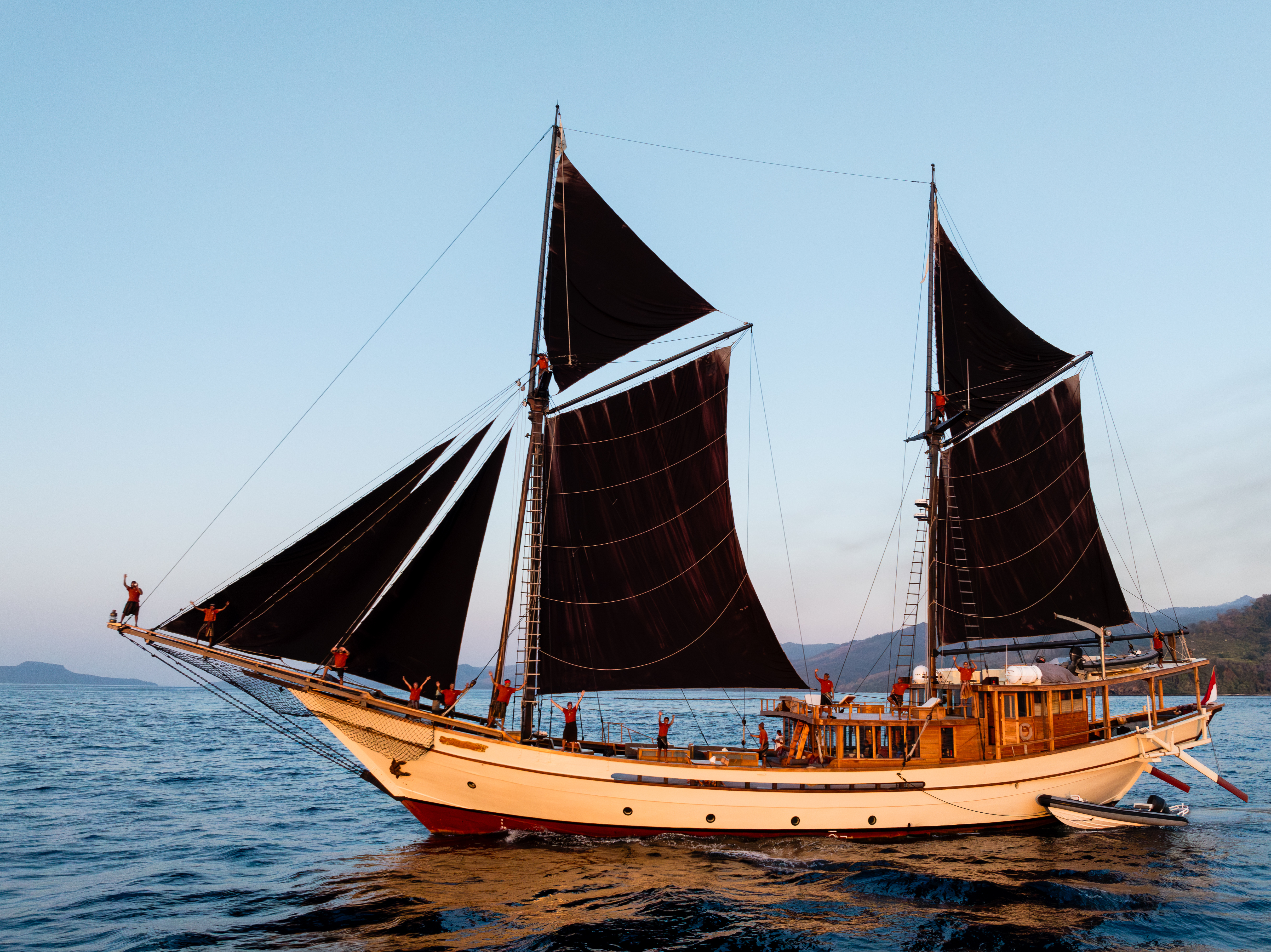
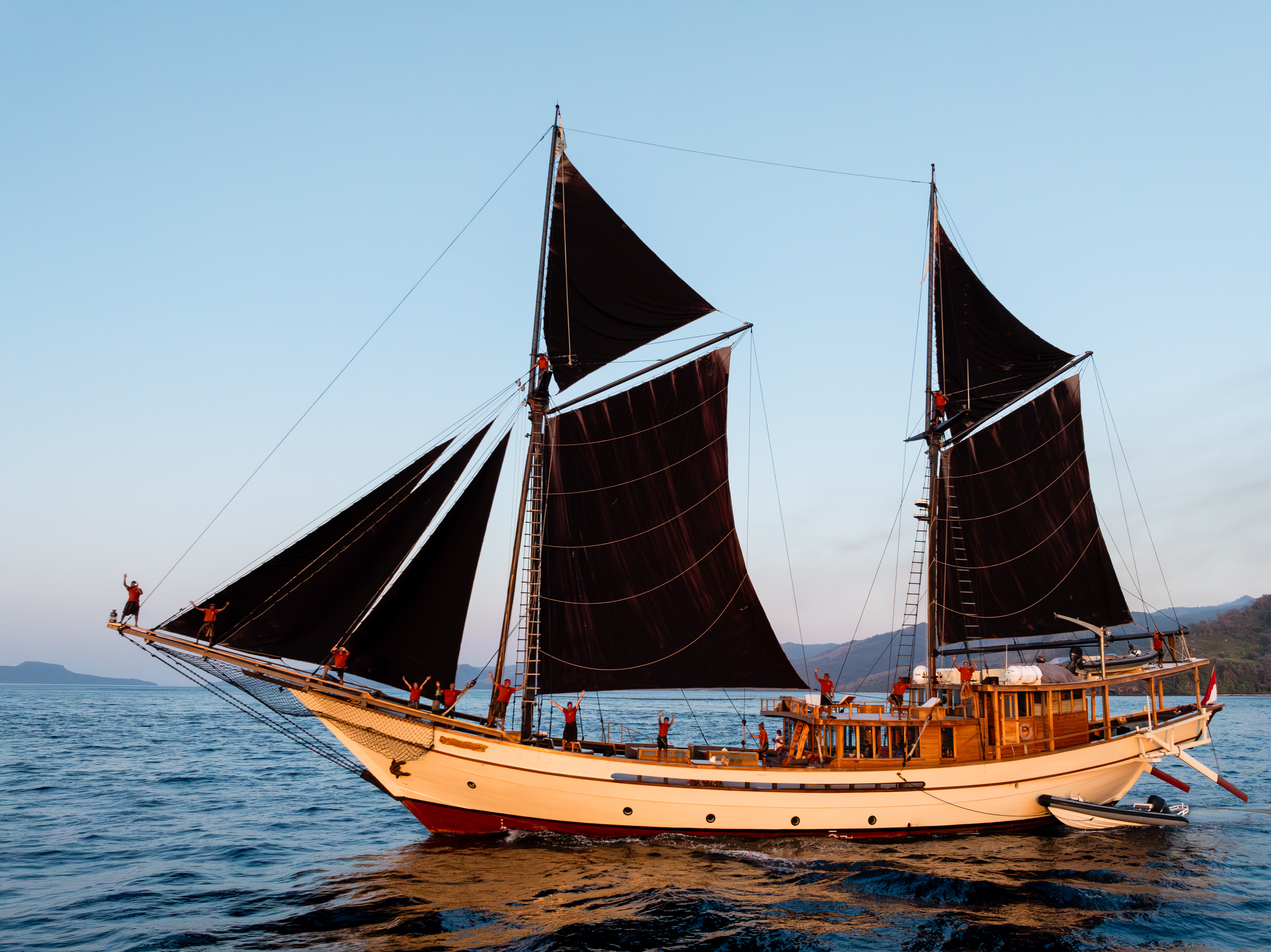
With Silolona Sojourns, snorkeling in Indonesia becomes a private, beautifully paced journey for guests who want the ocean without needing to dive. You can drift over Raja Ampat’s coral gardens, watch for manta rays at the surface, snorkel beside village pontoons, kayak through limestone lagoons, climb Wayag viewpoints, and return each day to the quiet elegance of a handcrafted phinisi yacht. For mixed groups, families, couples, and non-diving companions, Silolona creates a rare balance: world class marine access, cultural depth, flexible routing, and the freedom to experience Indonesia’s richest seascapes at your own pace.
References
Yuanike, Yulianda F, Bengen DG, Dahuri R, Souhoka J. A biodiversity assessment of hard corals in dive spots within Dampier Straits Marine Protected Area in Raja Ampat, West Papua, Indonesia. Biodiversitas. 2019;20:1198-1207. doi:10.13057/biodiv/d200436
Widiastuti, Borumei D. Indication of feeding ground inside the Manta Ray's cleaning station by investigation of the zooplankton community composition in Raja Ampat Islands, Indonesia. Biodiversitas. 2024;25:1239-1245. doi:10.13057/biodiv/d250340
Hoeksema BW, Tuti Y, Suharsono. Cryptic marine biodiversity of Raja Ampat Islands. Marine Research in Indonesia. 2009;34(2). doi:10.14203/mri.v34i2.515
Silolona Sojourns. Raja Ampat Yacht Adventure. Available from: Silolona Sojourns Raja Ampat destination page.
Silolona Sojourns. Luxury Yacht Charters Across Southeast Asia. Available from: Silolona Sojourns official website.