

Snorkeling Raja Ampat: What Non Divers Can Expect
There is a quiet myth that floats around Raja Ampat snorkeling cruise conversations. That this remote Indonesian paradise belongs only to divers. That unless you descend with tanks and regulators, you will somehow miss the real magic.
But here is what you discover the moment you slip into the water with only a mask and fins. The reef rises to meet you.
You do not need to go deep to feel awe in Raja Ampat. You only need to look down.
Is Raja Ampat Only for Divers
No. And that assumption deserves to be gently retired.
While Raja Ampat is celebrated in marine science for its extraordinary biodiversity, much of that richness exists in shallow coral gardens accessible directly from the surface. Research published in Nature confirms that the Raja Ampat region sits within the global epicenter of coral reef biodiversity, hosting the highest known diversity of reef building corals on Earth. The brilliance of this ecosystem is not confined to depth. It thrives in lagoons, on reef flats, and along sunlit shallows.
For you, this means visibility measured in astonishing clarity, reefs that begin just meters from the shore, and marine life that glides comfortably through snorkeling depth.
The experience is immersive, not technical. Effortless, not intimidating.


What Makes a Raja Ampat Snorkeling Cruise Different
A Raja Ampat snorkeling cruise is not simply about swimming. It is about access.
1. Shallow Reefs That Begin at the Surface
Many reefs in Raja Ampat rise dramatically from the seabed, forming vibrant coral slopes that begin in waist deep water. You float above brain corals, table corals, and clouds of anthias without ever needing to dive.
Scientific studies in Marine Pollution Bulletin show that reef resilience is strongly influenced by structural complexity and healthy coral cover. In Raja Ampat, that complexity is visible even from the surface. You are not peering into emptiness. You are hovering over architecture.
2. Village Pontoons and Jetty Snorkeling
One of the most overlooked joys of snorkeling here is how accessible it is. In several island villages, wooden pontoons extend into turquoise water. Beneath them, fish gather in the shade. Coral clusters thrive along the pilings.
You climb down a simple ladder and enter a living aquarium.
No dive certification. No heavy equipment. Just you and the sea.
3. Turtles in Natural Motion
Sea turtles are not rare sightings in Raja Ampat. They are part of the rhythm of the reef. Hawksbill and green turtles glide through shallow seagrass beds and reef edges.
Research in Biological Conservation highlights the ecological importance of protected reef habitats for marine megafauna such as turtles. Raja Ampat’s marine protected areas create conditions where you are likely to encounter these animals calmly feeding or resting.
And you meet them at eye level.
Can Beginners Snorkel There
Yes. With thoughtful guidance, beginners thrive here.
Calm lagoons, low current sites, and carefully selected anchorages make Raja Ampat suitable even for first time snorkelers. A well curated snorkeling cruise Indonesia itinerary prioritizes:
• Sheltered bays
• Gradual reef slopes
• Clear entry and exit points
• Experienced guides in the water
The key difference is not the reef. It is the vessel and the crew.
Expanding Beyond the Diver Narrative
For years, Raja Ampat has been marketed primarily through the lens of advanced diving. Dramatic drop offs. Manta cleaning stations. Deep currents.
But snorkeling offers something different. A slower intimacy. You linger. You observe. You float in silence.
Without tanks, your interaction feels lighter. Less intrusive. More aligned with the natural cadence of the reef.
Studies in Journal of Sustainable Tourism suggest that immersive but low impact marine experiences can foster stronger conservation awareness among travelers. When you snorkel gently above a reef, you are not just observing biodiversity. You are participating in its protection through minimal impact presence.
This matters in a place as ecologically significant as Raja Ampat.
Why a Luxury Snorkeling Cruise Elevates the Experience
Not all snorkeling cruise Indonesia experiences are created equal.
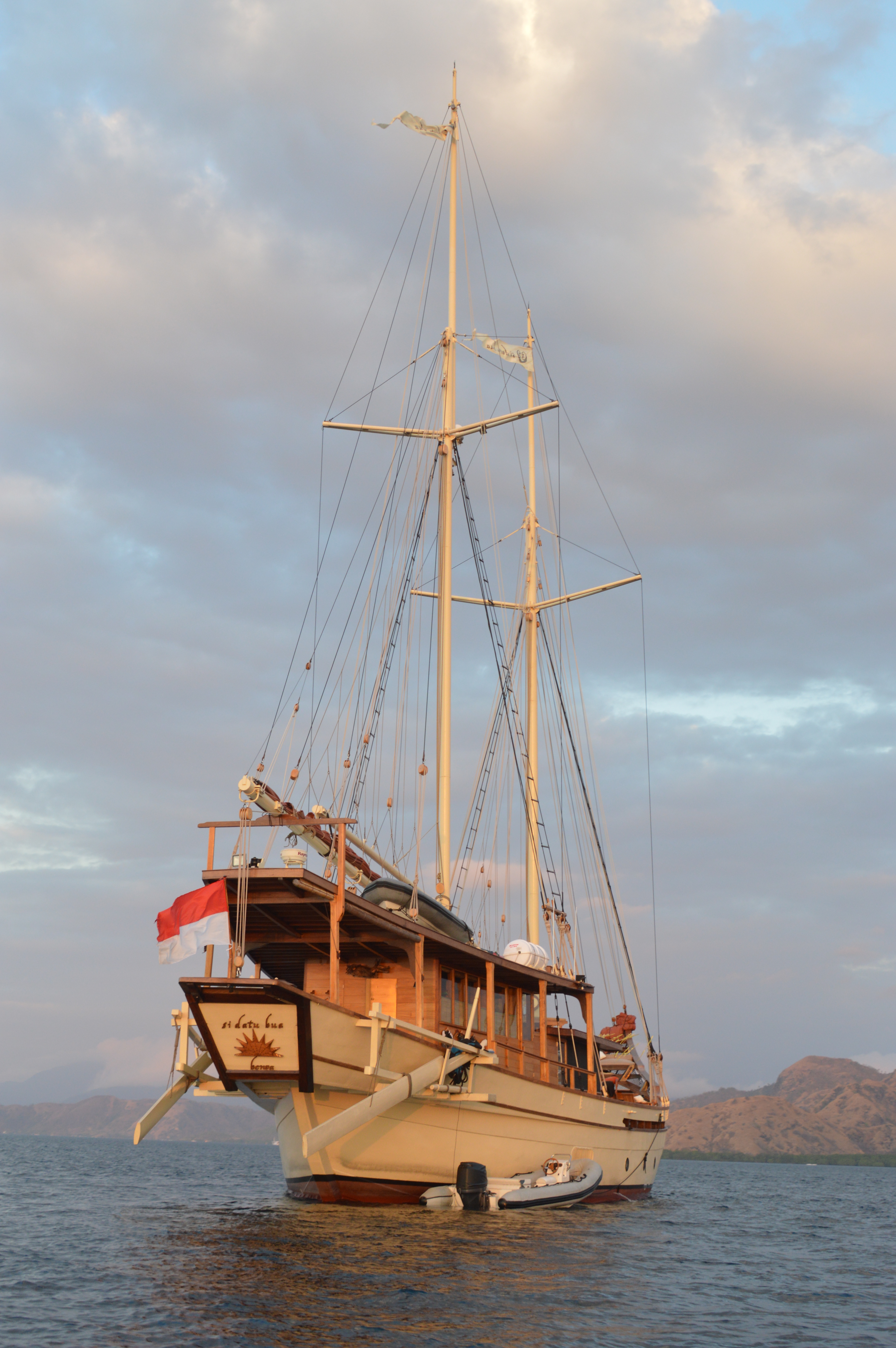
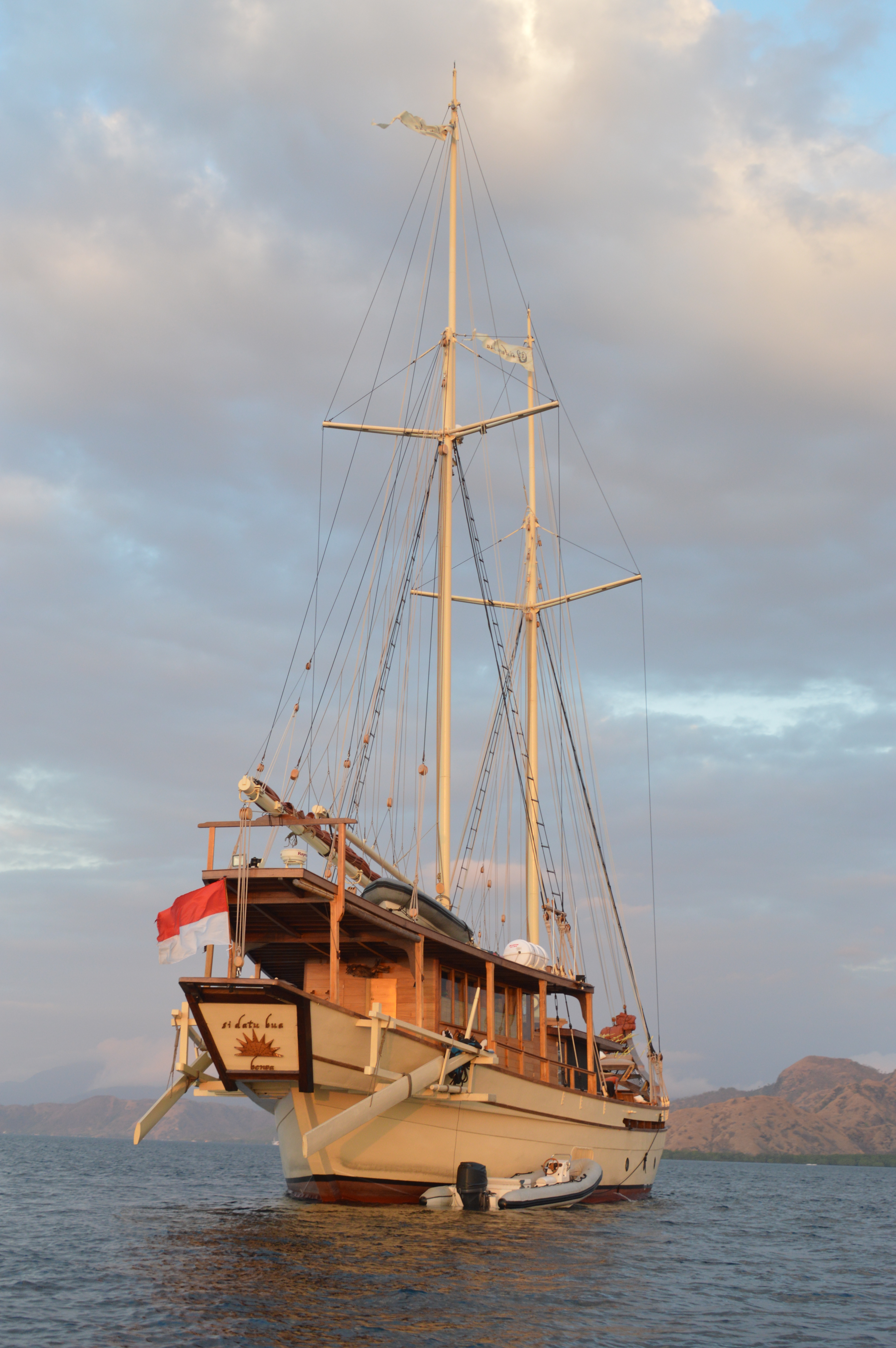
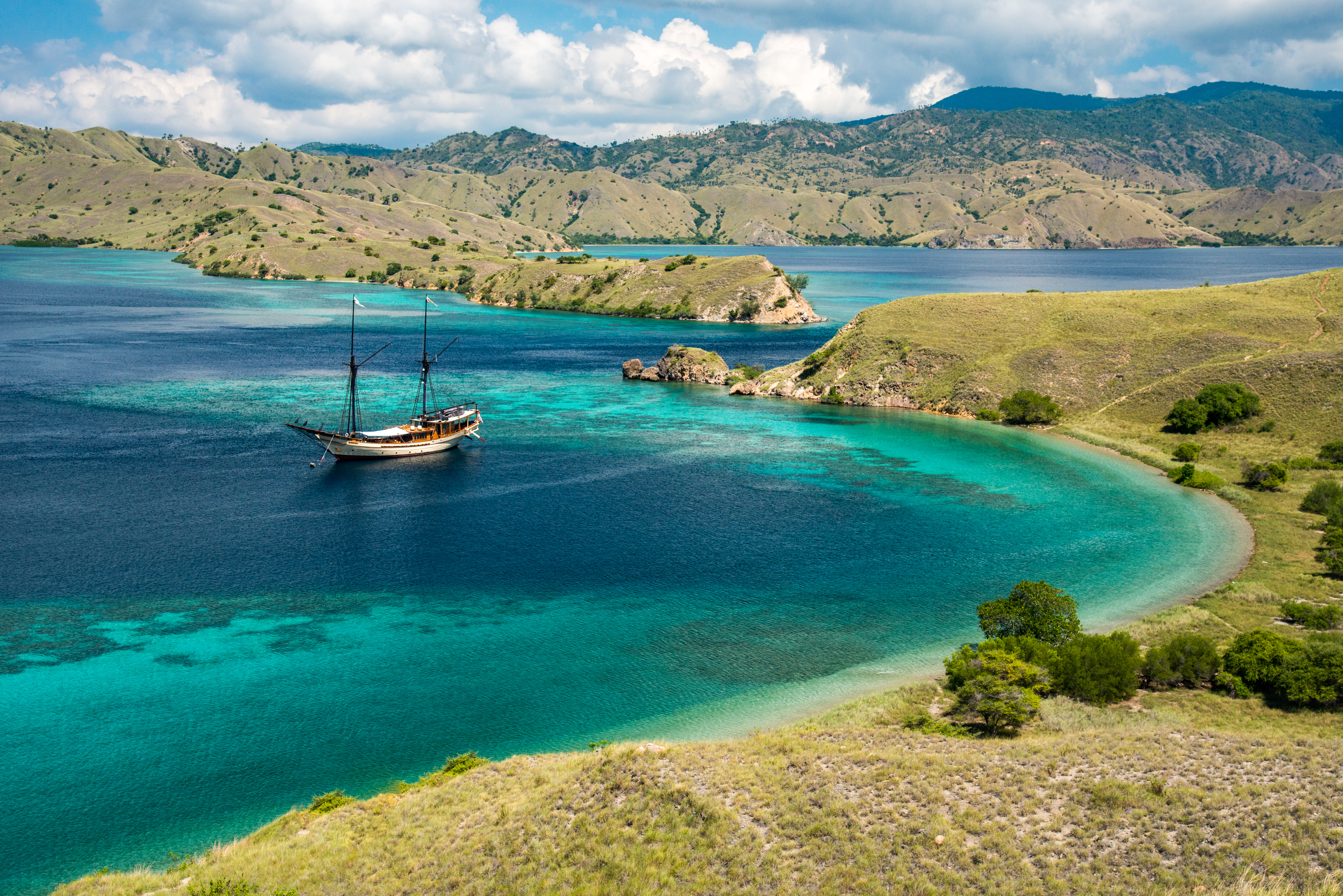
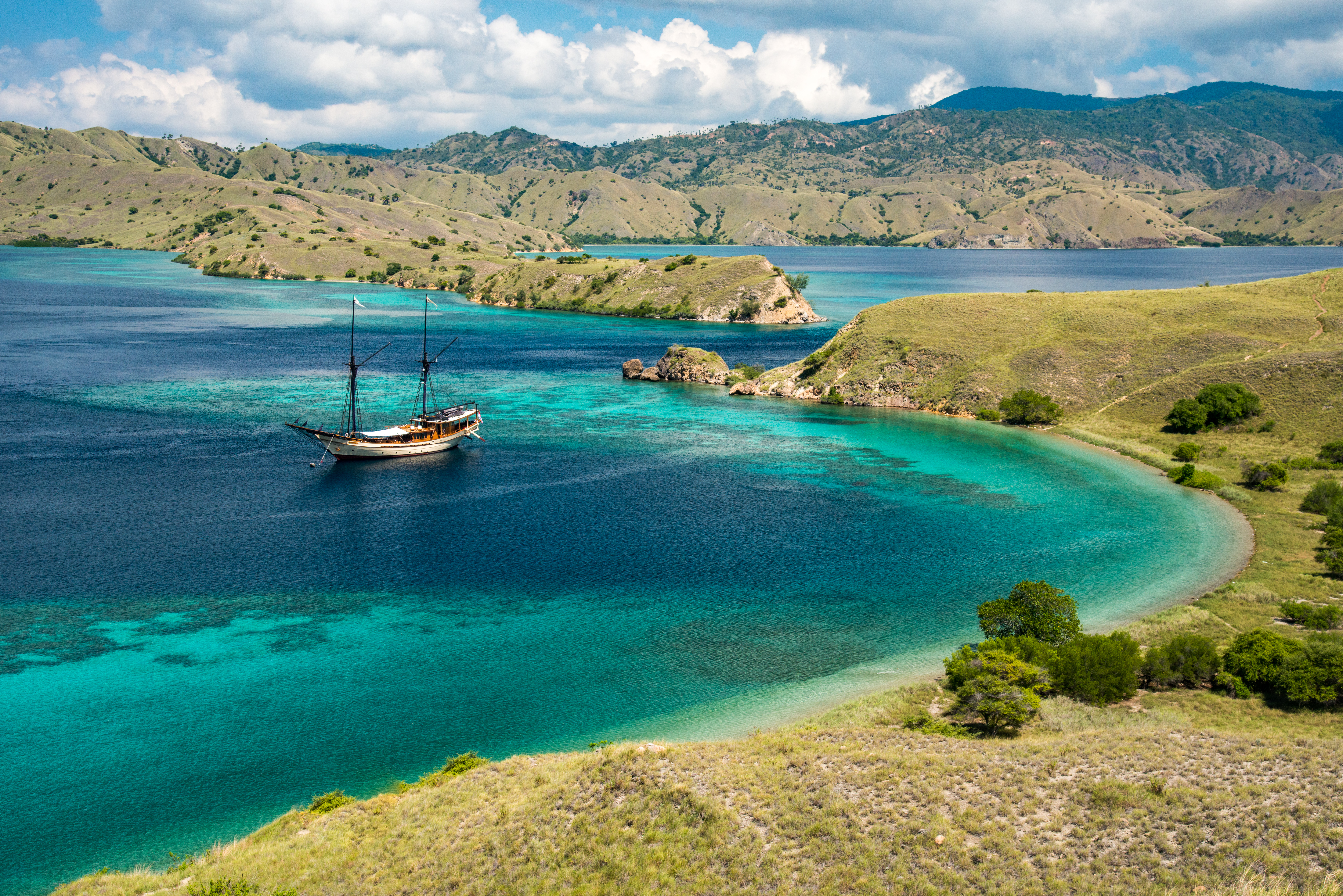
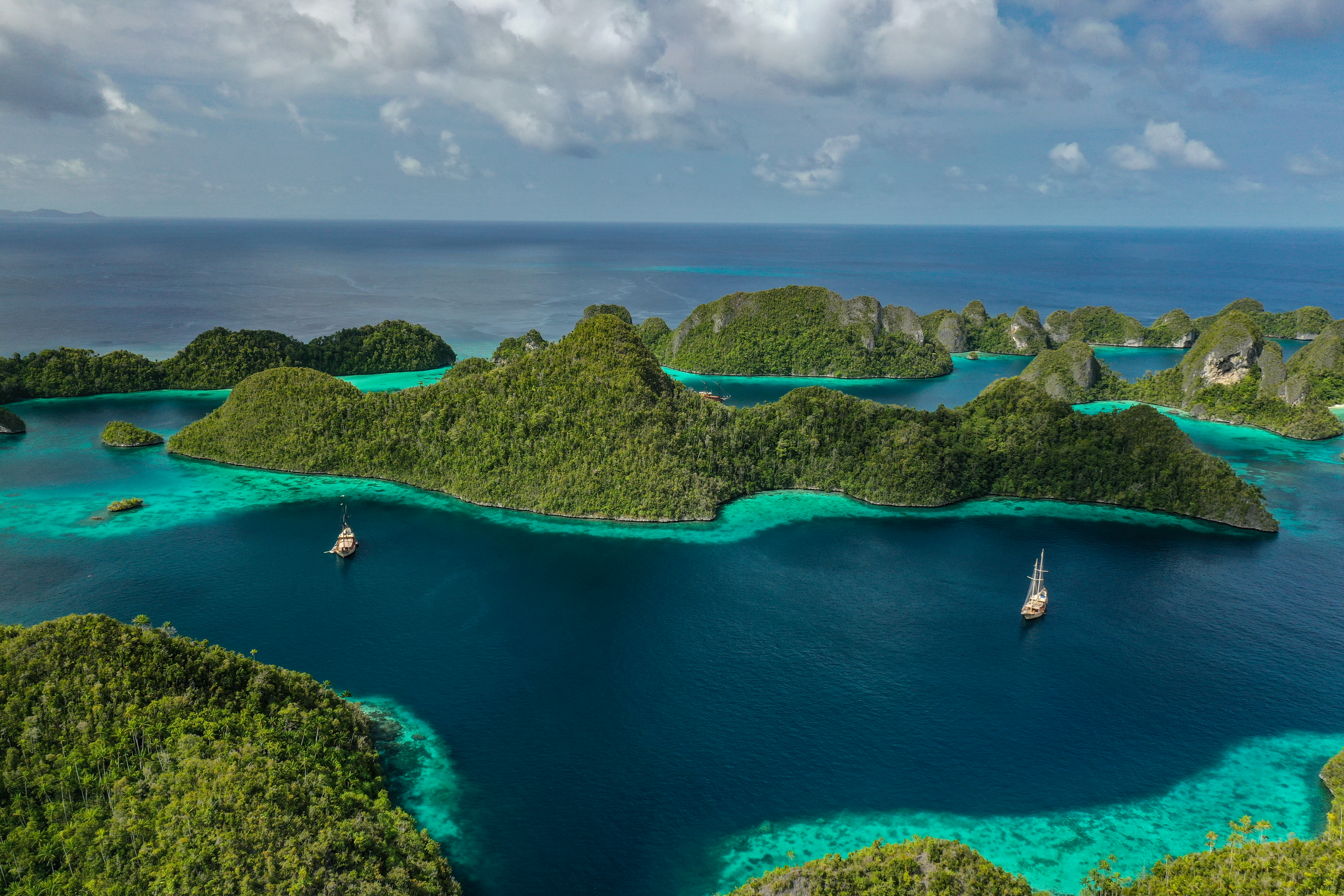
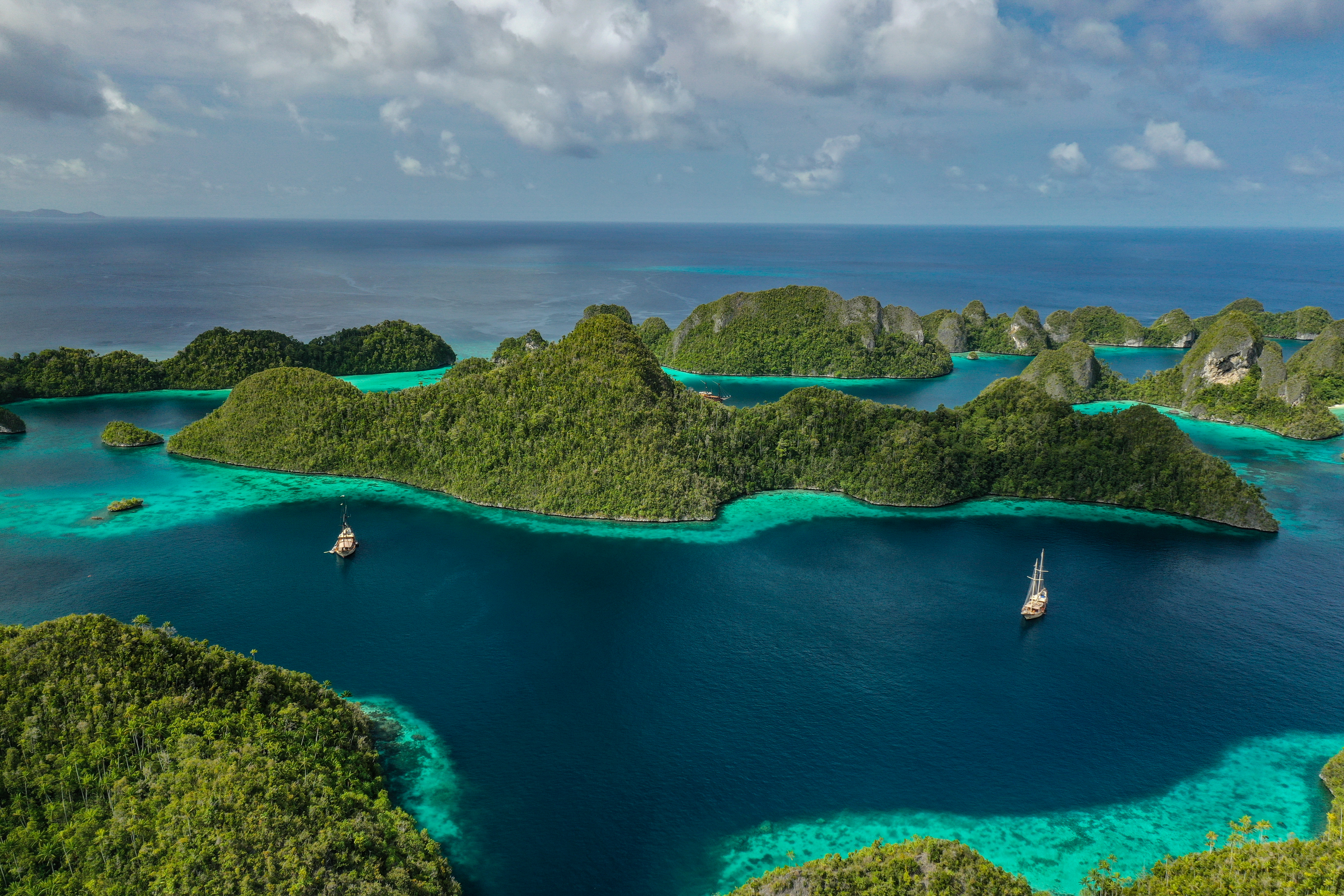
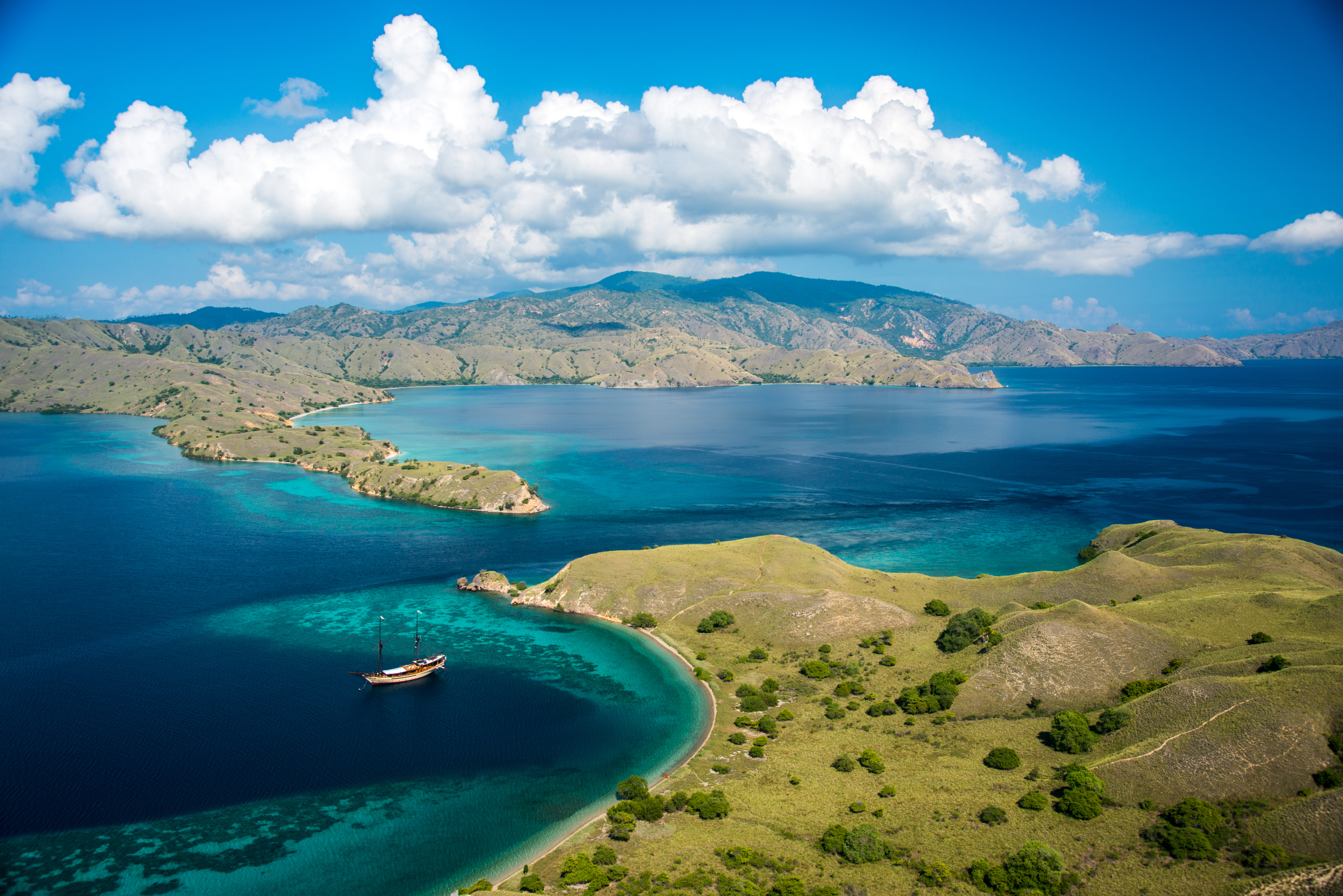
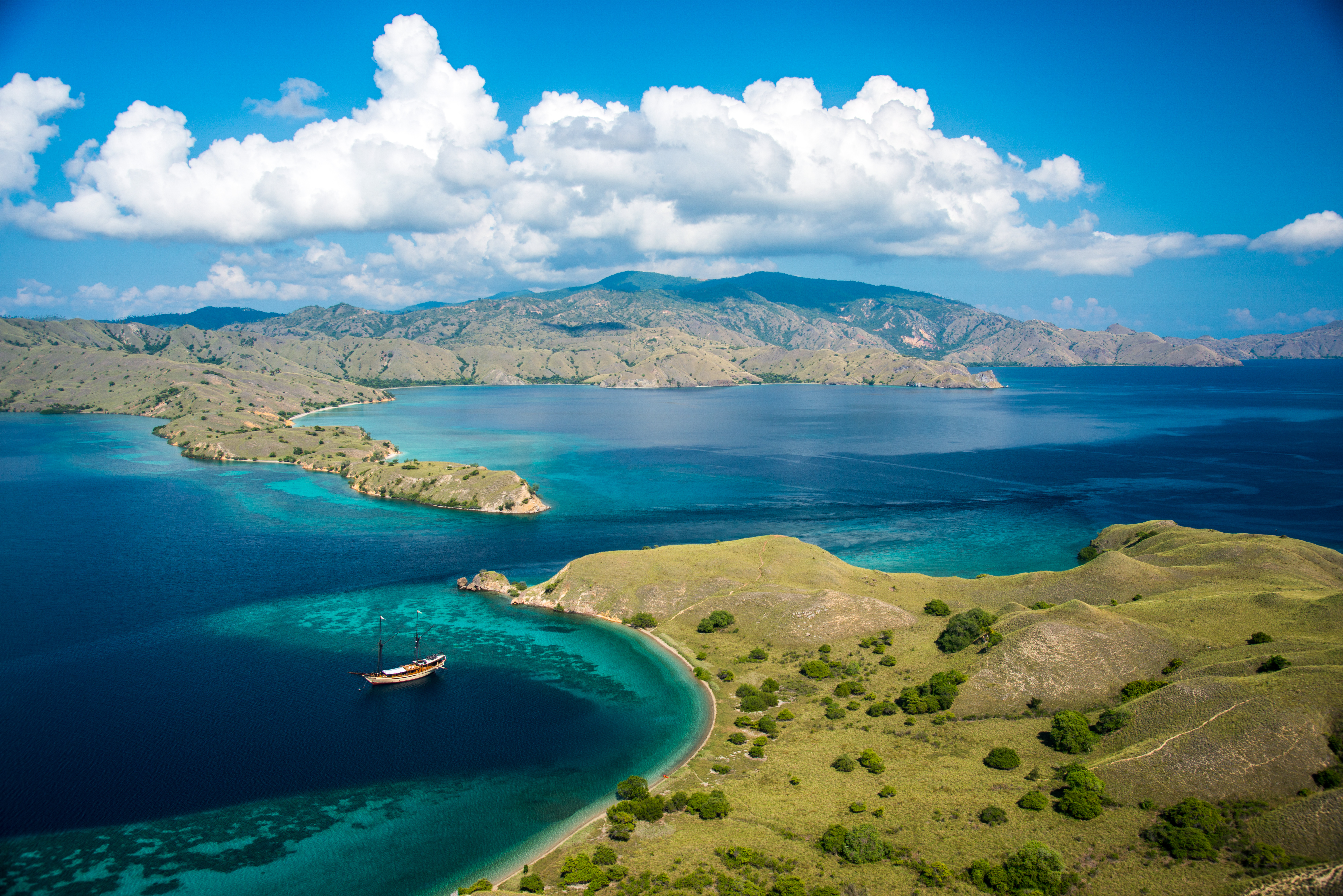
On a thoughtfully designed yacht such as those operated by Silolona Sojourns, your days unfold with intentional pacing. You wake to limestone karsts emerging from morning mist. You enjoy breakfast while anchored above a reef chosen specifically for its calm, clarity, and abundance.
You are not rushed between crowded sites. You are guided.
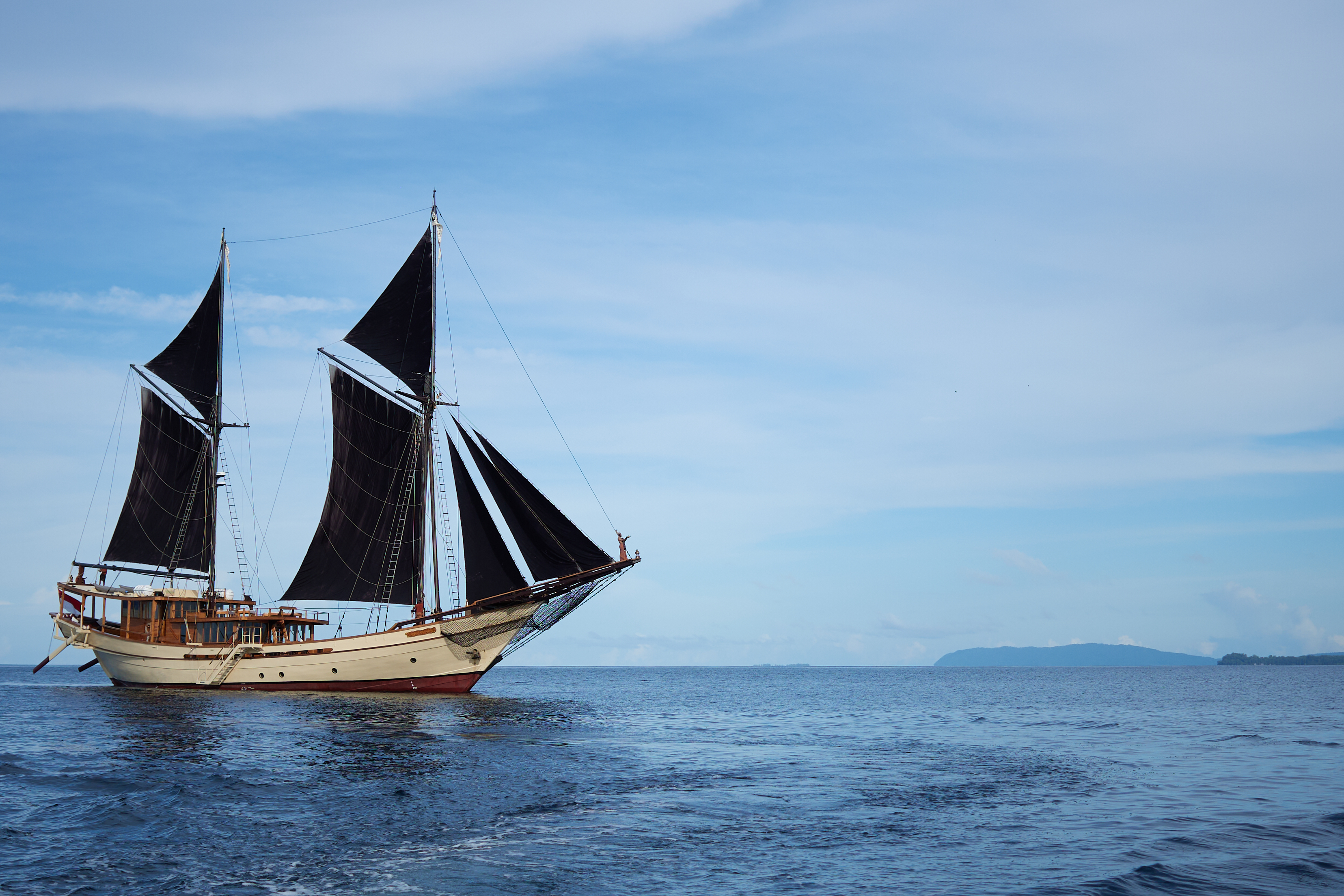
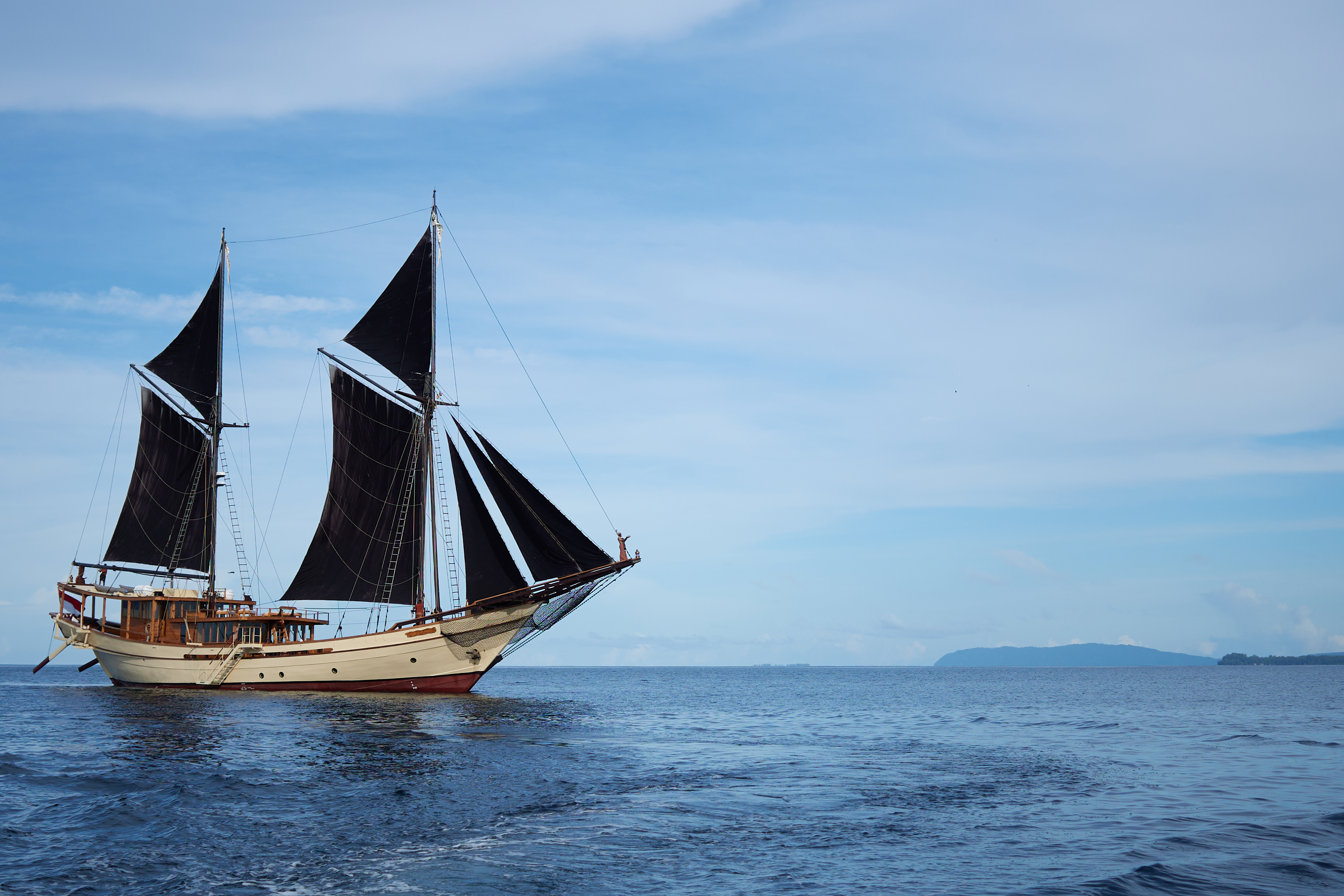
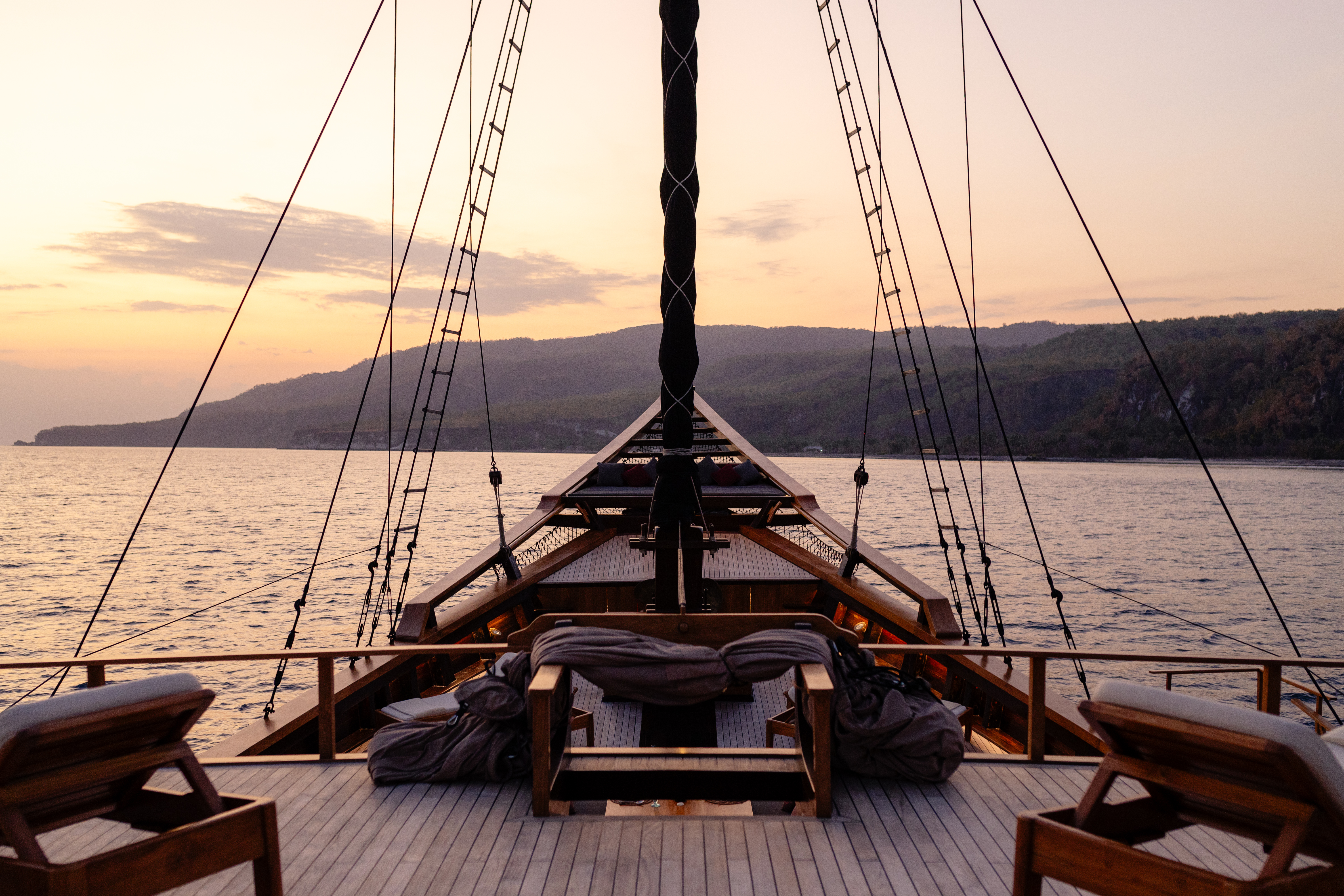
Silolona’s handcrafted wooden vessels combine traditional Indonesian maritime heritage with refined comfort. Private cabins, attentive crew, and curated itineraries allow you to explore remote reefs without sacrificing elegance.
For non divers, this matters profoundly. Your entire journey is shaped around access to shallow beauty, not depth driven adrenaline.
What You Actually See While Snorkeling
Let us be specific.
You float above coral bommies glowing in shades of gold and violet. Schools of fusiliers flash silver beneath you. Clownfish dart through anemones in water barely deeper than your height.
You follow a turtle as it ascends for air. You drift above reef sharks resting in sandy channels that remain safely visible from the surface.
The biodiversity density in Raja Ampat is not theoretical. It is immediate.
And because you remain at the surface, sunlight amplifies every color.
The Emotional Difference
Diving often feels exploratory. Snorkeling in Raja Ampat feels intimate.
You hear your own breath. You feel the sun on your back. You move at the same pace as the reef.
There is a quiet confidence in knowing you do not need specialized training to access one of the richest marine ecosystems on Earth. You only need curiosity.
If you have ever believed that Raja Ampat belongs only to divers, it may be time to reimagine the experience.
With Silolona Sojourns, your Raja Ampat snorkeling cruise is crafted specifically to reveal shallow reefs, village pontoons, and turtle filled lagoons in comfort and privacy. You explore remote anchorages without crowds. You enter the water guided and supported. You return to handcrafted elegance each evening.
You do not need to descend deep to discover something extraordinary.
You simply need to float.

References
Veron JEN, DeVantier LM, Turak E, Green AL, Kininmonth S, Stafford Smith M, et al. Delineating the Coral Triangle. Nature. 2009;459:1061 to 1066. doi:10.1038/nature08300
Graham NAJ, Nash KL. The importance of structural complexity in coral reef ecosystems. Marine Pollution Bulletin. 2013;72:1 to 5. doi:10.1016/j.marpolbul.2013.04.026
Edgar GJ, Stuart Smith RD, Willis TJ, Kininmonth S, Baker SC, Banks S, et al. Global conservation outcomes depend on marine protected areas with five key features. Nature. 2014;506:216 to 220. doi:10.1038/nature13022
Ballantyne R, Packer J. Using tourism free choice learning experiences to promote environmentally sustainable behaviour. Journal of Sustainable Tourism. 2011;19:505 to 525. doi:10.1080/09669582.2010.525633