

Sumbawa to Komodo in Seven Nights: The Silolona Signature Journey
There is a moment, usually around the third morning, when the itinerary stops being something you consult and becomes something you feel. You wake when the light reaches the stateroom, wander up to a deck where breakfast is already laid, and find that the captain has read the tide and quietly decided whether you sail now or after a second coffee. Nothing has been announced. The day has simply arranged itself around you. This is the point of sailing from Sumbawa into Komodo aboard Silolona or Si Datu Bua: not to accumulate sights, but to move through the western approach to the archipelago at the pace the water sets. Seven nights is the right length for this, and it is deliberately so. It is enough to arrive properly, to reach the dragons and the manta channels, and to leave while the place still holds its mystery, rather than the day too long that empties it.
A week aboard a private phinisi buys something a rushed passage never can. It buys mornings on the dragon trails before another vessel has arrived, afternoons that do not end because a crossing is looming, and the freedom to sit an extra hour in a bay because the reef below is too good to leave. What follows is the shape of that journey, anchorage by anchorage, sailing eastward from the quiet waters off Sumbawa into the heart of Komodo National Park. Treat it as an invitation rather than a timetable; the final routing is always shaped by weather, sea state, and what the guests aboard most want to see.
Day 1: Embark in the west, and let the archipelago open slowly
You board in western Flores waters and the boat turns toward the islands that guard the approach to the park. Within the hour the anchor drops off a small island close enough that your first swim happens before the day has properly declared itself. The first afternoon is intentionally undemanding: water sports off the stern, a walk on the sand, and a sunset cocktail on a quiet coast while the crew you will come to know over the week introduce themselves without ceremony. There is nowhere to be. That is the entire design.
Day 2: The dragons, on your terms
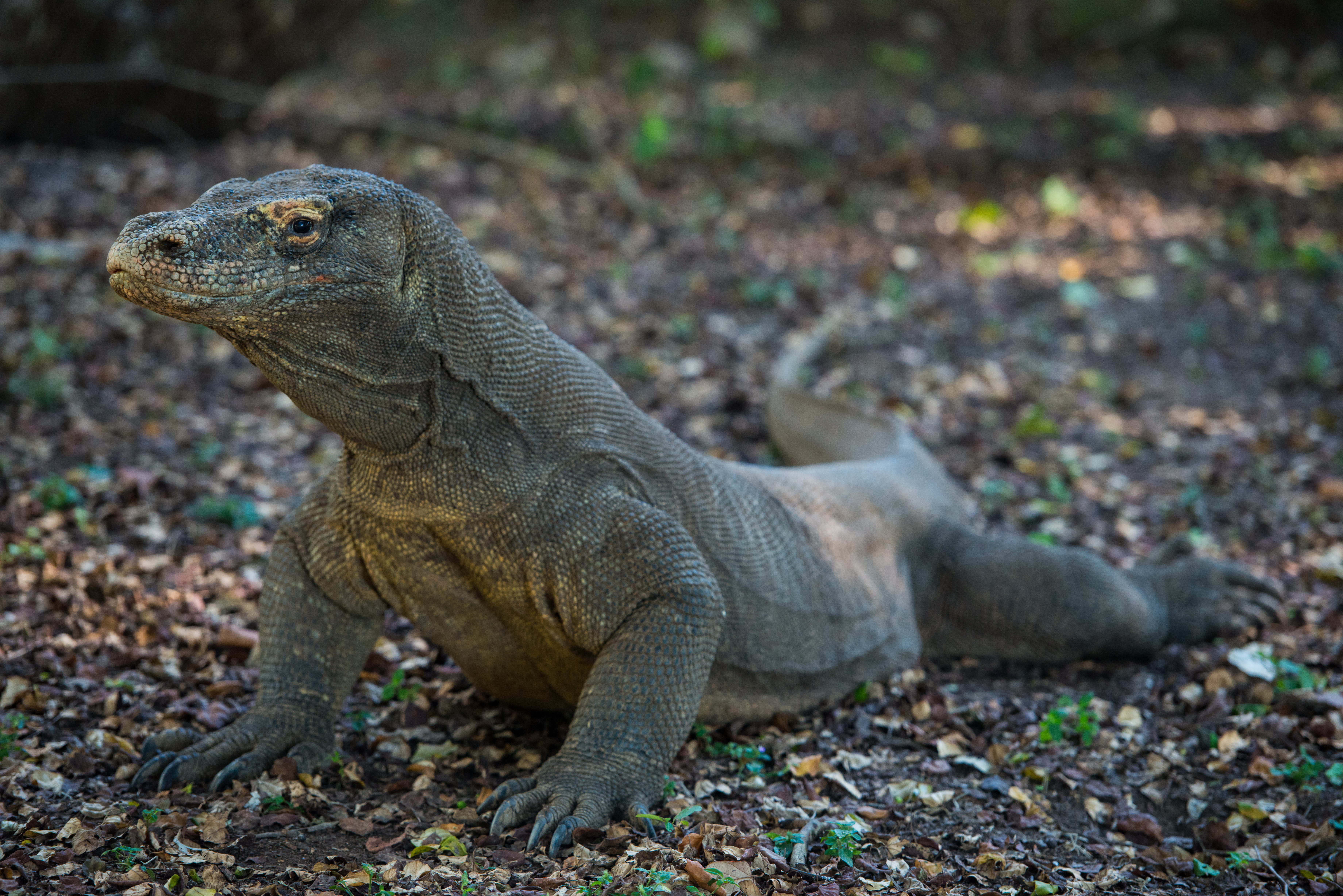
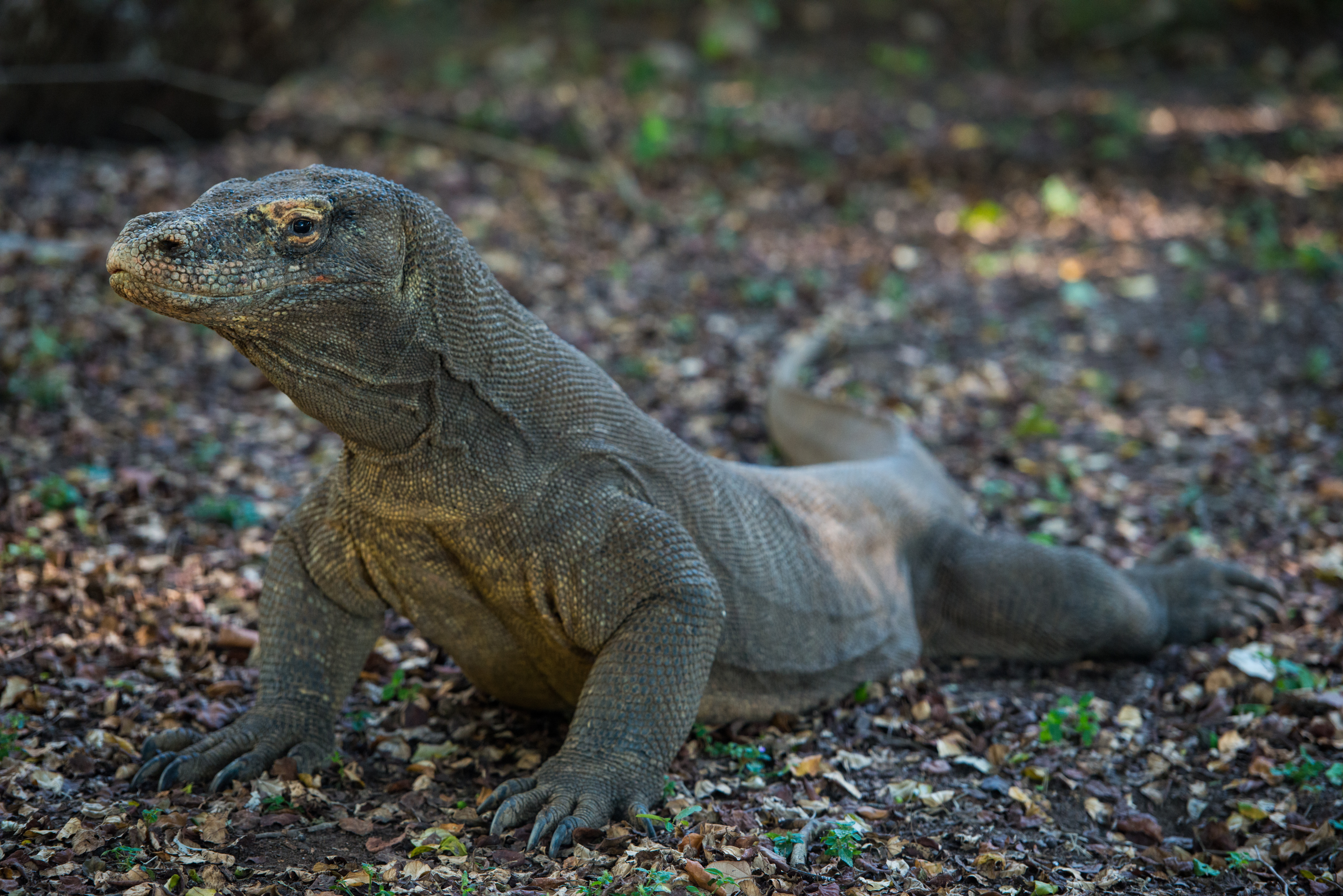
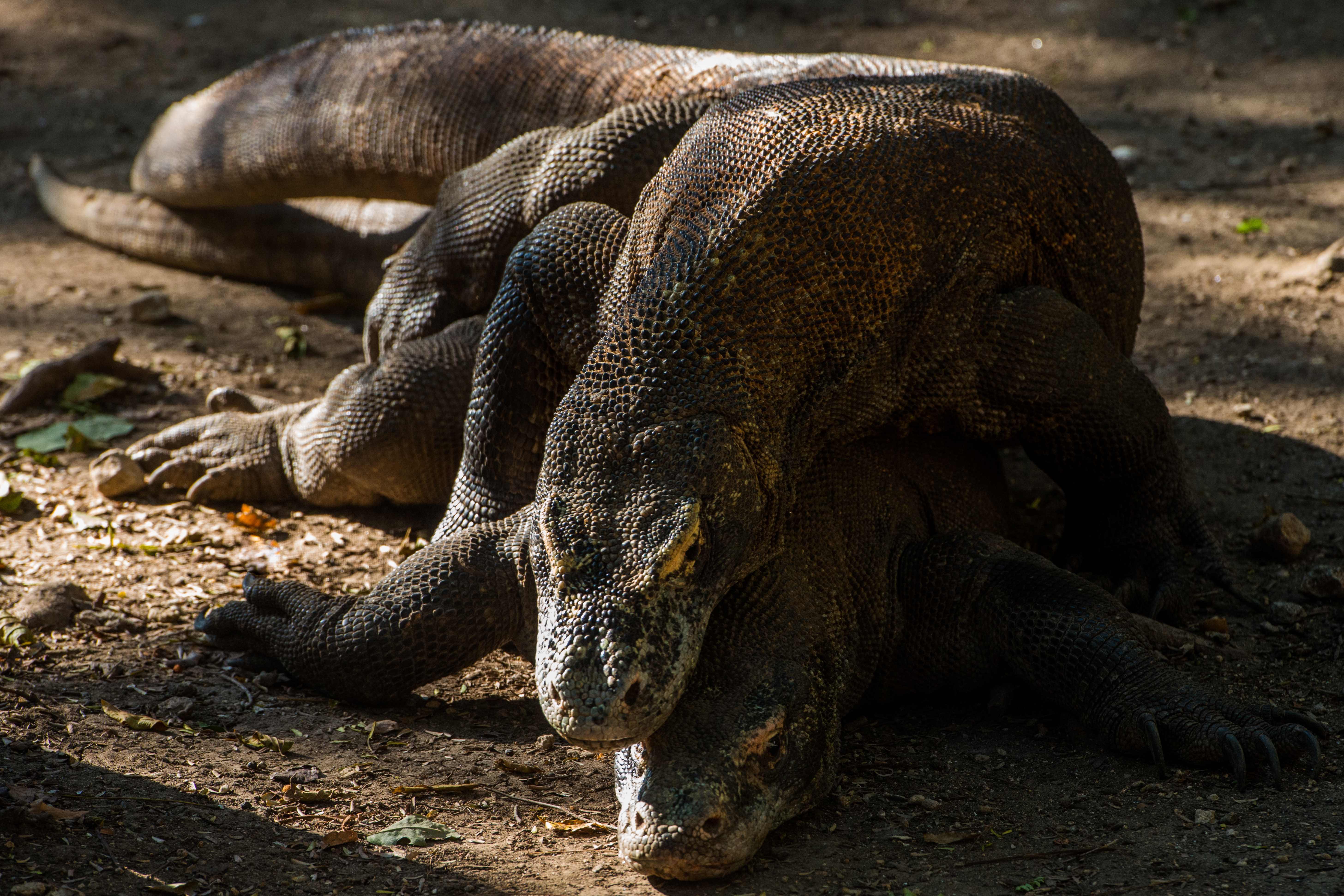
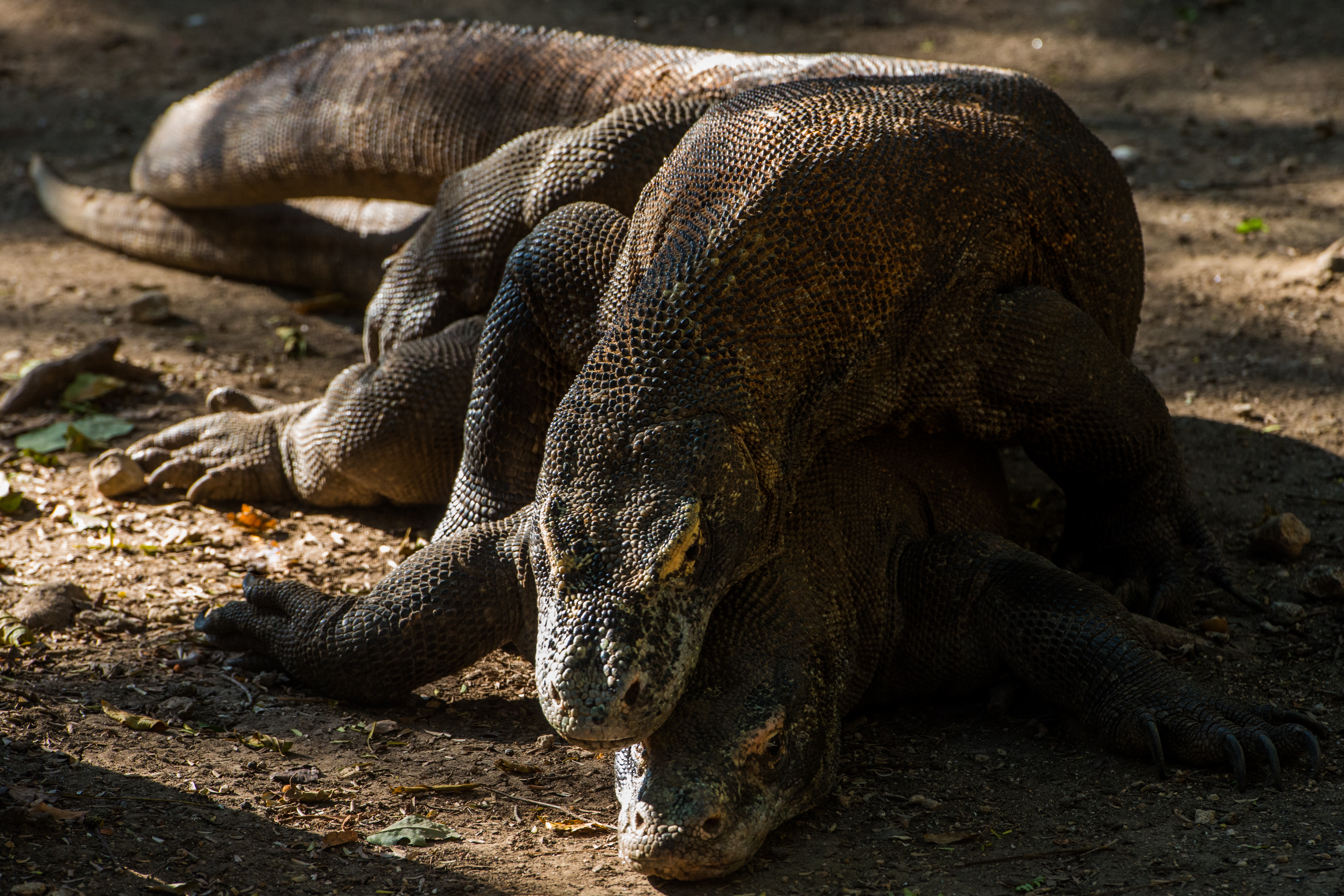
The dragons come early, and timing is everything. Komodo National Park is a UNESCO World Heritage Site of more than 1,800 square kilometres,1 and its most famous residents are best met at first light, before the heat and before the crowds. You trek Rinca Island with a licensed ranger who reads the savannah for you, pointing out not only Komodo dragons in their native habitat but the wild boar, water buffalo, crab-eating macaques, and the birds most visitors walk straight past. Because you slept aboard inside the park, you are on the trail while the day boats out of Labuan Bajo are still loading their passengers an hour or more away.
Day 3: Pink sand, and the reefs most travellers rush
The third day moves to Pantai Merah, the pink beach whose colour comes from red coral fragments worked into the white sand. A morning dive on a nearby rocky islet, a long brunch back aboard, then the afternoon in water where the snorkelling and diving are genuinely first rate. As the light softens, the boat anchors for the night in a bay beside a small fishing village, the kind of working Indonesian shoreline that no resort itinerary ever shows you. This is where a week earns its keep: rather than press on, you let the place hold you a little longer.
Day 4: Padar, before the world arrives
Padar is the view everyone has seen and almost no one has earned. The hike to the ridge is short, around forty minutes at an unhurried pace, and it opens onto the famous sweep of three bays with their contrasting sands. The difference aboard Silolona is that you climb it at sunrise from an anchorage already inside the park, standing on the summit while the first of the day’s flotilla is still well out to sea. Back down, the day fills with sea kayaking, water skiing, snorkelling, and the slow, satisfying work of doing very little well. As the light turns, the crew lifts anchor and sails north toward the Gili Lawa islands.
Day 5: The northern islands and the flying foxes
Gili Lawa Darat and Gili Lawa Laut hold some of the most diverse fish life in Komodo, with real chances of turtles, dolphins, and passing mantas, and a walk to the ridgeline that opens a 360-degree view across the park with the boat resting in the turquoise bay below. This is country built for stillness. As the sun drops, one evening belongs to the flying foxes: thousands lift out of the mangroves in long ribbons, crossing the reddening sky toward Flores to feed. You watch from the deck, drink in hand, with no need to go ashore and no schedule pulling you away. It is the kind of sight that quietly rearranges what people thought a wildlife encounter could feel like.
Day 6: The manta channels, and the edge of the map
The sixth day is given to the water. Karang Makassar, the manta cleaning station also called Manta Point, is the centrepiece. A five-year photo-identification study documented an aggregation of more than a thousand reef mantas using the park’s waters to feed, breed, and clean,2 and at slack tide you can drift the rubble slope alongside animals with five-metre wingspans. Nearby Taka Makassar, a sandbar that surfaces only at low water, makes a surreal lunch stop. Then the journey reaches for its farthest point: Banta Island, which lies just outside the park boundary, its finger-like bays and crescent beaches seeing a fraction of the traffic. The island is known for large populations of giant turtles and manta rays, and the sense of being genuinely beyond the itinerary is the quiet reward of the week. Your last full evening is a beach barbecue as the sun sets and the Milky Way arcs across the southern sky.
Day 7: One last swim, then home
Early risers take a final swim before the boat turns back toward Labuan Bajo. Breakfast is leisurely, taken on deck over the local fishing boats, and then it is time to say goodbye to the crew and step ashore for the flight back to Bali and onward connections. You leave having moved through the western archipelago at its own speed, which is the only speed at which it makes sense.
Why seven nights is exactly right
Seven nights is not a compromise. It is the length at which the western approach to Komodo gives its most without asking you to fill days for the sake of filling them. A week is enough to catch the dragon trails and Padar in the empty early light rather than the midday crush, to dive the manta channels thoroughly, to reach Banta beyond the park boundary, and to absorb the cultural texture of the fishing villages you anchor beside. It ends while the archipelago still feels like a place you are discovering, not one you have exhausted.
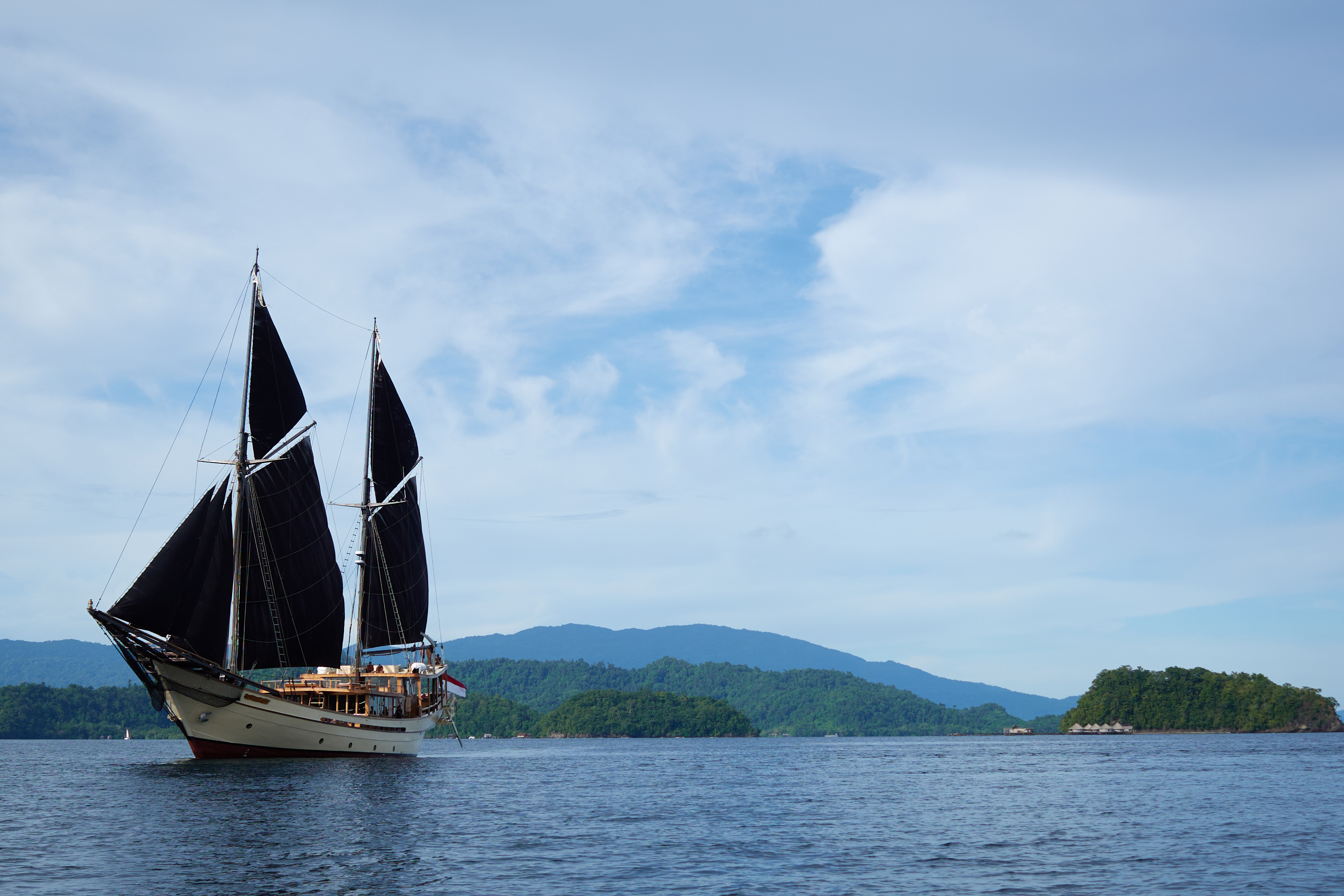
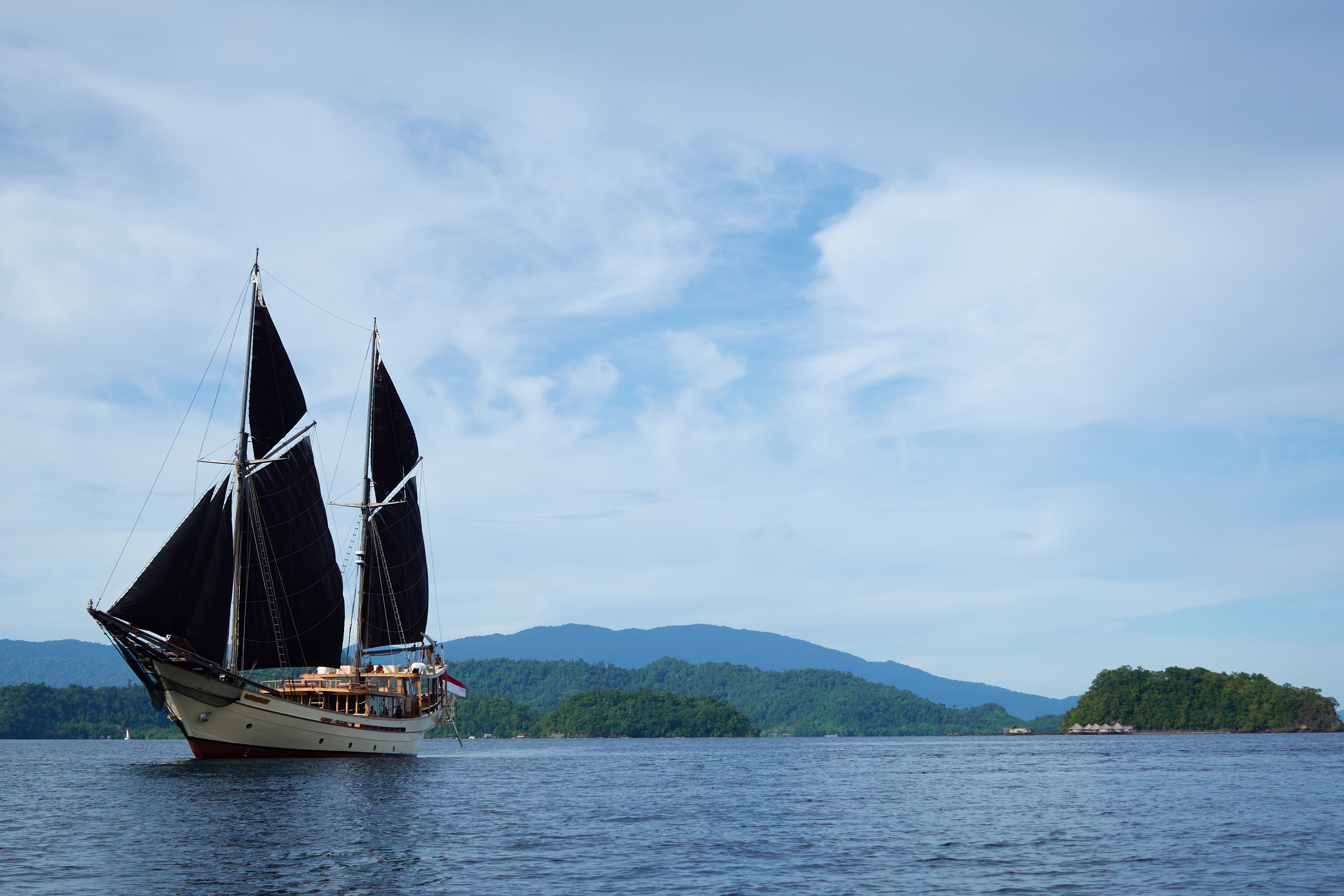
There is a quieter argument too. The phinisi itself, hand-built by Master Konjo boatbuilders of Sulawesi in a tradition recognised by UNESCO as intangible cultural heritage,3 is not designed to hurry. It sails best, and feels truest, when the days are long enough to be unforced and short enough to stay charged with anticipation. Silolona carries seventeen crew for as few as ten guests, and Si Datu Bua fourteen for as few as six, ratios that exist precisely so that nothing about your day needs to be rushed or rationed.
A journey into Komodo is, in the end, a study in restraint. The islands give the most to travellers who ask the least of the clock, and seven nights is how you stop counting hours and start reading tides, which is when the place finally opens.
With Silolona Sojourns, your Komodo journey is shaped around privacy, expert crew, and the patience to let each anchorage unfold, from dawn on the dragon trails to flying foxes at dusk. The same unhurried philosophy carries through every route we sail, whether the coral walls of Raja Ampat or the old spice route through the Banda Islands, aboard Silolona and Si Datu Bua. When you are ready to give Komodo the seven nights it deserves, enquire and let the planning begin.
References
- UNESCO World Heritage Centre. Komodo National Park. Available from: https://whc.unesco.org/en/list/609/
- Germanov ES, Pierce SJ, Marshall AD, Hendrawan IG, Kefi A, Bejder L, et al. Residency, movement patterns, behavior and demographics of reef manta rays in Komodo National Park. PeerJ. 2022;10:e13302. doi:10.7717/peerj.13302
- UNESCO. Pinisi, art of boatbuilding in South Sulawesi. Available from: https://ich.unesco.org/en/RL/pinisi-art-of-boatbuilding-in-south-sulawesi-01197