

The Manta Rays of Komodo: A Science-Led Guide to Encounters at Sea
Where the Current Brings Giants
The first sign is often not the manta itself. It is the water. A faint shift in current. A line of plankton in the blue. A guide looking beyond the reef, reading the surface with the quiet concentration of someone who knows that Komodo gives nothing on command. Then, from the edge of visibility, a dark wing appears and the ocean changes scale.
A manta ray Komodo encounter is not just about seeing one of the most graceful animals in the sea. It is about understanding why it is there. Mantas gather where current brings food, where reef structure creates cleaning stations, and where tide, depth, and plankton line up in ways that are never fully predictable. Komodo National Park is one of Indonesia’s most important manta ray destinations, and research published in PeerJ identified 1,085 individual reef manta rays in the park, with evidence of residency, movement, feeding, cleaning, and site use patterns.¹
For travelers seeking manta diving Indonesia luxury, this matters. The best manta experiences are not built on speed or guarantees. They are built on timing, restraint, and respect. You come to Komodo not to chase mantas, but to meet the sea at the exact places where mantas already have a reason to be.
Why Komodo Is One of Indonesia’s Great Manta Landscapes
Komodo is not a single reef system with predictable, aquarium like conditions. It is a living corridor of islands, channels, seamounts, rubble plateaus, walls, bays, and current lines. Water moves through the park with force and purpose, feeding coral ecosystems and drawing marine life into concentrated zones. UNESCO describes Komodo National Park as a marine environment of high biodiversity, where strong currents support rich coral reefs and attract marine animals including turtles, dolphins, whales, and other large marine life.
For mantas, that water movement is essential. Reef mantas do not appear randomly. They visit cleaning stations where small reef fish remove parasites and dead tissue. They feed where plankton gathers. They cruise between habitats according to season, tide, current, and learned patterns. The same 2022 Komodo study found that the park contains several critical manta habitats serving different demographics and behaviors, which is why Komodo remains important for both tourism and conservation.¹
This is why a good manta guide should never promise “the best spot” as if one place works all day, every day. In Komodo, the better question is: what is the water doing right now?
Cleaning Versus Feeding: What You Are Really Watching
A manta ray at a cleaning station behaves differently from a manta ray feeding at the surface. At a cleaning station, the animal may circle slowly above coral or rubble while cleaner fish approach its body, gills, and mouth area. The manta may hover, turn, repeat a pattern, and return to the same cleaning area across time. At a feeding site, the animal may swim closer to the surface, mouth open, filtering plankton from the water.
These behaviors can overlap. Recent manta research from the Seychelles found that reef manta rays may move repeatedly between surface feeding and cleaning stations within short time frames, showing that feeding and cleaning are not always separate events.² For Komodo guests, that helps explain why a manta may be seen from the surface one moment and then lower near the reef on the same site.
The practical lesson is simple. Your guide is not only looking for mantas. They are reading behavior. Are the mantas feeding in current? Are they holding at a cleaning station? Are they cruising? Are they staying relaxed around divers and snorkelers? The answer determines how you should position yourself in the water.
Current Is the Invisible Guide
In Komodo, current is not background. It is the architect of the encounter. It carries plankton, shapes visibility, activates cleaning stations, and determines whether a site is suitable for snorkelers, beginner divers, advanced divers, or no one at all.
Gili Makassar, also known as Takat Makassar or Manta Point, is a good example. Local dive site references describe it as a long, shallow drift site where mantas are often seen around cleaning stations, commonly dived between 6 and 12 meters and also suitable for snorkeling when conditions allow. The same source notes that rising tide can be favorable for manta sightings at this site.
That does not mean you simply jump in because the tide is rising. Current direction, guest ability, surface conditions, boat traffic, and manta behavior all matter. In a luxury yacht context, the privilege is not only access. It is the ability to wait, adjust, reposition, and choose the encounter that is right for the day.
Gili Makassar / Takat Makassar: The Shallow Manta Stage
Gili Makassar is often the most accessible manta experience in Komodo because it can work for both divers and snorkelers when conditions are suitable. The reef is not a dramatic wall. It is a long, shallow, current washed area of rubble, sand, coral patches, and cleaning stations. To the casual eye, it may not look like much from above. To a manta, it can be useful habitat.
This is where depth matters. Many encounters happen from the surface down to around 12 meters, which means snorkelers may see mantas from above while divers remain low and still near the reef. Dive Concepts describes Makassar Reef as commonly dived between 6 and 12 meters, with mantas sometimes visible from the boat before entry.
For first time manta guests, this is often the most emotionally generous site. You do not need to go deep. You do not need to be an advanced diver. You need a good guide, calm water, respectful behavior, and luck.
Manta Alley: Southern Komodo at a Wilder Register
Manta Alley has a different personality. Located in the southern part of Komodo, it is often associated with cooler water, stronger oceanic influence, and more advanced conditions. It can deliver powerful manta encounters, but it should not be treated as a casual beginner site. Some dive references describe Manta Alley as a Komodo icon with cleaning station activity and current influenced conditions that are better suited to experienced divers.
This is the kind of site where yacht based planning becomes important. If your group includes experienced divers, snorkelers, and non divers, the day does not have to be one size fits all. Advanced guests may dive Manta Alley when conditions are appropriate, while others enjoy a sheltered reef, a beach landing, or time aboard. The yacht keeps the group together without forcing everyone into the same water.
Manta Alley is not about ticking a famous name. It is about knowing when the site is ready for you.
Mawan and Central Komodo: A Softer Manta Possibility
Mawan is often discussed by divers as another central Komodo manta site, with cleaning stations at approachable depths and potential for both diving and snorkeling depending on conditions. Specialist manta diving guides describe Mawan as a sloping reef with cleaning stations around 10 meters, which can make it particularly attractive for mixed groups.
For a luxury itinerary, sites like Mawan are valuable because they offer flexibility. A confident diver can descend and wait near the reef. A snorkeler can remain at the surface with a guide. A guest who is not comfortable entering the water can still watch from the tender or yacht if mantas are visible near the surface.
Komodo’s manta story is not only for advanced divers. Some of the most moving encounters happen in shallow water.
Manta Ridge: A Note for Wider Indonesia Yacht Routes
The brief for this article mentions Manta Ridge. For accuracy, it is important to clarify that Manta Ridge is most commonly associated with Raja Ampat, not as a core Komodo manta site in the same way as Gili Makassar, Manta Alley, or Mawan. Dive Concepts lists Manta Ridge within its Raja Ampat dive site structure, while Komodo manta site references more commonly emphasize Makassar Reef / Manta Point and Manta Alley.
This does not make Manta Ridge irrelevant to a Silolona style journey. It simply belongs to a broader manta diving Indonesia luxury narrative. A private yacht route can connect Komodo, Raja Ampat, and other manta rich regions across different seasons, giving guests a deeper view of manta ecology across Indonesia rather than reducing the story to one park.
For Komodo specific content, however, the strongest site guide should focus on Gili Makassar, Manta Alley, Mawan, and other guide selected manta locations according to conditions.
Viewing Depths: From Surface to 12 Meters, and Sometimes Deeper
One of the reasons Komodo manta encounters work for mixed groups is that many sightings happen in relatively shallow water. At Gili Makassar, encounters are commonly associated with surface viewing, snorkeling, and dives around 6 to 12 meters. Mawan may also offer cleaning station encounters around approachable depths. Manta Alley, by contrast, may involve deeper or more advanced profiles depending on the exact route, current, and guide judgment.
That shallow range changes the emotional experience. A snorkeler can watch a manta glide below. A new diver can remain within a conservative profile. A photographer can work with sunlight. A family group can share the same animal encounter from different levels of comfort.
The depth is not what makes the moment serious. The behavior is.
How to Behave Around Manta Rays
The best manta etiquette is quiet, simple, and non negotiable. Stay low if you are diving. Keep your distance. Do not chase. Do not block the manta’s path. Do not swim over a cleaning station. Do not touch the animal. Do not crowd with cameras. If you are snorkeling, remain calm at the surface and let the guide manage position.
Komodo dive operators commonly advise divers and snorkelers to stay still, keep distance, avoid cleaning stations, and never chase or touch mantas. These guidelines are not only ethical. They improve the encounter. A relaxed manta is more likely to continue feeding, cleaning, or circling naturally. A crowded or pursued manta may simply leave.
Luxury should never mean entitlement in the water. In manta country, the finest manners are restraint.
Why Manta Encounters Are Never Guaranteed
A manta site is not a stage. It is habitat. That means every encounter depends on a living chain of variables: plankton, tide, current, weather, season, visibility, boat traffic, cleaning fish activity, and the choices of the mantas themselves.
Research in Komodo shows that manta rays use the park in complex ways, with some individuals displaying residency and others moving between sites and even beyond the park.¹ This mobility is part of what makes them fascinating. It is also why honest operators do not sell certainty.
The right promise is not “you will see mantas.” The right promise is “we will put you in the best possible conditions, at the right sites, with responsible guides, and we will let the ocean decide the rest.”
Silolona and the Luxury of Waiting Well
A private yacht changes the manta experience because it gives you time. Day boats often work around fixed schedules, fuel limits, and group logistics. A yacht can move more slowly. It can wait for better tide. It can split guests by ability. It can let divers rest while snorkelers explore a calmer reef. It can turn a failed manta attempt into a beautiful day rather than a disappointment.
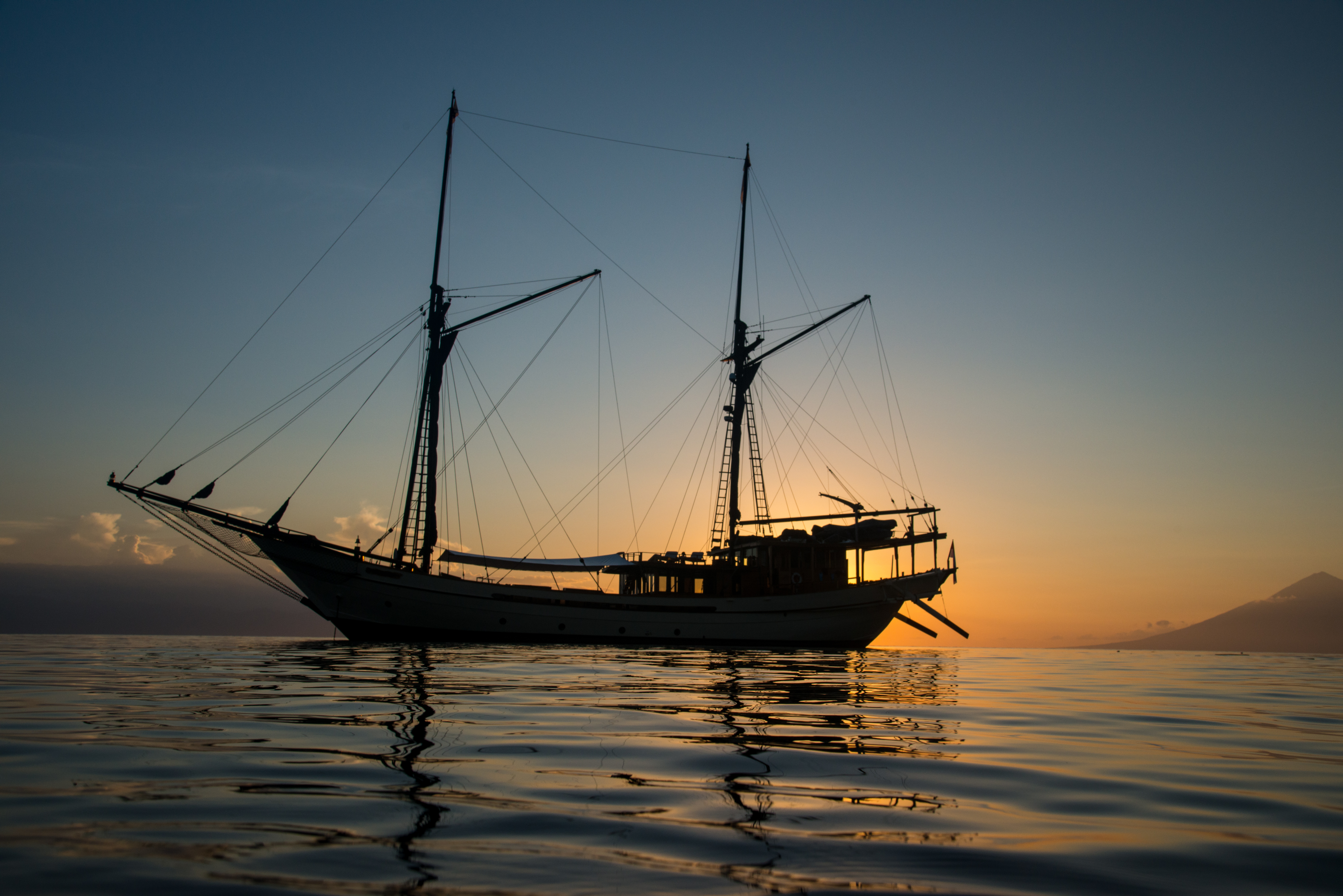
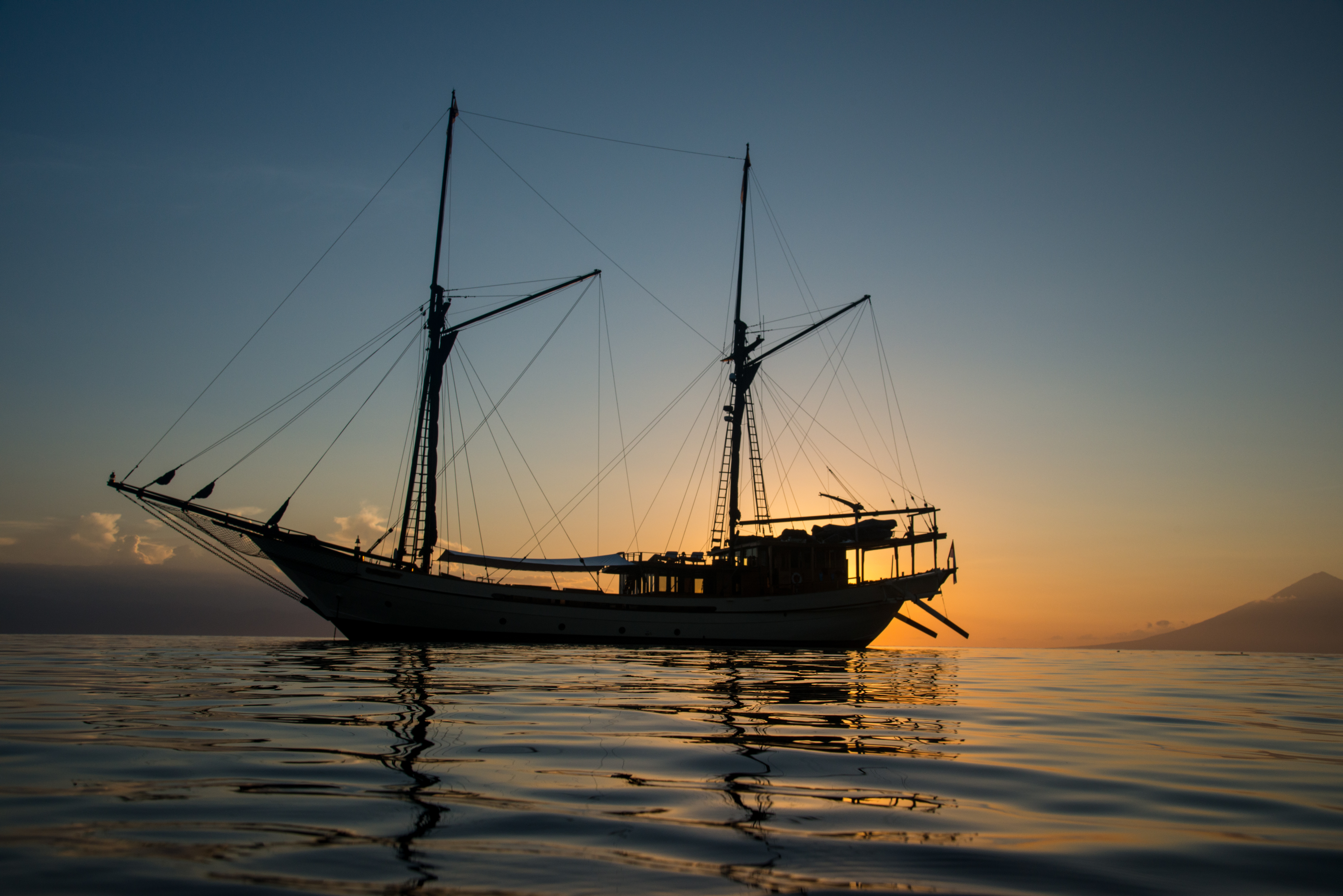
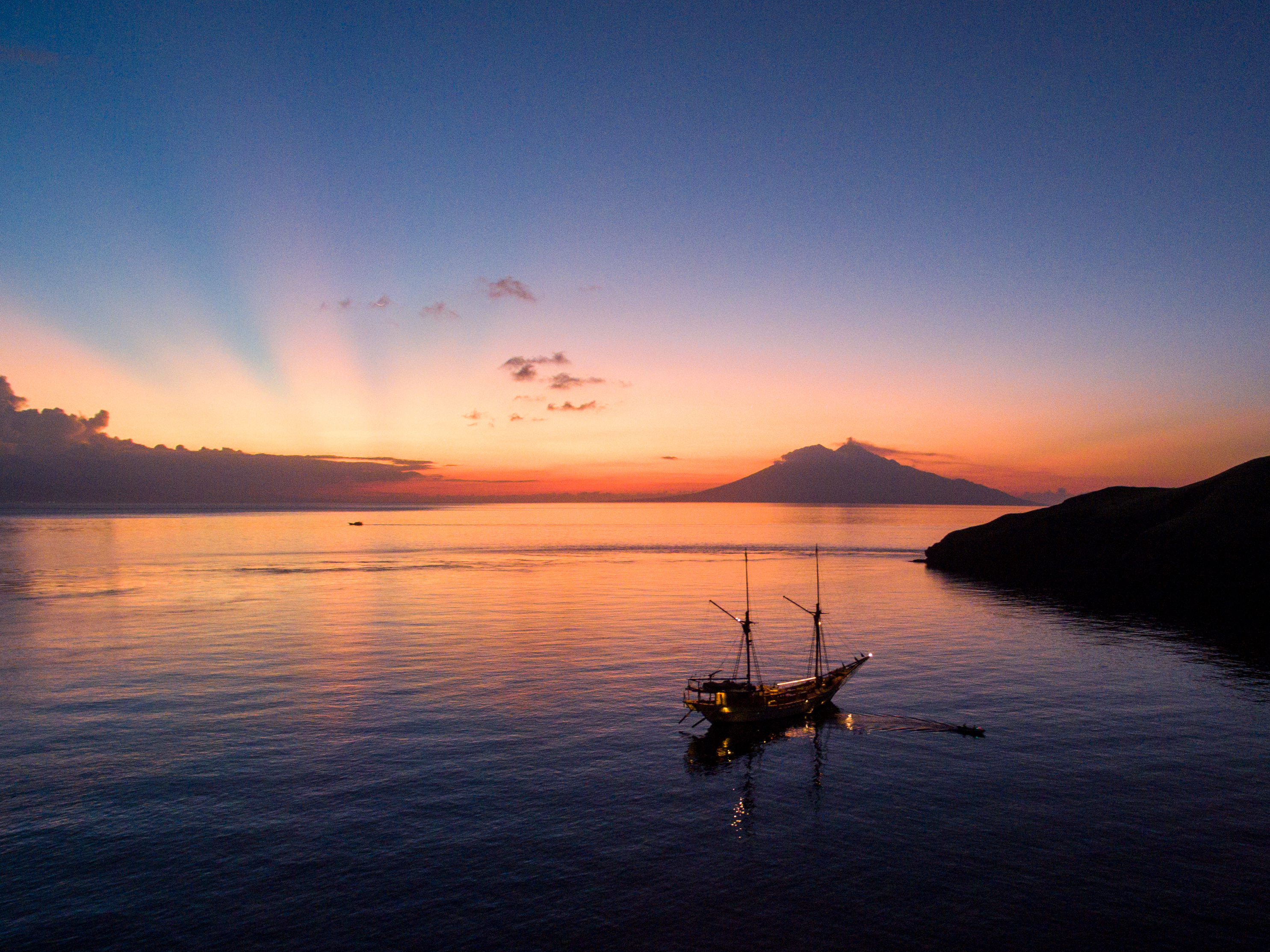
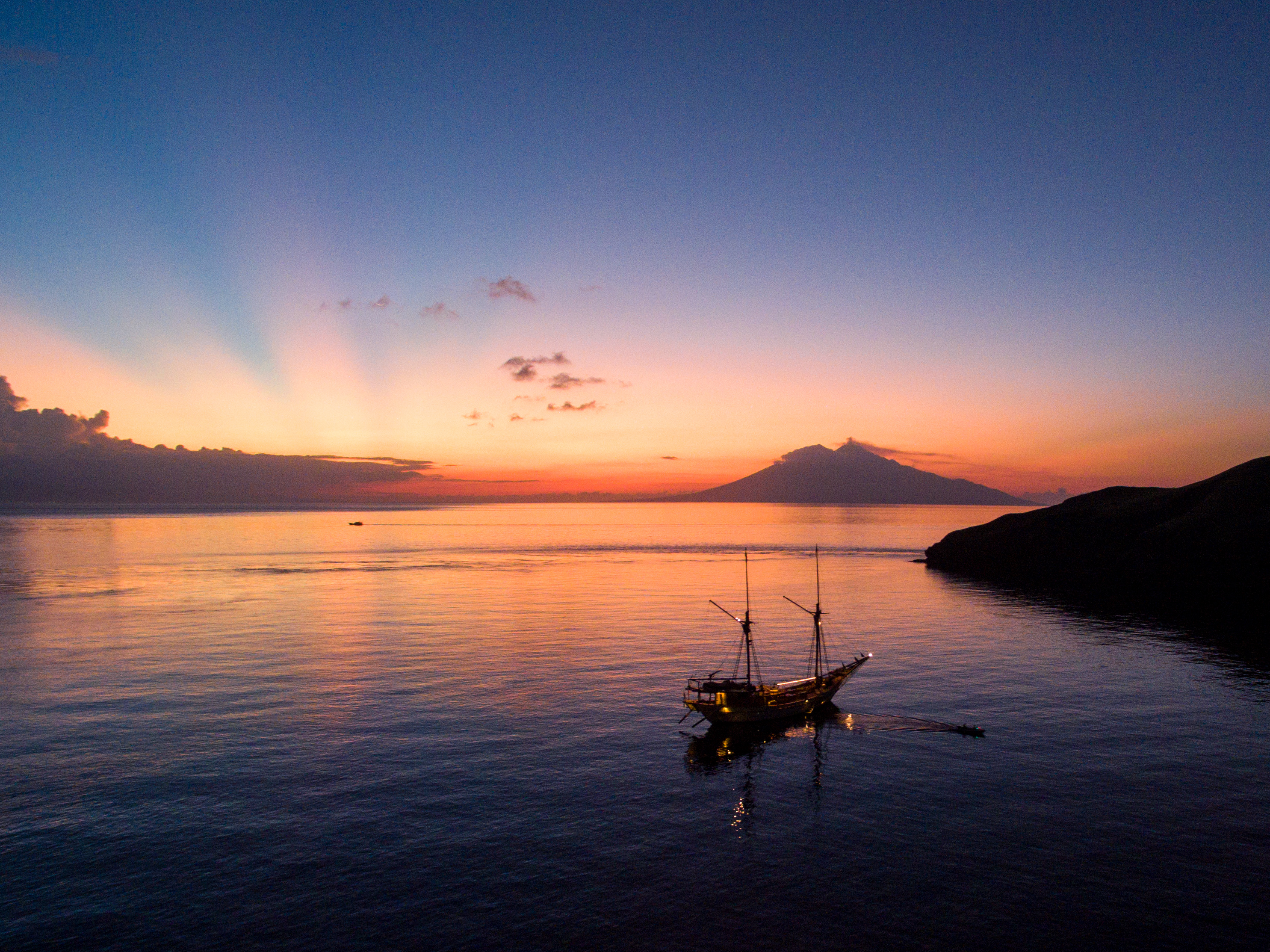
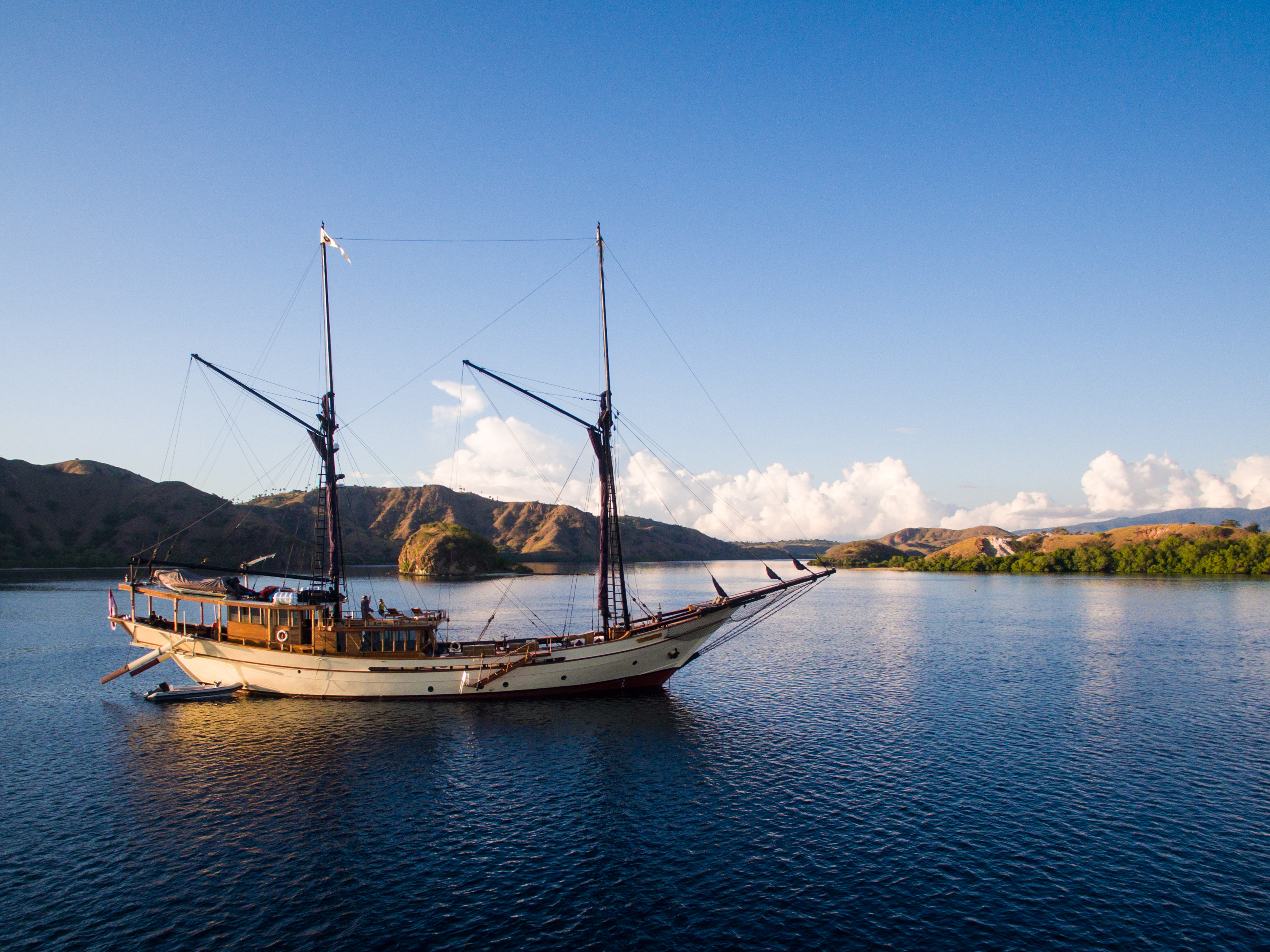
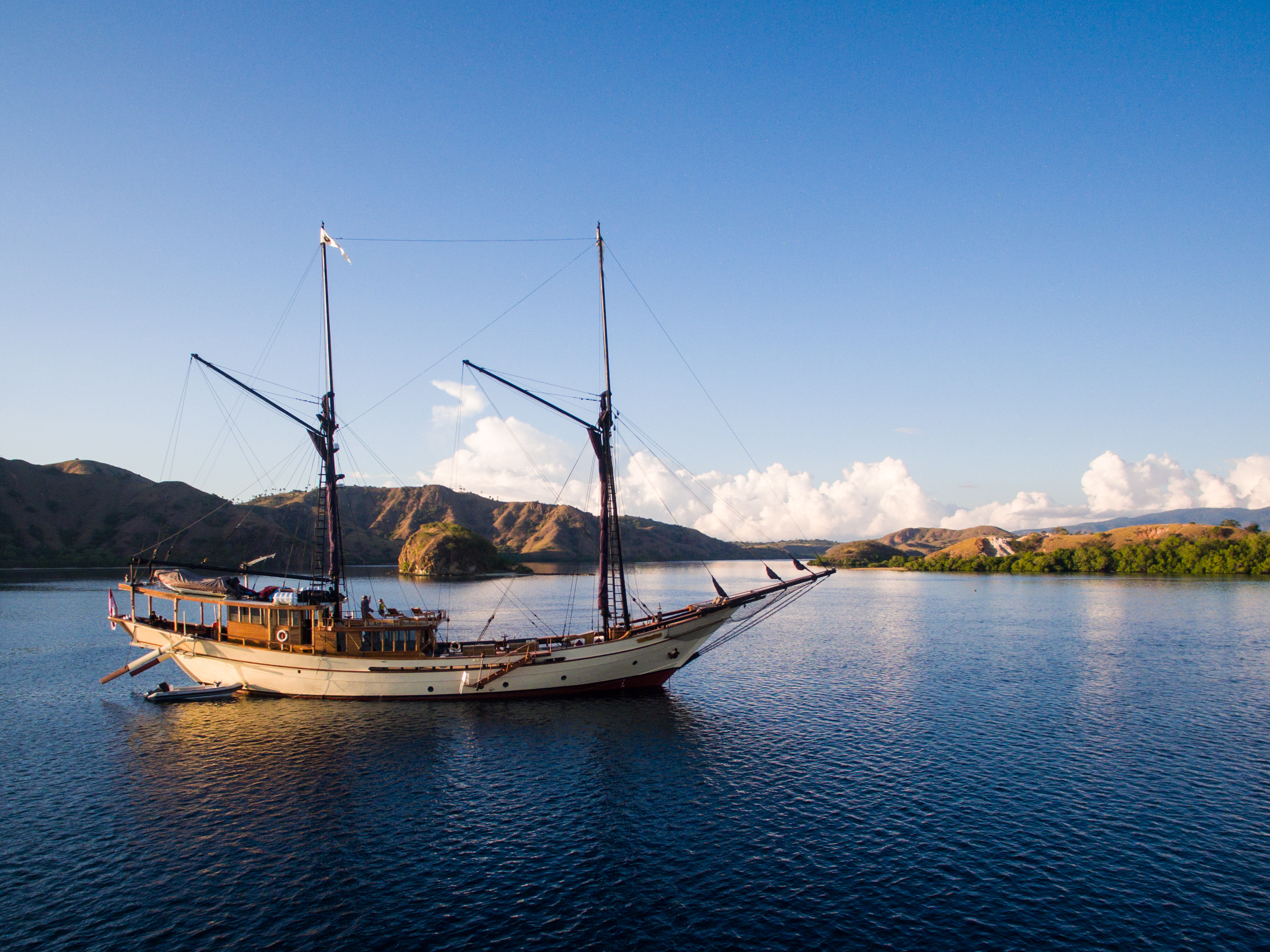
Silolona Sojourns describes itself as an Indonesia yacht charter specialist with 30 years of expertise, handling yacht calls with authorities, provisioning, bunkering, customs, and bespoke cultural tours across the archipelago. The company also describes Silolona as a powerful handcrafted traditional wooden sailing vessel launched in 2004, built by Master Konjo boat builders of Sulawesi and combining traditional spice island vessel design with modern amenities and safety features.
For Komodo, that matters because manta diving is not only about the dive itself. It is about the rhythm around it: early light, tender launch, guide briefing, surface interval, lunch on deck, another tide window, another chance.
Conservation and NGO Partnership Context
Manta rays are among Indonesia’s most charismatic marine animals, but their value should not be reduced to tourism appeal. Indonesia has taken national steps to protect manta rays, and Komodo research helps identify critical habitats, movement patterns, and site use that can inform management.¹
Silolona Sojourns is a proud funding partner of the Misool Foundation, a Raja Ampat-based conservation organisation whose work spans marine protection, reef restoration, community development, and education. Among the Foundation's initiatives is the Misool Manta Project, established in 2011 to study, educate, inspire, and protect — collecting critical population and behavioural data on vulnerable manta populations across the region. For guests joining Silolona's manta-focused journeys, this partnership means that every encounter is grounded in genuine conservation purpose, contributing to research that has helped shape manta protection at a national level in Indonesia.
If the operations or partnerships team confirms the Misool Manta Project relationship, this section can be strengthened with a direct sentence naming the collaboration, its purpose, and how guest participation supports manta conservation.
A Science-Led Manta Day in Komodo
A well designed manta day begins before anyone enters the water. The crew and dive team assess tide, current, wind, visibility, guest comfort, and site reports. The briefing explains not only the entry and exit plan, but also manta behavior. Guests learn the difference between feeding and cleaning. They understand why stillness matters. They know where not to swim.
At Gili Makassar, the tender may search the surface first. If mantas are feeding or cruising near the top, snorkelers may enter under guide supervision while divers prepare for a shallow drift. At a cleaning station, divers remain low and patient, giving the animals room. If conditions shift, the team changes the plan.
This is the opposite of generic manta tourism. It is slower, more observant, and more respectful. It treats the animal as the subject of the journey, not the trophy.
For Snorkelers, Divers, and Non Divers
Komodo manta encounters are especially valuable for mixed groups because not everyone needs the same level of certification. A diver may experience the encounter at 10 or 12 meters. A snorkeler may see the same animal from the surface. A non diver may still be part of the story from the tender or yacht if mantas are visible near the top.
This flexibility is central to manta diving Indonesia luxury travel. A private yacht should not make guests choose between serious diving and inclusive travel. It should create parallel experiences that meet again at the table, where everyone returns with their own version of the same sea.
That is the quiet power of Komodo. It can be advanced without being exclusionary.
Best Season and Timing
Manta rays can be seen in Komodo across the year, but sightings vary with season, current, and plankton conditions. Some local dive sources report year round manta potential at Makassar Reef, with higher sighting frequency in certain months such as December to February, while other Komodo diving conditions vary between northern, central, and southern areas.
For luxury yacht planning, the more important principle is not one “perfect” month. It is flexible routing. A Komodo itinerary should keep manta windows open and allow the yacht team to adjust between central and southern sites depending on weather, tide, and guest goals.
Manta travel rewards patience. The best encounters often happen because the itinerary was not overfilled.
The Finest Manta Encounter Is the One You Do Not Force
To meet a manta ray in Komodo is to feel the ocean think in currents. The animal appears where food gathers, where cleaner fish wait, where tide and reef create a temporary invitation. You can travel far, charter beautifully, hire expertise, and still the final choice belongs to the manta.
That is what makes the encounter powerful. It is not a performance. It is participation in a living system.
For travelers seeking manta ray Komodo experiences or manta diving Indonesia luxury, the best journey is not the one that promises the most sightings. It is the one that understands why mantas come, how to approach them, when to wait, and when to leave them in peace.
Komodo’s mantas are not simply animals you see. They are animals that teach you how to see.
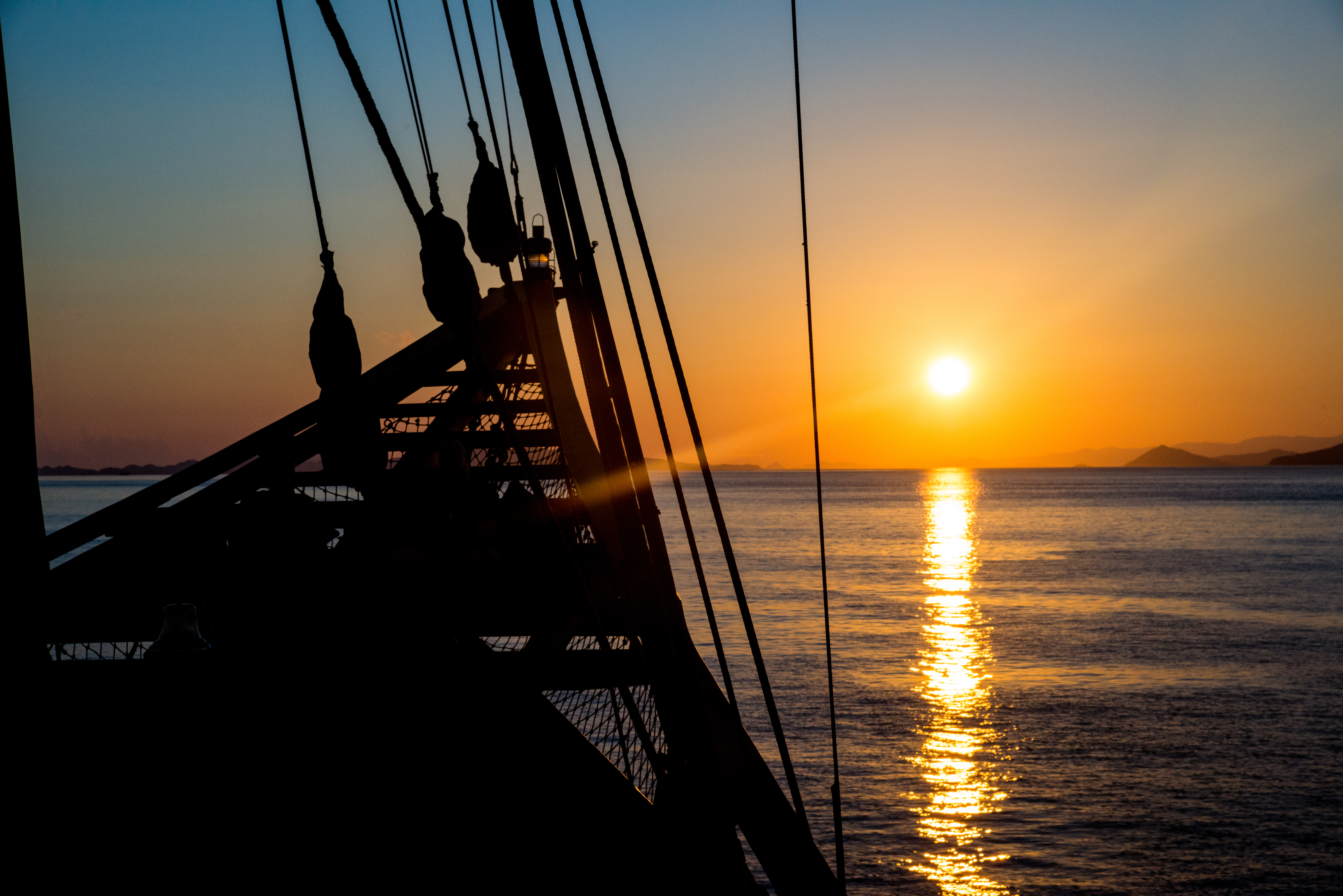
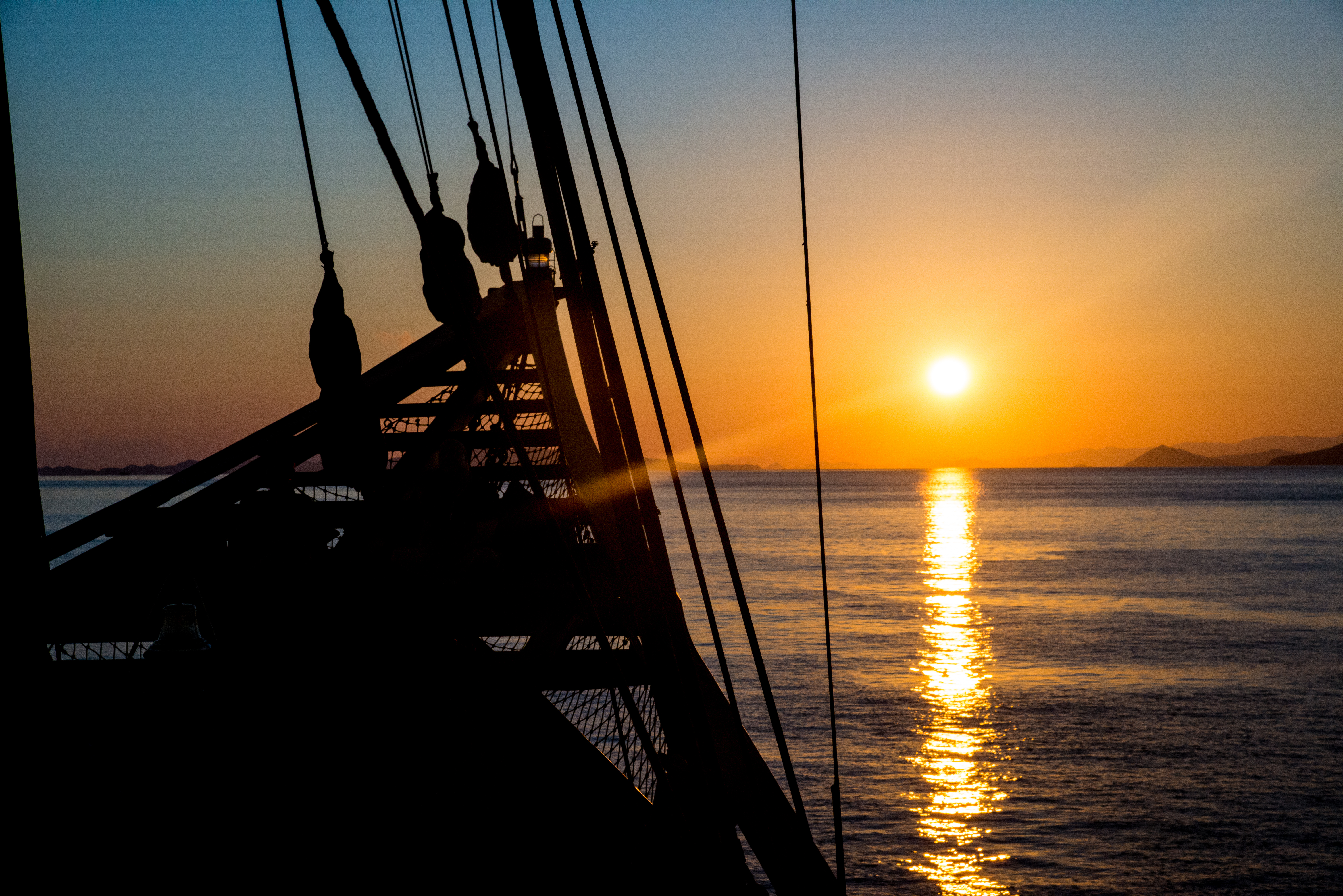
With Silolona Sojourns, a manta ray journey in Komodo becomes a private, science-aware expedition shaped by tide, current, comfort, and respect. You can drift through Gili Makassar’s shallow cleaning stations, explore Manta Alley when southern conditions allow, snorkel above manta habitat, and return each day to the quiet elegance of a handcrafted phinisi yacht. For divers, snorkelers, families, and conservation minded travelers, Silolona offers the rare balance of luxury and restraint: expert planning, flexible routing, remote access, and the patience required to let Komodo’s mantas appear on their own terms.
References
Germanov ES, Pierce SJ, Marshall AD, Hendrawan IG, Kefi A, Bejder L, et al. Residency, movement patterns, behavior and demographics of reef manta rays in Komodo National Park. PeerJ. 2022;10:e13302. doi:10.7717/peerj.13302
Newsome RJ, Stevens GMW, Peschak TP, Daly R, Lea JSE. Eat-clean-repeat: Reef manta rays Mobula alfredi undertake repetitive feeding-cleaning cycles at an aggregation site in Seychelles. Frontiers in Marine Science. 2024;11:1422655. doi:10.3389/fmars.2024.1422655
Setyawan E, Sianipar AB, Erdmann MV, Fischer AM, Haddy JA, Beale CS, et al. Natural history of manta rays in the Bird’s Head Seascape, Indonesia, with an analysis of the demography and spatial ecology of Mobula alfredi and Mobula birostris. Journal of the Ocean Science Foundation. 2020;36:49-83.
Silolona Sojourns. Luxury yacht charters across Southeast Asia. Official Silolona Sojourns website.
Dive Concepts. Makassar Reef, also known as Manta Point, Komodo National Park. Dive Concepts Komodo site guide.