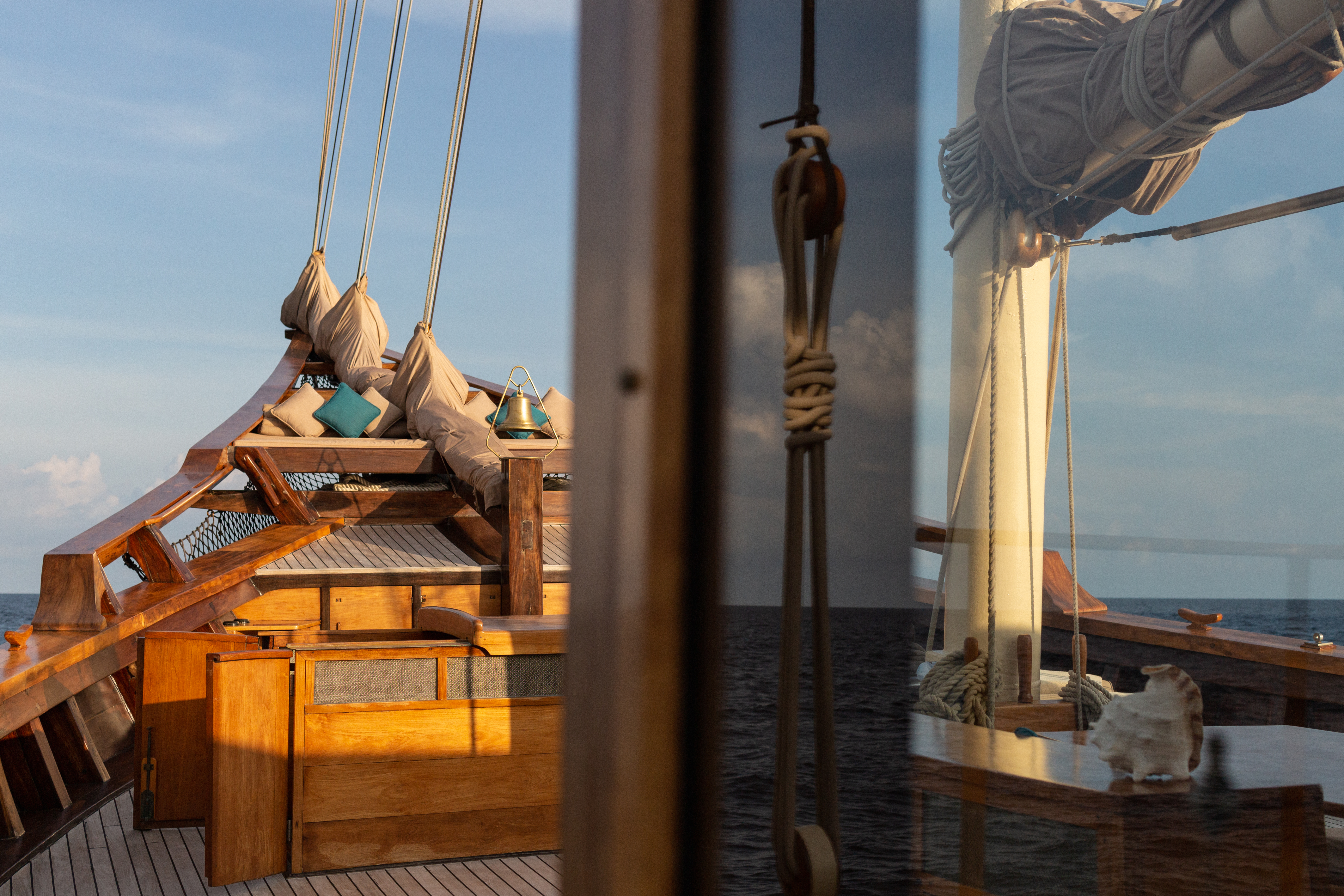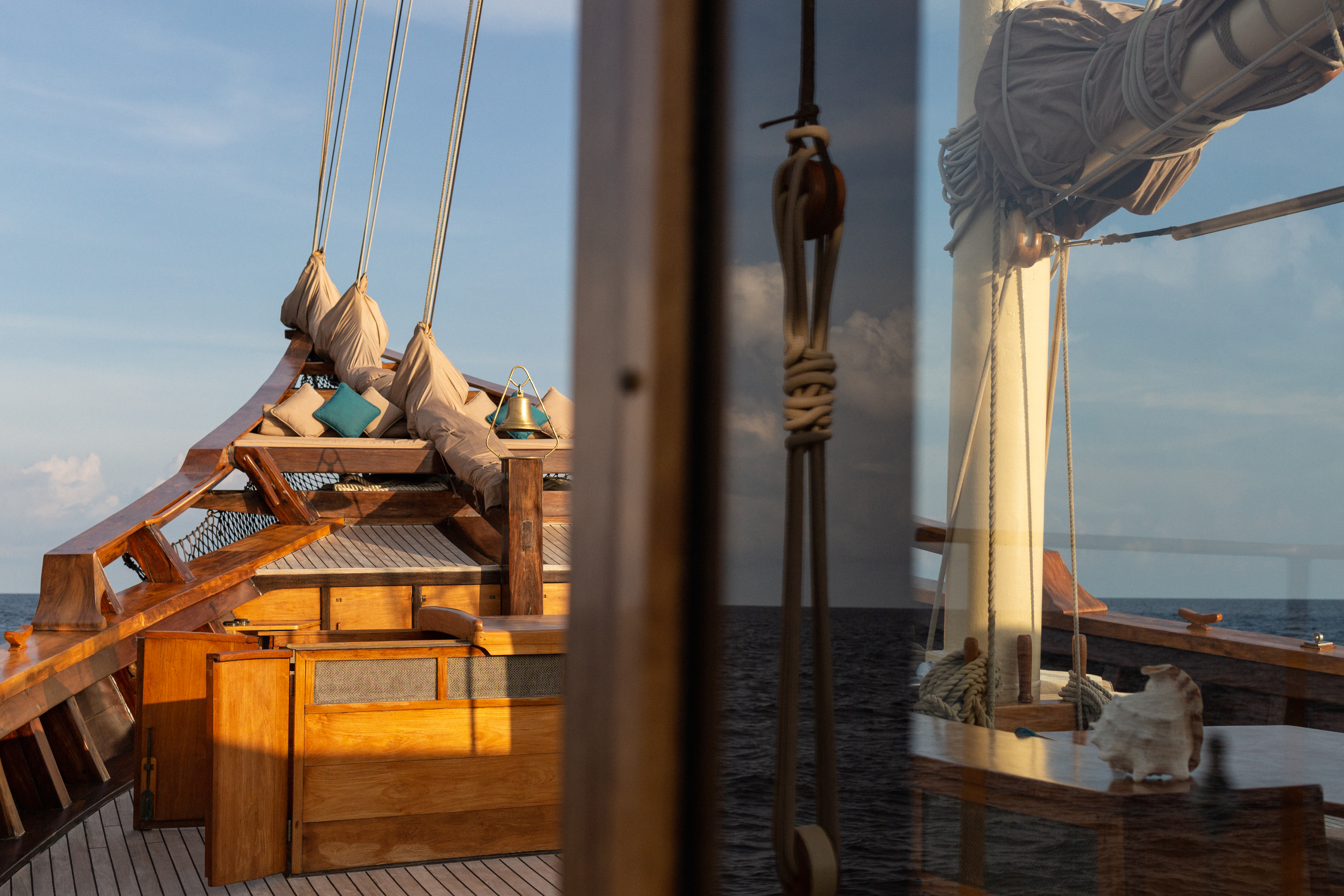
The Sea as Teacher: Maritime Philosophy in Indonesian Culture
You don’t simply travel across the Indonesian seas—you are shaped by them. Long before modern borders or nautical charts, the ocean functioned as a teacher: demanding humility, rewarding balance, and offering livelihood only to those who learned to listen. In Indonesia, the sea is not scenery. It is a living philosophy—one that continues to guide how communities think, move, and belong.
This is not maritime culture as performance or nostalgia. It is maritime thought as lived wisdom, refined over centuries of monsoon winds, uncertain horizons, and absolute dependence on nature. When you step into this worldview, you begin to understand why sailing here feels different—slower, quieter, more meaningful.
The Sea as Livelihood, Not Resource
In much of Indonesia, the sea has never been treated as something to be conquered or extracted. It is approached as a partner in survival. Fishing, trading, voyaging—these are not occupations detached from ethics. They are moral relationships.
Coastal and seafaring communities understand that abundance is conditional. Take too much, move too fast, ignore the rhythms of tide and season, and the sea withdraws its generosity. This philosophy fosters restraint rather than excess, patience rather than urgency.
Anthropological research on Austronesian maritime societies consistently shows that economic activity at sea is inseparable from social responsibility and ecological awareness (see Journal of Maritime Anthropology, 2018). Livelihood here is not measured only in catch or cargo—but in continuity.

Humility Before an Uncontrollable World
At sea, certainty dissolves quickly. Weather shifts without warning. Currents ignore human intention. In response, Indonesian maritime philosophy places humility at its core.
This humility is practical, not symbolic. You respect what you cannot control. You prepare rather than dominate. You listen—to elders, to stars, to subtle changes in wind and water. The sea reminds you daily that human power is provisional.
Philosophers of maritime cultures across Asia have noted that such environments produce worldviews centered on adaptability and emotional discipline rather than mastery (see Asian Philosophy, 2020). In Indonesia, this translates into a calm acceptance of risk—not fatalism, but awareness.

Balance as a Way of Navigating Life
Balance is not a metaphor—it is a survival skill. Traditional Indonesian sailors learn early that stability comes from constant adjustment. You counter the wind, redistribute weight, read the swell. Stillness is not the goal; equilibrium is.
This sensibility extends beyond sailing. Life, like the sea, is navigated through responsiveness. Too rigid, and you break. Too loose, and you drift.
Cultural studies of maritime Asia emphasize this “dynamic balance” as a defining philosophical trait—one that values harmony over control and timing over speed (see Journal of Southeast Asian Studies, 2019). When you sail with this mindset, the journey becomes a conversation rather than a contest.

Bugis Maritime Ethics: Honor, Knowledge, Responsibility
Nowhere is Indonesian maritime philosophy more clearly articulated than in the seafaring ethics of the Bugis people. For centuries, Bugis sailors crossed vast distances guided by an ethical code that binds courage to accountability.
Central to this worldview is siri’—a concept of personal and communal honor. At sea, your actions reflect not just on yourself, but on your lineage and crew. Recklessness is dishonor. Skill without integrity is incomplete.
Navigation knowledge—stars, currents, seasonal winds—is treated as inherited wisdom, not proprietary advantage. It is preserved, shared, and respected. Scholars studying Bugis maritime traditions highlight how ethics, cosmology, and navigation form a single integrated system rather than separate domains (Maritime Studies, 2017).
When you understand this, sailing in Indonesia stops being an activity and becomes a moral act.


Is Sailing Spiritual?
Sailing invites presence. You wake with the light. You move at the pace of wind and tide. Distractions fall away because they are irrelevant. The sea demands attention, and in return, offers clarity.
Across maritime Asia, researchers have noted that seafaring cultures often develop what might be called “applied spirituality”—not doctrine, but disciplined awareness (Religion & Ecology, 2021). In Indonesia, this takes the form of respect, restraint, and gratitude rather than ritual.
When you sail here, you don’t escape the world. You re-enter it, stripped down to what matters.
How Culture Shapes the Way People Sail
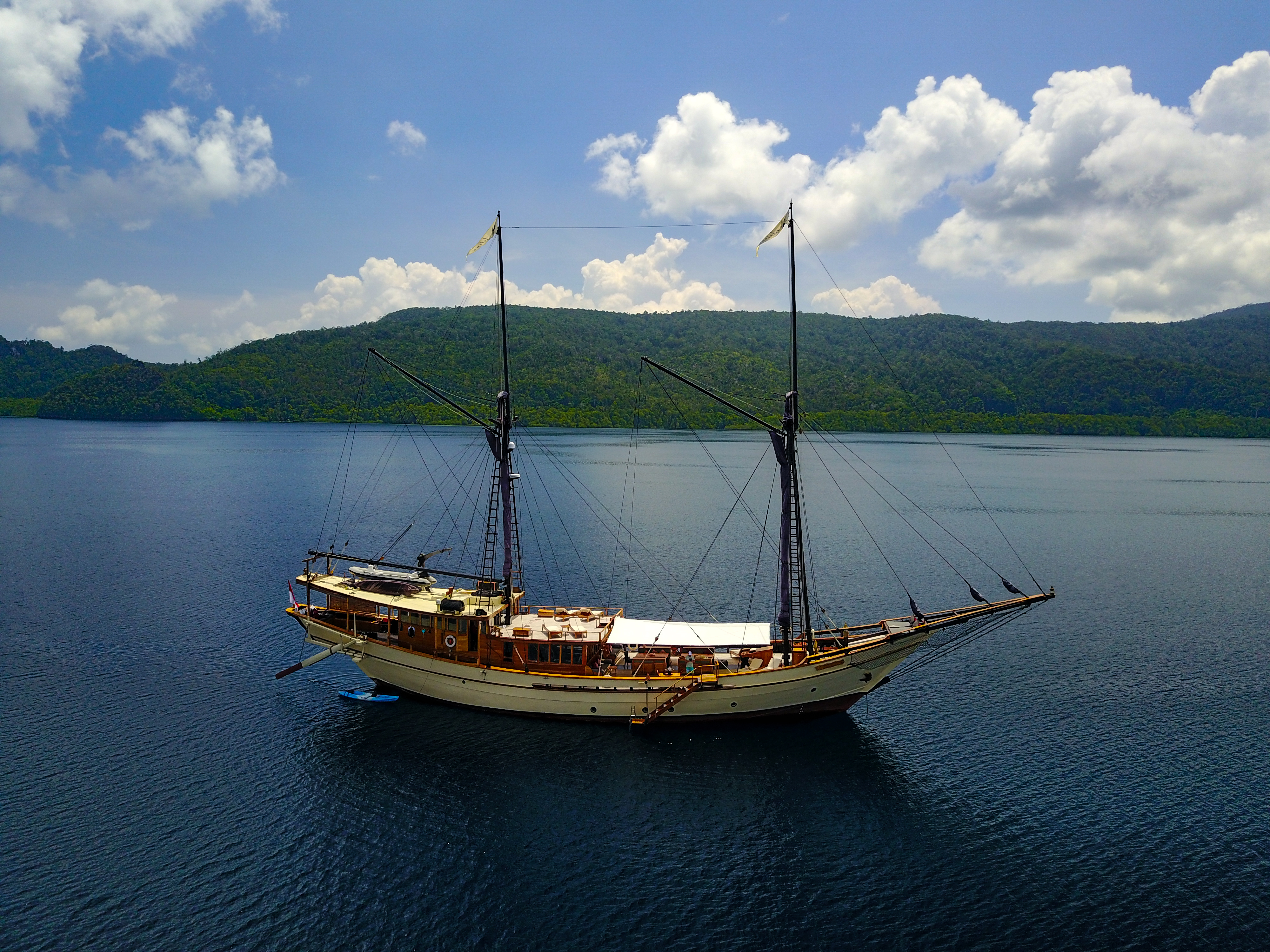
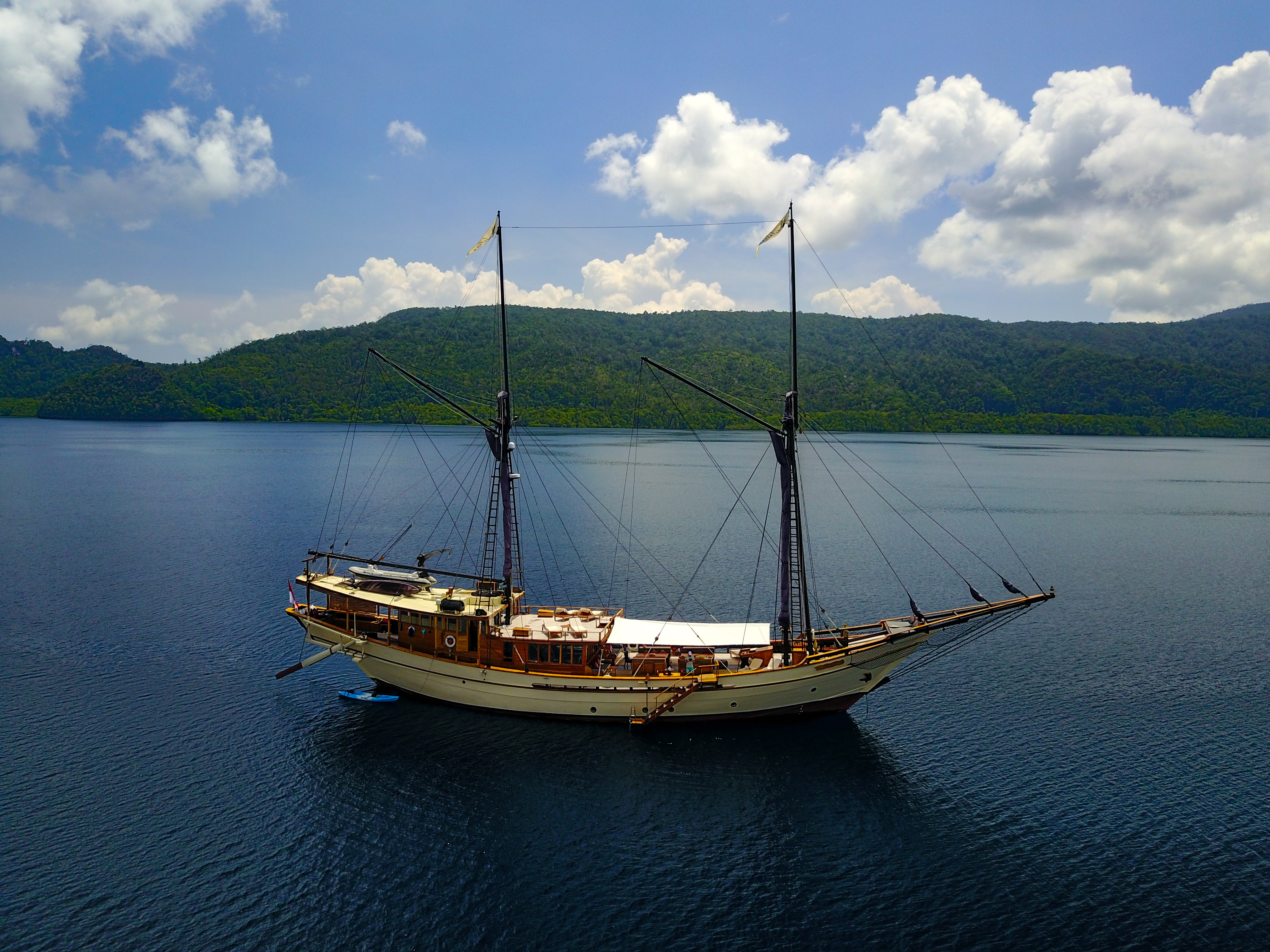
Culture determines what sailors prioritize. In Indonesia, navigation is relational. You read the environment, yes—but also the people you sail with. Leadership is situational. Decisions are collective. Silence can be as important as command.
This contrasts sharply with more mechanistic seafaring traditions, where efficiency and hierarchy dominate. Indonesian maritime culture values cohesion over optimization, continuity over conquest.
It is precisely this depth—philosophical, ethical, cultural—that is often flattened or bypassed elsewhere in favor of surface-level storytelling. Yet this is where meaning lives: in abstraction grounded by experience.


Why This Philosophy Still Matters Today
In an era of speed, extraction, and digital detachment, Indonesia’s maritime philosophy offers something quietly radical: a reminder that progress without balance is erosion.
The sea teaches limits. It teaches patience. It teaches that luxury is not excess, but alignment—moving through the world without force.
To engage with the Indonesian sea is to accept that you are not the center of the journey. You are a participant.
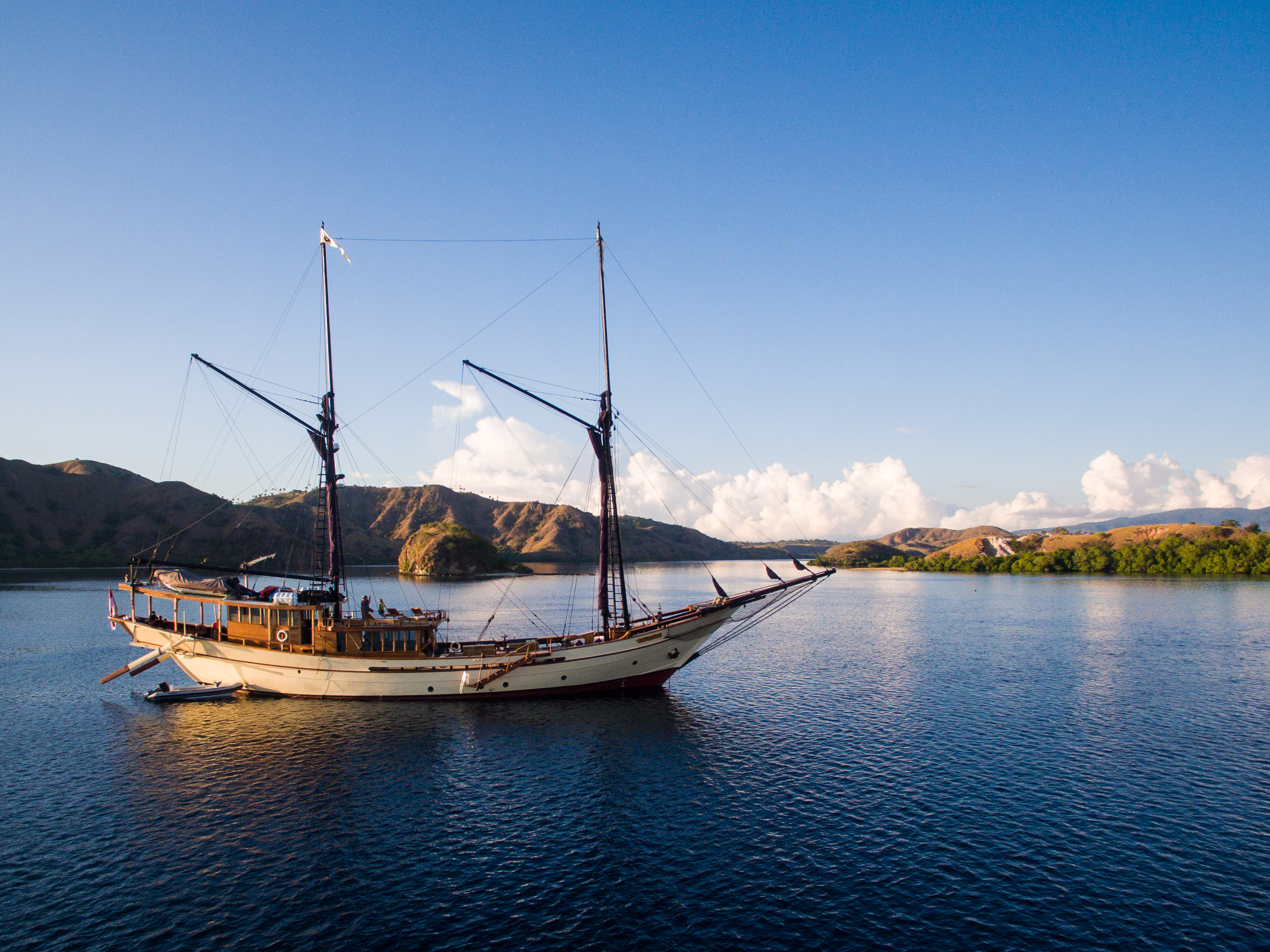

Begin Your Journey with Silolona Sojourns
When you sail with Silolona Sojourns, you are not simply chartering a vessel—you are entering a lineage of maritime thought. Every route honors traditional sea knowledge. Every journey respects rhythm, culture, and context.
This is sailing shaped by philosophy, not spectacle. Where the sea remains the teacher—and you, the willing student.
Step into the deeper currents. Discover Indonesia as it has always been known from the water with Silolona Sojourns.