The Soul of the Sea: Indonesia’s Maritime Culture and the Legacy of the Phinisi
At first light, the sea around Indonesia rarely feels empty. Even when the horizon is clear and the wind barely stirs, there is a sense of movement—of stories traveling just beneath the surface. For centuries, these waters have shaped how people lived, traded, believed, and understood their place in the world.
This is the heart of Phinisi maritime culture and Indonesian seafaring heritage. Not a chapter of the past, but a living continuity—one that still unfolds every time a wooden sail rises against the sky.
A Civilization Formed by the Sea
Indonesia is not simply a country with islands. It is a maritime world held together by water. With more than 17,000 islands scattered across critical ocean corridors, the sea has long served as connector rather than boundary.
Historians writing in Indonesia and the Malay World describe early Indonesian societies as fundamentally maritime in outlook. Power, commerce, and cultural exchange moved by sail, not by road. Knowledge traveled with currents and monsoon winds, linking distant communities long before the idea of a nation existed.
When you sail here, you are tracing routes that once carried spices, ideas, languages, and belief systems—routes that quietly shaped Southeast Asia.

The Bugis & Konjo: Navigators of Open Horizons
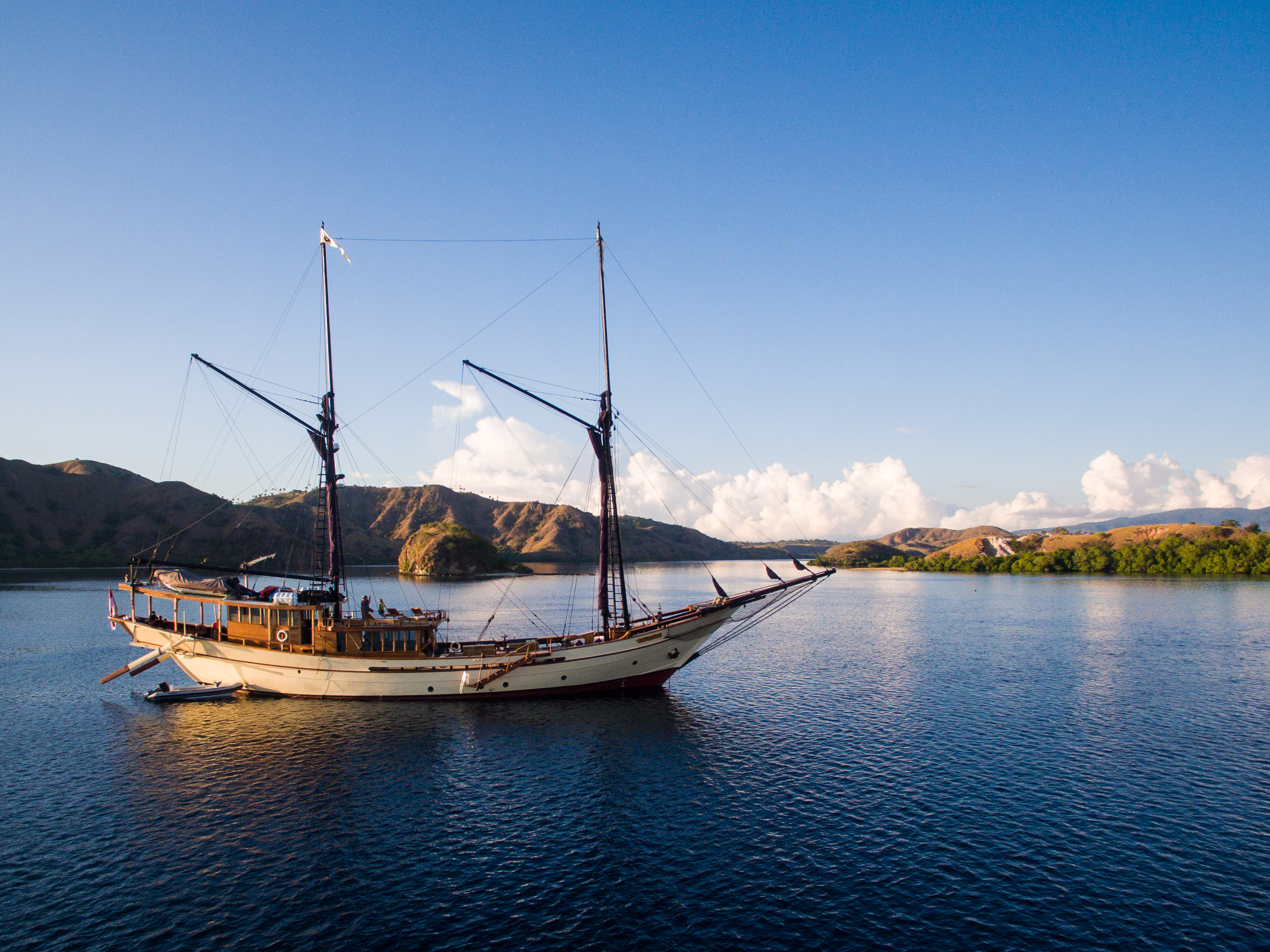
Among Indonesia’s many seafaring peoples, the Bugis and Konjo of South Sulawesi stand out for their reach and resilience. These sailors were not confined to coastal waters. They crossed open seas using star paths, seasonal winds, and inherited memory, navigating without instruments in ways that continue to impress modern scholars.
Research published in the Journal of Maritime Archaeology places Bugis navigation among the world’s most advanced indigenous seafaring systems. But for the sailors themselves, this knowledge was never abstract. Navigation was ethical as much as technical—rooted in respect for the sea’s authority and an understanding that survival depended on balance, not conquest.
From this worldview emerged a vessel designed not to dominate the ocean, but to move in harmony with it.
The Phinisi: A Vessel That Carries Identity
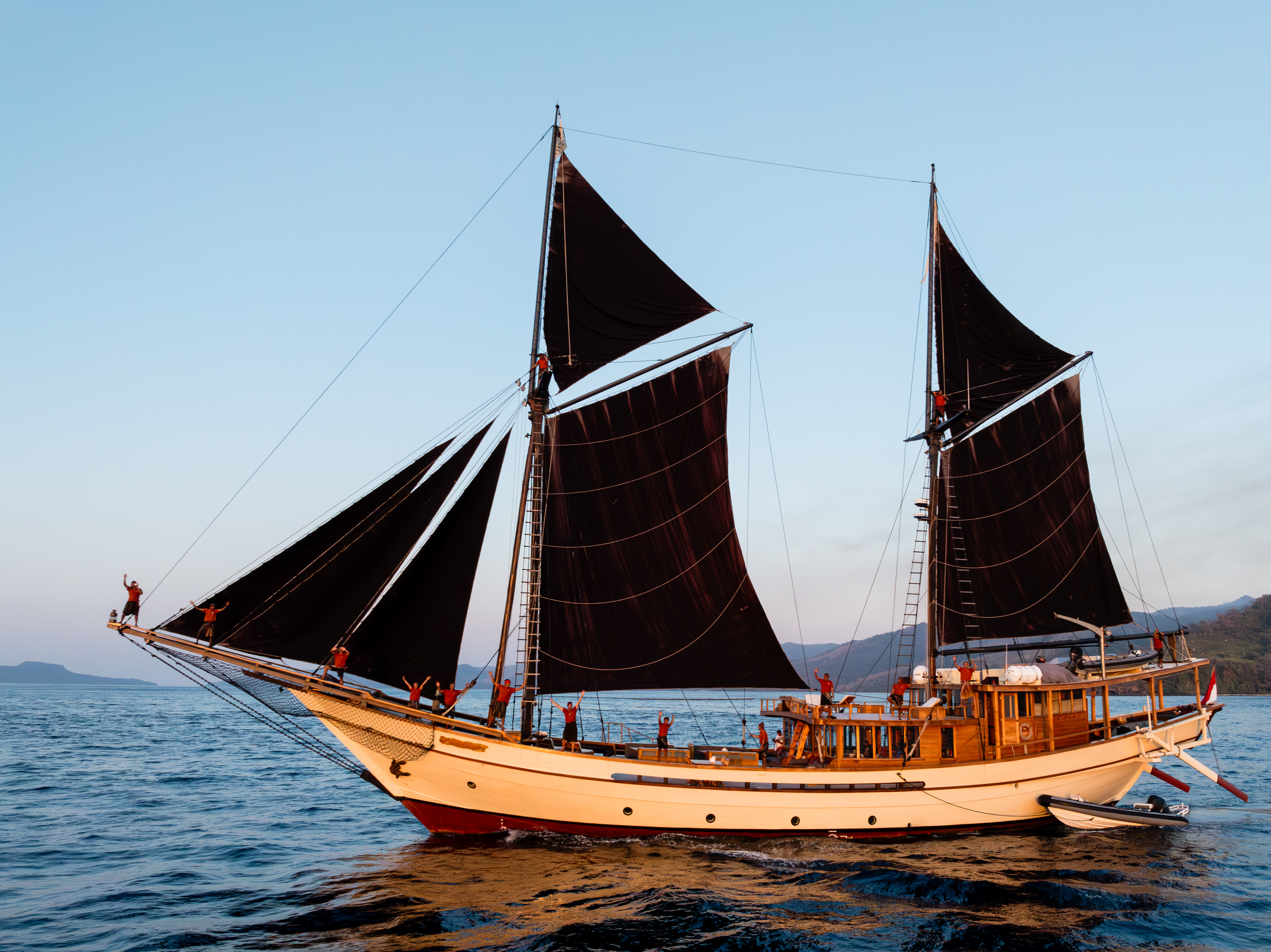
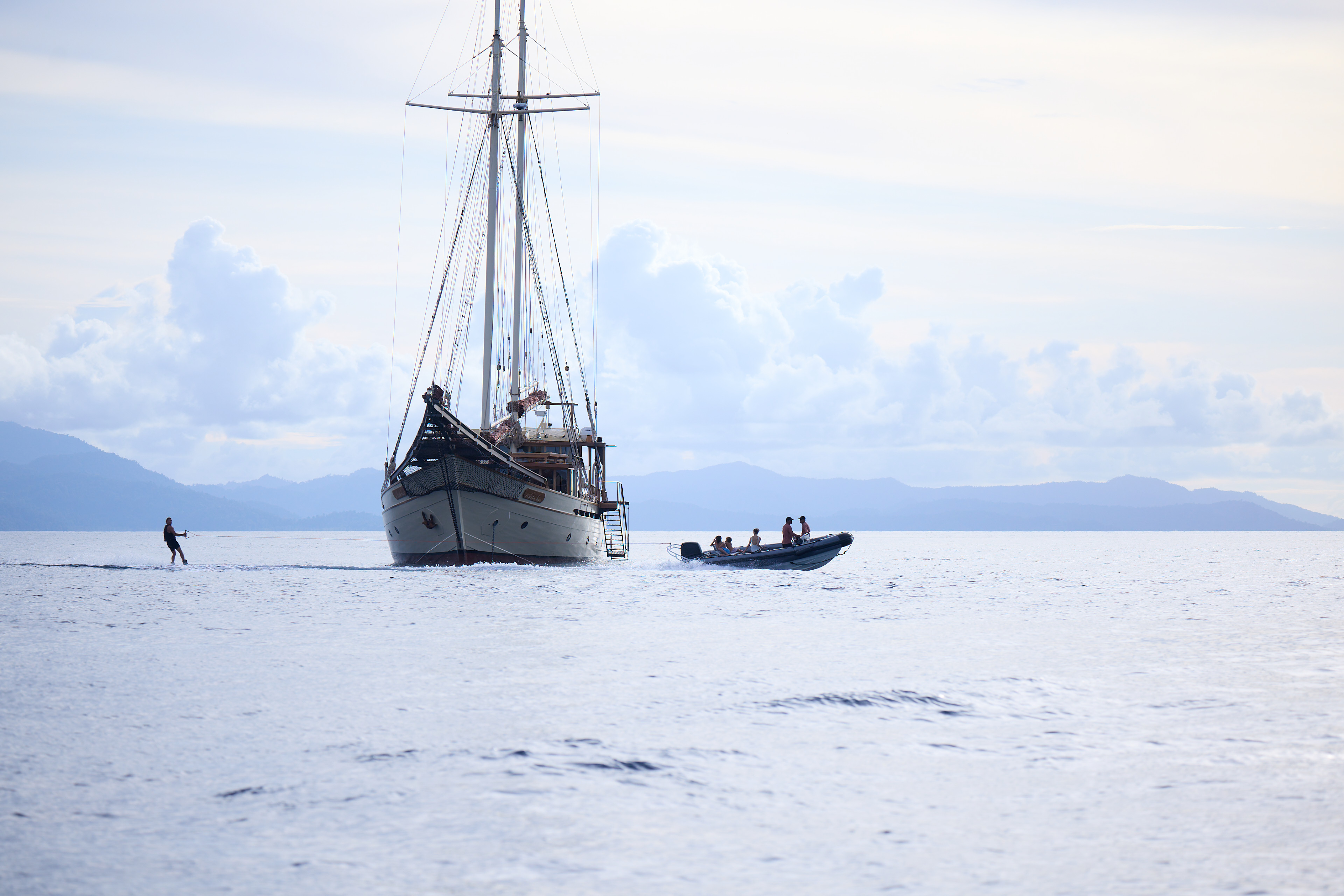
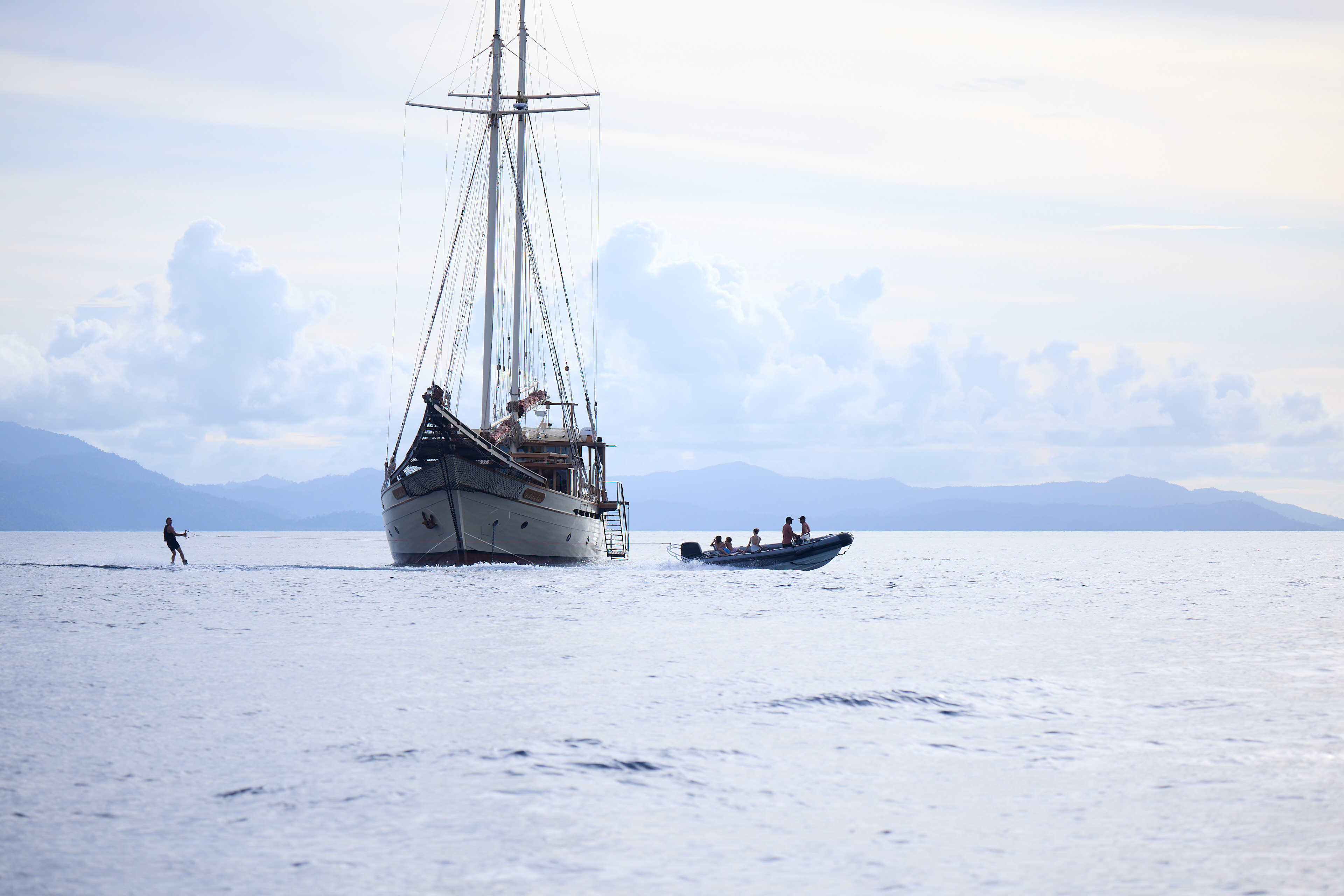


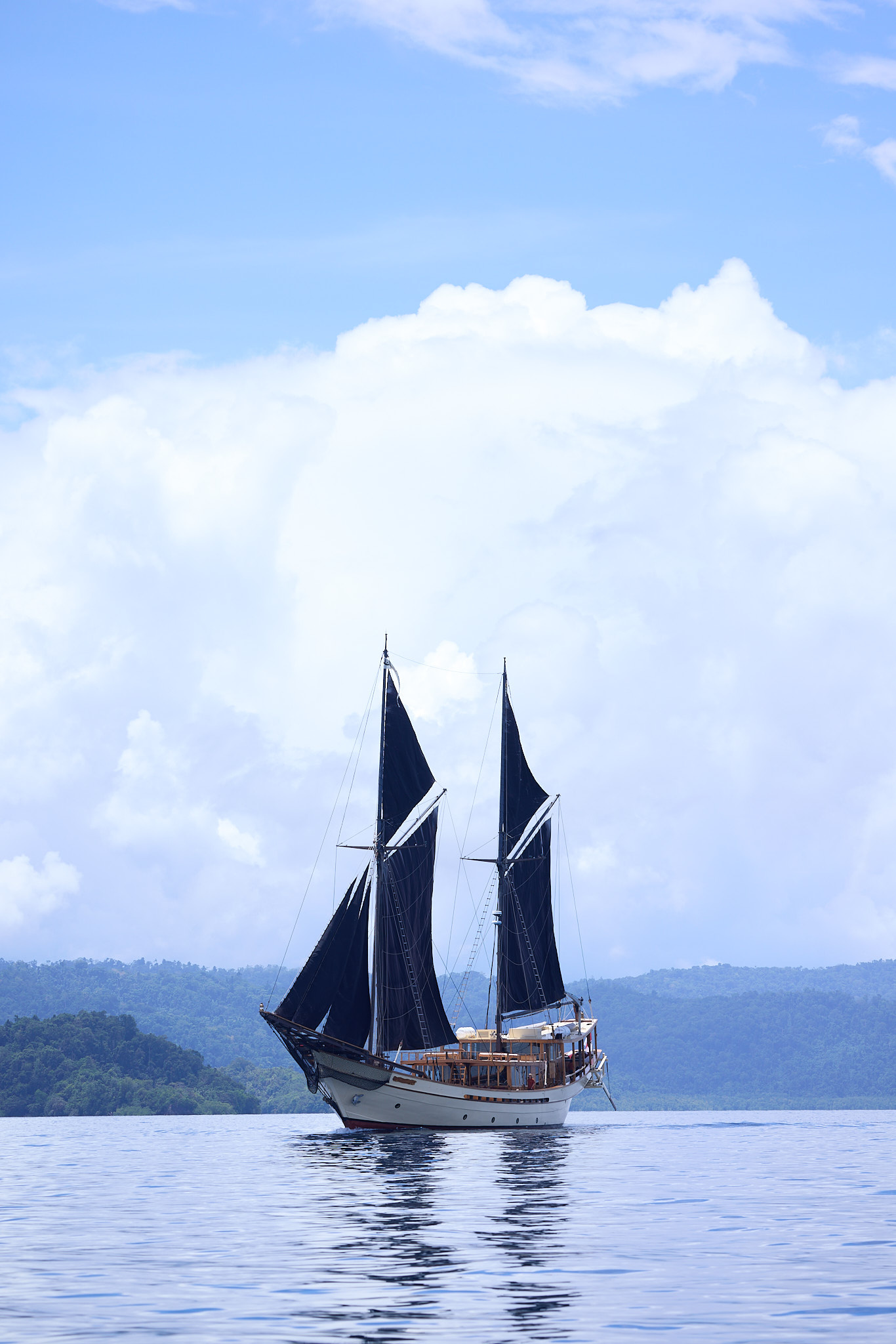
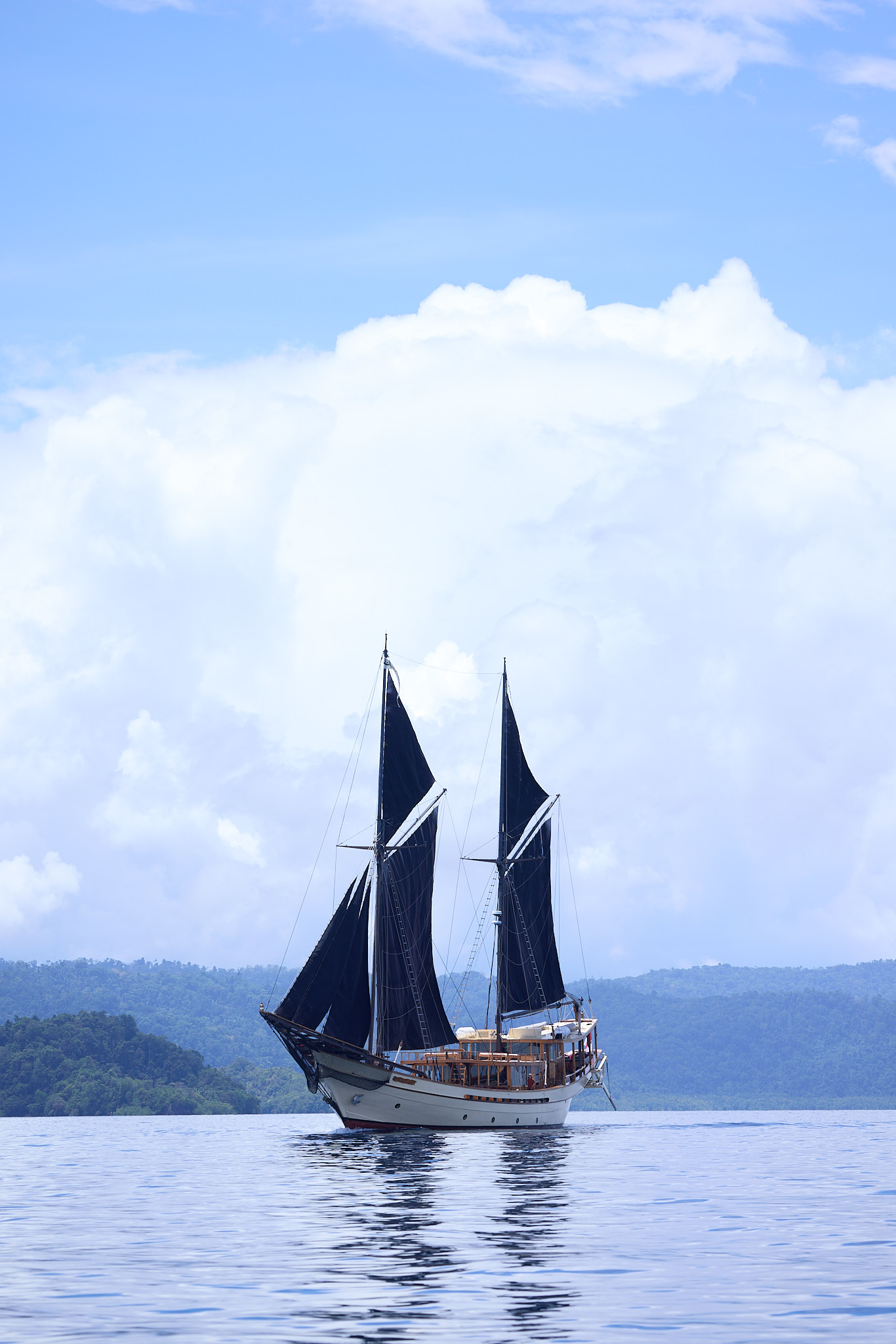
The Phinisi is often admired for its silhouette—twin masts, sweeping lines, billowing sails. Yet its deeper significance lies in what cannot be measured.
Each Phinisi is built by hand in South Sulawesi, guided by ancestral rules rather than blueprints. The proportions of the hull, the timing of construction, and the launch rituals all follow inherited customs. A Phinisi is not merely assembled; it is welcomed into existence.
In 2017, this shipbuilding tradition was recognized by UNESCO as Intangible Cultural Heritage. The designation acknowledged not just craftsmanship, but a body of knowledge—navigation, cosmology, and social values—passed orally from one generation to the next.
To step aboard a Phinisi is to enter that continuum.
Living Maritime Culture, Not Preserved History
It is tempting to view traditional seafaring as something preserved behind glass. Indonesia resists that framing.
Anthropologists writing in Asian Ethnology note that maritime traditions here endure precisely because they adapt. Builders may use modern tools, sailors may rely on updated charts, yet the underlying logic remains unchanged: the sea is a partner, not a resource to be mastered.
This is why Indonesian maritime culture still feels alive. You encounter it not in museums, but in working shipyards, in ceremonies before a voyage, in the quiet confidence of sailors reading the weather with practiced eyes.

Sailing as Cultural Encounter
For you as a traveler, this changes the meaning of a journey. Sailing Indonesia is not about ticking destinations off a map. It is about moving through a cultural landscape shaped by water, wind, and time.
Understanding Indonesian seafaring heritage adds depth to every horizon. The islands become more than scenery; they become part of a broader narrative of movement, exchange, and survival. Luxury, in this context, is not excess—but access to meaning.
A Quiet, Contextual Way of Exploring the Sea
Some experiences are designed to impress. Others are designed to reveal.
Sailing aboard a traditionally inspired vessel allows you to engage with Indonesia’s maritime culture at its own pace—unhurried, observant, and grounded in place. The journey becomes less about spectacle and more about listening: to the rhythm of the hull, the direction of the wind, the stories embedded in craftsmanship and seamanship.
People Also Ask
What is Indonesia’s maritime culture?
Indonesia’s maritime culture is a sea-oriented way of life shaped by navigation, trade, ritual, and oral tradition across thousands of islands. It emphasizes connection, adaptability, and harmony with natural forces.
Why is the Phinisi important?
The Phinisi represents a living shipbuilding and seafaring tradition that encodes cultural identity, navigational knowledge, and spiritual values—recognized globally through UNESCO.
Who were Indonesia’s seafaring peoples?
Among the most influential were the Bugis and Konjo sailors of South Sulawesi, known for their long-distance voyages and sophisticated maritime knowledge systems.
The Sea as Memory
As sails catch the wind and the shoreline fades, it becomes clear that the sea remembers. It carries the traces of those who traveled before—of navigators who trusted the stars and shipbuilders who understood wood as something alive.
To journey aboard a Phinisi is to move within that memory. Not as an observer, but as a participant—following paths shaped by centuries of maritime wisdom.
If you are drawn to travel that reveals rather than rushes, that connects rather than consumes, the sea of Indonesia is still ready to teach.
Where This Story Continues at Sea
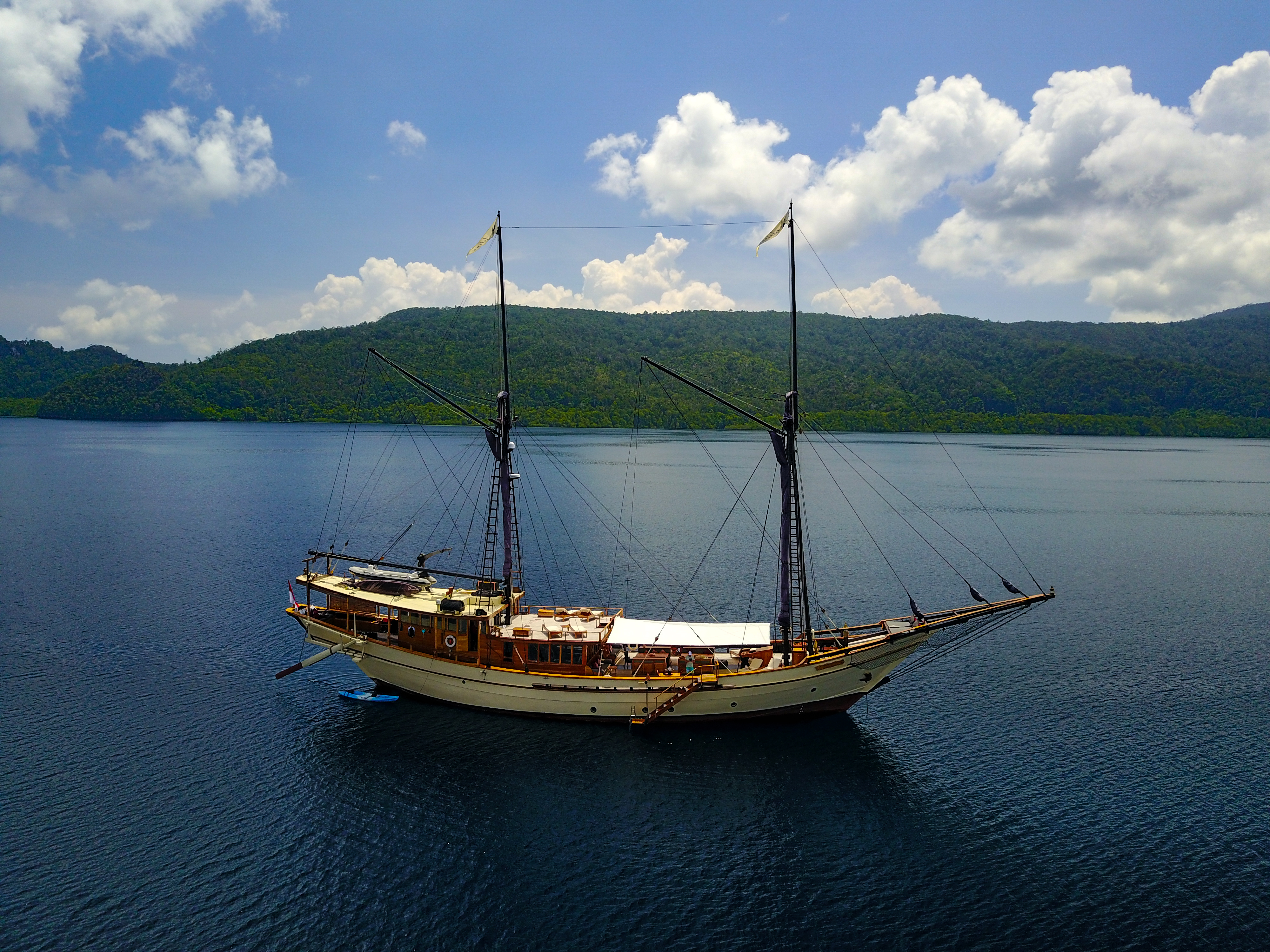
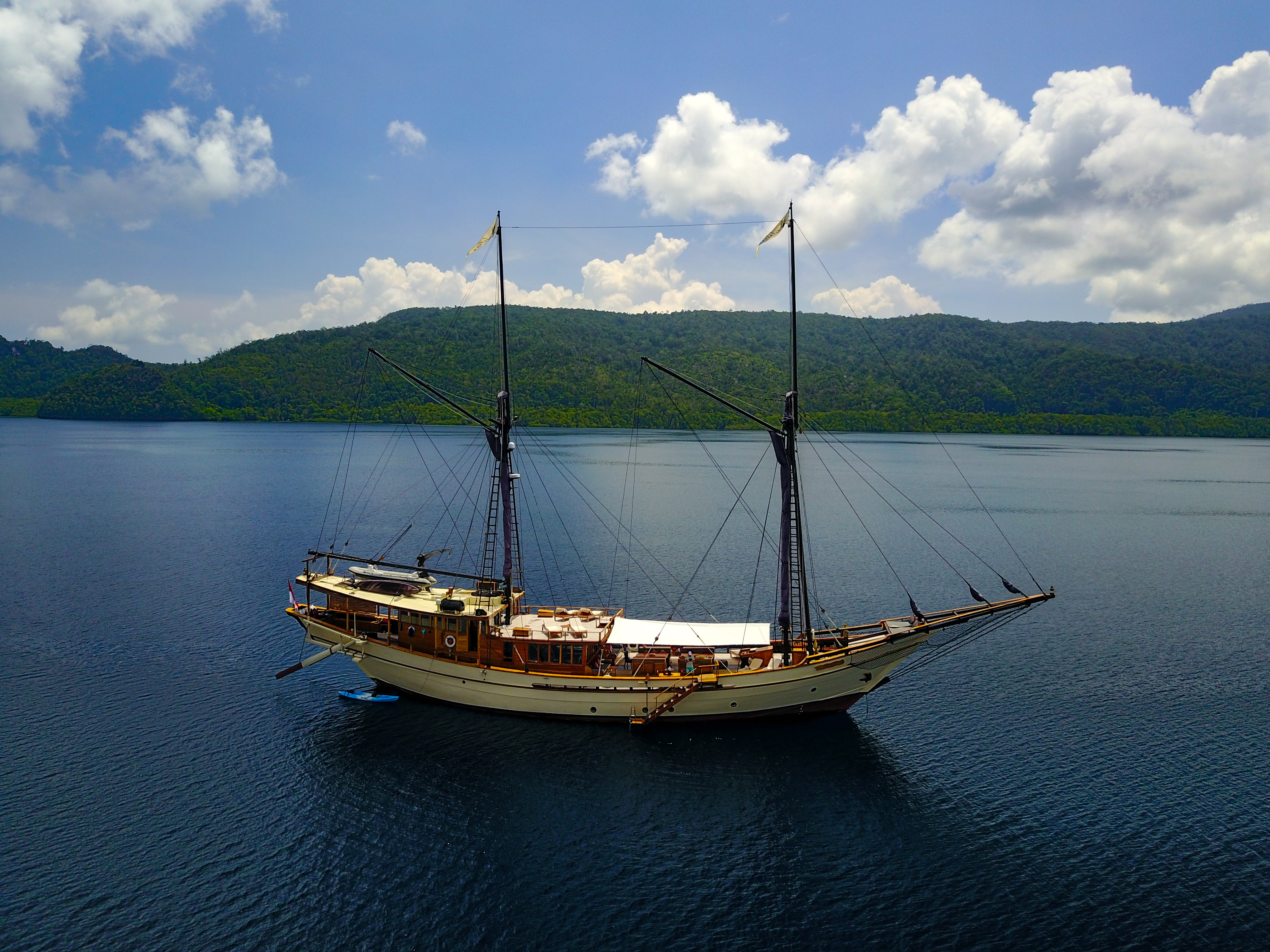
For those who feel drawn to this way of traveling—where sailing is inseparable from culture and context—there are still vessels in Indonesia that carry this legacy forward with care. Through voyages shaped by maritime knowledge, craftsmanship, and a deep respect for place, Silolona Sojourn’s offers a way to experience Indonesia’s seafaring heritage as it has always been lived: slowly, thoughtfully, and in dialogue with the sea.
Each journey follows the rhythms of wind and water, inviting you not just to visit Indonesia’s islands, but to understand the maritime civilization that has connected them for centuries.