

Twenty Sharks Left: Inside the Rewilding of Raja Ampat’s Leopard Sharks
In 2020, after divers had logged more than 15,000 hours underwater across two decades in Raja Ampat, the survey record held just three sightings of a single fish: the Indo-Pacific leopard shark, a slow, spotted, bottom-resting animal that once patrolled these reefs in numbers. Mark Erdmann, the marine biologist who had spent much of his career mapping this coastline, did the math a working scientist has to do and arrived at a figure he has repeated since with a kind of clinical flatness. Fewer than twenty individuals were thought to remain across seven million hectares of sea. A species had gone quiet in one of the most biodiverse marine regions on Earth, and almost no one had noticed.
The reason it happened is not a mystery, which is part of what makes the leopard shark conservation story in Raja Ampat so useful to understand. Through the late 1990s and early 2000s, these sharks were caught for the global fin trade. They are easy prey by design: they rest on the seafloor, they do not flee, they are docile to the point of indifference toward a diver’s hand. When the fin market wanted volume, animals that hold still are the first to disappear. By the time a network of marine protected areas took hold in the region in 2004, the reefs began to heal, manta rays returned, fish stocks climbed back. The leopard sharks did not. They had been fished below the threshold from which a population can rebuild itself. Left alone, they were not recovering. They were waiting to finish vanishing.
The scientist who decided the reef could not fix this one on its own
Erdmann is not a figure who needs embellishing, so it is worth being precise about who he is. He is a coral reef ecologist who lived and worked in Indonesia for twenty-three years, logged more than 12,000 dives, and described 182 species of fish, mantis shrimp, and coral new to science across a career that has produced hundreds of scientific papers.1 With his longtime colleague Gerald Allen, he co-authored Reef Fishes of the East Indies, the three-volume reference that catalogues nearly 2,900 species across the world’s richest coral region, a work most serious divers consider definitive. His fieldwork anchors the Bird’s Head Seascape, the conservation program that helped make Raja Ampat’s marine protected areas function rather than merely exist on paper.
That last point matters, because it explains why Erdmann reached an uncomfortable conclusion. Protection alone, the thing that had worked for so much else in these waters, was not going to bring the leopard shark back. There were too few animals left, too scattered, with no evidence of regular breeding.2 A reef that heals its corals and refills with fish can still lose a species permanently if the remaining population falls below what biologists call functional extinction: present, technically, but no longer able to sustain itself. Erdmann’s read of the data was that Raja Ampat had crossed that line. If the shark was going to return, someone would have to put it back.
An asymmetry hidden in the genetics
The idea that made a rescue plausible came from an unglamorous place: a reassessment of the species for the IUCN Red List, which surfaced what Erdmann calls a conservation asymmetry. Genetic work confirmed that Raja Ampat’s leopard sharks belong to the same eastern Indo-Pacific population as animals thriving in aquariums and in the wild off Australia. The sharks vanishing here were, genetically, the same sharks breeding reliably in captivity elsewhere. That meant the gap between a functionally extinct wild population and a stable captive one could, in principle, be bridged. Eggs laid in a tank in Sydney could become sharks swimming in Papua.
This became the StAR Project, for Stegostoma tigrinum Augmentation and Recovery, launched in 2020 and run through ReShark, an international collective Erdmann helped convene to rebuild threatened shark and ray populations. The model is deliberately unromantic in its logistics, which is what allows it to scale. Public aquariums across the United States, Europe and Australia donate eggs, the leathery cases divers call mermaid’s purses. Those eggs are shipped to Raja Ampat, where they hatch and grow in two in-water nurseries: one in the north at the Raja Ampat Research and Conservation Centre on Kri Island, one in the south at the Misool Foundation’s site. A team of young Indonesian conservationists the project affectionately calls the shark nannies raises each pup for roughly ten to twelve months, long enough to learn to forage, until it reaches around a meter in length and can be released into protected water with a fighting chance against predators.
Nesha Ichida runs the Indonesian side of that operation. She is the program manager and co-chair of the StAR steering committee, and within the project she is less a supporting name than the person who has turned a scientific concept into a functioning nursery with a local team behind it. Erdmann is candid that this is the point. The program’s durability depends on Indonesian scientists like Ichida owning it, because a rewilding effort measured in decades cannot rest on a single foreign biologist who eventually goes home.
Shipping an egg, raising a pup, then finding it again in the sea
The releases began in 2023 with five pups, the world’s first conservation translocations of the species, and drew coverage from National Geographic, Good Morning America and Forbes as the rare good-news marine story that also happened to be scientifically serious.3 In 2024 the project released its first batch of six, sharks larger and better prepared than the first cohort. By recent counts, roughly fifty leopard sharks have been returned to Raja Ampat’s waters, with dozens more expected in a single year as the nurseries hit their stride. The ambition is a sustained fifty to one hundred releases annually, enough to seed a population that breeds on its own.
Releasing a shark, though, is only half of a rewilding. The harder scientific question is whether the released animals survive, where they go, and whether they eventually find each other and reproduce. That is where the newest tool comes in. This year Erdmann’s team introduced satellite and acoustic tagging to the effort, fitting released sharks with tags tracked across a grid of underwater receivers. For the first time, the project can watch its own work in something close to real time: which pups establish territory, which range widely, which survive their first months in open water. Early signs are encouraging in a way biologists rarely allow themselves to sound. Sightings of leopard sharks have climbed since the reintroductions began, and there is quiet speculation that pheromones from the young released animals may be drawing in the last wild adults, which would open the possibility of natural breeding returning on its own.


An expedition built to put guests inside the science
For most of two decades this work has needed something that grant cycles and headlines do not reliably supply: patient, unbroken funding, and the kind of on-water logistics that only people who know these islands intimately can provide. That is the quiet role Silolona Sojourns has played, and it is worth stating plainly because it is verifiable rather than promotional. Silolona has worked with Dr. Erdmann, Nesha Ichida and the ReShark team for over two decades. The relationship predates the current attention, predates the tagging technology, predates the point at which leopard shark recovery became a story anyone outside marine biology wanted to tell.
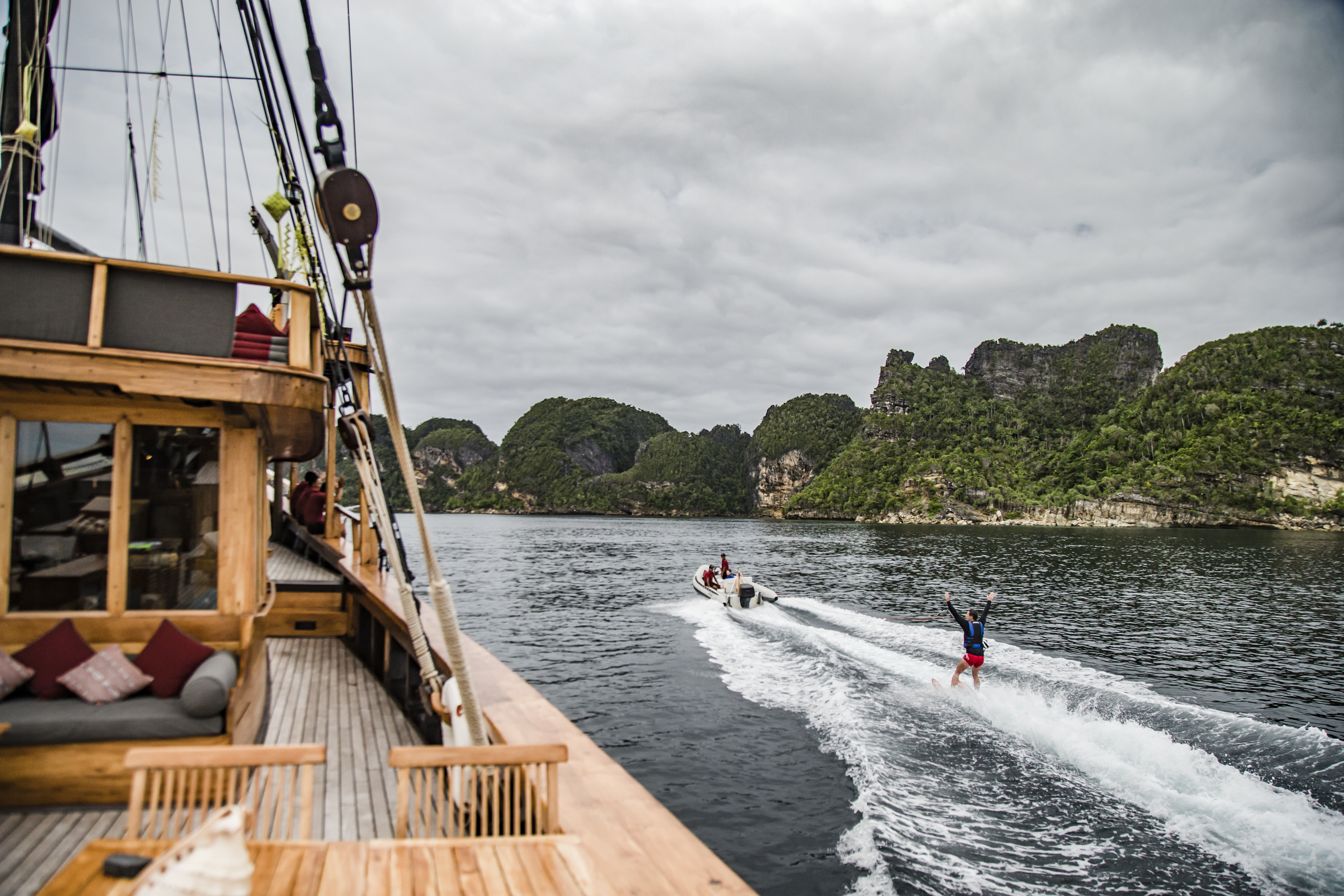
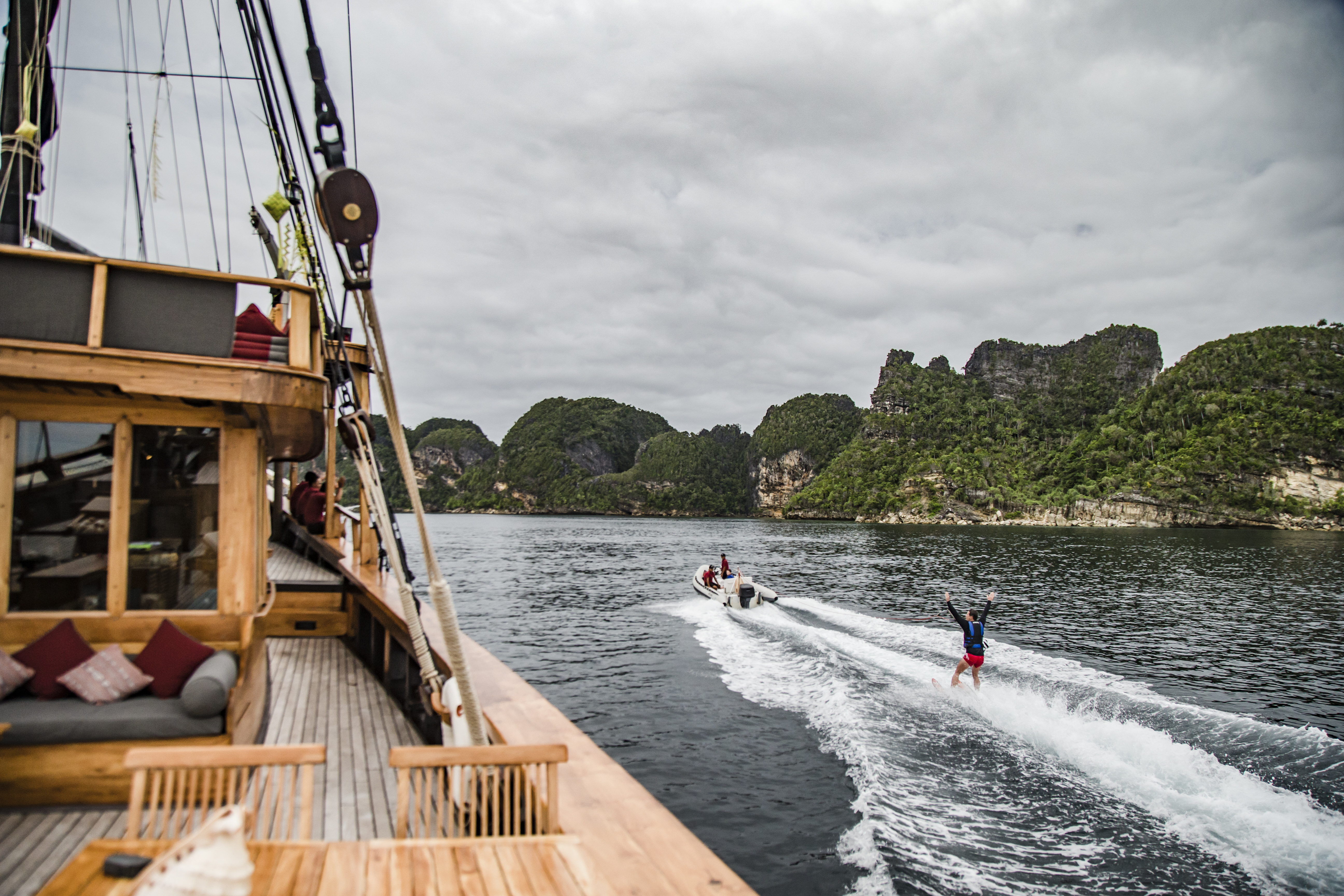
That long partnership is about to become something guests can join. In Spring 2027, Silolona Sojourns and luxury adventure company Cookson Adventures will launch an exclusive expedition, The Lost Sharks of Raja Ampat, hosted by Erdmann and Ichida of ReShark. Running from 25 March to 4 April 2027 as a tandem charter aboard both Silolona and Si Datu Bua, the ten-night journey will place ten to fourteen guests directly alongside the people doing the fieldwork. Over the course of the trip, guests will visit both nurseries, at Kri Island and Misool, take part in releasing shark pups, and then spend days at each site attempting to re-find those pups in the wild using the same satellite and acoustic tagging technology introduced this year. Between the nursery sites the route takes in some of Raja Ampat’s most celebrated water, the Fam Islands, Balbulol, Wagmab and Mesempta, interwoven with diving, snorkelling, kayaking, trekking, and cultural exploration, and with evening discussions led by the scientists themselves.
It is a rare structure for a luxury charter: daily engagement with live monitoring work balanced against the relaxed rhythm of a private phinisi. Guests will also be part of their own short impact documentary, filmed by the Cookson Productions team and released publicly to raise awareness of the recovery effort. Those who wish can fund, co-create, and even feature in the film, and the expedition includes a conservation donation to ReShark to adopt two leopard shark pups, which guests may name and follow through photo and video updates as they grow toward release. This is what long-tenured commitment to a place makes possible: not a logo on a conservation report, but a working part of the infrastructure that kept a species from disappearing while the science caught up to the ambition, now opened to a handful of travellers willing to help fund the next chapter.
What twenty becomes
The leopard shark is not saved. Fifty animals in seven million hectares is a beginning, not a recovery, and Erdmann, who describes himself as an ocean optimist, is careful about the word. ReShark has already begun expanding the model to Thailand and eyeing other threatened species, which is the real measure of whether the StAR approach works: whether it becomes a method rather than a single miracle. But the arc from three sightings in 15,000 dive hours to a nursery pipeline, a tagging grid and a rising count of wild sightings is the most hopeful thing to happen to this species in a generation. It happened because a scientist refused to accept that protection alone was enough, because Indonesian conservationists built the operation to outlast any one of them, and because a handful of long-term partners funded the slow years when there was nothing yet to celebrate.
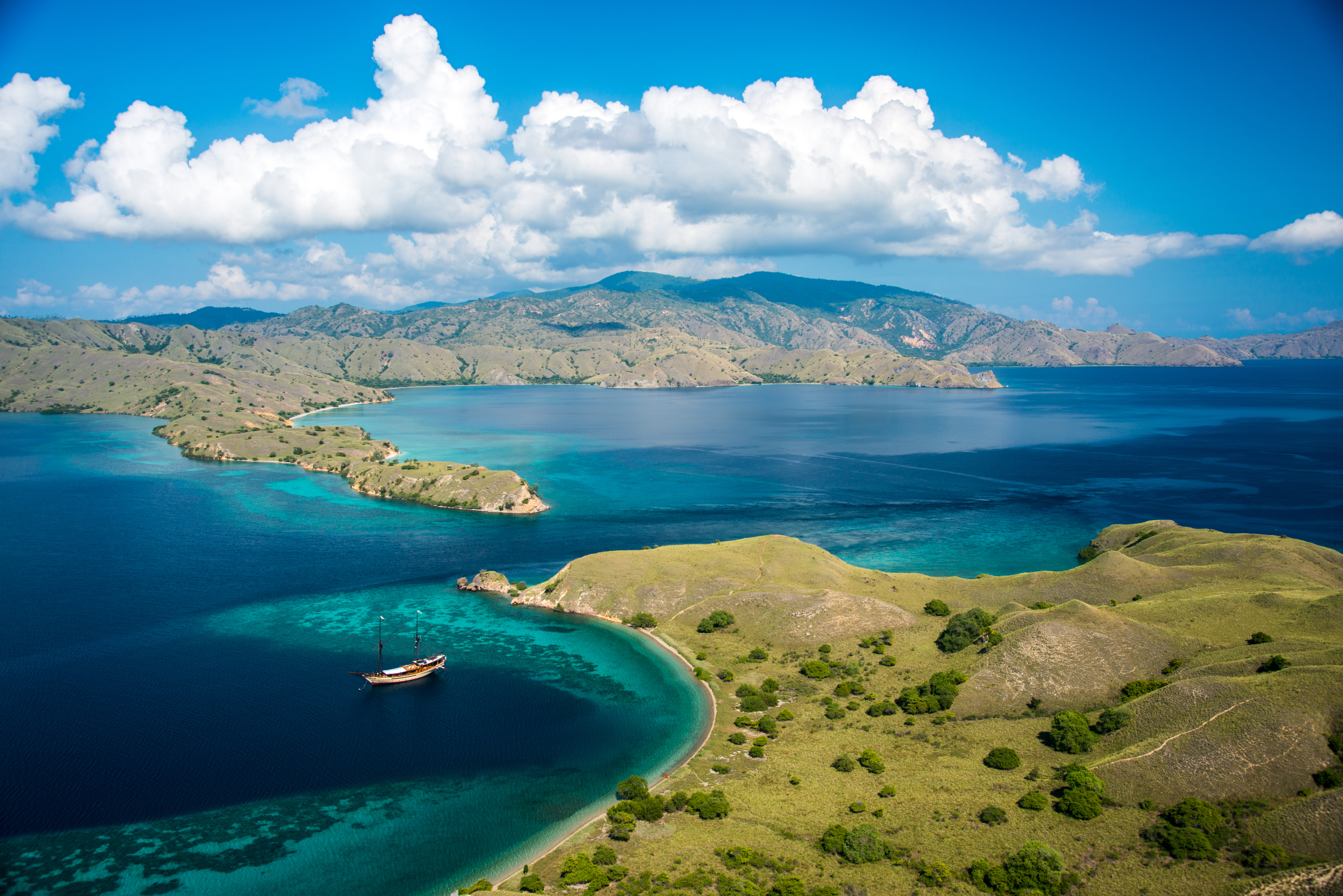
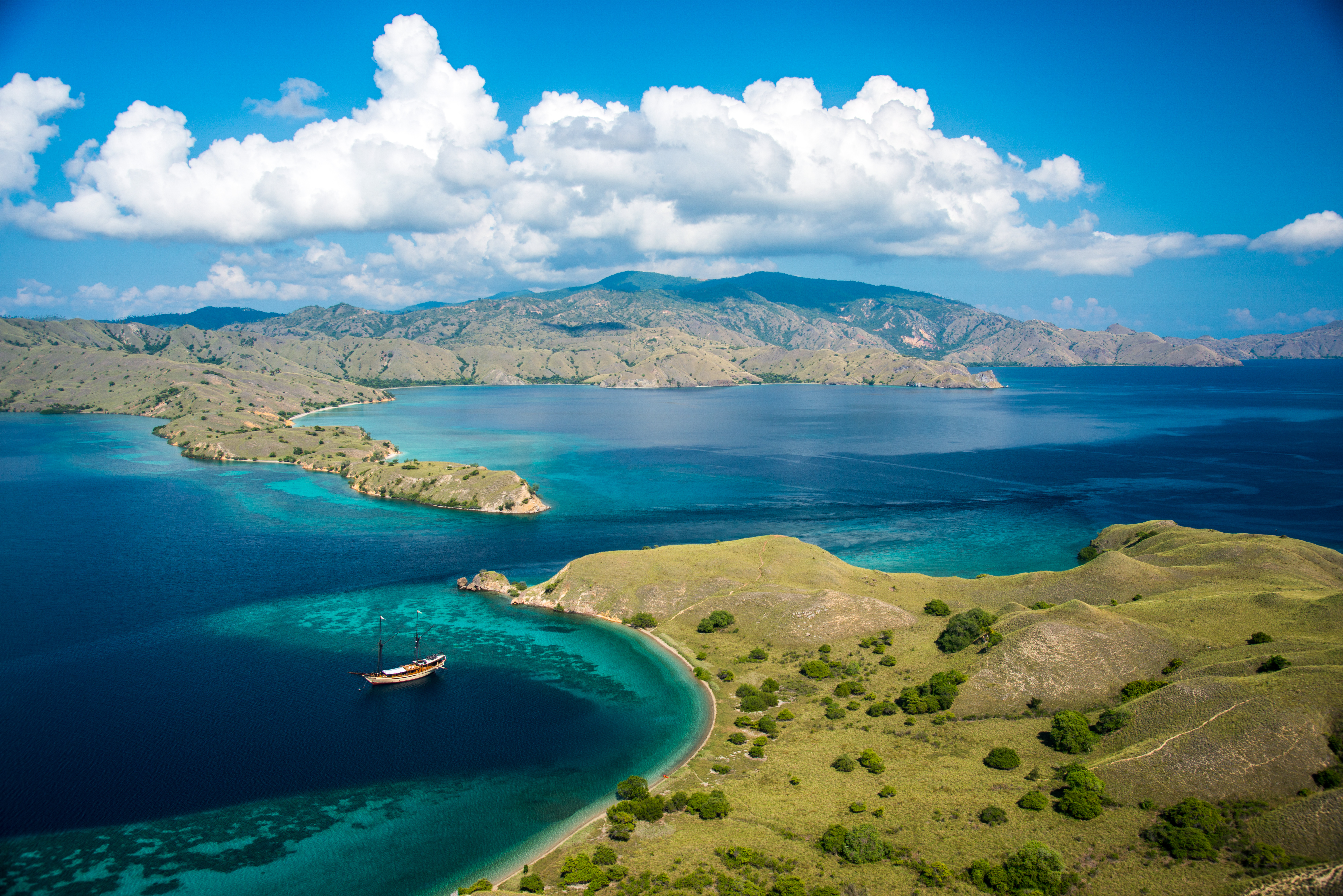
With Silolona Sojourns, the leopard shark story will soon be one you can witness rather than read about, aboard Silolona and Si Datu Bua in the same Raja Ampat waters where the nurseries at Kri and Misool are quietly rebuilding a population from the edge of loss. To learn more about the reintroduction effort itself, visit ReShark at rewild.org. The Lost Sharks of Raja Ampat expedition sails 25 March to 4 April 2027, available exclusively through Cookson Adventures; when you are ready to plan a journey that puts you alongside the people doing this work, enquire with the team.
References
- Allen GR, Erdmann MV. Reef Fishes of the East Indies. 2nd ed. Perth: Tropical Reef Research; 2022. Available from: https://www.reeffishesoftheeastindies.com/
- Setyawan E, Erdmann MV, Mambrasar R, Hasan AW, Sianipar AB, Constantine R, et al. Site fidelity and movement patterns in a Coral Triangle marine protected area network. Front Mar Sci. 2022;9:1004356. doi:10.3389/fmars.2022.1004356. Available from: https://www.reshark.org/star-project
- Dudgeon CL, Ichida N, Hadfield CA, Hoopes LA, Meyer E, Neal L, Erdmann MV. Resharking leopards in Raja Ampat: a behind the scenes look at the StAR (Stegostoma tigrinum) Augmentation and Recovery project. Shark News: Newsletter of the IUCN SSC Shark Specialist Group. 2024;9:46-67. Available from: https://www.reshark.org/