

Walking Through History: Colonial Mansions and Fort Belgica in Banda
Where the Walls Still Remember
There are places you visit. And then there are places that quietly rearrange your understanding of the world.
When you step onto the volcanic soil of Banda Neira, you are not simply traveling through eastern Indonesia. You are walking through the architecture of global ambition. Nutmeg once reshaped empires here. Ships from Europe crossed half the planet to control these small islands. And at the center of it all stands Fort Belgica Banda, a silent geometry of stone overlooking a harbor that once trembled with cannon fire and commerce.
You come to Banda for beauty. You stay for its depth.


Fort Belgica Banda: Geometry of Power Above the Harbor
Perched high above Banda Neira, Fort Belgica Banda is a pentagonal fortress built in the seventeenth century under the Dutch East India Company. Known historically as the VOC, this private corporation functioned like a sovereign state, complete with armies, fleets, and territorial authority.
From above, the fortress looks almost mathematical. Five bastions project outward. Thick coral stone walls absorb the equatorial sun. Inside, arched corridors echo with footsteps.
You feel it immediately. This was not decorative architecture. This was strategic control.
The VOC rebuilt and reinforced the structure to secure its monopoly over nutmeg, a spice once worth more than gold in European markets. Banda Neira became the epicenter of a global trade system that influenced economics, warfare, and diplomacy.
Modern heritage studies suggest that sites like Fort Belgica do more than preserve architecture. They preserve memory landscapes that shape collective identity and historical consciousness. Cultural immersion in places of layered history has been shown to deepen cognitive and emotional engagement with the past rather than reducing it to abstract dates and names. Scholars describe this as experiential heritage learning, where physical space becomes a teacher rather than a backdrop.
When you stand at the fortress edge, looking toward Gunung Api rising across the sea, you are not reading history. You are inside it.
VOC Mansions and Dutch Heritage Sites: The Civil Face of Empire
Descend from Fort Belgica and the story shifts tone.
Here, along quiet streets shaded by tropical trees, stand colonial mansions once inhabited by VOC officials and governors. Whitewashed facades. Wide verandas. High ceilings built to temper the humid air.
These homes were administrative hubs, social centers, and symbols of European permanence in a distant archipelago. Today, some have been preserved as museums, displaying artifacts from the spice era, maritime tools, and fragments of daily colonial life.
You walk through polished wooden floors and imagine negotiations over shipments, letters dispatched to Amsterdam, and strategies whispered behind shuttered windows.
Yet Banda Neira colonial history is not only about European ambition. It is also about local resilience, cultural intersection, and the human cost of monopoly. The islands witnessed forced migrations, conflict, and transformation. Engaging with these sites requires intellectual honesty as much as aesthetic appreciation.
Heritage scholars argue that meaningful travel involves critical reflection rather than passive consumption. Cultural immersion becomes profound when you ask not only what was built here, but why and for whom.
Banda invites that reflection.
The Museum as Memory Archive
The local museum in Banda Neira anchors the narrative. Within its rooms you encounter maps tracing global trade routes, photographs from the colonial period, and personal objects that collapse centuries into tangible detail.
You begin to see how small islands influenced European economic theory, naval expansion, and even the shaping of international law through chartered companies like the VOC.
From a broader perspective, maritime cultural landscapes such as Banda connect local ecosystems to global networks. Research in historical maritime studies shows that port towns functioned as early nodes of globalization, where culture, commerce, and conflict intersected intensely.
In Banda, that global network feels intimate.
Is Banda Neira Worth Visiting?
If you are looking for nightlife or shopping districts, perhaps not.
But if you value places where natural beauty and intellectual depth coexist, then yes. Profoundly yes.
Banda Neira offers more than coral reefs and dramatic volcanoes. It offers context. It allows you to trace how a single spice altered geopolitics. It lets you walk from fortress to mansion to museum within a single afternoon, connecting architecture to empire and landscape to legacy.
For travelers who seek cultural immersion rather than surface tourism, Banda is not just worth visiting. It is essential.


Cultural Immersion as a Luxury in Itself
True luxury is not always about thread counts or champagne lists. Sometimes it is about access to understanding.
When you explore Fort Belgica Banda and the surrounding Dutch heritage sites, you are engaging in a rare form of travel that blends scholarship, reflection, and sensory experience. The scent of clove trees. The echo of your footsteps in coral stone corridors. The horizon stretching beyond centuries of history.
Luxury becomes depth.
To experience Banda at this level of immersion, your journey deserves a vessel that respects both its cultural and natural heritage.
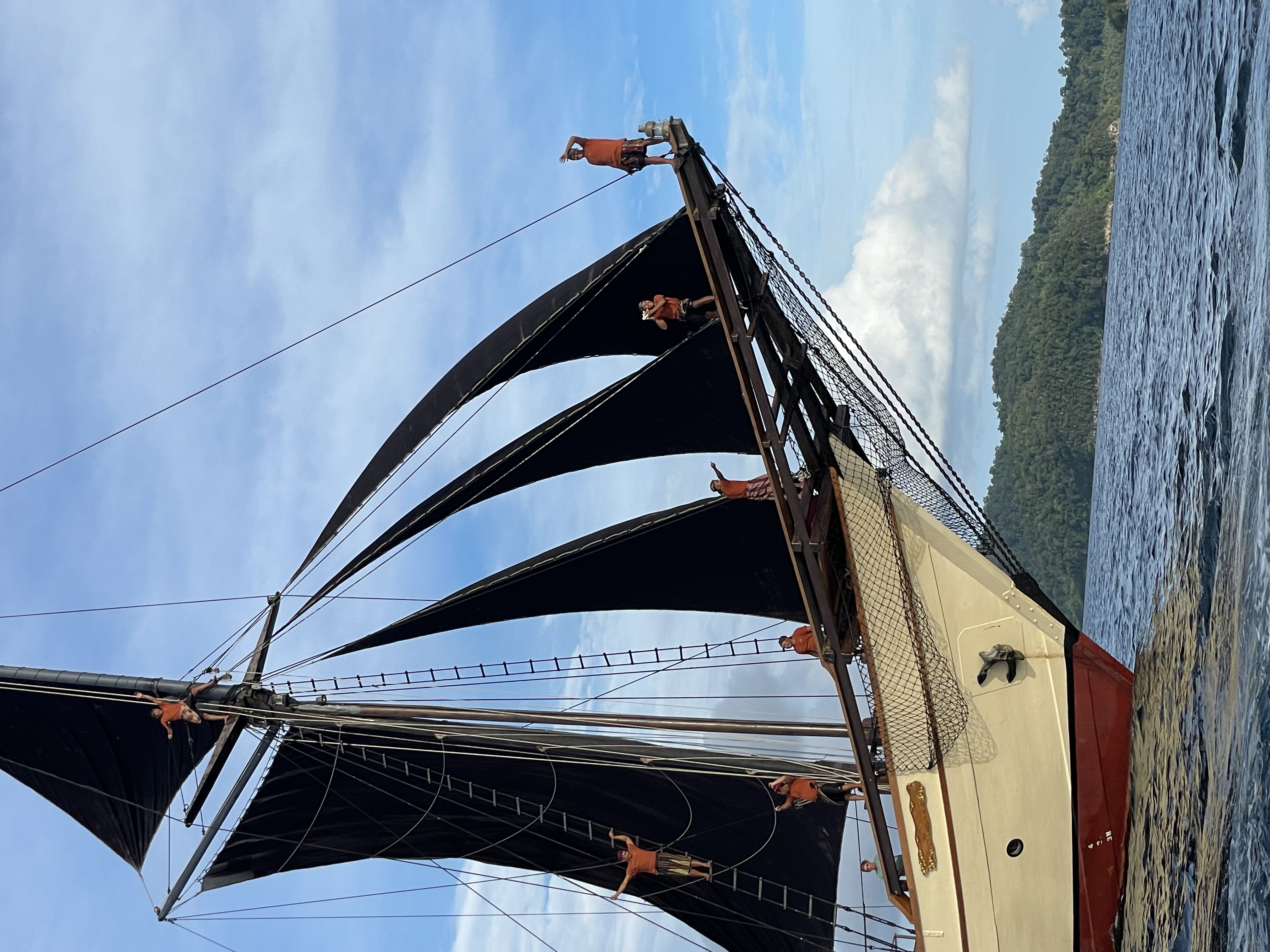
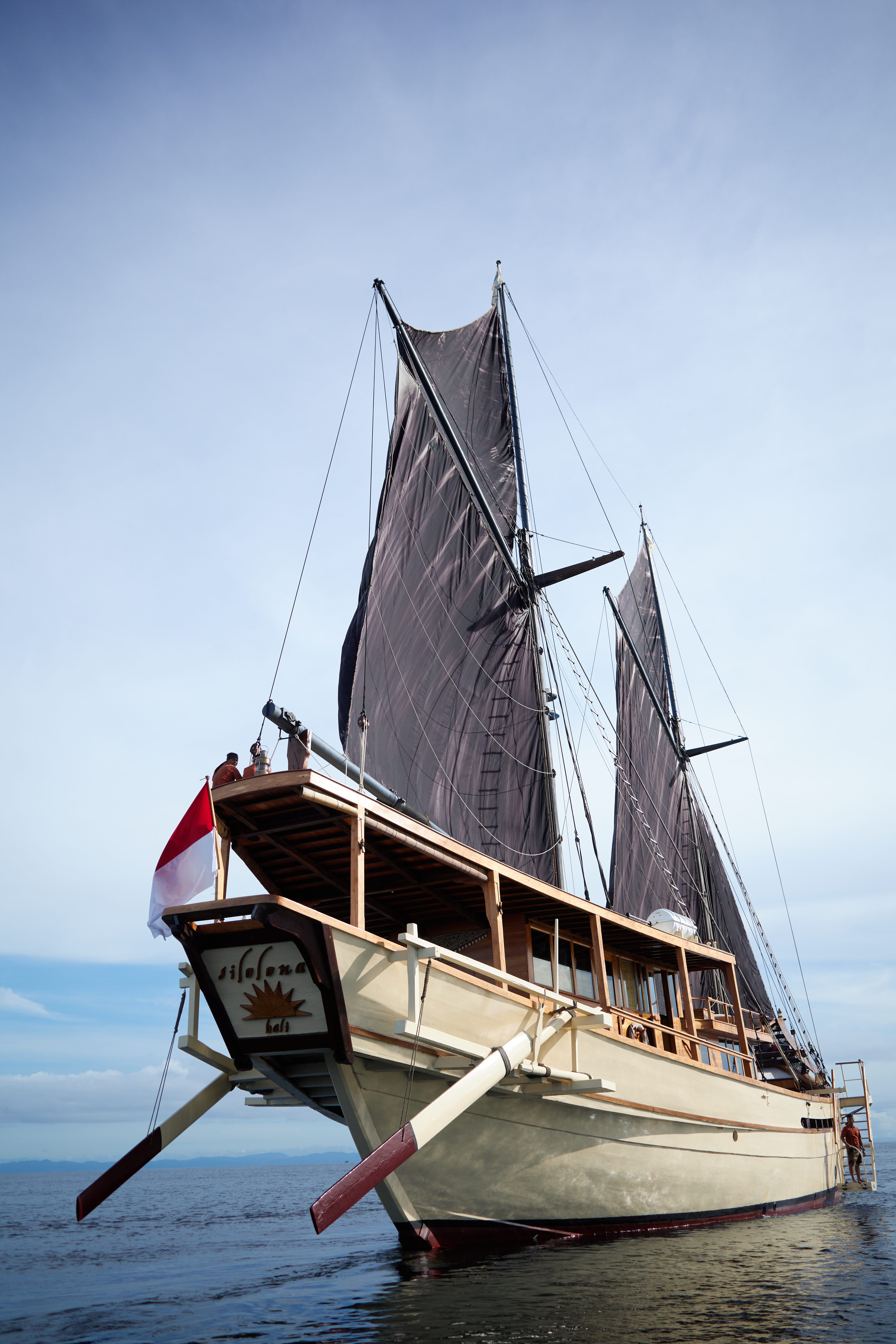
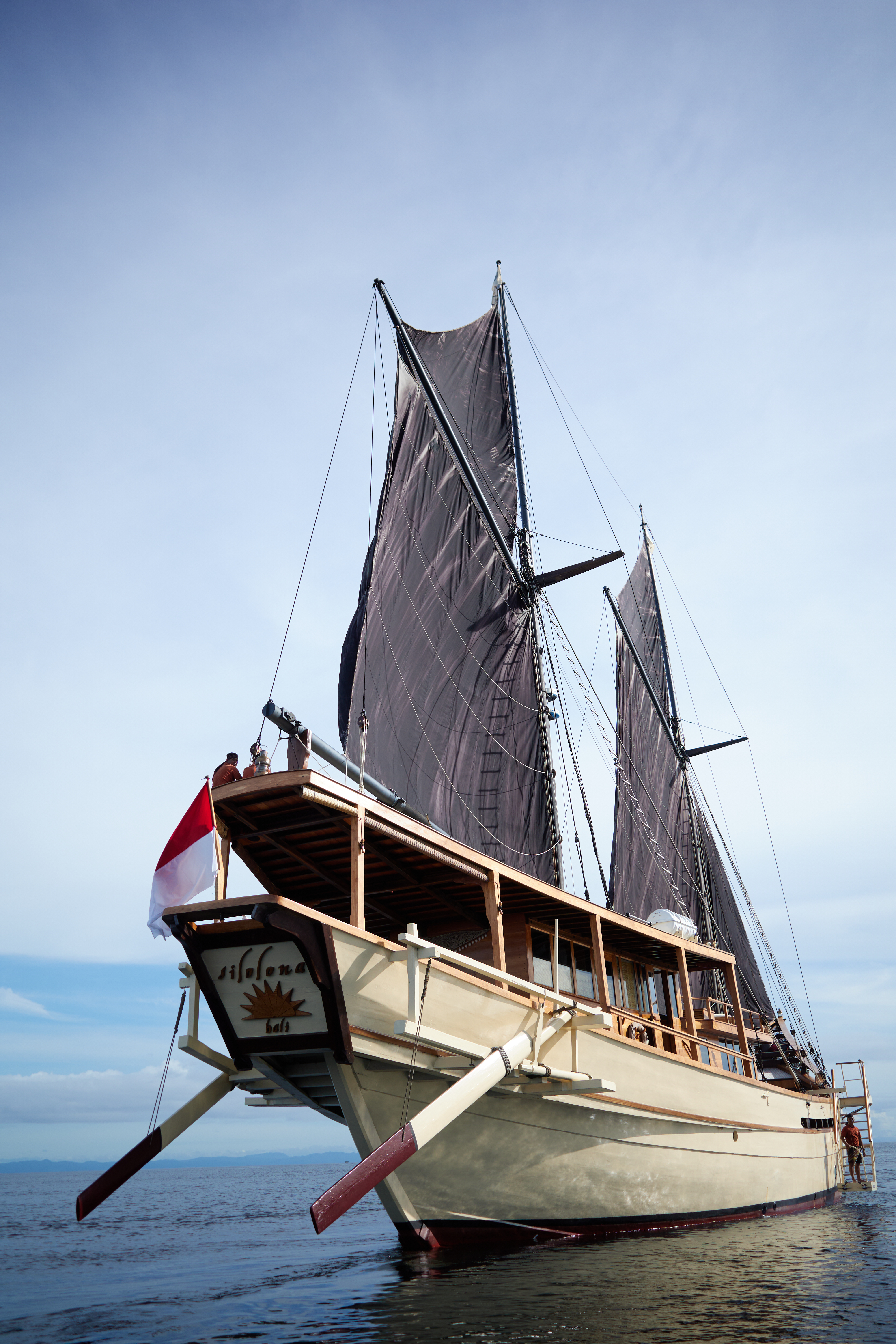
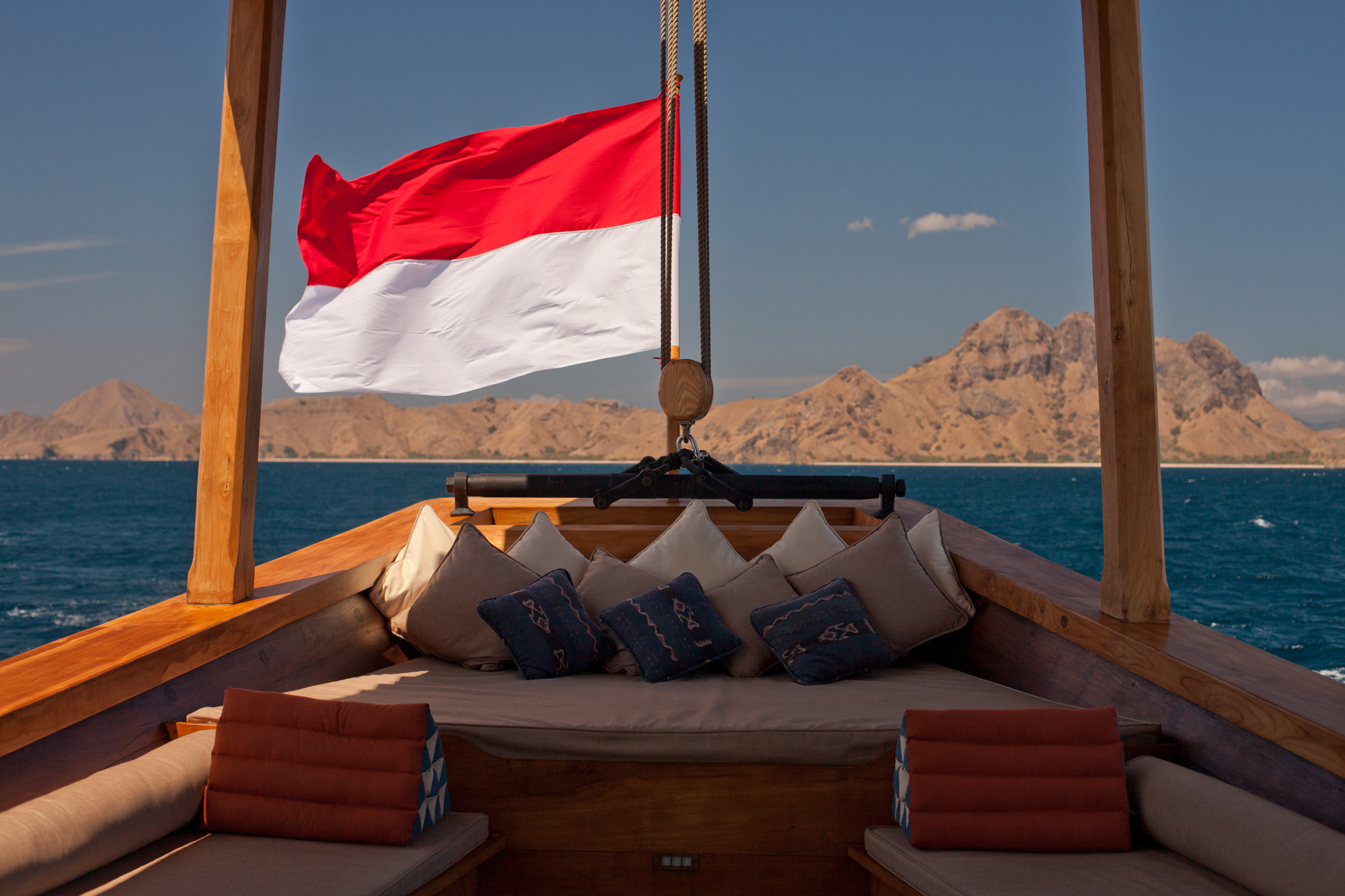


Aboard Silolona Sojourns, you sail into Banda not as a hurried visitor but as an informed explorer. The handcrafted phinisi yacht is designed to navigate Indonesia’s most storied waters in refined comfort. Private cabins, curated cuisine, and expert crew create space for reflection after days spent exploring Fort Belgica, VOC mansions, and hidden coves.
You wake to sunrise over Gunung Api. You anchor near islands that once shaped global trade. You step ashore with context, guided not only by itinerary but by narrative.
This is not simply travel through the Banda Sea. It is travel through time.
If cultural immersion depth is what you seek, Silolona Sojourns offers the rare privilege of encountering history with elegance, privacy, and purpose.
Walking Through History with Intention
Fort Belgica Banda stands as more than a fortress. It is a reminder of how ambition, commerce, and culture intersected on these volcanic shores. The colonial mansions and museums of Banda Neira extend that story, revealing both the grandeur and the gravity of the spice era.
When you walk these streets, you are not consuming history. You are conversing with it.
And perhaps that is the greatest luxury of all.


References
Poria Y, Butler R, Airey D. The core of heritage tourism. Annals of Tourism Research. 2003;30(1):238 to 254. doi:10.1016/S0160 7383(02)00064 6
Smith L. Uses of heritage. London: Routledge; 2006. Conceptual framework on heritage and identity. doi:10.4324/9780203602263
Westerdahl C. The maritime cultural landscape. International Journal of Nautical Archaeology. 1992;21(1):5 to 14. doi:10.1111/j.1095 9270.1992.tb00336.x